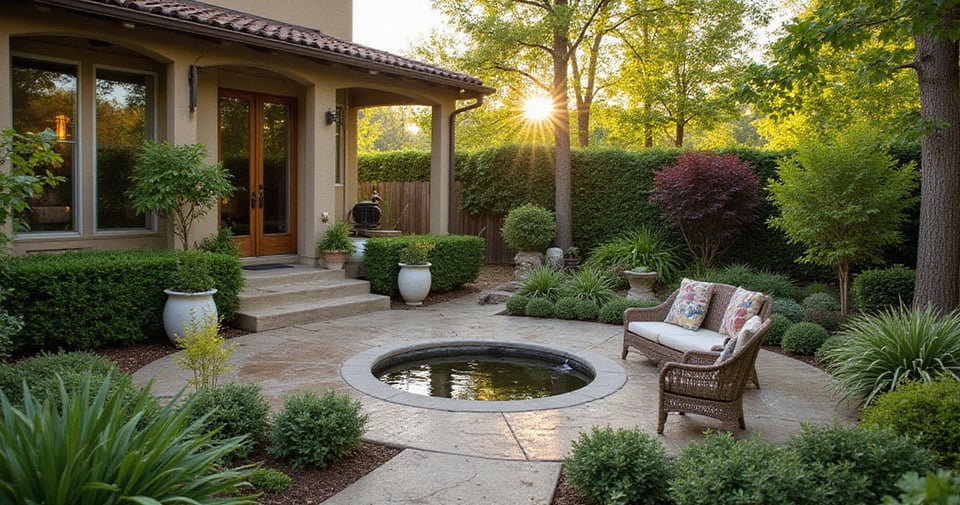
We so often treat our gardens as an afterthought—a bit of leftover space once the house is sorted. But I’ve always believed a garden isn’t just an extension of your home; it’s the very soul of it. It’s where your inner life meets the outer world. Creating that space, whether it’s a small London balcony or a sprawling suburban plot, is about more than just picking a few nice plants. It’s about weaving a story. A story that blends your heritage, your travels, and the life you live right now.
Too often, I see people jump straight to the pretty things—the Belgravia-style planters or the colourful cushions they saw on holiday. This approach, honestly, almost always leads to disappointment. It’s like buying a beautiful silk sari without knowing how to drape it. The individual piece is stunning, but it doesn’t quite come together. The real work, the deep work, is in the planning. It’s a process of listening—to yourself, your family, and the land itself.
So, let’s walk through this together. These aren’t rigid rules, but a flow of ideas that I’ve seen bring the most breathtaking outdoor sanctuaries to life. Think of it as building a design from the inside out. Ready?
1. Begin with How You Want to Feel
Before a single mood board is created or a spade hits the earth, we need to talk about lifestyle. And I mean really talk. Go deeper than “I’d like somewhere to sit.” How do you want to live in this space? Do you see yourself wrapped in a soft pashmina, sipping morning chai as the sun warms a stone wall? Or is it about lively summer evenings, the air filled with the scent of night-blooming jasmine and the laughter of friends gathered around a long table?
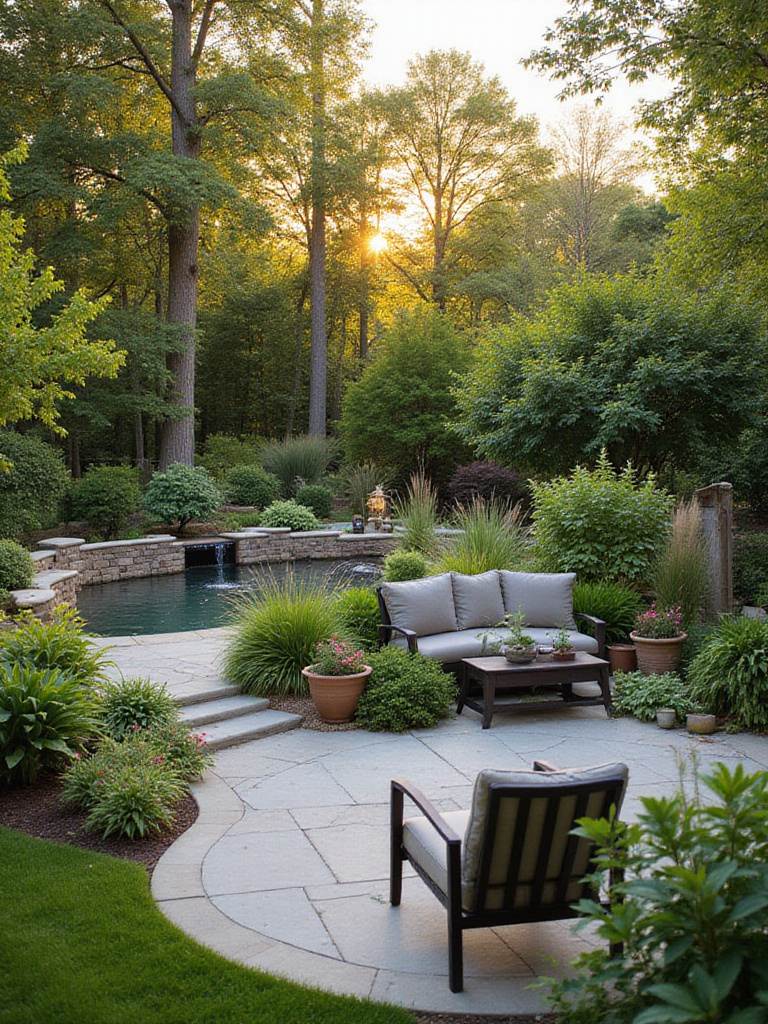
I once had a client, a young couple blending British and Punjabi heritage, who showed me a portfolio of stark, minimalist gardens. But as we talked, I learned their life was full of family, food, and vibrant colour. They didn’t need a cold, architectural space; they needed a welcoming courtyard that could handle boisterous children and host big, beautiful gatherings. We found our inspiration not in a magazine, but in the memory of a grandparent’s veranda in India. This clarity is everything. It becomes your compass, guiding every choice and ensuring the garden you create is one you’ll actually live in, not just look at.
Now, with this feeling, this dream in your heart, it’s time to meet your patch of earth. Even the grandest vision has to respect the ground it’s built on.
2. Listen to Your Land
Every garden has its own personality, its own secrets. Before you impose your will upon it, take the time to simply observe. It’s a bit like getting to know a person. Where does the sun linger in the afternoon? Where do puddles gather after a good British downpour? Is your soil heavy clay or sandy and light? This isn’t just horticultural admin; it’s the essential groundwork for everything to come.
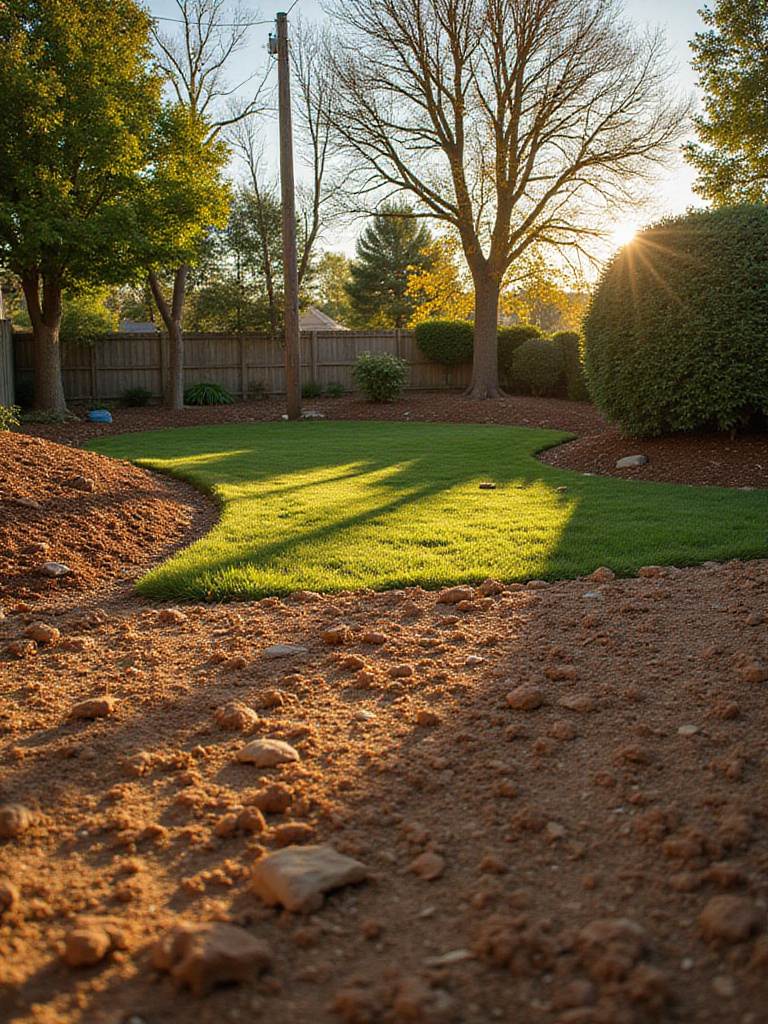
Spend a full day, if you can, just watching. Notice that corner by the fence that’s shady and a bit damp—perhaps not ideal for a sun-drenched patio, but perfect for a lush cluster of ferns and hostas. See that patch that gets baked by the western sun? You’ll want to avoid placing a dark metal bench there unless you enjoy a very, very hot seat in August. A simple soil test kit from a local garden centre can tell you so much. I’ve seen clients in North London discover their soil is surprisingly alkaline, which immediately told us why their dreams of acid-loving rhododendrons were proving a struggle.
When you work with these conditions instead of fighting them, the garden seems to breathe a sigh of relief. You’re no longer a conqueror, but a collaborator. This deep understanding of place allows us to start carving out a human-centric design on a happy, healthy canvas.
3. Carve Out Your Outdoor Rooms
Now we get to translate your lifestyle needs onto the landscape. Think of your garden not as one single space, but as a series of outdoor rooms, each with its own purpose. This is a concept that resonates deeply in both formal British garden design and the courtyard homes of South Asia. It’s about creating distinct zones for dining, lounging, playing, and perhaps a quiet moment of reflection.
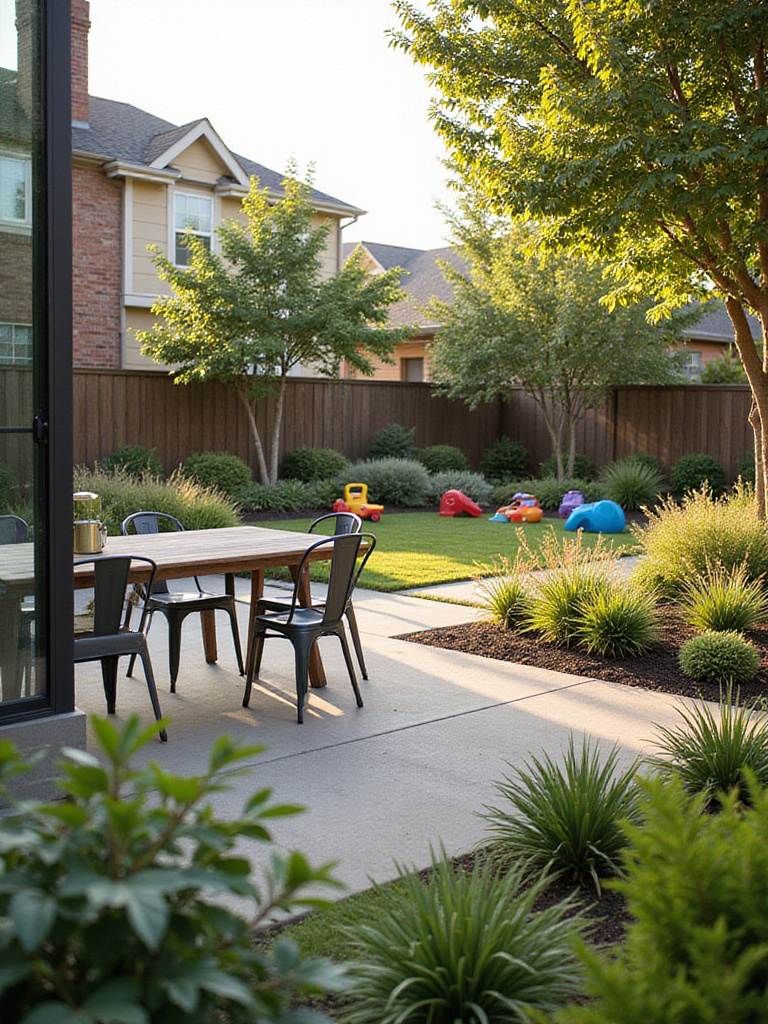
The flow between these “rooms” is crucial. Your dining terrace should, ideally, have a direct and easy route from the kitchen—no one wants to navigate a winding obstacle course with a hot dish in hand. The children’s play area needs to be visible from a relaxed seating zone. Maybe a secluded nook, tucked behind a screen of fragrant climbing jasmine, is reserved just for you. This zoning gives every part of the garden a reason for being, making the whole feel both more organised and more expansive.
What’s really beautiful is how these distinct zones can create a journey through the garden, inviting you to move from one experience to another. This is where pathways become not just practical, but poetic.
4. Weave a Story with Materials
This is my favourite part—where the soul of a design truly emerges. Your choice of materials is what sets the tone and forges the link between your home, your garden, and your cultural influences. It’s a conversation between textures, colours, and histories. Are you drawn to the timeless elegance of reclaimed Yorkstone, or the warm, sun-baked feel of terracotta? Does the sleekness of contemporary concrete appeal, or the rustic charm of weathered timber?
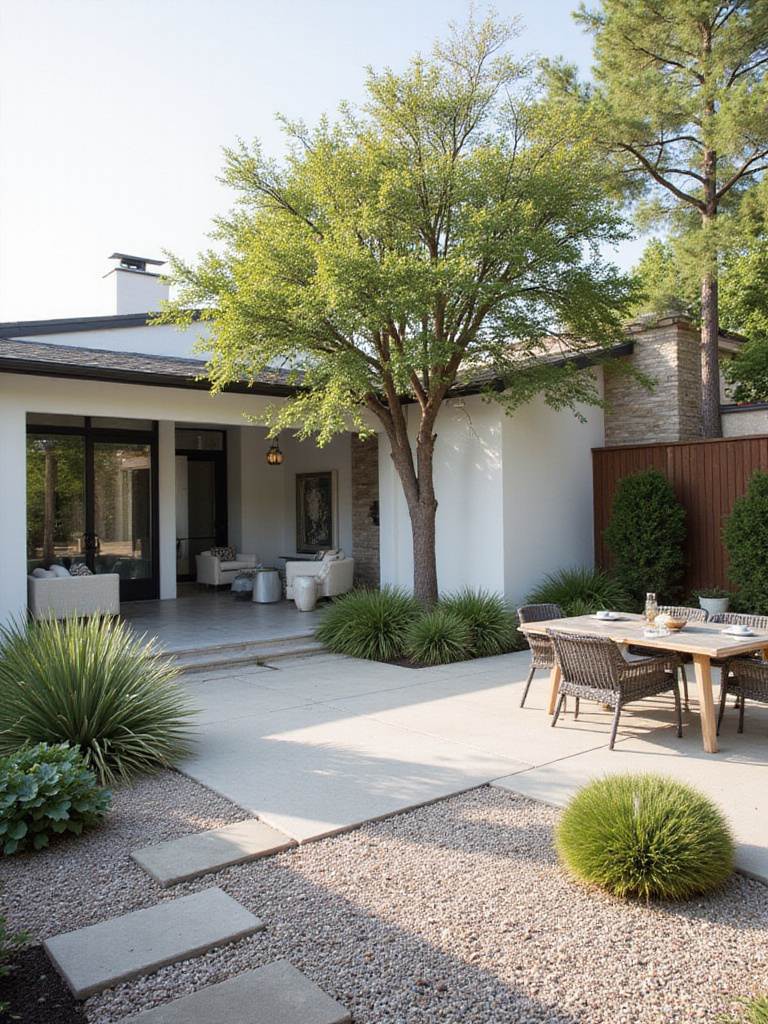
For me, the most compelling spaces happen when these materials are in dialogue. Imagine the cool, smooth surface of polished concrete alongside the intricate pattern of a brass jaali screen. Or the rugged texture of a dry-stone wall—so quintessentially British—softened by planters filled with vibrant Indian marigolds. I worked on a project in Kent where we paired classic British brickwork with stunning slate from Rajasthan. It was a subtle nod to the family’s heritage that felt both authentic and utterly at home in the English countryside. Consider how materials age. Brass develops a rich verdigris patina, while certain woods silver beautifully over time. This isn’t decay; it’s character.
These choices are deeply personal. They’re about creating a sensory palette that feels like a natural extension of who you are. Of course, bringing these beautiful, sometimes ambitious, ideas to life requires a dose of reality.
5. Be Honest About Your Budget
Let’s talk about money. It can be an uncomfortable topic, but frankly, nothing sinks a beautiful design faster than a budget that was unrealistic from the start. Being clear-eyed about what you can spend isn’t about limiting your creativity; it’s about channeling it. It saves you from the heartache of falling for an Italian stone patio and then realising you can only afford to do a tiny corner of it.
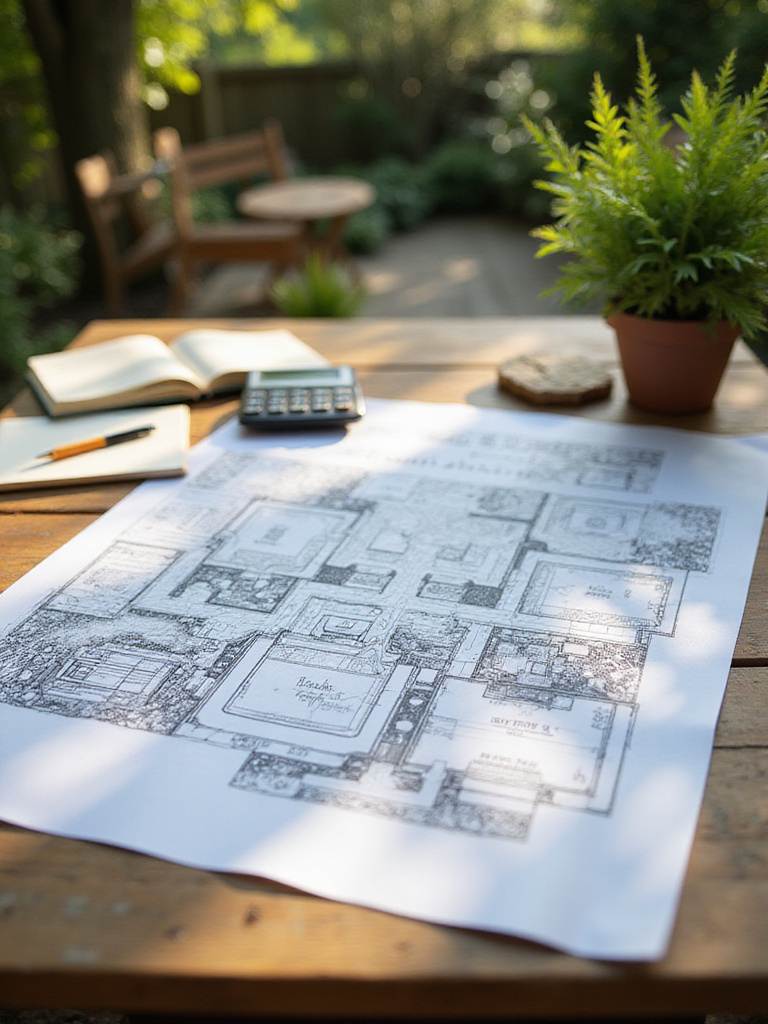
A good rule of thumb is to think about your budget in portions: a significant chunk will go to hardscaping (the patios, paths, and walls that form the garden’s bones), another to the plants and soil, and smaller portions to lighting, irrigation, and—this is critical—a contingency fund of at least 10%. Outdoor projects always have surprises. You might dig up old foundations or discover a drainage issue. That contingency fund is your safety net. If your dream is bigger than your budget, don’t despair. Phasing is a brilliant strategy. Focus on getting the hardscaping and core structure right in Phase One, and then add layers of planting, lighting, or a water feature in subsequent years.
Having this financial framework in place doesn’t just make the project feasible; it gives you the freedom to make smart, sustainable choices about what truly matters most. Often, the most important investment is in the living elements themselves.
6. Choose Plants with a Future
Walking into a garden centre can be intoxicating. All those beautiful blooms are calling your name. But successful planting is a long-term relationship, not a fleeting romance. It’s about choosing plants that will not only survive but thrive in the specific conditions you’ve uncovered, and that fit the life you actually lead. A garden full of thirsty, high-maintenance divas is no joy if you travel frequently or simply want to relax.
Think in terms of a four-season story. What will this space look like in the stark beauty of winter? Look for plants with interesting bark, structure, or evergreen foliage. For spring, a burst of bulbs. For summer, vibrant blooms and lush textures. And for autumn, the fiery glow of changing leaves. In my fusion designs, I love mixing plants that tell a story. Perhaps the stoic structure of English yew hedging provides a backdrop for the delicate, fragrant flowers of a motia (Indian jasmine) in a pot. Or pairing the frothy blossoms of a British cottage garden favourite like Alchemilla mollis with the bold, sculptural leaves of Canna lily. It creates a garden that feels layered and personal.
Choosing the right plants means you are setting your garden up for success, creating a dynamic ecosystem that will grow with you. And the best way to move through that ecosystem is along paths that beckon you forward.
7. Design Pathways that Tell a Story
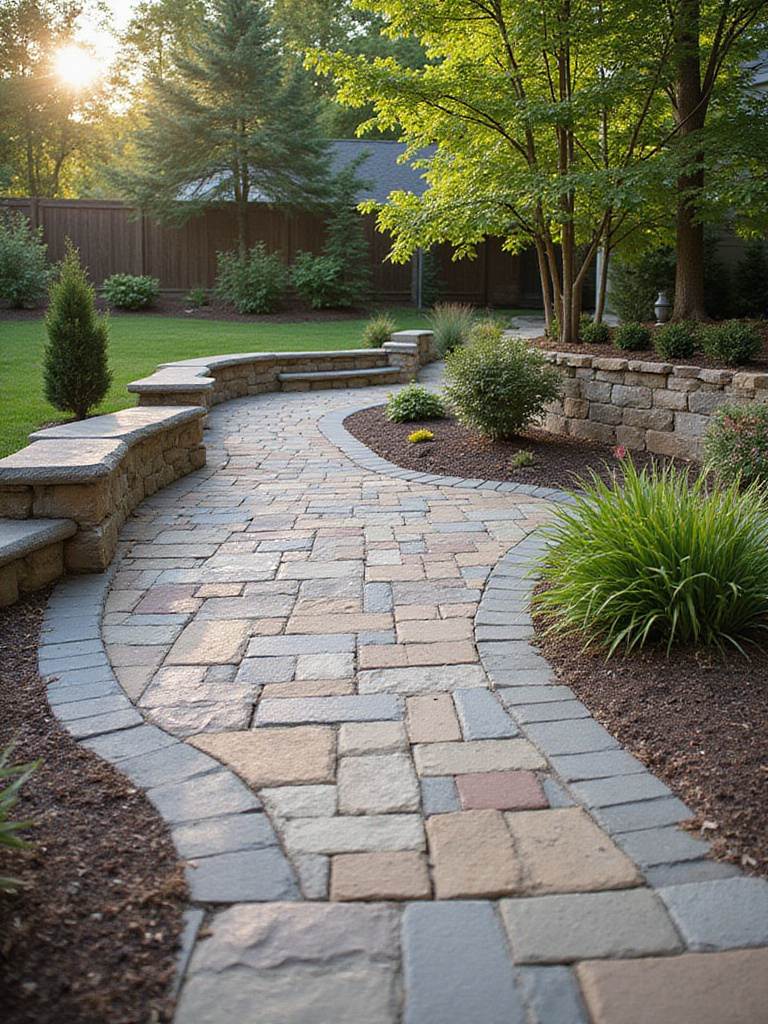
A path is so much more than a way to get from A to B. A path dictates your pace. It can reveal a view slowly or direct your gaze to a specific feature. It’s the thread that ties your outdoor rooms together. The materials, the width, the very line of the path creates an experience. A wide, straight path of formal pavers says “head directly this way.” A meandering trail of irregular flagstones set into gravel encourages a slower, more contemplative journey, where you might notice the tiny flowers at your feet.
The sensory experience is just as important. Think of the soft crunch of fine gravel, the solid feel of hewn stone, or the warmth of a wooden boardwalk. For a client’s contemporary meditation space, we designed a simple path of black river stones—each step a mindful placement of the foot. The width matters, too. A main artery from the house to the dining area should be wide enough for two people to walk side-by-side comfortably. A secondary path leading to a hidden bench can be narrow and more intimate.
These walkways are the punctuation of your garden’s story, guiding visitors and creating a sense of rhythm and discovery. They lead you to the heart of the garden: the spaces where you will truly live.
8. Style Your Outdoor Living Rooms
Creating an outdoor living area that feels truly inviting is about more than just a table and chairs. It requires the same thoughtfulness you’d apply to your indoor sitting room. It’s about scale, comfort, and creating a sense of enclosure and purpose. That perfect spot for your morning coffee should be sheltered from the wind and catch the early sun. Your evening entertaining space, however, might benefit from the shade of a pergola or a mature tree to filter the late afternoon glare.
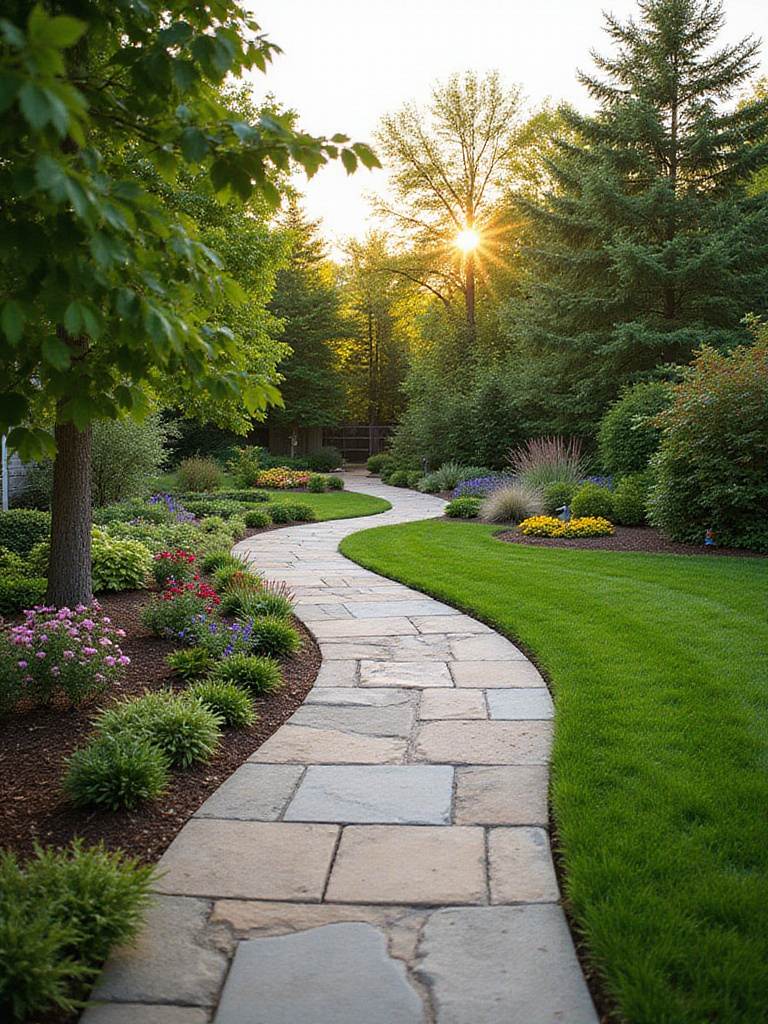
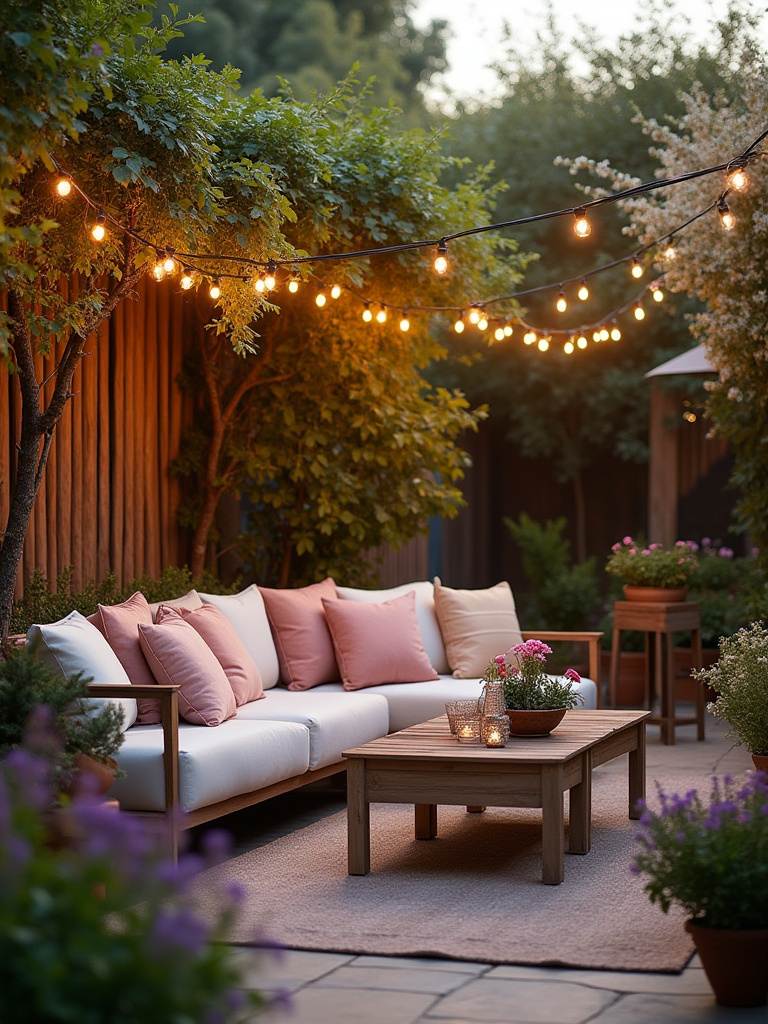
I love to bring interior sensibilities outdoors. An outdoor rug can define a seating area beautifully, making it feel grounded and intentional. Cushions in rich, weather-resistant textiles—perhaps a block-printed cotton from Jaipur or a contemporary British linen—add immediate comfort and personality. Side tables are essential for holding a drink or a book. It’s these layers that transform a patio from a simple slab of stone into a true room. Consider sight lines, too. What do you see from your chosen spot? Frame the best views and use strategic planting or screening to edit out the less desirable ones (like your neighbour’s shed).
The goal is to make these spaces feel so comfortable and welcoming that you’re drawn to them instinctually. To elevate that experience even further, we can appeal to one of our most primal senses.
9. Add the Music of Water
There is nothing quite like the sound of water to transform the atmosphere of a garden. It has a magical ability to soothe the mind and mask the less welcome sounds of the outside world, like traffic. In South Asian garden traditions, from Mughal charbaghs to temple courtyards, water is a central element, representing life, purity, and tranquility. Even the smallest feature can have a profound impact.
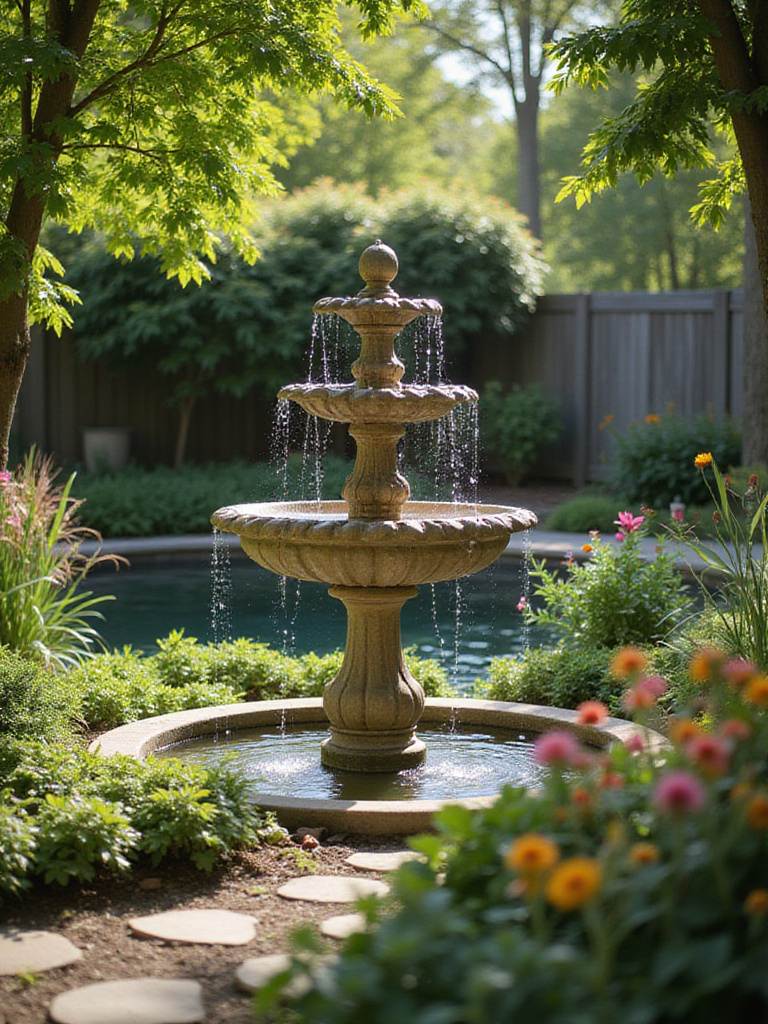
You don’t need a massive pond or a dramatic waterfall. A simple stone urn bubbling gently in a corner can be incredibly effective. The style should feel harmonious with your overall design—a sleek, modern scupper pouring a sheet of water into a formal basin, or a more naturalistic stream meandering through a bed of pebbles. I’m particularly fond of corten steel water bowls, whose rusty patina sits so beautifully against lush green foliage. Think about reflection, too. A still surface of water doubles the sky and mirrors the surrounding plants, making a space feel larger and brighter.
Water brings life, both figuratively and literally, attracting birds and pollinators. It creates a dynamic, ever-changing focal point. To complement this element of life, let’s consider the element that provides warmth and light.
10. Gather Around the Glow of a Fire
A fire feature is what turns your garden from a two-season space into a three- or even four-season retreat. There is something so primal and compelling about gathering around flames. It extends your evenings, allowing conversations to linger long after the sun has set and a chill has crept into the air. It’s the heart of the garden on a cool night.
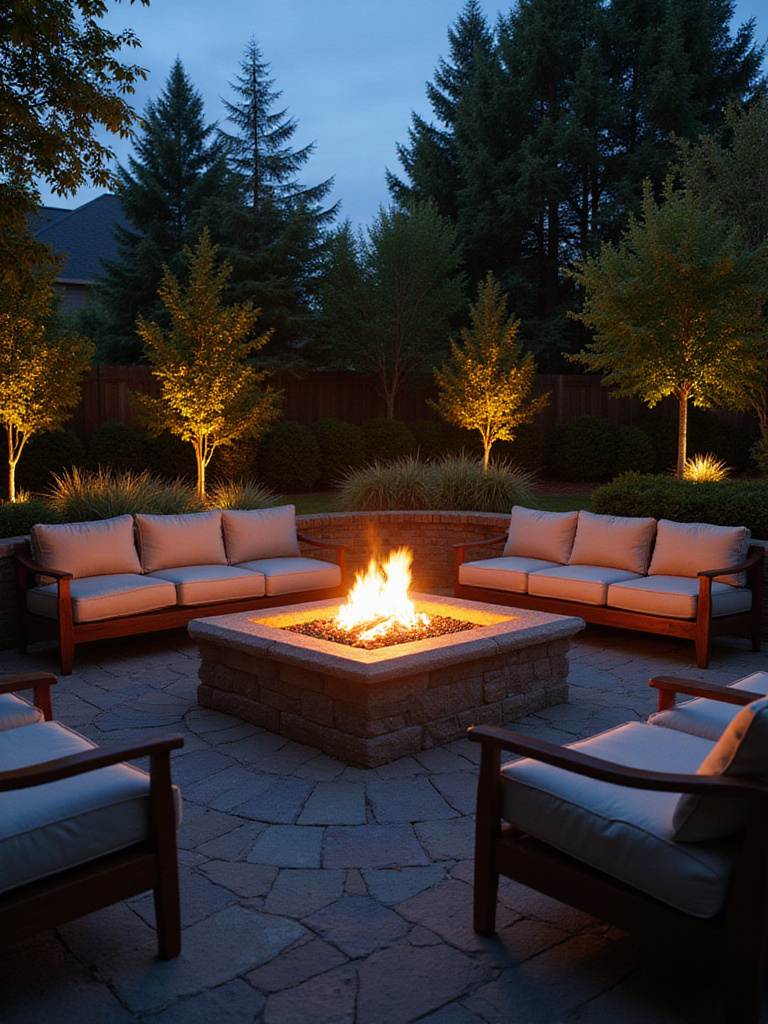
The options are vast, from a grand, built-in fireplace that creates a powerful architectural statement to a chic, contemporary gas fire table that offers instant ambiance with the flick of a switch. Or perhaps a simple, rustic fire bowl is more your style. Safety is paramount, of course. You need to consider prevailing winds so you’re not smoking out your guests, and maintain safe distances from your home, trees, and any combustible materials. In a recent project, we designed a sunken seating area around a fire pit, which created a wonderfully intimate, sheltered space that also helped contain the heat.
The glow of a fire creates an instant sense of community and connection. And as dusk falls, this primary source of light needs to be supported by a more nuanced network of illumination.
11. Layer Your Lighting for Mood and Magic
A garden at night is a completely different world, and a thoughtful lighting scheme is what brings it to life after dark. Good lighting is about so much more than just safety—though that’s certainly important. It’s about creating magic, drama, and atmosphere. The key is to think in layers, just like you would with interior lighting.
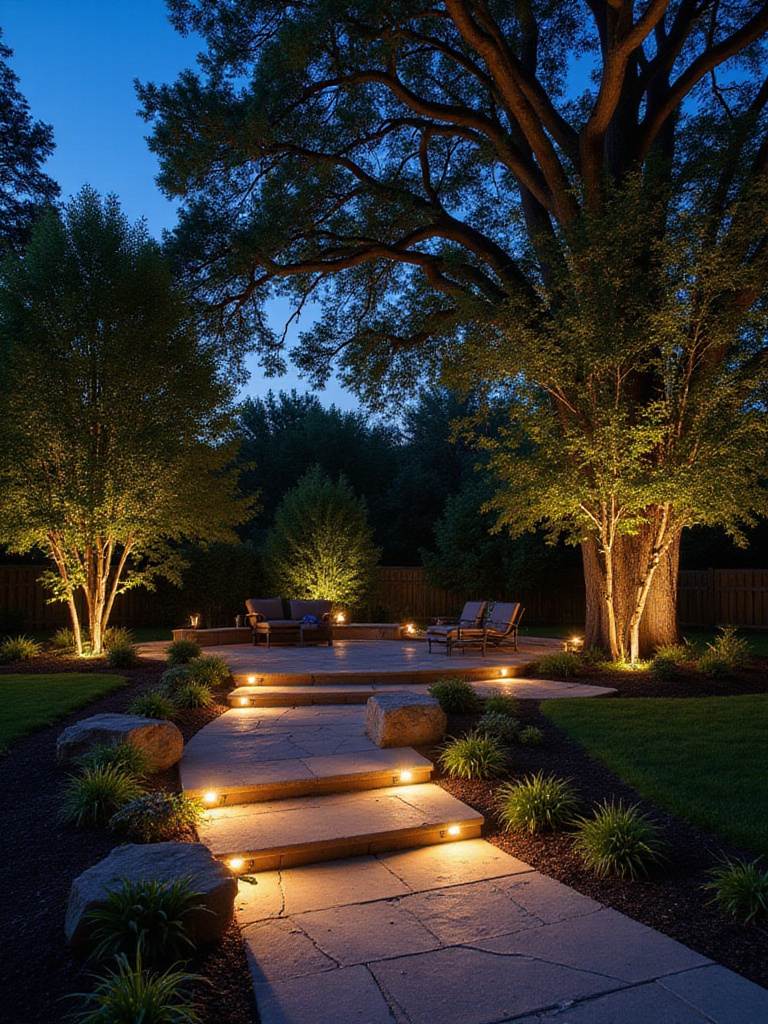
First, you have your task lighting: subtle, low-level lights along steps and pathways to ensure safe passage. Next, accent lighting: this is where you play. An uplighter aimed at the textured bark of a silver birch, a spotlight catching a piece of sculpture, or backlighting a delicate screen to reveal its pattern. Finally, ambient light: the soft, warm glow from string lights over a dining table, or wall-sconces that wash a patio in gentle light. The goal is to create pools of light and shadow, not to flood the entire space like a football pitch. Using warm-toned LEDs is almost always my preference; they create a welcoming, candle-like glow that’s energy-efficient.
A well-lit garden feels intimate and mysterious, inviting you to come out and experience it in a totally new way. But that feeling of intimacy is only possible if you feel a sense of seclusion.
12. Cultivate a Sense of Privacy
Your garden should feel like a sanctuary, a personal retreat where you can truly unwind without feeling like you’re on display. Creating that sense of privacy is one of the most transformative things you can do for an outdoor space. This doesn’t have to mean erecting tall, solid fences that can feel oppressive. In fact, some of the most effective solutions are soft and layered.
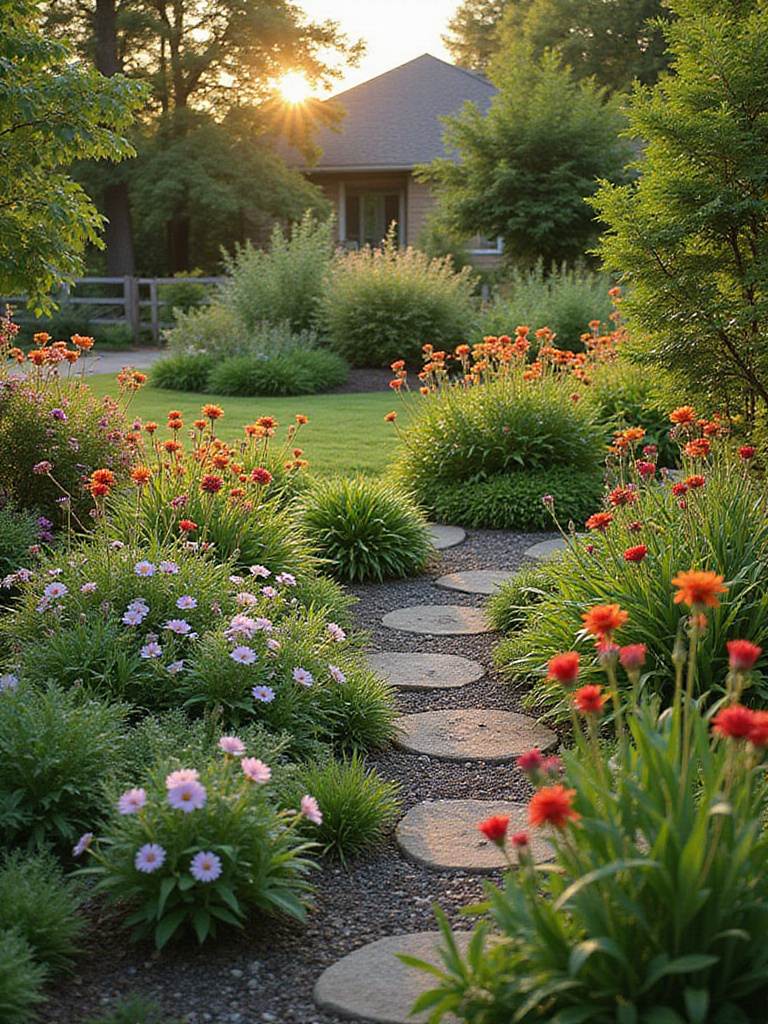
Think “screening” instead of “blocking.” Living screens of pleached trees, tall ornamental grasses like Miscanthus, or trellises covered in evergreen climbers can filter views while still allowing light and air to pass through. I love using layers of planting—a staggered mix of shrubs, taller perennials, and small trees—to create a deep, textured border that obscures sight lines much more beautifully than a single, monolithic hedge. Think about what you actually need to screen. Is it a view from a neighbour’s second-story window? Then you need height. Is it just to create a more intimate feeling on the patio? Then a decorative screen or a few large, potted bamboos might be all you need.
Achieving privacy is what allows you to truly relax and claim the garden as your own. And in claiming that space, especially smaller ones, it helps to think upwards.
13. Look Up: The Power of Vertical Space
In many urban gardens, ground space is the ultimate luxury. This is where vertical thinking becomes your greatest asset. Using walls, fences, and overhead structures multiplies your growing area and adds a wonderful sense of dimension and enclosure. A bare brick wall or a drab fence is a canvas waiting to be brought to life.
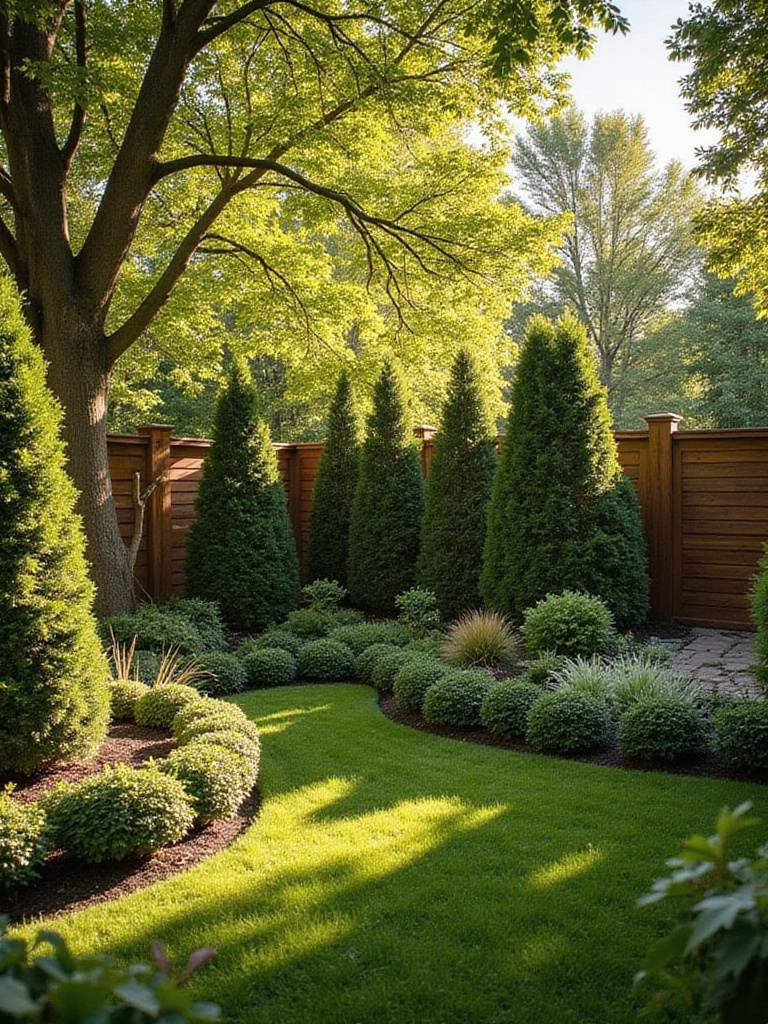
Trellises supporting fragrant climbing roses or jasmine, arbors that create a welcoming gateway from one garden “room” to another, or even a full-scale living wall can turn a boring boundary into a stunning feature. I am a huge fan of espaliering fruit trees like apples or pears against a sunny wall; it’s an ancient technique that is both incredibly productive and beautifully sculptural. It’s a perfect fusion of form and function. These vertical elements can also provide that all-important privacy screening or create a leafy canopy over a seating area, making it feel more like an intimate grotto.
This upward-looking strategy doesn’t just add beauty; it can also put food on your table. It challenges the old-fashioned idea that our gardens must be either purely beautiful or purely practical.
14. Weave Edibles into Your Design
There’s a rather dated British notion of separating the “pretty” flower garden from the “practical” vegetable patch. I believe the most vibrant, living gardens are those that joyfully mix the two. Why hide your edibles away when so many of them are stunningly beautiful? Think of the deep purple globes of an aubergine, the frilly, crimson-veined leaves of a decorative kale, or a curtain of scarlet runner beans climbing up a simple bamboo cane structure.
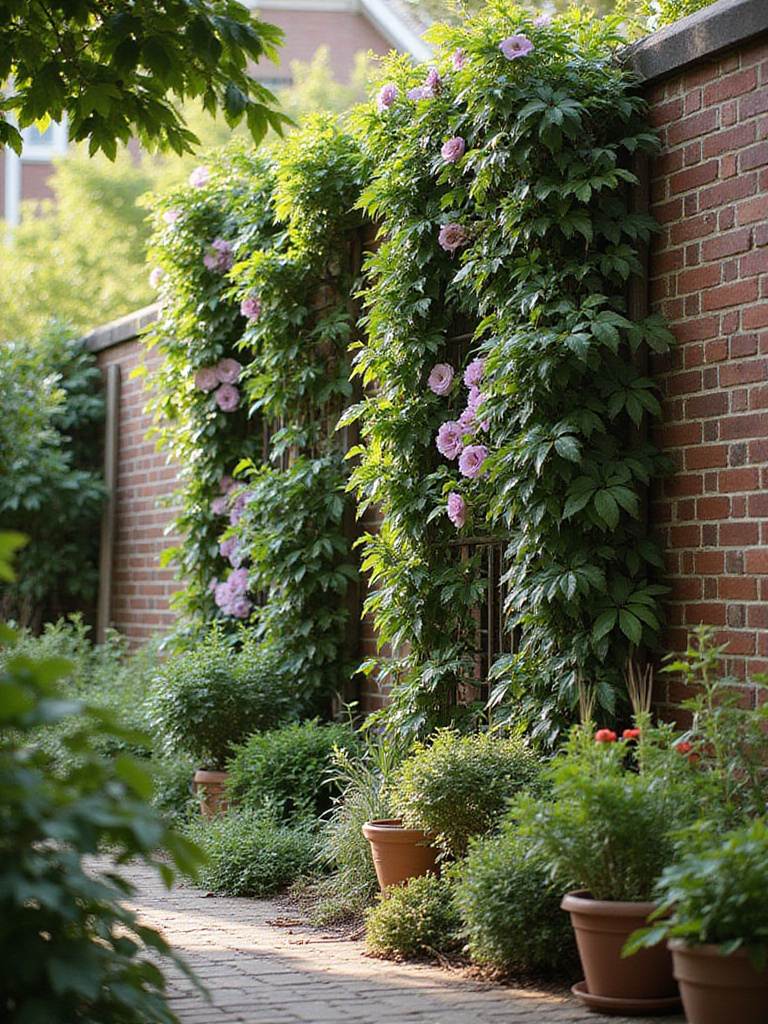
This is what I call edible landscaping. You integrate your herbs, vegetables, and fruits right into your ornamental borders. A row of vibrant Rainbow Chard can be just as striking as any bedding plant. A border of fragrant rosemary can line a path, releasing its scent as you brush past. I love placing pots of chillies and herbs near the kitchen door—it’s practical for cooking and adds a splash of colour and life. You simply have to be mindful that most edibles need good sun and richer soil than many ornamentals.
Blending the beautiful and the bountiful creates a garden that nourishes you in every sense of the word. But for any of this to flourish, we must address the unglamorous, yet utterly vital, issue of water.
15. Get Serious About Drainage
Okay, let’s talk about the least glamorous—but most critical—part of garden design: drainage. I cannot stress this enough. Getting water management right from the beginning will save you from so much heartache, plant loss, and structural damage down the line. A waterlogged lawn or a patio that pools every time it rains will undermine every other beautiful choice you’ve made.
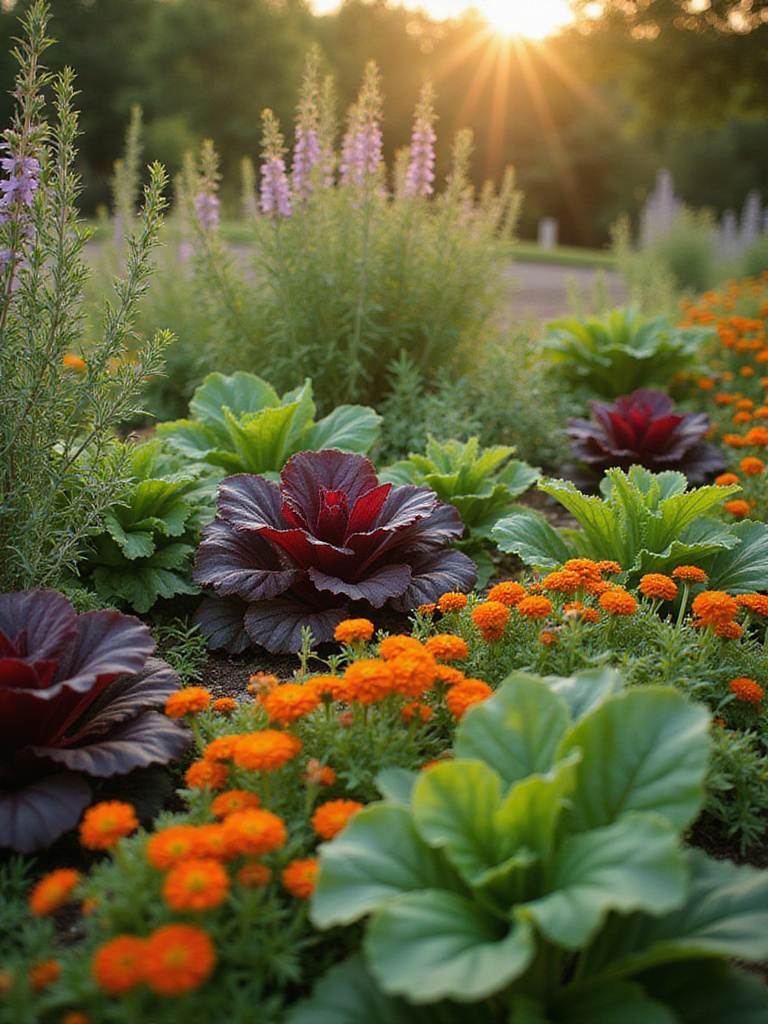
Before you do anything else, you must understand how water behaves on your property. Where does it flow? Where does it sit? Simple observation during a heavy rain is the best way to find out. Sometimes the solution is as simple as re-grading a lawn to create a gentle slope away from the house. In other cases, you might need a French drain (a gravel-filled trench with a perforated pipe) to channel excess water away from a problem area. Or better yet, you can create a rain garden—a shallow depression planted with water-loving species—that turns a soggy problem into a beautiful, ecological feature.
Thinking about water as a resource to be managed thoughtfully, rather than a problem to be disposed of, is a sustainable approach that benefits your garden and the wider environment. This thoughtful approach also applies to your most precious resource: your time.
16. Design for Ease, Not for Work
Let’s be honest: you want to spend your time enjoying your garden, not being a slave to it. Designing for low maintenance doesn’t mean your garden has to be boring or paved over. It’s about making smart, strategic choices that give you the most beauty for the least amount of labour. It’s a philosophy of working smarter, not harder.
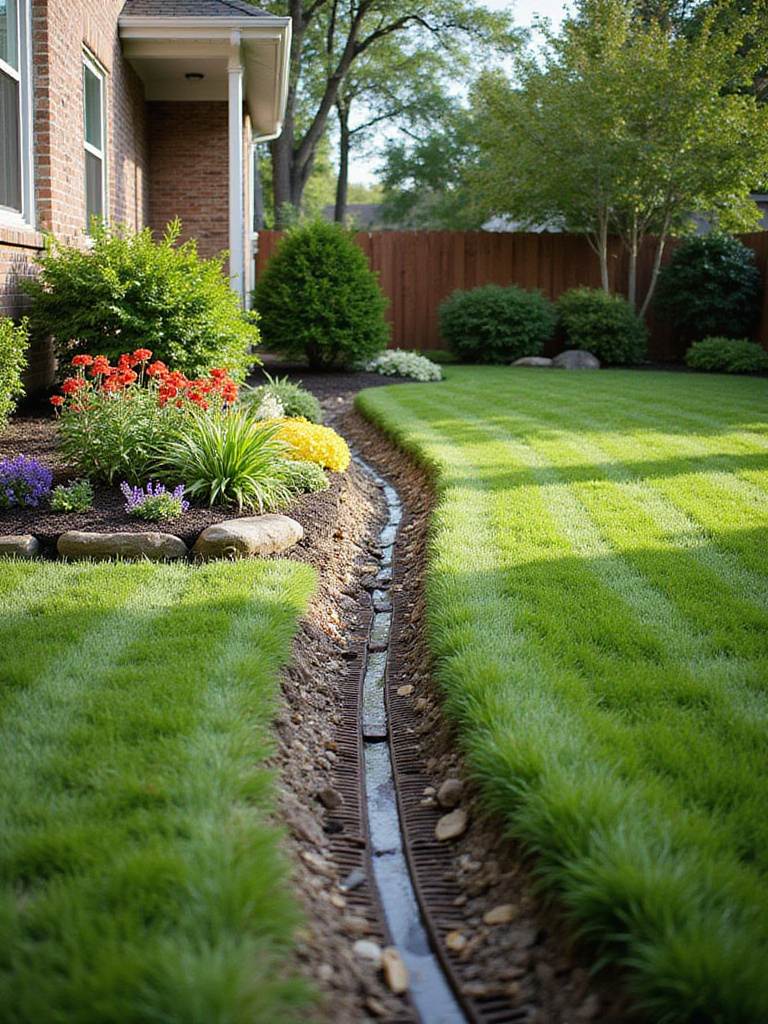
This starts with choosing the right plants for the right place, as we’ve discussed. It also means grouping plants with similar water needs together, so you’re not running around with the hose every day. An automated drip irrigation system, set on a timer, is a game-changer. Mulching your beds with bark or compost is another secret weapon: it suppresses weeds, conserves moisture, and improves the soil all at once. When it comes to hardscaping, choose durable materials that don’t require constant sealing or cleaning. It’s about front-loading the effort during the design and installation phase to ensure years of future enjoyment.
A well-designed, low-maintenance garden isn’t static; it evolves and matures, growing more beautiful with each passing year, and becomes a haven not just for you, but for local wildlife as well.
17. Invite Nature In
One of the greatest joys of having a garden is sharing it. Not just with friends and family, but with the birds, bees, butterflies, and other creatures that bring it to life. A garden that hums with life feels vibrant and healthy. Creating a welcoming habitat is surprisingly simple, and it often involves letting go of the need for perfect control.
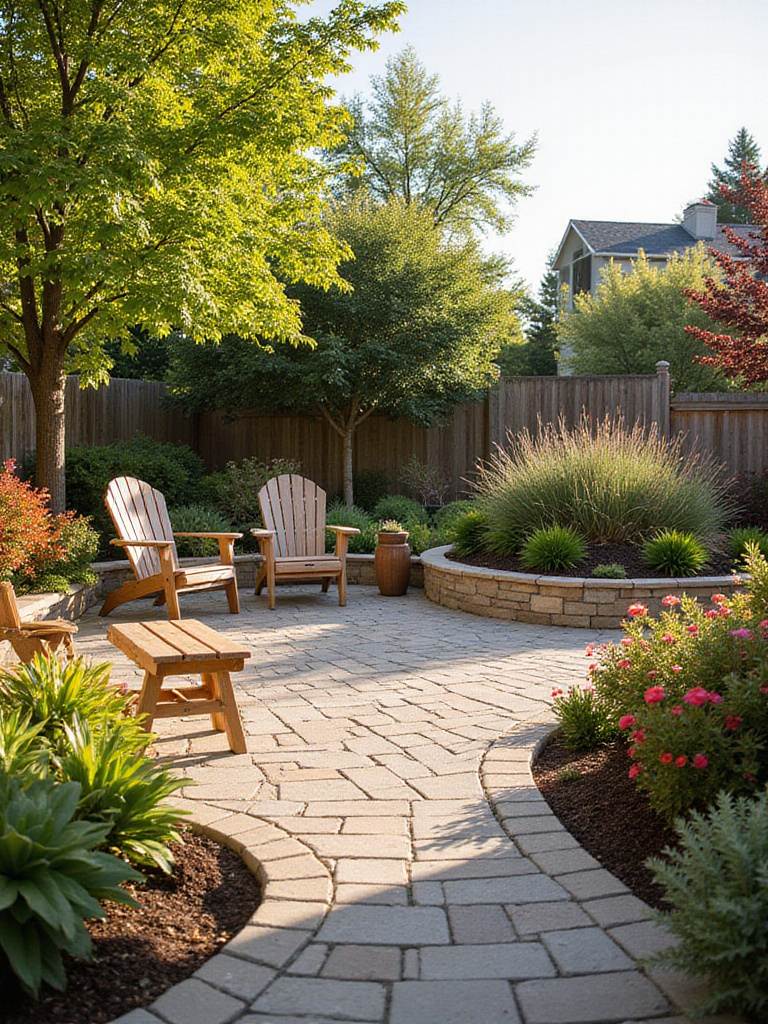
The single most effective thing you can do is to plant native species. Local birds and insects have co-evolved with these plants and depend on them for food and shelter. Instead of just thinking about flowers, think about providing food sources throughout the year: nectar in spring and summer, seeds and berries in autumn and winter. A small dish of water can be a lifeline for birds and thirsty bees. And please, try to avoid pesticides. They create a sterile environment and do more harm than good, wiping out the beneficial insects that would naturally keep pests in check.
A garden that supports a thriving ecosystem is a more resilient, more interesting, and, I think, a more beautiful space. It becomes a small but vital link in a larger environmental story. But even the most naturalistic garden needs a place for life’s necessities.
18. Plan for Practical, Beautiful Storage
Let’s face it: gardens come with stuff. Cushions, trowels, bags of compost, the children’s footballs, the barbecue cover. Without a proper place to put it all, even the most exquisitely designed garden can quickly look cluttered and chaotic. That’s why planning for storage from the very beginning is not an afterthought—it’s an integral part of the design.
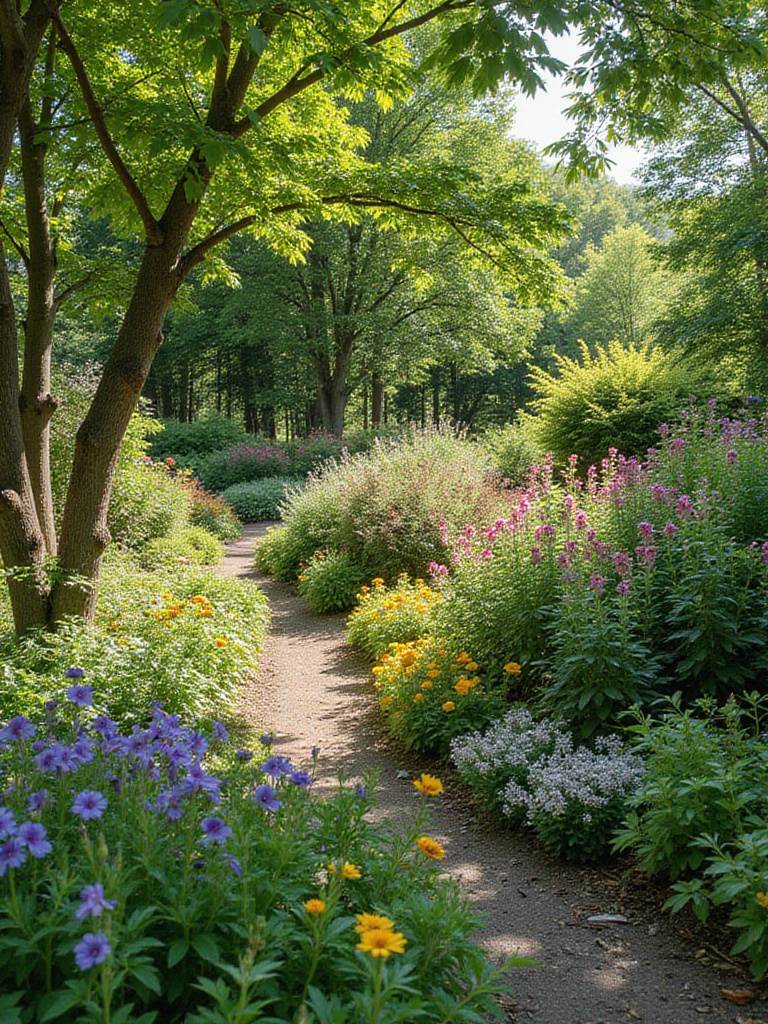
The trick is to make your storage solutions contribute to the aesthetic, not detract from it. Instead of a standard plastic shed plopped in a corner, could you have a beautiful timber structure that doubles as a feature wall, painted in a striking colour? Could a storage bench with a hinged lid provide both seating and a place to hide away cushions? I often design custom screens to hide away bins and compost areas, turning an eyesore into a chic, slatted feature. Think about what needs to be easily accessible versus what’s only used seasonally, and place your storage accordingly.
When even the most practical elements are considered with an eye for design, the entire garden feels cohesive and serene. This same principle applies to the lifeblood of your garden: its irrigation.
19. Install an Intelligent Irrigation System
Just as important as managing excess water is ensuring your plants get the right amount when they need it. A smart irrigation system is one of the best investments you can make for the health of your garden and the conservation of water. Modern systems are incredibly sophisticated, delivering water exactly where it’s needed with minimal waste.
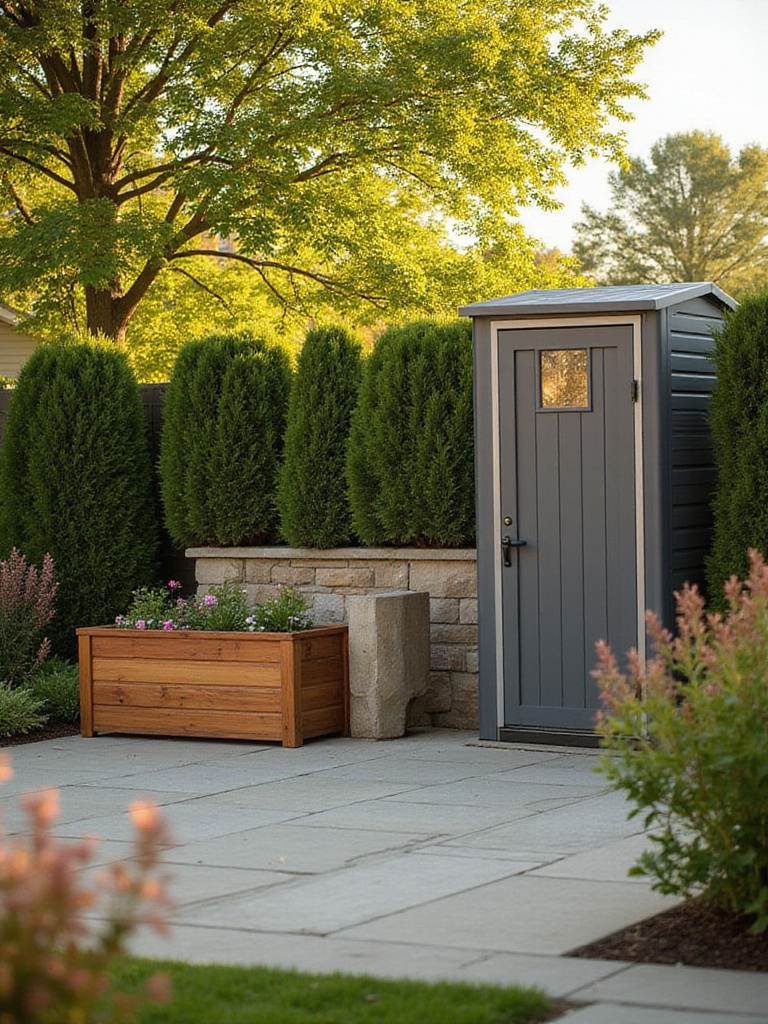
Drip irrigation is fantastic. It’s a network of tubes with small emitters that release water slowly, directly at the roots of your plants. This means very little is lost to evaporation, and the plant foliage stays dry, which helps prevent fungal diseases. Zoning is also key—you can set up different “zones” so that your thirsty perennials get a different watering schedule than your more drought-tolerant grasses. Connecting your system to a smart controller that adjusts based on local weather forecasts is the ultimate upgrade. It won’t water if rain is on the way, saving water and preventing soggy soil.
An efficient system takes the guesswork out of watering, ensuring your green investment thrives and your design intent is fully realised.
The Evolving Garden: Your Living Sanctuary
And there you have it. A journey through the process of creating a garden that is not just a space, but a place. A place that reflects who you are, respects the land it occupies, and brings you joy through every season. It requires patience, yes, and a willingness to see your garden as a complete, interconnected system. But the investment of thought at the beginning is repaid a hundredfold.
Remember that a great garden is never truly “finished.” It’s a living, breathing entity. Plants will grow and mature, your own needs will shift, and you’ll discover new things about the space as you live in it. The most important thing is to create strong “bones”—the well-planned hardscaping, the good drainage, the smart layout. With that foundation, you have a canvas that can evolve with you.
Your garden holds the potential to be the most restorative, inspiring, and personal room you own. It’s where your story takes root and blossoms. The journey begins the moment you decide to honour that potential, to listen closely, and to create with intention.