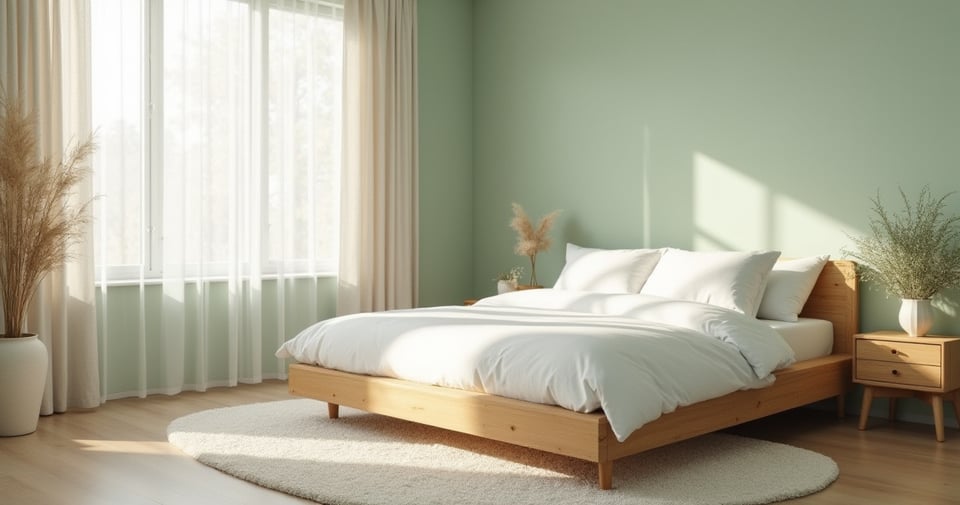
Of all the rooms we design, the bedroom feels the most personal. It’s more than a place to collapse at the end of the day; it’s the space where we begin and end each chapter. And yet, so many of us treat it as an afterthought. I’ve walked through countless homes where the public spaces are meticulously curated, while the bedroom feels like a storage room for fatigue.
The desert has been my greatest teacher in this regard. Growing up between worlds, I saw how Middle Eastern architecture uses mass and shadow to create coolth, and how Scandinavian design finds warmth in simplicity. Both traditions understand that beauty comes from intention, not excess.
What follows isn’t just a list of bedroom aesthetic ideas. It’s a collection of principles learned over a decade of designing climate-adaptive spaces. These are the ways we can bring that same intentionality to the most intimate room in our homes, crafting a space that feels like a true extension of who we are.
1. Find Your Foundation in an Earth-Toned Palette
I almost always begin a project with color. Not because it’s the most exciting part, but because it sets the emotional tone for everything that follows. Earthy tones—the colors of clay, sand, stone, and dry grasses—are the bedrock of a restful space. They don’t shout for your attention. Instead, they ground you, connecting your nervous system to the quiet of the natural world.

So many modern palettes lean on cool blues and sterile grays, which can feel jarring and cold, especially in a room meant for rest. Think instead of the subtle colors of a desert at dawn: the faint blush of terracotta on a canyon wall, the silvery green of a sage bush, the creamy off-white of sun-bleached limestone. On a project in the Anza-Borrego desert, we painted the walls a soft, plaster-like white, but the “white” was actually a custom mix with the faintest hint of beige and rose. The effect was immediate; the light didn’t bounce harshly, it glowed. It’s about finding warmth in your neutrals, creating a room that feels like an embrace.
The trick is to layer these tones. Don’t just paint the walls one color and call it a day. Use the lightest shade on the largest surfaces, then bring in deeper variations through your bedding, a rug, or an upholstered chair. This creates a depth that feels both sophisticated and profoundly calming. This foundation of an earthy modern color scheme will make every other choice feel more cohesive.
2. Tame the Sun: Manage Light and Heat
Light is life, especially in a bedroom where it governs our sleep cycles. But in warmer climates, it can be a liability. The greatest challenge in my work is balancing the desire for bright, airy rooms with the absolute necessity of managing heat gain. This is the core of climate-adaptive design: working with the sun, not against it.
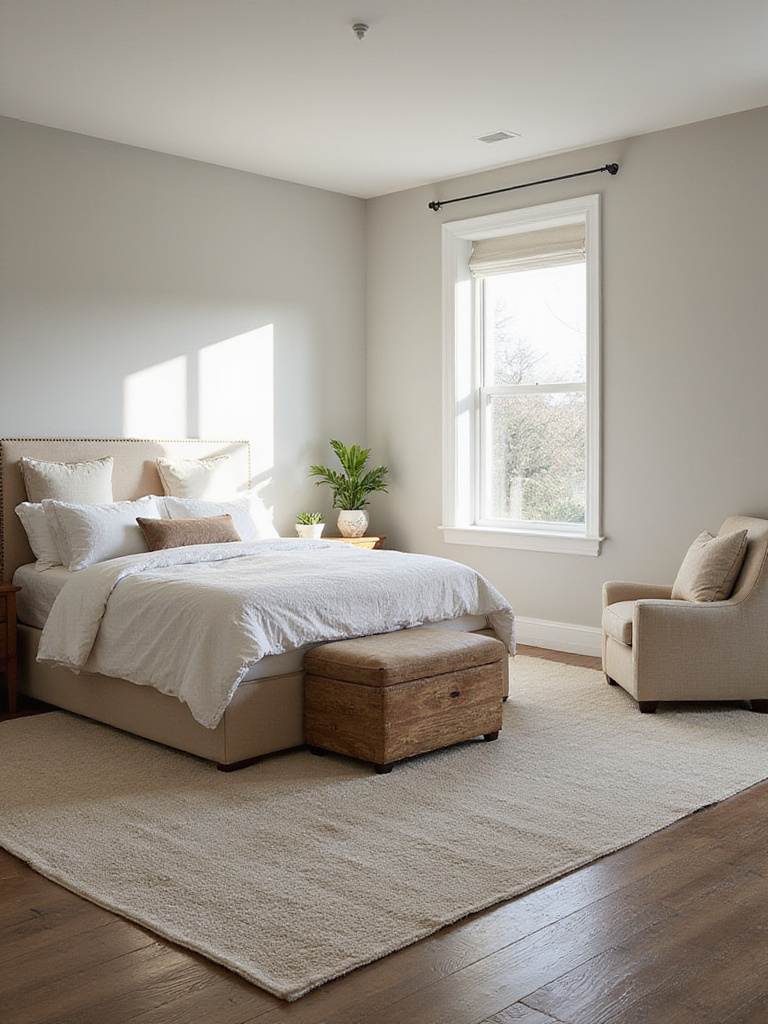
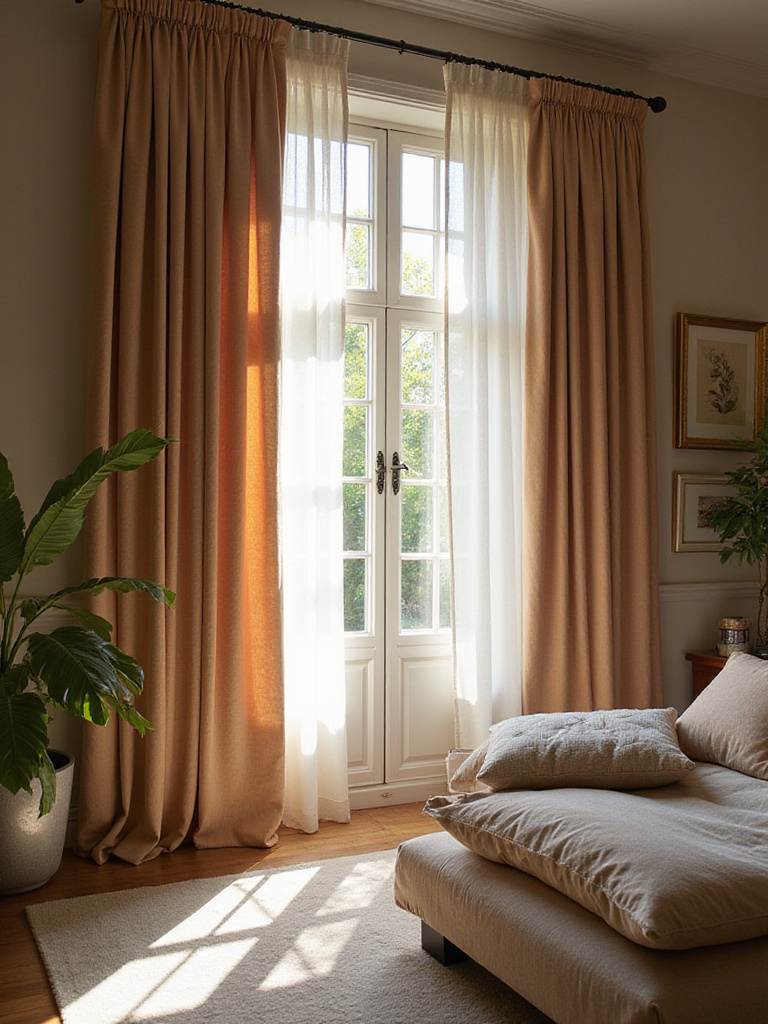
Start by becoming a student of your own room. Where does the light fall at 7 a.m.? What about the brutal heat of 4 p.m. from a western-facing window? This isn’t just aesthetic; it’s a thermal study. I’ve noticed people often make the mistake of using a single, insufficient window treatment, like a thin roller shade. You need layers. I swear by pairing sheer linen curtains—which cut glare without killing the light—with a high-performance cellular shade tucked away behind them. The sheers give you soft, diffused light during the day, and the shades provide a thermal barrier and blackout conditions at night. It’s about giving yourself options.
And don’t forget the power of reflection. A common misconception is that thermal comfort is all about insulation. But the color of your walls matters just as much. Lighter colors bounce solar energy away, while darker ones absorb it. We can get even more sophisticated with materials like a tadelakt plaster wall, which has a beautiful, soft sheen that reflects light gently while also having enough mass to help moderate temperature swings. The way your room handles light sets the stage for how it feels all day long.
3. Layer Textiles for Adaptive Comfort
In a truly climate-responsive home, your comfort shouldn’t depend solely on the thermostat. Textiles are your first line of defense and one of your most powerful tools for creating a space that adapts with you and with the seasons. It’s a way of thinking that is deeply ingrained in Middle Eastern cultures, where heavy wool rugs and tapestries insulate against both desert heat and cold.
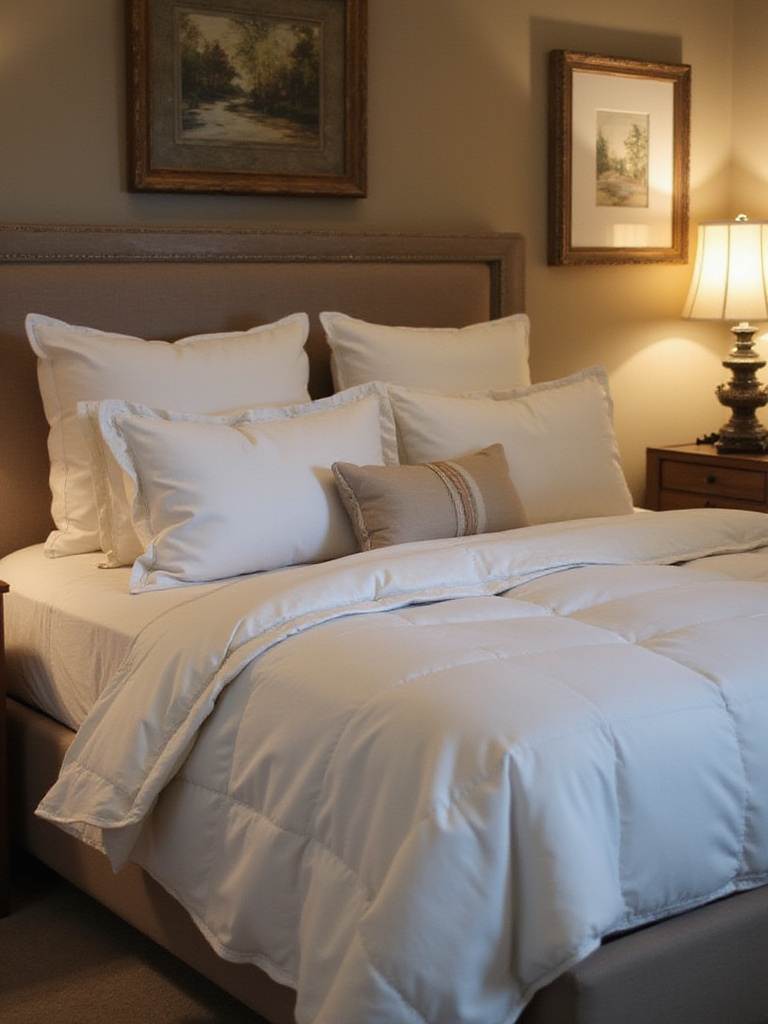
This is about more than just a pretty throw blanket. It’s a system. The base layer, your sheets, should be something breathable like linen or percale cotton. They feel incredible against the skin and wick moisture on warm nights. On top of that, a mid-weight cotton or wool blanket provides the next layer of insulation. Finally, a duvet for real cold. Each layer has a distinct job. This way, you’re not blasting the AC all night; you’re peeling back a layer. It’s a more mindful, and frankly, more luxurious way to live.
What’s wonderful about this approach is that it’s also your main opportunity for texture and pattern. A neutral, simple bed can be completely transformed with the right textile. For one client, we sourced a vintage Moroccan wedding blanket—a handira—to lay at the foot of their bed. It’s covered in hundreds of mirrored sequins and fuzzy cream-colored wool. It’s not only a stunning object with a story, but its weight and texture provide the perfect comfort on a cool evening. This natural material selection is as practical as it is beautiful.
4. Breathe Life into the Room with Plants
Plants are non-negotiable for me. They are living sculptures that actively improve the space they inhabit. Beyond just looking beautiful, they clean the air, add a touch of humidity (a godsend in dry climates), and give us that vital, subconscious connection to nature. But in the bedroom, we need to be strategic.
Forget the fussy, high-maintenance divas. You want steady companions that work the night shift. I’m talking about plants like the Snake Plant (Sansevieria trifasciata) and Aloe Vera, which are unique because they release oxygen at night, unlike most other plants. A ZZ plant is another favorite of mine; it’s sculptural, modern, and tolerates the lower light of a bedroom corner better than almost anything else. It’s one of the few drought-resistant indoor plants that actually looks lush.
The key is placement. I like to group them to create little “microclimates” which makes them easier to care for and more impactful visually. A tall Fiddle Leaf Fig can anchor a corner, its large leaves adding a wonderful organic shape against a clean wall. A few smaller pots on a dresser—maybe a Pothos with its cascading vines—soften hard edges. Just be careful with anything too fragrant; the bedroom is for rest, and overpowering scents can disrupt sleep. Treat your plants like design elements with a function—because they are.
5. Carve Out Pathways with Thoughtful Furniture Layout
How you arrange your furniture is the grammar of a room. A poor layout feels awkward and stuttered; a good one flows effortlessly. In a bedroom, this flow is crucial for creating a sense of calm. The goal is to establish clear, generous pathways that make using the space feel intuitive.
Your bed is the anchor. There’s an old Feng Shui principle that I actually find has a lot of practical wisdom: position your bed so you can see the door, but aren’t directly in line with it. Psychologically, it puts you in a position of command and security. From a practical standpoint, aim for at least 30 inches of walking space around the sides and foot of the bed. Anything less and you start to feel squeezed. A project I consulted on had a beautiful king-sized bed crammed into a room that was too small for it. Swapping it for a queen and two smaller, floating nightstands completely changed the energy—it went from cramped to expansive.
Every other piece should support the room’s main purpose: rest. Does your reading chair have good light and a small table for a cup of tea? Is your dresser placed where you can open the drawers fully without bumping into the bed? This is where multi-functional furniture shines. A bench at the foot of the bed is a perfect spot to sit and put on shoes, and it can also hold the decorative pillows at night. It’s a quiet form of efficiency that is central to minimalist design.
6. Layer Light for Atmosphere and Mood
Lighting might be the single most transformative element in design, yet it’s often the most poorly executed. A single, harsh overhead fixture—the “boob light” as we call it in the industry—can kill the mood of a bedroom instantly. A truly functional and beautiful room requires layers of light, each with its own purpose, all on dimmers.
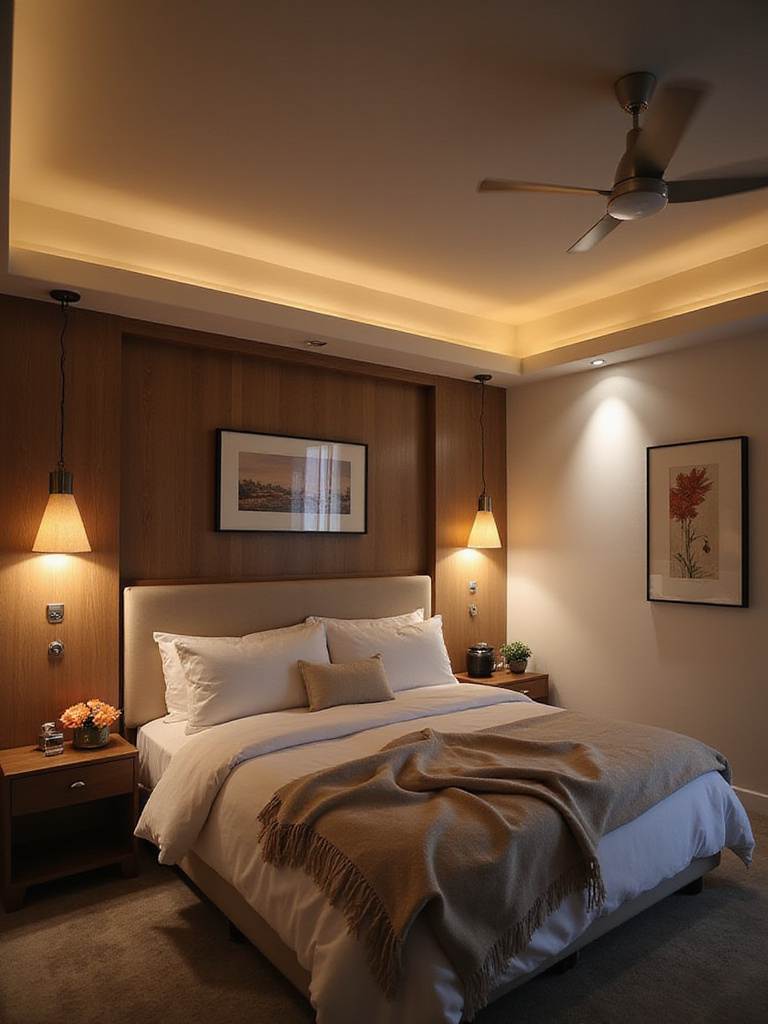
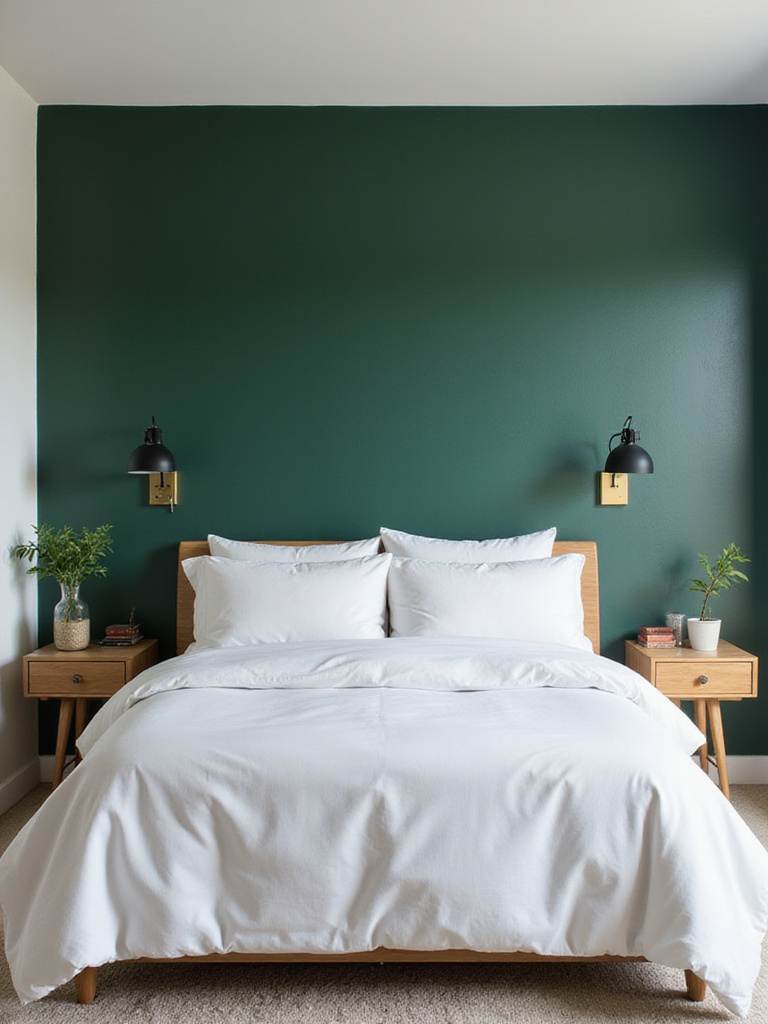
Think of it in three parts. First, ambient light: this is your general, room-filling illumination. It can be from a central fixture or recessed lighting, but it absolutely must be dimmable and warm. Second, task light: this is for specific activities. Wall-mounted sconces next to the bed are a personal favorite because they free up nightstand space and can be directed right onto your book. Third, accent light: this is the magic layer. It’s a small spotlight on a piece of art, or a warm LED strip tucked behind a headboard to create a soft, ethereal glow.
What really separates thoughtful design is controlling the color temperature of the light. We are biologically wired to respond to it. Cooler, bluer light (around 3000K–4000K) tells our brains it’s time to be alert. Warmer, more amber light (2200K–2700K) signals that it’s time to wind down. Using smart bulbs that can shift from cool in the morning to warm in the evening is one of the best sustainable cooling strategies for your nervous system. It supports your natural circadian rhythm, making it easier to wake up and fall asleep.
7. Choose Materials That Tell a Story Over Time
I have a bias against things that are perfect and shiny. In both Scandinavian and Middle Eastern traditions, there’s a deep appreciation for materials that age with grace—wood that patinas, leather that softens, linen that wrinkles. These materials tell the story of their use, and that’s what gives a space soul. This philosophy is the antidote to the disposable, trend-driven cycle of consumption.
Instead of a laminate nightstand that will chip and look dated in three years, consider one made from solid walnut or white oak. It will cost more upfront, but it will only get more beautiful as it collects the small marks of a life lived around it. Linen bedding is another perfect example. The first time you wash it, it’s a bit crisp. After the twentieth wash, it’s impossibly soft and comforting. Synthetics just can’t compete with the breathability and feel of these natural fibers.
When I select materials, I’m thinking about their entire lifecycle. Can this be refinished? Can it be repaired? I love using reclaimed wood for a headboard or even a feature wall. It has a character that new lumber simply can’t replicate, and it diverts waste. When buying new, look for certifications like FSC for wood or GREENGUARD for low-VOC finishes. This isn’t just about eco-friendliness; it’s about creating a healthier room for yourself, free from the chemicals that off-gas from cheaper, mass-produced goods.
8. Add a Human Touch with Handcrafted Objects
There’s a certain sterility that can creep into modern spaces. The remedy is the human hand. In a world of mass production, an object that shows the mark of its maker is a powerful anchor of authenticity. Handcrafted pieces introduce subtle imperfections that are, ironically, what make a space feel perfect.
This doesn’t mean your entire room has to be custom-made. It’s about strategic, meaningful integration. A hand-thrown ceramic lamp base has a weight and texture that a factory-molded one lacks. The subtle variations in the glaze, the feel of it in your hands—these things add a quiet layer of richness. In my own home, one of my most cherished items is a simple clay vessel I bought from an artisan in a small village outside Marrakech. It’s not perfectly symmetrical, and that’s why I love it. It holds memories of the place, the heat, the maker’s dusty hands.
Start small. Swap out your generic cabinet pulls for ones made of leather or cast bronze. Hang a hand-woven textile from a local weaver above your bed instead of a printed canvas. These small additions accumulate, transforming a room from a collection of products into a curation of stories. They build that bridge between clean, modern lines and the warmth of human history.
9. Make Storage a Feature, Not a Flaw
Clutter is the enemy of rest. But storage shouldn’t feel like a punishment or something you have to hide. I believe the most elegant solutions are those that are integrated into the architecture itself, enhancing the room’s design while serving a vital function.
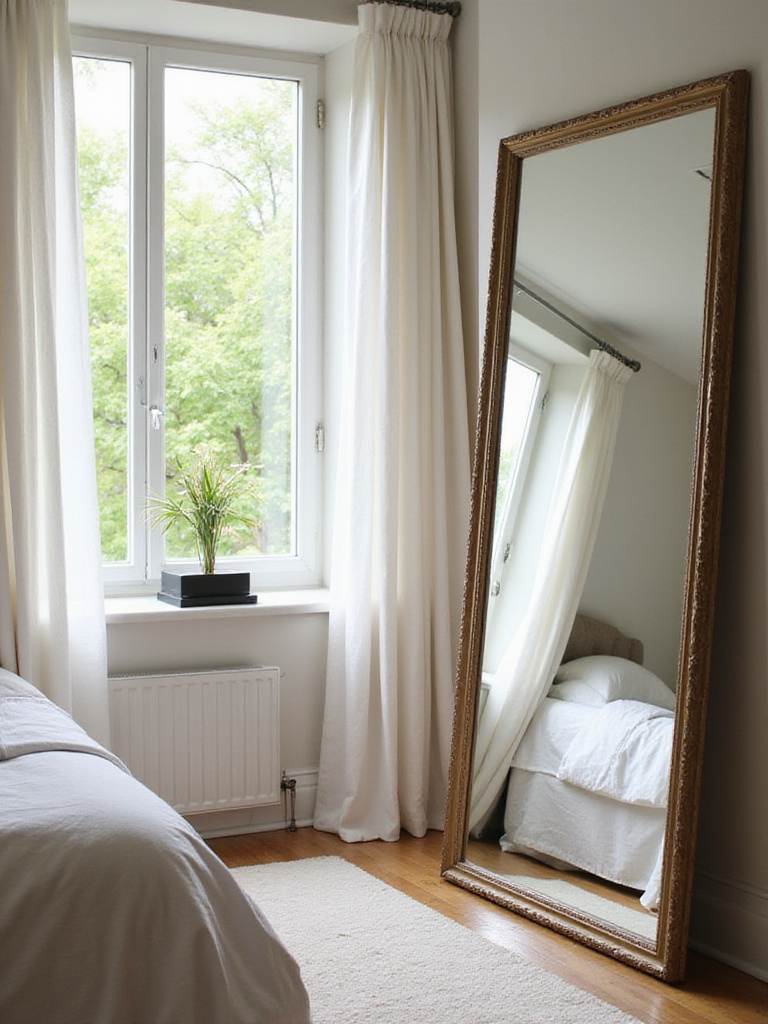
Built-in storage is the ultimate luxury for a minimalist aesthetic. A low, floating credenza that runs the length of a wall can provide immense storage while looking like a sleek architectural element. A window seat with drawers hidden underneath is a classic for a reason—it’s brilliant design. It turns a functional need into a delightful feature, a cozy nook for reading. At my firm, we often design bed frames with deep, seamless drawers integrated into the base. You get all the storage of those ugly plastic under-bed bins, but it’s part of a beautiful, cohesive piece of furniture.
Even if you can’t do built-ins, think about your storage as furniture. Choose a beautiful armoire over a purely functional dresser. If you must have open shelving, be ruthless in your curation. It’s not a place to dump things; it’s a place to display a few treasured objects. The discipline it requires is part of the minimalist practice, forcing you to ask: is this object beautiful enough or meaningful enough to earn its place in the light?
10. Define Your Space with Invisible Zones
Our bedrooms are rarely just for sleeping anymore. They are also our reading nooks, our dressing rooms, our quiet places for morning yoga. The challenge is to accommodate these activities without letting them visually overwhelm the primary purpose of the room, which is rest. You do this by creating subtle zones.
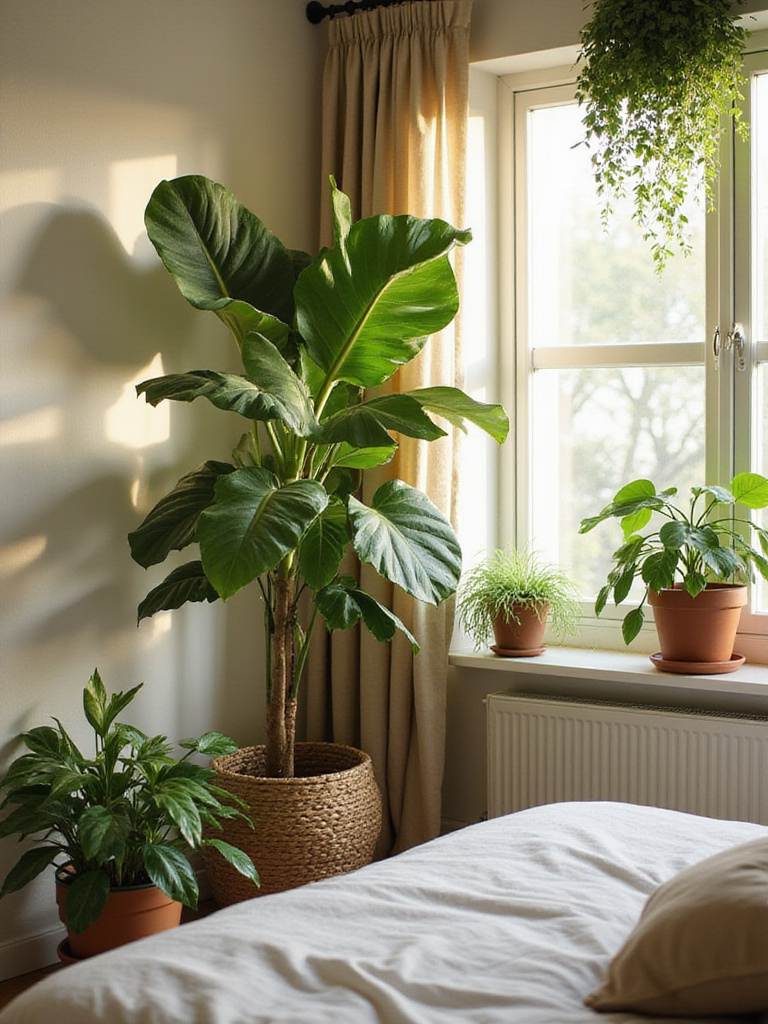
You don’t need physical walls. A zone can be defined by a rug, a specific light fixture, or a single piece of furniture. A cozy armchair, a soft floor lamp, and a small side table in a corner instantly create a “reading zone.” The area feels distinct, yet it’s still part of the larger, cohesive room. By placing a beautiful full-length mirror and a valet stand near your closet, you create a “dressing zone.”
Lighting is your most powerful tool here. The reading nook should have its own dedicated lamp. The dressing area needs bright, clear light. The area around the bed should have soft, ambient light. This allows you to “turn on” a zone when you need it and let it fade into the background when you don’t. This creates a room that feels larger and more functional, one that supports all the small rituals of your day without creating a sense of chaos.
11. Select Window Treatments for Both Privacy and Poetry
Window treatments are the final architectural layer of a room. They have so many jobs to do: provide privacy, control light, offer thermal insulation, and add aesthetic softness. The mistake most people make is trying to find one single product that does it all. The reality is, a layered approach is almost always better. It’s the most effective solar-conscious window treatment strategy.
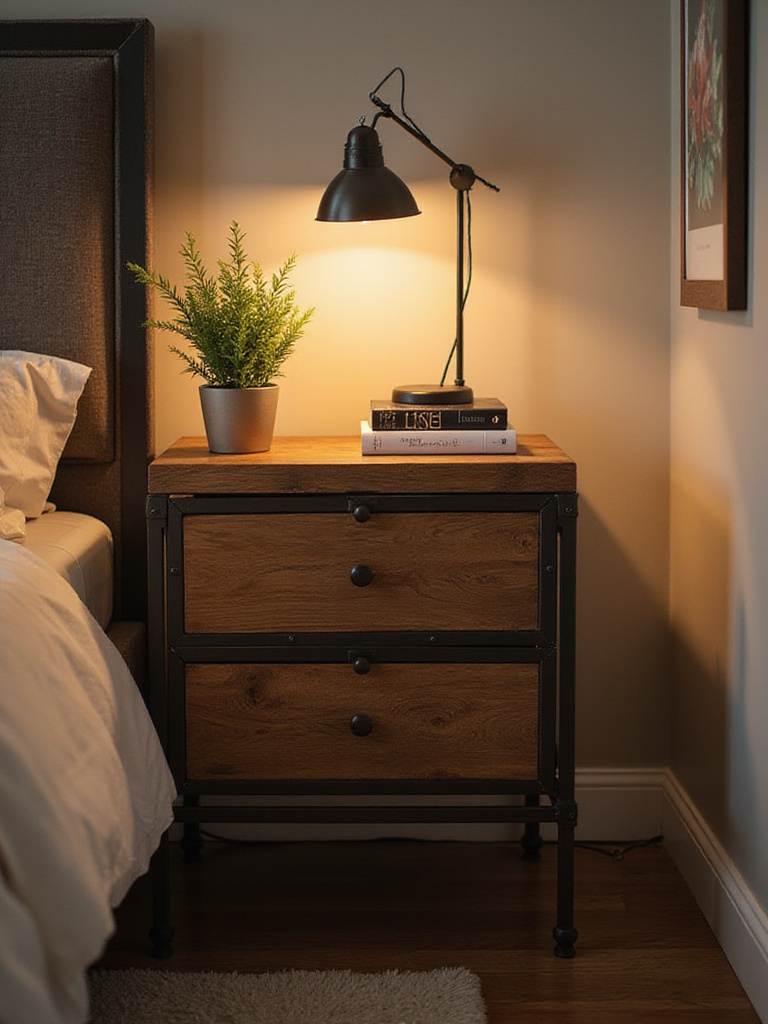
As I mentioned before, my go-to combination is an inner layer for function and an outer layer for beauty. That might be a discreet cellular shade for blackout capability and insulation, paired with simple, elegant curtain panels made from natural linen or cotton. The curtains soften the hard edges of the window frame and add a gentle sense of movement when a breeze comes through. They are the poetic element.
The way you hang your curtains can also dramatically change the feel of the room. A designer trick is to mount the curtain rod high—at least 4-6 inches above the window frame—and extend it several inches wider on each side. This creates the illusion that the window is much larger and the ceiling is higher. It’s a small detail that has a massive architectural impact, making the room feel grander and more intentional.
12. Curate Your Life: Art & Objects with Meaning
The things you surround yourself with should be a mirror. They should reflect your journey, your passions, your story. This is especially true in the bedroom, where the objects you display are the first and last things you see each day. They shouldn’t be generic decor; they should be anchors to what matters to you.
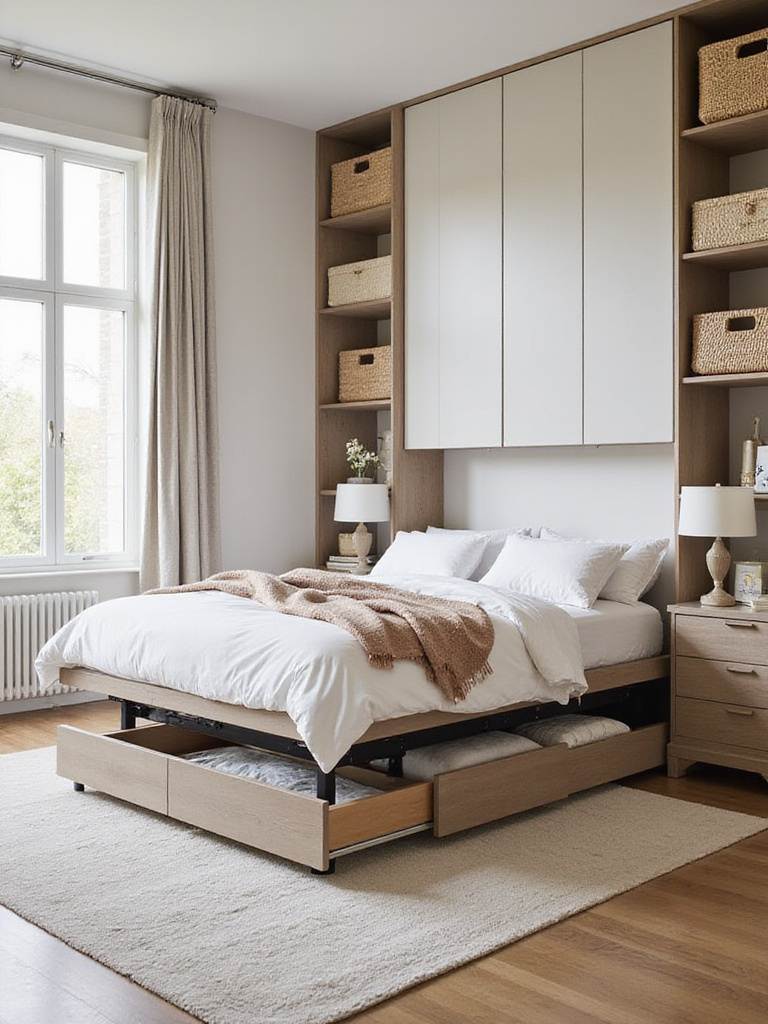
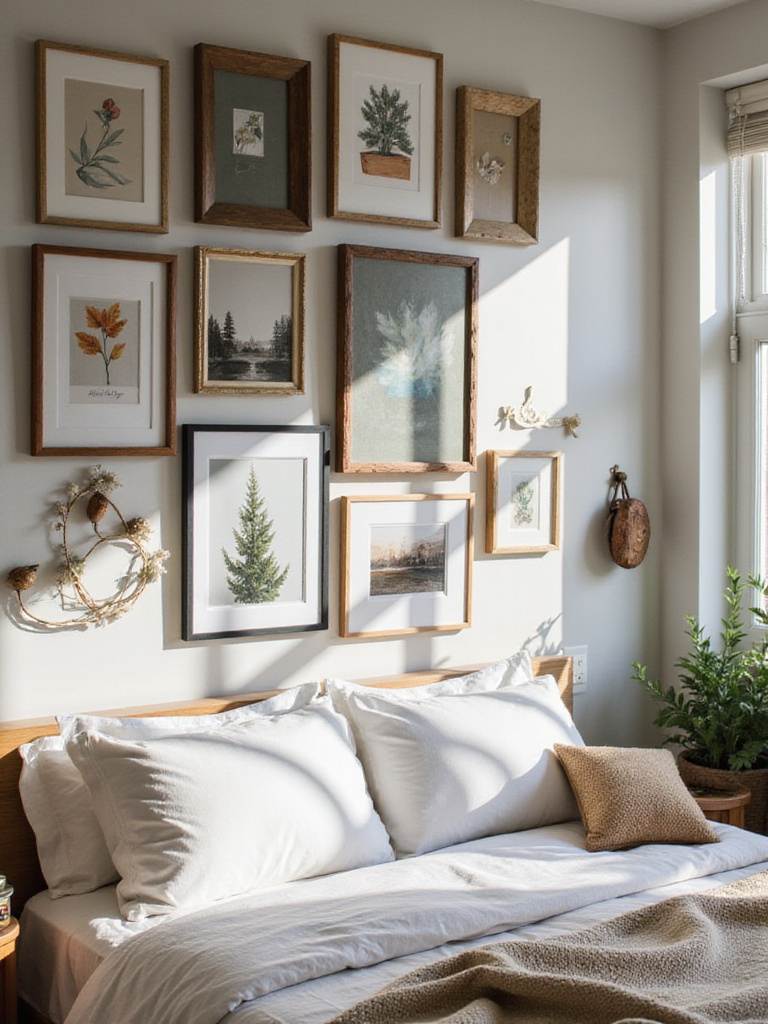
I always encourage my clients to think like curators of their own small museum. A single, large-scale piece of art that you truly love will have infinitely more impact than a gallery wall of trendy, meaningless prints. Perhaps it’s an abstract painting whose colors bring you a sense of calm. Or a photograph from a trip that reminds you of who you are outside of your daily routine. One of my favorite bedroom projects featured just one object on the wall opposite the bed: a massive, gnarled piece of driftwood the clients had found on a beach in Oregon. It was sculpture, memory, and nature all in one.
This doesn’t mean the room needs to be empty. It means that every object earns its place. The books on your nightstand, a small ceramic bowl for your rings, a framed family photo—these are the details that infuse a minimalist space with personality and warmth. This is the heart of global modern fusion—bringing together clean design with deeply personal, often story-rich, objects.
13. Weave in Smart Tech, Invisibly
Technology in the bedroom should be a silent partner. It should enhance your comfort and support your rest, not demand your attention with blinking lights and complicated interfaces. The best smart technology is the kind you forget is even there.
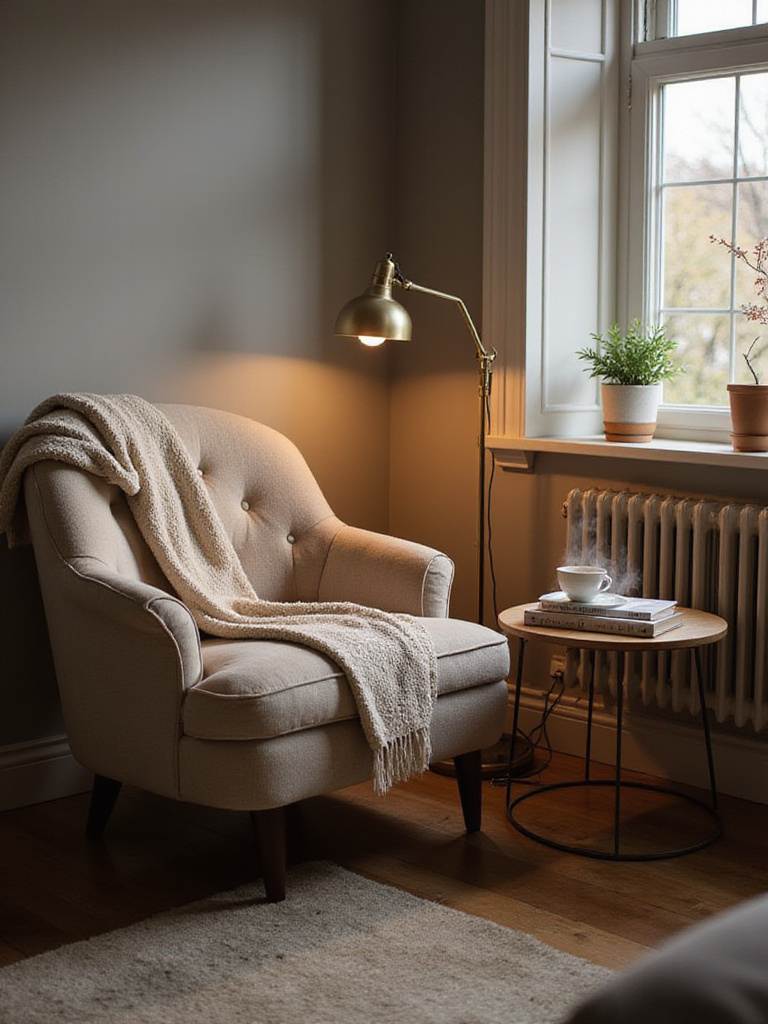
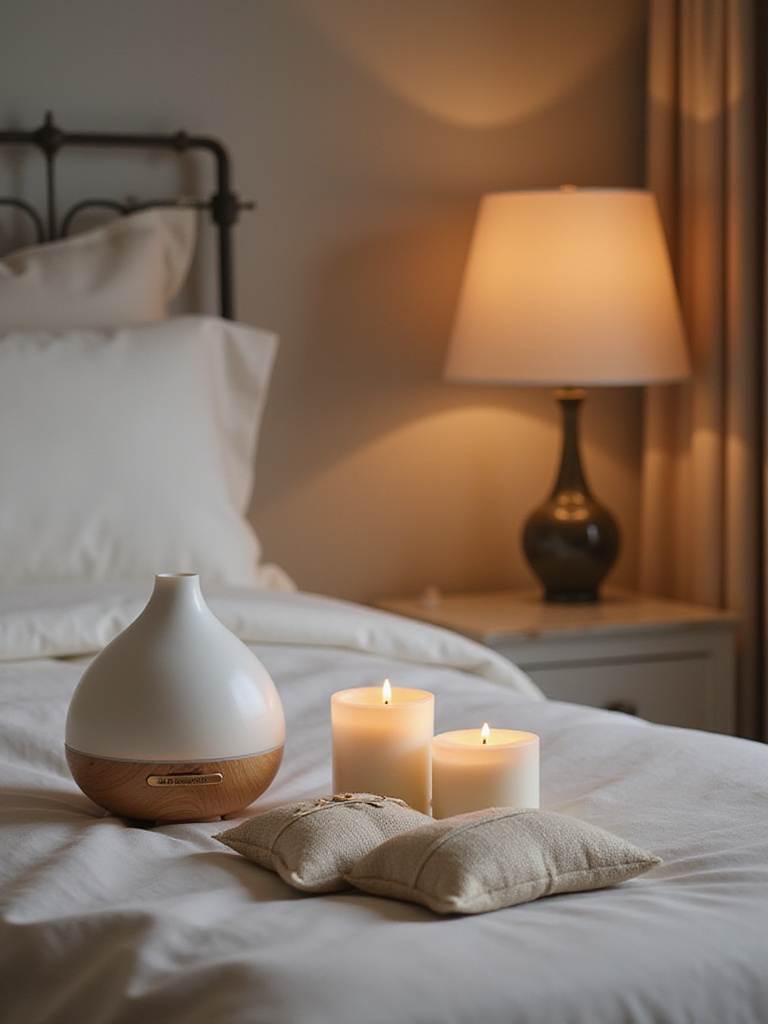
Imagine this: your lights slowly begin to dim an hour before you usually go to bed, shifting from a clear light to a warm, candle-like glow. In the morning, instead of a jarring alarm, your blackout shades slowly rise over five minutes, letting the natural morning light gently wake you. This is what thoughtfully integrated technology can do. It’s not about novelty; it’s about aligning your environment with your body’s natural rhythms.
My rule is that the interface should be as invisible as possible. Voice controls for lights and blinds mean you don’t have to hunt for a switch in the dark. A smart thermostat that learns your preferences means you’re not waking up too hot or too cold. The goal is seamless automation that removes friction from your routines. You want technology that serves your peace, not disrupts it.
14. Invest in the Seamlessness of Custom Built-ins
There is nothing that elevates a space quite like custom built-in furniture. Unlike a freestanding piece that sits in a room, a built-in becomes part of the room. It’s a seamless integration of function and form that speaks of intention and quality craftsmanship.
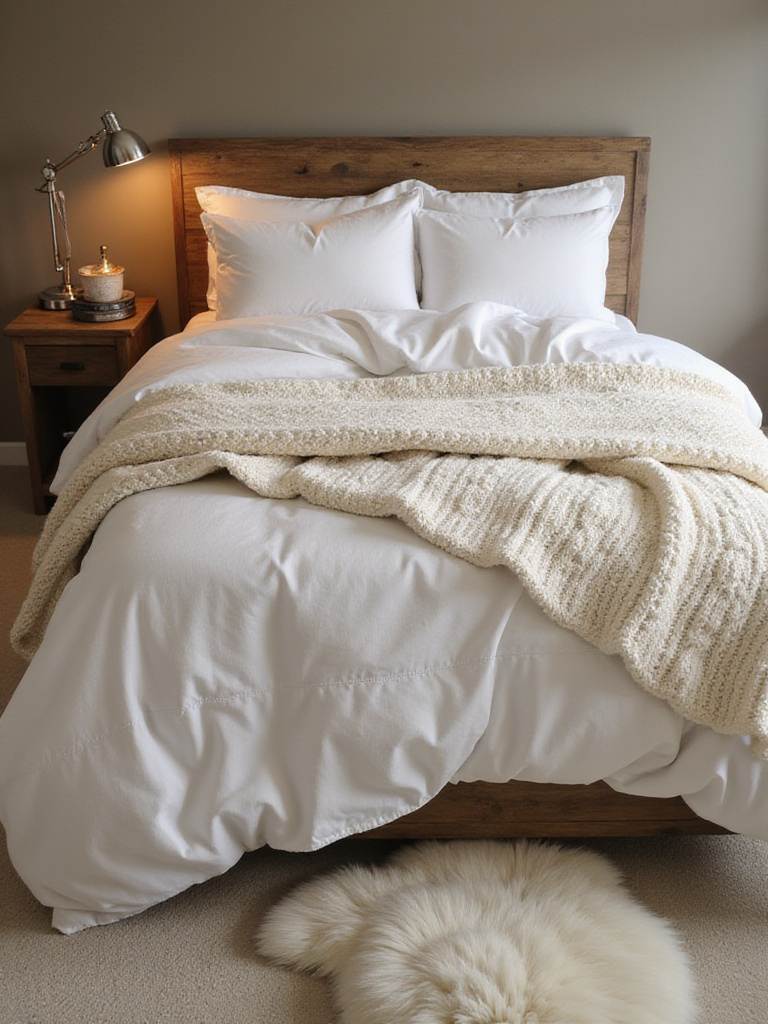
In bedrooms, a built-in headboard that incorporates floating nightstands, integrated reading lights, and hidden charging ports is a game-changer. It creates a single, stunning focal point that is incredibly functional and completely uncluttered. We once designed a wall of floor-to-ceiling closets to look like simple, beautiful wood paneling. You wouldn’t even know it was storage until you pressed a panel and a door opened. This approach maximizes every square inch of space, which is critical in smaller homes, while maintaining an atmosphere of clean, uncluttered serenity.
While it’s a bigger investment upfront, the value of built-in design is undeniable. It solves unique spatial challenges, like an awkward nook or a sloped ceiling, turning them into architectural assets. And because it’s tailored to your exact needs, it delivers a level of functionality that no off-the-shelf piece ever could.
15. Design for the Seasons, Not Just for Today
A truly well-designed bedroom feels responsive. It shouldn’t feel the same in the dead of winter as it does on a hot summer night. This adaptability doesn’t require a complete overhaul every six months; it requires a flexible foundation and a few key elements that can be easily swapped.
Your foundational pieces—the bed, the walls, the flooring—should be relatively neutral in both color and material. A beautiful wood bed frame and a soft wool rug can feel cozy in the winter but also perfectly appropriate in the summer. The seasonal shift happens in the layers. In the summer, you might have lightweight linen bedding in a pale, sandy color. In the winter, you could swap that for a deep olive green duvet and add a heavy, chunky wool throw.
The same goes for decor. A few pillow covers, a different piece of art, or a new vase can completely change the room’s mood. The key is planning for this. Have dedicated, easily accessible storage for your off-season textiles. It sounds simple, but I’ve seen so many clients with beautiful seasonal decor that they never use because it’s buried in the back of a garage. Designing for seasonality is designing for a room that feels alive and attuned to the world outside its walls.
16. Strike the Balance Between Minimalism and Warmth
This is the central challenge for so many of us who love modern design. How do we achieve the clarity and calm of minimalism without creating a space that feels cold, empty, or impersonal? What I’ve learned is that warmth doesn’t come from more stuff. It comes from texture, material, and light.
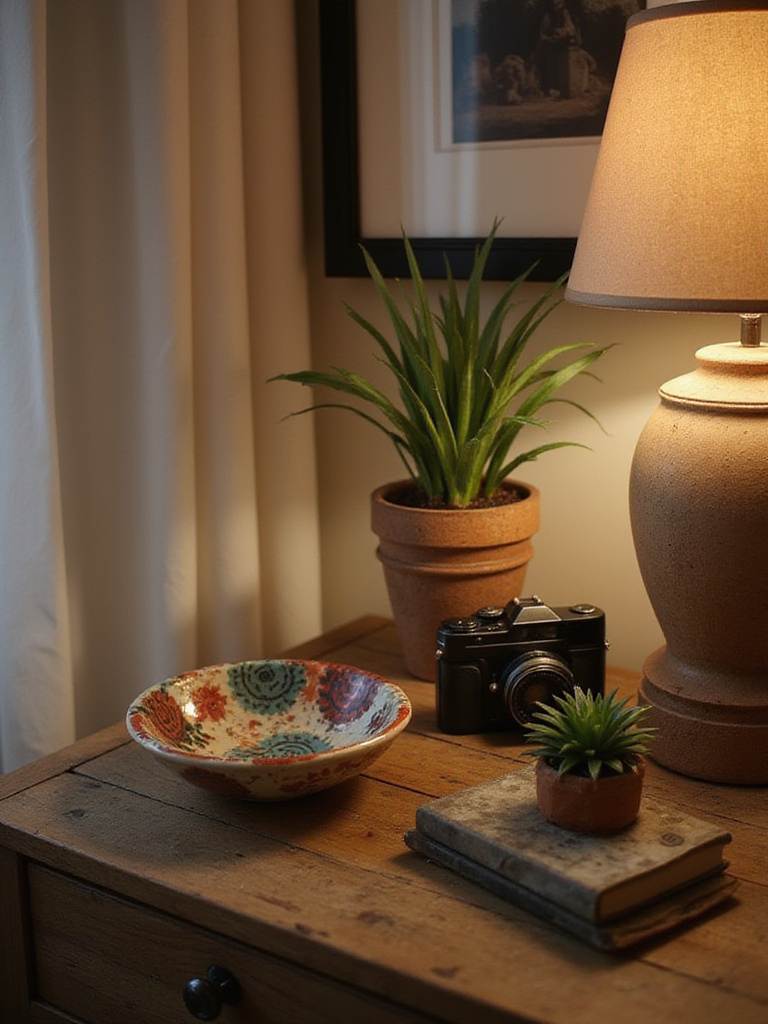
This is where my blend of Scandinavian and Middle Eastern sensibilities really comes into play. Scandinavian design teaches us the power of a clean, uncluttered canvas. Middle Eastern design teaches us how to infuse that canvas with rich texture and material depth. Imagine a room with clean white walls, a simple platform bed, and not much else. It could easily feel sterile. Now, add a richly textured Berber rug, bedding made from rumpled linen, and a lamp carved from a single piece of olive wood. The room is still minimalist in its number of objects, but it is now full of tactile warmth and personality.
It’s about making every single object in the room count. Each piece should have a purpose, a beautiful form, or a meaningful story. The warmth comes not from an abundance of things, but from the inherent life in the materials you choose and the personal history of the objects you curate. It’s a quiet, more profound kind of coziness.
17. Engineer Fresh Air with Natural Methods
We spend a third of our lives breathing the air in our bedroom, yet indoor air quality is often an afterthought. Before reaching for an expensive electronic air purifier, there are so many passive, natural ways to create a healthier breathing environment.
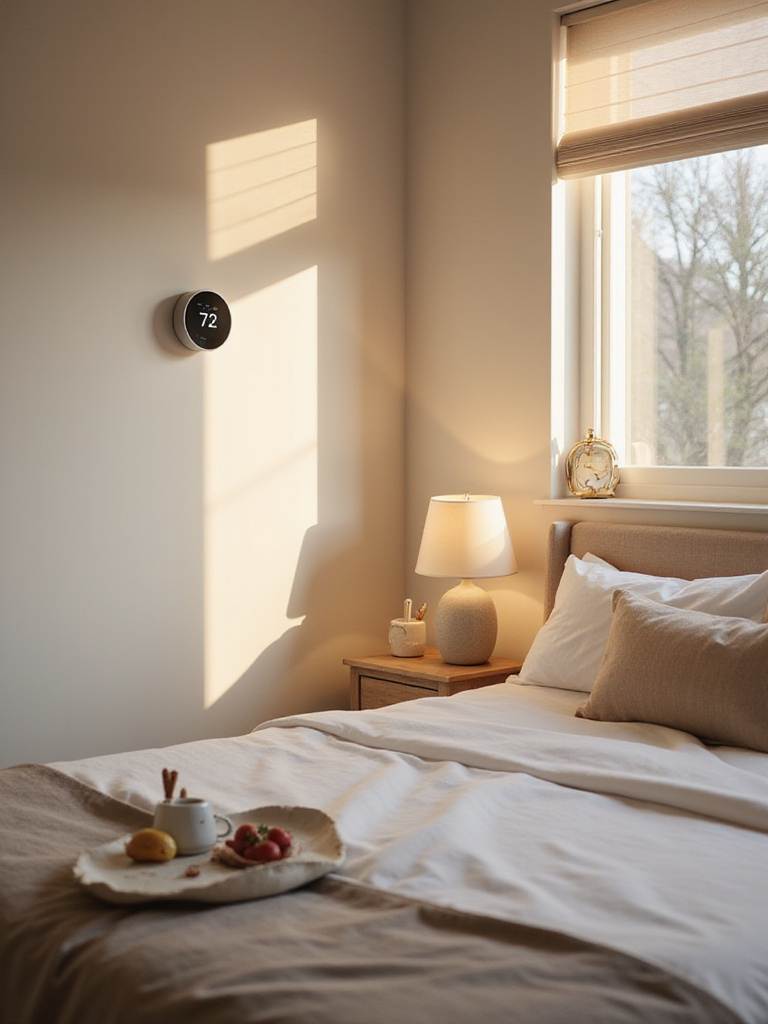
First, and most simply: open a window. Creating cross-ventilation, even for just 15 minutes a day, is one of the most effective ways to flush out stale air and indoor pollutants. Second, choose your materials wisely. As I’ve said, natural materials like solid wood, wool, and organic cotton don’t off-gas volatile organic compounds (VOCs) the way synthetic materials and particleboard furniture do. Painting with low- or zero-VOC paint is a simple swap that makes a huge difference.
And of course, there are plants. They are nature’s air purifiers. Beyond just looking good, species like the Spider Plant or Peace Lily are workhorses, actively filtering common toxins from the air. This integrated approach—good ventilation, non-toxic materials, and air-purifying plants—is a cornerstone of sustainable design. It creates an environment that not only looks peaceful but actively supports your physical health.
18. Design for Your Ears: The Importance of Acoustic Comfort
We design for our eyes, but we often forget to design for our ears. A bedroom with too many hard surfaces—hardwood floors, bare walls, large windows—can feel echoey and unsettling. Sound bounces around, amplifying every little noise and preventing a truly deep sense of quiet.
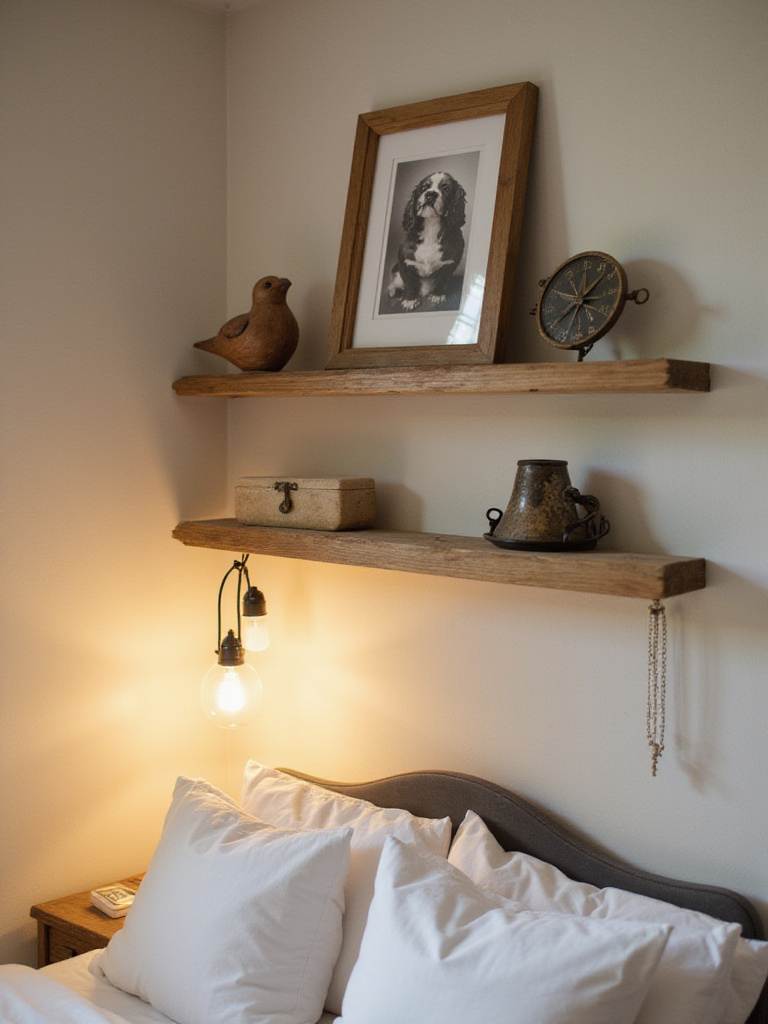
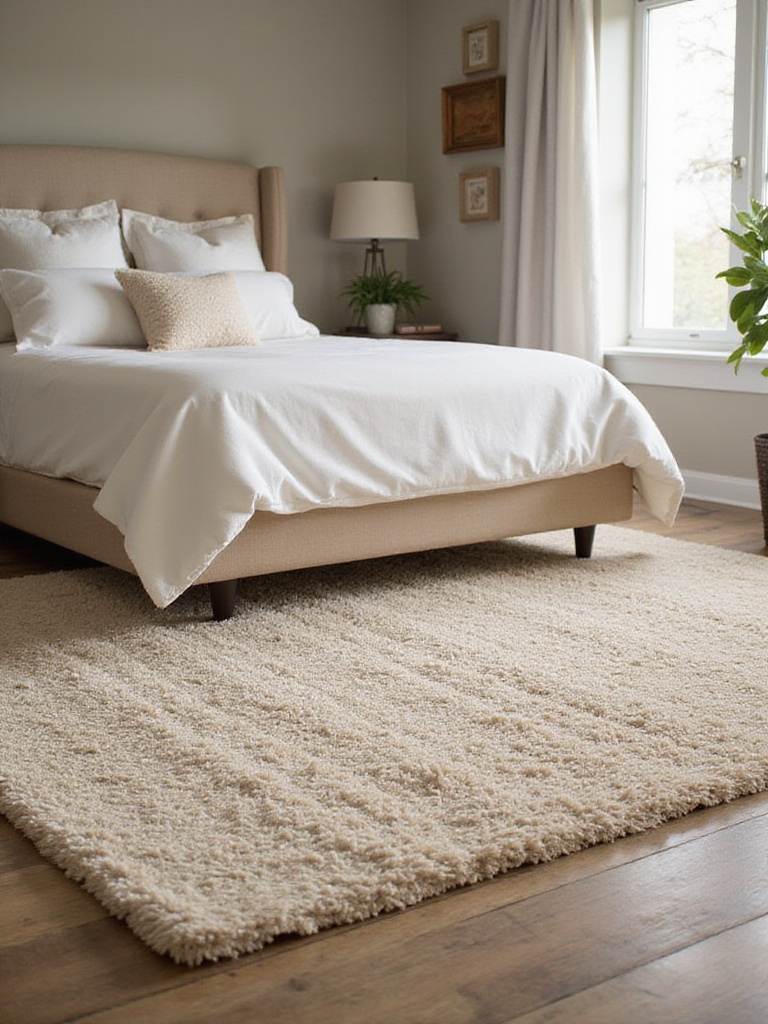
Soft materials are your best friend for sound management. Textiles are doing double duty here. An upholstered headboard, curtains, and an area rug are the most effective tools for absorbing sound and creating a softer, more intimate acoustic environment. You’ll be amazed at the difference a simple rug can make on a bare floor. It immediately quiets the room.
For rooms that face a noisy street or have thin walls, you might need to think more structurally. Adding a layer of acoustic wall panels, which now come in beautiful felted wool or slatted wood designs, can provide significant sound-dampening while also becoming a stunning architectural feature. Even small things, like choosing furniture with soft-close drawers, contribute to a sense of acoustic peace. It’s about eliminating the sharp, jarring noises of daily life to make space for quiet.
19. Weave in Your Roots with Cultural Elements
Our homes should be a reflection of our whole selves, and that includes our heritage. Whether it’s your own cultural background or a culture that has deeply inspired you through travel, incorporating these elements is what gives a space depth and soul. It moves a design from being “modern” to being “yours.”
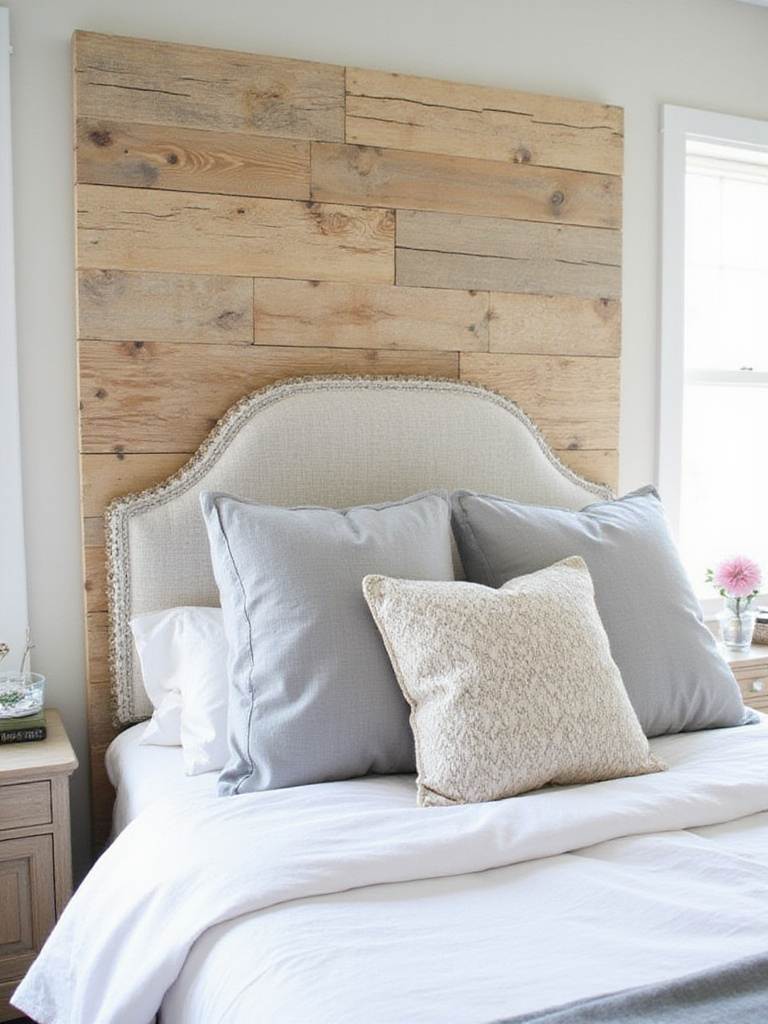
This has to be done with respect and authenticity, not as a collection of trends. For me, this often comes through in textiles. The intricate geometry of a Persian rug, the block-printed patterns of an Indian quilt, the raw wool of a Nordic throw—these pieces are vessels of cultural history. They bring a story and a sense of place into a room that can’t be replicated.
The key is integration, not appropriation. Choose one or two significant pieces and let them be the star. Perhaps it’s a series of carved wooden panels from Bali above the bed or a set of antique ceramic tiles from Portugal inset into a wall. When done thoughtfully, these elements don’t feel “themed”; they feel like an authentic layer of your personal story, creating a global modern fusion that is both sophisticated and deeply meaningful.
20. Think Ahead: Designing for Your Future Self
Great design isn’t just for today; it’s for a lifetime. When designing a bedroom, I’m always thinking about “aging in place,” or what I prefer to call “designing for life.” How can we make choices now that will ensure the space is comfortable, safe, and beautiful for decades to come?
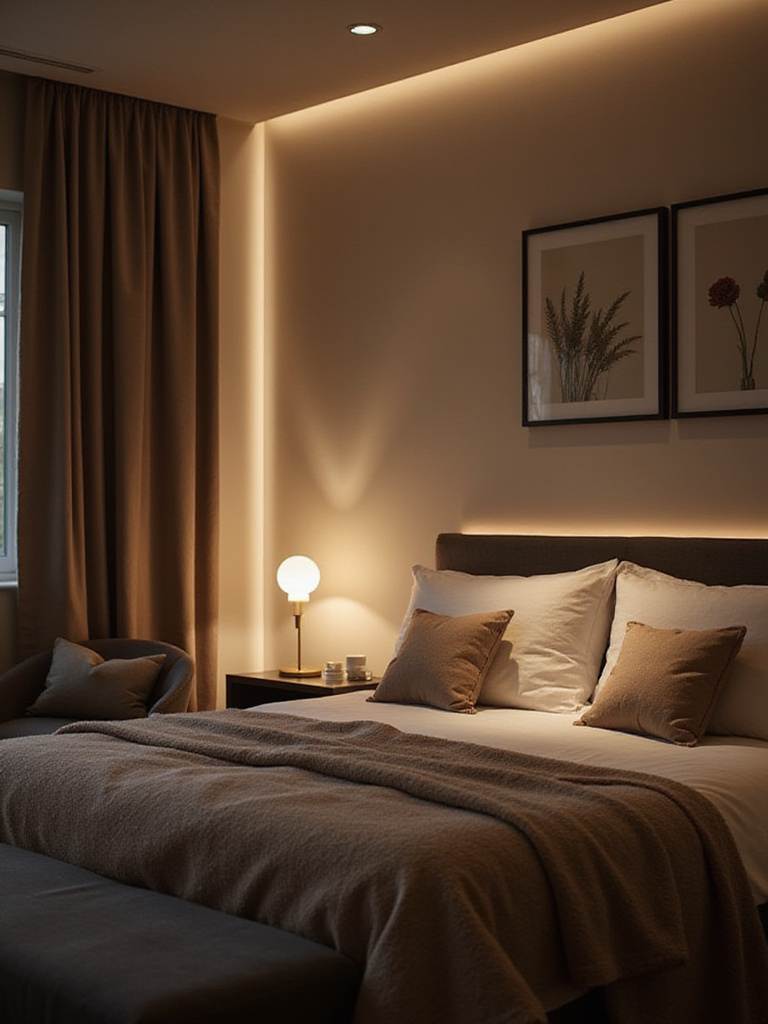
This isn’t about making the room look institutional. It’s about subtle, smart choices. Ensure pathways are wide and clear of obstruction. Choose flooring that provides good grip, like a low-pile wool rug over wood. Make sure there’s room for a chair to sit and put on shoes. Install light switches right next to the bed so you don’t have to cross a dark room. These are principles of universal design—and they make life easier for everyone, at any age.
Think about storage as well. Drawers are easier to access than deep cabinets. Shelving that is at a medium height is better than storage that is too high or too low. These may seem like small considerations, but they add up to a room that continues to serve you as your needs change, ensuring your sanctuary remains a place of comfort and independence for the long haul.
21. Dissolve the Walls: Creating an Indoor-Outdoor Connection
One of the most powerful ways to make a room feel larger and more serene is to connect it to the outdoors. Whether you have a sprawling backyard or a tiny urban balcony, blurring the line between inside and out extends your living space and provides that all-important link to nature. This is the heart of indoor-outdoor harmony.
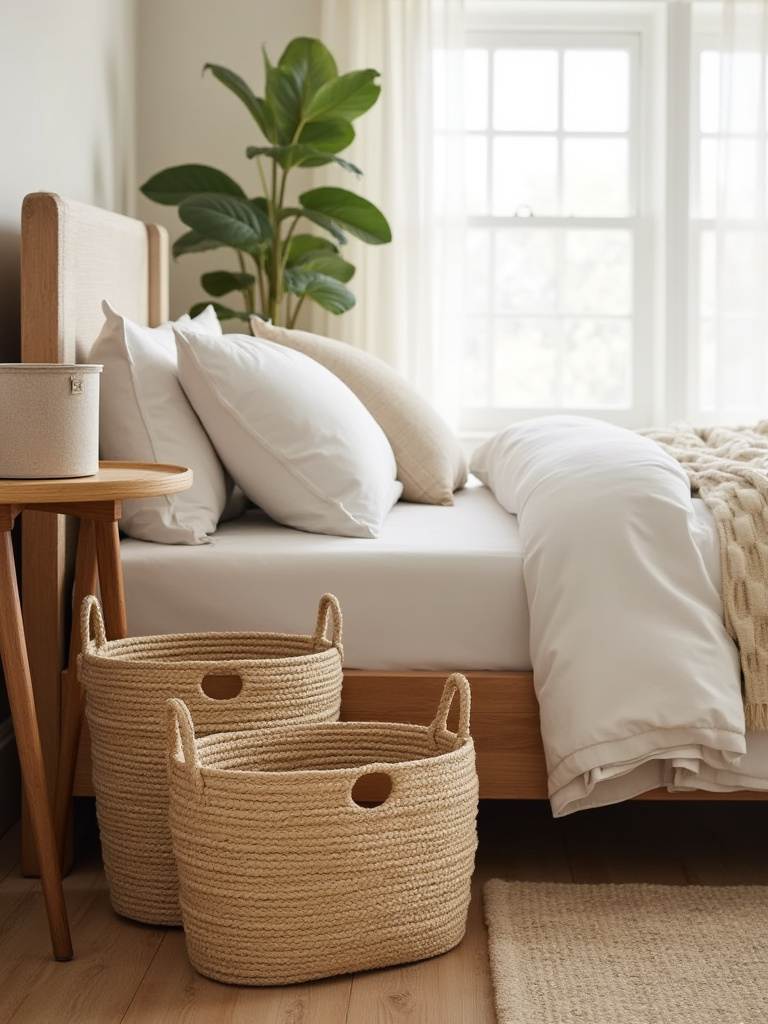
If you are lucky enough to have direct access to a garden or patio, large glass doors can practically make the outdoor space a part of the room. Even if you don’t, positioning your bed to have a clear view of a beautiful tree or the morning sky can have a similar psychological effect. I often use materials to create this connection. For a home with a stone patio, bringing that same stone inside for a fireplace surround or an accent wall creates a seamless visual flow.
Privacy is obviously a concern, but it can be handled beautifully. A screen of fast-growing bamboo, a lattice with climbing jasmine, or sheer outdoor curtains can create a sense of seclusion for a patio or balcony while still allowing light and air to pass through. This creates a private outdoor room, an extension of your bedroom sanctuary.
22. Cultivate a Routine of Care
A beautifully designed bedroom is a living thing. It requires care to maintain its beauty and function. The final, and perhaps most important, step in creating your sanctuary is to establish simple routines that preserve the peace you’ve so carefully crafted.
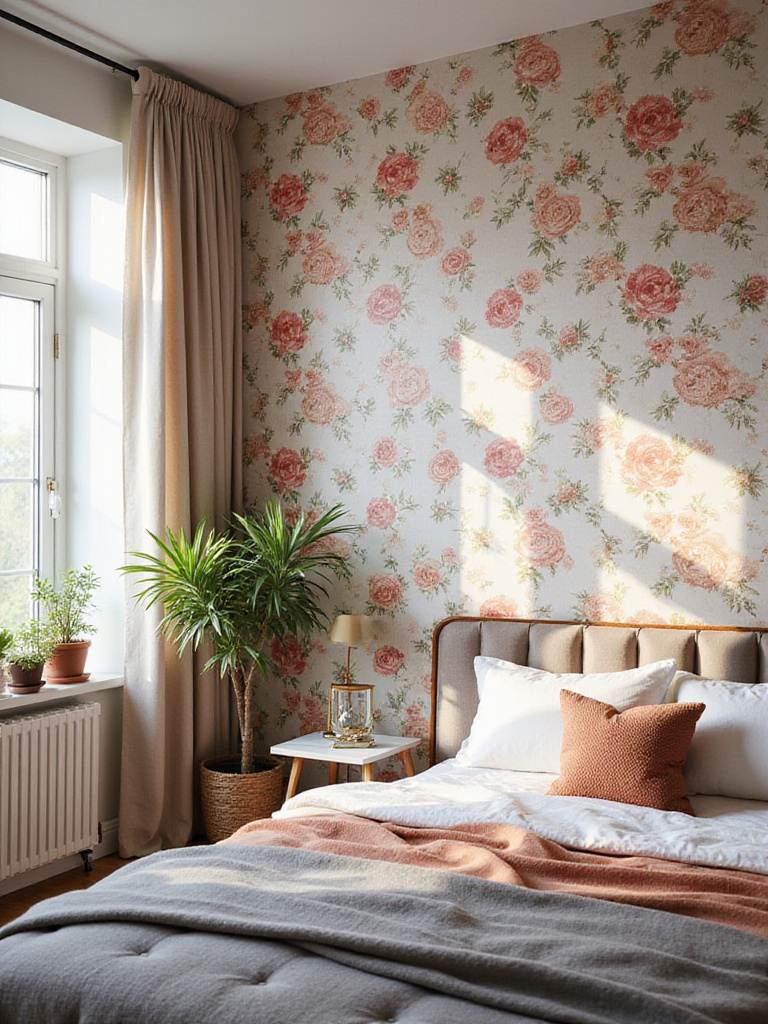
This isn’t about strenuous, constant cleaning. It’s about small, daily rituals. Making your bed every morning. Opening the curtains to let in the light. Taking five minutes at the end of the day to put things back in their designated homes. These small acts of order have a profound impact on your mental state.
Choosing materials that are designed to be lived with also helps. A solid wood table that can be re-oiled, linen sheets that get softer with every wash, a high-quality wool rug that is naturally dirt-repellent—these are choices that support a lifestyle of ease, not anxiety. Your bedroom shouldn’t be a precious museum. It should be a resilient, beautiful space that can handle the reality of daily life and grow more beautiful with it.
Conclusion
Ultimately, your bedroom should be the one place in the world where you feel completely at ease—a space that calms your mind, restores your body, and reflects the story of who you are. This isn’t about following a rigid set of rules, but about approaching each choice with intention.
Start with the one idea that resonates most deeply with you. Maybe it’s the color palette, or the feel of natural textiles, or the quiet power of a single, meaningful piece of art. The journey to creating a true sanctuary is a slow, thoughtful process. And it is one of the most rewarding investments you can make in your own well-being.