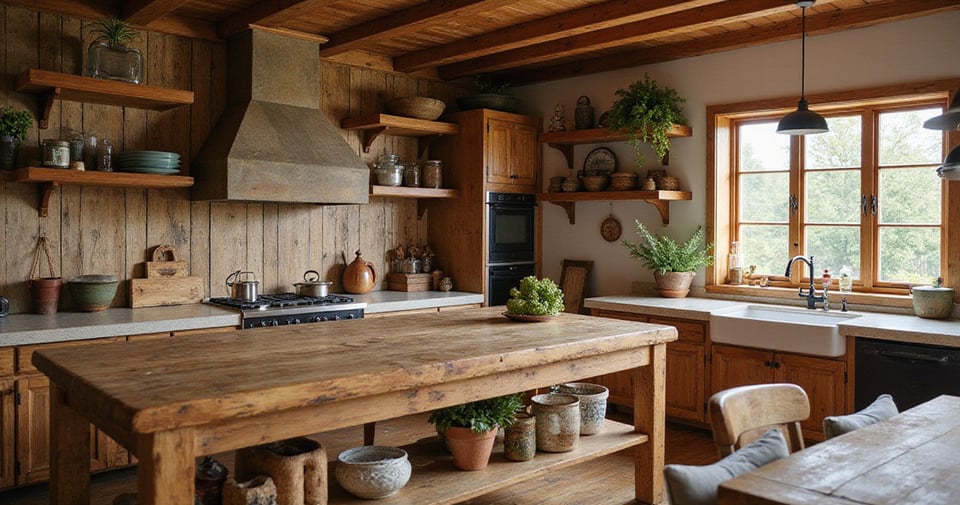
There’s a certain feeling you get in a kitchen that truly lives. It’s not about being perfectly spotless or having the latest gadgets. It’s a space that feels like the nurturing heart of the home, where the smell of baking bread might mingle with the scent of fresh basil from a windowsill pot. As someone who spends my days merging growing systems with home design, I’ve seen how the right materials can turn a sterile room into a thriving, productive ecosystem.
The real magic of rustic design isn’t about chasing an aesthetic; it’s about embracing the beauty of things that are real, imperfect, and connected to the earth. It’s about creating a place that honors our agricultural roots while serving our modern lives. In a world that pulls us toward screens, the kitchen can be our sanctuary—a place to get our hands dirty, literally and figuratively, and reconnect with the simple, profound ritual of feeding ourselves and our families.
So, let’s walk through some ideas for creating a rustic kitchen that feels less like a trend and more like a timeless, living part of your home. These aren’t just design tips; they’re ways to build a space that’s as beautiful as it is deeply, satisfyingly real.
1. Weave in Some History with Reclaimed Wood
New lumber just doesn’t have a soul. Reclaimed wood, on the other hand, comes with a past. You’re not just installing shelves or beams; you’re giving a second life to the sturdy planks from an old barn that stood for a century, or factory floors that supported generations of workers. The nail holes, the saw marks, the subtle warp and weathering—that’s character you can’t buy or fake. It instantly makes a space feel grounded and warm.
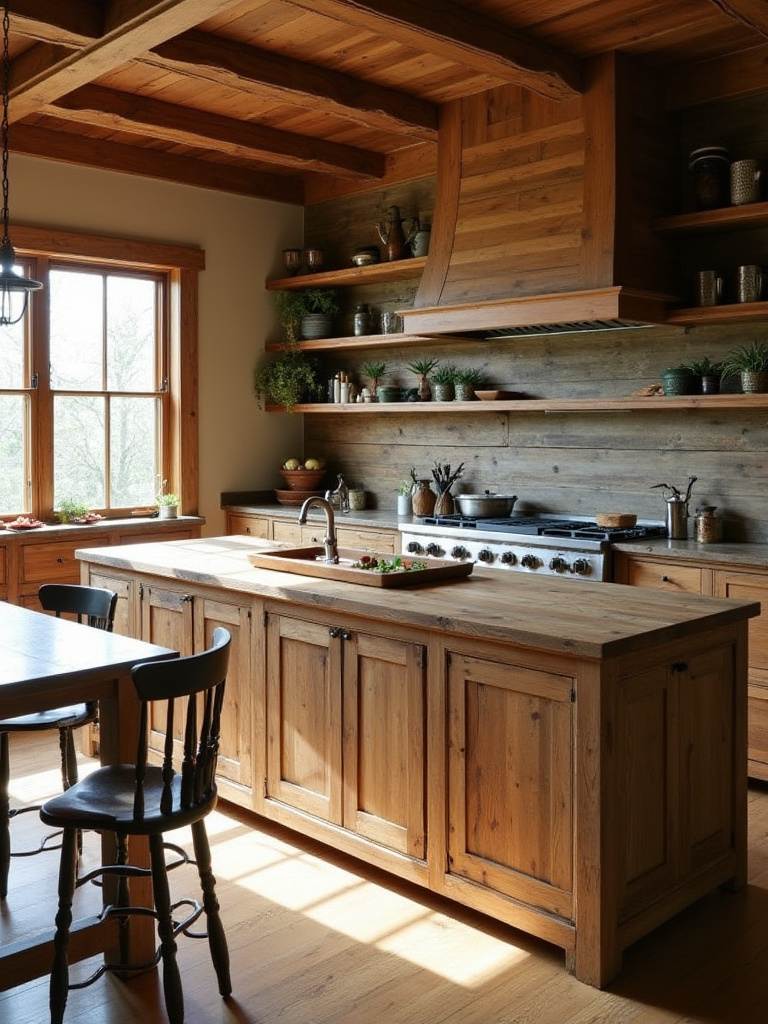
I once worked with a client who sourced wood from a dismantled Pennsylvanian barn for their open shelving. As we installed them, we found old, square-headed nails still embedded in the wood. It became this incredible feature, a story built right into their kitchen walls. Beyond the aesthetics, this old-growth wood is often denser and more stable than anything milled today. It’s already done all the shrinking and settling it’s ever going to do. And frankly, keeping that beautiful, historic wood out of a landfill while reducing the demand for new timber is a decision that just feels right. It’s sustainability with a story to tell.
And that same ethos of using hardworking, honest materials extends to the surfaces where all the real kitchen action happens.
2. Get Your Hands on Butcher Block Counters
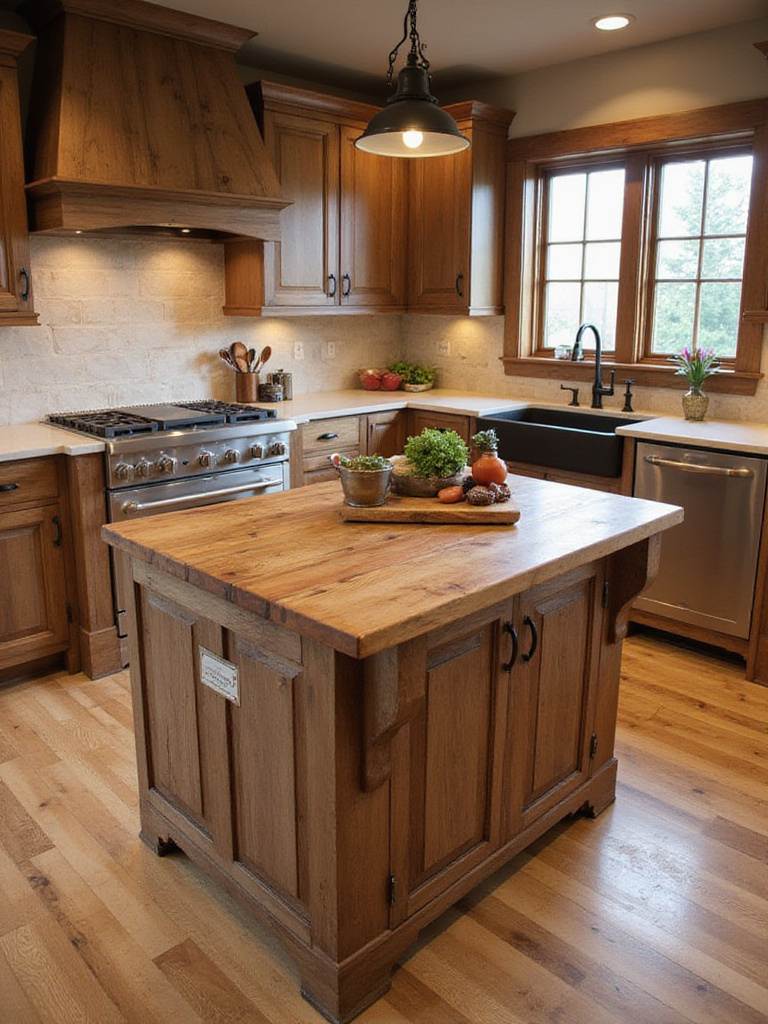
There’s an undeniable warmth to a wood countertop. Stone is beautiful, but it can feel cold and unforgiving. Butcher block, however, invites touch. It’s softer under your hands, it’s gentler on your knives, and it develops a beautiful story over time. I love seeing the faint marks and stains that tell the tale of a thousand family meals. It becomes a living part of your kitchen’s history.
I can’t tell you how satisfying it is to chop vegetables you’ve grown on a surface that also came from a living thing. The connection is palpable. People worry about maintenance, but it’s simpler than you think. A monthly wipe-down with a food-safe mineral oil and beeswax blend keeps it happy. I learned the hard way with a client’s new maple counter and a spilled jar of beet juice—act fast on spills! But the best part? If you get a deep scratch or a stubborn stain, you can just sand it out and re-oil it. It’s a renewable surface that can last a lifetime, which is more than you can say for most things in a modern home.
Now, imagine that warm, wooden work surface paired with a sink that can handle anything you throw at it.
3. Choose a Classic Farmhouse Sink (You Won’t Regret It)
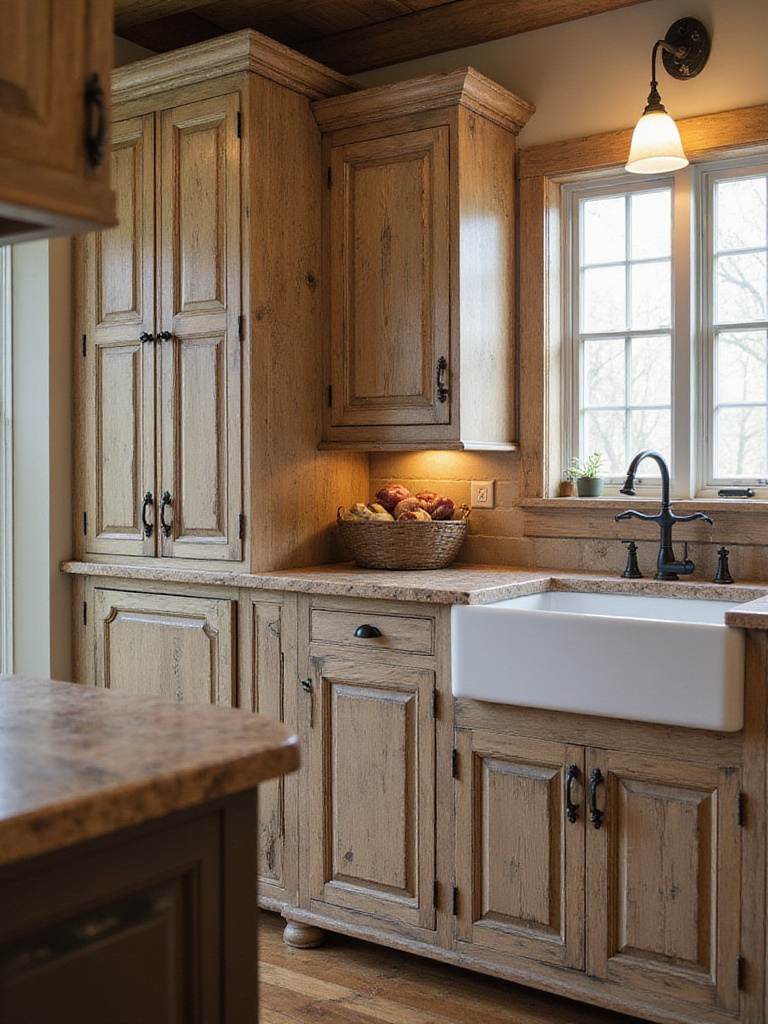
That deep, generous basin of a farmhouse or apron-front sink isn’t just for looks. It’s a nod to a time when kitchens were serious workplaces—for washing heaps of garden vegetables, canning preserves, or maybe even bathing a baby. Its exposed front instantly signals “farmhouse,” but its real value is its sheer utility.
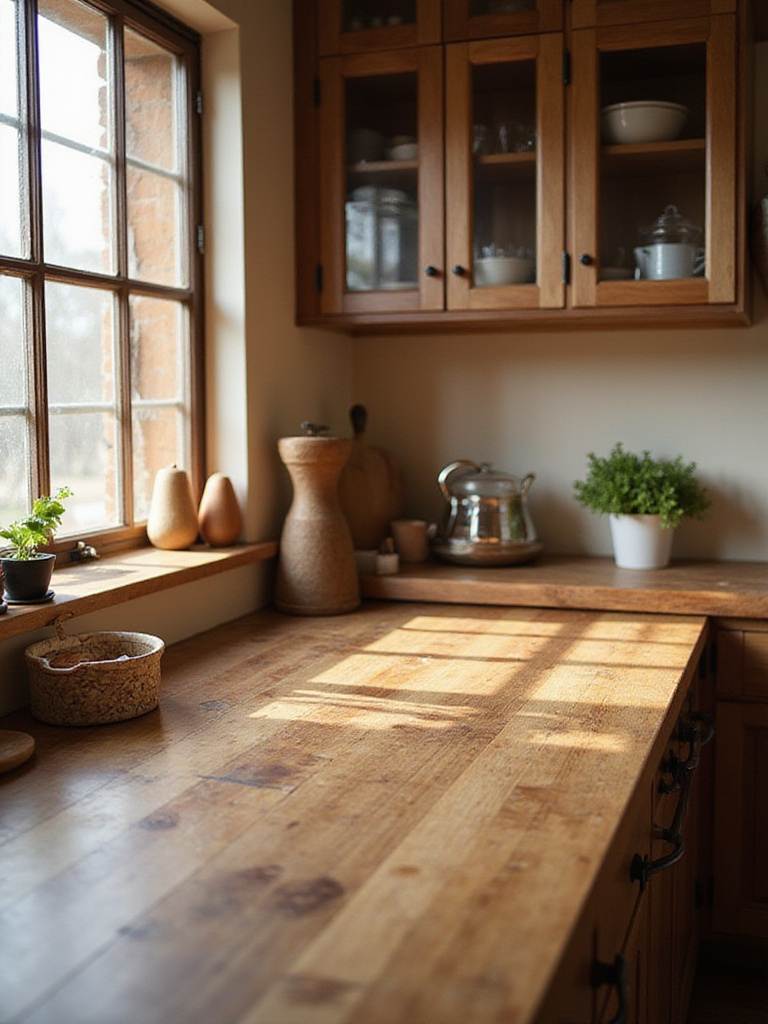
The depth is a game-changer. You can hide a day’s worth of dishes in there, or easily wash that giant stockpot without splashing water all over the floor. Because the sink sits forward from the countertop line, you don’t have to hunch over as much, which is a subtle ergonomic win your back will thank you for after a long day of canning or prepping for a party. Whether you opt for classic white fireclay, durable cast iron, or a stunning hammered copper that will develop its own unique patina, this sink becomes the beautiful, functional anchor of your kitchen.
Just as the sink grounds your prep area, what’s underfoot grounds the entire room.
4. Lay Down Wide-Plank Wood Flooring
Walking across wide-plank wood floors feels solid. Substantial. These boards, usually six inches or wider, create fewer seams, which gives a small kitchen a more spacious, flowing feel. It’s a look that harks back to an era when floors were milled from the massive, old-growth trees of a primary forest, and that sense of permanence comes through.
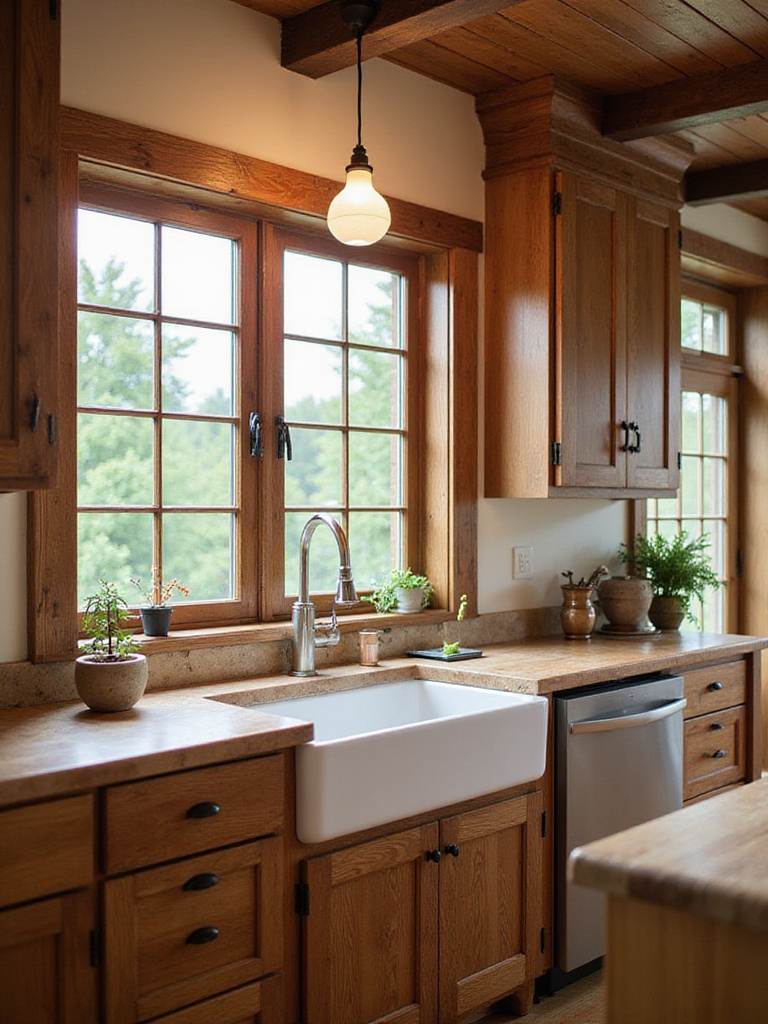
Fewer seams also mean fewer places for crumbs and grime to collect—a real practical plus in a kitchen. Good, thick plank flooring offers a bit of natural insulation and dampens sound, making the whole room feel quieter and more comfortable. People sometimes worry about wood floors in a kitchen, but a durable species like White Oak or Hickory, finished with a quality matte polyurethane, can handle spills and traffic beautifully. Over time, it doesn’t just wear out; it wears in, gaining a patina that adds to its rustic charm.
And if you want to add texture that reaches right up the walls, there’s nothing quite like brick.
5. Expose Some Brick for Raw Texture
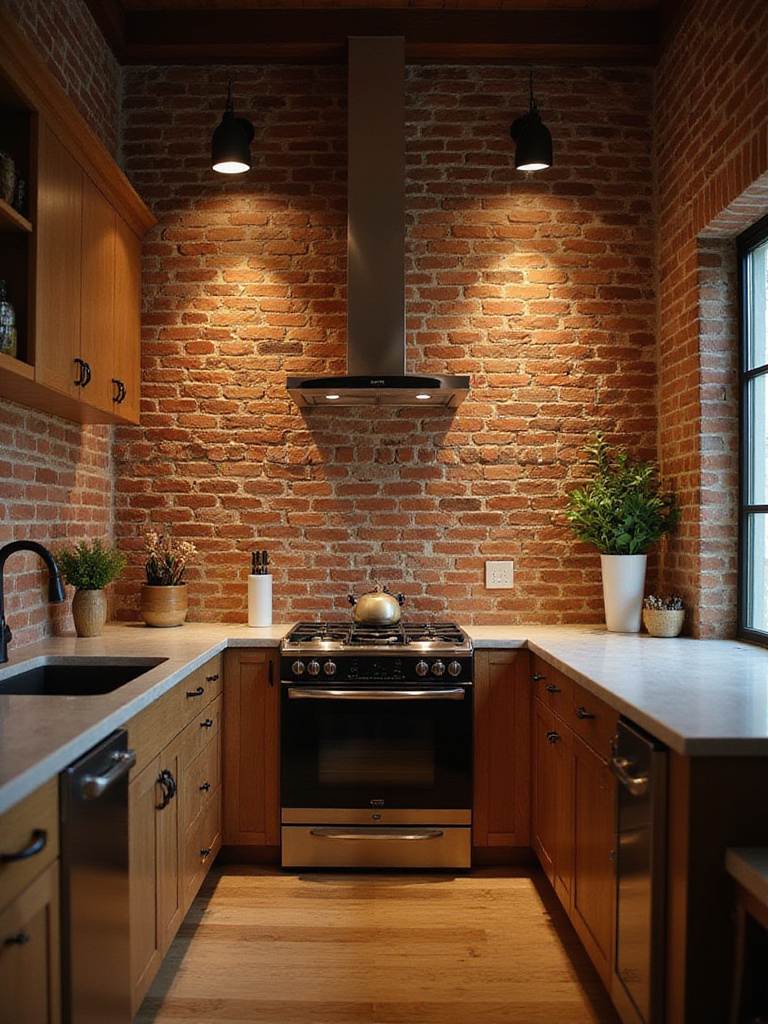
There is an honest, earthy quality to brick. If you’re lucky enough to have an original brick wall hiding behind plaster in an older home, exposing it is like uncovering a treasure. But even if you’re not, thin brick veneers today look incredibly authentic and can bring that same sense of history and substance to a new build.
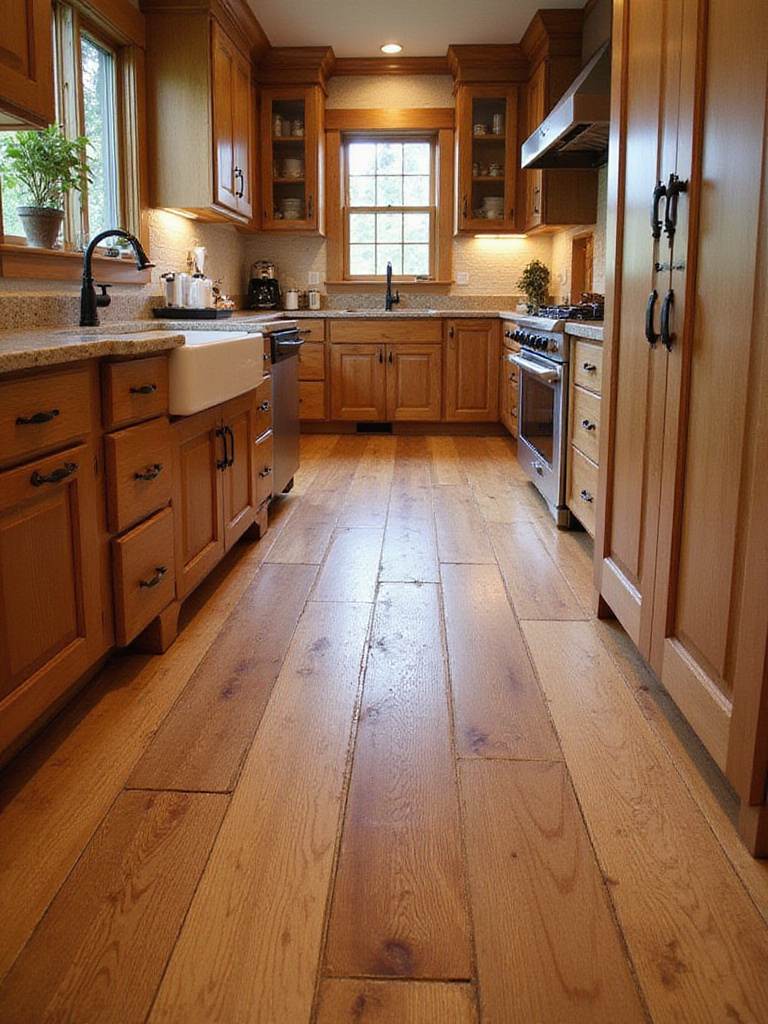
The texture itself is a design element. As the light changes throughout the day, it plays across the irregular surface, creating shifting shadows and highlighting different colors. It’s a backdrop that feels both ruggedly industrial and warmly organic at the same time. Brick also has great thermal mass, meaning it helps absorb and release heat, moderating the temperature swings from your oven. Sealed properly, it’s a durable and surprisingly low-maintenance surface that brings a powerful dose of character.
Now, let’s take that love for raw materials and apply it to your storage.
6. Ditch the Uppers for Open Shelving
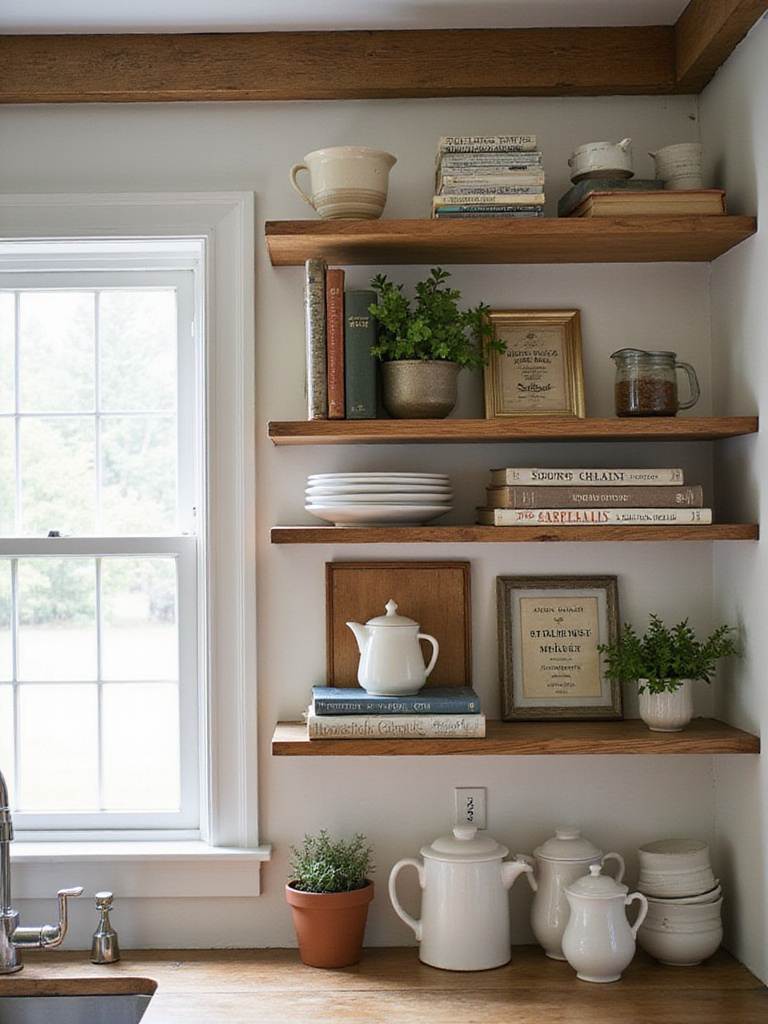
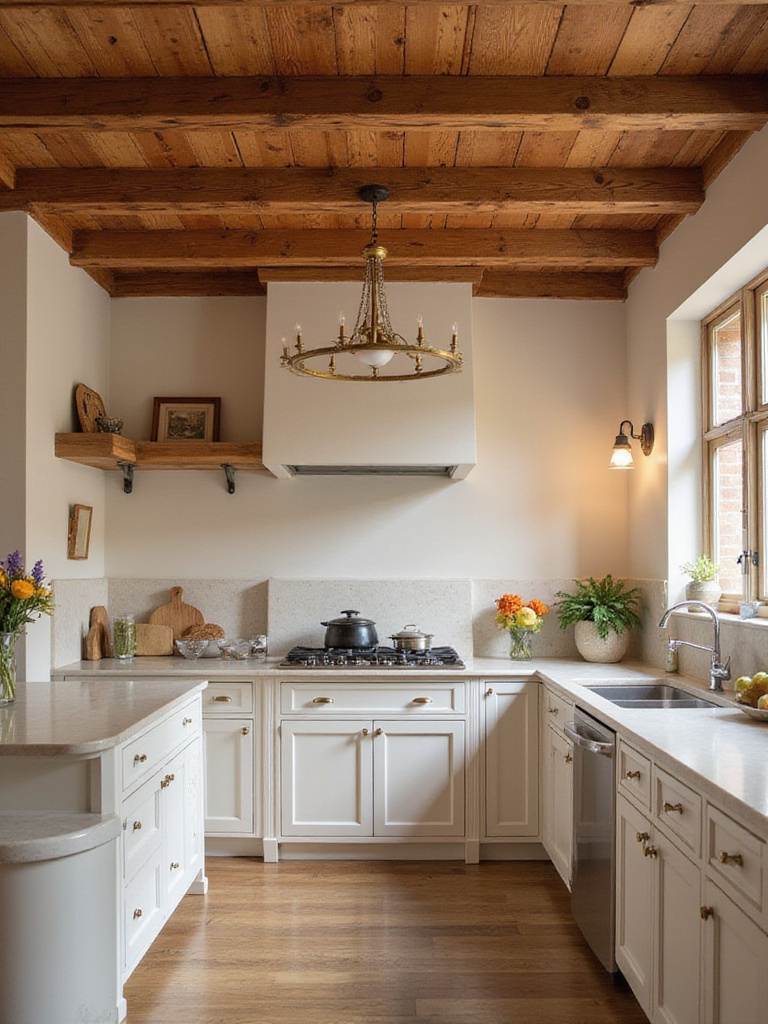
Closed cabinets hide everything away. Open shelves, especially those made from reclaimed wood or old metal pipes, turn your storage into a beautiful, personal display. It’s a chance to surround yourself with the things you love and use every day—your favorite ceramic mugs, stacks of everyday dishes, vintage Mason jars holding grains, and, of course, a few potted herbs.
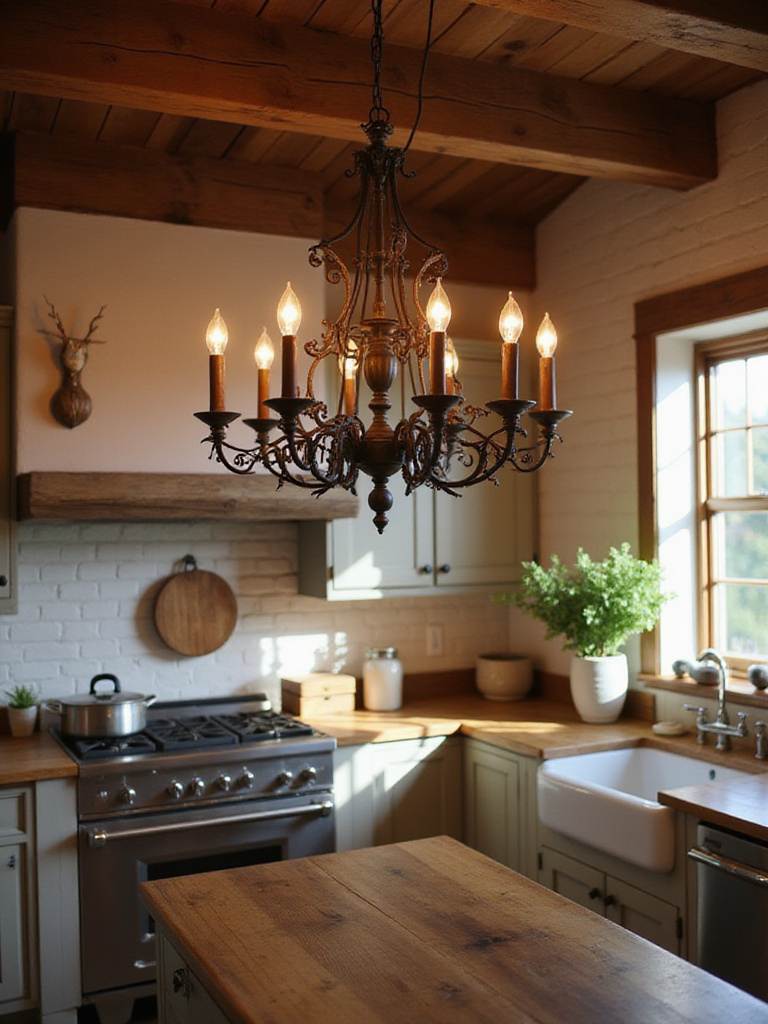
This isn’t about creating a perfect, static display. The point is accessibility. What I love about open shelving in a kitchen is that it forces a certain mindfulness. You keep what’s beautiful and functional, and it encourages you to let go of the clutter that accumulates in the back of deep cabinets. A client of mine with a tiny galley kitchen swapped her bulky upper cabinets for simple, reclaimed oak shelves. It completely opened up the space and, to her surprise, made her feel more connected to the act of cooking because her tools were always in sight and within reach.
Of course, some things in a kitchen need to be more functional than beautiful—but that doesn’t mean they can’t be both.
7. Make a Statement with Your Range Hood
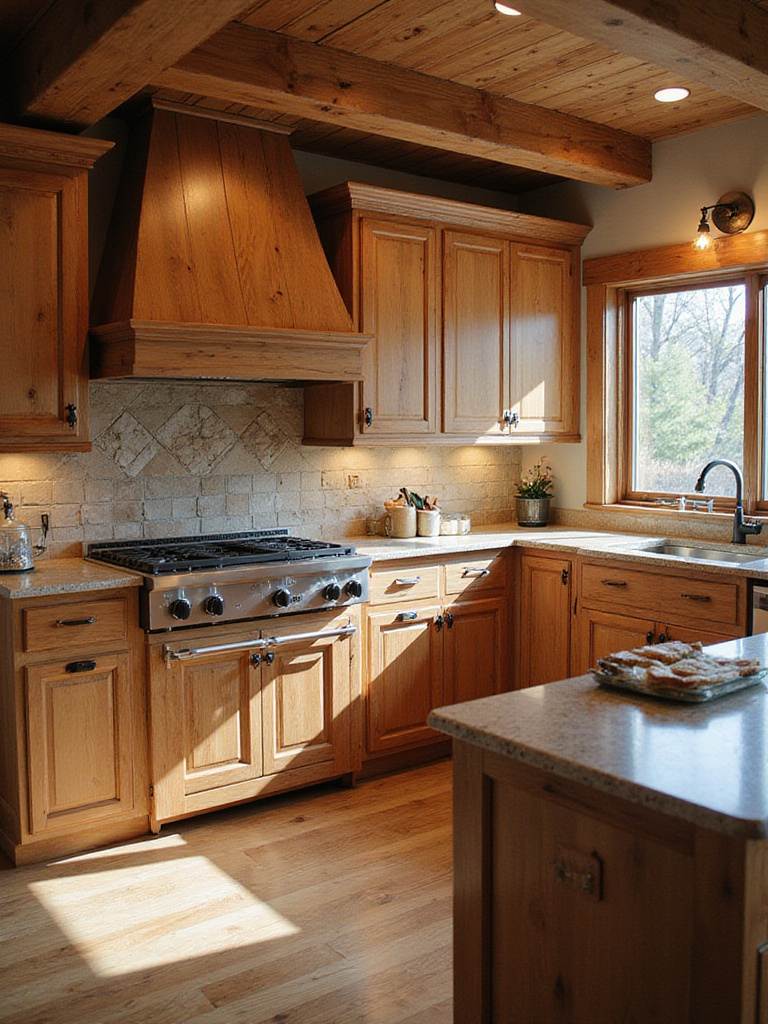
Too often, the range hood is an afterthought—a functional metal box. But in a rustic kitchen, it’s an opportunity to create a stunning focal point. Think of a custom hood wrapped in the same reclaimed wood as your shelves, or one made of hammered copper that will slowly age and change color over the years. It can be the architectural crown jewel of the kitchen.
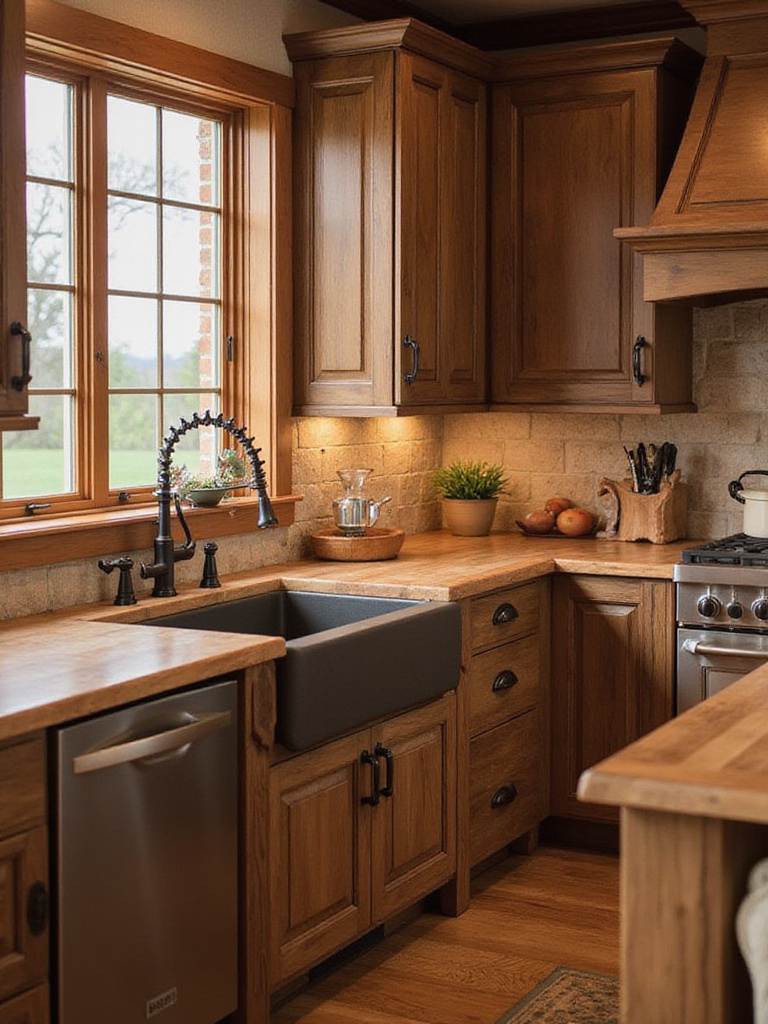
But let’s be clear: this isn’t just about looks. A powerful, properly vented range hood is non-negotiable if you do any serious cooking. It pulls grease, steam, and cooking odors out of the air before they can settle on your beautiful new surfaces. I especially recommend a robust hood if you’re doing things like searing meats or stir-frying, which create a lot of smoke. This is the perfect example of form and function working together—a workhorse that’s also a piece of art.
And the biggest workhorse in any rustic kitchen is almost always the island.
8. Reimagine Your Island as a Growing Center
A rustic kitchen island should feel like a sturdy, free-standing piece of furniture—the kind of piece that might have been a work table in a general store a century ago. But here’s where we can really innovate. Why should it just be a surface for chopping and serving? Let’s make it productive.
This is where my work gets really exciting. I’ve designed islands with built-in stainless steel troughs for growing herbs, complete with hidden drainage. We’ve integrated pull-out trays under the countertop for sprouting microgreens. One of my favorite projects had a small, self-contained hydroponic unit from Rise Gardens built right into one end, with its own grow lights, for year-round lettuce. It becomes this incredible loop: you grow, harvest, chop, and serve all in one spot. And what better way to teach kids where food comes from than to have them pluck salad greens right from the island before dinner?
Just like the living greens on your island, a natural stone backsplash brings a different kind of earthy energy to the space.
9. Bring the Outdoors In with a Natural Stone Backsplash
There’s a raw, elemental beauty to natural stone that no manufactured tile can ever truly replicate. A backsplash made from something like stacked slate or tumbled travertine brings texture and a direct connection to the geological world right into your kitchen. Each piece of stone has its own unique veining, color, and history, written over millions of years.
On a practical level, stone is a fantastic choice for behind a stove. It’s naturally heat-resistant, and when sealed correctly, it’s easy to clean. The natural variations in color and pattern are also great at camouflaging the inevitable splashes and splatters of a busy kitchen. Unlike a uniform ceramic tile that can feel sterile, a stone backsplash has a depth and movement that adds a quiet, grounding energy to the room.
That quiet energy needs the right kind of light to truly shine, especially as the sun goes down.
10. Set the Mood with Vintage-Style Lighting
Lighting can make or break the atmosphere of your rustic kitchen. You want to avoid harsh, flat lighting at all costs. The goal is to create warm pools of light that make the space feel intimate and inviting. Vintage-style fixtures—whether they’re true antiques or well-made reproductions—bring a sense of craftsmanship that a standard recessed can light just can’t match.

Think about a wrought-iron chandelier over the island, some simple gooseneck sconces over the sink, or even pendants made from old mason jars. The secret is to layer your lighting. You need bright task lighting for your work areas, but also softer, ambient light for the overall room. I always recommend putting everything on dimmers. That way, you can have bright, clear light when you’re cooking, and then dim everything down to a warm, golden glow for a late-night conversation over a cup of tea. It’s about controlling the emotional temperature of the room.
You can add another layer of texture and tradition with some simple wall treatments.
11. Add Character with Shiplap or Beadboard
Shiplap and beadboard are rooted in the practical, honest building traditions of rural America. These simple wooden planks, laid horizontally or vertically, were a straightforward way to create a durable, weatherproof wall. Today, they bring that same unpretentious charm indoors.
The clean lines add architectural interest without being fussy. The subtle shadows created between the boards give a wall depth and a pleasing rhythm that changes as the light moves across it. Used on a full wall, a ceiling, or as a wainscoting on the lower half of the walls, it adds a layer of texture that feels both clean and cozy. It’s a great way to break up a large wall or protect the area behind a banquette from scuffs.
For a bit of shine that isn’t too slick, copper is a perfect fit.
12. Warm Things Up with Copper Accents
Copper is a living metal. It brings a warmth to a rustic kitchen that stainless steel or chrome simply can’t. What’s truly amazing about it is how it changes over time, developing a unique patina based on how you use and care for it. It literally tells a story. A row of hanging copper pots, a hammered copper sink, or even a copper range hood becomes a rich, warm focal point.
There’s a reason chefs have treasured copper pots for centuries. It’s an incredible conductor of heat, but it also has natural antimicrobial properties, which makes it a great material for a kitchen. I love how a new, gleaming copper sink will slowly darken and evolve, with some areas becoming deep brown and others showing hints of green. It’s an embrace of imperfection, a surface that becomes more beautiful because it’s been used and loved.
That cozy, loved feeling can be physically built into your seating, too.
13. Create a Cozy Nook with Built-in Banquette Seating
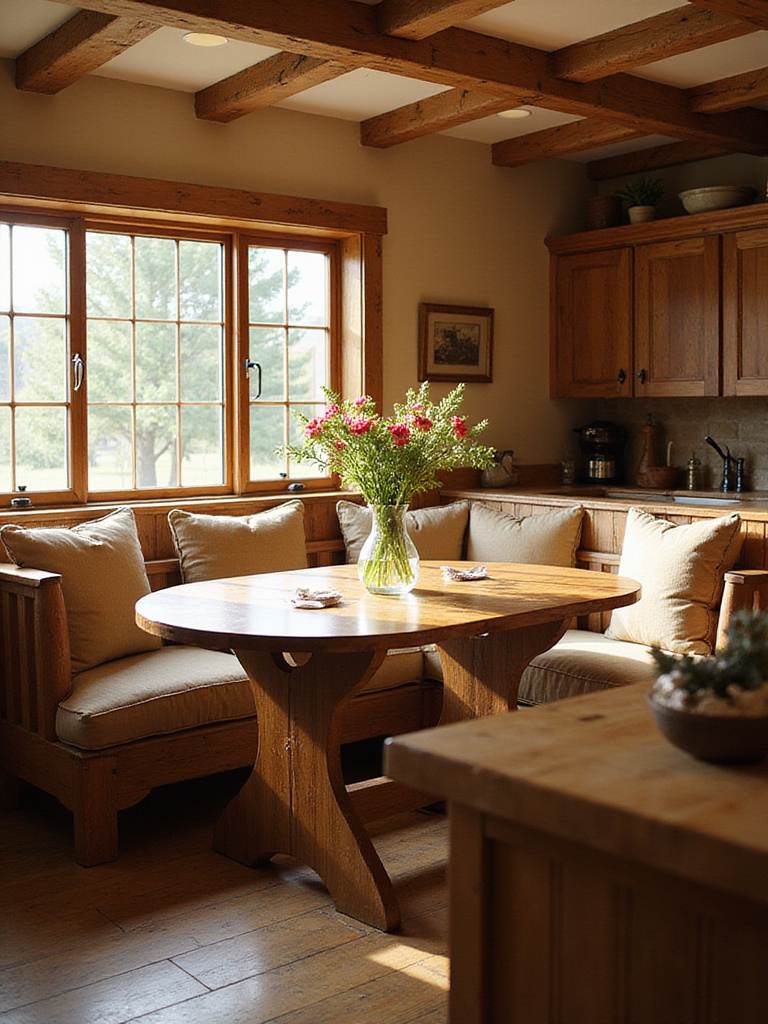
A built-in banquette is one of the best ways to create a cozy, intimate dining spot right in your kitchen. It turns a potentially awkward corner into the most sought-after seat in the house. Built to match your cabinetry, it feels integrated and intentional, encouraging family to gather and linger over meals.
The real genius of a banquette, though, is its space efficiency and hidden potential. You can fit more people on a bench than you can with individual chairs, and you don’t need to leave all that dead space behind them for pulling chairs in and out. Best of all? The bench seats can be built with hinged tops or drawers underneath, creating a massive amount of hidden storage for bulky kitchen items, seasonal linens, or kids’ craft supplies. It’s comfort and utility, perfectly combined.
And for the final touches, sometimes a modern twist is exactly what’s needed.
14. Add a Pop of Contrast with Matte Black Hardware
While rustic design leans on traditional materials, pairing them with a modern accent can keep the whole look from feeling like a museum exhibit. Matte black hardware—cabinet pulls, knobs, and faucets—is the perfect way to do this. The deep, non-reflective finish provides a striking visual pop against warm wood tones and creamy white cabinets.
Unlike shiny chrome or nickel, which can feel a bit slick, matte black has a weighty, substantial feel that complements the honesty of rustic materials. It also has a practical benefit I love: it’s fantastic at hiding fingerprints and water spots. It’s a small detail, but choosing substantial, well-made hardware signals quality and grounds the entire design, acting as a bridge between the old-world materials and your modern life.
Speaking of modern life, let’s make sure our food source is as modern and accessible as possible.
15. Create a Dedicated Herb Growing Station
This is non-negotiable for me. Bringing a living, growing element into your kitchen is fundamental to the rustic philosophy. It doesn’t have to be complicated. A simple set of pots on a sunny windowsill works wonders. But if you can, dedicate a real station to it. A south-facing window is ideal for sun-hungry herbs like basil and rosemary.
If you don’t have great light, don’t despair! This is where technology helps. Sleek, full-spectrum LED grow lights can be mounted discreetly under your upper cabinets, turning a dark corner into a productive herb garden. Imagine snipping fresh chives, parsley, and thyme for your omelet, year-round. You reduce packaging waste from store-bought herbs, and the flavor is worlds better. The sight of healthy green plants also adds life, color, and natural air filtration to your space. It’s the ultimate expression of a kitchen that nurtures.
To divide your new kitchen from other spaces, let’s borrow another idea from the farm.
16. Save Space with a Sliding Barn Door
Sliding barn doors are more than just a stylistic trend; they are brilliant problem-solvers. They bring that authentic, agricultural character while being incredibly practical, especially in tight spaces. Hung on a visible metal track, they become a piece of functional art, separating a pantry, laundry room, or office from the main kitchen area.
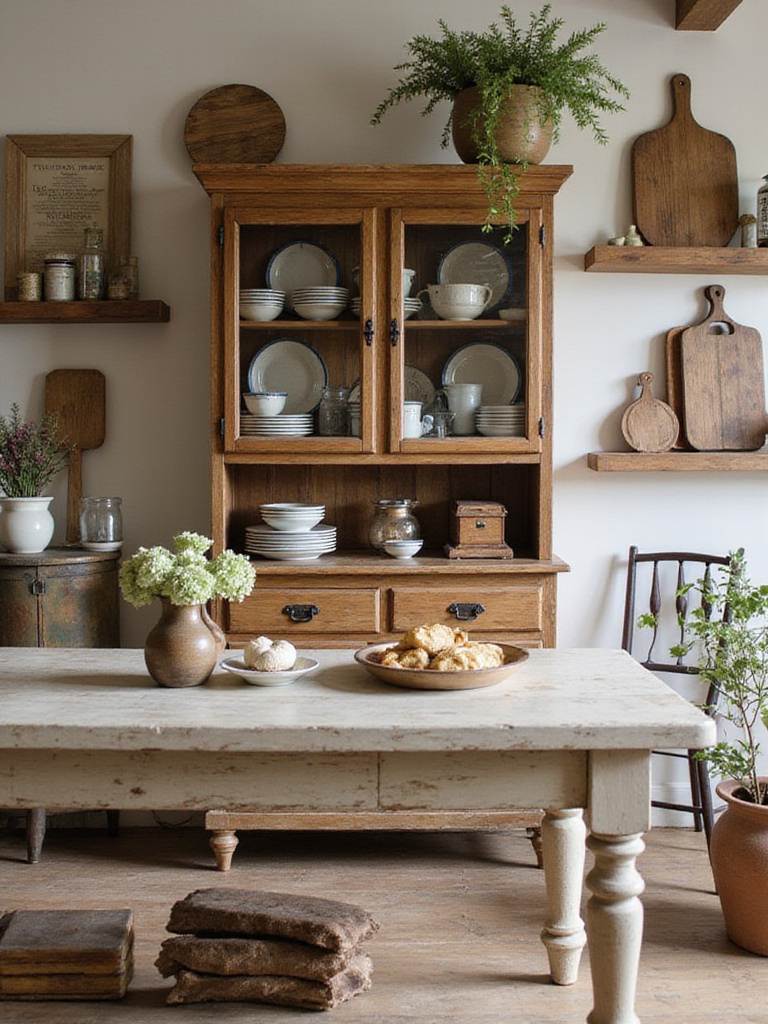
Their biggest advantage is that they don’t require any “swing room.” A traditional door needs a huge clear area to open into, but a barn door just glides along the wall. This is a game-changer in a smaller home or a narrow hallway. The substantial wood construction also does a better job of muffling sound than a standard hollow-core interior door, helping to contain the chaos and noise of a busy kitchen.
For a final touch of pure nature, don’t be afraid to let the wood show its wild side.
17. Embrace the Natural Curve of Live-Edge Wood
A “live edge” is the natural, uncut edge of a piece of wood. It follows the original curve of the tree trunk, bark and all. Incorporating a piece of live-edge wood as a breakfast bar, a floating shelf, or even a countertop on your island brings a powerful, untamed piece of nature right into your home.
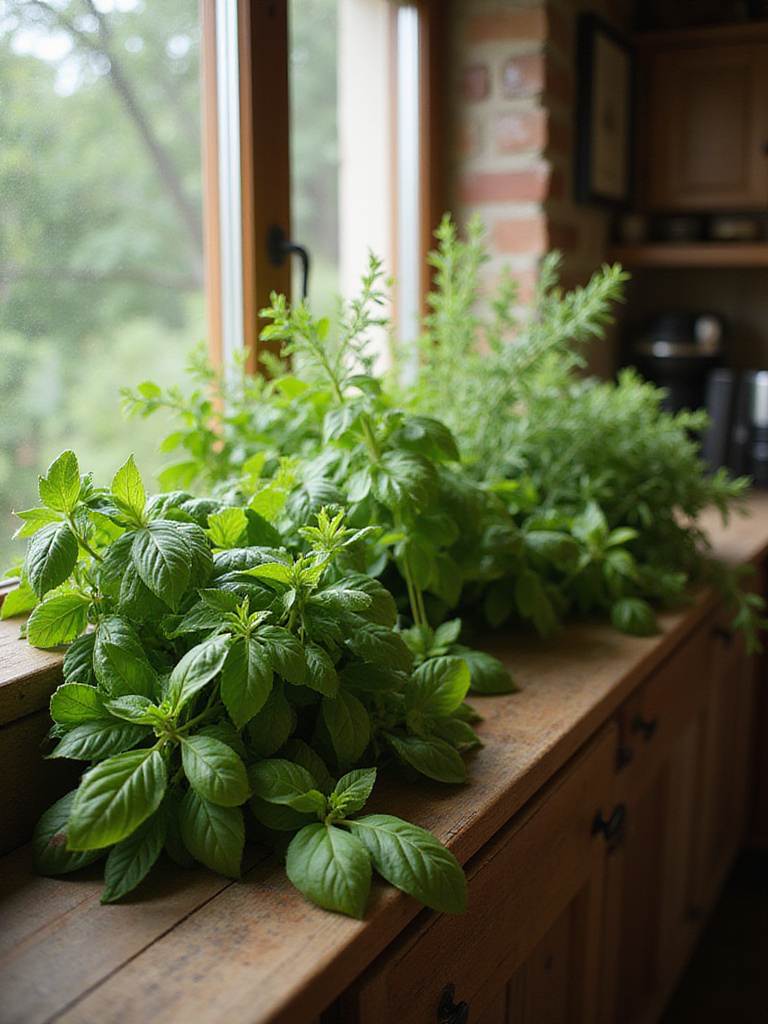
Each piece is completely unique—a one-of-a-kind sculpture carved by nature itself. The knots, the grain, the imperfect edge—it’s a celebration of the raw material. This isn’t something you’d use for all your surfaces, as it can be less practical for everyday heavy use. But as a focal point, a live-edge element serves as a stunning reminder of the organic world, a perfect counterpoint to the more refined elements in the room.
Finally, let’s carve out a little space for one of the most important daily rituals.
18. Design a Charming Coffee (or Tea) Station
Your morning routine sets the tone for your whole day. Creating a dedicated coffee or tea station can transform that routine from a frantic grab-and-go into a mindful, enjoyable ritual. Carve out a small section of countertop or a dedicated nook. Use open shelving to display your favorite mugs, and rustic containers for your coffee beans and tea bags.
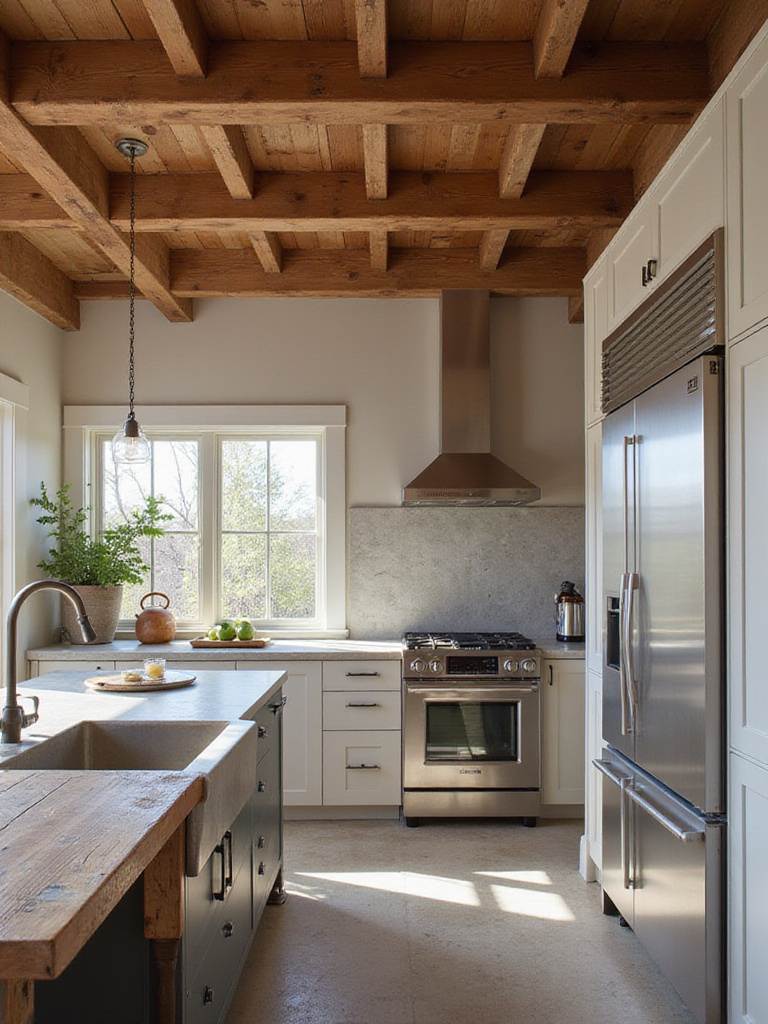
Having everything you need—the grinder, the brewer, the sugar, the mugs—in one organized spot keeps your main countrtops clear and makes the process seamless. I always recommend ensuring you have dedicated electrical outlets in that spot so you’re not wrestling with cords. As the morning light hits that little corner, with its warm wood and beautiful tools, it becomes an inviting spot that makes that first cup of the day feel truly special.
Your Kitchen, Your Ecosystem
Ultimately, creating a rustic kitchen isn’t about checking boxes on a list. It’s about building a space that feels deeply personal and alive. It’s about celebrating the patina of use, choosing materials that get better with age, and weaving in living elements that connect you to the cycle of nature.
Your kitchen can and should be more than just a room for cooking. It can be a place where the line between indoors and outdoors blurs, where you can grow some of what you eat, and where every meal feels like a connection to the earth that sustains us. Start with the one or two ideas that really speak to you, and let your kitchen evolve from there. It’s your home’s living heart. Let it beat with a rustic, productive rhythm.