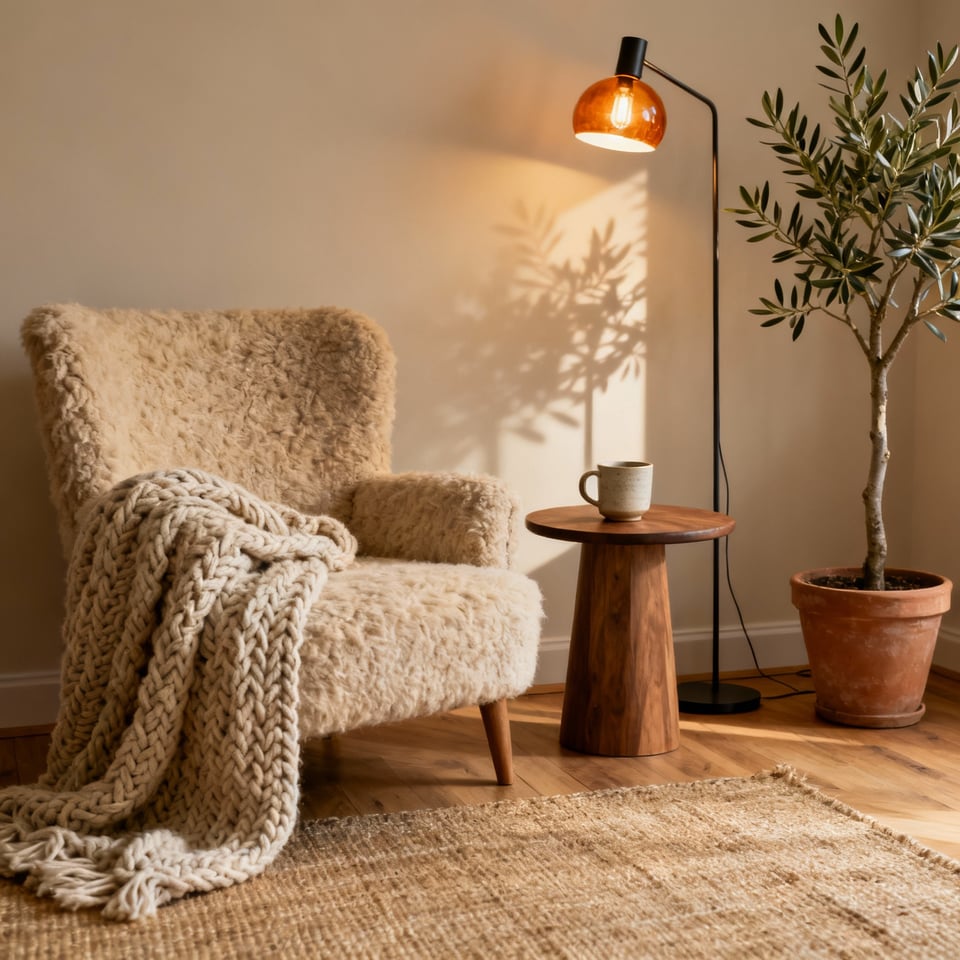
To create a home is an act of translation—every choice reflects not just an aesthetic preference, but a deeper philosophy of how we wish to live. The most compelling interiors are not merely decorated; they are authored, telling a coherent story about the inhabitants and their understanding of beauty’s role in daily life. From my work blending the sun-drenched architectural wisdom of the Middle East with the quiet minimalism of Scandinavia, I’ve learned that a truly cozy living room design is born from this intentionality. These 20 principles separate a space that feels deeply authentic from one that simply looks styled.
They move us beyond fleeting trends to a profound sense of peace and belonging. We will explore how to establish an ethos of comfort, how to choose materials that tell a story, how to orchestrate space for intimacy, and finally, how to integrate these practices into the rhythm of your life. This is not about acquiring more things; it’s about making more thoughtful choices to sculpt your own tranquil oasis.
Establishing the Foundational Ethos: Cultivating Intentional Comfort (Part 1)
Before a single piece of furniture is placed, we must first define what comfort truly means. It’s a quiet dialogue between a space and its inhabitants. This requires cultivating an atmosphere that nurtures the spirit, grounded in design philosophies that prize warmth, character, and a sense of place. It’s here, in this foundational thinking, that a room transforms from a collection of objects into a true sanctuary.
1. Embracing Hygge’s Foundational Intent: Cultivating Deliberate Warmth
The Danish concept of Hygge is often misunderstood as simply a winter aesthetic of candles and blankets. At its core, however, it’s a universal pursuit of contentment and conviviality—a philosophy that translates beautifully to any climate. It is the deliberate cultivation of warmth in spirit, fostering a sense of security and gentle joy that is essential for a cozy living room design. This philosophy becomes the anchor, guiding every material and spatial decision toward creating an environment of sanctuary.
For a Hygge-infused space, materiality is about an invitation to touch. Think of breathable linen slipcovers that feel cool on a warm day, the grounding weight of a hand-knotted wool rug underfoot, or the soft texture of a sheepskin draped over a clean-lined chair. These aren’t just decorations; they are tactile prompts to slow down. Spatially, Hygge calls for intimacy. Pull seating away from the walls to form a conversational cluster. Lighting should be layered and warm—never a single, harsh overhead source. A soft glow from a floor lamp, the flicker of a flame…these create pockets of gentle illumination that feel like a protective embrace.
2. Harnessing Biophilic Design Principles for Innate Serenity
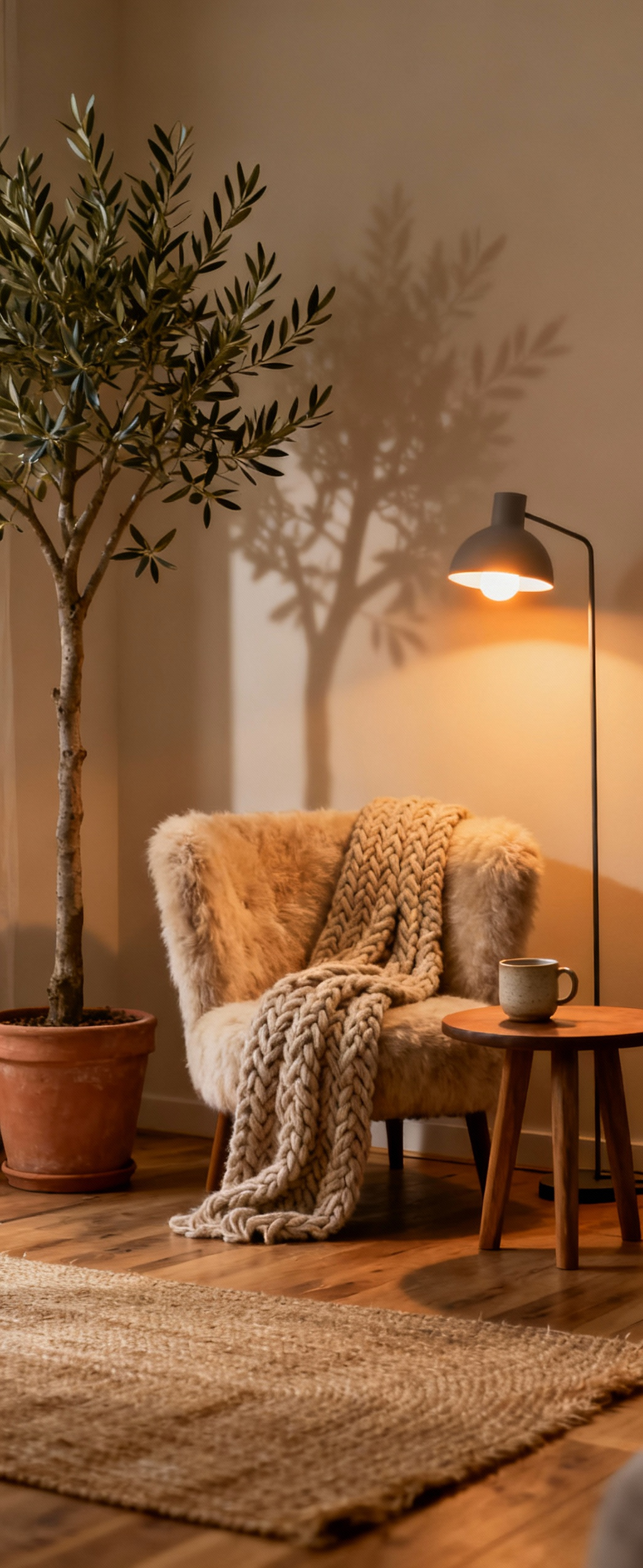
True serenity in a space comes from acknowledging our innate human need to connect with nature. Biophilic design is the architectural expression of this connection. It’s far more than scattering a few houseplants; it’s a fundamental principle of well-being, weaving the patterns and forms of the natural world into our homes to reduce stress and restore clarity. This approach transforms a living space from a sealed box into a restorative, breathing environment.
In my climate-adaptive design practice, this often means celebrating the unique beauty of the local landscape. We choose materials like reclaimed wood with its visible history, unpolished travertine that speaks of the earth, and raw, breathable textiles. But the primary material is sunlight—harnessed and diffused to create shifting patterns of light and shadow that mark the passage of the day. Spatially, this means framing a view of the desert sky or a single, sculptural agave plant. It means a color palette of soft ochres, sage greens, and terracotta. A home designed this way becomes a constant, gentle source of restorative energy, aligning our daily rhythms with those of the natural world.
3. Orchestrating Sensory Cohesion: Auditory, Olfactory, and Tactile Harmonization
A truly immersive sanctuary engages more than just the eyes. A sophisticated cozy living room design is a symphony for the senses, where sound, scent, and touch are as thoughtfully composed as the visual arrangement. This holistic approach calms the nervous system and envelops you in a profound sense of well-being, acknowledging that comfort is a full-body experience.
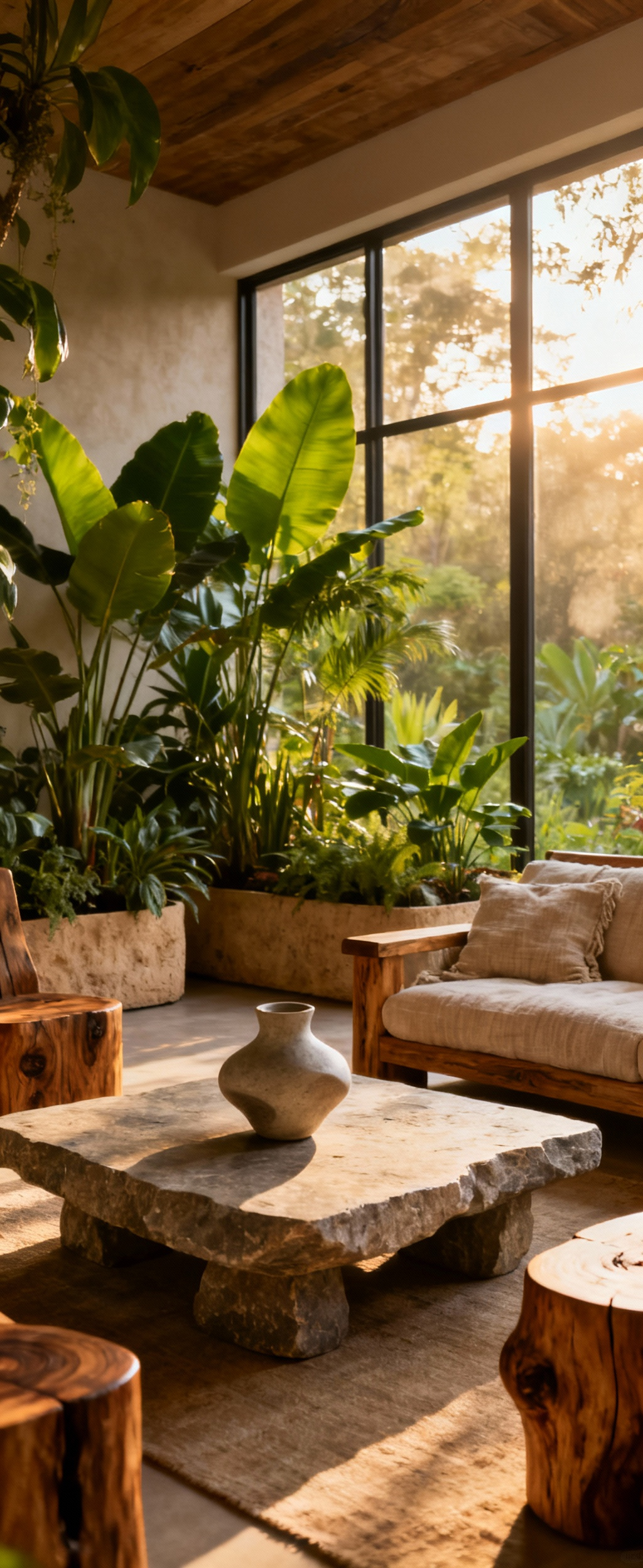
Material choices become wonderfully rich when viewed through a multisensory lens. For sound, we use thick wool draperies, plush rugs, and upholstered furniture to absorb harsh echoes, creating a hushed, intimate acoustic. Then we introduce pleasing sounds—perhaps the quiet crackle of a fire or the gentle trickle of a small, discreet water feature. For scent, subtlety is everything. It is the natural fragrance of aged wood, fresh linen, or a beeswax candle. A thoughtfully chosen essential oil, like cedarwood for grounding, should be an ethereal layer, not an overpowering announcement. It is this intentional sensory architecture that transforms a room into a deeply restorative human experience.
4. Mastering the Art of Patina: Allowing Imperfection to Infuse Character
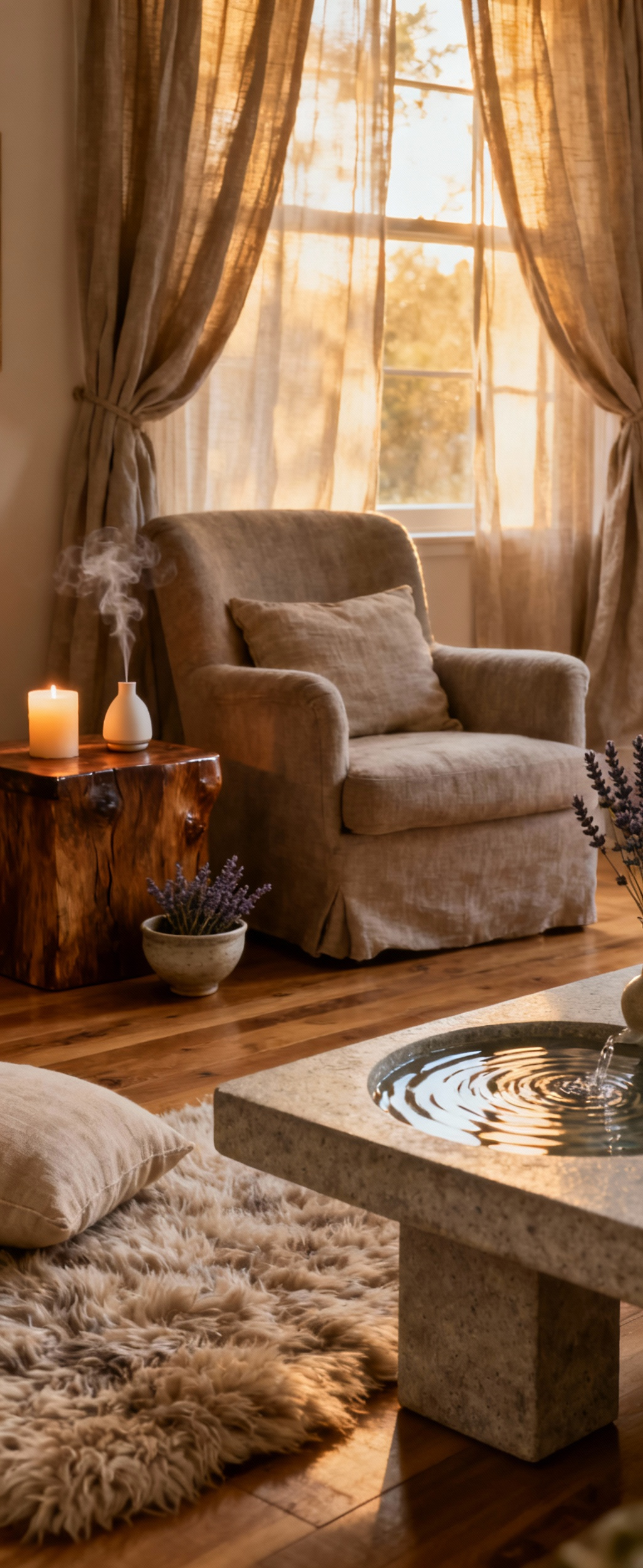
The final foundational element is the most soulful: embracing patina. This is a deep appreciation for the beauty of age, history, and the gentle marks of a life well-lived. In a world obsessed with sterile newness, patina imbues a space with depth and authenticity, much like the Japanese philosophy of Wabi-Sabi. What I’ve seen in my work is that a room with a story feels infinitely more comforting than one that is merely perfect.
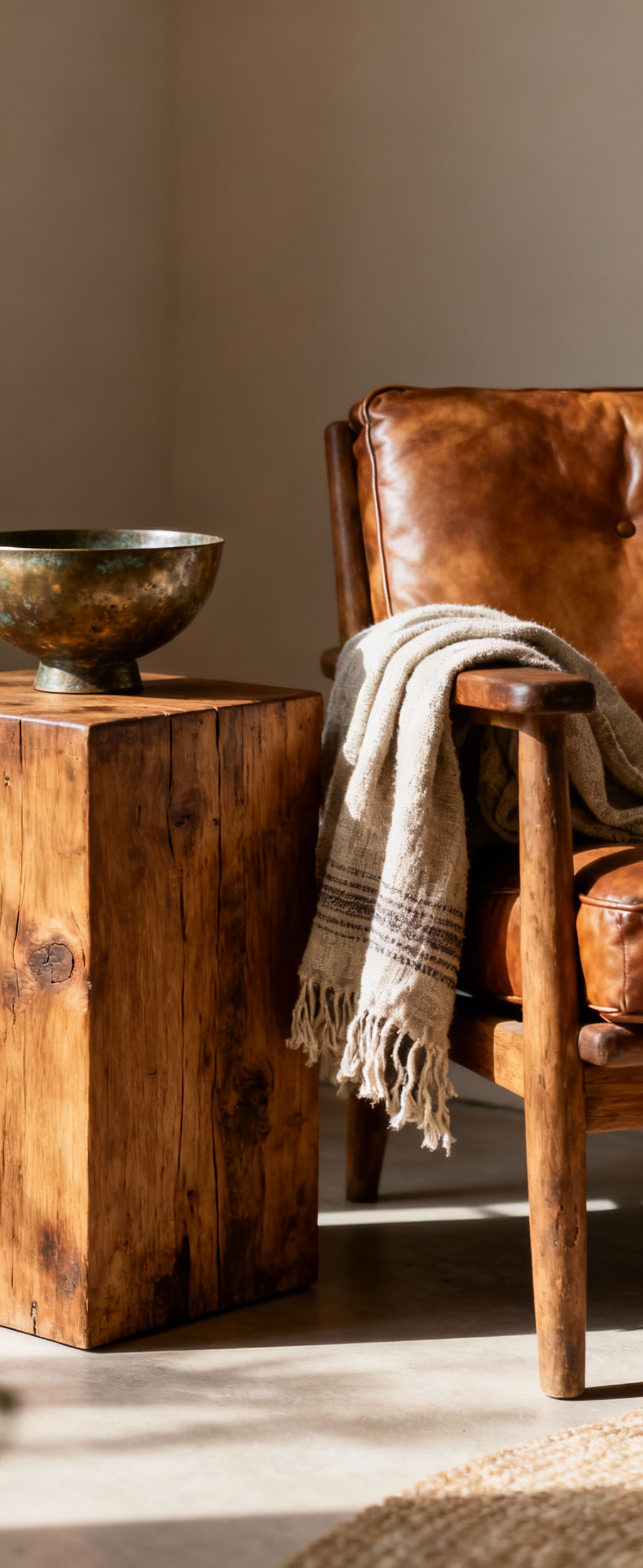
This means choosing materials that improve with age—rich hardwoods that show the character of use, leather that becomes more supple with every touch, and antique brass that acquires a soft, verdigris glow. Spatially, it’s about proudly displaying heirloom furniture, where every scratch is a cherished part of a family narrative. I learned this when I found an old, beautifully repaired Berber rug for a client; its mended sections told a far more interesting story than a pristine new one ever could. By welcoming objects that have been lived with and loved, a cozy living room design becomes a testament to continuity and substance, a comforting connection to the past.
Establishing the Foundational Ethos: Cultivating Intentional Comfort (Part 2)
Now that we’ve laid the philosophical groundwork, we can explore how to shape the very air and energy of a room. This is where we move from abstract principles to the tangible sculpting of space, creating environments that don’t just look inviting but actively support our psychological well-being.
5. Defining the Psychological Perimeter: Crafting Zones of Emotional Sanctuary
The concept of a psychological perimeter goes beyond physical walls; it’s about shaping the emotional landscape of a room. For a cozy living room design, this means creating intentional zones—not just for different functions, but for different emotional states. It is a deliberate act of architectural empathy, recognizing our unarticulated need for safety, contemplation, and connection.
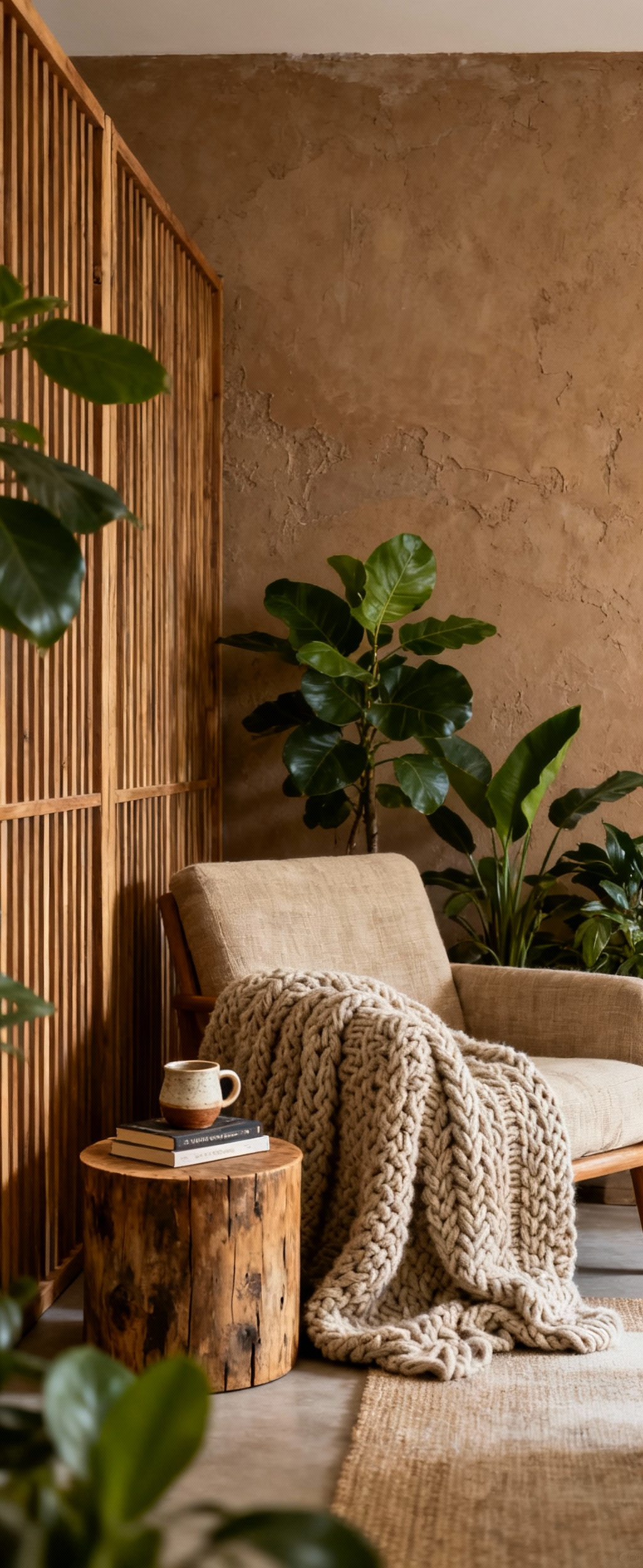
In Middle Eastern modernism, I draw inspiration from the courtyard—a space that serves as a gentle transition from the public world to the private sanctuary within. We can create this same feeling on a smaller scale. A reading nook, defined by a comfortable chair, a soft pool of light from a floor lamp, and a tactile rug, becomes its own universe dedicated to escape. A conversation area, with seating oriented inward, fosters intimacy. These perimeters can be defined by the edge of a rug, a shift in lighting, or the grouping of furniture. This sophisticated spatial choreography makes each activity feel more meaningful by giving it its own dedicated emotional resonance, allowing a room to become a dynamic partner in our emotional health.
Curating Tactile Narratives: The Expressiveness of Materiality (Part 1)
True depth in a room emerges from the very essence of its materials. This is about selecting elements that speak a language of their own, inviting a multisensory experience through texture, form, and their interaction with light. Here, we explore how materiality can sculpt an environment that resonates with an innate sense of comfort and belonging.
6. Elevating Textural Depth with Natural Fiber Weaves: Wool, Linen, and Cashmere Integration
The foundation of a sensorially rich and cozy living room design is a deep engagement with texture. The intentional integration of natural fiber weaves transforms a space into a tactile narrative. We begin with wool, valued for its warmth and resilience; then linen, for its breathable, organic elegance; and finally cashmere, for its unparalleled softness. Together, they create a landscape of touch that banishes flatness.
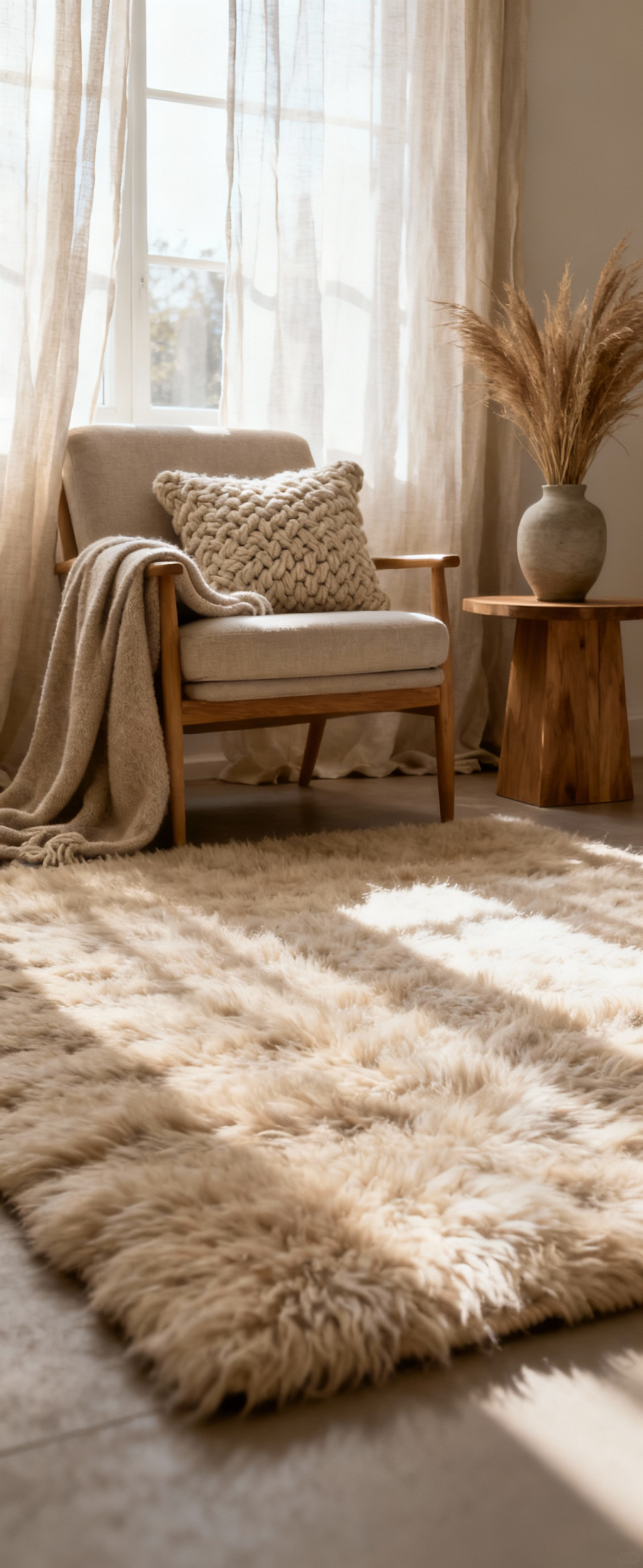
Imagine the gentle rasp of a linen slipcover on a summer afternoon, the comforting weight of a chunky wool throw on a cool evening, or the softness of a cashmere cushion. Rugs, whether a high-pile wool or a rustic jute, anchor the space underfoot. Even something as simple as varying the weaves of decorative pillows contributes to this rich tapestry. This strategic layering transcends mere decoration. It fosters a space that encourages slow moments and a deep, unconscious sense of grounded, natural luxury.
7. Integrating Biomorphic Forms and Untreated Wood for Organic Warmth
The principle of biophilia—our innate connection to nature—guides us to incorporate organic shapes and honest materials. This is what elevates a cozy living room design from a collection of furniture to an extension of the natural world. This is especially potent in minimalist design, where a single, beautifully formed object can bring an entire room to life.
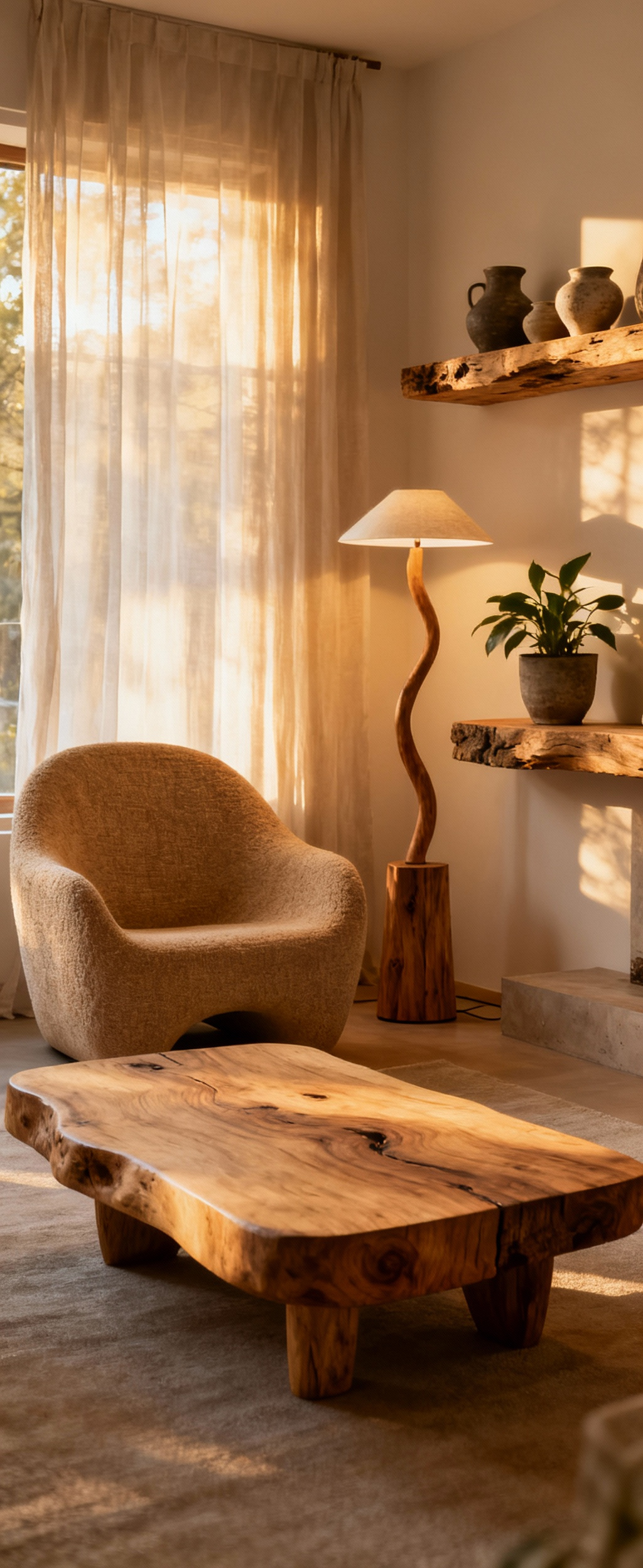
I look for the raw beauty of untreated wood, where the grain and knots tell a story of growth. This material exudes a warmth that manufactured surfaces cannot replicate. Alongside it, we introduce biomorphic forms—shapes with the soft, curvilinear lines of nature, like a coffee table with the gentle contour of a river stone or an armchair with a subtle, leaf-like curve. These organic silhouettes provide a visual antidote to the hard angles of modern life, promoting a sense of harmony and ease. A room infused with these elements becomes a meditative space that fosters a deeper connection to the earth.
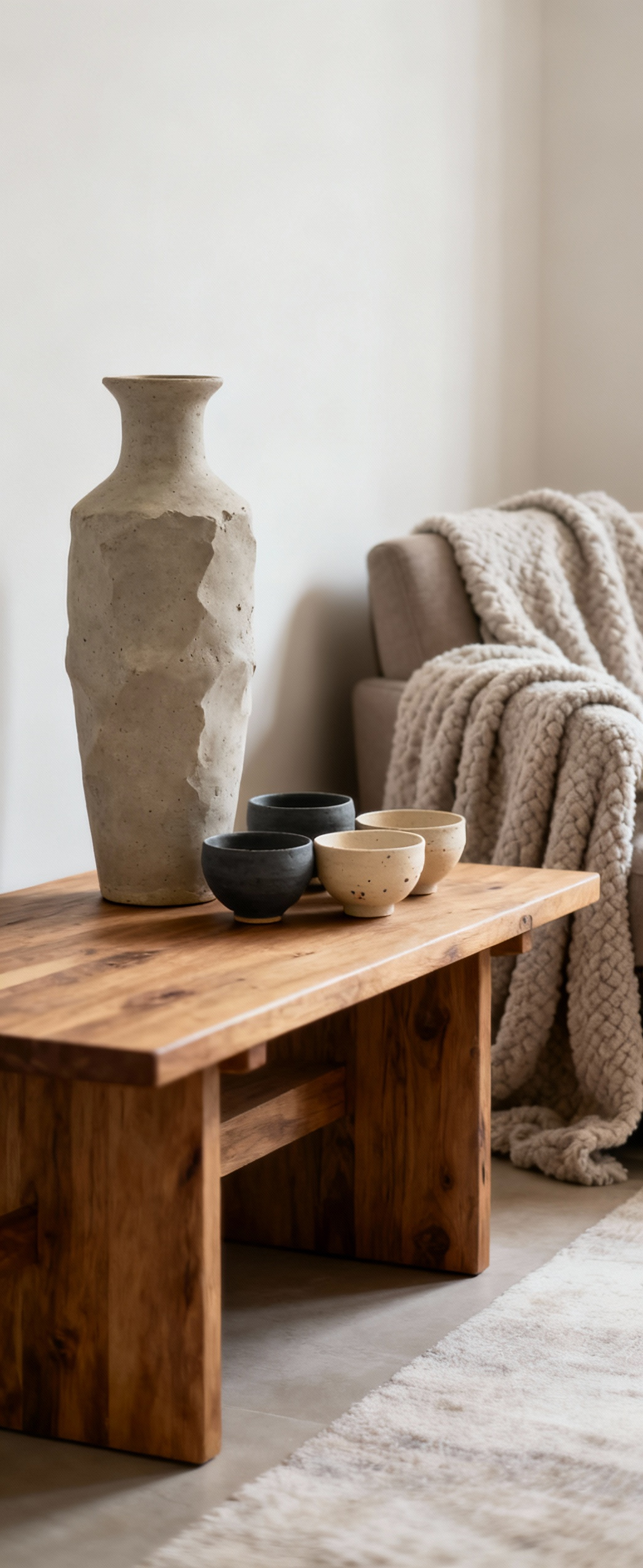
8. Employing Hand-Crafted Ceramics and Stoneware for Grounding Authenticity
The appreciation for raw wood extends naturally to the humble beauty of hand-crafted ceramics. In an era of mass production, these pieces offer a direct connection to the artisan, bringing a soulful, grounding presence into a home. Each piece, with its subtle imperfections and the visible mark of the maker’s hand, offers a powerful counterpoint to industrial perfection.
Spatially, these are more than accents; they are anchors of visual and tactile interest. A series of hand-thrown vases on a mantle, a substantial ceramic planter, or a stoneware lamp base all contribute a solidity that balances the softness of textiles. What really gets me is the quiet narrative these objects hold. They speak of tradition, artistry, and the value of slowness, reinforcing a sense of stability and belonging that is essential for a truly cozy living room design.
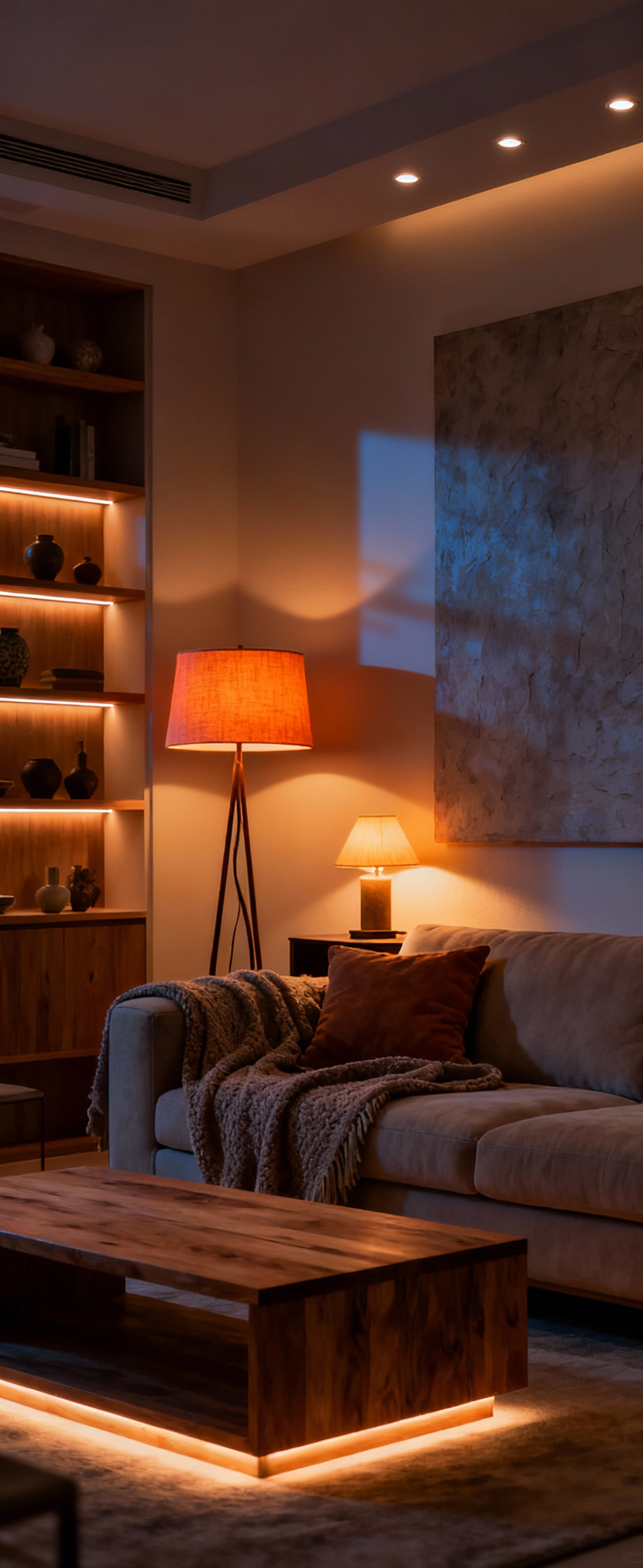
9. Curating Luminescence through Layered Lighting Schematics and Warm Kelvin Temperatures
Light is the invisible architect in a room, with the power to define its emotional tone. In creating a cozy living room design, our goal is not simply to illuminate, but to sculpt with light. We focus on warm Kelvin temperatures (between 2200K and 3000K) that mimic the comforting glow of sunset or candlelight, fostering psychological ease.
The key is a layered lighting plan that moves beyond a single overhead source. You need ambient light for a general soft glow, accent light to highlight art or architecture, and task light for activities like reading. In my work with Middle Eastern modernism, I’m constantly inspired by the mashrabiya, intricate wooden screens that filter harsh sunlight into beautiful, shifting patterns. We can create a modern version of this effect by using textured lampshades, dimmers on all sources, and multiple, low-wattage lamps to create pools of intimate, welcoming light. This transforms the living room into a dynamic canvas that can be adapted to suit any mood.
Curating Tactile Narratives: The Expressiveness of Materiality (Part 2)
Here, we delve deeper into how materials orchestrate the unseen atmosphere of a space. Beyond visual appeal, textiles can actively shape the sensory tranquility that is critical for a truly cozy living room design. It’s this sophisticated interplay that elevates a room from merely decorated to a sanctuary for the senses.
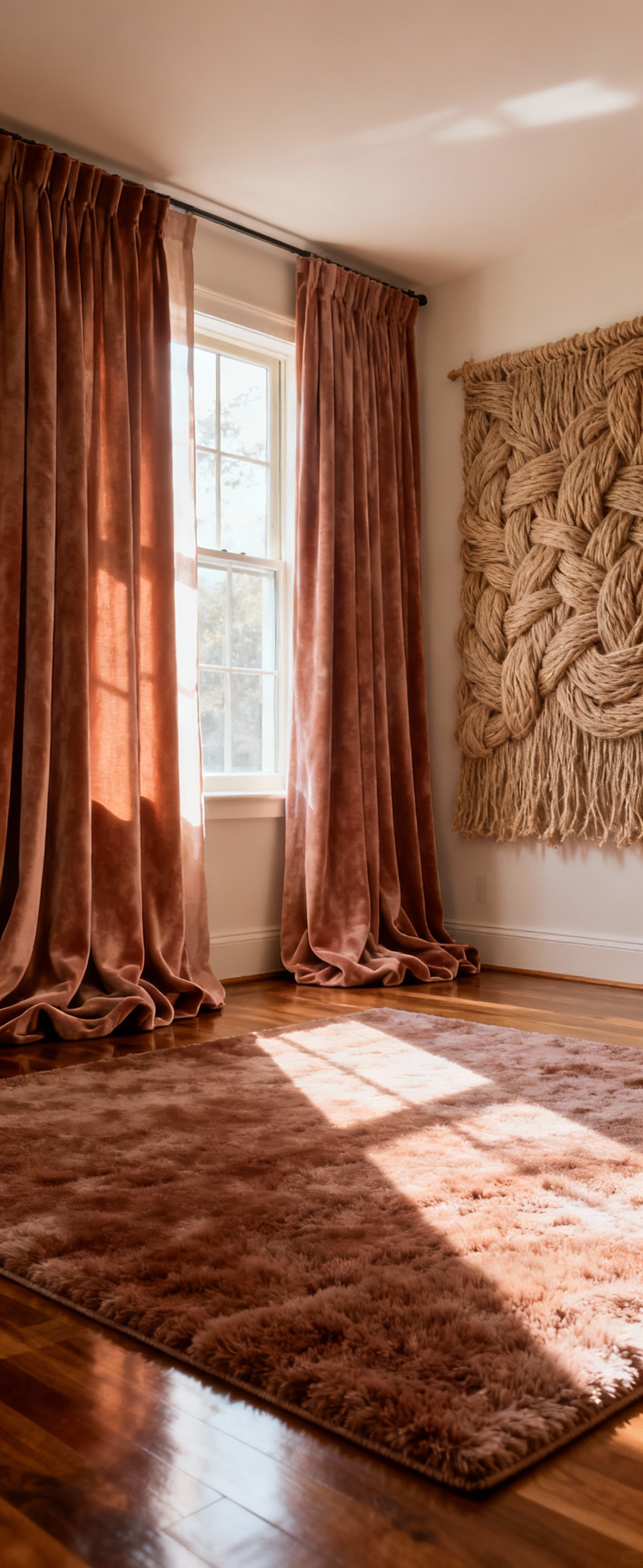
10. Draping Spaces with Acoustically Absorptive Textiles for Hush and Tranquility
A truly serene environment must be a quiet one. The soundscape of a room directly influences our ability to relax and feel secure. In minimalist spaces with hard surfaces like plaster and stone, managing acoustics is not a luxury—it’s a necessity. Cultivating ‘hush’ becomes an essential act of design, turning a room into a refuge for sensory repose.
This is where textiles become performative. Dense fabrics like velvet, chenille, and heavy wool are exceptional at absorbing and diffusing sound waves. Floor-to-ceiling draperies are your first line of defense, mitigating exterior noise and stopping sound from bouncing off hard glass surfaces. Substantial wool area rugs are critical acoustic anchors, softening footfalls and conversational echoes. Even upholstered furniture and textile wall hangings play a vital role. In my professional experience, paying attention to the auditory environment is one of the most impactful, yet overlooked, ways to achieve a profoundly cozy living room design. It is proof that silence, when intentionally designed, speaks volumes.
Spatial Orchestration: Engineering Intimacy and Visual Harmony (Part 1)
The arrangement of objects dictates not only aesthetics but also emotional resonance. This section explores how the careful choreography of space can transform a room into an environment that nurtures connection and provides visual solace, creating an oasis of intimacy and balance.
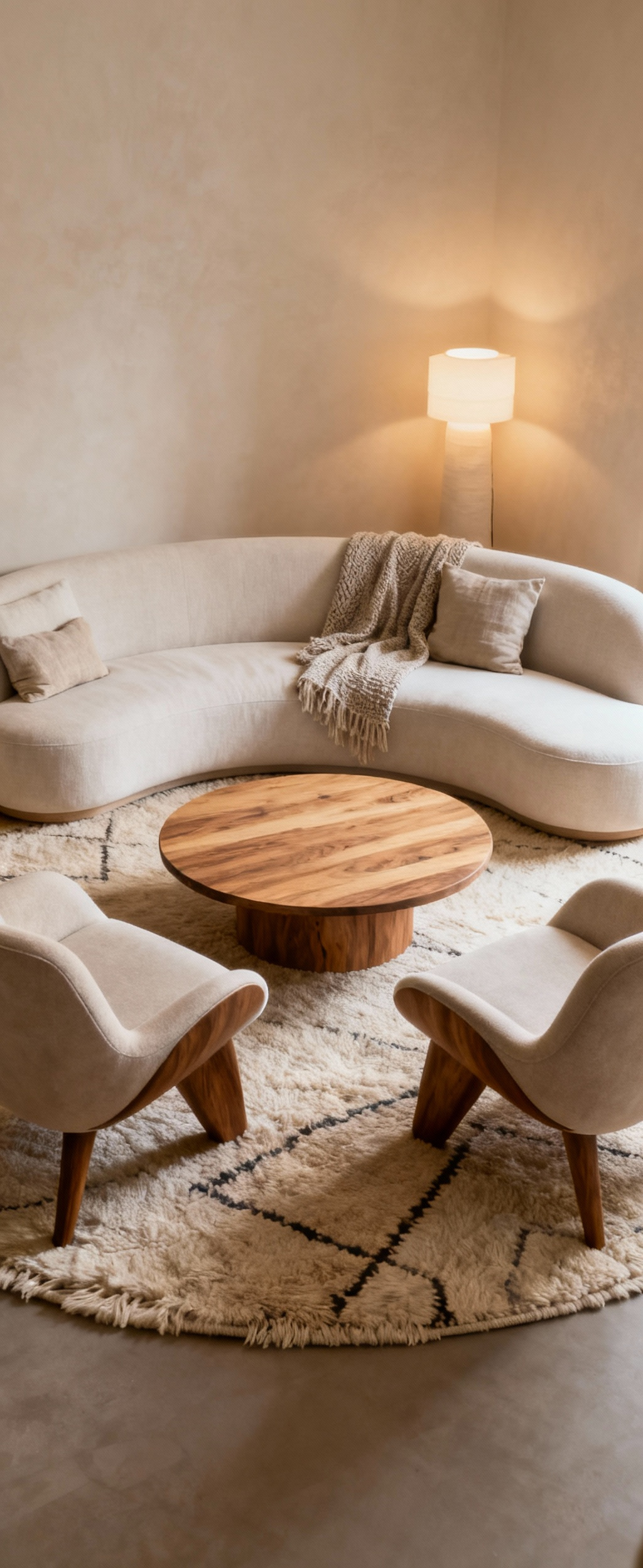
11. Engineering Intimacy through Strategic Furniture Grouping: The Art of the Conversation Nook
The primary goal of a living room is to foster connection. This isn’t about where you place your sofa, but about how you choreograph human interaction. Creating a “conversation nook” is a deliberate choice that prioritizes dialogue by drawing inhabitants together, both physically and psychologically.
To do this, pull furniture inward, away from the walls. Arrange two sofas to face each other or a pair of armchairs perpendicularly to a sectional. An area rug is indispensable here, acting as an anchor that visually defines the zone. The majlis in traditional Arab homes is the ultimate inspiration—a welcoming, comfortable space designed purely for social gathering. By creating these defined zones of intimacy, we transform a simple seating arrangement into the beating heart of the home, a sanctuary specifically crafted for human exchange.
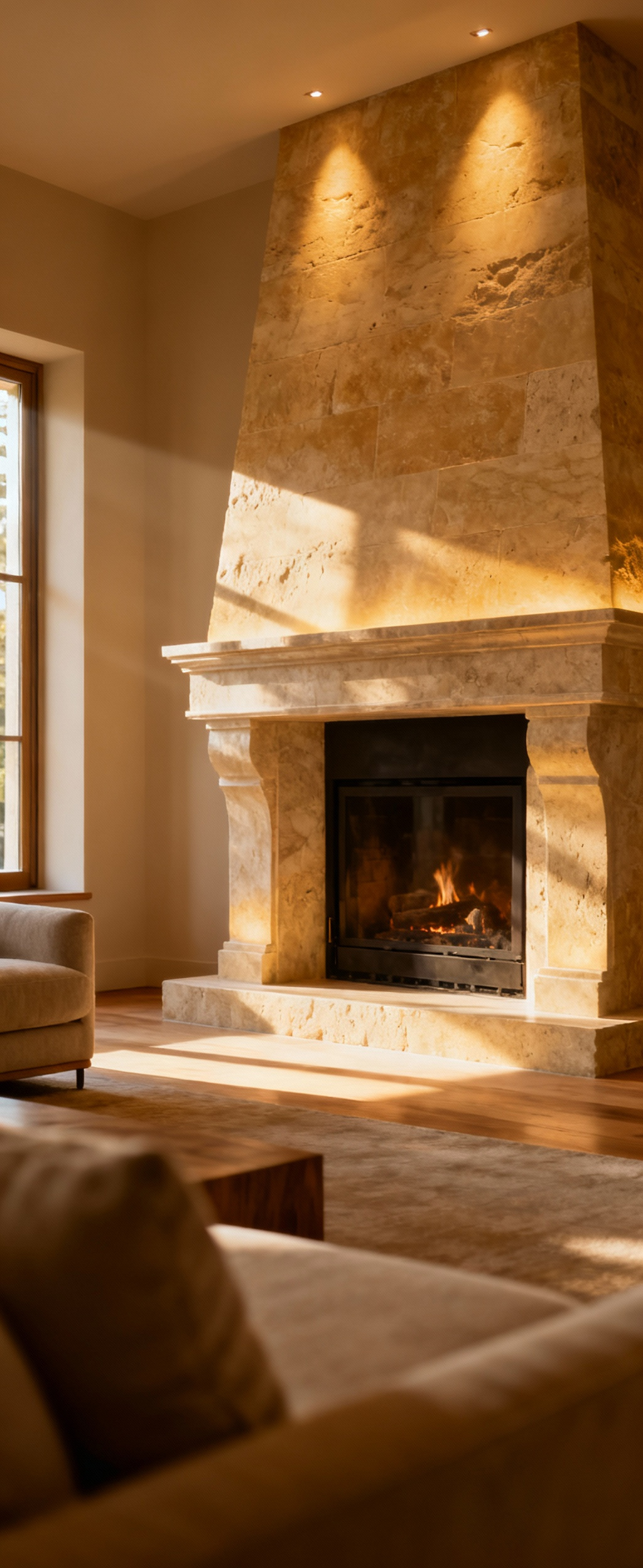
12. Establishing a Primary Focal Point: Anchoring the Room’s Emotional Core
Every great room has a center of gravity—a focal point that grounds the space and gives the eye a place to rest. This provides psychological order and prevents a room from feeling adrift and disconnected. A clear focal point imparts a feeling of calm intentionality, which is fundamental to a cozy living room design.
A fireplace is the classic example, but in a desert home, a large window framing a spectacular view is just as powerful. If no architectural feature exists, a substantial piece of art or a beautifully designed wall of books can serve this purpose. All other elements should play a supporting role. Furniture should be oriented toward this anchor, and accent lighting can be used to enhance its prominence. The idea is to create a harmonious gathering place for the eyes, which in turn brings tranquility to the mind, unifying the entire space into a cohesive composition.
13. Designing for Contemplation: Incorporating a Dedicated Reading Alcove
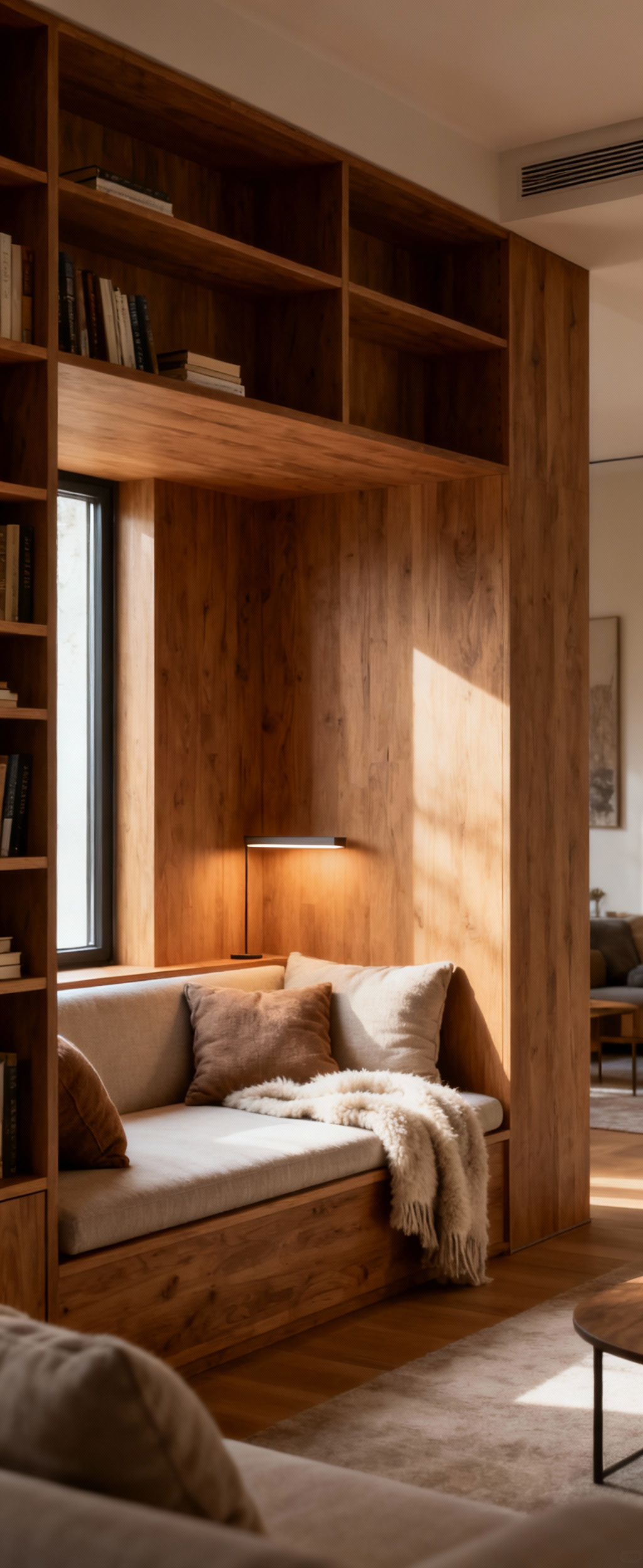
While social connection is vital, so is the need for quiet introspection. A dedicated reading alcove is more than a chair in a corner; it’s a micro-environment engineered for personal solace. It’s an architectural invitation to retreat and find restoration without fully withdrawing from the life of the home.
The best location is often a corner or a natural recess. If you don’t have one, a tall bookshelf can be used to delineate the space. The materials are key to signaling its purpose. An armchair in a plush, tactile fabric like boucle, an adjustable lamp providing warm, focused light, and a soft throw within reach—these elements create an enveloping sensation. Here’s what’s interesting: designing these small, dedicated havens for quiet elevates the entire home, communicating that personal well-being is as valued as social engagement.
14. Leveraging Verticality with Thoughtfully Curated Display Vignettes
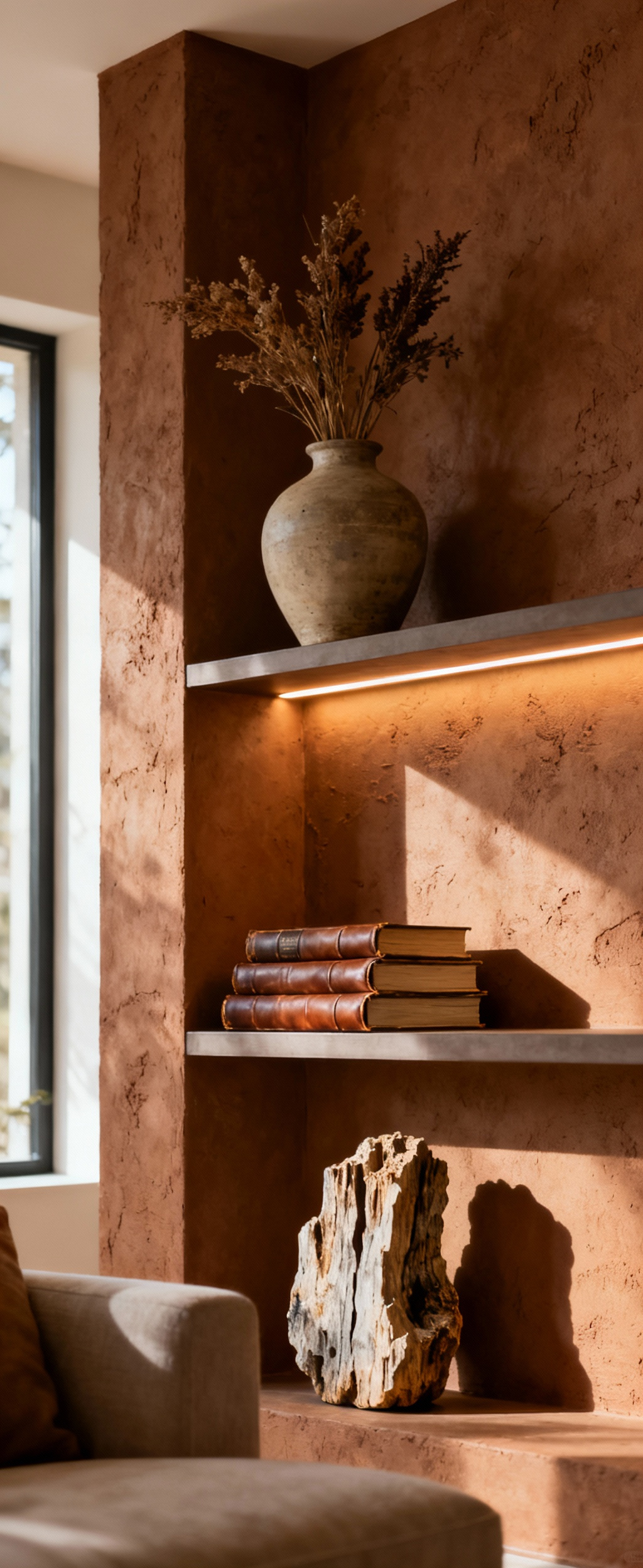
The walls of a room are canvases awaiting expression. Leveraging verticality with curated vignettes transforms shelves and surfaces from simple storage into moments of visual poetry. It’s about creating aesthetic pauses that give a space personality and a layered, lived-in beauty.
The key is intentional arrangement. Group objects in odd numbers and vary their height and texture to create a dynamic flow. Intersperse books stacked horizontally and vertically on a shelf, and introduce sculptural objects like ceramics or small framed photos. Crucially, allow for negative space; clutter is the enemy of tranquility. I tell my clients to think of these displays as a physical manifestation of their personal story—a collection from travels, cherished family photos, a piece of a child’s art. These curated vignettes are what make a room uniquely yours.
Spatial Orchestration: Engineering Intimacy and Visual Harmony (Part 2)
Building on the principles of furniture arrangement, we now turn to the subtler forces that shape a room’s atmosphere. This is about managing the visual field and the flow of natural light, transforming practicality into a profound philosophical statement that defines a serene and cozy living room design.
15. Mitigating Visual Clutter: Implementing Integrated Storage with Aesthetic Integrity
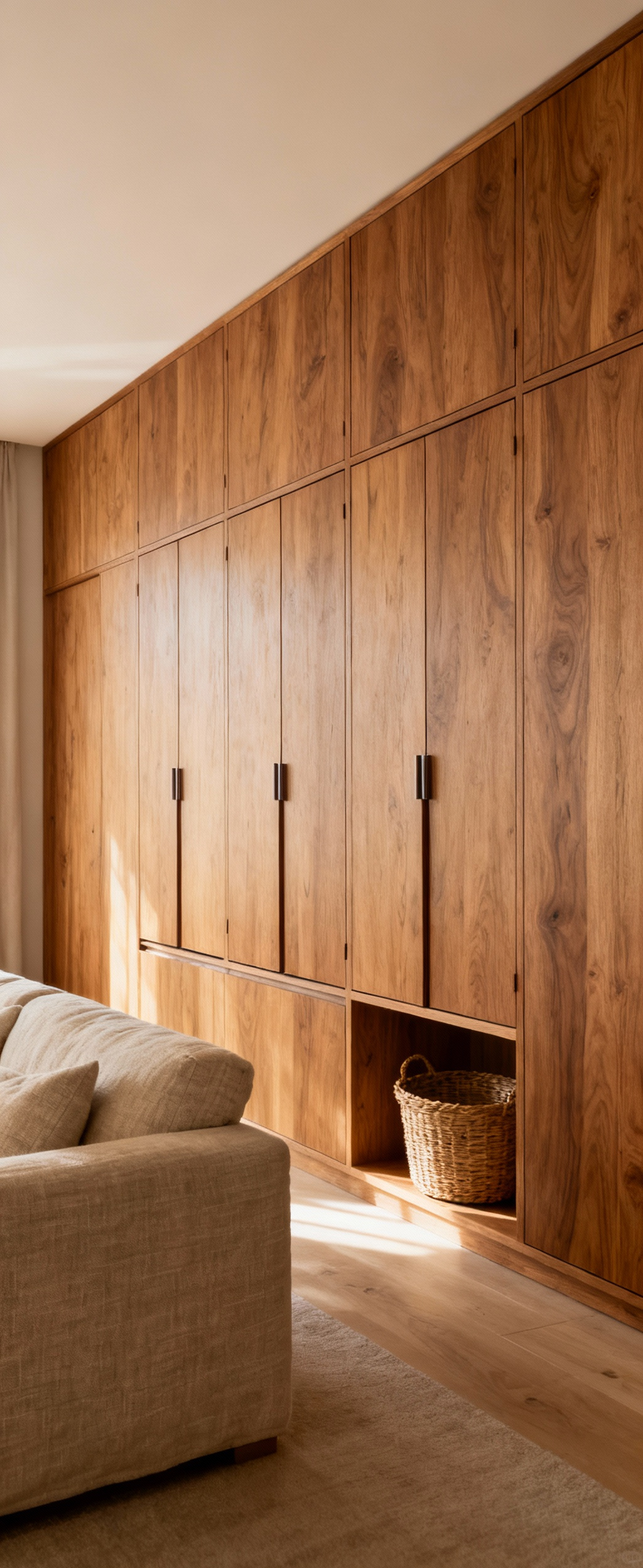
Visual tranquility is non-negotiable. Clutter and visual noise create a low-level friction in our minds that undermines any attempt at creating a serene space. Our goal is a foundational clarity, where even storage contributes deliberately to the room’s aesthetic. Strategic concealment is a powerful tool for enhancing calm.
This is where thoughtful, integrated storage becomes an art form. Think of bespoke cabinetry that blends seamlessly with the walls, appearing as an architectural feature rather than a piece of furniture. Low-slung media consoles in rich wood, or banquettes with hidden drawers, serve their function while maintaining an uncluttered visual plane. I often draw on the monolithic simplicity of traditional desert structures, designing storage that feels built-in and organic to the space. This approach reduces the cognitive load of a disorganized environment, freeing up mental energy for true rest and connection.
16. Optimizing Daylight Ingress and Diffusion for Gentle Ambient Illumination
Natural light is an active design element, capable of dictating mood and sculpting a room. For a cozy living room design, our goal is not simply to admit light but to harness, soften, and diffuse it, transforming harsh glare into a gentle, enveloping ambiance.
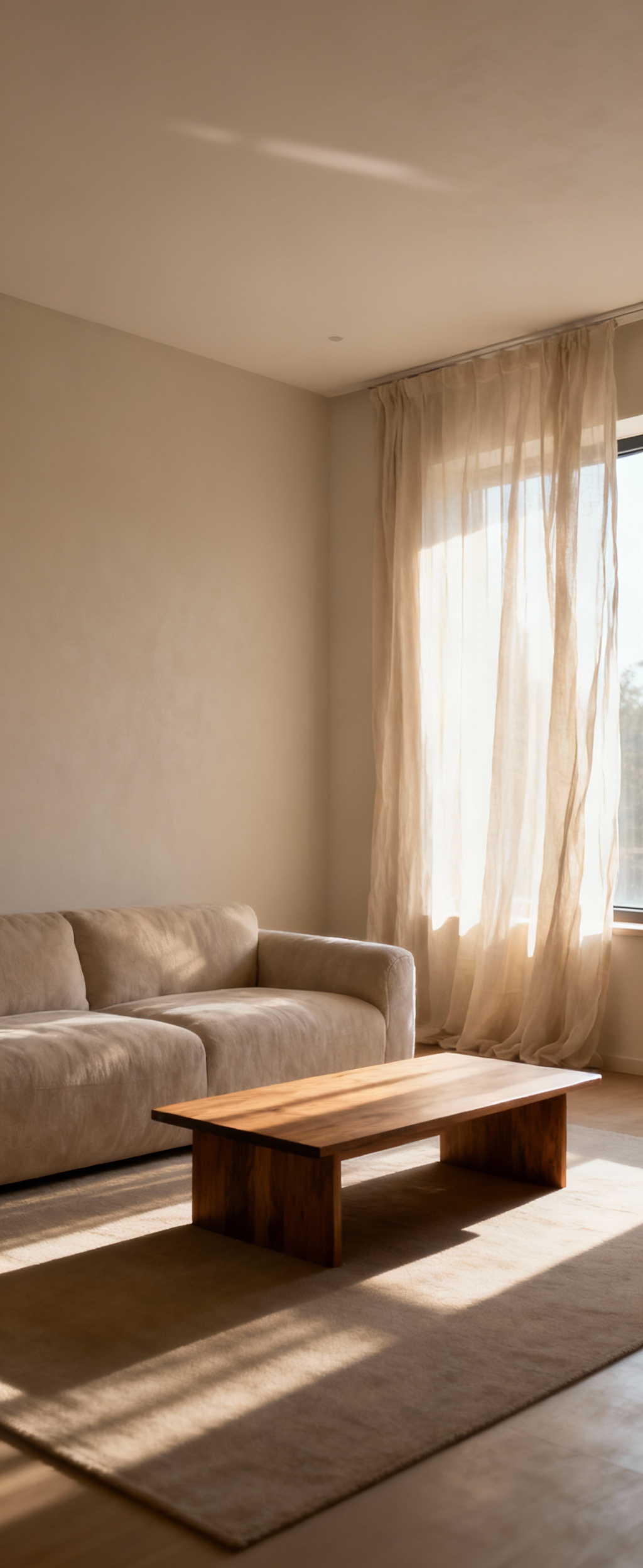
In my design practice, particularly in sun-drenched environments, this is critical. I rely on materials like sheer, unbleached linen curtains to filter direct sun into a softer glow. Lightly finished wood floors or walls in warm, off-white plaster bounce and distribute this light evenly throughout the space. I once designed a home in Palm Springs where we angled the window placements to capture the beautiful, long shadows of the morning sun while using deep overhangs to block the intense heat of the afternoon. This thoughtful orchestration of daylight reduces reliance on artificial lighting, fosters well-being, and adds a dynamic, ever-changing character to the room.
Lifestyle Integration: Sustaining Serenity Through Personal Engagement
True coziness comes from a space that actively supports your daily rituals. This is where design and life intertwine, turning your environment into an intentional sanctuary for quiet moments and deep connection.
17. Infusing Aromatic Ambience: The Strategic Deployment of Essential Oils and Natural Waxes
Our sense of smell is powerfully linked to emotion and memory. A strategically scented room can profoundly influence our mood, and it’s a crucial, often-overlooked layer of a cozy living room design. This is not about masking odors, but about mindfully crafting a subtle, atmospheric presence.
I always advise clients to choose natural scents—pure essential oils and waxes like soy or beeswax—over synthetic fragrances. A blend of warm sandalwood, frankincense, and amber can evoke the calm of a desert evening, while the clean scent of cedar brings to mind a quiet Scandinavian forest. Use an ultrasonic diffuser for a gentle mist or light a pure wax candle at dusk to signal the transition from day to evening. This practice becomes a mindful ritual, a sensory signature that reinforces your home as a true haven.

18. Curating a Personal Narrative through Thoughtfully Acquired Artifacts and Heirloom Pieces
A living room finds its soul not in designer furniture, but in the whispers of personal history. This is about curating a space with objects that carry intrinsic meaning—items that reflect your journeys, memories, and ancestral ties. This authenticity is the very essence of a cozy, welcoming space.
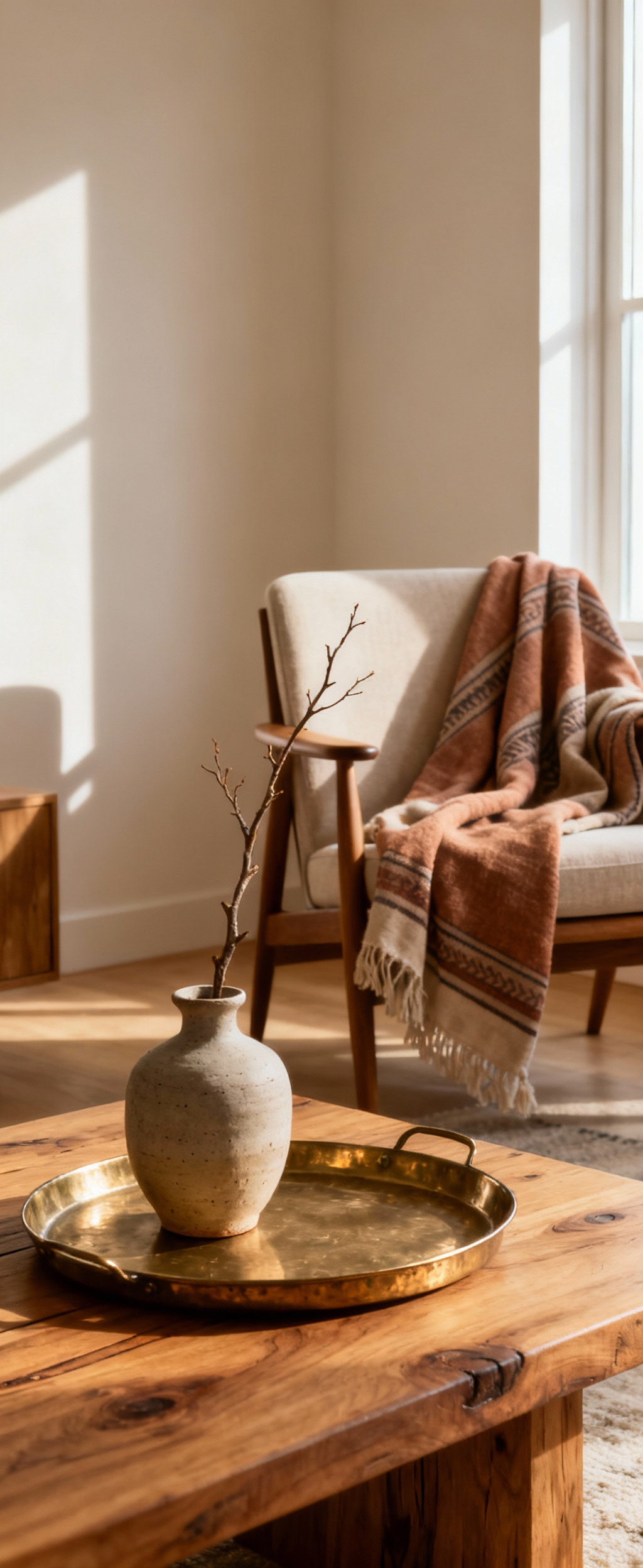
A simple hand-thrown bowl from a local artist, a stack of vintage books with worn spines, a textile passed down through generations—these pieces have a resonance that mass-produced decor lacks. The key is to display them thoughtfully in small vignettes, so they feel curated rather than cluttered. Interacting with these objects daily serves as a gentle affirmation of your own story, grounding you in your own life. It turns a house into a home that is a repository of a life well-lived.
19. Cultivating Enduring Comfort with Ergonomically Designed yet Visually Appealing Seating
The heart of the living room is its seating, and true comfort here is about more than just a soft cushion. It is a sustained state of ease that comes from a synthesis of ergonomic support and sophisticated aesthetics. This is where form must beautifully serve function.
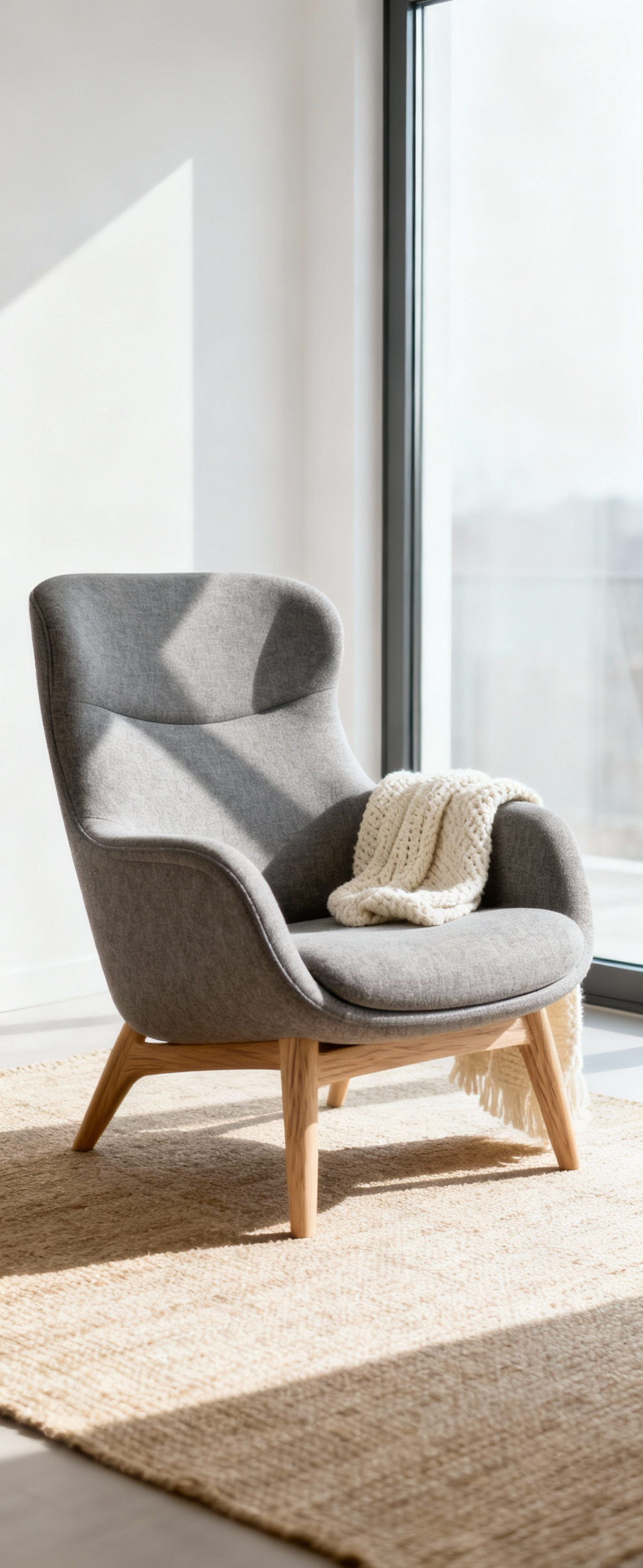
Look beyond the immediate style to the underlying architecture: a robust hardwood frame, supportive spring systems, and resilient foam. Then consider the form. A sofa with a generous seat depth and a gentle slope to the back encourages natural relaxation. The scale should be appropriate for the room, creating an inviting arrangement without feeling cramped. Seating like this becomes an active participant in your well-being, a perpetual invitation to unwind, read, or connect, reinforcing the living room as a genuine haven for sustained physical comfort.
20. Embracing the Ephemeral: Seasonal Adjustments to Maintain Dynamic Comfort
Finally, the most appealing cozy living room design is one that breathes with the seasons. Comfort is not static; it’s a fluid state that shifts with the changing light, temperature, and our own emotional rhythms. Allowing your space to adapt keeps it feeling vital and responsive.
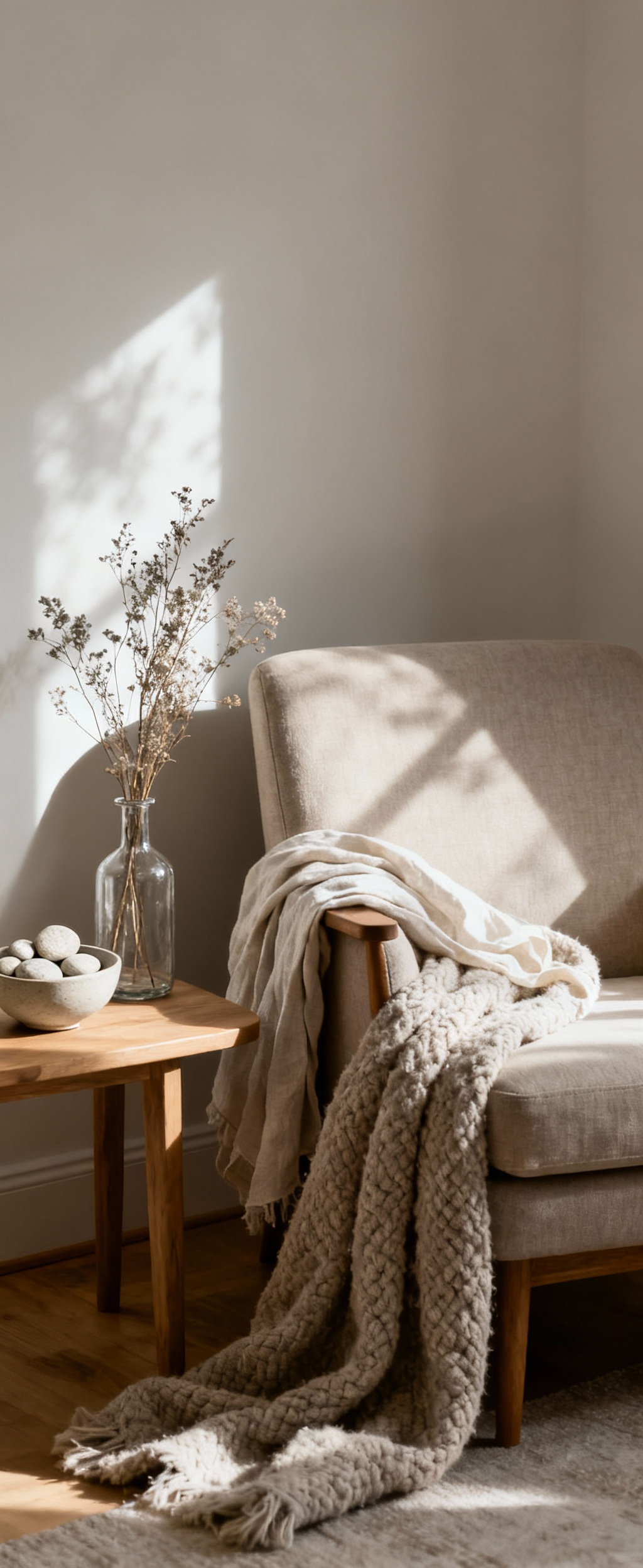
This is about small, mindful adjustments. In cooler months, introduce a chunky wool throw, velvet cushion covers, and scents of cedar and spice. As the weather warms, swap heavy drapes for light linen sheers, replace plush pillows with breathable cotton, and bring in the scent of fresh herbs. In a desert climate, this attunement is second nature. This practice of seasonal renewal turns home maintenance into a joyful ritual, fostering a dynamic relationship with your space and ensuring it is always offering the most relevant form of comfort for the moment.
Conclusion
As we’ve explored these principles, it becomes clear that a living room can be so much more than a room. It can be a reflection of our inner landscape, a sanctuary meticulously sculpted to foster connection, contemplation, and serene repose. Each choice—from the whisper of a linen curtain to the silent narrative of a cherished object—contributes to a harmonious whole, subtly shaping the very experience of being at home.
The art of crafting a truly nurturing environment lies not in following trends, but in orchestrating an immersive sensory experience. I invite you to not merely decorate, but to engage in this deliberate act of creation. Let each decision be a conscious step toward designing a space that feels inherently right—a refuge that perpetually nourishes your spirit. In doing so, you will forge an enduring testament to the power of thoughtful design, shaping not just a room, but a life, one exquisitely cozy moment at a time.
— Amara