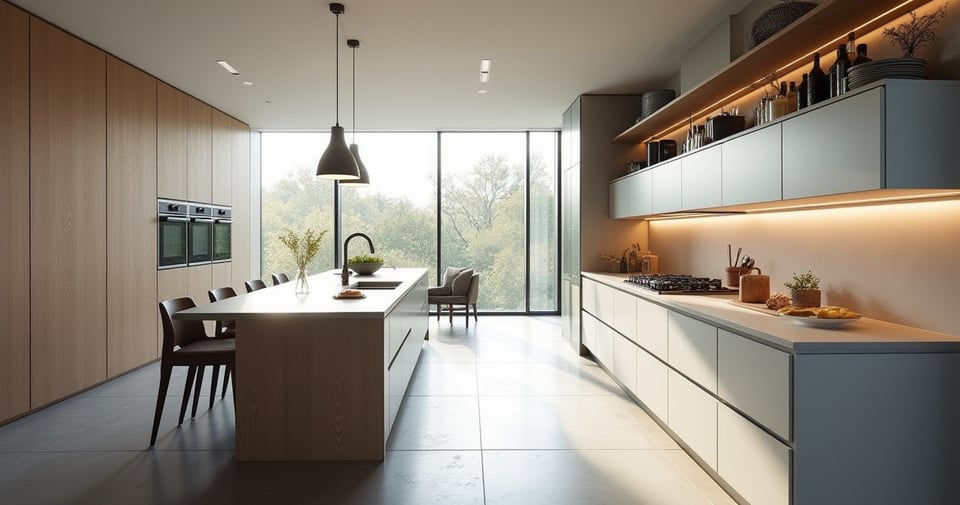
I was once standing on a client’s tiny, concrete balcony in the middle of the city, looking at a few sad, forgotten pots. To them, it was a dead space. But to me, I could already see the trailing nasturtiums, the pot of determinate tomatoes, the wall of fragrant basil. That moment of seeing a space not for what it is, but for what it could be—a living, productive part of a home—is exactly what separates an intentional, thriving kitchen design on a budget from just making do with what you have.
The kitchen should be the most alive room in your home. It’s where you nourish yourself, connect with family, and transform raw ingredients into something wonderful. And creating that vibrant heart of the home doesn’t depend on a massive budget. It depends on resourcefulness and seeing your kitchen as an ecosystem. It’s about smart choices, a little creativity, and a willingness to see the potential waiting to sprout. Let’s walk through some practical, living ideas to help you cultivate a kitchen you’ll truly love.
Foundational Foresight: Planning Your Kitchen’s Ecosystem
Before you pick up a paintbrush or a power tool, the most important work is observation. A truly sustainable and functional space starts with understanding its natural rhythms and how you move within it. This planning phase is about laying down healthy soil for your project to grow in.
1. Map Your Kitchen’s Natural Flow
Your kitchen already has a workflow, whether you designed it or not. The first step is to simply watch it. Where do you instinctively put down your grocery bags? Where does clutter pile up? This isn’t about judgment; it’s about data. Note the paths you walk between the fridge, sink, and stove—what designers call the “work triangle.” Is it a clear path, or an obstacle course?
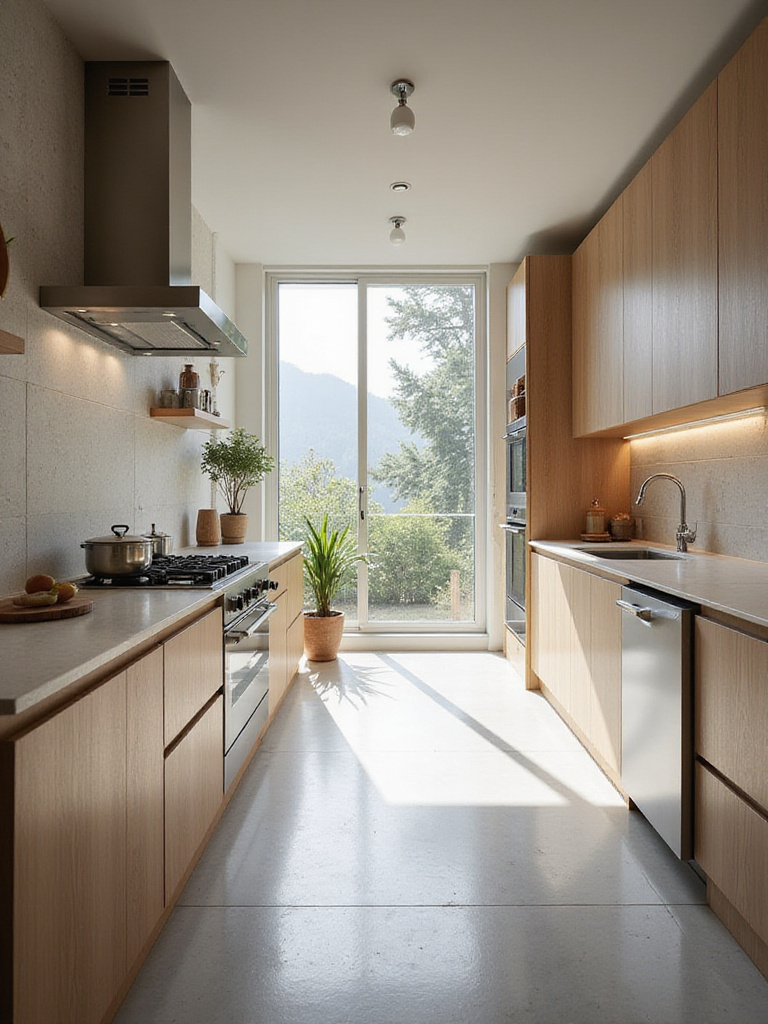
Now, start thinking in zones. Don’t just see a countertop; see a prep zone, a cooking zone, a cleaning zone, and a storage zone. Maybe you even have a little fermentation or sprouting zone! Sketch it out. Seeing it on paper helps you spot the bottlenecks and opportunities. A more intentional layout, even with your existing stuff, can radically improve how the space feels and functions, costing you nothing but a little bit of attention.
2. Choose Materials for the Long Haul
When you’re on a budget, every choice matters. It’s tempting to grab the cheapest option, but the real value is in durability. Think about a material’s entire life, not just its price tag. High-quality laminate countertops today are fantastic and can outlast cheaper, porous stone that might stain or chip easily. For flooring, look at durable options like cork or marmoleum, which are also kinder to the planet and your feet.
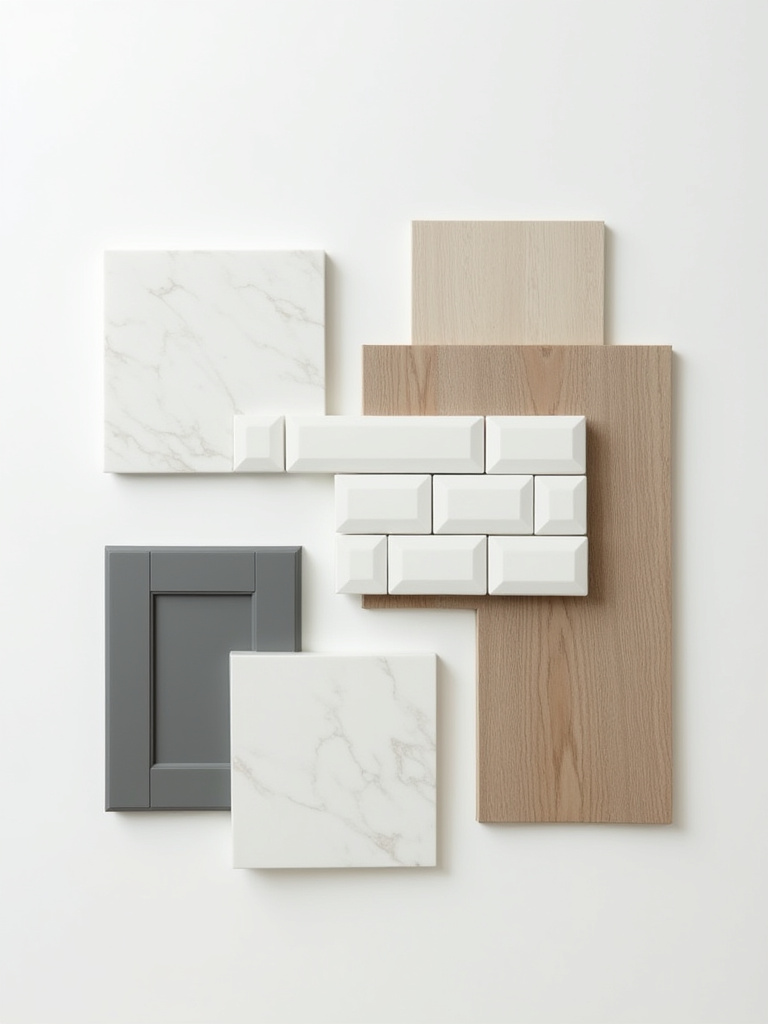
This is where you get to be clever. Maybe you can’t afford soapstone for all your counters, but you could find a remnant for a small, high-use baking station. Or use classic, inexpensive subway tile for the main backsplash but create a focal point behind the stove with a few beautiful, handmade tiles you truly love. It’s about mixing high and low, durable and beautiful, to create a resilient, layered look.
3. Give existing elements a Second Life
The most sustainable material is the one you already have. Before you think about demolition, look closely at what your kitchen offers. Are the cabinet boxes solid? If so, they are perfect candidates for a transformation. A deep cleaning, light sanding, and a fresh coat of low-VOC paint can completely change a kitchen. I’ve seen drab, dated oak cabinets become stunning and modern with a coat of deep green or warm white paint and new hardware.
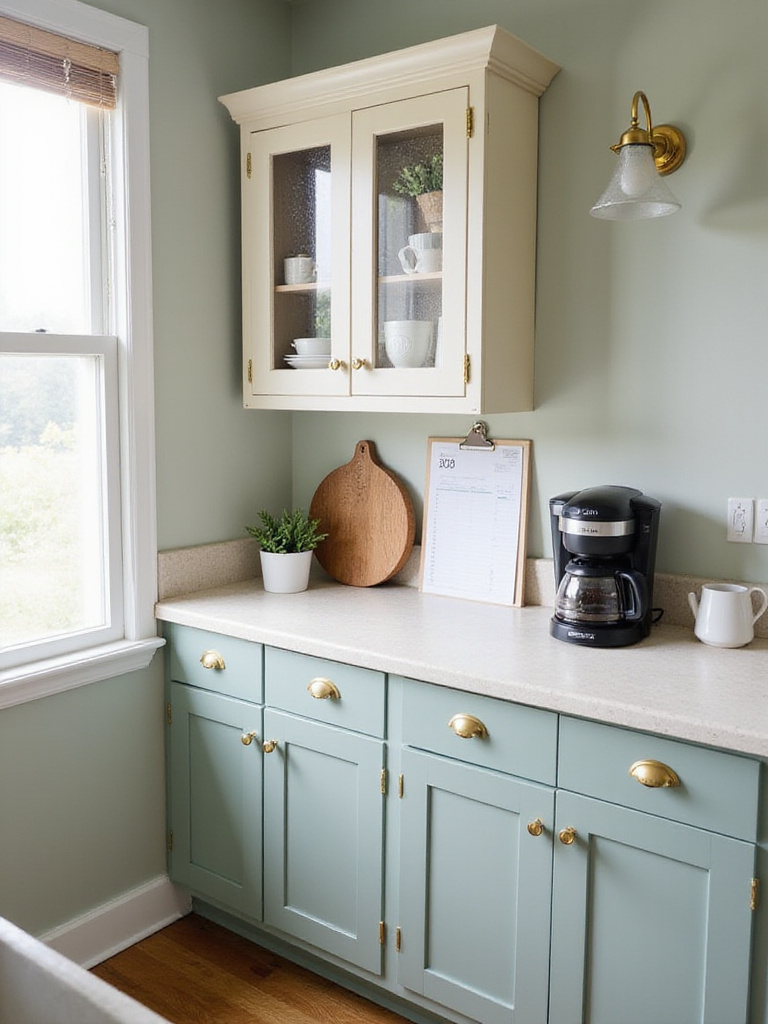
This mindset extends everywhere. That old dresser gathering dust in the garage? With a new top and a good seal, it could become a freestanding island full of character. A stack of reclaimed fence boards can become gorgeous open shelving. From my work in eco-conscious design, I’ve noticed the spaces with the most soul are often the ones that honor the history of their materials, blending the old with the new to create a story.
4. Let Your Design Evolve in Phases
A full-gut renovation is overwhelming and expensive. The organic approach is to phase your project. This breaks it down into manageable, budget-friendly chunks. Phase One might be purely functional: fix that leaky faucet, add better lighting over your prep area, and give the walls a fresh coat of paint. Live with it. See how those small changes affect your daily rhythm.
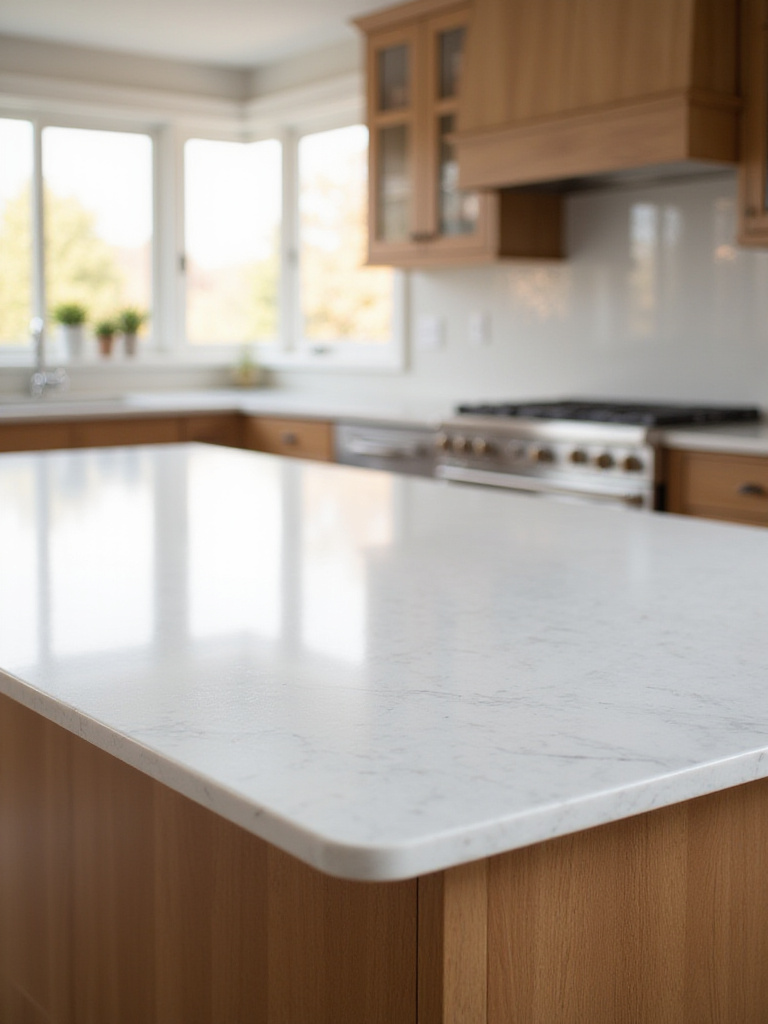
Phase Two could be tackling the cabinets and countertops. Because you didn’t rush, you’ve had time to save up and really pinpoint what you need. Maybe you realize you want more open shelving and fewer upper cabinets. Phasing isn’t just a budget strategy; it’s a smart design strategy. It lets your kitchen evolve with you, ensuring the final result is a space you’ve thoughtfully co-created over time.
5. Create a “Surprise” Fund
Let’s be real—renovations rarely go exactly as planned, especially in older homes. You might open a wall and find old plumbing that needs updating or wiring that isn’t up to code. A contingency fund, typically 10-15% of your total budget, isn’t a sign of pessimism. It’s a tool for peace of mind.
Think of it as your project’s shock absorber. Having that buffer means a small surprise doesn’t derail your entire vision. It gives you the freedom to handle the unexpected without having to compromise on the elements you’re truly excited about. Honestly, it’s the single best thing you can do to reduce the stress of any home project.
Ingenious Interventions: Smart Selections & DIY
This is where the hands-on fun begins. With a solid plan, you can start making targeted changes that deliver a huge visual and functional return. It’s about being a clever curator and creator, not just a consumer.
6. Embrace RTA Cabinets as a High-Quality Canvas
Forget the flimsy, particle-board flat-pack furniture of the past. Today’s Ready-to-Assemble (RTA) cabinets can be fantastic quality, often made with plywood boxes and solid wood doors. Because you do the assembly, you save a huge amount on labor, freeing up funds for other parts of your project.
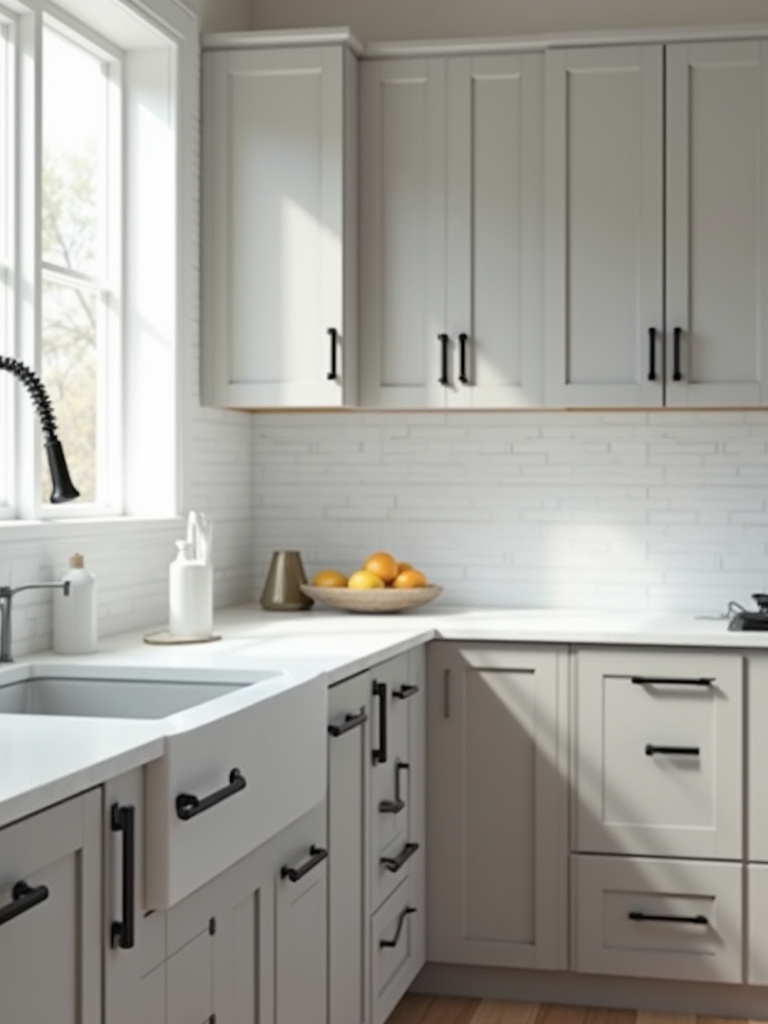
The real magic happens when you treat them as a blank canvas. Upgrade the standard hardware to something with a bit of weight and character. Add crown molding to the tops and a light rail underneath for a custom, built-in look. Paint them a custom color. By combining the savings of RTA with a few high-impact finishing touches, you can get a kitchen that looks and feels bespoke for a fraction of the cost.
7. Transform with the Power of Paint
Never, ever underestimate what a can of paint can do. It’s the most affordable and dramatic transformation tool you have. A fresh color on the walls can make a small kitchen feel bright and airy or a large one feel cozy and intimate. And of course, there’s painting the cabinets themselves, which we’ve already touched on.
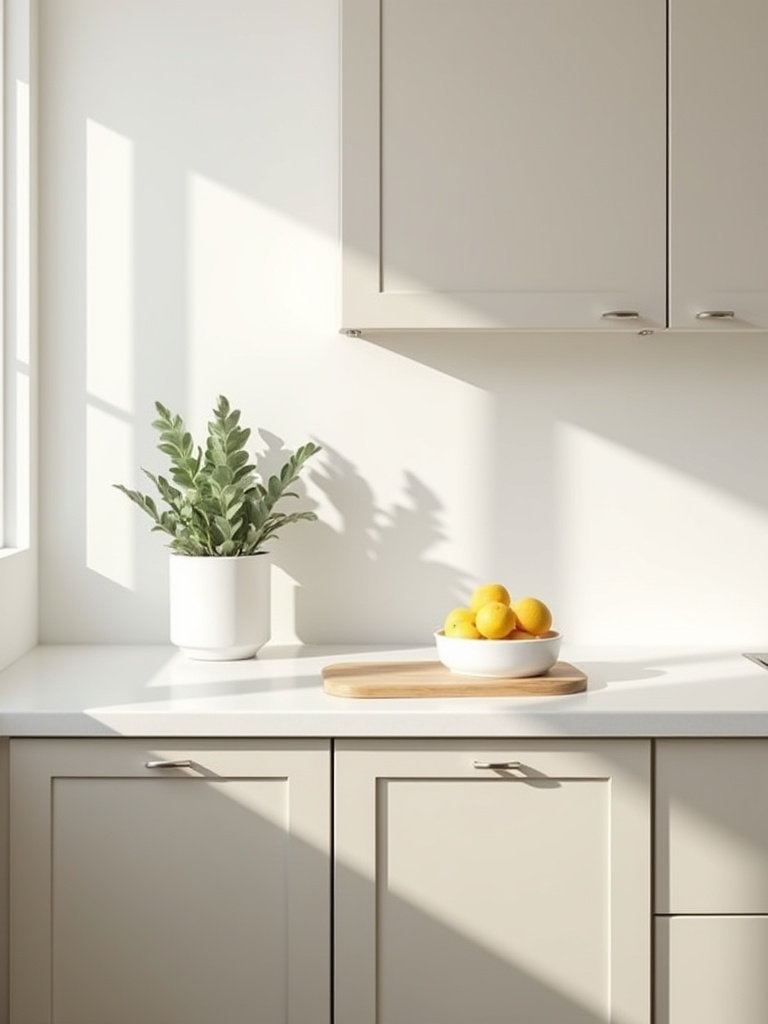
Think beyond just color and consider how you use it. Painting the lower cabinets a darker shade than the uppers can ground the space and make the ceiling feel higher. A bold, unexpected color on the inside of a pantry or a glass-front cabinet creates a delightful little surprise. Always opt for low-or-no-VOC paint—it’s better for your indoor air quality, which is a key part of a healthy home ecosystem.
8. Innovate with High-End Lookalikes
You don’t need a marble-slab budget to get a marble look. There are amazing faux-finish products on the market today that are durable and convincing. High-quality countertop refinishing kits can transform old laminate into something that looks like stone or concrete. It takes patience and careful prep, but the result can be stunning.
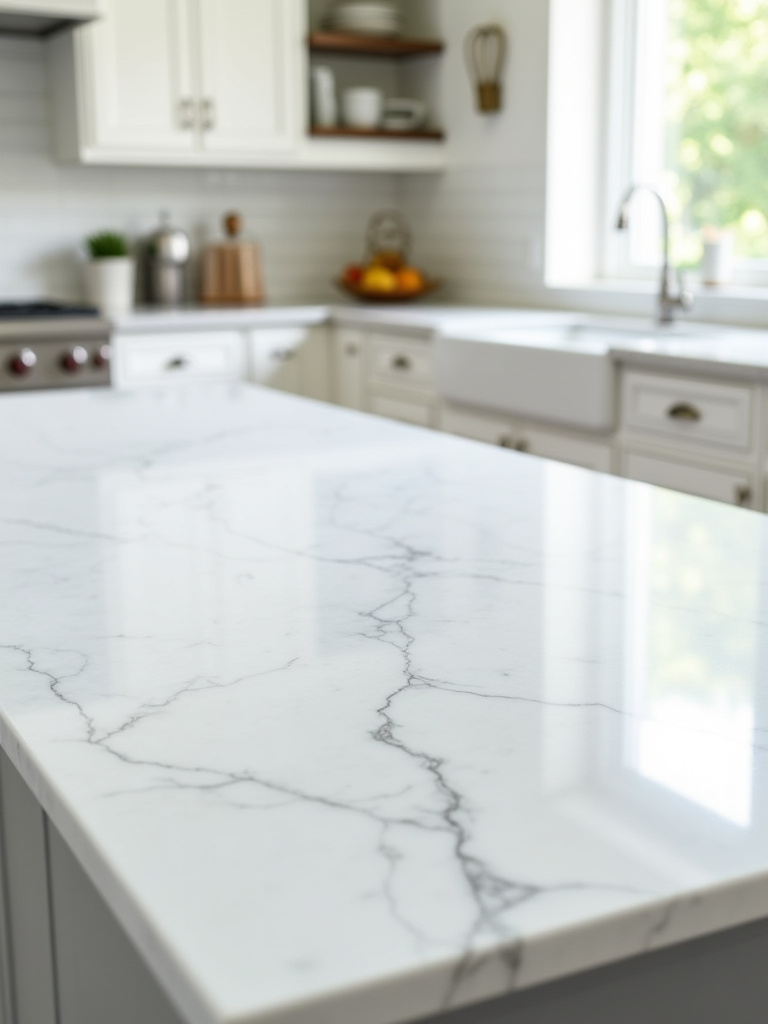
The same goes for backsplashes. Peel-and-stick tiles have come a long way and are a fantastic, renter-friendly option for adding pattern and texture without the mess of grout. You can also get a high-end look with a sheet of beadboard paneling painted in a durable, semi-gloss finish, or even by using stencils to create a custom tile pattern directly on the wall. It’s about celebrating the illusion.
9. Source Secondhand Treasures
Your kitchen can be a beautiful collection of stories, and sourcing pre-loved items is a great way to tell them. Habitat for Humanity ReStores, architectural salvage shops, and online marketplaces are goldmines for quality appliances, sinks, lighting, and hardware at a huge discount. Someone’s renovation cast-off could be the perfect vintage farmhouse sink for your space.
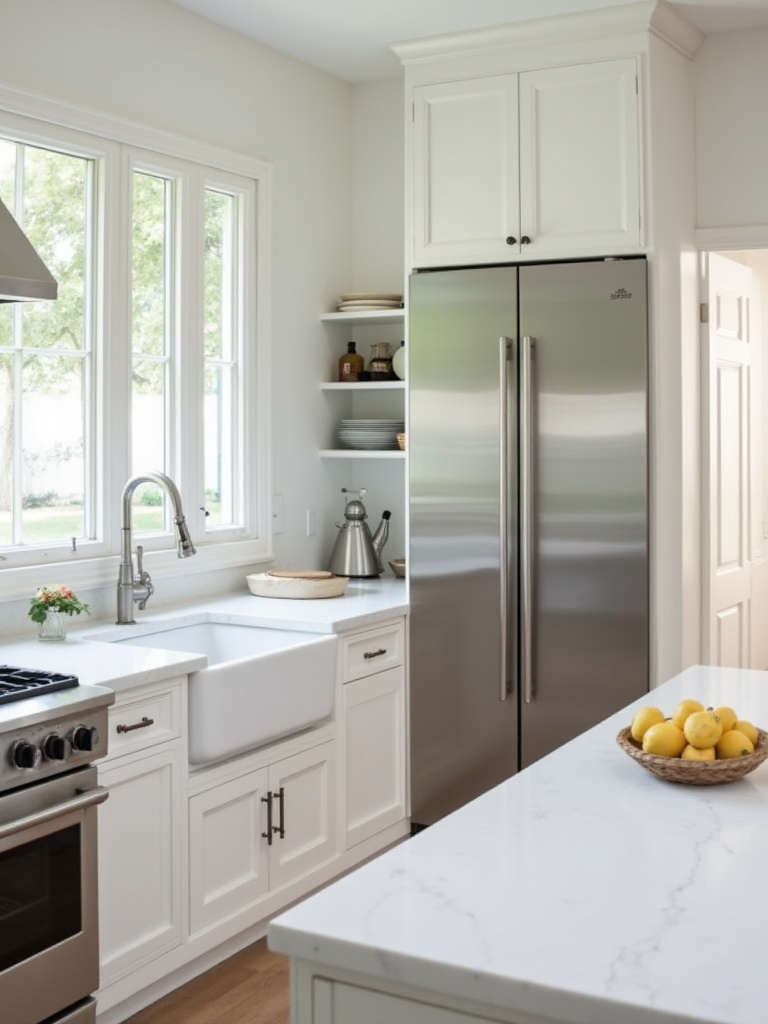
Look for quality brands that have been gently used. A high-end, secondhand faucet is often a much better long-term investment than a cheap new one from a big-box store. From a sustainability standpoint, you’re also diverting massive amounts of waste from the landfill. It’s a win for your wallet, your kitchen’s character, and the planet.
10. Open Up with Shelving
Upper cabinets can make a small kitchen feel heavy and closed-in. Replacing a section of them with open shelving is an affordable way to create a sense of airiness and space. It gives you a place to display your favorite everyday dishes, a few beautiful cookbooks, or a pot of trailing pothos.
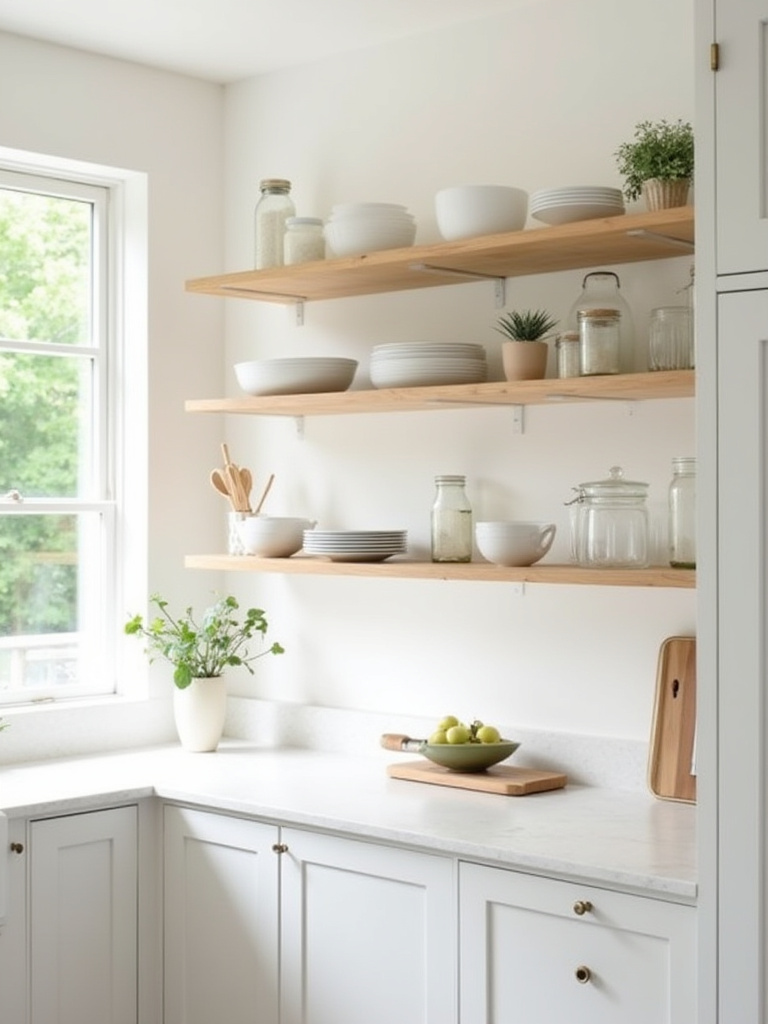
You can use simple hardware store brackets and reclaimed wood for a rustic look, or sleek, modern floating shelves for a cleaner aesthetic. It forces you to be a bit more organized, yes, but it also turns your functional items into part of the decor. Imagine a shelf lined with beautiful glass jars of bulk grains, spices, and dried herbs from your garden—functional, beautiful, and zero-waste.
11. Find Creative Backsplash Alternatives
Tiling a backsplash can be expensive and labor-intensive. Luckily, there are so many other options! As mentioned, beadboard paneling is a classic, cost-effective choice that adds lovely texture. A simple sheet of stainless steel or copper behind the stove adds a professional, easy-to-clean touch.
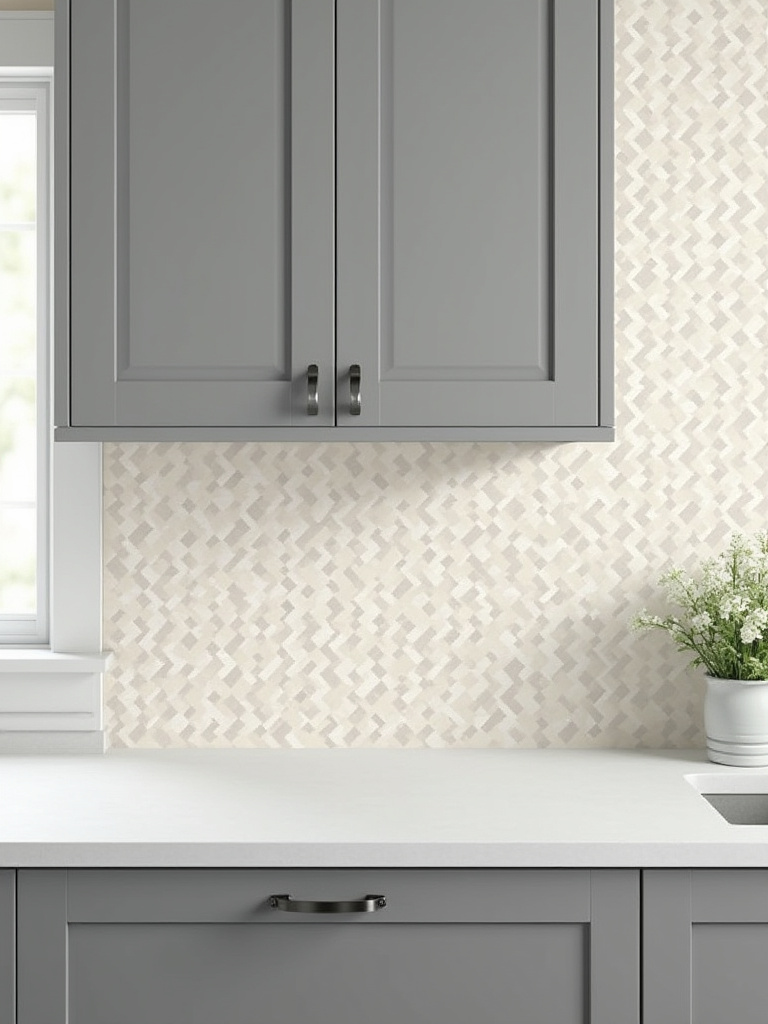
One of my favorite budget-friendly solutions is a simple 4-inch splash made from the same material as your countertop, with a good quality, scrubbable paint above it. This gives you protection where you need it most without the expense of a full-height installation. It’s a clean, minimalist look that lets you bring in color and pattern with other, more easily changed elements.
Aesthetic Alchemy: Styling Your Productive Space
With the bones of your kitchen in place, it’s time for the final, joyful layer. This is about infusing your personality, warmth, and life into the room. These details are what truly make a house feel like a home.
12. Upgrade Your Hardware
I say this to every client: changing your cabinet hardware is like putting on a great piece of jewelry. It’s a small, simple change that instantly elevates the entire look. If your kitchen has dated, builder-grade knobs, swapping them out for something more substantial and stylish can make the cabinets look and feel more expensive.
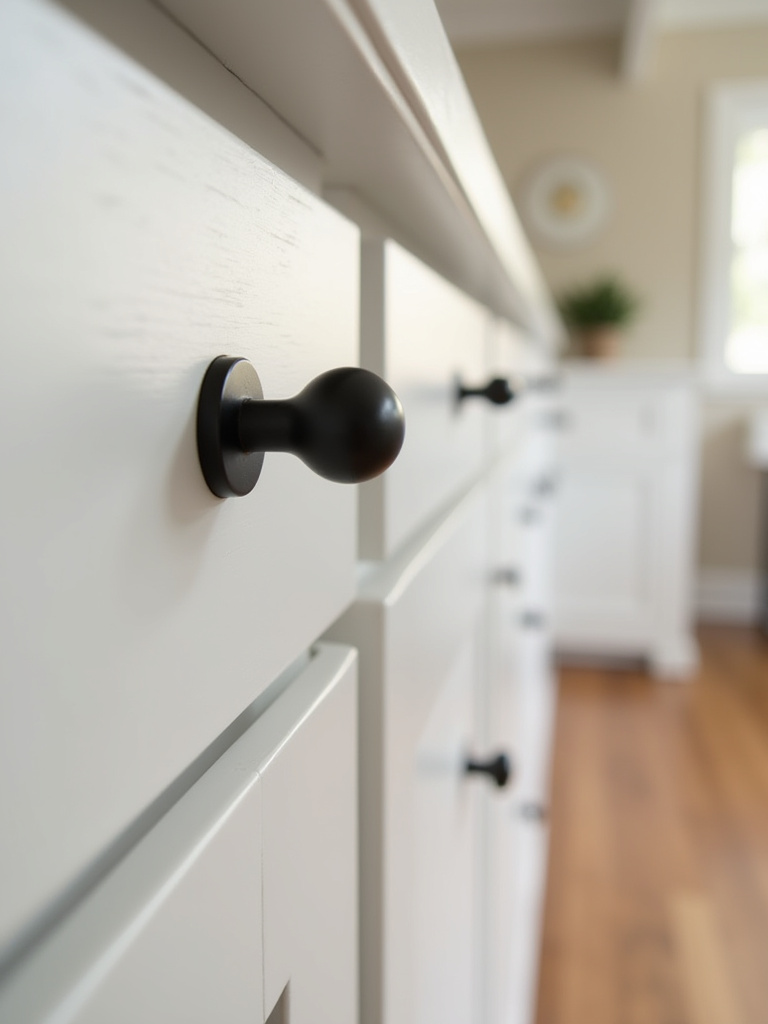
You don’t have to spend a fortune. You can find great deals online, or even get creative by spray-painting your existing hardware for a fresh, new finish. Pay attention to the feel of it in your hand. This is a part of your kitchen you interact with every single day; it should feel good to use.
13. Layer Your Lighting
A single, harsh overhead light does no kitchen any favors. Good lighting is layered and flexible. You need bright, focused task lighting over your prep areas, ambient light to fill the room, and maybe some gentle accent lighting to create a mood.
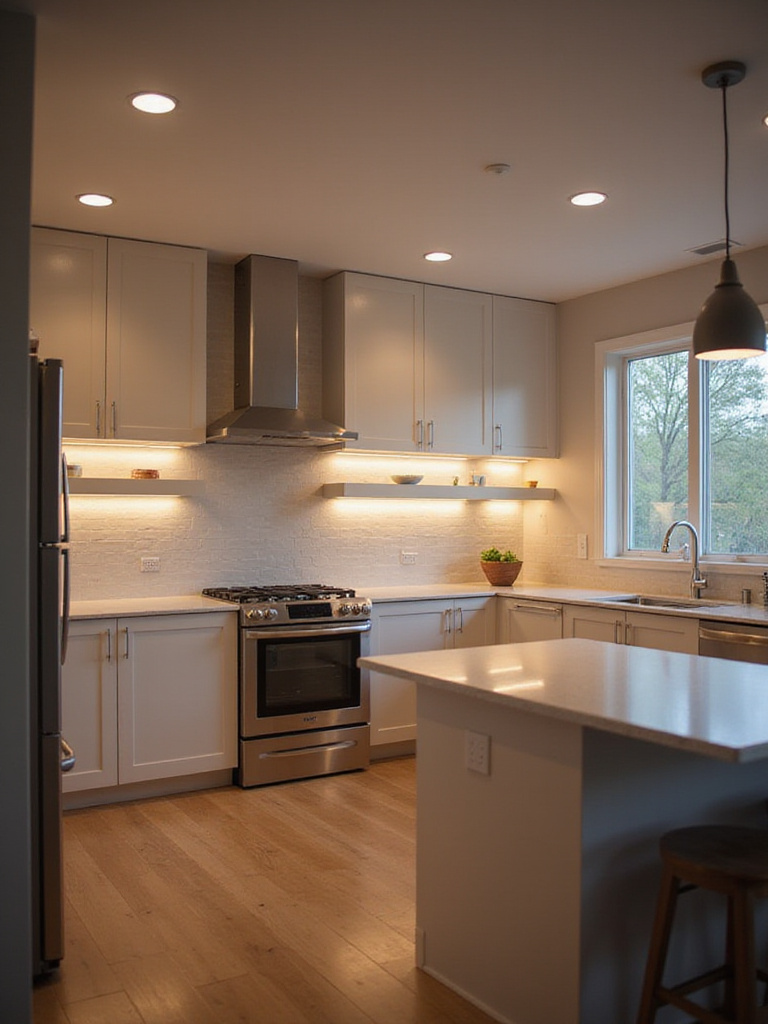
This doesn’t have to mean expensive electrical work. Inexpensive, plug-in LED strips are a game-changer for under-cabinet lighting. A beautiful secondhand lamp on a countertop can add a warm, cozy glow in the evenings. And putting your main overhead light on a dimmer switch gives you incredible control over the atmosphere of the room. A well-lit kitchen is safer, more functional, and infinitely more inviting.
14. Grow a Kitchen Garden
This is my absolute favorite part. Every kitchen, no matter how small, has room for something living and edible. A simple pot of basil on the windowsill not only gives you fresh pesto but also fills your kitchen with an incredible aroma and a vibrant splash of green. It literally brings life into the room.
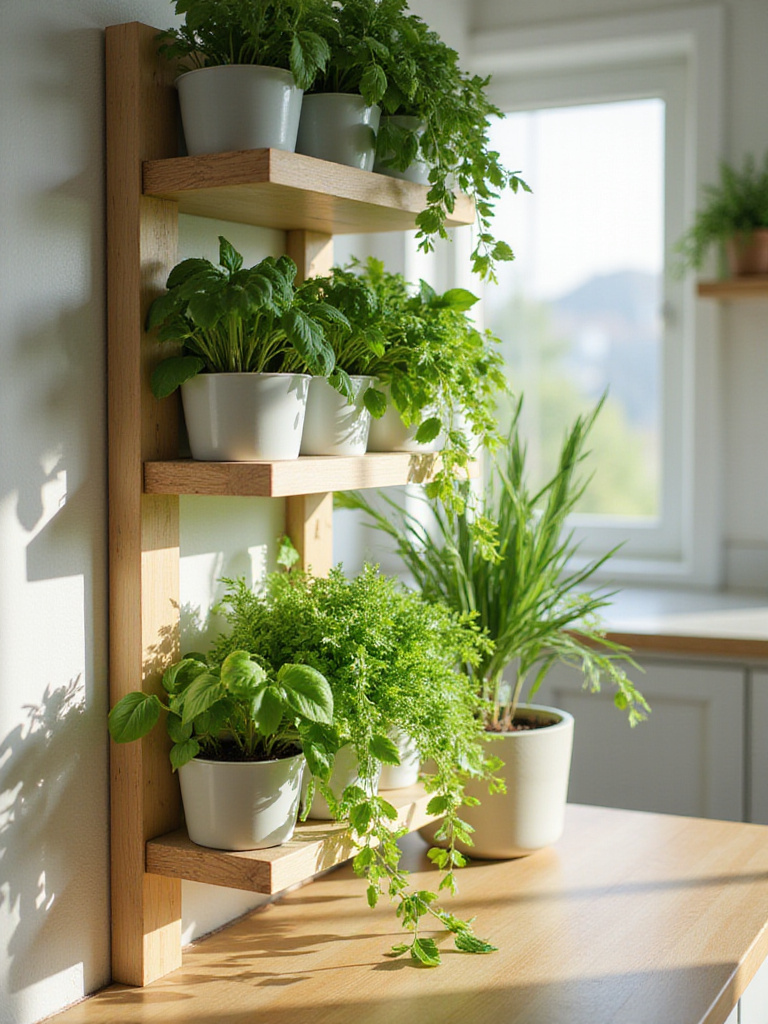
You can start simply with a few pots of your favorite herbs—parsley, mint, chives. Or get a little more ambitious with a microgreens tray, a small wall-mounted vertical planter, or a sunny spot for a dwarf citrus tree. I learned this when I helped a client in a tiny studio apartment set up a three-tiered herb planter by their only window. It completely transformed their relationship with their home and their food, proving that you don’t need a yard to be a gardener. This is what turns a kitchen into a truly productive space.
15. Organize for Calm and Clarity
A cluttered kitchen is a stressful kitchen. Thoughtful organization isn’t about hiding things; it’s about making your kitchen work for you. And it doesn’t require expensive custom inserts. Simple drawer dividers, tension rods to store baking sheets vertically, and shelf risers to double your cabinet space are all affordable and incredibly effective.
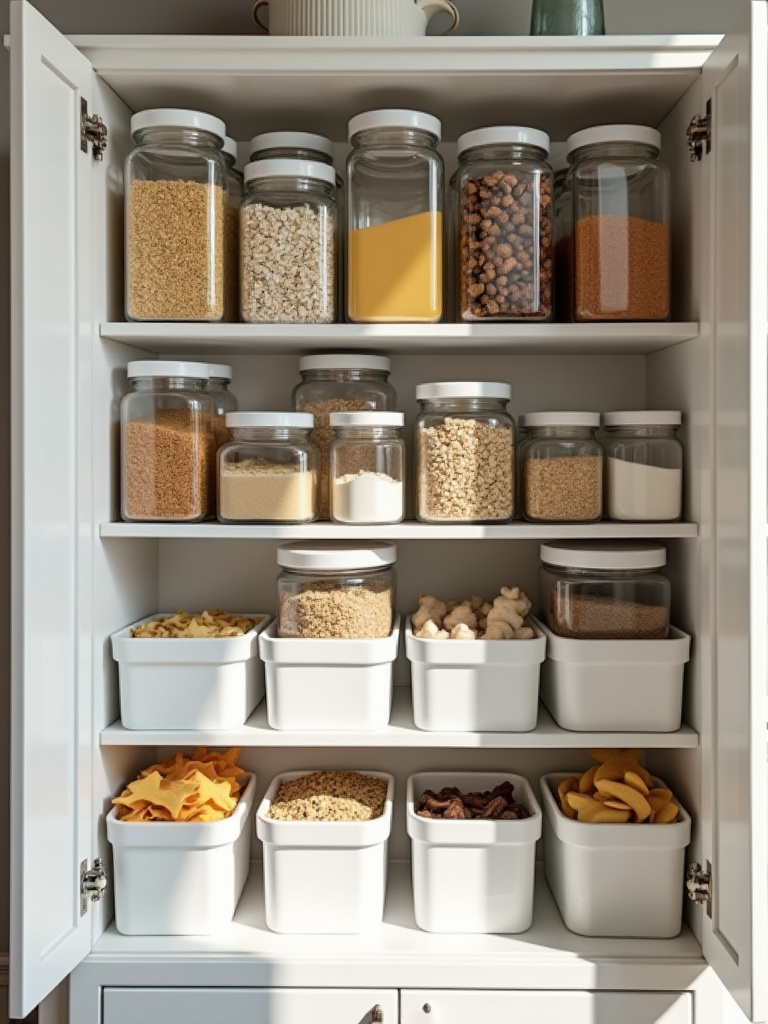
Think about decanting bulk items like flour, rice, and beans into clear glass jars. Not only does it look beautiful and organized, but you can also see at a glance what you have, which helps reduce food waste. From my experience with sustainable living, creating a clear, organized pantry is one of the most satisfying projects you can do. It brings a sense of calm and control to the heart of your home.
16. Bring in Textiles and Art
A kitchen full of hard surfaces—stone, metal, wood—can feel a bit cold. Soft textiles are the perfect way to add warmth, color, and texture. A cheerful rug or runner, a simple linen café curtain in the window, or even just a beautiful stack of tea towels can make a huge difference.
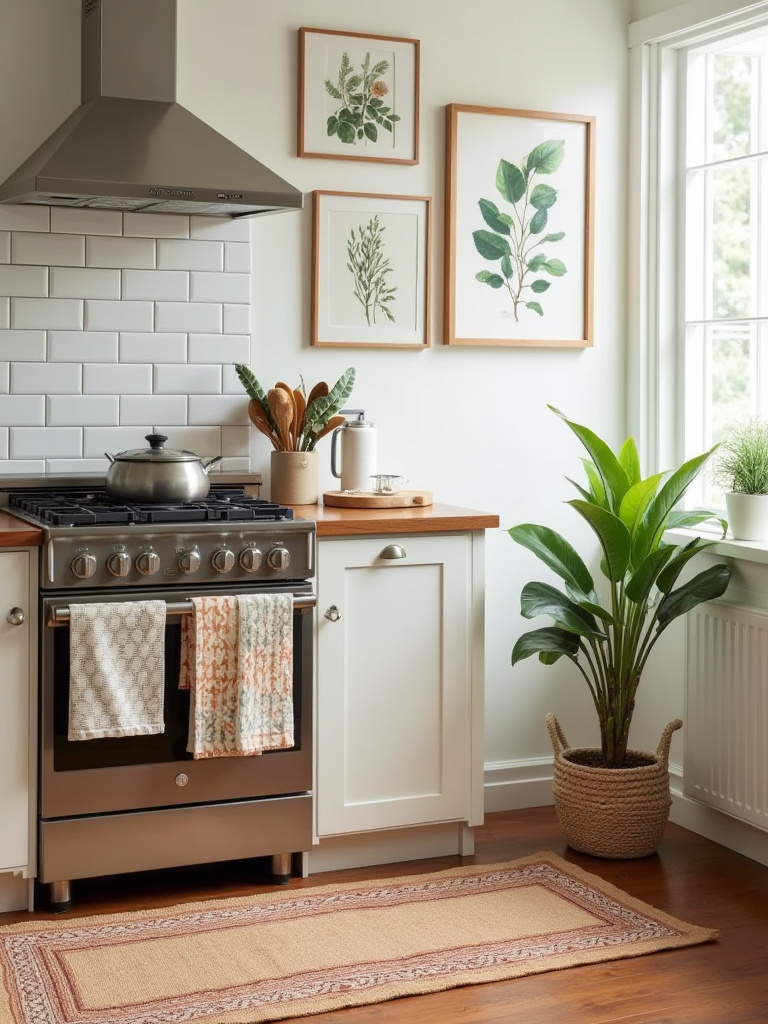
And don’t forget art! A kitchen is a perfect place for it. Hang a small painting, frame a favorite recipe card from your grandmother, or display a collection of beautiful plates on the wall. These are the personal touches that keep your kitchen from feeling like a sterile showroom and turn it into a reflection of you.
Sustainable Stewardship: Tending Your Kitchen for the Future
A truly successful kitchen design on a budget isn’t a one-and-done project. It’s about creating a resilient space that you can care for and adapt over time. This mindset of stewardship ensures your hard work and clever choices will last for years to come.
17. Practice Proactive Maintenance
The most budget-friendly kitchen is one where things don’t break. Tending to your kitchen with a regular maintenance routine is the best way to protect your investment. This means simple things like regularly cleaning your dishwasher filter, degreasing your range hood, and not using abrasive cleaners on your surfaces.
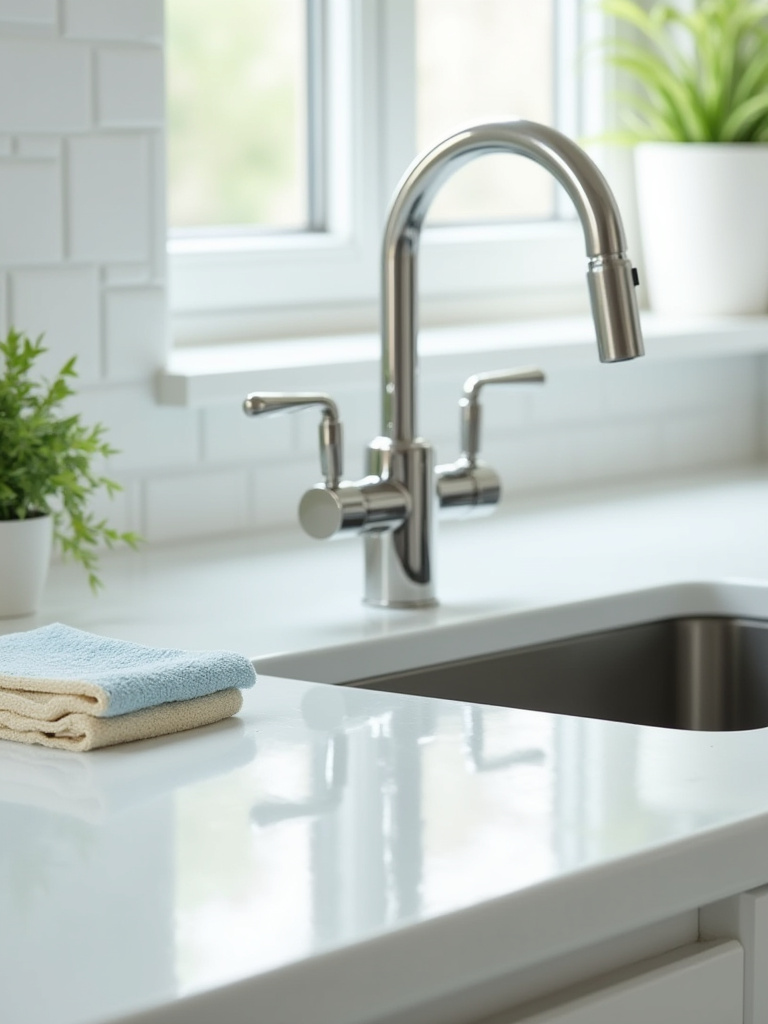
Think of it like tending a garden. A little bit of consistent care prevents bigger problems down the road. Keep an eye out for small issues—a dripping faucet, a loose cabinet hinge—and fix them right away before they become expensive headaches. This simple practice will dramatically extend the life of everything in your kitchen.
18. Optimize Water and Energy Use
A resourceful kitchen is an efficient one. You can make a big impact on your utility bills and your environmental footprint with a few low-cost devices. A low-flow aerator on your faucet can cut your water use dramatically without you even noticing a difference in pressure. Swapping out old incandescent bulbs for LEDs uses a fraction of the energy.
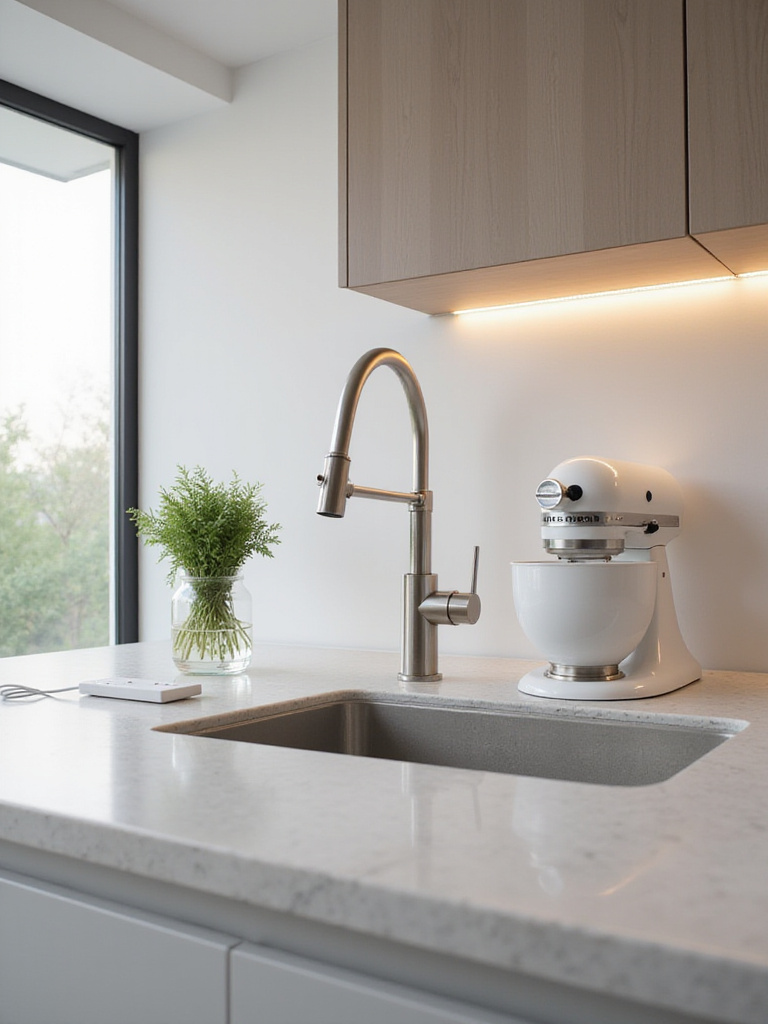
These small, smart upgrades pay for themselves over time. What I tell my environmentally conscious homeowners is that true sustainability is a collection of thousands of small, thoughtful choices. Optimizing your kitchen’s performance is a powerful way to live those values every day.
19. Create a Composting and Recycling Hub
Managing waste is a huge part of a modern, sustainable kitchen. Designate a convenient, well-organized spot for recycling and composting. It could be a pull-out system under the sink or a set of sleek, dedicated bins along a wall. When it’s easy and convenient, it becomes a natural part of your routine.
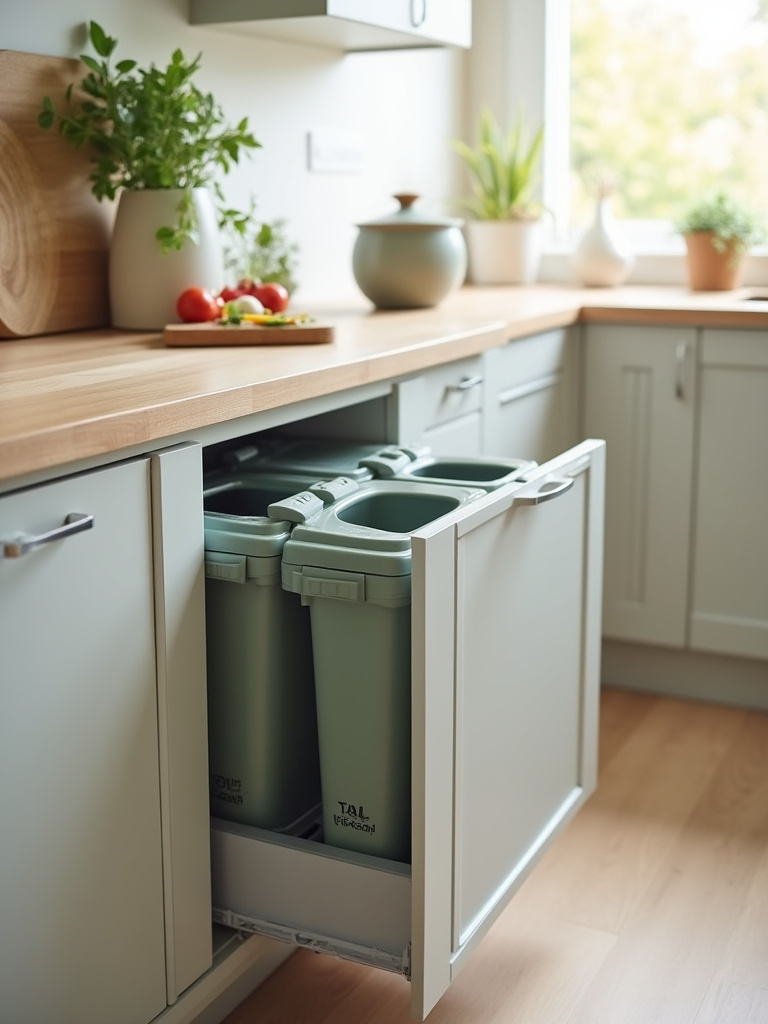
For apartment dwellers, a small countertop compost bin for daily scraps and a simple vermicomposting (worm bin) setup on a balcony or under the sink can turn your food waste into nutrient-rich fertilizer for your kitchen garden. This “closes the loop,” transforming waste into a valuable resource—the ultimate expression of an ecosystem-minded home.
20. Design for an Adaptive Future
Life changes. Your kitchen should be able to change with you. When you’re designing, think about flexibility. Instead of a massive, built-in island, maybe a freestanding worktable or a kitchen cart on wheels would serve you better. It gives you the option to reconfigure the space for a party or move it to a new home.
Using freestanding furniture pieces instead of all built-in cabinetry, or choosing timeless finishes that won’t feel dated in five years, are all ways of future-proofing your design. This ensures your kitchen remains a functional, beloved space for years to come, making it the most sustainable and budget-friendly choice of all.
Conclusion
As we’ve journeyed through these ideas, I hope you feel a sense of empowerment. A beautiful, productive, and deeply personal kitchen is not a luxury reserved for those with giant budgets. It is a possibility waiting to be cultivated through creativity, thoughtfulness, and a connection to your home as a living space. Your budget isn’t a limitation; it’s an invitation to be resourceful.
These strategies for kitchen design on a budget are your seeds. Now it’s your turn to plant them, tend to them, and see what grows. Start small. Pick one idea that excites you and begin there. A home that nourishes you is one you’ve had a hand in creating. Embrace the process, trust your ingenuity, and enjoy the fruits of your labor in the vibrant, living heart of your home.