The kitchen is so much more than a room. It’s an ecosystem. It’s the scent of brewing coffee that pulls you from sleep, the sizzle of garlic in a hot pan, the place where conversations bloom over a bottle of wine. I believe the best kitchens feel alive—they breathe with the rhythm of your day. But if yours feels stagnant, suffocating, or simply disconnected from how you want to live, it’s not just an update you need. It’s a reawakening.
Fusing Latin American warmth with a clean, contemporary edge, I’ve learned that a truly luxurious kitchen isn’t just about what’s new and shiny. It’s about creating a space that feels deeply personal and environmentally conscious. A space that works for you, not against you. Forget fleeting trends; we’re talking about crafting a vibrant, breathing heart for your home.
So, whether you’re dreaming of a complete transformation or just some inspired changes, let’s walk through the elements that matter. These aren’t just steps; they are conversations you need to have with your space to create a kitchen that truly enhances your life and honors our planet.
1. Discover Your Kitchen’s True Purpose
Before we even think about a single cabinet or tile, we have to get honest. How does your kitchen really live and breathe? It’s easy to say “I need more space,” but what does that actually mean? For a recent client in Miami, “more space” meant an area where her kids could do homework while she prepped dinner, without anyone feeling crowded. For a couple in a London flat, it meant clever storage so their kitchen could double as a sleek bar for entertaining friends. The goal isn’t just a pretty picture; it’s a backdrop for your life.
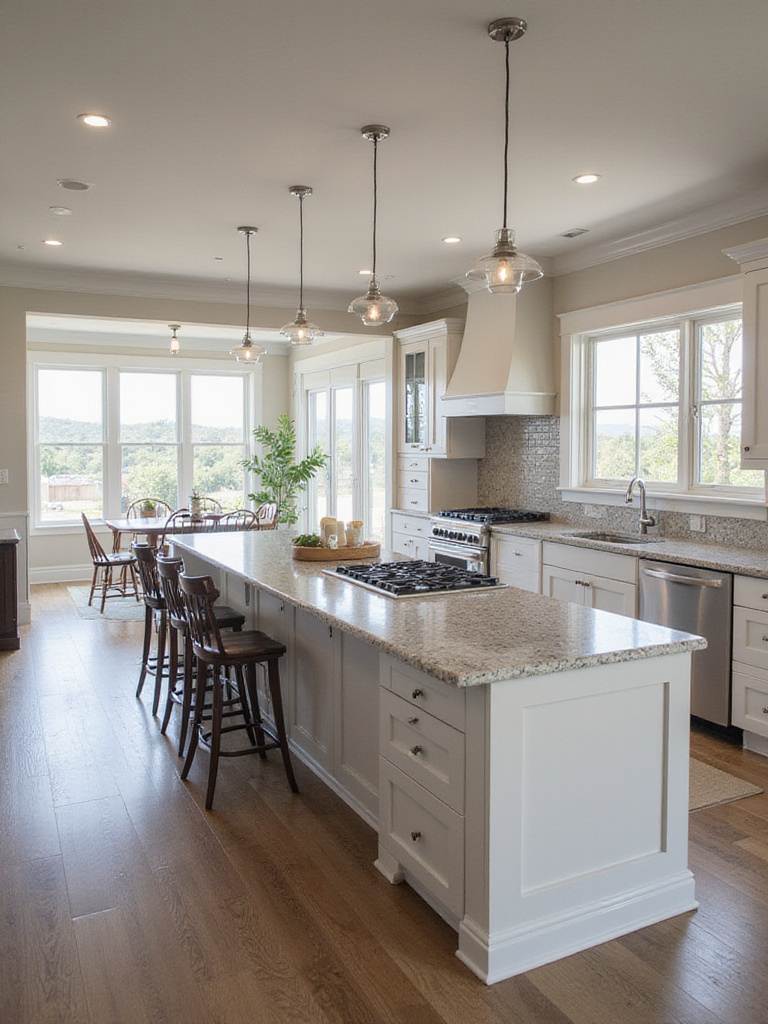
Spend a week as an anthropologist in your own home. Seriously. Watch where the traffic jams happen when you’re trying to get breakfast on the table. Where do you instinctively put down the grocery bags? Do you find yourself shuffling from one end of the room to the other just to make a simple salad? These little frustrations are design clues. They tell a story of a space that isn’t serving its primary function: you. Is it a bustling family hub, a solitary chef’s sanctuary, or a stage for weekend dinner parties? Once you know its soul, the design will follow.
What this truly boils down to is a simple, unshakeable truth of design: function must lead. When a kitchen flows with the natural dance of your daily routine, beauty isn’t just an add-on; it’s an inevitable result.
2. Craft a Smart and Realistic Budget
Let’s talk money. This can be the most stressful part, but it doesn’t have to be. A budget isn’t a creative straitjacket; it’s a map that guides you to what’s most important. I’ve seen too many projects go off the rails because of a “we’ll figure it out as we go” approach. A well-planned kitchen remodel is one of the best investments for your home’s value, but only if the money goes to the right places.
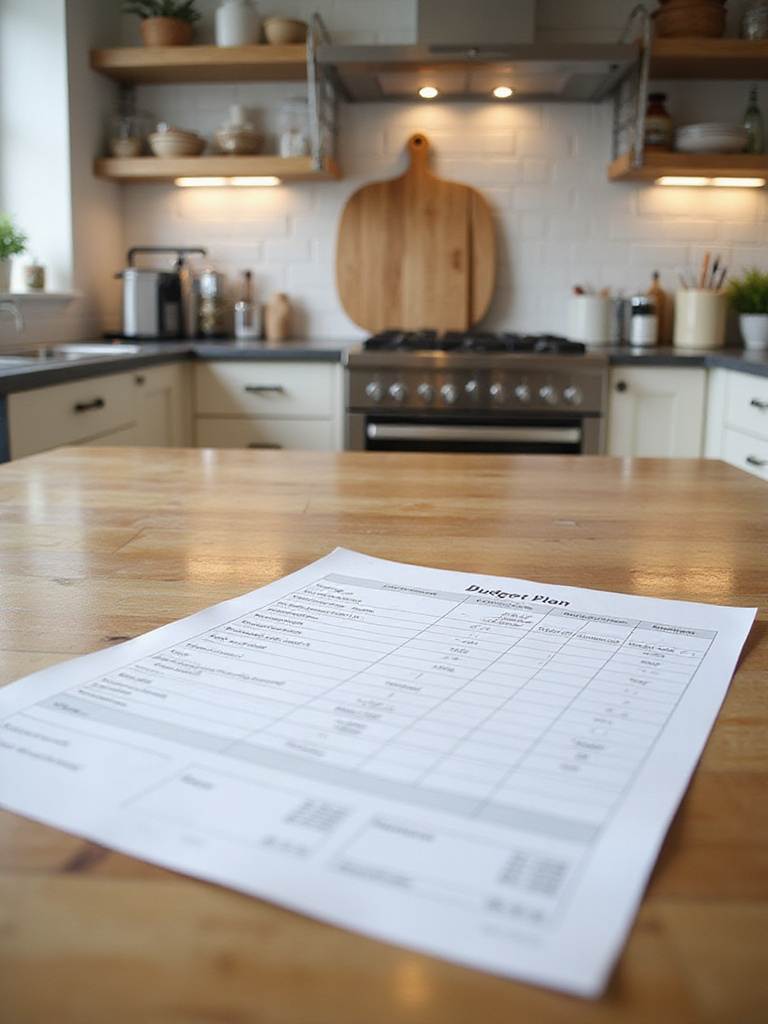
Don’t just pull a number out of the air. Do a little homework. In most markets, expect labor to be about 20-25% of your total cost, with cabinetry eating up the biggest slice of the pie—often around 35%. And here’s the part everyone forgets: the contingency fund. Please, set aside 15-20% for surprises. I promise you, once you open up a wall, you’ll find something unexpected. Having that cushion means you can solve the problem thoughtfully instead of making a panicked, last-minute compromise.
Your biggest investment should go toward the things that do the heavy lifting: a smart layout, quality cabinetry with durable hardware, and resilient countertops. These are the bones of your kitchen. The beautiful backsplash tile or the statement faucet? They’re vital for personality, but they shouldn’t break the bank if it means sacrificing the functional core. A sustainable approach means getting it right the first time, preventing wasteful replacements down the line.
3. Choreograph the Workflow with an Optimized Layout
The old “work triangle”—the path between the fridge, sink, and stove—is a good starting point, but modern life is more complicated than that. I prefer to think in terms of “zones.” You should have a preparation zone, a cooking zone, a cleanup zone, and a storage zone. The goal is to make the entire process of creating a meal feel less like a frantic marathon and more like a fluid dance.
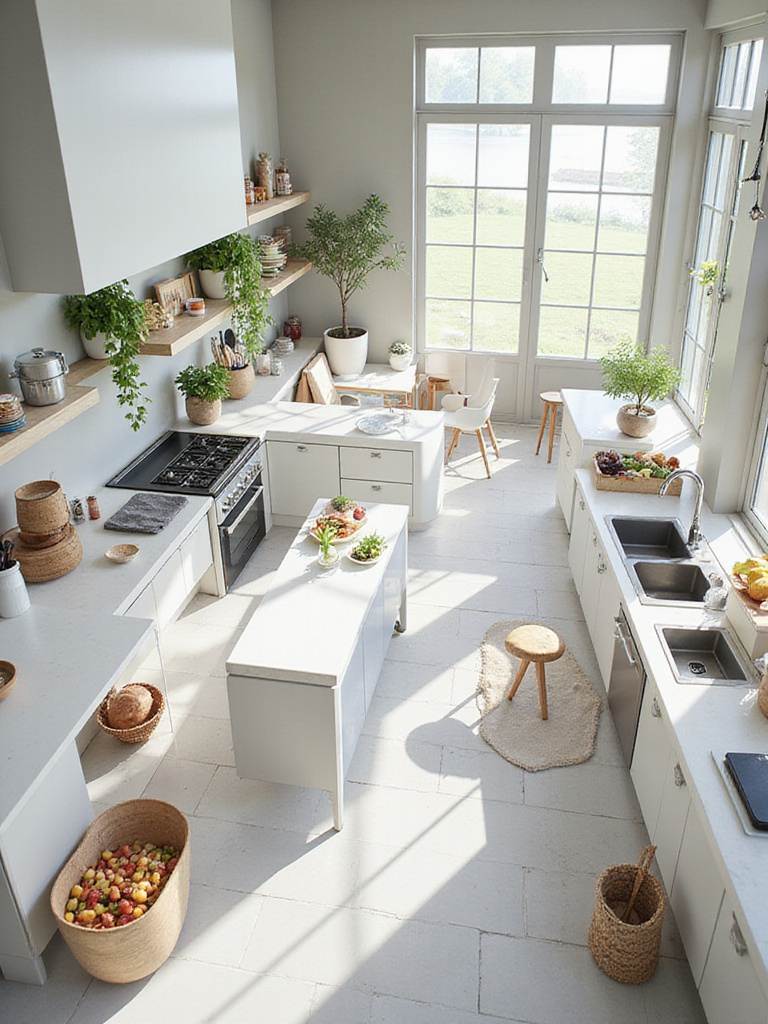
Count your steps. I’m not kidding. Next time you cook, notice how many times you walk back and forth. Is your spice drawer across the room from your stove? Do you have to carry dripping vegetables from the sink to a chopping board halfway across the kitchen? All those extra steps add up to a feeling of chaotic inefficiency. On a project in a narrow coastal home, we designed a galley kitchen with a long, continuous counter. Everything—from pantry to prep to cooktop to plating area—was in a logical line. It completely changed how the owner felt about cooking.
The real magic happens when you create work stations. This means having generous counter space for a task, with everything you need for that task stored directly above or below it. Baking station? You’ve got your flour, mixers, and pans right there. Coffee bar? Mugs, beans, and the machine are all in one place. It’s this kind of thoughtful choreography that transforms a kitchen from a room into your creative partner.
4. Reinvent Your Storage with Intelligent Cabinetry
More cabinets don’t always mean more storage. What you really want is more accessible storage. There’s nothing worse than that deep, dark corner cabinet where pots and pans go to die. Modern kitchen design is about making every square inch work for you, not hiding things from you. This is where clever interior systems are non-negotiable.
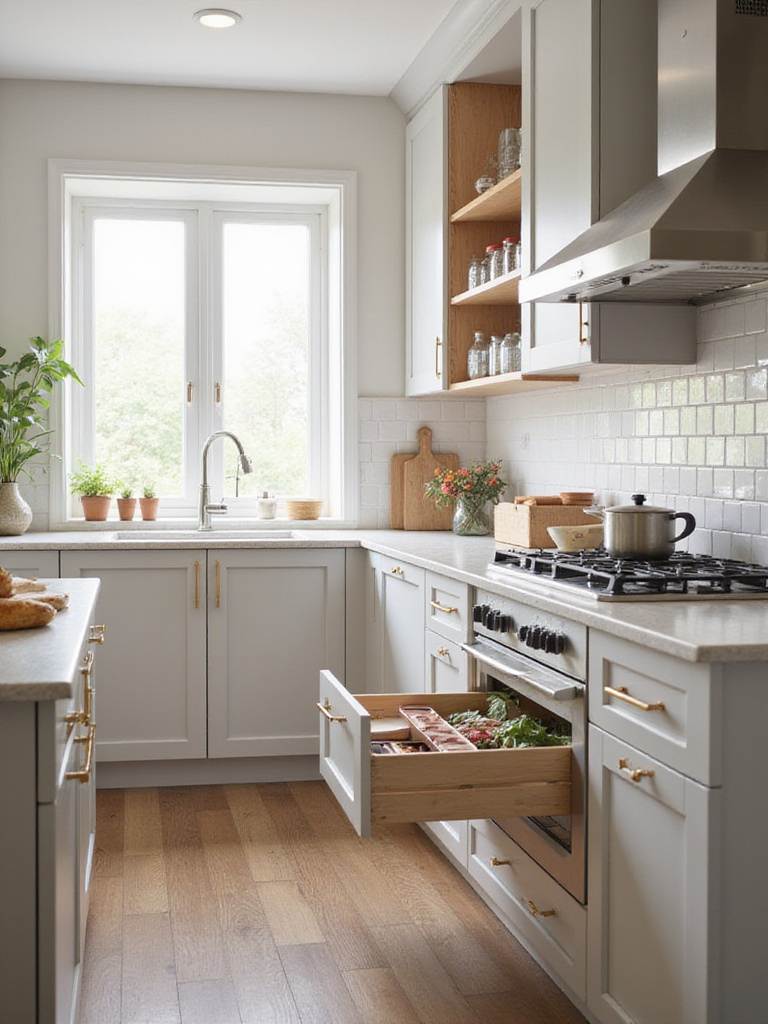
Before you plan, do a full inventory. Empty every single cabinet. What do you actually own and use? Group everything into families: baking goods, cookware, daily dishes, special occasion glassware. This process is revealing. You’ll probably find three old blenders you don’t need. Be ruthless. Now you know your true storage needs. Heavy pots and pans? They belong in deep, full-extension drawers next to the stove. Spices? A narrow pull-out cabinet is perfect.
I’m a huge advocate for pull-out drawers in lower cabinets. They completely eliminate the need to get on your hands and knees to find something at the back. Other game-changers include vertical dividers for baking sheets and cutting boards, and well-designed drawer organizers for cutlery and tools. And please, invest in quality mechanisms. Soft-close hinges and drawer slides aren’t just a quiet luxury; they prevent wear and tear, making your investment last so much longer. It’s in these small, tactile details that craftsmanship really shines through.
5. Choose Countertops with Both Style and Stamina
Your countertops are the stage for your daily life. They take a beating—hot pans, red wine spills, dragged ceramic bowls, you name it. Choosing the right material is a critical balance between aesthetic desire and raw, practical resilience. You want a surface that tells a story, not one that shows every scar.
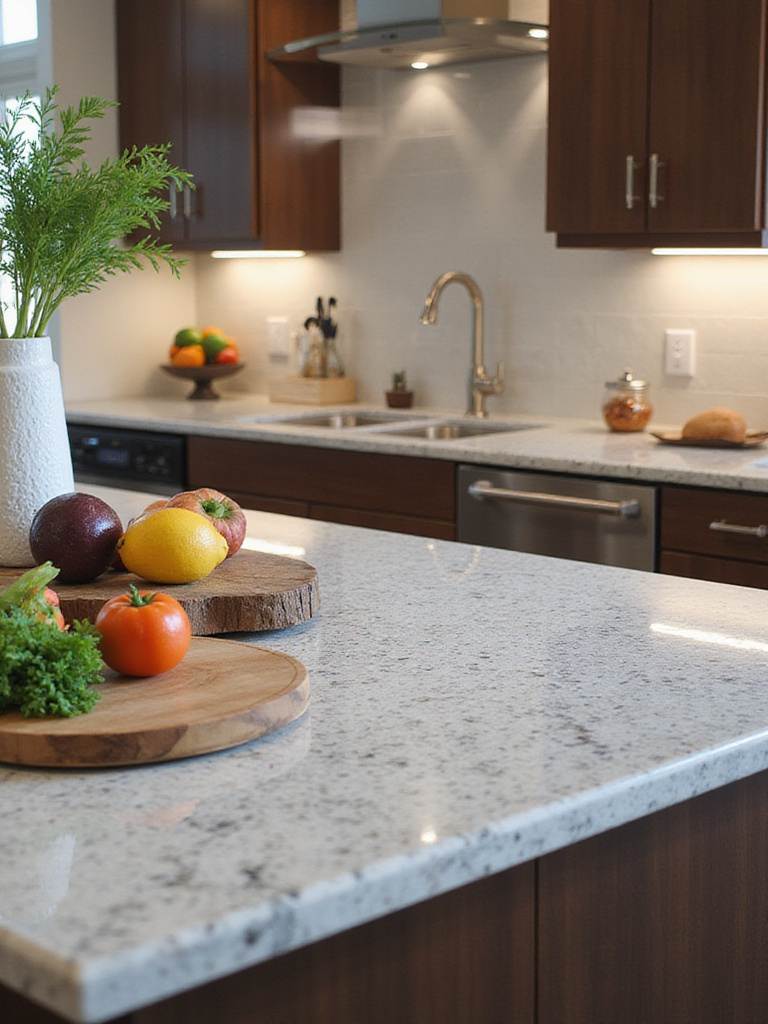
Be realistic about your lifestyle. If you have kids who make their own snacks or you’re not meticulous about wiping up spills, a porous material like some marbles might cause you constant anxiety. For busy families, engineered quartz is a godsend; it’s practically bomb-proof and requires zero sealing. But if you’re a passionate cook who loves natural materials, you might adore the heat-resistance of quartzite or soapstone, which develops a beautiful patina over time. There’s something wonderful about a material that ages gracefully with you.
Never, ever choose a countertop from a tiny online sample. Bring a large sample into your kitchen. See how it looks in the morning light versus your evening artificial light. How does it feel? Cold and solid, or warm and yielding? Think about how it pairs with your cabinets and backsplash. I love to see a countertop that complements the other elements, creating a cohesive visual texture, rather than one that screams for all the attention. It should be a strong, silent partner in your design.
6. Select a Sink That Works as Hard as You Do
The humble kitchen sink is the unsung hero of the kitchen. It’s where delicate herbs are washed and where a mountain of greasy pots are scrubbed. The style and configuration you choose can dramatically impact your daily flow, so don’t treat it as an afterthought.
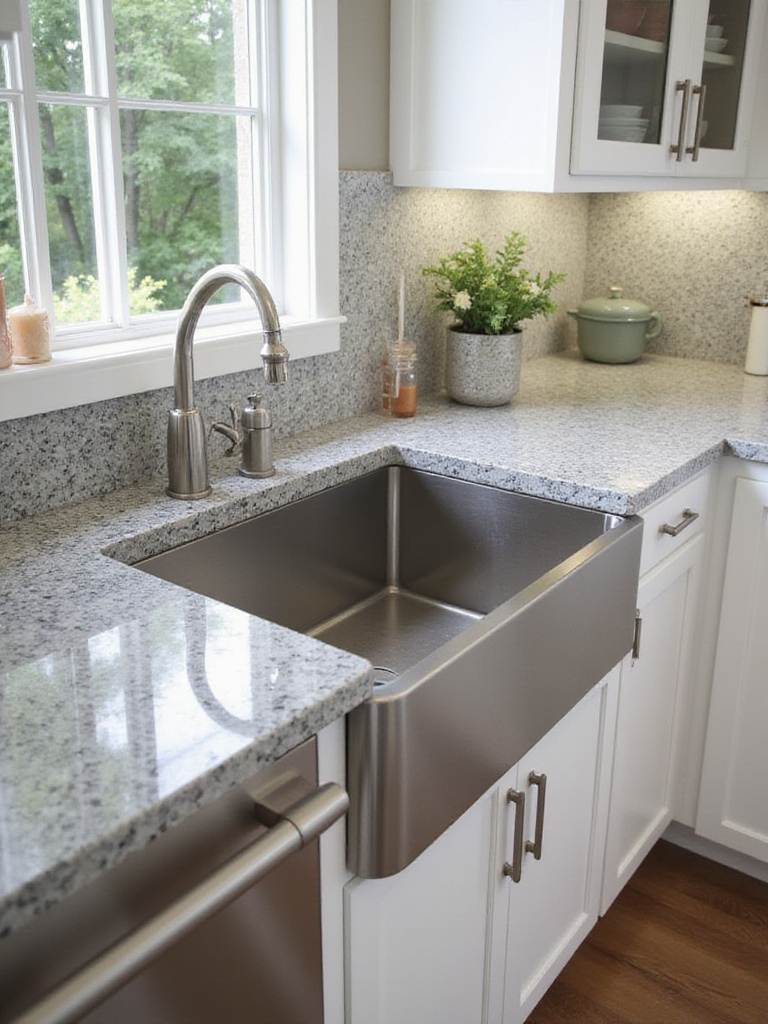
Think about how you use it. Do you often hand-wash large pans or cookie sheets? A deep, single-basin sink is fantastic for that. It’s like a bathtub for your cookware. Or are you the type who likes to keep things organized—one side for washing, one for rinsing? A low-divide double bowl could be perfect, giving you separation without a massive barrier in the middle. I’m also seeing amazing integrated systems with built-in cutting boards and colanders that slide over the sink, turning it into a hyper-efficient prep station.
The material matters, too. Stainless steel is a classic workhorse, but a composite granite can offer gorgeous colors and dampens the noise of clanging pans. For a more organic, tropical modern feel, a beautifully crafted fireclay or concrete sink can become a stunning focal point. Just be mindful of maintenance. What’s crucial is that the sink, the faucet, and the surrounding countertops feel like a single, unified, functional piece of design.
7. Embrace Energy-Efficient Appliances for Smarter Living
Choosing new appliances is about more than just a sleek stainless steel finish. It’s a powerful opportunity to invest in both your wallet and the planet. High-efficiency, ENERGY STAR certified appliances are no longer a niche choice; they are simply the smarter one, often performing better and lasting longer while cutting down on your utility bills.
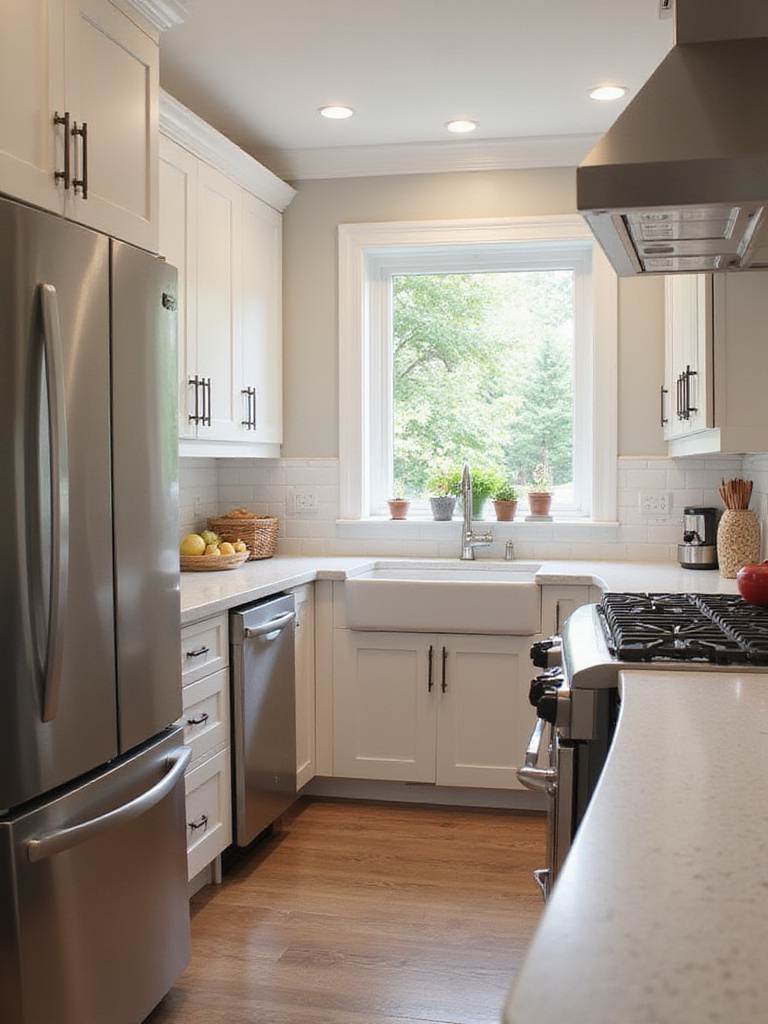
Look at the total cost of ownership, not just the sticker price. A fridge that’s a few hundred dollars more but saves you a significant amount each year on your electricity bill is a brilliant investment. Look for local rebates, too—they can often offset that initial cost. This is sustainable luxury in action: performance and responsibility, hand in hand.
And think about scale. An enormous, half-empty refrigerator is an energy vampire. A dishwasher that’s too small for your family will run constantly. Match the appliance size to your household’s real-world needs. I’m particularly passionate about induction cooktops. They are incredibly responsive and safe, and they transfer around 85% of their energy directly to the pan, compared to gas, which loses a huge amount of heat into the air. That’s smart, clean, and climate-responsive design. It’s about choosing tools built for a better future.
8. Illuminate Your Space with Layered Lighting
Lighting is everything. It’s the one element that can single-handedly change the entire mood and function of a room. A great kitchen lighting plan isn’t about one big, bright fixture in the middle of the ceiling. It’s about creating layers of light that work together: ambient, task, and accent.
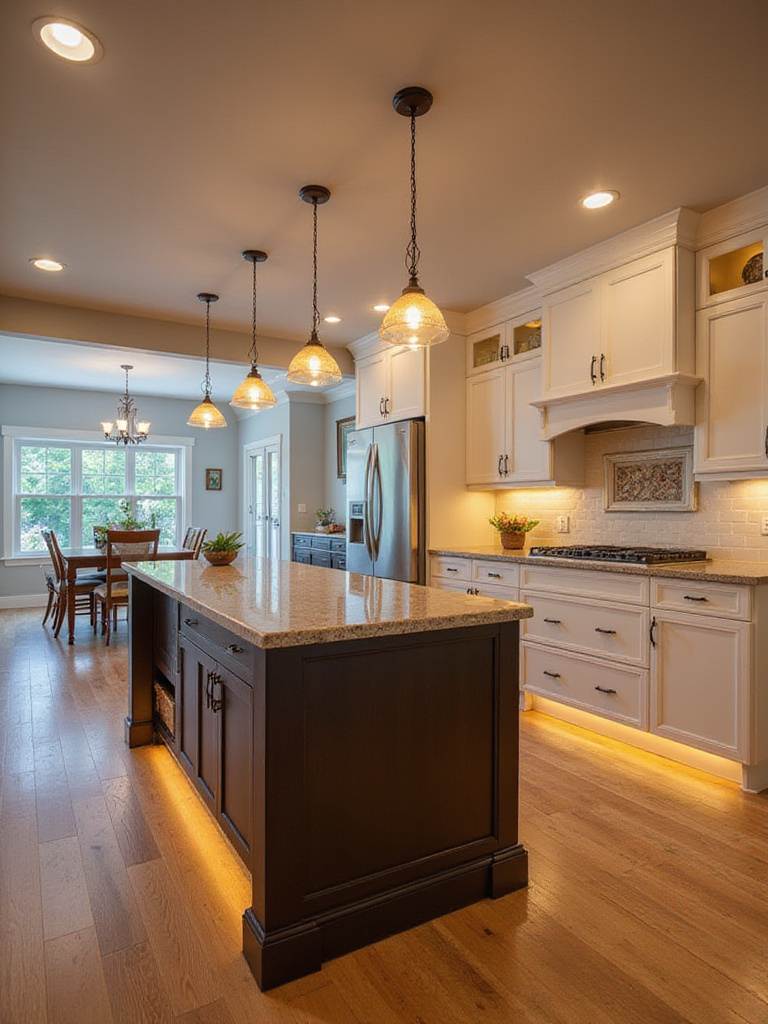
Start with task lighting. This is the practical, non-negotiable light you need to work safely and efficiently. I always specify under-cabinet LED strips. They illuminate your countertops perfectly, eliminating the shadows your own body casts from overhead lights. You also need dedicated light over your island, your sink, and your range. These are your high-action zones.
Next comes ambient lighting, the general glow that fills the room. This could be recessed lights or a beautiful central pendant. But here’s the key: put everything on a dimmer. All of it. This allows you to transition the space from a bright, functional workshop during meal prep to a soft, inviting space for dinner. Finally, add accent lighting. A soft light inside a glass-front cabinet, a small spotlight on a piece of art, or even subtle toe-kick lighting that makes your island appear to float. It’s this final layer that adds depth, drama, and a touch of magic.
9. Ground the Room with Resilient, Beautiful Flooring
The floor is your kitchen’s foundation, and it has to be tough. It faces foot traffic, spills, dropped forks, and everything in between. You need a material that can handle the chaos of life while still feeling good underfoot and unifying the design. Especially in a tropical climate, you also want something that feels cool and clean.
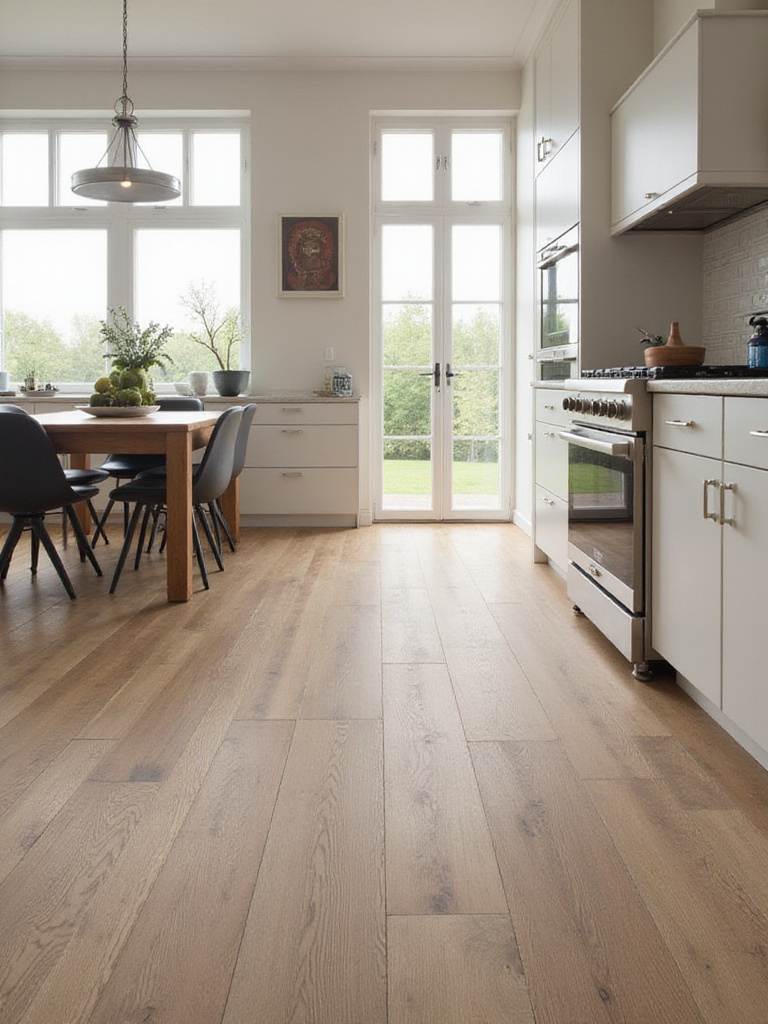
Luxury vinyl plank (LVP) has come a long way and is an incredible choice for families with kids or pets. It’s waterproof, comfortable, and the wood-look versions are surprisingly realistic. For a seamless indoor-outdoor feel, I love using large-format porcelain tiles or even polished concrete that can extend right out onto the patio. This visually erases the boundary and makes your entire living area feel more expansive. If you love the warmth of wood, consider engineered hardwood with a durable, water-resistant finish, but know it requires a bit more care.
Whatever you choose, pay attention to the details. What kind of subfloor do you have? Does the material require a special underlayment? And think about the texture. You want enough grip to be safe when the floor is wet, but not so much texture that it’s hard to clean. The floor is a huge surface area; its color and texture will dramatically affect the room’s energy, grounding the entire design.
10. Weave Together a Cohesive Color and Style Story
A kitchen that feels truly special has a clear point of view. It’s not just a random collection of nice things; every element speaks the same design language. This doesn’t mean everything has to match. It means everything has to relate. Before you fall in love with a specific cabinet color or countertop, decide on your overall style story.
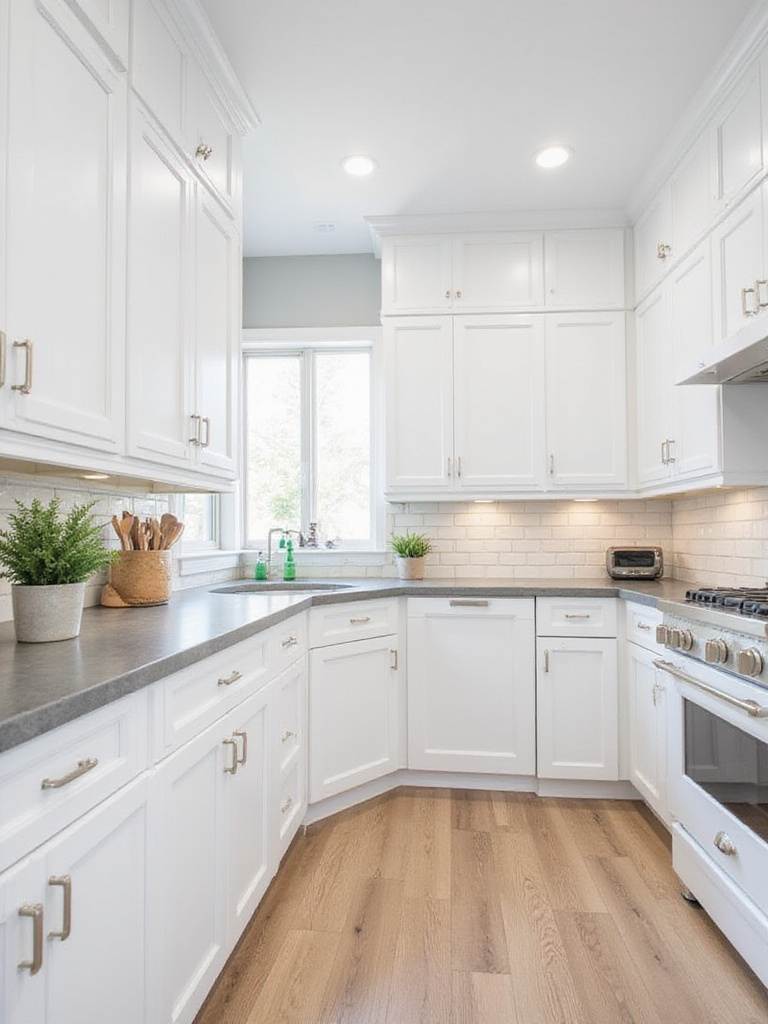
Are you aiming for the clean lines and natural textures of Tropical Modernism? Or the layered, personal feel of contemporary British design? Maybe a blend of the two? Once you have your direction, build your color palette. I often use a simple rule of thumb: 60% for your dominant color (usually walls and cabinets), 30% for a secondary color or texture (flooring or countertops), and 10% for your accents (hardware, lighting, a vibrant piece of art).
My favorite palettes draw from nature. Imagine the deep greens of jungle leaves, the warm tones of teak and bamboo, the crisp white of a seashell, and a splash of vibrant coral or turquoise. Gather physical samples of everything—paint chips, wood swatches, tile, and hardware—and look at them together in your kitchen’s natural light. This tangible mood board ensures you’re creating a harmonious space that feels authentically you.
11. Add a Hardworking Island or Peninsula
The kitchen island has evolved from a simple prep surface into the social hub of the home. It’s the command center, the homework station, the cocktail bar, and the breakfast spot all in one. A well-designed island can revolutionize your kitchen’s flow and functionality.
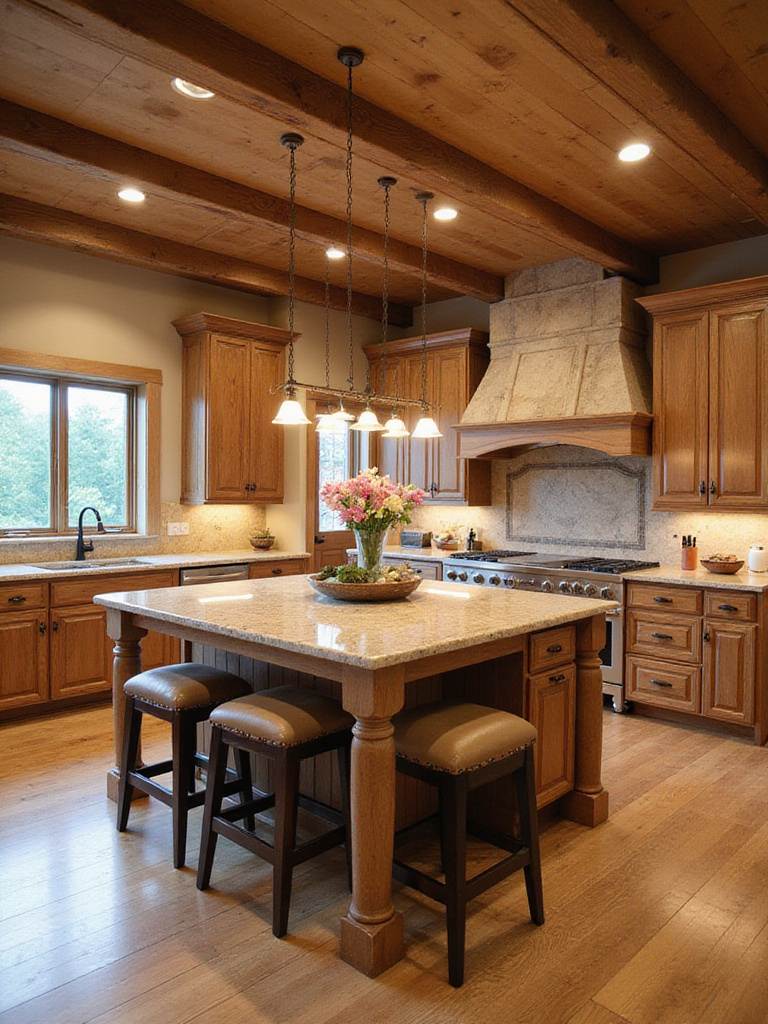
First, define its primary job. Will it be a cooking island with a prep sink or cooktop? Or an entertaining island focused on seating and an open serving surface? Maybe its main purpose is storage, packed with deep drawers for all your pots and pans. Its function will determine its form.
But please, give it room to breathe! This is a mistake I see all the time. You need at least 36 inches (about 90cm) of clear walkway around it, and ideally 42-48 inches (10-120cm) on the working sides where cabinet or appliance doors will open. If you don’t have the space for a full island, a peninsula can offer many of the same benefits without closing off the room. An island should be a bridge in your kitchen’s workflow, not a dam.
12. Make a Statement with a Practical Backsplash
The backsplash is the perfect place to inject personality into your kitchen. It’s functional art. It protects your walls from the inevitable splashes and splatters of cooking, but it’s also a prime opportunity to add color, pattern, and texture.
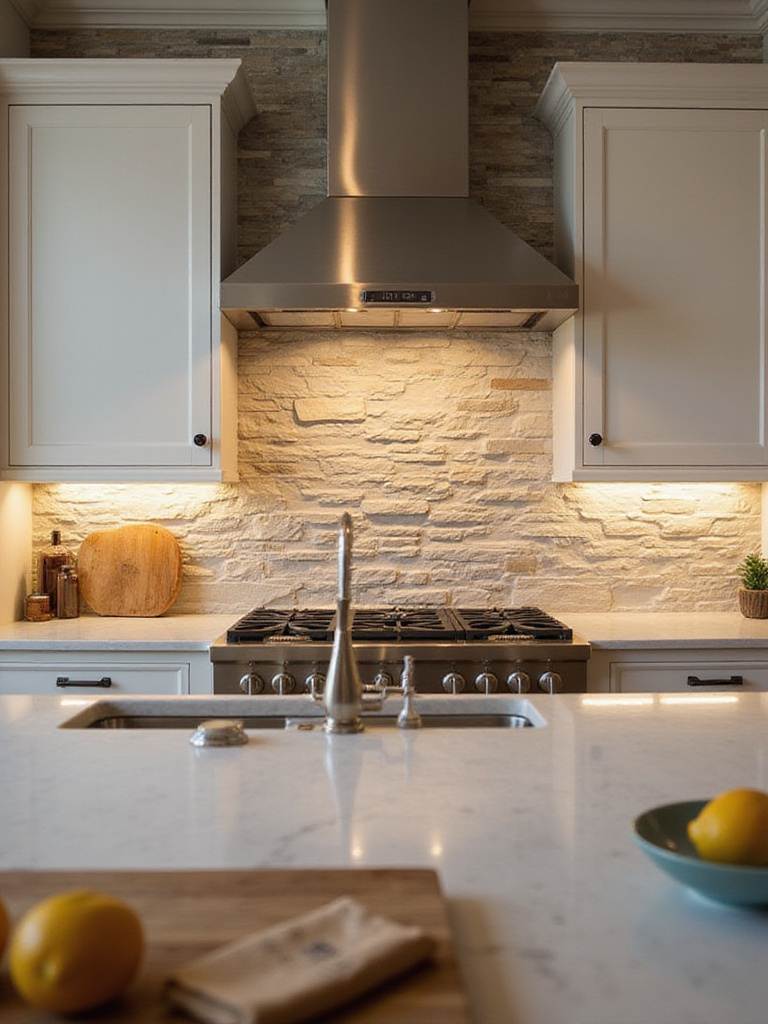
Your cooking style should dictate the material. If you do a lot of frying, you’ll want something non-porous and easy to wipe down, like a single slab of quartz, back-painted glass, or large-format tile with minimal grout lines. If you’re a lighter cook, you have more freedom to play with materials like handmade Zellige tiles, which have beautiful, subtle variations.
I’m a big fan of taking the backsplash all the way up to the ceiling. It creates a dramatic, high-impact feature wall and visually heightens the room. It makes the space feel more intentional and grand. This is your chance to tie everything together. Pick a color from your countertop’s veining, or choose a material that contrasts beautifully with your cabinetry. The backsplash is the connective tissue of your kitchen’s design.
13. Elevate the Everyday with Upgraded Hardware & Fixtures
Hardware is the jewelry of your kitchen. It might seem like a small detail, but upgrading your cabinet pulls, knobs, and faucet can have an incredible impact on both the look and feel of the space. It’s a tactile experience; you touch these things every single day.
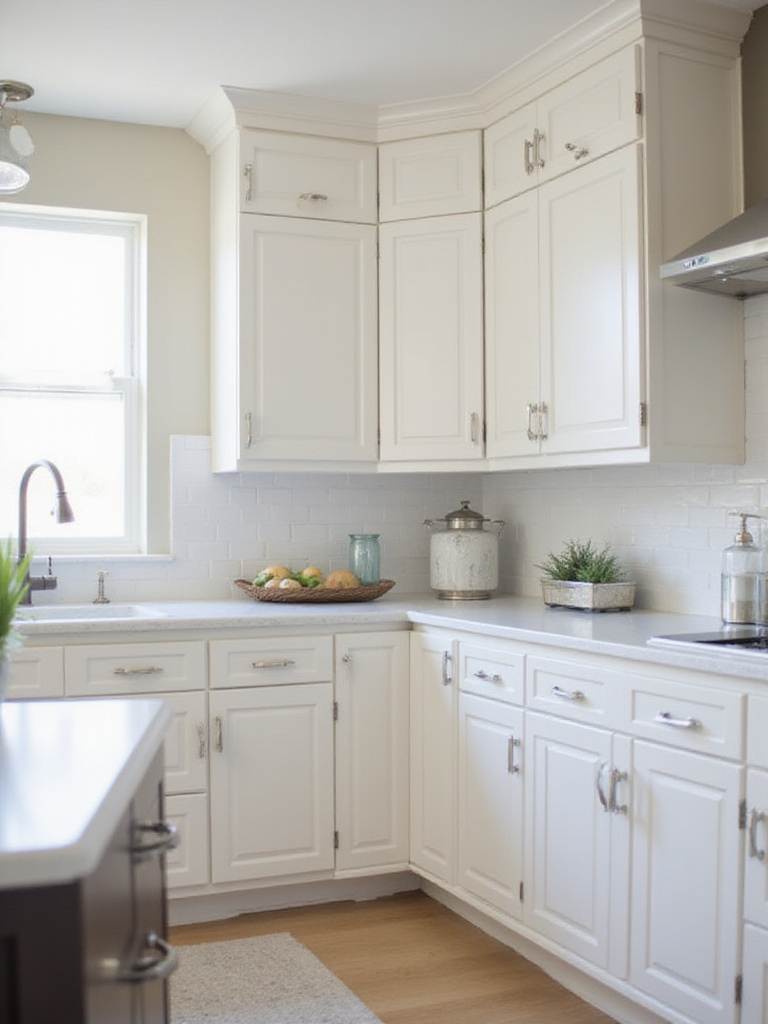
Function comes first. I always upgrade clients to full-extension, soft-close drawer slides. It’s a quality-of-life improvement you’ll appreciate every time you reach for a pan. When it comes to pulls and knobs, think about ergonomics. Are they comfortable to grip? For a sleek, modern look, I love slim bar pulls or minimalist edge pulls. For a more classic or organic vibe, a beautifully crafted knob in brass or matte black can be perfect.
Don’t be afraid to mix metals, but do it thoughtfully. For example, you might have matte black hardware on the cabinets and a warm brass faucet and light fixtures. This creates a layered, sophisticated look that feels collected over time rather than bought as a set. This is where you can add that 10% accent color we talked about, tying the whole story together with these critical finishing touches.
14. Clear the Air with Proper Ventilation
Let’s talk about something that isn’t glamorous but is absolutely essential, especially in warmer, humid climates: ventilation. A proper range hood is your best defense against lingering cooking smells, greasy film on your cabinets, and excess moisture that can lead to bigger problems down the road.
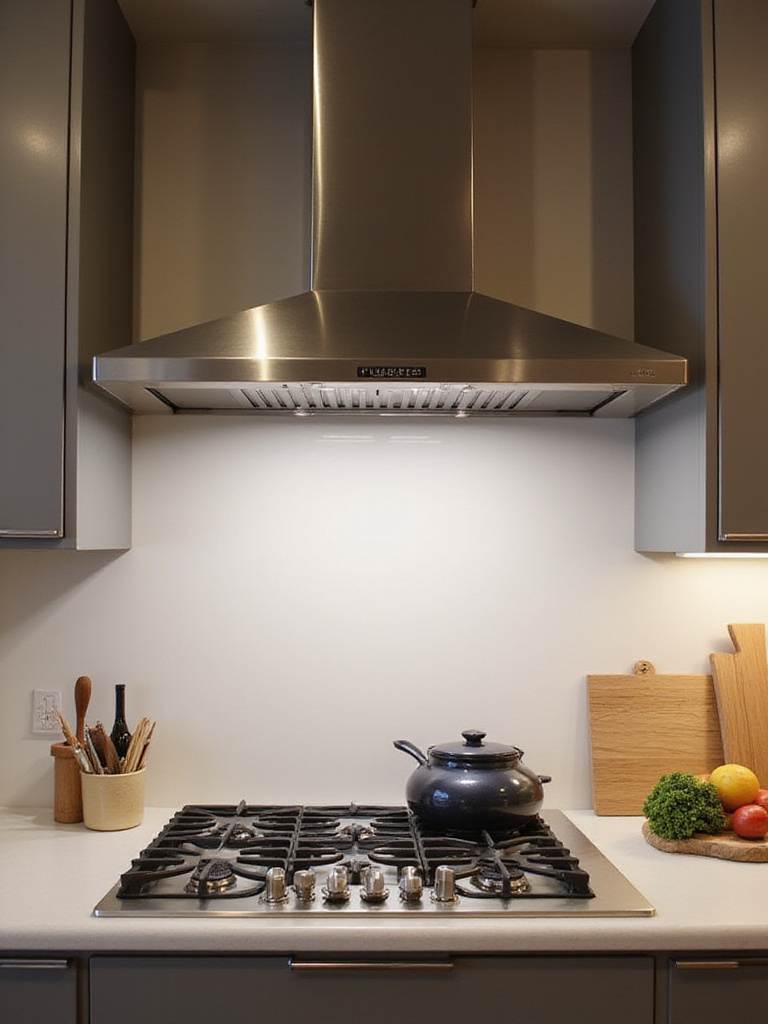
Your range hood needs to be powerful enough for your cooktop. A high-BTU gas range requires a much stronger fan (measured in CFM, or cubic feet per minute) than a standard electric one. Don’t let a salesperson tell you a recirculating hood (the kind that just filters air and blows it back into the room) is just as good. It’s not. For good indoor air quality and to protect your home, you need to vent that air directly outside.
The ducting path is also critical. A short, straight run to an exterior wall is far more effective and quieter than a long, winding path with multiple bends. The ventilation system should be planned early in the design phase. A powerful, efficient, and surprisingly quiet ventilation system is one of those invisible luxuries that dramatically improves the experience of cooking and living in your home.
15. Create a Dedicated Beverage and Coffee Station
In our busy lives, different daily rituals often collide. The morning rush is a classic example: someone is trying to make a smoothie, another is scrambling eggs, and you’re just trying to get to the coffee machine. Creating a dedicated beverage station is a brilliant way to ease this congestion.
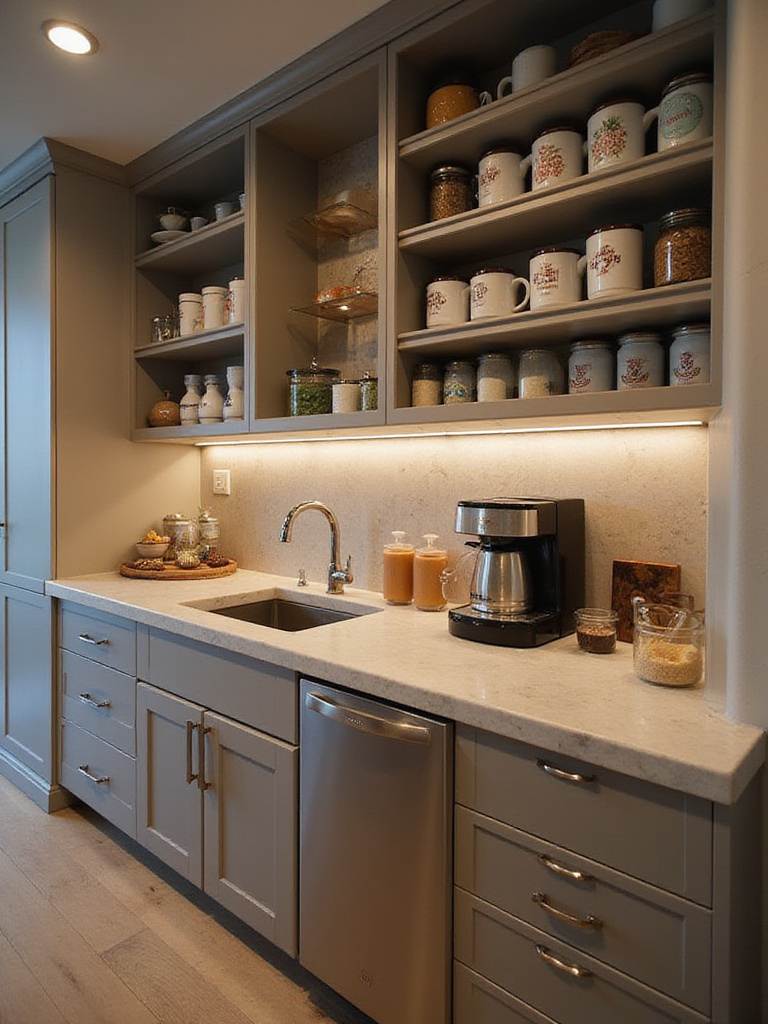
Find a little nook for it—a small section of counter between the fridge and a pantry, or one end of your island. All you need is a bit of counter space, an outlet, and some smart storage. This becomes the designated zone for the coffee maker, electric kettle, mugs, tea, and sugar.
To elevate it even further, consider adding a small bar sink for rinsing spoons and filling the coffee pot. Floating shelves above can display your favorite mugs, while drawers below can hide the clutter. By moving this entire high-traffic routine out of the primary cooking zone, you create a more peaceful, efficient flow for everyone. It’s a simple move that has a huge impact on morning harmony.
16. Think in Zones, Not Just Triangles
As I mentioned earlier, the modern kitchen is a multi-user, multi-activity space. Planning in zones is the key to making it work. This goes beyond just having a beverage station; it’s about thinking through every process that happens in the kitchen and designing a dedicated space for it.
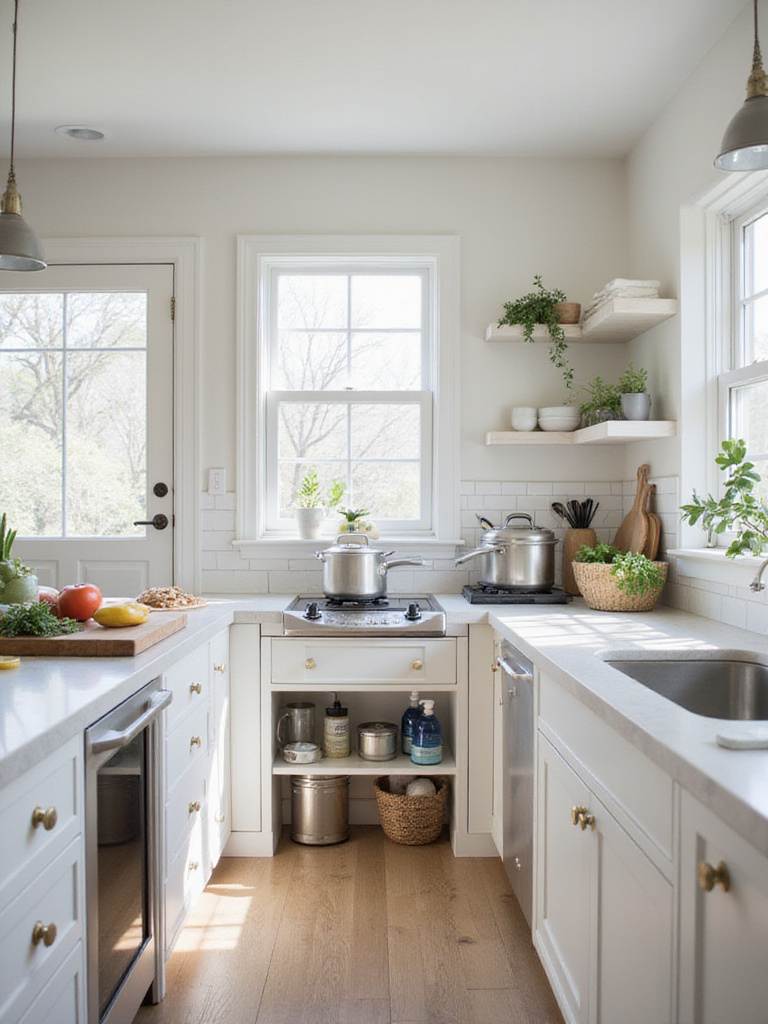
Imagine your kitchen divided into invisible “neighborhoods.” There’s the “Prep Zone,” with easy access to the sink, trash/compost, and knives. There’s the “Cooking Zone,” centered on the stove and oven, with pots, pans, and spices within arm’s reach. The “Cleanup Zone” logically groups the sink, dishwasher, and storage for everyday dishes, so you can go from scrape-to-rinse-to-load without taking a single step.
The beauty of zone-based design is its flexibility. The zones can overlap slightly, and they support a natural, circular flow from the fridge to the prep area, to the cooktop, and finally to the cleanup sink. It keeps people from bumping into each other and makes even complex meal prep feel intuitive and organized. This thoughtful organization is the very essence of good design.
17. Use Open Shelving for Beauty and Access
I love open shelving, but it must be used with intention. It’s a wonderful way to break up a wall of heavy upper cabinets, bring a sense of airiness to the room, and display items that tell your story. It’s an invitation to bring your personality to the forefront.
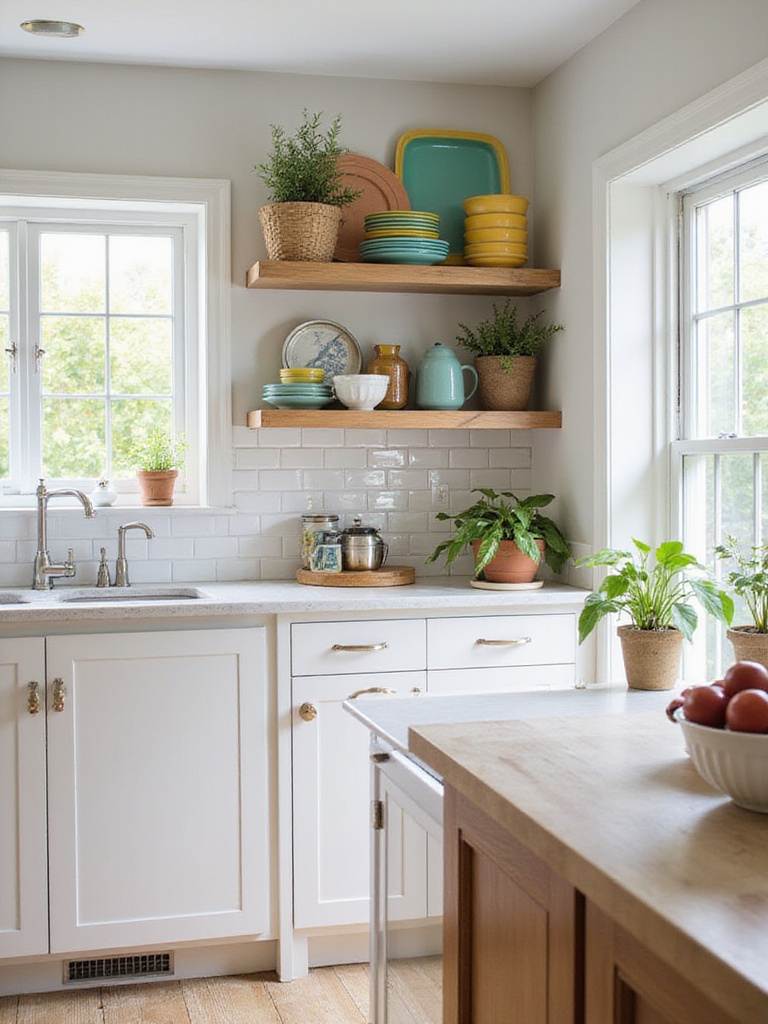
The key is balance. A whole kitchen of open shelves can quickly look cluttered and chaotic. I prefer to use them strategically. A few floating shelves near the daily-use dishes make it easy for everyone to grab a glass or a bowl. Shelves near the cooking zone can hold beautiful jars of spices or oils. It’s about displaying the beautiful and useful, while keeping the less attractive, purely functional items behind closed doors.
When you style them, less is more. Curate a collection of items you love—a mix of functional pieces, a small plant, and a decorative object. Leave some negative space. Think of it as a small, rotating gallery of your life. On a project in Barbados, we used shelves made from reclaimed local wood to display the owner’s collection of colorful handmade ceramics. It was personal, beautiful, and a perfect reflection of the home’s spirit.
18. Integrate Smart Technology That Actually Helps
Smart home technology in the kitchen can be incredibly useful, or it can be a frustrating gimmick. The goal is to choose tech that genuinely simplifies your life, saves energy, or makes you a better cook—not just tech for tech’s sake.
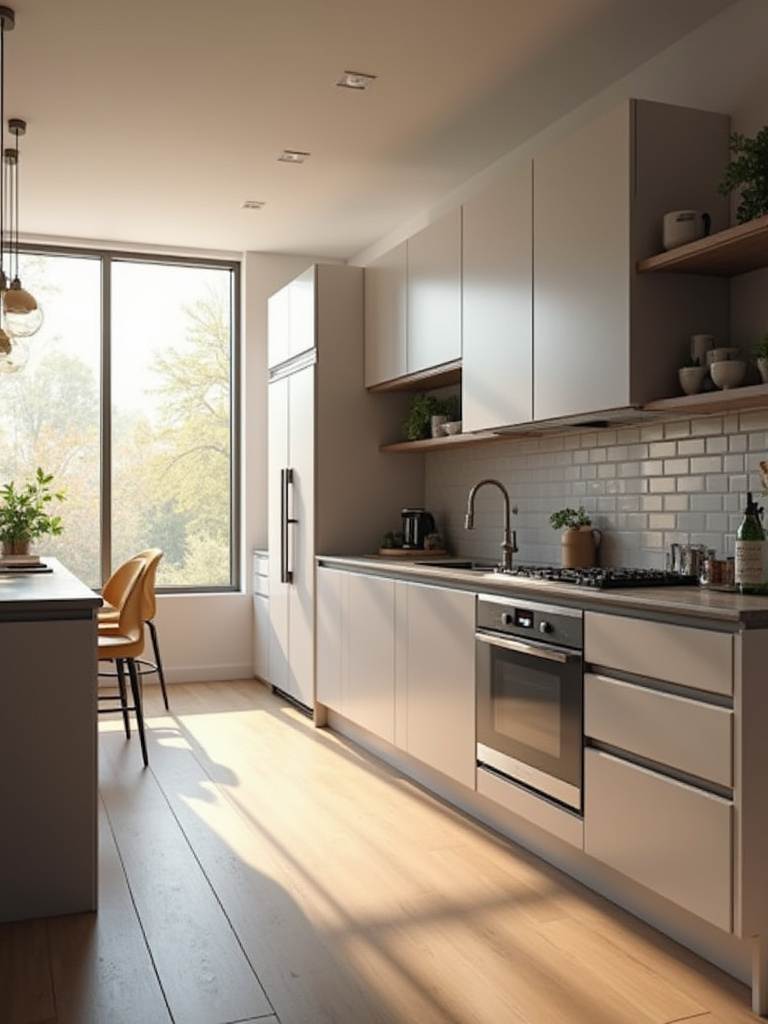
Think about real-world problems. A smart refrigerator that can create a shopping list for you or help you track food expiration dates is a brilliant tool for reducing food waste. A connected oven that you can preheat on your way home from work is a real time-saver. And I’m a big fan of smart faucets that are touch-activated—incredibly handy when your hands are covered in flour or chicken juices.
The key is to plan for the infrastructure during the remodel. Ensure you have strong Wi-Fi coverage in the kitchen and place electrical outlets exactly where these smart appliances will live. The best technology is the kind that works seamlessly in the background, making your daily routines feel smoother and more intuitive without you even having to think about it.
19. Place Your Electrical Outlets Strategically
You can never have too many outlets in a kitchen. Or rather, you can never have them in too many thoughtful places. A kitchen remodel is your one chance to get this right, so map it out carefully. Think about where you’ll be using your stand mixer, your blender, your phone charger, and your laptop.
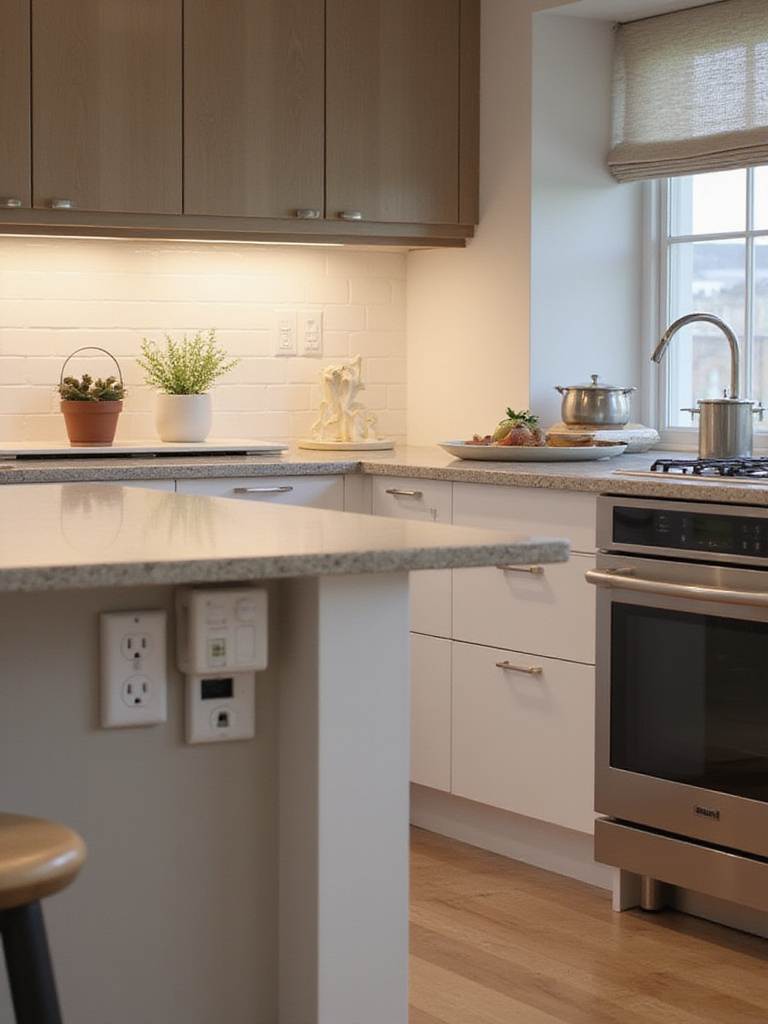
Code requires GFCI outlets near any water source, but beyond that, think about convenience. I like to install outlet strips tucked up under the upper cabinets. This keeps the backsplash clean and uncluttered while providing plenty of power right at counter level. An island is another critical spot. Consider a pop-up outlet that sits flush with the countertop when not in use. And don’t forget to integrate USB ports for charging devices.
It’s these small, practical considerations that make a kitchen truly functional for modern life. Thinking about where you’ll plug in the coffee maker before the tile goes up will save you from a tangle of ugly extension cords later on. This is about anticipating your needs and building a kitchen that’s ready for them.
20. Select Wall Finishes That Are Both Tough and Attractive
Kitchen walls have a tough job. They need to stand up to heat, humidity, grease, and frequent scrubbing. Your wall finishes should be chosen not just for their color, but for their resilience.
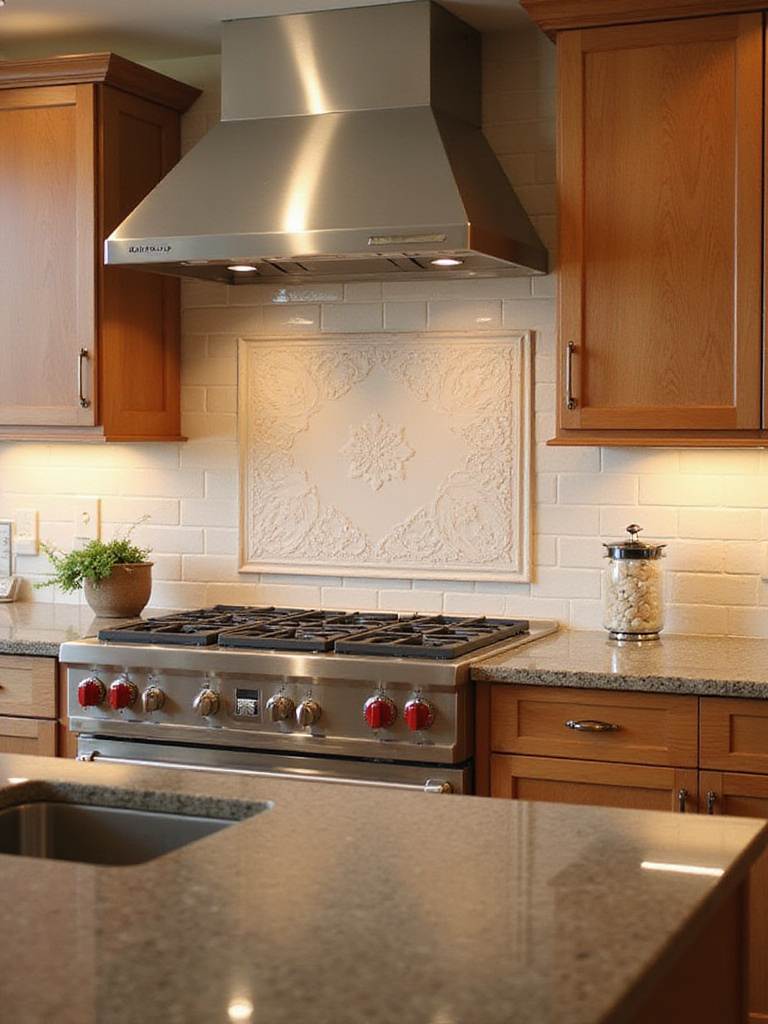
In high-splash zones, like behind the sink and stove (if you don’t have a full backsplash), a high-quality, scrubbable paint in a satin or semi-gloss finish is a must. The slight sheen makes it much easier to wipe down. For other walls, you can use a more matte finish, but I always recommend specifying a paint formulated for kitchens and baths, as it will have better moisture and mildew resistance.
Don’t be afraid to think beyond paint. Beadboard paneling can add lovely texture and coastal charm. A durable, modern wallpaper designed for high-humidity areas can add a fantastic pop of pattern and personality to a wall away from the main cooking action. The right wall finish contributes to the room’s overall atmosphere while quietly protecting it from the rigors of daily use.
21. Build In Universal Design for a Home That Lasts
Designing for the future is one of the smartest things you can do. Universal design isn’t about creating a clinical-looking space; it’s about making subtle, clever choices that will allow your kitchen to serve you beautifully for decades to come, regardless of your age or mobility. It’s about creating a home that can adapt with you.
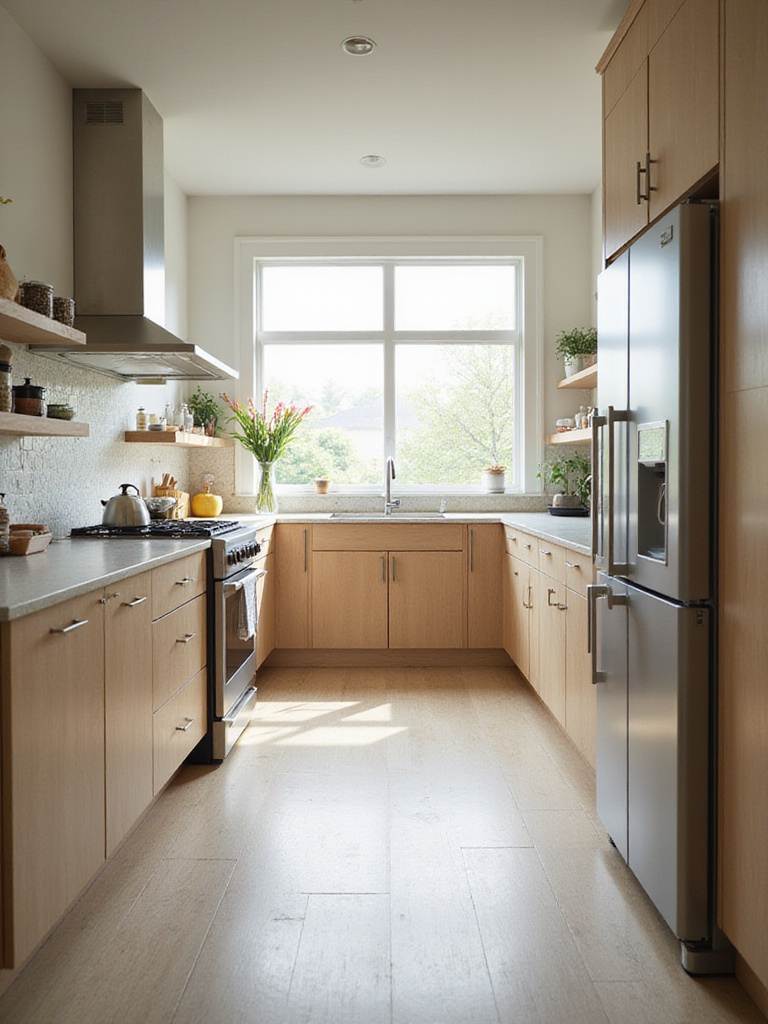
Simple things make a huge difference. Swapping knobs for lever-style handles on faucets and doors makes them easier for anyone to operate. Including varied counter heights—perhaps a lower section at the end of an island—is great for kids who want to help, or for someone who prefers to sit while prepping vegetables. Pull-out shelves in base cabinets reduce the need for deep bending and reaching.
During the remodel, you can also add structural blocking inside the walls where you might one day want to install grab bars. It costs very little to do during construction and saves a huge headache later. A kitchen that is safe, comfortable, and easy for everyone to use is a kitchen that will hold its value and serve your family for a lifetime.
22. Plan for Seamless Waste and Recycling
Last but certainly not least: let’s talk trash. And recycling. And compost. A clunky, overflowing bin sitting in the middle of the floor can ruin the flow and aesthetics of an otherwise beautiful kitchen. An integrated waste management system is a sign of a truly well-designed space.
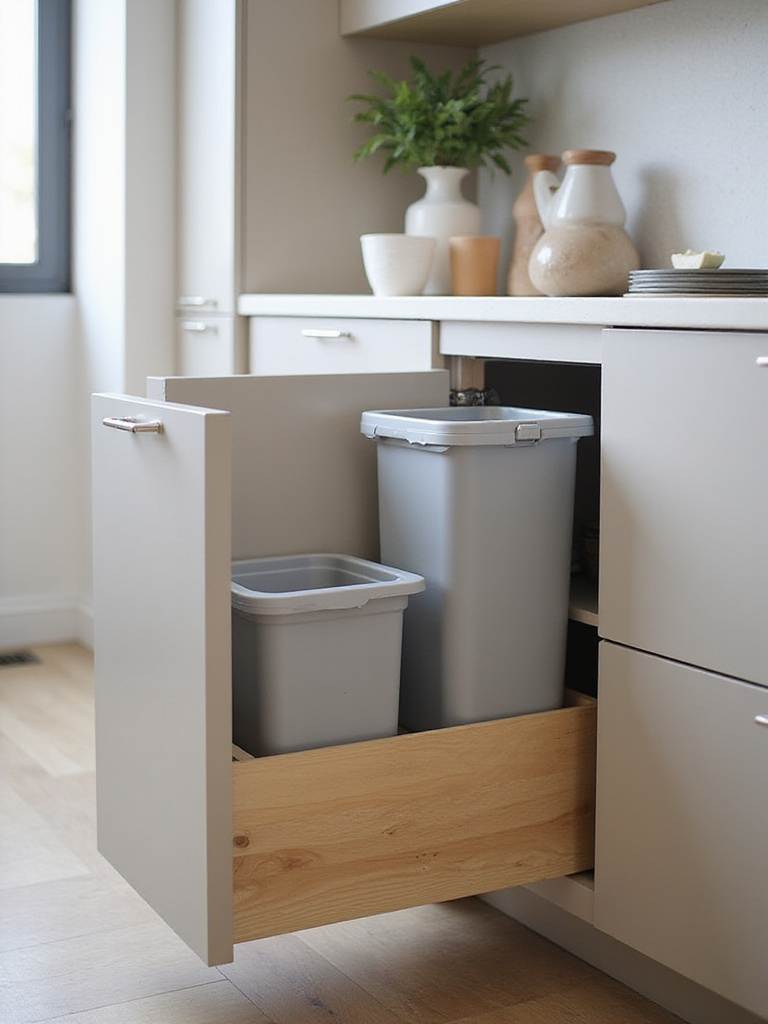
Think about your waste streams. Most of us have trash, recycling, and often compost. The best solution is a pull-out cabinet, typically near the sink and prep area, with dedicated bins for each category. It keeps everything hidden, contains odors, and makes sorting a simple, intuitive part of your cleanup routine.
When these systems are convenient, people are far more likely to use them correctly. By making it easy to recycle and compost, your kitchen design actively supports a more sustainable lifestyle. It’s a perfect example of my core belief: a truly luxurious space is one that is not only beautiful and functional, but also responsible.
Conclusion
In the end, remodeling your kitchen is a journey. It’s an exercise in self-discovery, a chance to define what a home that nurtures your soul really looks and feels like. The most successful kitchens I’ve designed are born from a deep understanding of the people who live in them—their rhythms, their passions, their vision for a better, more beautiful life.
Remember that you are crafting an experience, a personal retreat. By blending intelligent function, resilient and sustainable materials, and your own unique style, you’re creating more than just a room. You are cultivating the heart of your home, a space that will feed your family and your spirit for many years to come.