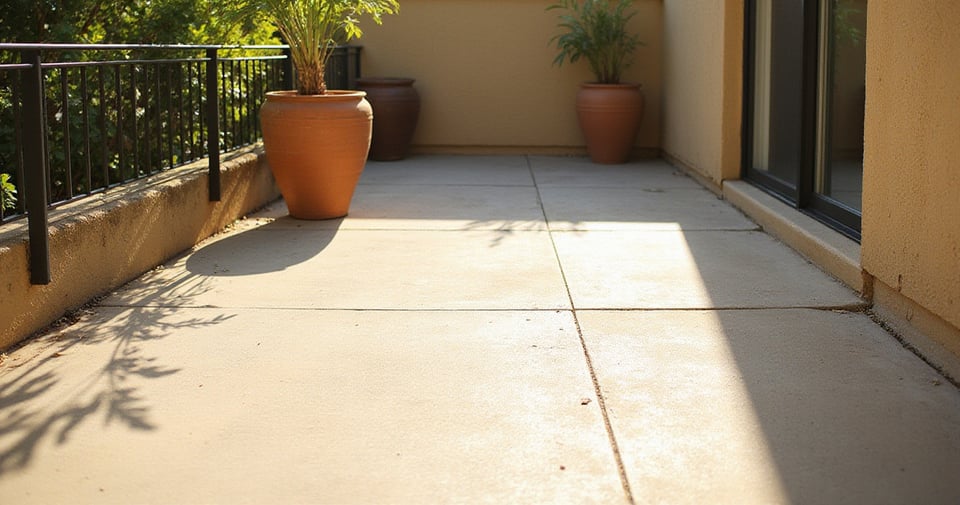
That small concrete slab outside your window? It’s not a dead space. It’s a canvas. I’ve spent my career bridging the gap between ancient Japanese principles and our chaotic, hyper-connected lives. And I’ve seen how even the smallest patio can become a living, breathing sanctuary. A place to disconnect from the digital and reconnect with something real.
Container gardening is the key. It’s democratic. It works for a sprawling terrace and for a tiny urban balcony that barely fits a chair. The goal isn’t just to grow plants; it’s to cultivate a space that quiets the noise. Let’s walk through how to create a patio garden that feels both abundant and intentionally serene.
1. Assess Your Sunlight: Find the Flow of Energy
The first, and frankly most crucial, step has nothing to do with buying plants. It’s about observation. I once worked with a client in a city high-rise who was convinced he had a “black thumb.” His expensive plants kept failing. The issue wasn’t his care; it was a simple mismatch of energy. His balcony got blistering, reflective sun for three hours mid-day and deep shade the rest of the time. We were asking shade-lovers to sunbathe.
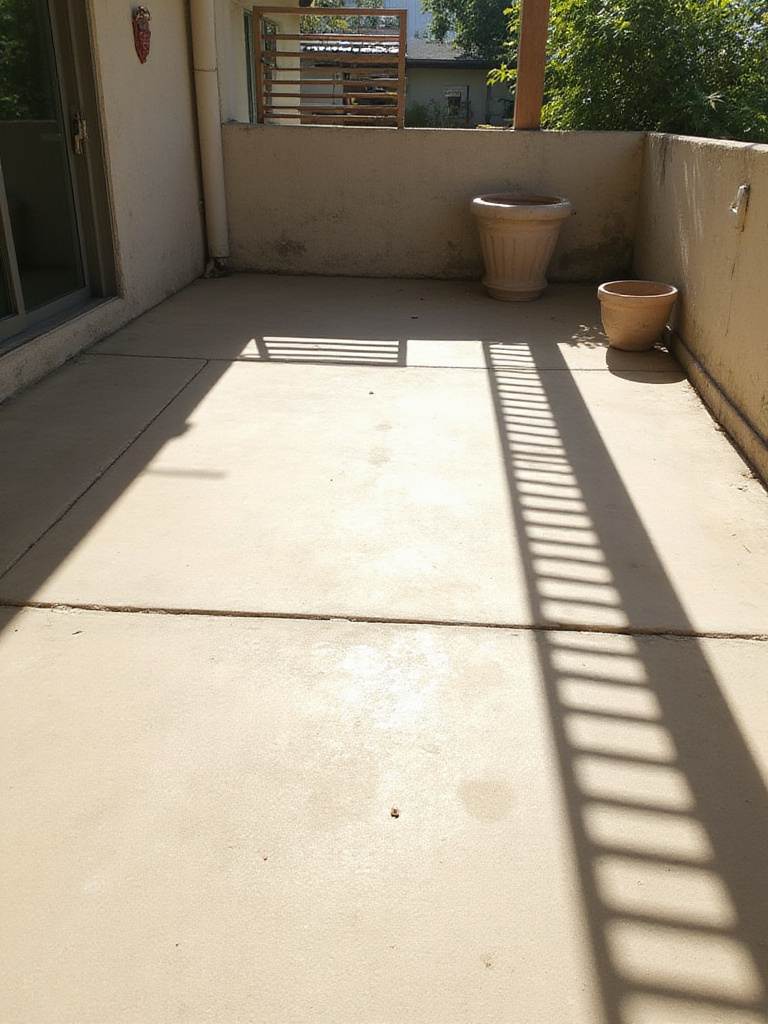
Before you do anything else, just watch. Where does the light land in the morning? Where is it at noon? Late afternoon? Take a day—a weekend, even—and just notice the flow. You can sketch a little map of your patio, marking areas as “Full Sun” (6+ hours of direct light), “Partial” (3-6 hours), or “Shade” (less than 3). This isn’t a chore. It’s the beginning of a relationship with your space.
This simple act of observation costs nothing, but it’s the foundation for everything that follows. It’s how you honor the plant by placing it where it can truly thrive.
2. Choose the Right Containers: The Vessel Matters
The container is more than just a pot. In Japanese design, the vessel is as important as what it holds. It is the architectural foundation for a small ecosystem. A pot that’s too small chokes the roots, creating stress. Too large, and it holds excess water, leading to rot. It’s a question of balance.
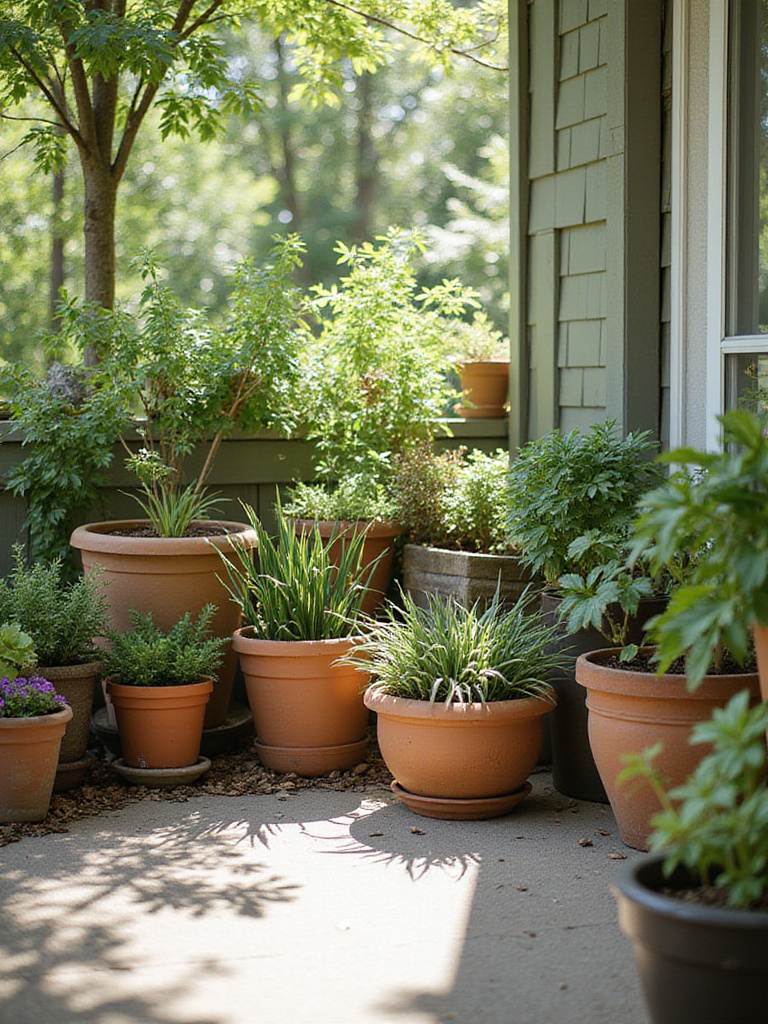
And drainage? This is non-negotiable. I cannot stress this enough. If a pot doesn’t have holes in the bottom, it’s a decorative holder—a cachepot—not a home for a plant. Without an exit route, water pools at the bottom, suffocating the roots. It’s the most common and heartbreaking way beginner plants die. I fell in love with a beautiful, seamless ceramic pot once, no holes. I use it to hold a simple plastic nursery pot inside. Function first, always.
Once you have a vessel that respects the plant’s need for air and water, you can consider what to fill it with. This choice is just as critical.
3. Select Quality Potting Mix, Not Garden Soil
Here’s a common and costly mistake: scooping soil from a garden bed into a pot. Don’t do it. I know it seems natural, but garden soil is completely wrong for a container. It’s heavy, it compacts with watering into a solid brick, and it often carries pests or weed seeds you don’t want. In the ground, earthworms and microbes create aeration. In a pot, you have to provide it.
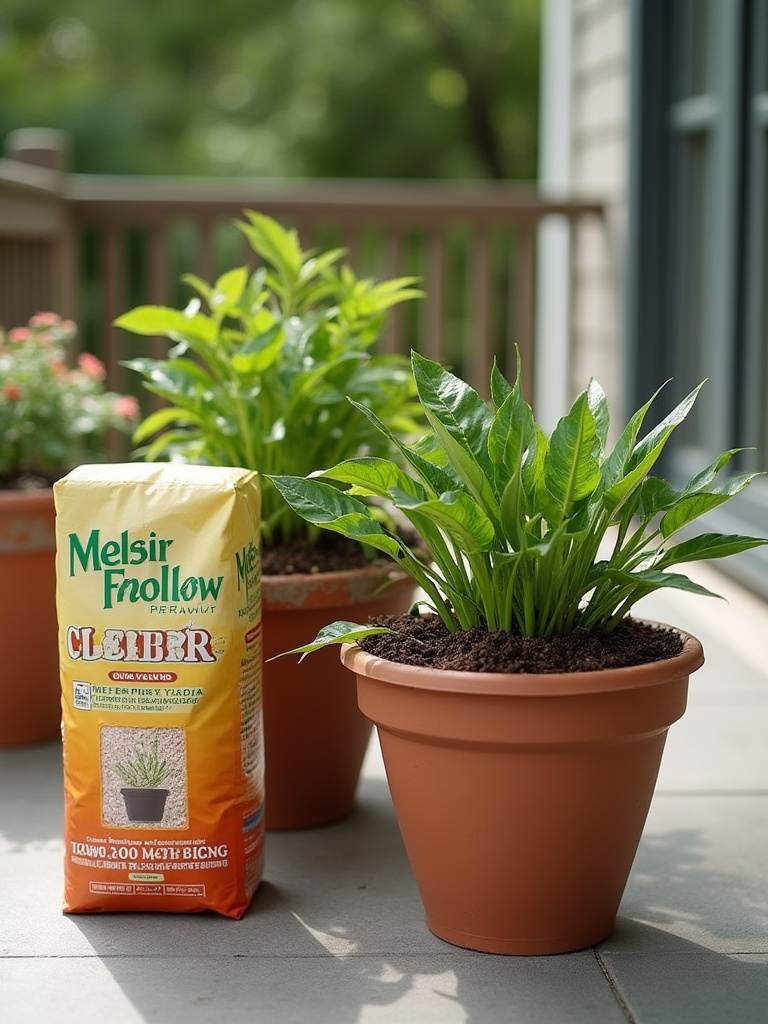
Quality potting mix is engineered for this. It’s light and sterile. It’s typically a blend of materials like peat moss or coconut coir for structure, perlite or pumice to create tiny air pockets for roots to breathe, and often a starter dose of nutrients. Think of it as investing in the internal architecture of your plant’s home.
Spending a little more on a good mix saves you countless headaches later. You’re setting up a system that is resilient and less prone to disease from the start.
4. Water Wisely: A Practice in Mindfulness
If there’s one area where people go wrong, it’s watering. We either kill with kindness (overwatering) or neglect (underwatering). The truth is, there’s no rigid schedule. How often you water depends on the pot, the plant, the weather, the time of year… it’s a dynamic process.
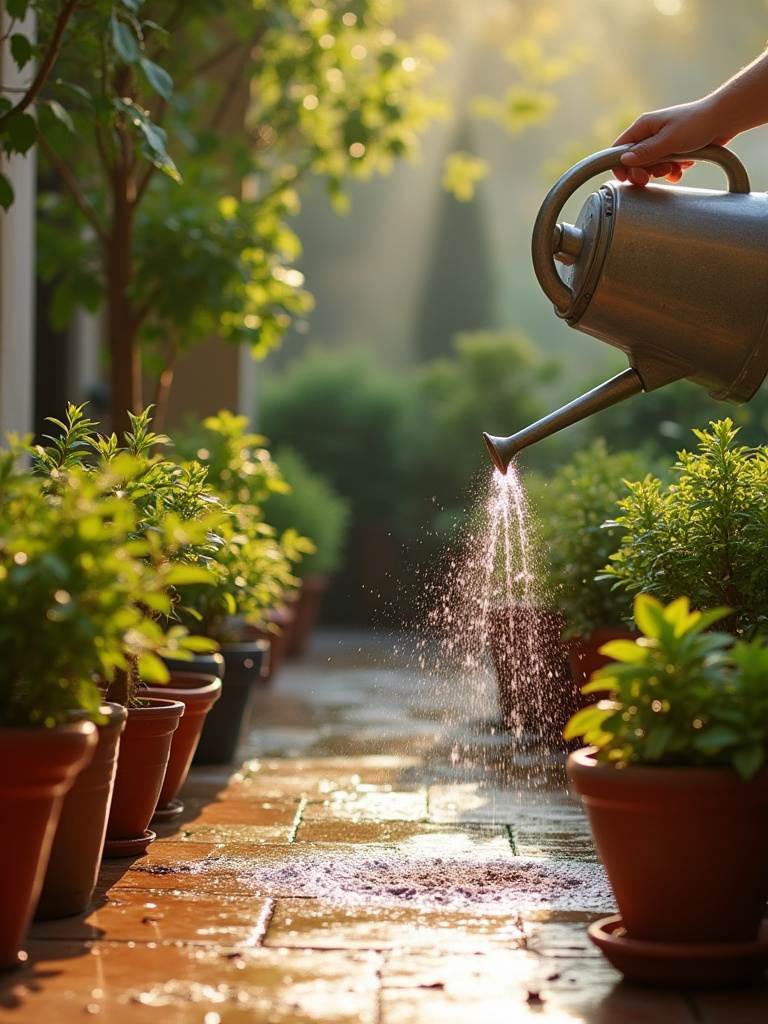
The best tool you have is your own finger. It’s simple, analog, and perfect. Stick your index finger about an inch or two into the soil. Is it dry? Time to water. Still feels damp? Wait. Check again tomorrow. This simple act connects you to the plant’s daily reality. When you do water, do it thoroughly. Water until it streams freely from the drainage holes. This encourages roots to grow deep and strong, rather than clustering weakly at the surface. Shallow, frequent sips create fragile plants.
What really works is grouping plants with similar thirst levels together. It’s a simple zoning trick. Your drought-tolerant rosemary and lavender can live together, while your thirsty mint and basil form another community. This way, your care routine becomes more efficient and a lot more intuitive.
5. Feed Your Plants: Less is More
A plant in a pot is like a resident on a small island. It only has access to the resources you provide. Every time you water, you’re not just giving it a drink; you’re also flushing a small amount of nutrients out of the soil. Eventually, the island runs out of food. That’s where fertilizer comes in.
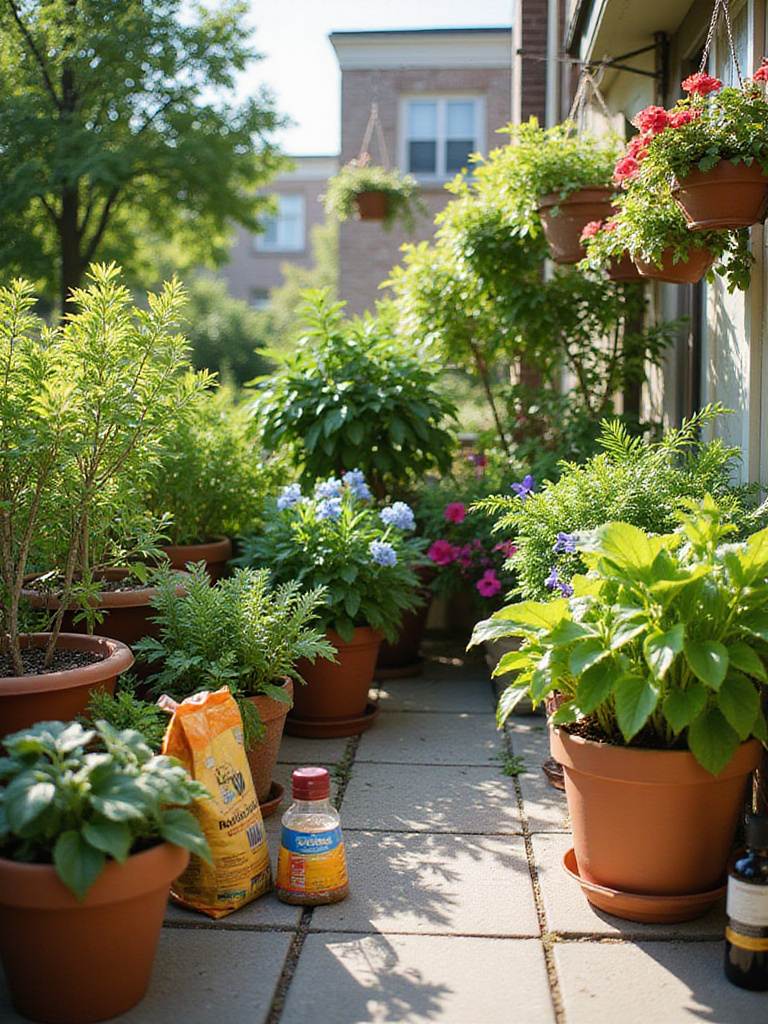
Don’t let the numbers on the bag intimidate you. The N-P-K ratio is just a recipe: Nitrogen (N) for green, leafy growth, Phosphorus § for roots and flowers, and Potassium (K) for overall resilience. A balanced, all-purpose fertilizer is usually fine. But the biggest mistake I see isn’t under-feeding; it’s over-feeding. People think they’re helping, but “feeding” a plant just means providing minerals. Too much burns the roots and can harm the environment.
Follow the package directions, and when in doubt, use less. A little goes a long way. Think of it as a quiet supplement, not a dramatic intervention. This minimalist approach is healthier for the plant and for the world around it.
6. Pick Your Players: The Right Plants for Containers and Climate
Not every plant wants to live in a pot. Some have aggressive root systems that are destined for open ground. The best container candidates are usually labeled as “dwarf,” “patio,” or “compact.” They have been bred for exactly this kind of life.
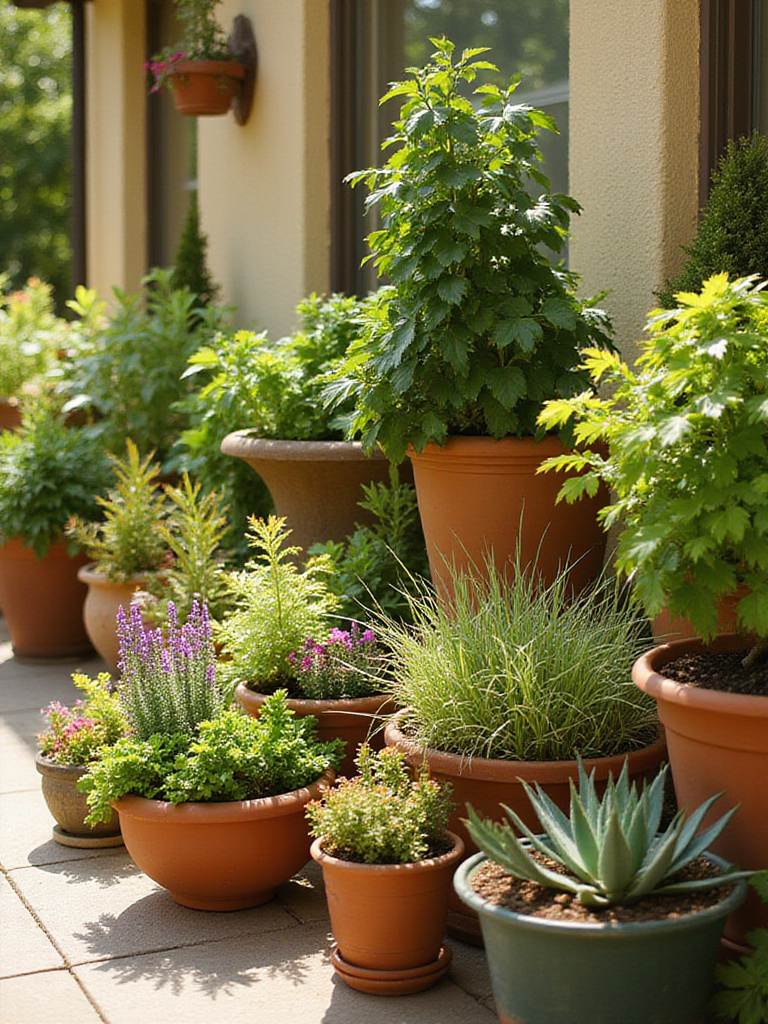
Beyond that, you have to be honest about your climate. Your USDA Hardiness Zone is a good starting point (a quick search online will tell you yours). It tells you which perennial plants can survive the winter cold in your area. But here’s an insider tip: for a potted plant you plan to leave outside all winter, choose something rated for at least one zone colder than yours. The soil in a pot freezes much faster and harder than the ground does.
A south-facing patio next to a brick wall can be a full zone warmer than a windy, north-facing corner of the same property. Pay attention to these microclimates. Choosing the right plant for the right place is an act of empathy.
7. Grow Edible Delights: The Shortest Supply Chain
There’s a unique satisfaction that comes from snipping herbs for dinner from a pot right outside your door. It’s a profound way to close the loop, connecting our screen-based work lives with the ancient practice of cultivation. Fresh herbs like basil, mint, and rosemary are incredibly easy and rewarding. Compact varieties of tomatoes, peppers, and lettuce also do brilliantly in pots.
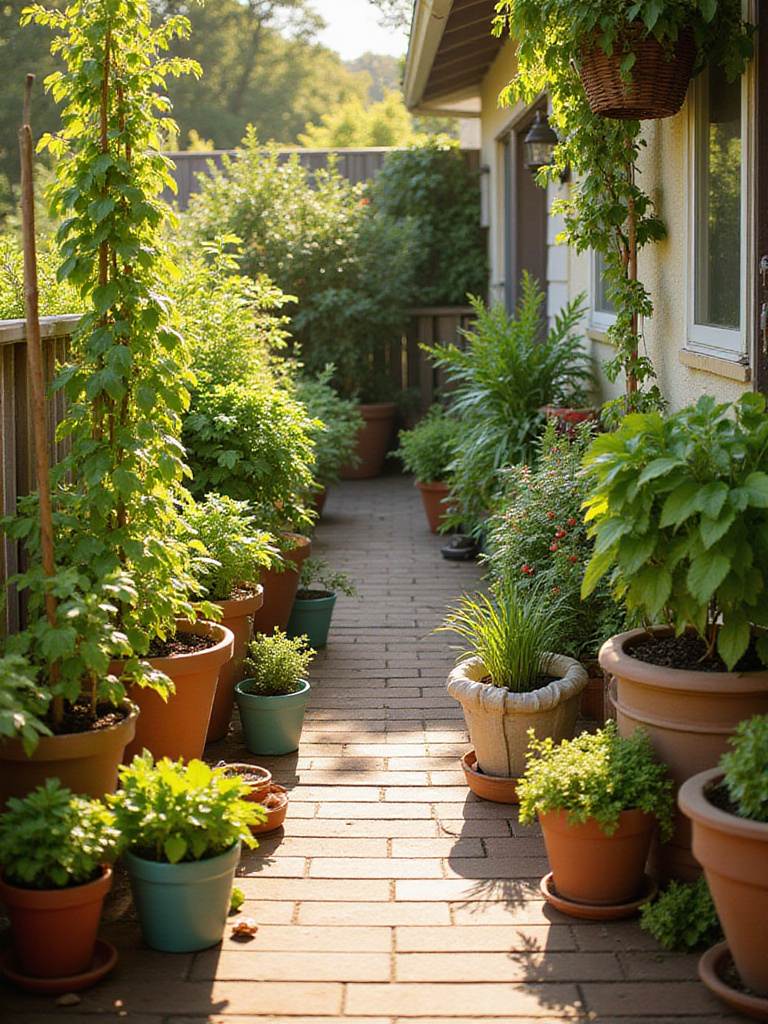
Most edibles are sun worshippers, so they’ll need a spot on your sun map that gets at least 6-8 hours of direct light. They are also often heavy feeders, so a good potting mix enriched with compost is a great idea. You have to keep them consistently watered, especially when they start producing flowers or fruit.
When clients worry about limited space, I always point them upwards. A simple trellis for climbing beans or cucumbers, or a hanging basket for strawberries, uses vertical space. It’s an incredibly efficient use of a small footprint that keeps the clean, uncluttered aesthetic of a modern zen space.
8. Add Beauty with Flowers: Annuals & Perennials
Flowers are the emotion of the garden. But a beautiful floral display isn’t just a happy accident; it’s designed. A mix of annuals (which live for one season) and perennials (which return year after year) gives you the best of both worlds: the reliable structure of perennials and the vibrant, season-long color of annuals.
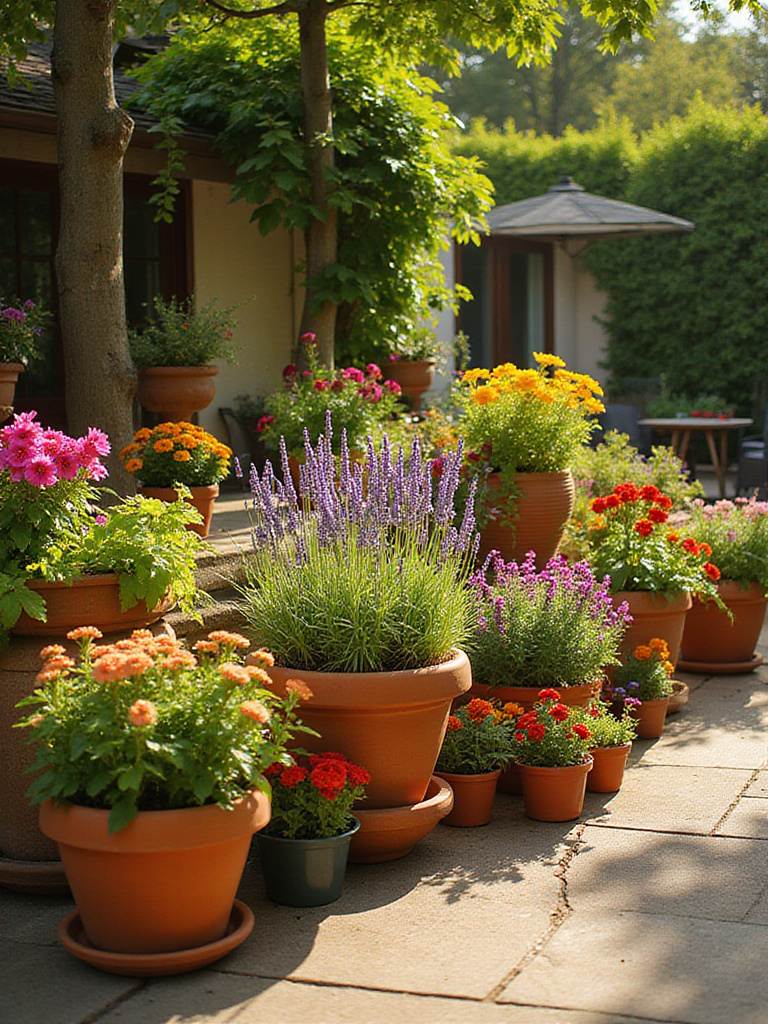
A classic design trick that works every time is “thriller, filler, spiller.” For a larger pot, you plant a tall, dramatic “thriller” in the center (like a grass or canna lily), surround it with mounding “fillers” (like petunias or coleus), and add “spillers” that cascade over the edge (like sweet potato vine or calibrachoa). It creates instant dimension and looks incredibly professional.
Color is a tool. A monochromatic scheme of whites and greens can feel incredibly serene and sophisticated. A pop of complementary orange and blue creates energy. It’s about setting an intention for how you want the space to feel.
9. Create Structure with Small Trees or Shrubs
Seasonal flowers are wonderful, but a patio with only low-lying plants can feel flat. Woody plants—small trees and shrubs—are the architectural bones of your garden. They add height, create focal points, and provide interest even in the dead of winter. A well-placed Japanese Maple or a dwarf conifer can transform a simple patio into a three-dimensional room.
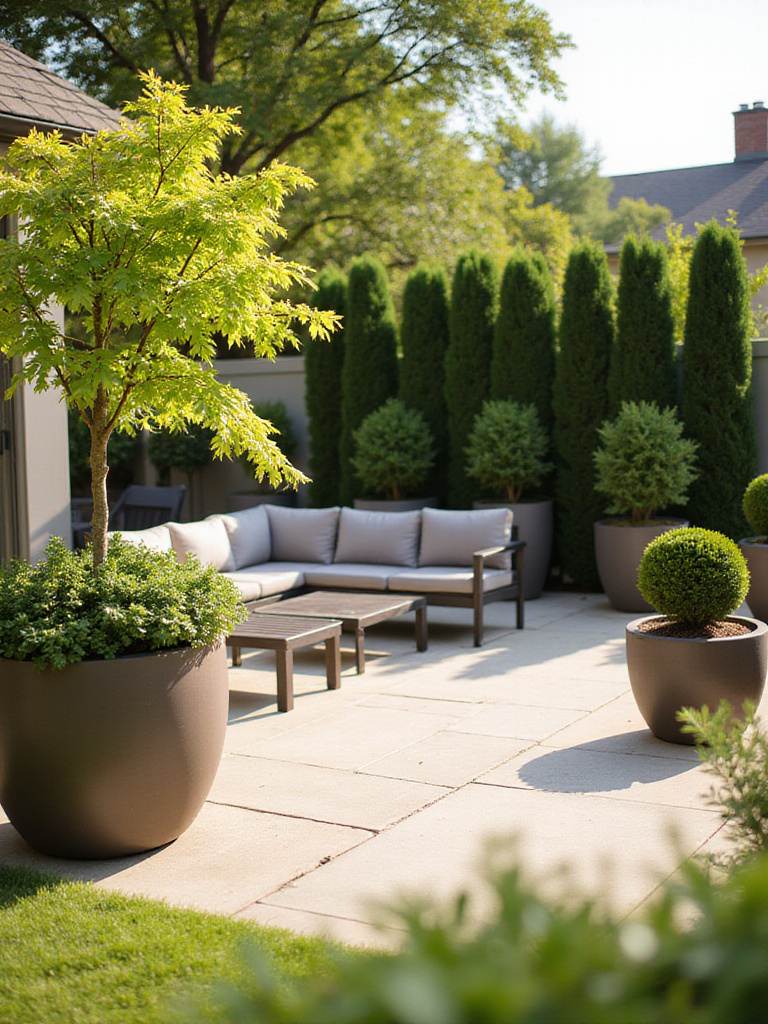
When you’re choosing, look for words like “dwarf,” “columnar,” or “slow-growing.” You want a plant that won’t outgrow its container in a single season. The pot itself needs to be substantial enough to anchor the plant and give its roots room to grow for a few years.
These structural plants do more than just look good. They can buffer wind, create pockets of shade for other plants, and provide a sense of enclosure and privacy. They anchor the entire design.
10. Go Vertical: The Art of Negative Space
In traditional Japanese design, there’s a concept called ma—the purposeful use of negative space. The empty space is just as important as the object. This feels counterintuitive when you have a tiny patio and want to cram in as much green as possible. But it’s essential for creating a sense of calm.
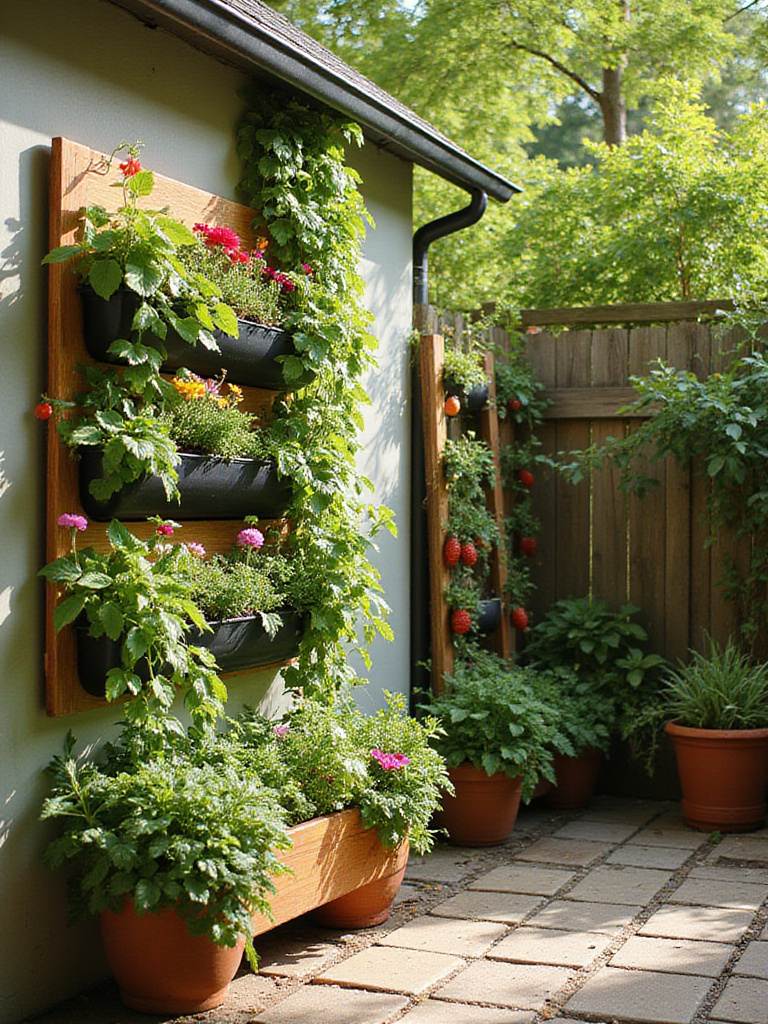
Vertical gardening is the perfect expression of this. By using walls, railings, and trellises, you draw the eye upward and multiply your growing area without cluttering the floor. This preserves that precious ma. Your patio feels lush, but also open and breathable. Wall-mounted planters, tiered stands, or hanging baskets are all great options.
Even in a dense vertical planting, leaving a little room around each plant allows its individual form to be appreciated. It’s not about maximizing quantity; it’s about highlighting quality and intention.
11. Group Wisely: Create Plant Communities
Trying to care for a dozen different plants with a dozen different needs is a recipe for burnout. The key is to simplify your system. Group plants with similar needs together. It’s like creating little micro-communities on your patio.
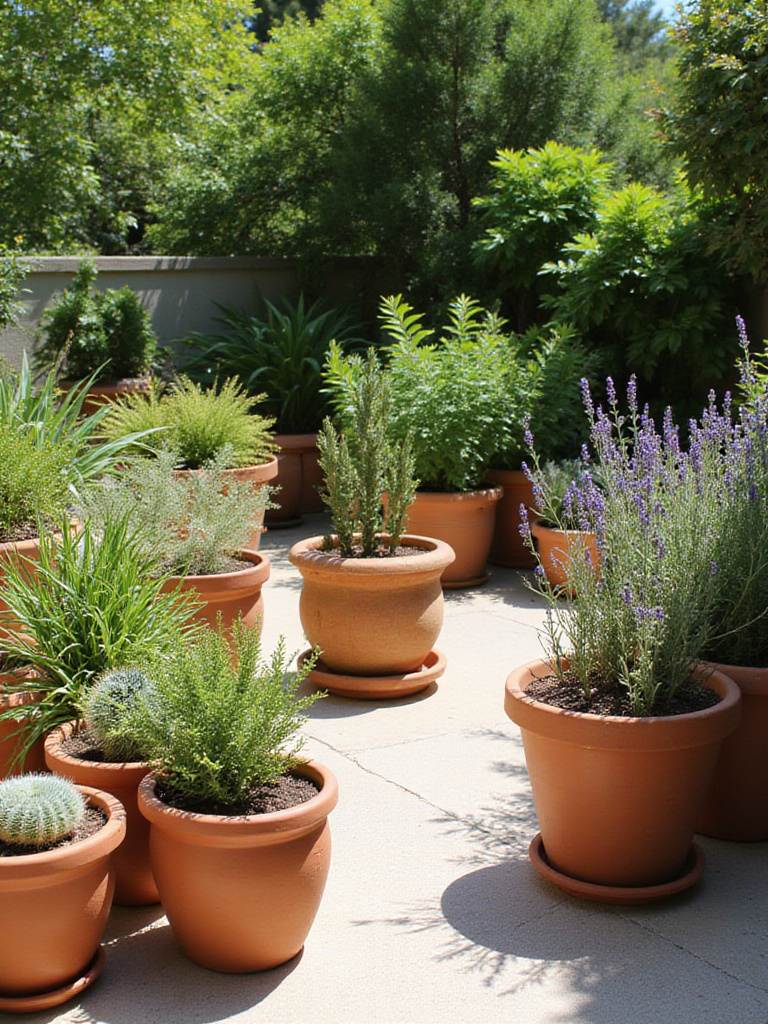
Think of it as zoning. You have your “Mediterranean Corner” with sun-loving, drought-tolerant plants like lavender and rosemary that you barely have to water. Then you have your “Shade Nook” with ferns and coleus that appreciate consistent moisture. You can water and feed each zone as a whole, rather than trying to remember the specific needs of every single pot.
This simple act of organization transforms a high-maintenance collection of individuals into a low-maintenance, harmonious system. Your plants will be healthier, and so will your state of mind.
12. Monitor for Pests: The Mindful Walkthrough
The best way to deal with pests and diseases is to catch them before they become a real problem. This doesn’t have to be a clinical, laborious task. Make it a mindful ritual. Once a week, take your morning tea or coffee and just walk through your patio garden.
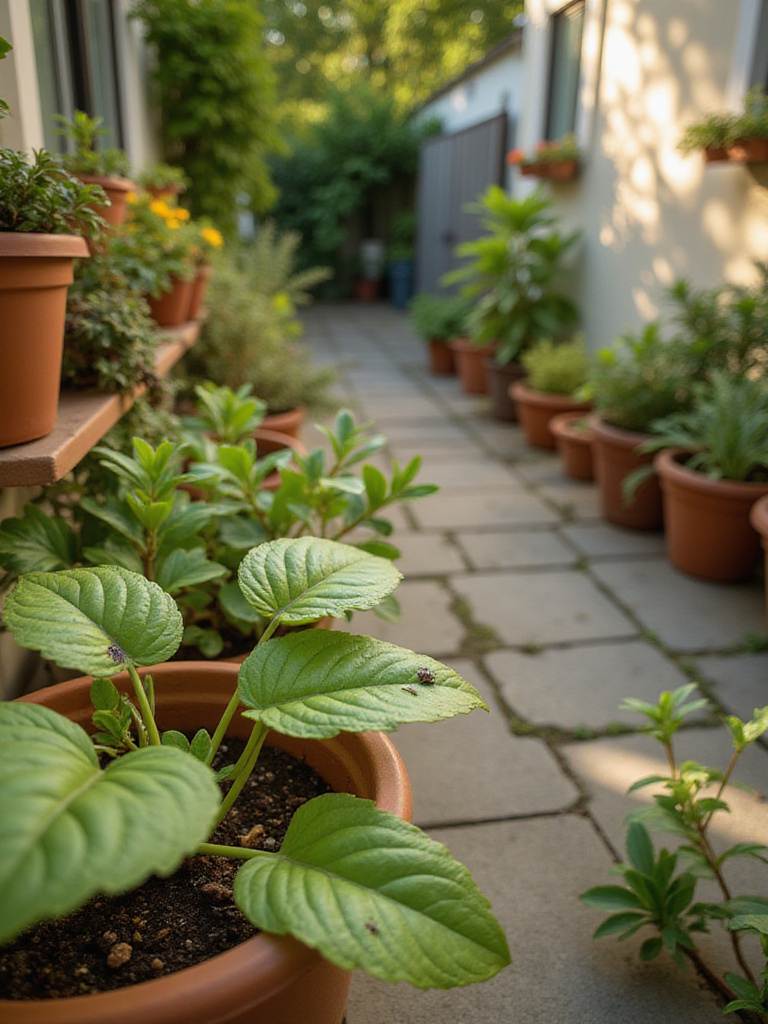
Look closely. Check under the leaves. Look at the stems. Notice any discoloration, sticky spots, or tiny webs. Early detection is everything. A few aphids can be blasted off with a simple spray of water. A single leaf with powdery mildew can be snipped off. When you catch things early, you can almost always use gentle, non-chemical solutions.
Healthy, happy plants are remarkably good at defending themselves. This regular, quiet observation is your best tool for ensuring they stay that way.
13. Use Mulch: The Unsung Hero
Mulch is so much more than a decorative topping. On a functional level, it’s a game-changer for containers. A one-inch layer of shredded bark or cocoa hulls on top of the soil dramatically slows down evaporation, which means you water less. It also acts as an insulator, protecting roots from scorching summer heat and winter cold.
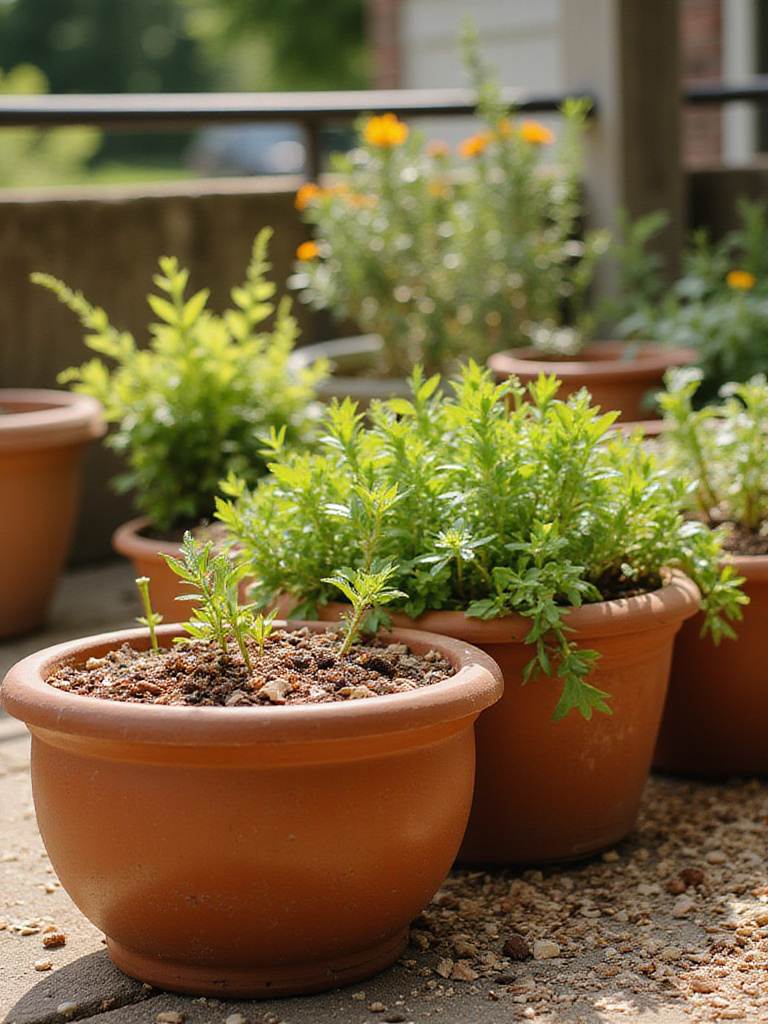
But on an aesthetic level, it’s a powerful design tool. The right mulch can unify a collection of disparate pots, providing a common visual thread. The texture of small pebbles or the deep color of dark bark can provide a beautiful contrast to the foliage of your plants.
Think of mulch as the final layer that ties the whole composition together. It’s a simple addition that adds a professional, finished look while making your job easier.
14. Prune and Deadhead: The Art of Subtraction
In our culture of more, more, more, the act of subtraction is a powerful discipline. Pruning and deadheading are just that. They are not about harming the plant; they are about helping it focus its energy. When you snip off a spent flower (deadheading), you stop the plant from putting energy into making seeds and encourage it to produce more blooms instead.
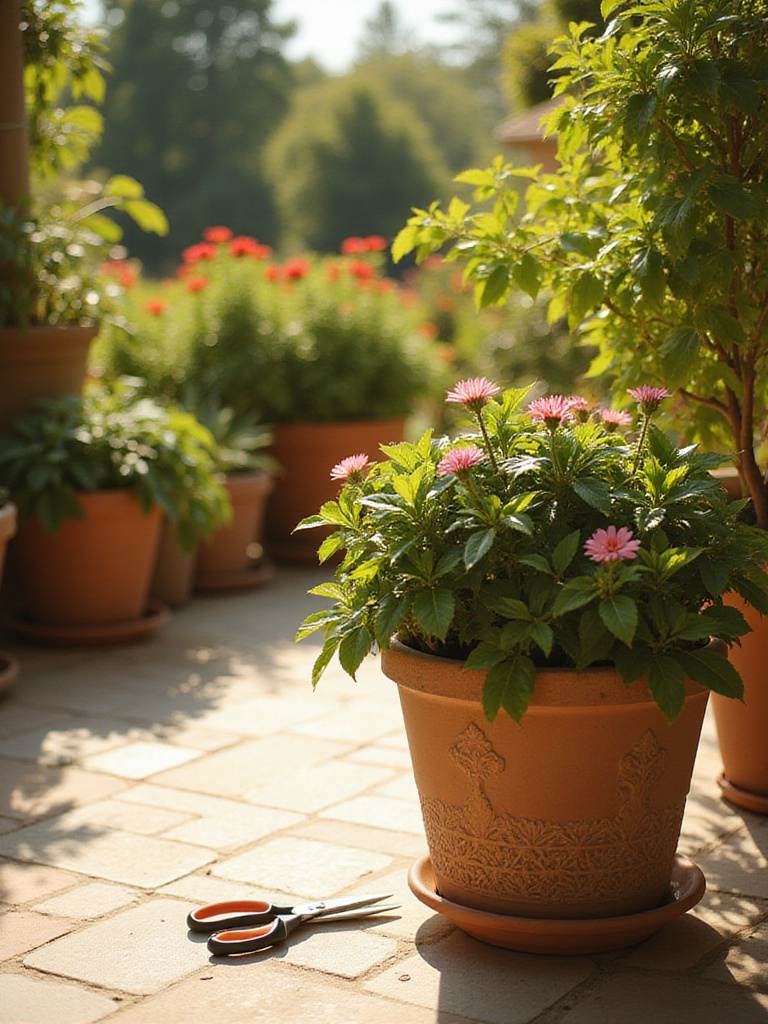
Pruning away dead or crossing branches improves air circulation, which prevents disease. It also helps you shape the plant with intention. This practice is deeply rooted in the Japanese art of niwaki, or “sculpting” trees. The goal is not to force a plant into an unnatural shape, but to thoughtfully remove what is unnecessary to reveal its essential character and beauty.
With a sharp, clean pair of snips, this regular maintenance becomes a meditative act—a small, satisfying ritual that results in a healthier and more beautiful garden.
15. Rethink Drainage Saucers: Function as Form
Drainage saucers are essential. They protect your deck or patio from water stains and rot. Simple. But they can also be a hidden danger. A pot sitting in a saucer full of water will lead to root rot, fast. The rule is to empty any standing water about 30 minutes after watering.
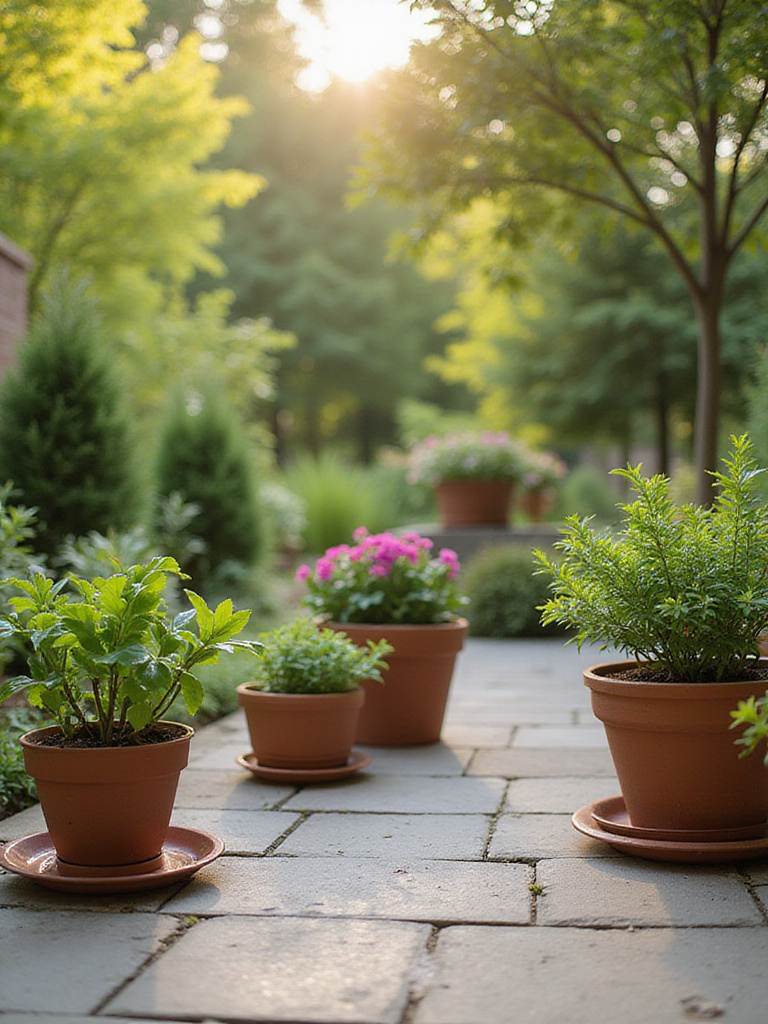
But here’s how you can turn this chore into a feature. Place a layer of small pebbles or stones in the saucer before setting the pot on top. This elevates the pot above the collected water, keeping the roots safe. As the water in the saucer evaporates, it creates a little humid microclimate around the plant, which many tropicals love.
And don’t just grab the cheapest clear plastic saucer. Choose one that complements the pot. A simple terra cotta saucer for a terra cotta pot. A sleek, dark slate tile for a modern container. The saucer is part of the whole composition. Make it intentional.
16. Design for Aesthetics: Declutter Your View
A great patio garden isn’t a random jumble of plants. It’s a composition. This is where digital minimalism and garden design share a common soul. Intentional choices create harmony. Think about three things: color, texture, and height.
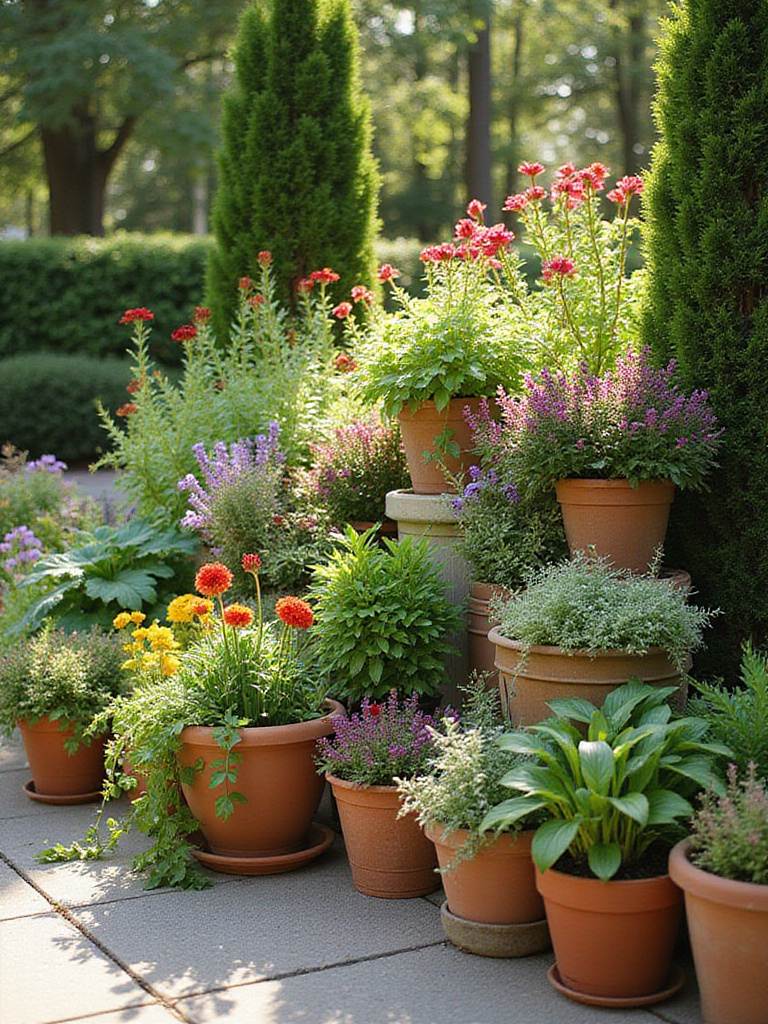
- Color sets the mood. Cool blues, purples, and greens feel calm and serene. Hot reds, oranges, and yellows feel energetic and vibrant.
- Texture adds depth. Pair a bold, glossy hosta leaf with a fine, feathery fern. The contrast makes both more interesting.
- Height prevents a flat, boring look. Use tall grasses, mid-size mounding plants, and trailing vines to create layers and draw the eye through the space.
Just as you’d declutter your digital desktop to improve focus, you declutter your patio’s composition to create tranquility. Remove what isn’t working. Highlight what is. The result is a space that feels calm and cohesive.
“Digital minimalism and garden design share a common principle – intentional choices create harmony. Remove what doesn’t serve the composition, highlight what does.” – Kai
17. Check the Patio’s Drainage: The Big Picture
You can have perfectly draining pots, but if your entire patio turns into a shallow lake every time it rains, your plants are still at risk. Look at the big picture. Ideally, your patio should have a gentle slope—about a quarter-inch per foot—directing water away from your home.
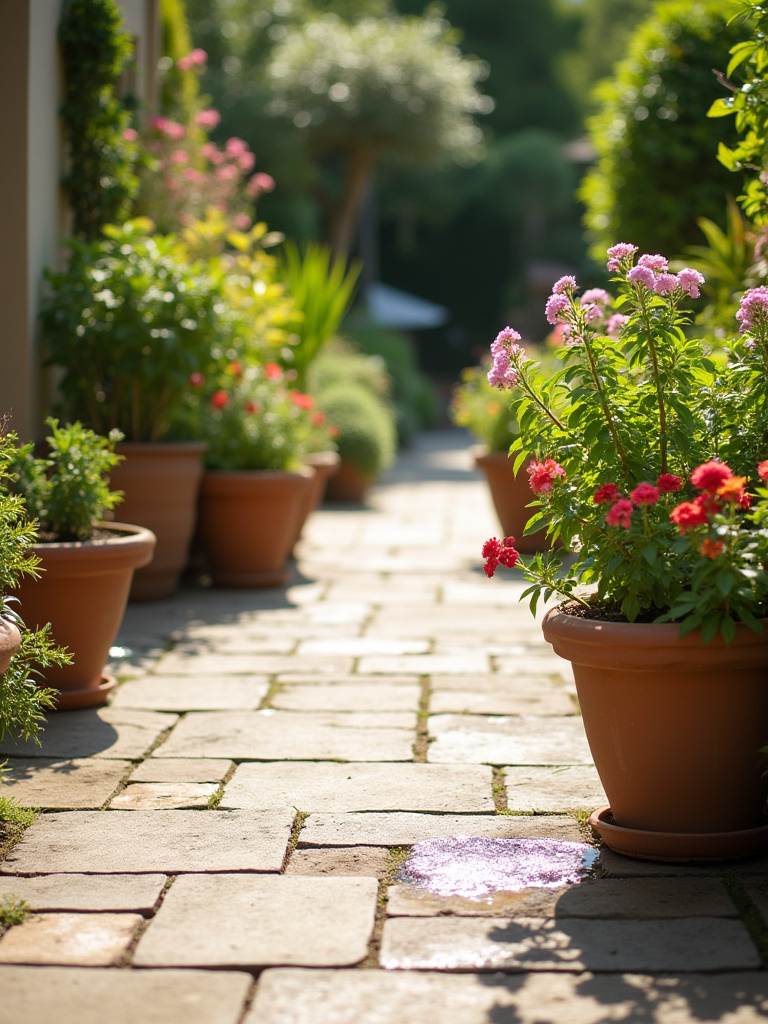
If you have low spots where water constantly pools, address them. Sometimes the solution is as simple as placing your pots on small “feet” or wheeled stands to elevate them above the puddles. For more serious issues, you might need to look into a more permanent fix, but acknowledging the problem is the first step.
Getting this right is foundational. A plant that is constantly oscillating between being waterlogged and bone-dry is a plant under constant stress. Solving this unglamorous, foundational issue is key to long-term success.
18. Plan for Winter: The Rhythm of the Seasons
In our always-on world, it’s easy to forget about seasons. A garden forces you to remember. Plants in containers are more exposed to the cold than plants in the ground, so you need a winter plan. This is part of the mindful cycle of gardening.
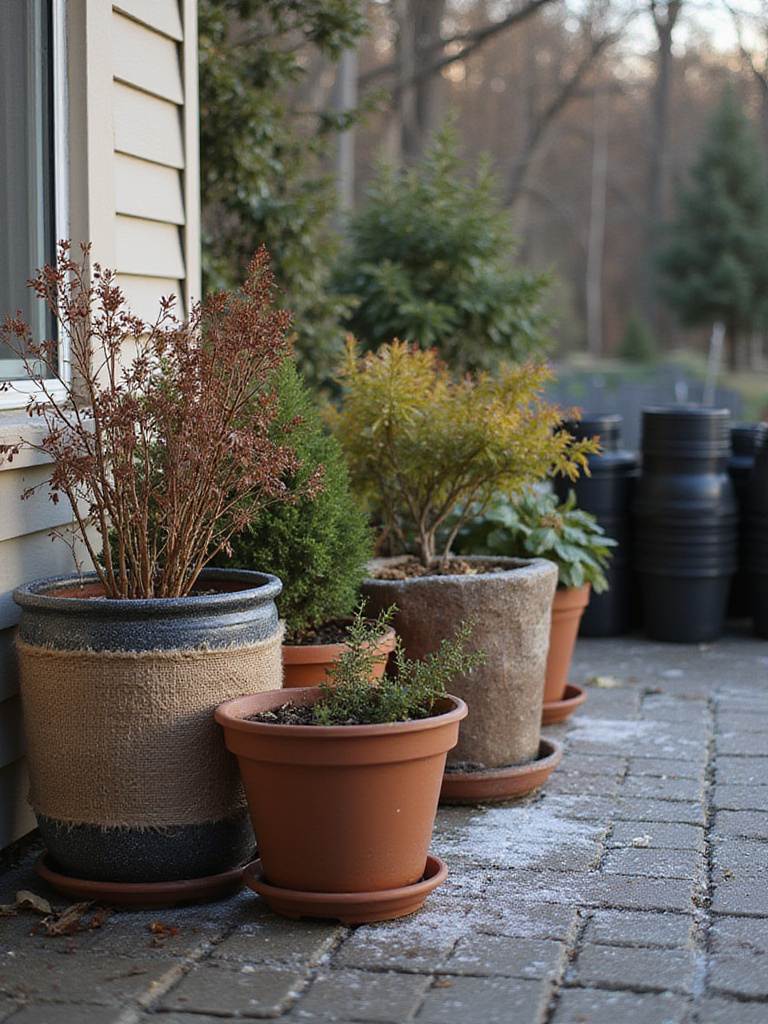
You have three basic options. You can bring tender plants indoors to a sunny window or basement with a grow light. You can protect hardier plants outdoors by grouping them together against a sheltered wall and wrapping the pots in burlap or bubble wrap. Or, you can simply treat some plants as annuals, composting them at the end of the season and starting fresh in the spring. There’s no right or wrong answer; it’s about what works for you and your specific plants.
Start thinking about this in late summer. Stop fertilizing about 6-8 weeks before your first frost to allow the plants to harden off. This seasonal thinking connects us to a natural rhythm that our digital lives often obscure.
19. Try Companion Planting: A Functional Ecosystem
Companion planting is an ancient idea that works beautifully in the concentrated environment of a container garden. It’s the practice of pairing plants that help each other out. A tiny, self-supporting community.
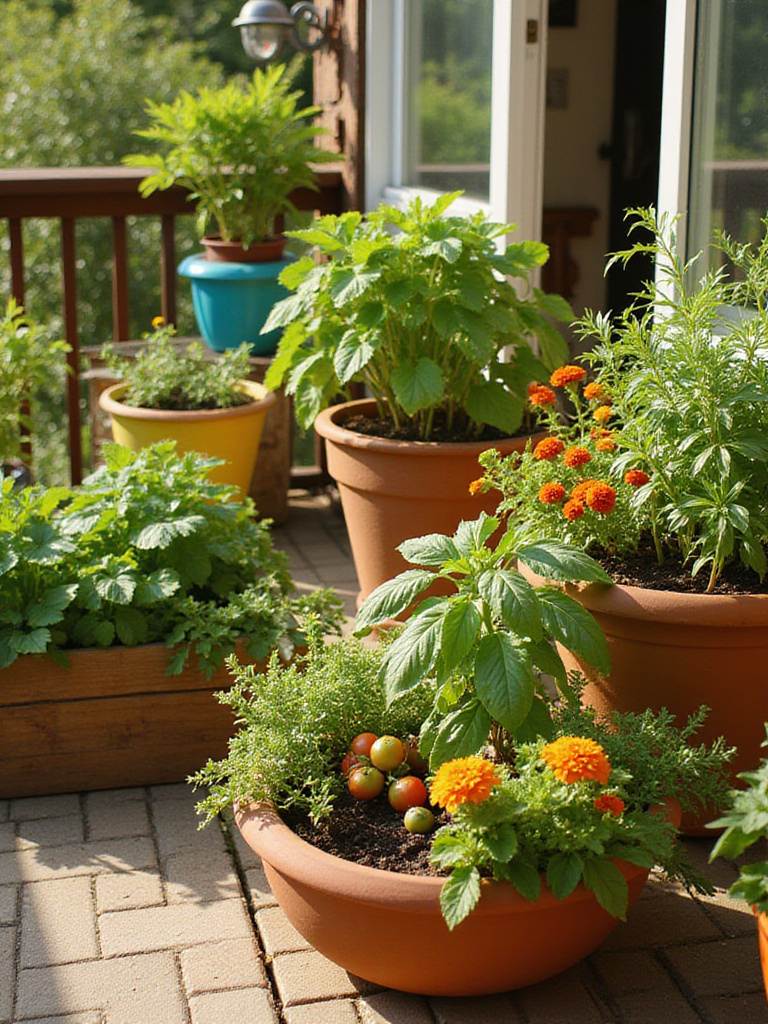
Classic examples work perfectly in pots. Planting basil with your tomatoes is said to improve the flavor of both. Marigolds are known to repel certain pests from vegetables. Planting fragrant herbs around the base of a larger plant can help confuse insects looking for a meal. It’s an elegant, integrated system.
This isn’t just about chemistry; it’s about creating a more resilient, dynamic ecosystem. Instead of a single plant in a pot, you have a small community working together. It’s a smarter, more holistic approach that requires less intervention from you.
20. Enjoy Your Oasis: Schedule Time for Stillness
You’ve done the work. You’ve mapped the sun, chosen the pots, mixed the soil, and curated the plants. Now for the most important step: Make time to simply be in the space you’ve created. This isn’t a luxury; it’s the entire point.
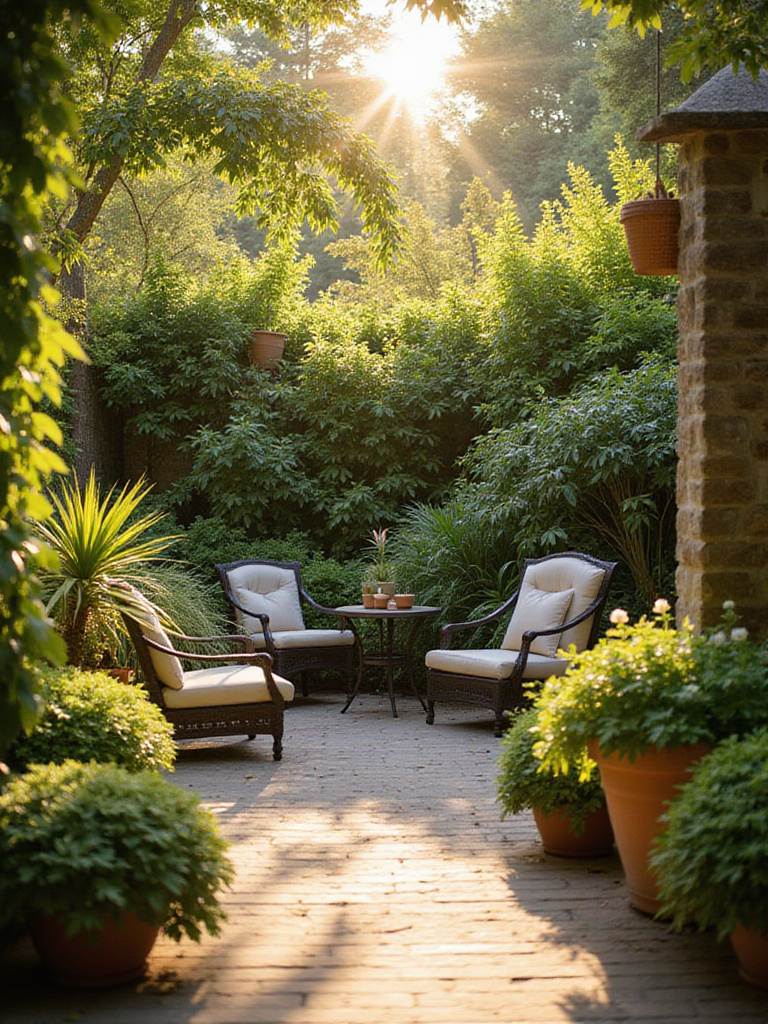
Intentionally schedule five or ten minutes to just sit on your patio. No phone. Just you, a cup of tea, and the garden. Watch how the light filters through the leaves. Notice a new bud about to open. Listen to the sound of the wind in the grasses. These moments of quiet observation are a powerful antidote to digital overwhelm. They ground you.
This is the return on your investment. In nurturing this small patch of green, you’ve created a sanctuary. You’ve brought the ancient, calming principles of zen into the context of your modern life.
The Garden as an Anchor
Your patio garden is now more than just a collection of plants. It’s a practice. It’s a statement of intention in a world that constantly demands our attention.
The journey of gardening is a slow, iterative process. There will be successes and there will be failures. Embrace them both as feedback. The mindful attention you offer your plants is a gift you give yourself—a recurring appointment to connect with the natural rhythms that steady us. In a life of pings and notifications, this living, breathing space is your anchor. It’s where the wisdom of the old world provides balance for the new.