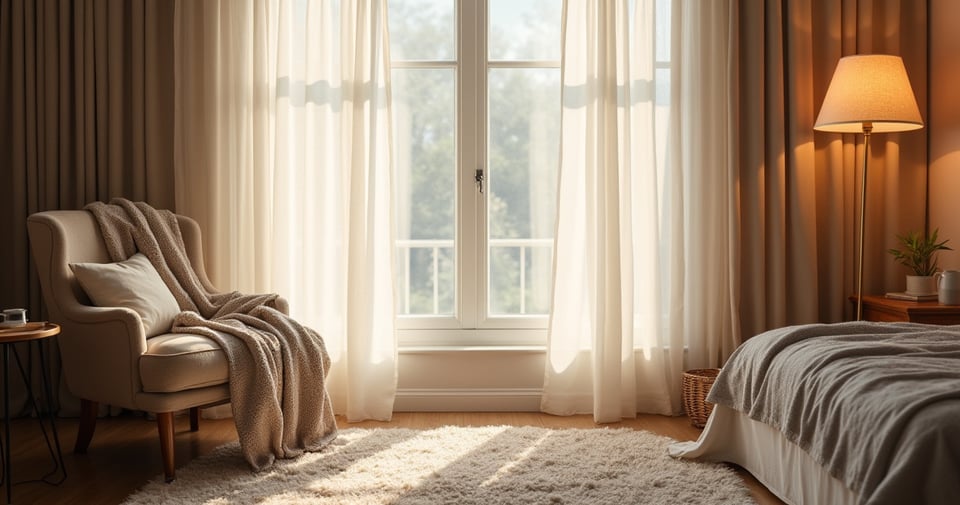
Can we talk about why everyone gets “cozy” wrong?
People see a photo on Instagram and think the answer is to buy more. More pillows, more chunky-knit blankets, more stuff. They’re trying to add a feeling to a room, but they end up just adding clutter. And clutter is the enemy of calm. The most serene, truly restful bedrooms I’ve helped design spent less time on accumulation and more time on subtraction.
It’s not about having an ‘eye for design’. It’s about a system. A framework for thinking about your space not as a container for things, but as a tool for your well-being. It’s about creating a low-signal environment in a high-noise world. These 20 principles teach you to think with intention, blending timeless wisdom with the technology we use every day.
Planning for Ultimate Coziness (Part 1)
Before you buy a single thing, we need to create the canvas. This is the most important part, the one everyone skips. We’re not just looking at a room; we’re establishing its foundational energy. This is about shaping the space, the light, and the color to create a container for quiet, so everything else we add later will feel purposeful, not chaotic.
1. Assess Your Current Bedroom’s Cozy Potential
The common mistake is to start by looking for inspiration outside your room. You open Pinterest. You start shopping. Stop. The real first step is to sit in your current bedroom, in silence, with your phone in another room. For ten minutes. Just be there. What do you feel? Is it the hum of the street traffic? A draft from the window? The harsh glare of the overhead light? That’s your real starting point.

True coziness doesn’t come from a shopping cart; it comes from eliminating the subtle frictions that drain your energy. Before you can add calm, you must identify what’s causing the stress. Your room is already telling you what it needs, but you can’t hear it over the noise of your daily life and the impulse to consume. The real potential isn’t in what you can add, but in what you can take away to let the room breathe.
Once you’ve defined the room’s energy and flow, you can begin to work with the core elements that shape perception and mood. The most powerful of these is color, which speaks a language older than words.
2. Master the Warm Color Palette for Instant Snugness
Warm colors aren’t just about aesthetics; they’re about psychology. Cool tones like stark white or gray can feel clean, but they often read as sterile and architectural, which isn’t what we want for a space of rest. Warm palettes—think muted terracotta, soft creams, earthy browns, and deep ochre—feel like a physical embrace. They absorb light rather than reflect it harshly, creating a sense of enclosure and safety.
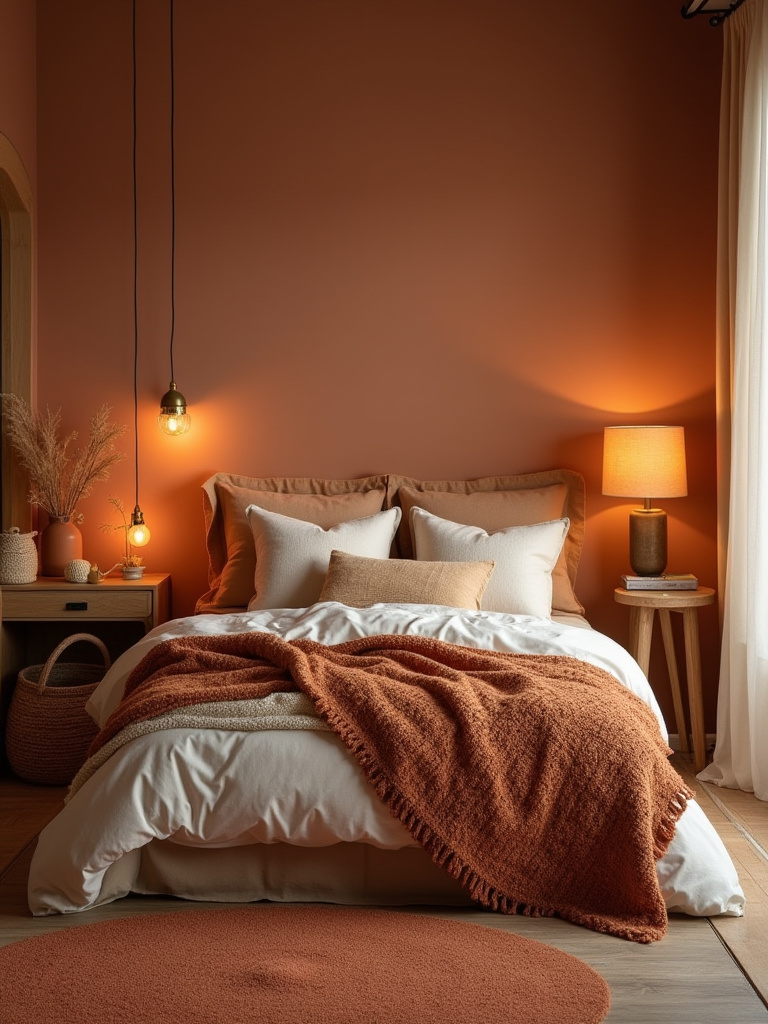
The mistake people make is going too bright. A vibrant orange is stimulating, not relaxing. We’re not aiming for energy; we’re aiming for a low hum. The secret is to choose colors with earthy, muted undertones. Think of natural materials: clay, sand, wood, dried grasses. Use a soft, warm neutral on the walls as your base, then layer slightly richer tones through your textiles. It’s about building a feeling of warmth, not just a color scheme.
Color sets the mood, but the physical boundaries of the room are defined by what’s inside it. How we arrange these objects determines our sense of freedom or confinement.
3. Optimize Furniture Layout for Intimate Zoning
In Japanese design, we have a concept called Ma (間). It refers to the empty space, the interval. It’s not just nothingness; it’s a critical element of the whole. People fill their rooms until there’s no Ma left. Pushing all the furniture against the walls to maximize the empty space in the middle is a classic mistake. It creates a dead zone that feels formal and uninviting.

Instead, think about creating zones. Your bed should be the secure anchor, preferably against a solid wall. Then, you can use other elements—an armchair, a small rug, a low bench at the foot of the bed—to create a subtle psychological boundary. This creates a cozy “zone within a zone.” The goal is to feel gently enclosed, like you’re in a cocoon, not on display in an empty field. Good flow and negative space are what allow you to move and breathe freely, making the room feel both spacious and intimate.
The final foundational layer isn’t physical at all, but it has the most profound impact on our biological state of being: light.
4. Layer Ambient Lighting to Create a Soft Glow
The single overhead “big light” is the biggest offender in modern bedroom design. It’s harsh, it casts unflattering shadows, and it signals “daytime” to your brain, disrupting your circadian rhythm. True ambiance comes from layering multiple sources of light at different heights. This mimics the gentle, diffuse light found in nature at dusk, signaling to your body that it’s time to unwind.
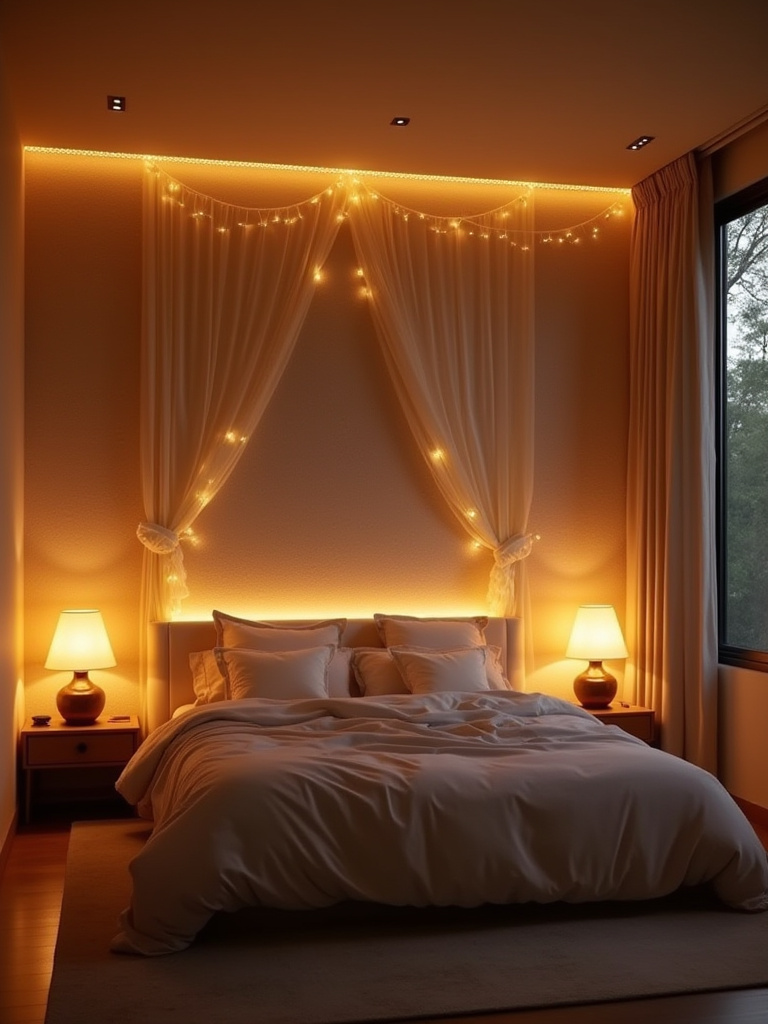
The shortcut I wish everyone knew is to put a dimmer switch on everything. But beyond that, aim for at least three points of light: a bedside lamp for reading, a floor lamp in a corner for a soft upward glow, and maybe a small accent light on a dresser. Use warm-temperature bulbs (around 2700K) to emit a soft, amber light, not the sterile blue-white of an office. The goal isn’t to eliminate darkness but to dance with it, creating pools of soft, inviting light that make your space feel safe and serene.
Planning for Ultimate Coziness (Part 2)
Now that the physical space is planned, we address an element that is felt more than it’s seen: silence. A room can look perfect, but if it’s filled with auditory or visual noise, it can never be a true sanctuary. Creating a quiet zone is a non-negotiable step toward genuine tranquility.
5. Prioritize Quiet Zone Design for Tranquil Rest
Your ears don’t have eyelids. Even when you’re asleep, your brain is processing sound, and unexpected noises can pull you out of deep rest. Creating a quiet zone is as much about sound absorption as it is about soundproofing. Hard surfaces—hardwood floors, bare walls, large windows—bounce sound around, creating an echoic, alert environment.
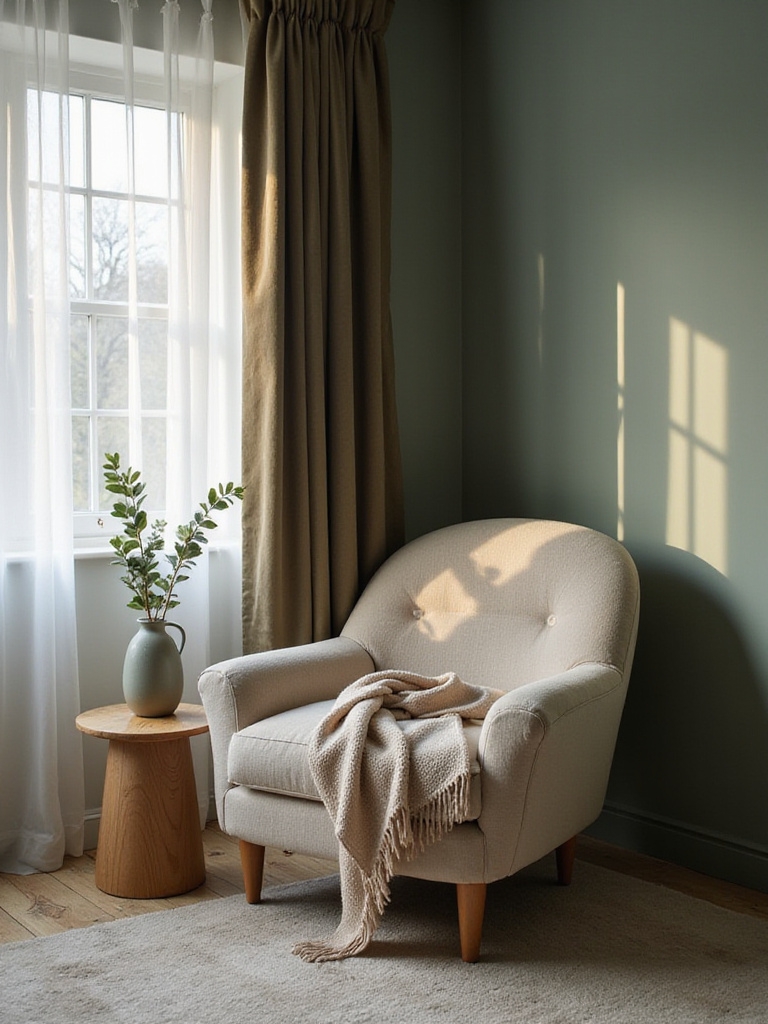
The solution is to add softness. A thick, plush rug is the number one thing you can do to dampen sound in a bedroom. Heavy curtains, an upholstered headboard, even a tapestry or a bookshelf full of books—these all absorb sound waves instead of reflecting them. Beyond sound, consider visual quiet. Clutter is visual noise. Keep surfaces clear. A space that is both acoustically and visually calm allows your nervous system to finally stand down.
With the groundwork laid, we now turn to the elements you can touch and feel. These are the details that provide direct sensory comfort and transform a room from an idea into a lived experience.
Implementing Comfort Essentials (Part 1)
This is where we begin to intentionally layer the tangible elements of comfort. The focus shifts from the abstract to the material. Each choice should be made with a focus on tactile sensation and its contribution to a feeling of deep, physical ease. We’re building the nest.
6. Choose Plush Textiles for Inviting Softness
Texture is the language of coziness. Your skin is your largest organ, and the information it sends to your brain is incredibly powerful. Surrounding yourself with soft, natural textiles directly communicates safety and comfort. Think beyond just cotton sheets; introduce a variety of textures like linen, velvet, chunky wool, or a faux-fur throw.

Everyone buys a matching bedding set and calls it a day. But a truly inviting bed is a landscape of different textures. The contrast between crisp linen sheets, a soft velvet pillow, and a heavy knit blanket is what creates depth and richness. Drape a throw casually over the corner of the bed or a nearby chair. It’s an invitation to curl up, a visual cue for relaxation that works on a subconscious level.
From the bed, we extend that principle of support outward, focusing on the primary anchor of your rest space.
7. Select a Headboard that Elevates Comfort
A headboard is more than just a decorative piece; it’s a functional anchor that provides a sense of security and support. Sleeping with your head against a bare, cold wall is unsettling. An upholstered headboard, in particular, offers a soft buffer that absorbs sound and provides a comfortable backrest for reading or quiet contemplation before sleep.
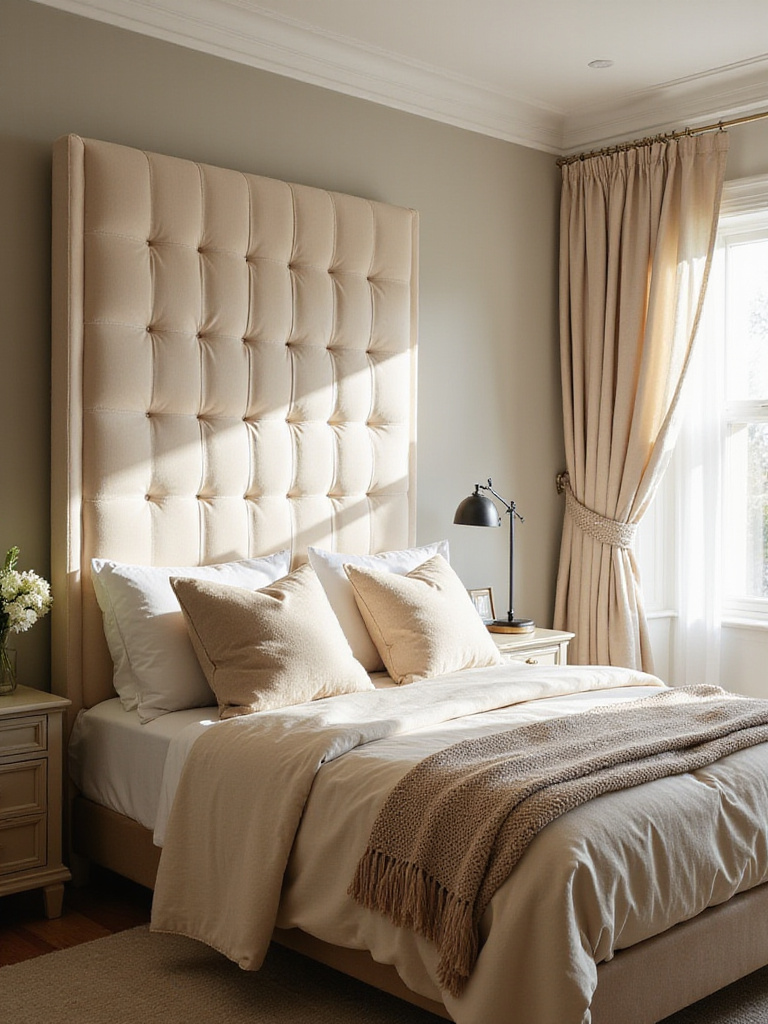
Don’t just choose a headboard for its looks. Consider its function. If you read in bed, a taller, well-padded headboard is essential. The material also matters. A fabric headboard adds another layer of softness to the room’s acoustics and texture, while a solid wood headboard can bring in a natural, grounding element. It visually completes the bed, turning it from a simple piece of furniture into a deliberate sanctuary for rest.
Our attention then moves from the bed to the ground, ensuring the first and last moments of the day are met with comfort.
8. Incorporate Thick Rugs for Underfoot Warmth
Stepping out of a warm bed onto a cold, hard floor is a jarring way to start your day. A thick, plush rug underfoot is a simple luxury that makes a massive difference in how your room feels. It’s an act of kindness to your future self, providing a soft landing as you begin your morning and a warm welcome as you return to bed at night.
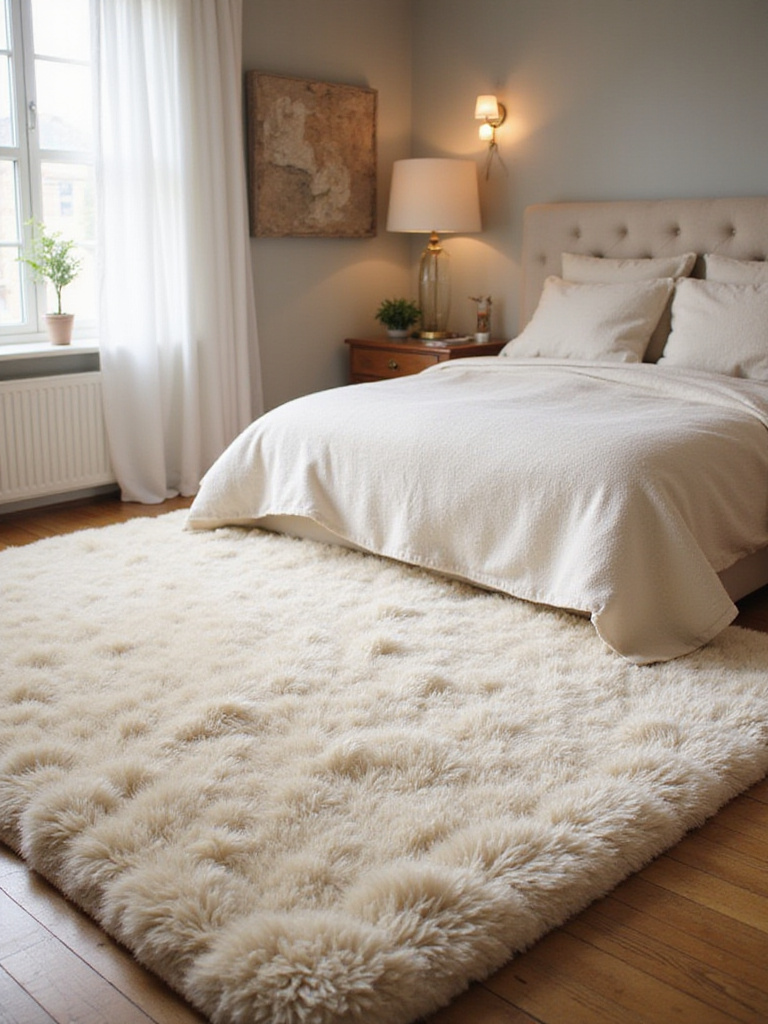
The mistake here is getting a rug that’s too small. A “postage stamp” rug floating in the middle of the room looks awkward and fails to do its job. Your rug should be large enough to extend at least 18-24 inches around the sides and foot of your bed. This anchors the entire sleeping area, defines the zone, and ensures your feet always land on something warm and comfortable. Prioritize texture and pile height over intricate patterns; a simple, deep-pile wool or shag rug is often all you need.
Ultimately, all these elements are in service of the main event: sleep itself. It’s time to address the core components.
9. Upgrade Mattress & Bedding for Luxe Relaxation
You spend a third of your life on your mattress. It is not a place to compromise. People will spend thousands on a sofa but sleep on a decade-old mattress that offers no support. If your mattress is sagging, lumpy, or just plain old, nothing else on this list will matter. This is the single most important investment in your well-being. A mattress is a piece of health equipment.

Once your foundation is solid, invest in bedding made from natural, breathable fibers like linen, long-staple cotton, or bamboo. Synthetic fabrics trap heat and moisture, leading to a restless night. Your bedding should work with your body’s temperature regulation, not against it. A high-quality duvet and supportive pillows tailored to your sleeping style are not indulgences; they are essential tools for restorative rest.
Implementing Comfort Essentials (Part 2)
Having addressed the core tactile elements, we now broaden our scope to include details that connect our internal sanctuary with the natural world. These elements ground the space and remind us of our connection to something elemental and real, a crucial counterbalance to our digital lives.
10. Curate Natural Wood Accents for Earthy Appeal
In a world of plastic, metal, and glass, natural materials have a calming effect that is immediate and profound. Wood, with its unique grain and warm tones, brings a sense of life and history into a space. It connects us to nature and grounds the room. This principle, known as biophilia, suggests that we have an innate tendency to seek connections with nature.

Avoid the “matching set” look, where every piece of wood furniture is the same color and finish. That looks sterile and mass-produced. Instead, layer different tones and textures of wood. A reclaimed wood bench, a light oak nightstand, a carved wooden bowl—these pieces add character and authenticity. The small imperfections in natural wood are part of its beauty, a concept known as wabi-sabi, which finds beauty in imperfection and impermanence.
Just as we ground the space with natural materials, we must also carve out spaces for restorative habits.
11. Introduce Cozy Seating Nooks for Reading
Your bedroom shouldn’t just be for sleeping. Designating a specific, small corner for quiet activity—like reading or meditating—tells your brain that this room is a multi-faceted place for rest, not just a holding cell for your unconscious body. A simple armchair in a corner with a good lamp creates a sanctuary within a sanctuary.
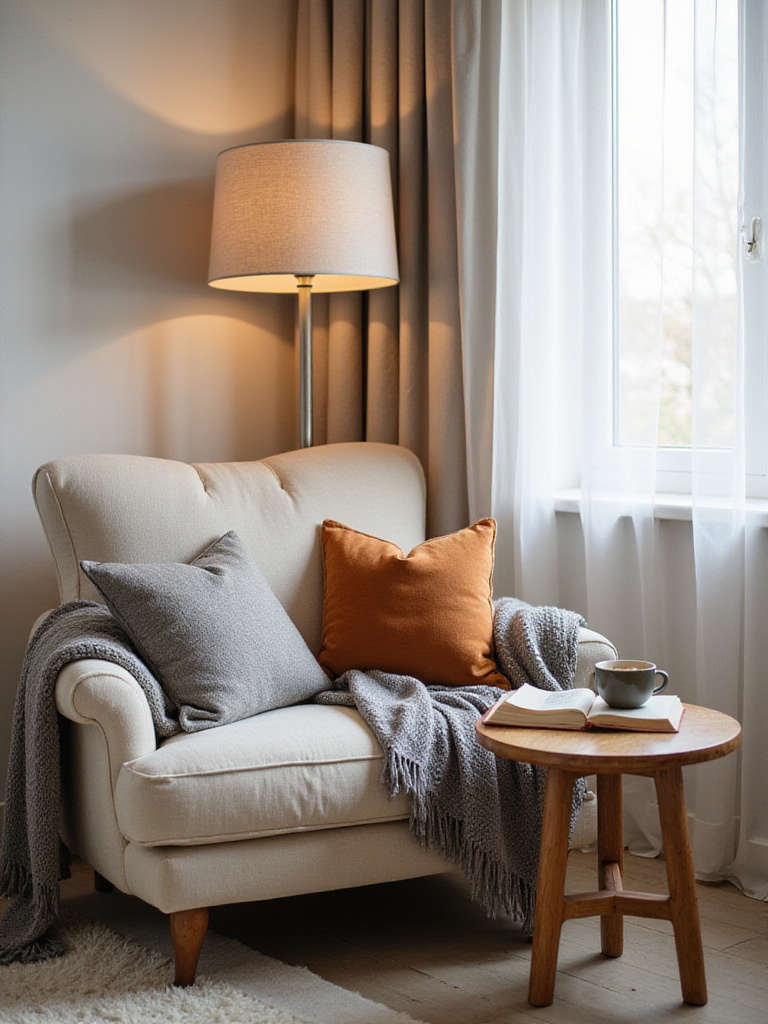
You don’t need a massive amount of space. A well-lit corner with a comfortable chair and a small side table is enough. This intentional zone keeps activities like reading or journaling separate from your bed, reinforcing the psychological boundary that your bed is primarily for sleep. This practice strengthens sleep hygiene and makes the whole room feel more like a purposeful, serene retreat rather than a single-function space.
Enhancing Ambiance & Personal Touch (Part 1)
With the functional and material foundations in place, we now infuse the space with your unique story. A room without personal touches feels like a hotel—impersonal and transient. This is about making the sanctuary undeniably yours, filling it with objects and images that hold meaning and bring you a quiet joy.
12. Weave in Personalized Art & Photo Gallery Walls
A common myth is that a minimalist space must be bare and cold. That’s not minimalism; that’s just emptiness. True minimalism is about surrounding yourself only with things that have purpose or bring you joy. A gallery wall of personal photos or a single piece of meaningful art does just that. It turns a wall into a story.
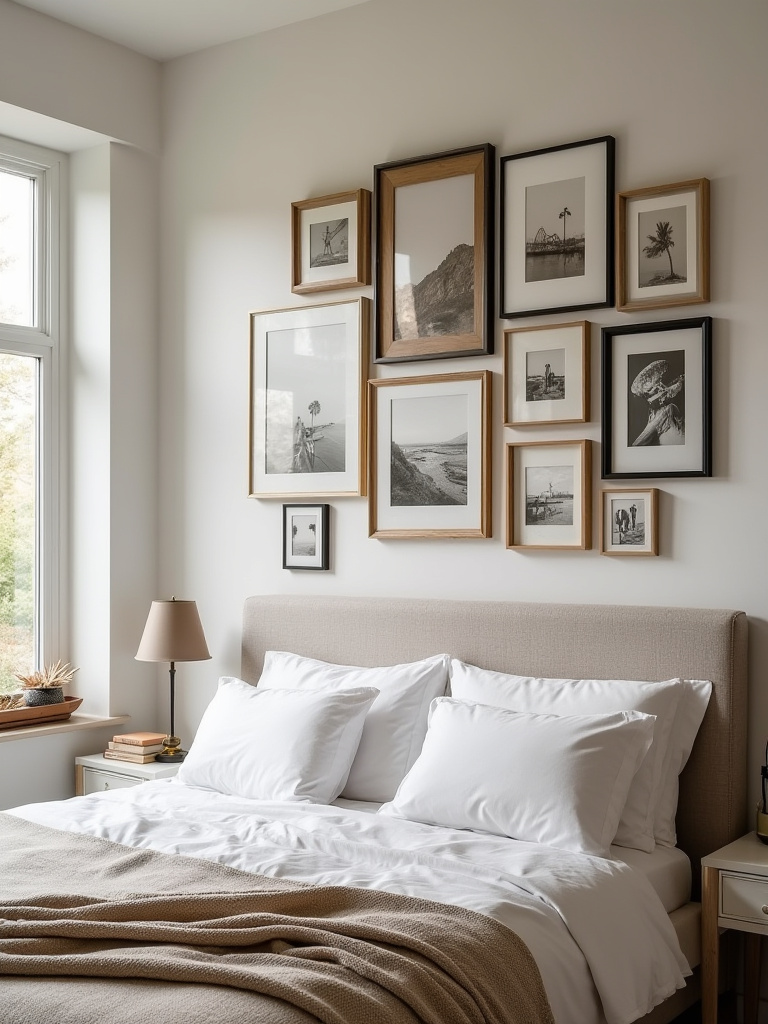
The mistake is chaotic execution. Don’t just start hammering nails. Lay your frames out on the floor first to find a balanced arrangement. Mix frame styles and sizes for a curated, collected feel, but maintain a cohesive element, like a consistent color palette in the photos (e.g., all black-and-white) or a unified frame color. This creates a visual anchor that is both deeply personal and aesthetically pleasing.
Beyond visual memories, scent is the most primal way to shape the atmosphere of a room.
13. Utilize Diffusers with Calming Essential Oils
Scent is directly linked to the emotional and memory centers of your brain. Using an essential oil diffuser is a subtle but powerful way to set a relaxing tone for your bedroom. It’s an atmospheric tool that cues your brain to transition into a state of rest. A scent like lavender, cedarwood, or chamomile can become a ritualistic signal for sleep.
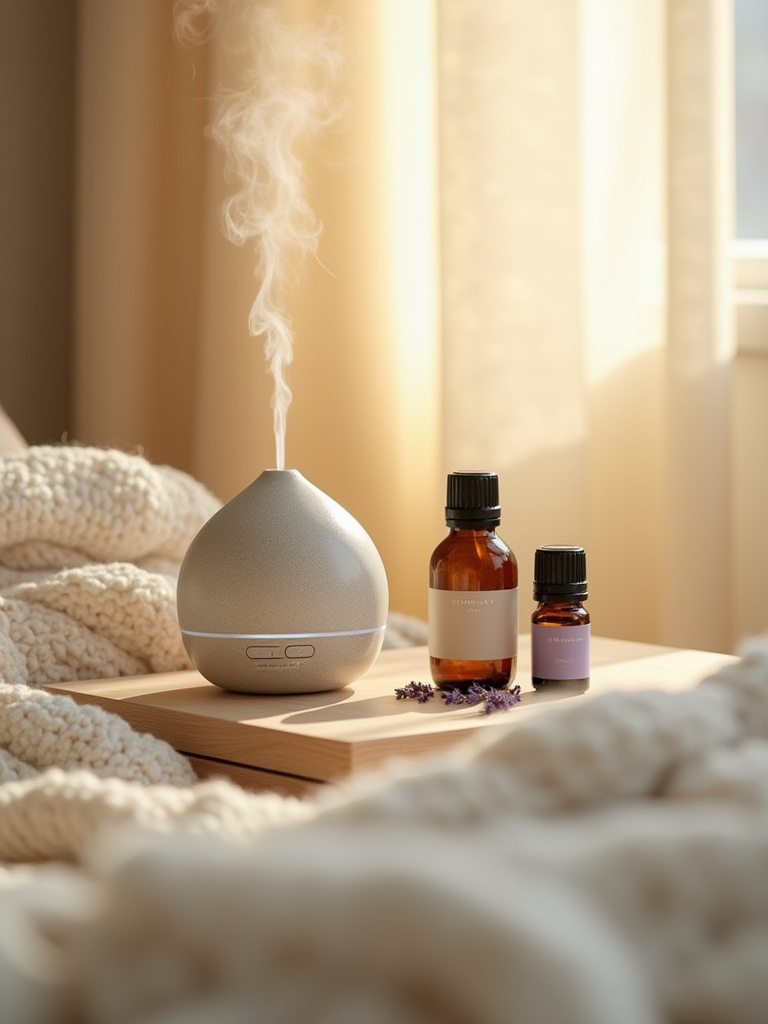
Please, throw out the synthetic plugins and chemical air fresheners. They just mask odors with harsh, artificial fragrances. A high-quality ultrasonic diffuser uses pure, natural oils and adds a bit of humidity to the air. Run it for an hour before bed as part of your wind-down routine to create an “aroma anchor,” conditioning your brain to associate that specific, gentle scent with peace and rest.
Personalization continues as we choose what few, meaningful objects will occupy our clean surfaces.
14. Adorn Surfaces with Thoughtful Decor & Books
Cluttered surfaces create visual static and anxiety. But completely bare surfaces can feel sterile. The key is to be an intentional curator. Choose a few objects that have meaning or beauty and give them room to breathe. A beautiful stone from a memorable trip, a small plant, a stack of two or three inspiring books—this is thoughtful decor.
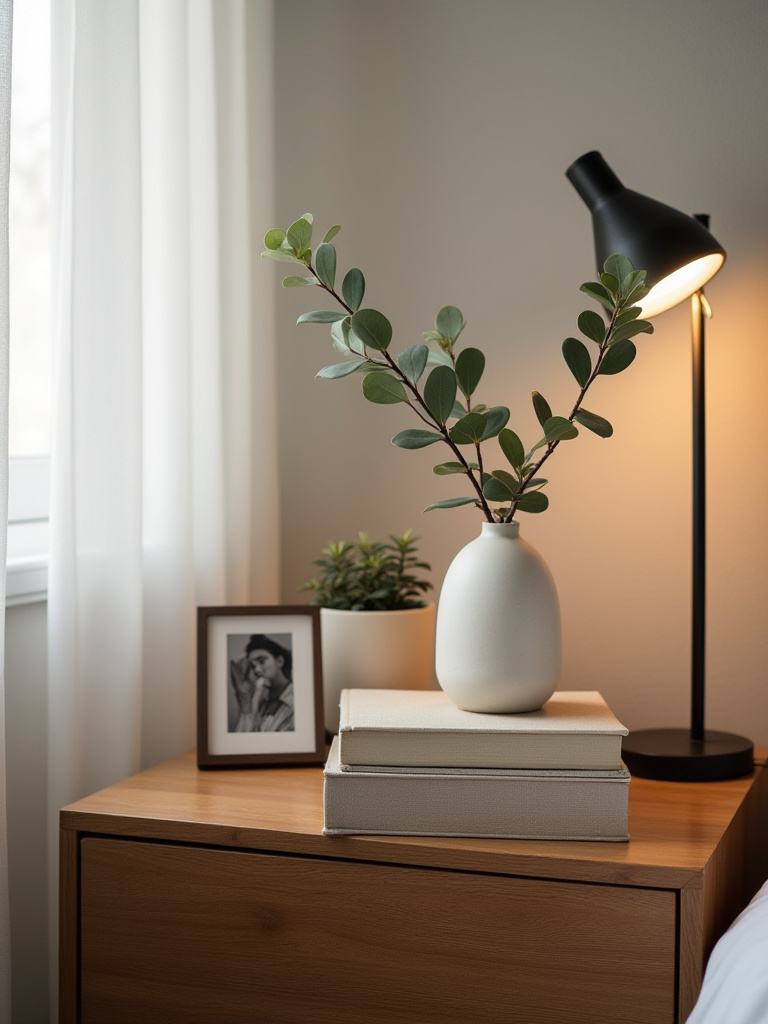
Follow the “rule of three”: grouping items in odd numbers is more visually appealing and dynamic than even-numbered groupings. A nightstand might have a lamp, a small dish for jewelry, and a single book. A dresser might have a framed photo, a ceramic vase, and a candle. This isn’t about filling space; it’s about placing meaningful punctuation in the quiet sentences of your room.
Finally, we introduce an element that brings literal life and breath into our carefully curated space.
15. Integrate Live Plants for a Breath of Freshness
A room without life can feel stagnant. Plants are the simplest way to introduce a living, breathing element into your sanctuary. They purify the air by absorbing toxins and releasing oxygen, and their green color is inherently calming to the human eye. Caring for a plant is a mindful, grounding activity in itself.
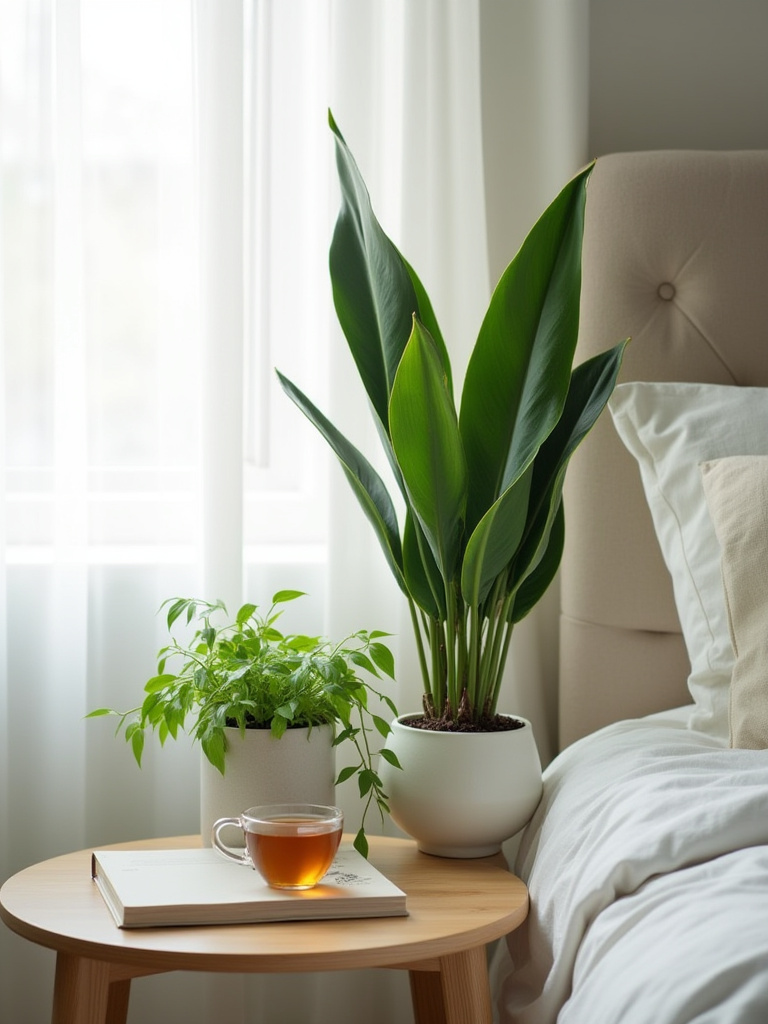
Don’t turn your bedroom into a jungle, and don’t buy a plant that requires constant, fussy attention unless you truly enjoy that. The goal is to reduce stress, not add a chore. Start with something low-maintenance and air-purifying, like a Snake Plant or a ZZ Plant. Placing one or two healthy plants in your room will make the air feel fresher and the space feel more vibrant and alive without creating clutter.
Enhancing Ambiance & Personal Touch (Part 2)
We continue to build upon the personal layers, focusing on the final tactile details that complete the room’s narrative. These are the soft furnishings that offer one last invitation to relax and settle in, reinforcing the room’s primary purpose as a haven of comfort.
16. Arrange Thoughtful Throws and Pillows for Depth
A bed with only its sleeping pillows can look stark and uninviting. The final layer of pillows and a throw blanket is what turns a bed into a destination. This isn’t about creating a pillow fortress you have to dismantle every night; it’s about adding a few carefully chosen elements for texture and depth.

The shortcut is a simple formula: your sleeping pillows, two larger square shams in front of them, and one or two smaller accent pillows. The accent pillows are where you can play with texture (velvet, linen, knit) or a subtle pattern. Then, drape a single throw blanket across the foot of the bed. It breaks up the large surface of the duvet and adds that final, crucial layer of coziness.
With every aesthetic and comfort element in place, our focus shifts to maintaining this carefully crafted environment. A sanctuary is not a project that is ever ‘finished’; it’s a space that must be sustained through mindful habits.
Sustaining the Serene Retreat
You can design the most beautiful room in the world, but if it’s cluttered, poorly lit, or stuffy, its serenity is lost. The final stage is about creating systems—both technological and habitual—to effortlessly maintain the calm you’ve worked to create. This is how a serene bedroom becomes a sustainable part of your life, not just a temporary project.
17. Implement Smart Home Tech for Effortless Ambiance Control
Technology, when used intentionally, can be a powerful ally for serenity. Smart home tech isn’t about being flashy; it’s about automating calm. Imagine a “Wind Down” routine that you trigger with your voice: the lights dim to a warm 2700K, a calming playlist begins quietly, and the thermostat adjusts to the optimal sleep temperature of 67°F.

This is about reducing decision fatigue and friction. The goal is to have your environment support your intention to relax without you having to manually adjust five different things. Smart bulbs like Philips Hue can also be programmed to simulate a sunrise, waking you gently with light instead of a jarring alarm. This is technology in service of well-being, used to automate tranquility so you can focus on simply being.
Of course, the most advanced tech can’t fix a room that’s fundamentally disorganized.
18. Conquer Clutter with Clever Storage Solutions
Clutter is an outward manifestation of unresolved decisions. Every object lying out is a low-level demand on your attention. A serene bedroom requires that everything has a home. The best storage isn’t just about hiding things; it’s about making it effortless to put them away.

Use the space you have but often forget: under the bed is prime real estate for out-of-season clothing, and the back of a closet door can be fitted with organizers. My rule is that surfaces are for active use or curated beauty, not storage. If an object doesn’t have a designated home, it will inevitably become clutter. Invest in multi-functional furniture, like an ottoman with storage or a bed with built-in drawers, to keep the visual landscape of your room clean and calm.
Next, we address the invisible environment: the air you breathe and the temperature that surrounds you.
19. Maintain Consistent Air Quality & Temperature
You can’t see it, but the air in your bedroom has a huge impact on your sleep quality. Stale air, allergens, and dust can lead to respiratory irritation and restlessness. Similarly, a room that is too hot or too cold will actively disrupt your sleep cycles as your body struggles to regulate its temperature.
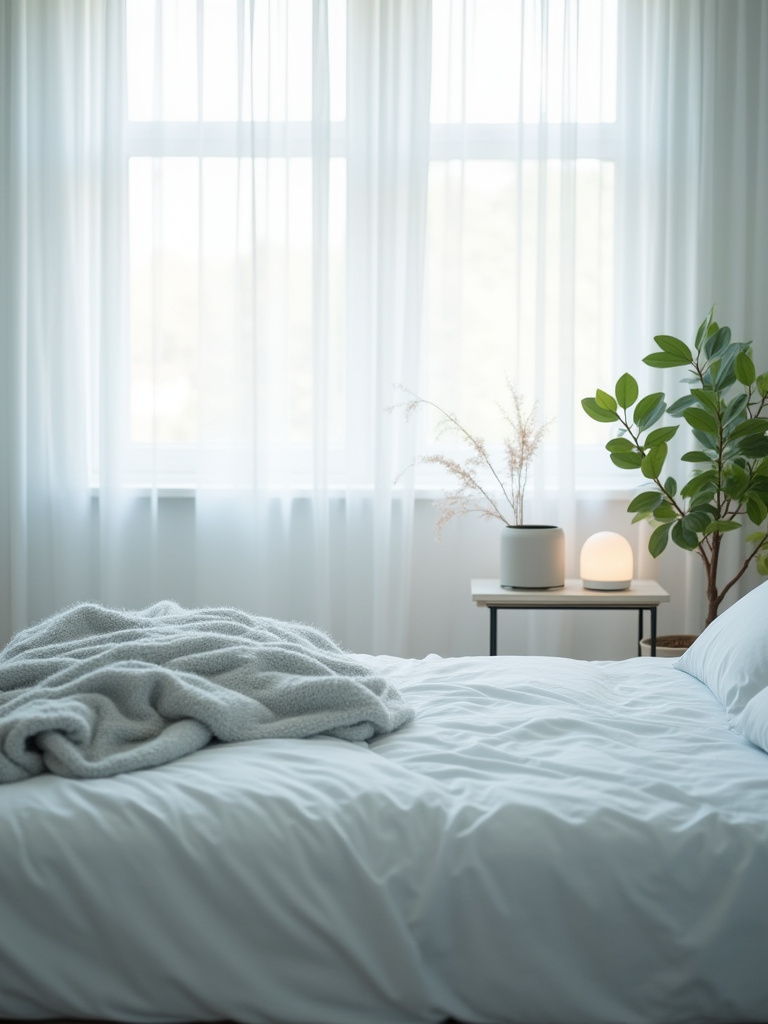
An air purifier with a HEPA filter, run on a low setting at night, can dramatically improve air quality. For temperature, find your perfect sleep number (most people do best between 60-67°F) and use a programmable or smart thermostat to keep it consistent. These aren’t exciting design elements, but they are the invisible workhorses of a truly restorative sanctuary. Think of them as foundational utilities for good health.
Finally, we close the loop. All these environmental designs are meant to support one thing: your nightly transition into rest.
20. Establish a Relaxing Nightly Wind-Down Routine
Your bedroom is a stage, and your wind-down routine is the final act of the day. All the cozy elements we’ve designed are meant to support this ritual. An hour before bed, dim the lights, put your phone away to charge in another room, and engage in a calming activity. Read a physical book, do some light stretching, journal, or listen to quiet music.

This routine is the most critical part of your sleep hygiene. It signals to your brain and body that the day is over and it’s time to prepare for rest. The most perfectly designed cozy bedroom is useless if you bring the bright light and frantic energy of your phone into it right before you try to sleep. The environment supports the ritual, and the ritual activates the environment’s calming potential.
Conclusion
In the end, creating a sanctuary isn’t a one-time project. It’s a practice. Your bedroom shouldn’t be a showroom; it should be a functional, beautiful tool that actively supports your rest and rejuvenation in an increasingly loud world. These inspirations aren’t a checklist to be bought, but rather a series of mindsets to adopt. It is the conscious cultivation of quiet.
By blending mindful design with intentional living, you’re not just creating a cozy bedroom; you’re building a buffer against the chaos. You are reclaiming a space for silence, for rest, and for yourself. The deepest sense of coziness isn’t found in a catalog—it’s the feeling of your nervous system finally exhaling. Begin with one small, intentional change. Your personal haven awaits.