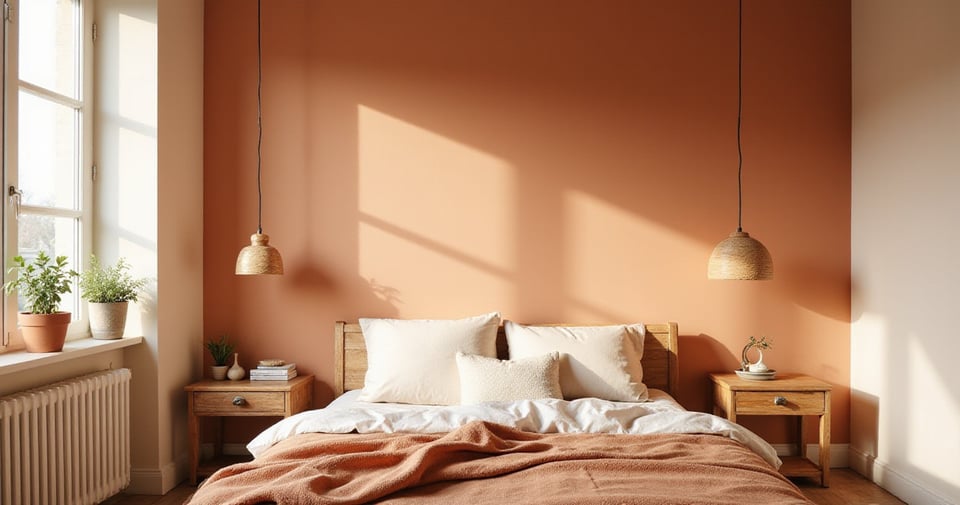
Can we talk about why everyone gets the word “cozy” wrong? People hear “cozy” and they think small, cluttered, maybe even a bit twee, with fairy lights tangled around everything. That’s not it. True coziness isn’t about cramming a space with stuff. It’s about creating a profound sense of psychological safety and physical comfort. It’s a feeling, an exhale, the feeling of arriving at a private villa after a long journey.
A truly cozy bedroom is a sanctuary that’s both luxurious and alive. It’s a space that calms your nervous system the moment you walk in. I’ve spent my career blending the vibrant, natural soul of Latin American design with a refined British sensibility, and I’ve learned that creating this feeling comes down to a few key principles, not a shopping list. Forget the trends. Here’s what actually works.
Laying the Cozy Foundation: Color, Light, and Layout
Before you buy a single pillow, you have to get the bones of the room right. This is the stage that separates a thoughtful retreat from just a decorated room. It’s the invisible architecture of comfort.
1. Choose Warm Paint Tones to Create Instant Coziness
The quickest way to make a room feel like it’s giving you a hug is to wrap it in the right color. I’m not talking about boring beige. Think about the earthy, sun-baked tones of terracotta from a Colombian courtyard, the soft warmth of sand on a Brazilian beach, or even a sophisticated, warm greige that feels like a soft cashmere jumper. These colors absorb light in a way that makes the walls feel like they’re drawing in closer, creating instant intimacy.
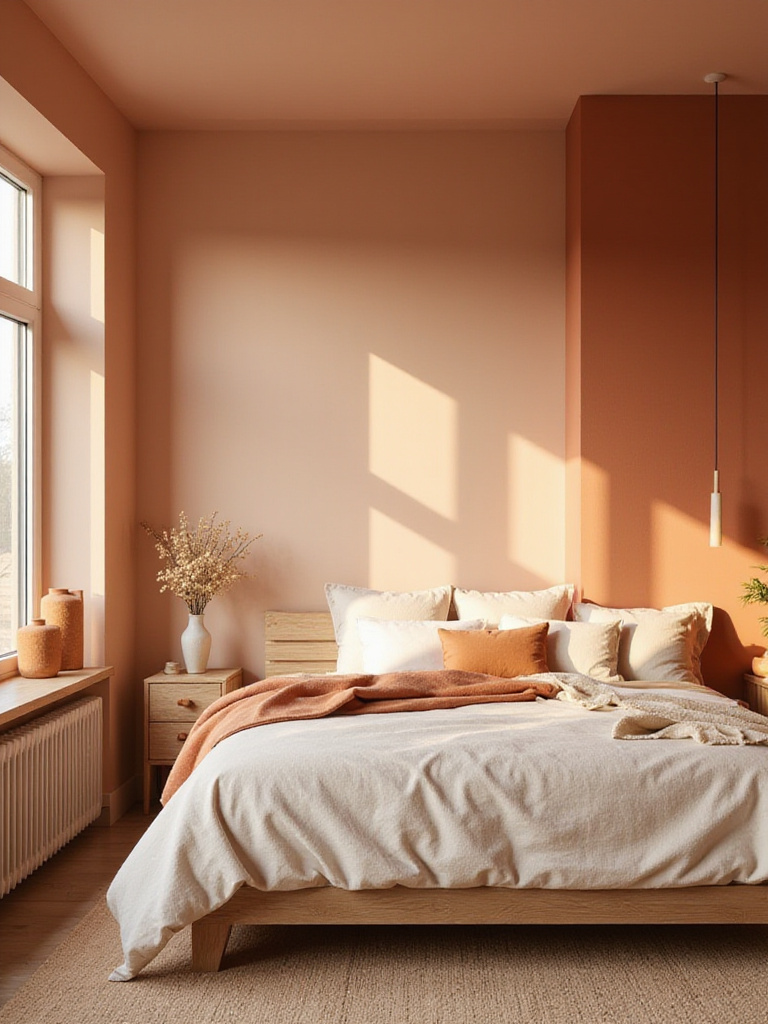
I once had a client in London whose master bedroom felt like a sterile white box. It was technically large and full of light, but it was cold. We drenched the walls, trim, and ceiling in a soft, muted clay color. It was a bold move, but the result was breathtaking. The space immediately felt grounded, warm, and incredibly luxurious. Forget a million tiny samples; get a big swatch, paint it on two different walls, and live with it for a couple of days to see how the light plays with it. And please, choose a low-VOC paint. Your lungs will thank you.
With the room’s backdrop set, the next most powerful tool is how you light it.
2. Strategically Place Dimmable Lamps for Soft Ambient Glow
That one big, harsh light in the center of your ceiling? It’s a mood killer. It’s the design equivalent of an alarm clock. True coziness is built with layers of light, just like in nature. You need pools of soft, warm light that you can control. The non-negotiable here is a dimmer. Everything should be on a dimmer. It allows you to transition the energy of the room from functional and bright for getting ready, to a low, warm glow that tells your body it’s time to wind down.
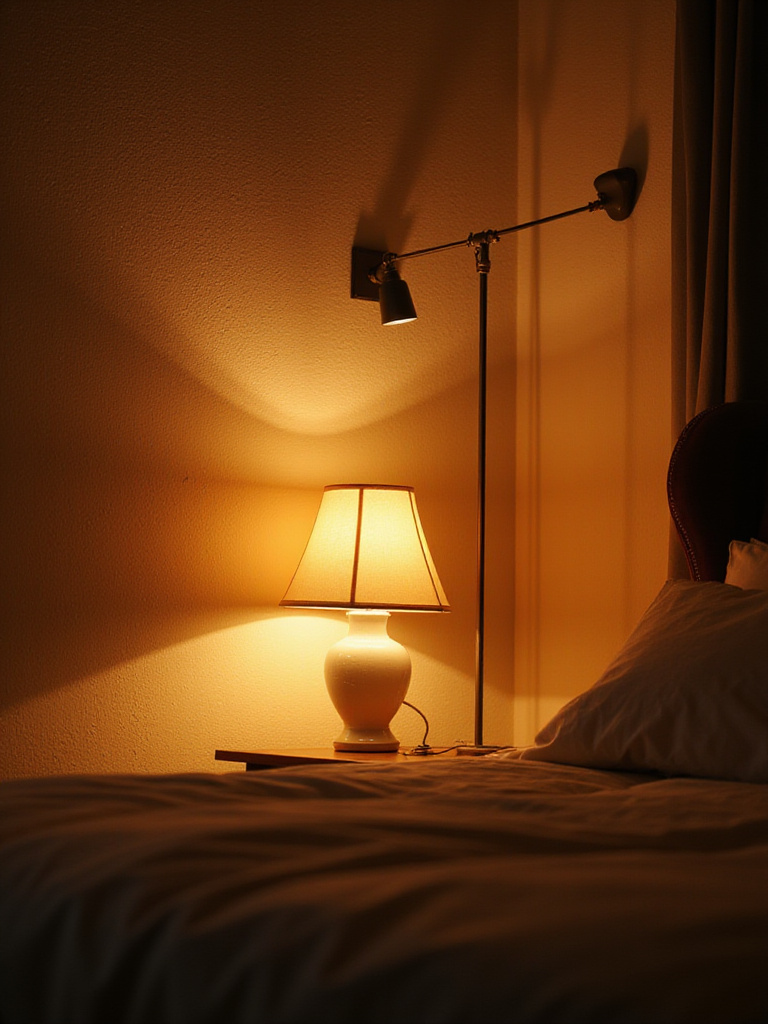
The shortcut I give all my clients is the ‘5-Light Rule’. You need at least five sources of light in a bedroom. That sounds like a lot, but think about it: two bedside lamps for reading, a beautiful floor lamp in a corner to create a warm wash up the wall, maybe a small, sculptural lamp on a dresser, and a picture light over some art. They don’t all have to be on at once, but having the options gives you complete control over the atmosphere. Go for LED bulbs with a warm temperature (around 2700K)—they sip energy and give off the perfect candle-like glow.
Now that we’ve got the artificial light sorted, let’s talk about the best light of all—natural light.
3. Maximize Natural Light with Sheer Curtains or Blinds
You want to invite the outside in, but on your own terms. Heavy blackout drapes are great for sleeping, but during the day, they can make a room feel like a cave. The secret is layering. Start with sheer curtains made from natural linen or a light cotton voile. They blur the hard edges of a window frame and diffuse the sunlight beautifully, casting a soft, ethereal glow across the room without any harsh glare. It’s the difference between being interrogated under a spotlight and basking in the gentle morning sun on a terrace.
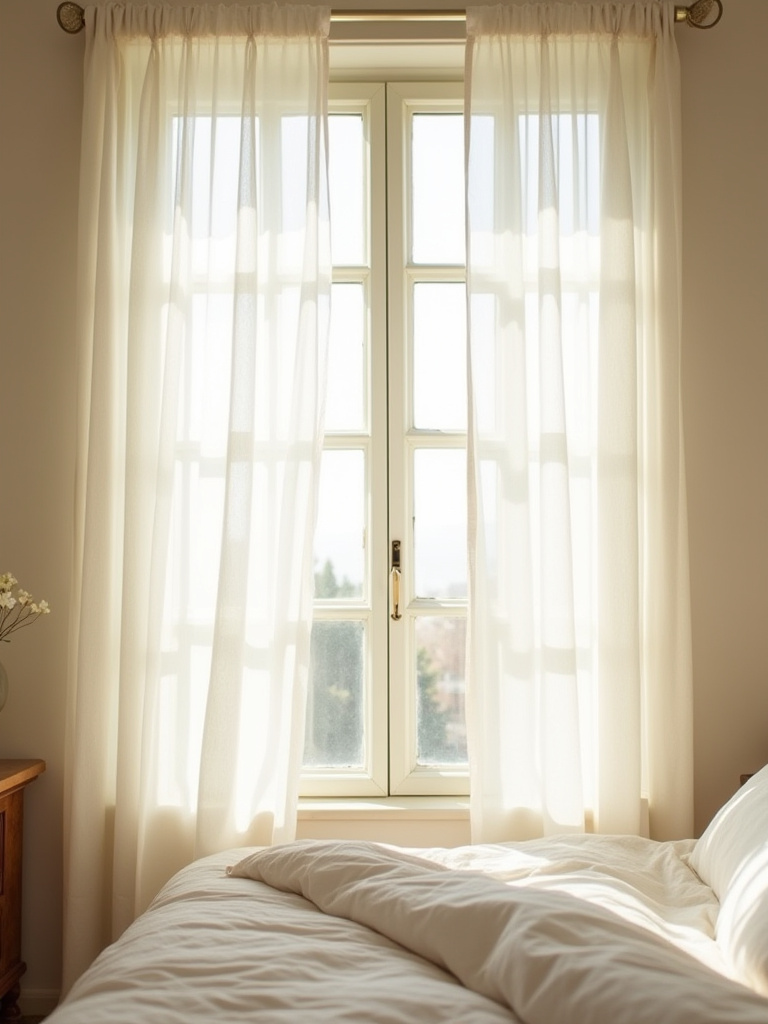
The BS I see all the time is people buying cheap, synthetic sheers that look shiny and plasticky. Invest in quality natural fibers. Then, mount the curtain rod high and wide—at least 6 inches above and beyond the window frame. This makes your windows look bigger and more intentional. For total control, put them on a double rod with heavier, insulating drapes behind them. You get the soft, filtered light during the day and complete darkness and privacy at night. It’s the best of both worlds.
With the light perfected, let’s make sure the room flows effortlessly.
4. Optimize Furniture Layout for Intimate, Welcoming Zones
People tend to push all their furniture against the walls like they’re waiting for a dance to start in the middle of the room. This is one of my biggest pet peeves. To create intimacy, you need to pull things in. A great layout isn’t just about where the bed goes; it’s about creating small, purposeful zones within the larger space. Even in a small room, you can create a ‘reading moment’ with just an armchair and a lamp, or a ‘dressing zone’ near the closet.
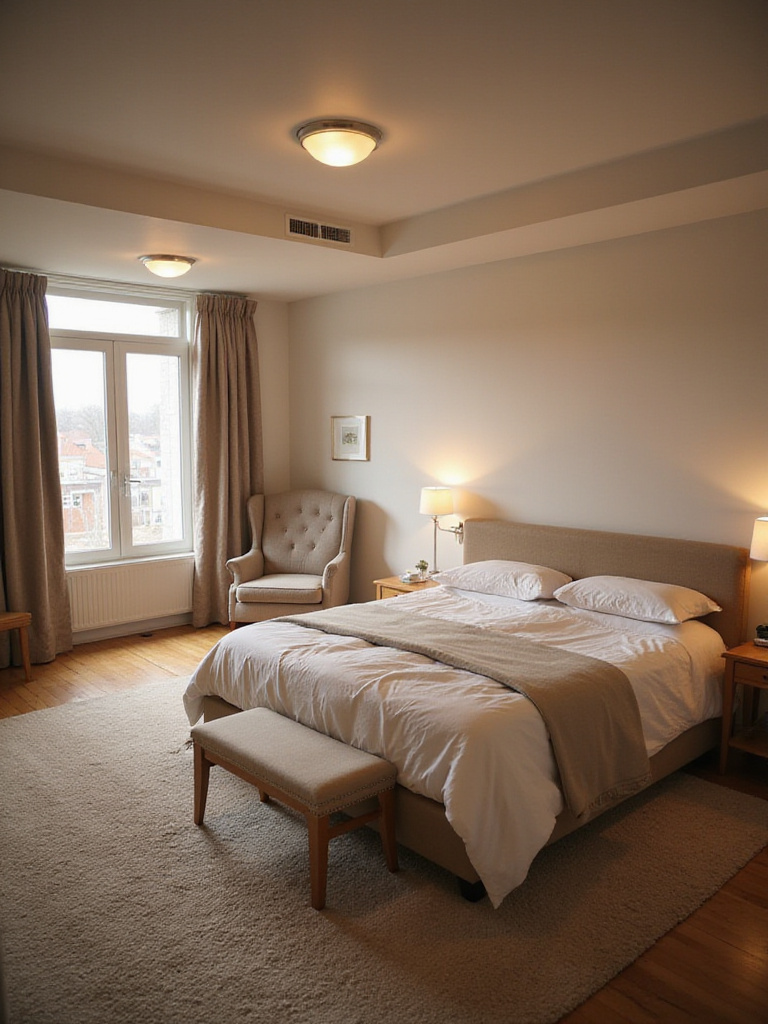
I had a project with a long, narrow bedroom that felt more like a corridor. The client had everything pushed against the long walls. We moved the bed to the middle of one long wall, placed a beautiful bench at its foot, and created a small seating area in the far corner. Instantly, the room felt wider and more purposeful. The shortcut? Just pull your nightstands and dresser a couple of inches away from the wall. That tiny bit of breathing room creates shadow and depth, making everything feel more considered and less static.
Now that we have flow, let’s talk about the soul of the room’s materials.
5. Incorporate Warm-Toned Woods for Grounding Natural Comfort
Nothing grounds a space with organic warmth like natural wood. I’m talking about the real stuff—solid oak, walnut, mango wood, or responsibly-sourced teak. The rich tones and unique grain bring a layer of life and history that you can’t get from flat-pack particleboard. A beautifully crafted wooden bed frame or a set of solid wood nightstands act as the room’s anchor, a connection to the natural world that’s incredibly calming.
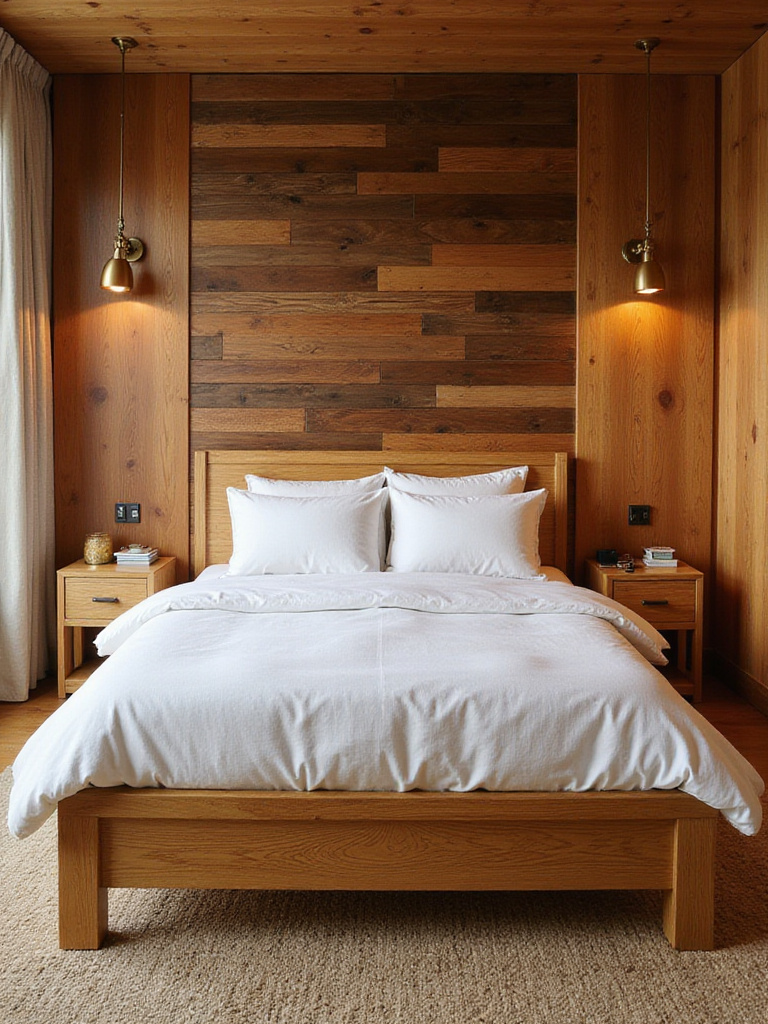
The common mistake is thinking all your wood has to match perfectly. Don’t do that. It looks like you bought a showroom set from 1998. Layering different wood tones, just like you would with textiles, adds depth and a sense of history. Pair a lighter oak bed frame with a darker walnut dresser. As long as the undertones are warm, they’ll speak to each other beautifully. This is about building a collection, not buying a set. It’s more sustainable, too—solid wood lasts a lifetime.
With the warmth of wood established, let’s use a little magic to expand the space.
6. Add Mirror Placement to Expand Light and Visual Depth
A mirror is a designer’s oldest trick for a reason: it’s pure magic. It’s a window you can place anywhere. But here’s what most people get wrong: they hang a mirror without thinking about what it’s reflecting. A mirror reflecting a cluttered corner or a blank wall is a wasted opportunity. The whole point is to place it where it can catch the light from a window and bounce it into a dark corner, or to reflect a beautiful piece of art or a view, effectively doubling your visual pleasure.
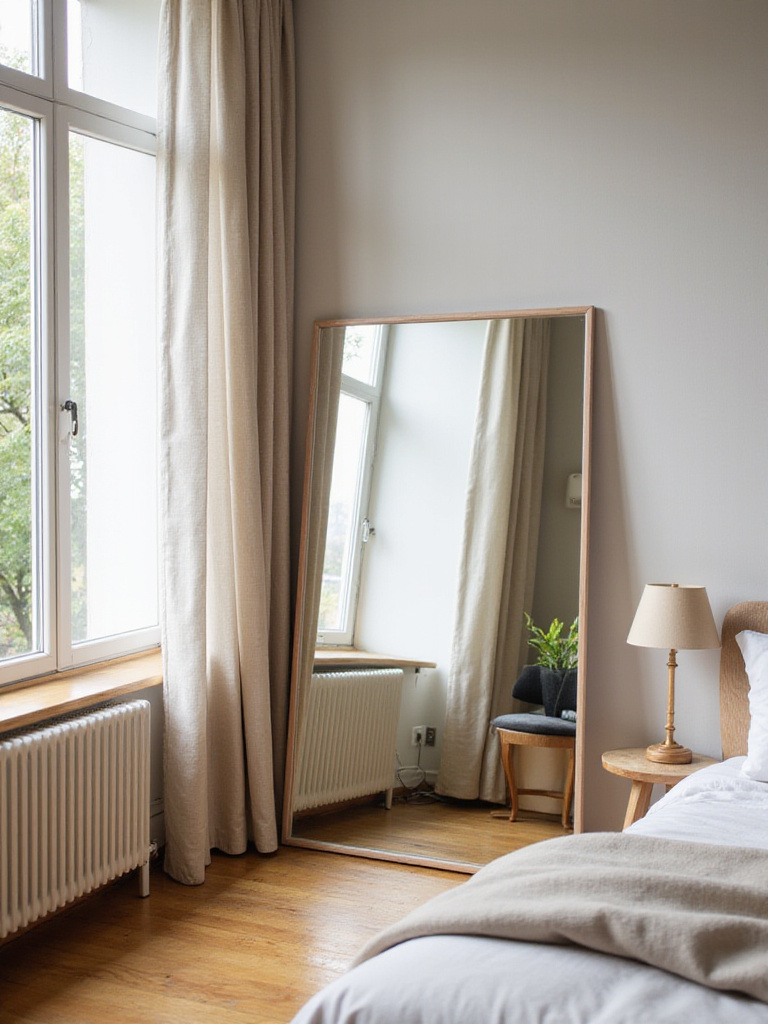
My go-to move for smaller bedrooms is a massive, floor-length mirror just leaned against the wall. It’s less formal than hanging it and it creates an incredible illusion of depth, almost like a doorway into another room. I learned this the hard way in a tiny guest room project where anything hung on the walls just felt oppressive. Leaning the mirror made the space feel instantly more relaxed, brighter, and about twice as big.
Embrace Softness: Textiles, Textures, and Tactile Comfort
Once the room’s structure is right, we bring in the layers that you can feel. This is where the sensory experience really comes to life. It’s about inviting touch and creating a physical cocoon of comfort.
7. Layer Plush Bedding for Unparalleled Comfort and Warmth
Your bed is the main event. It should look and feel ridiculously inviting. Forget those stiff, for-display-only hotel beds. Real luxury is about touchable comfort. This means layers. Start with incredible sheets—I’m a huge advocate for linen or high-quality organic cotton. Then add a fluffy duvet, a lightweight quilt or coverlet, and a couple of blankets. Each layer has a different weight and texture, and it allows you to regulate your own temperature perfectly through the night.
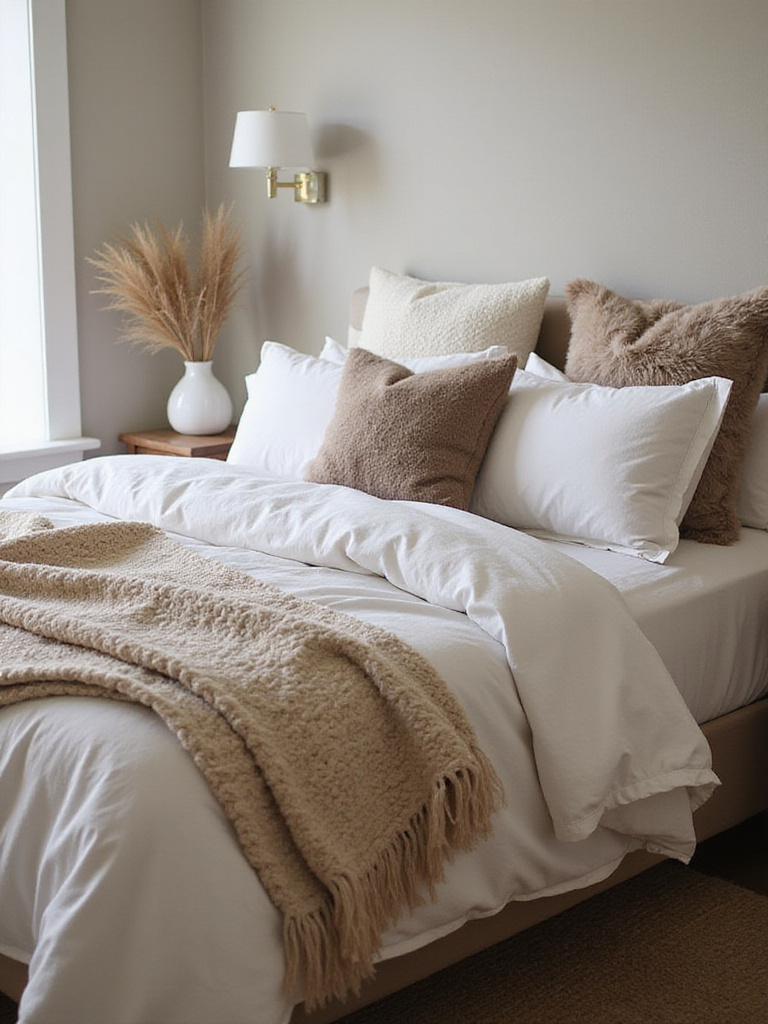
The secret isn’t just piling on; it’s about the quality of the materials. Natural fibers breathe. They keep you warm when it’s cool and cool when it’s warm. It’s a sustainable choice that feels infinitely better against your skin than polyester. This is one area where you should absolutely spoil yourself. You spend a third of your life in bed; make it extraordinary.
Those layers set the stage for the final flourishes of texture.
8. Introduce Textured Throw Blankets for Inviting Visual Interest
A throw blanket is the sartorial equivalent of slinging a handsome jacket over your shoulders. It’s that final, effortless gesture that completes the look and adds a dose of personality. A bed without a textured throw looks naked to me. You need something with a chunky knit, a soft cashmere feel, or a waffled linen texture draped casually over the corner or foot of the bed. It breaks up the large surface of the duvet and practically begs you to come curl up.
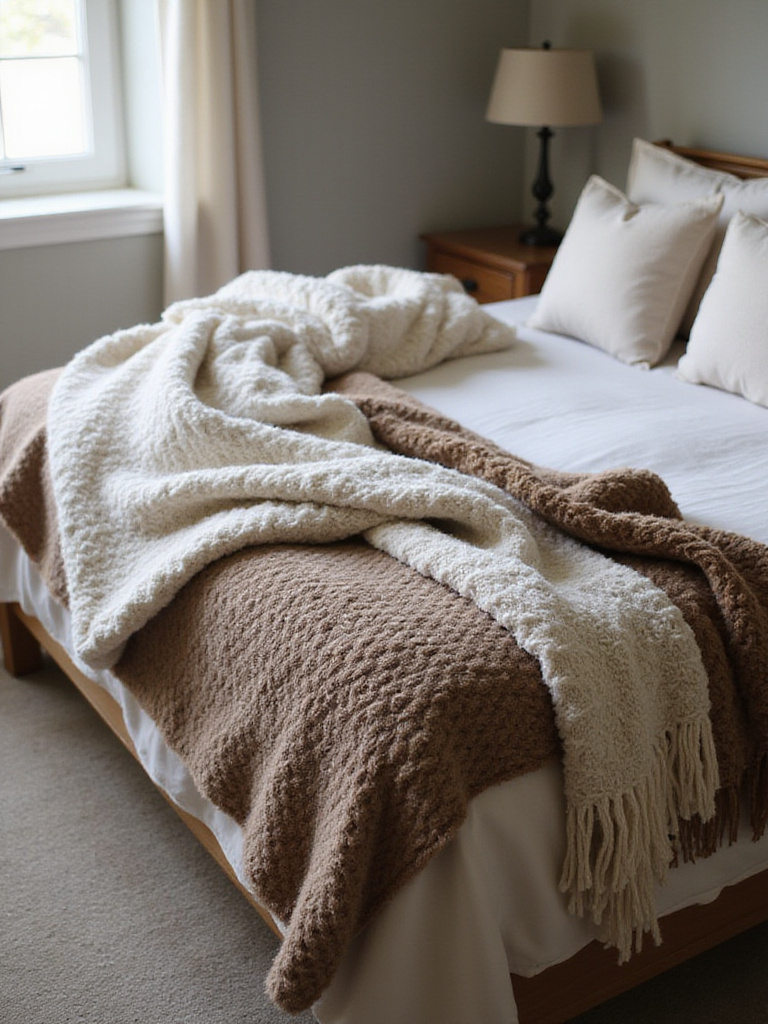
I once designed a very sleek, minimalist bedroom with lots of clean lines. It was chic, but it felt a little cold and unapproachable. We added one oversized, hand-knitted merino wool throw in a deep charcoal grey. That single piece of texture completely changed the energy of the room. It added the necessary soul and warmth, proving that you don’t need a lot of stuff to create a cozy feeling, you just need the right stuff.
Now, let’s ground the entire space from the floor up.
9. Anchor the Room with a Large, Soft Area Rug
Putting a tiny “postage-stamp” rug in a bedroom is a design crime. It makes the room look smaller and all your furniture look like it’s adrift at sea. The rug is what anchors your sleeping zone and connects all the pieces. It should be large enough that your bed and nightstands can sit comfortably on it, with at least 18-24 inches of soft rug to step onto on either side. That first step out of bed in the morning should be onto something plush and warm, not a cold, hard floor.
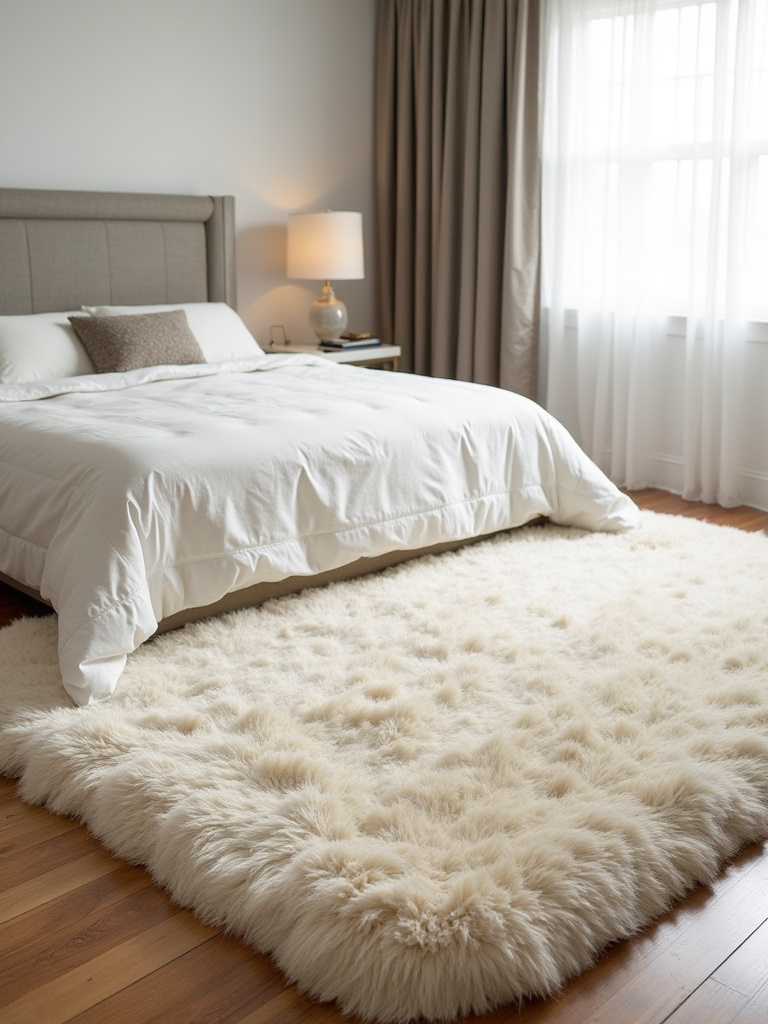
This is another area where natural fibers win. A wool rug is naturally soft, durable, and provides incredible insulation for both temperature and sound. It absorbs echoes and creates a quieter, more serene environment. For my clients who love that indoor-outdoor feel, a large, soft jute or sisal rug layered with a smaller, plush sheepskin right where your feet land is a fantastic, texture-rich combination. Always, always use a quality rug pad underneath. It adds extra cushion and stops it from slipping.
With the floor covered, let’s bring that plushness up onto the bed.
10. Pile Decorative Pillows for Luxurious, Cuddle-Ready Appeal
Pillows are the art of the bed. But there’s a fine line between a luxurious pile and a comical mountain of cushions you have to excavate every night. The secret is variety in size, shape, and texture. Start with your functional sleeping pillows. Then, prop two larger Euro shams against the headboard to create a solid backdrop. In front of those, add your two main pillows, and finish with one long lumbar pillow or a single, interesting accent cushion. Odd numbers almost always look more natural and less staged.
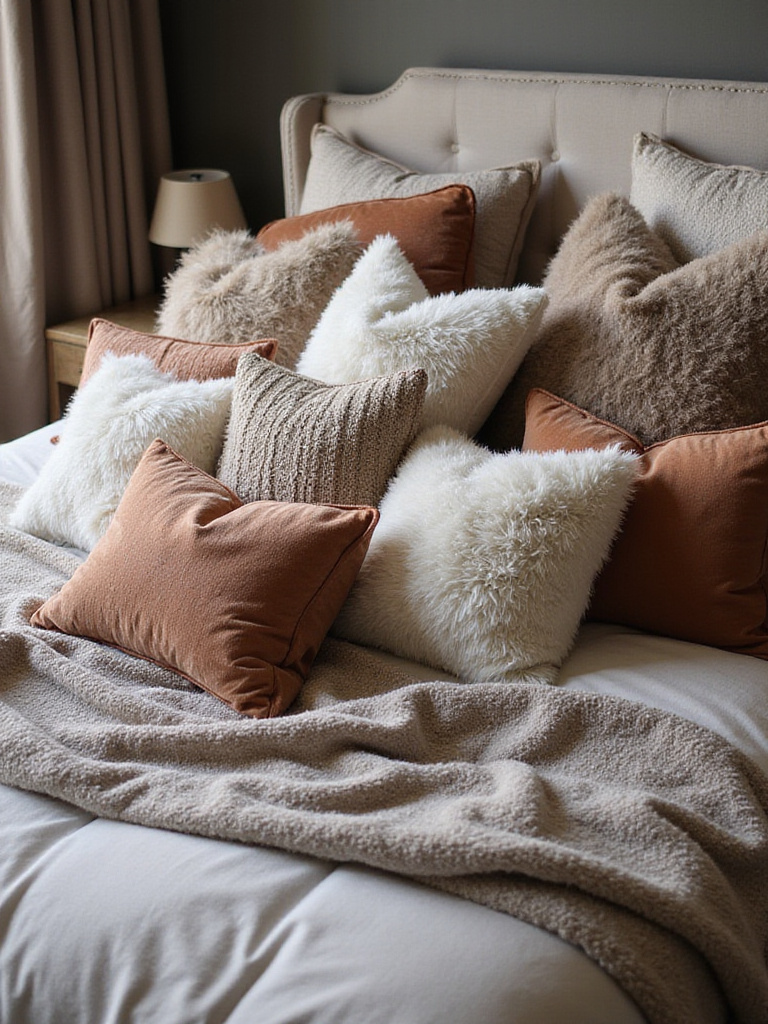
The BS to avoid is buying a matching 5-piece “pillow-in-a-bag” set. It’s lifeless. Mix velvet with linen, a solid with a subtle pattern. And here’s the shortcut every stylist uses: the “designer chop.” Once a pillow is in place, give it a gentle karate chop on top. It creates a soft fold that makes it look lived-in and impossibly plush, rather than stiff and over-inflated.
Next, we need to address the windows with something substantial.
11. Hang Heavy, Insulated Drapes for Enhanced Privacy and Softness
To create that true cocoon feeling, you need drapes with some heft. Think of them as the room’s embrace. Heavy, insulated curtains made from materials like velvet, a thick linen blend, or wool do so much more than just block light. They absorb sound, making the room instantly quieter. They provide thermal insulation, keeping you warmer in winter and cooler in summer—a huge win for both comfort and energy bills. They physically soften the hard architectural lines of a room.
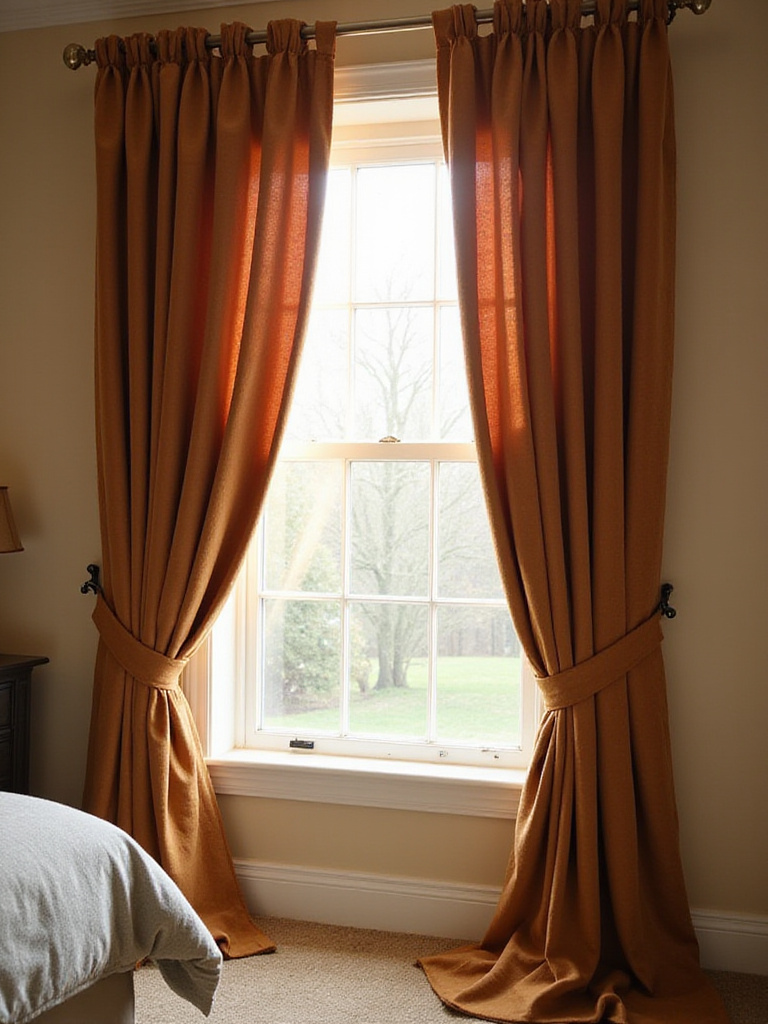
For a truly luxurious look, have your drapes either just “kiss” the floor or “puddle” a few inches. Drapes that are too short look like trousers that have shrunk in the wash—it just kills the whole vibe. A client in a busy city apartment once told me that installing floor-to-ceiling velvet drapes was the single best thing they did. The noise from the street below was instantly muffled, and their bedroom finally felt like a serene escape from the urban chaos.
Let’s add one more touch of supreme softness to complete the tactile experience.
12. Integrate Faux Fur or Sherpa Accents for Supreme Softness
This is about pure, unadulterated sensory indulgence. A small touch of high-quality faux fur or a soft sherpa material is like a shot of instant coziness. The key is to use it as an accent, not the main theme. You’re not trying to create a log cabin from the 70s. Think a single faux fur cushion nestled among your linen pillows, or a small sherpa-lined throw draped over a reading chair.
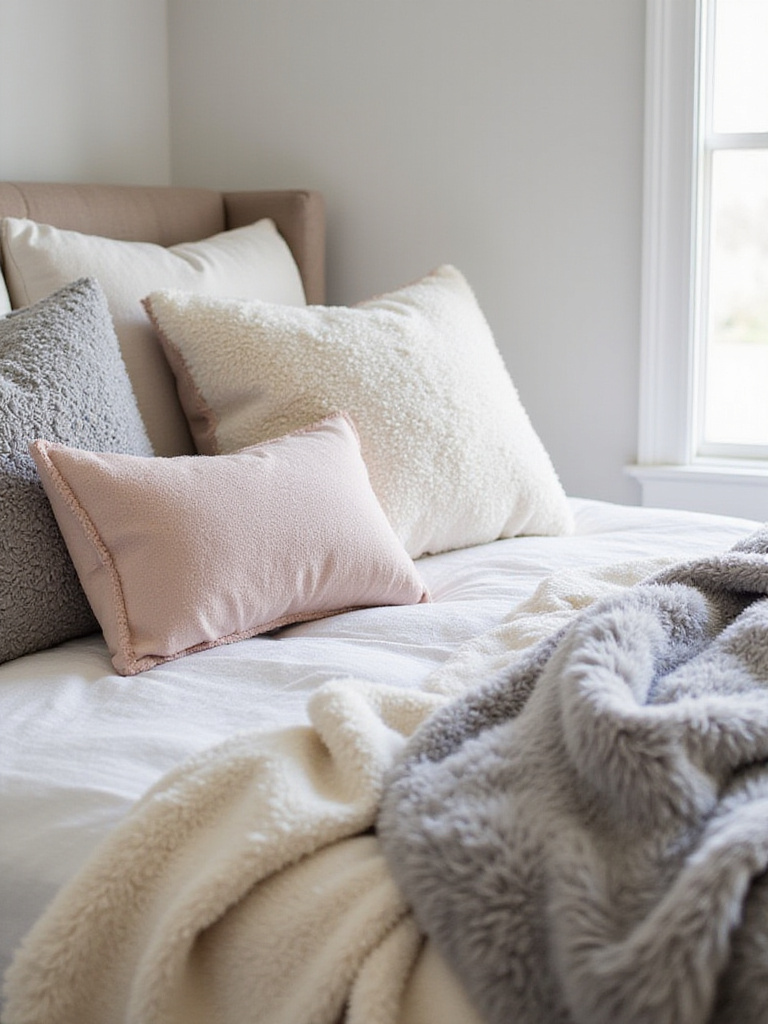
It provides a moment of supreme tactile pleasure and visual warmth that is incredibly inviting. The quality here is paramount. There’s nothing worse than cheap, shedding faux fur. Invest in one or two really good pieces that feel amazing to the touch. They provide that final, textural punctuation mark that makes the room feel complete and deeply comforting.
Sensory Serenity: Scent, Sound, and Visual Accents
Now that the room looks and feels right, we appeal to the other senses. This is the subtle magic that deepens the feeling of sanctuary and makes the space uniquely yours.
13. Diffuse Calming Essential Oils for Relaxing Aromatherapy
Scent is the most powerful and primitive sense, tied directly to memory and emotion. A bedroom should smell like a calm, clean, natural space—not a synthetic air freshener. An ultrasonic diffuser is a brilliant tool for this. A few drops of pure essential oil like lavender, sandalwood, or bergamot can completely change the atmosphere, signaling to your brain that it’s time to relax.
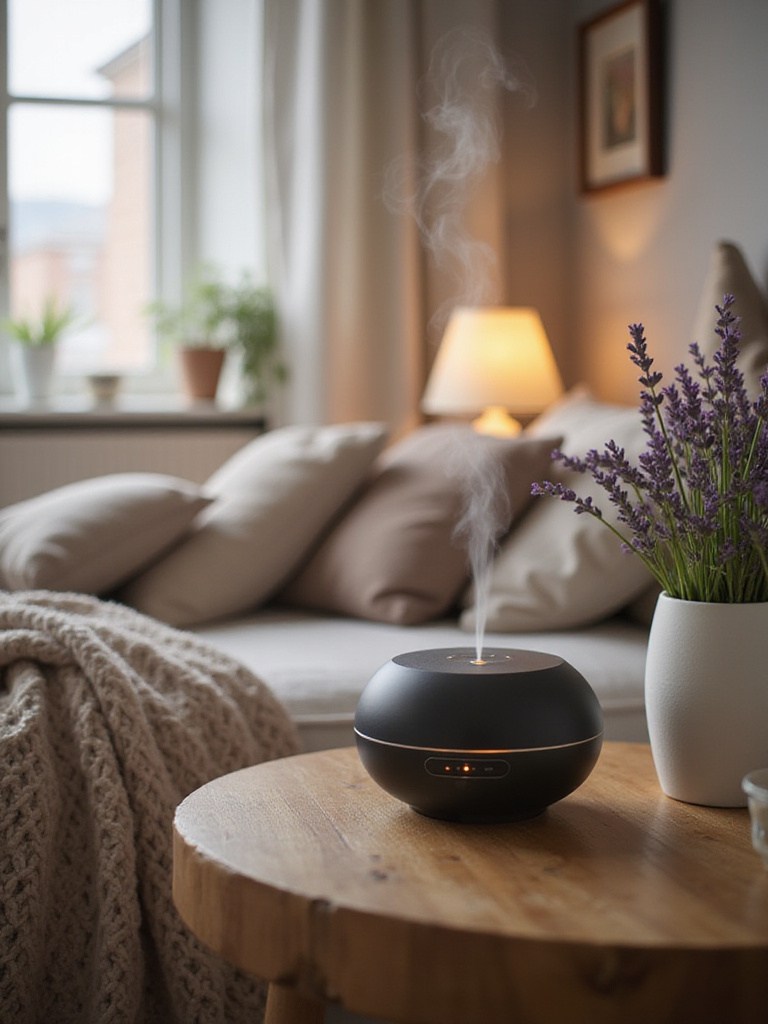
The trick is to make it part of a ritual. I tell my clients to start the diffuser about 20 minutes before they plan to go to bed. By the time they enter the room, it’s filled with a gentle, therapeutic aroma. Your brain creates a powerful association between that scent and the act of winding down for sleep. Just be sure to use 100% pure essential oils, not “fragrance oils,” which are synthetic and can be full of chemicals.
From scent, we move to the equally important sense of sound.
14. Place Sound Machines for Soothing Ambient Noise
In our noisy, hyper-connected world, true silence is rare and can sometimes even be unsettling. A sound machine creates a gentle, consistent auditory blanket—what I call a “cocoon of sound.” It masks disruptive noises like traffic, loud neighbors, or a snoring partner, allowing your brain to disengage from its environment and relax more deeply. Whether it’s white noise, the gentle rush of pink noise, or the sound of rain, it provides a stable soundscape that’s incredibly conducive to sleep.
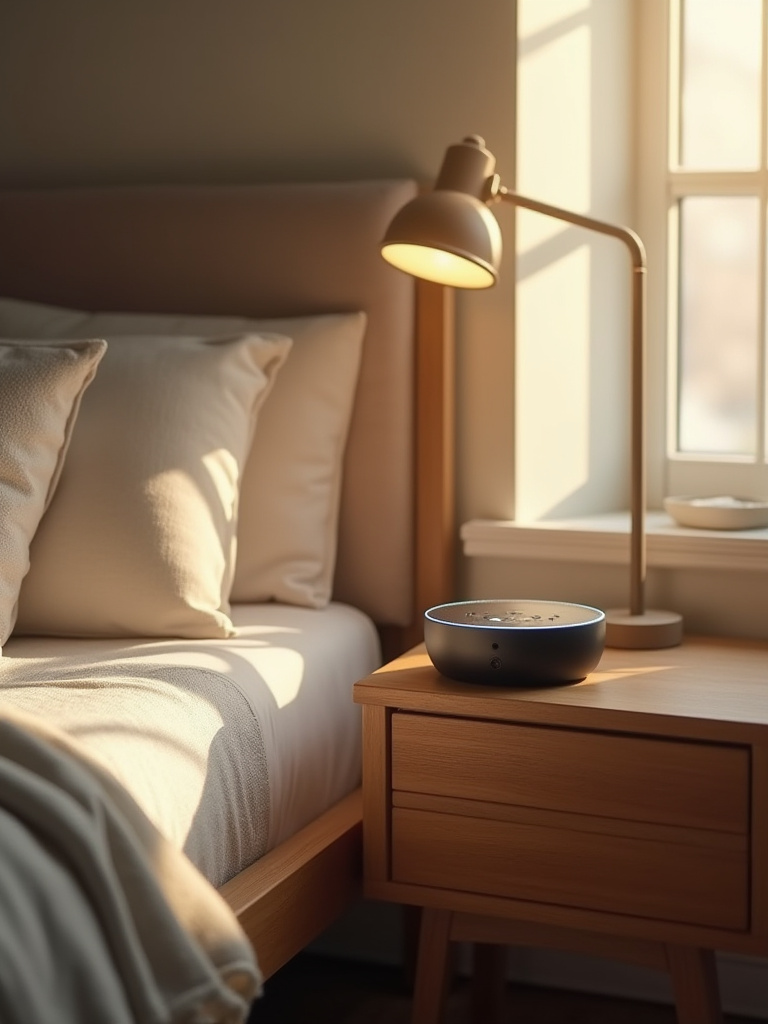
I used to think sound machines were a crutch. Then I stayed in a hotel in a bustling part of Mexico City and the one in the room was a lifesaver. I realized it wasn’t about blocking out the world, but about creating your own private, peaceful bubble within it. The key is to keep the volume low—just high enough to mask distractions, so it becomes part of the room’s background hum.
Next, what we see on the walls needs to reinforce this feeling of calm.
15. Display Curated Artwork Reflecting Calmness and Nature
The art in your bedroom should be a visual lullaby, not a conversation starter. This isn’t the place for loud, energetic, or thought-provoking pieces. It’s the place for art that soothes the soul. Think of serene landscapes, abstract pieces with soft, flowing lines, or botanical prints that connect you back to nature. This is a core tenet of biophilic design—our innate need to connect with the natural world for our own well-being.
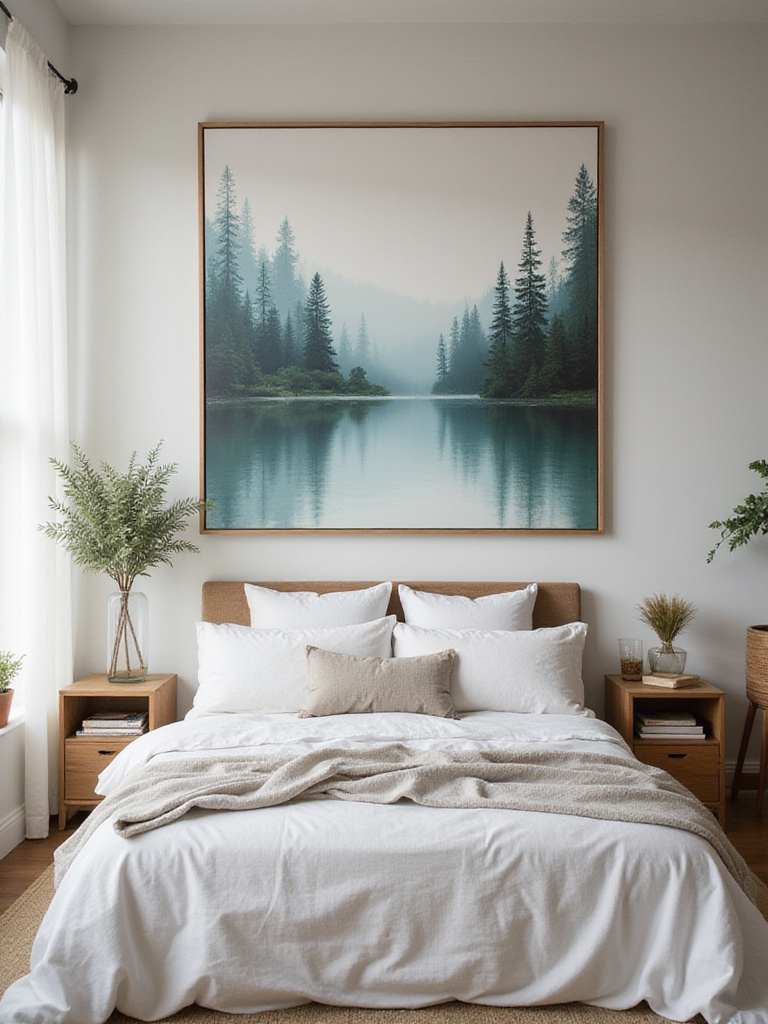
Everyone says you should buy art you love, which is true, but for a bedroom, I’d add a filter: buy art that calms you. I once worked on a very modern home, and the bedroom art the client initially chose was a chaotic, colorful abstract. We swapped it for a massive, oversized black-and-white photograph of a misty forest. The effect was immediate. The room breathed a sigh of relief. It became a space for contemplation, not stimulation.
Let’s layer in one more type of light for pure ambiance.
16. Cluster Different Sized Candles for Warm, Flickering Ambiance
There is something deeply primal and comforting about the flicker of a real flame. It’s a living light. Clustering a few candles of different heights on a fire-safe tray on a dresser or shelf creates a beautiful, dynamic glow that’s far more interesting than a single point of light. It adds instant warmth, romance, and a sense of ritual to the evening.
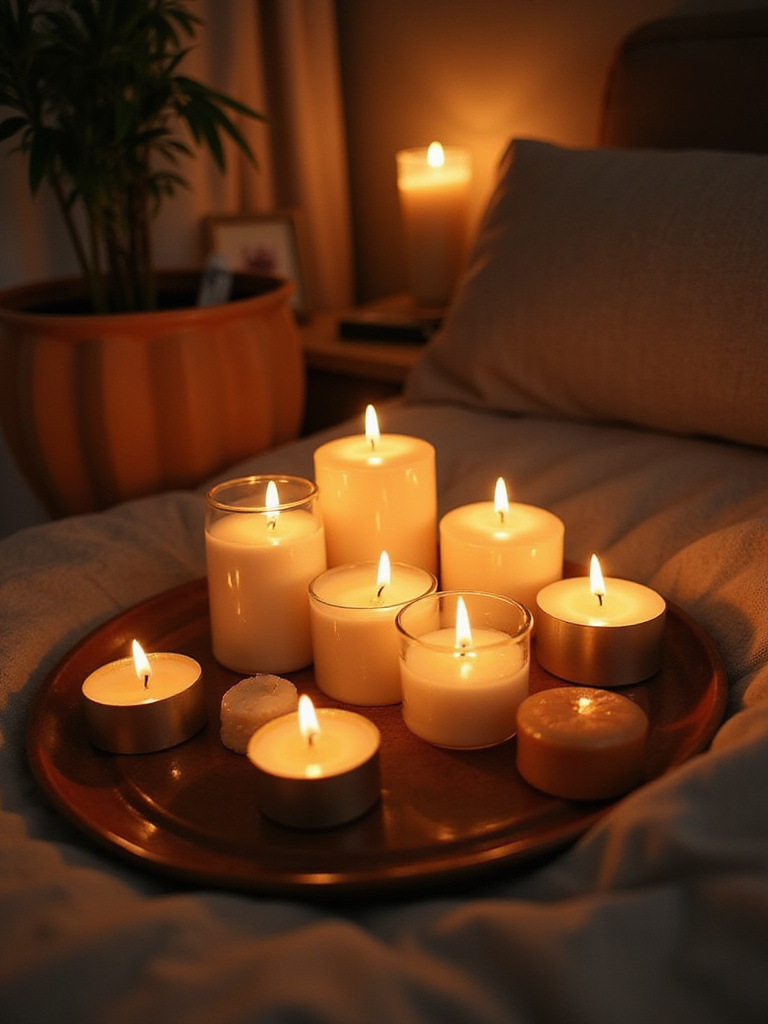
For safety and convenience, I’m a huge fan of today’s high-quality flameless LED candles. They are a game-changer. The best ones have a realistic flicker and are made of real wax, so you get all the ambiance without any of the worry about an open flame. You can set them on a timer to turn on automatically as dusk falls, so your room is always welcoming you with a warm glow. Combining one or two real, beautifully scented candles with a cluster of flameless ones is the perfect solution.
And for that final touch of magic…
17. Add Warm String Lights or Fairy Lights for Dreamy Sparkle
Fairy lights can be magical, but they can also look like a leftover student dorm room decoration if done wrong. The number one rule: they must be warm white. That cool, bluish-white light is clinical and jarring. You want a soft, golden glow. The second rule is to use them with intention. Instead of just tacking them around the ceiling, weave them behind a sheer curtain to create a wall of twinkling light, tuck them into a large glass vase to create a ‘captured fireflies’ effect, or drape them behind your headboard for a soft, backlit halo.
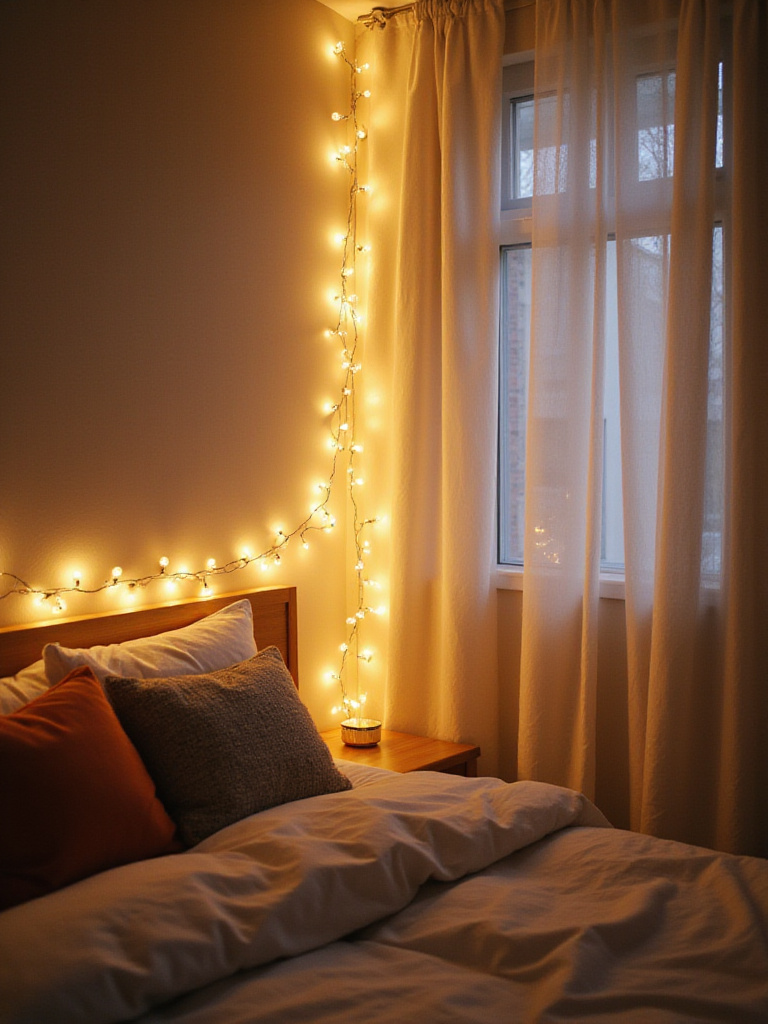
A shortcut I love is to connect them to a smart plug. You can schedule them to come on every evening and turn off after you’ve fallen asleep, or control them with your voice. It’s a tiny detail that feels incredibly luxurious and adds a layer of effortless, dreamy sparkle to your sanctuary.
Let’s ensure the space feels truly like you.
18. Showcase Personal Photos and Mementos for Heartfelt Charm
A bedroom shouldn’t look like a hotel. It needs soul, and that soul comes from your story. Displaying a few, well-chosen personal photos or cherished mementos makes the space uniquely yours. It’s a constant, quiet reminder of the people, places, and moments that matter. But the enemy of charm is clutter. This isn’t about covering every surface with knick-knacks.
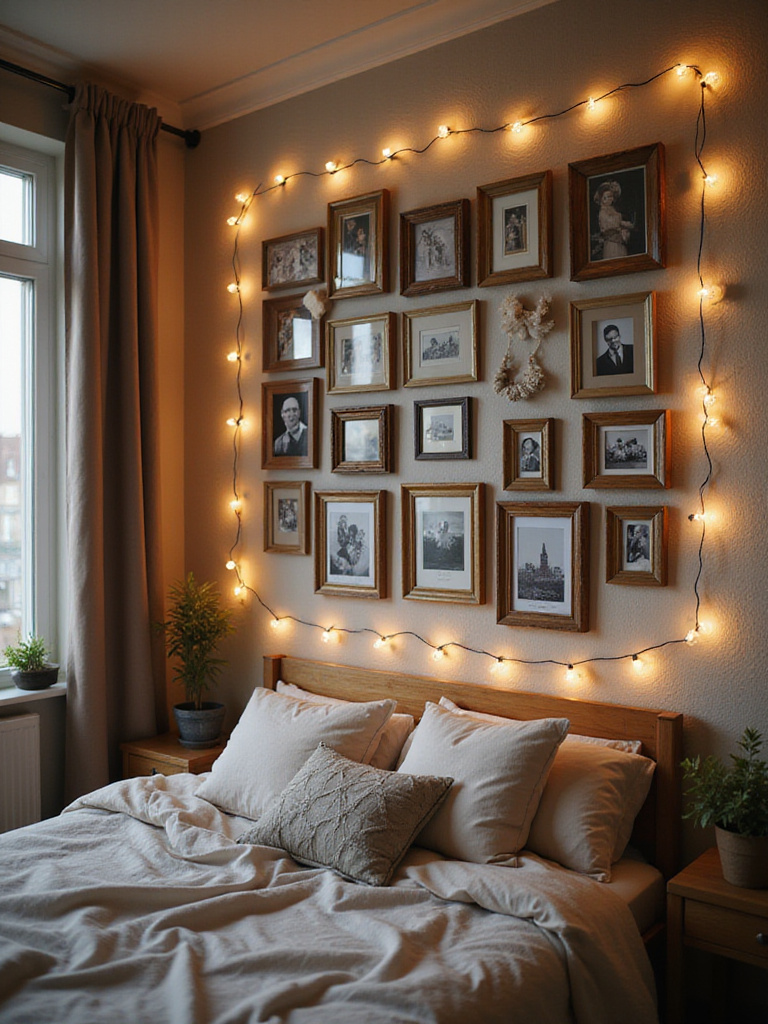
The trick is to curate. Create a small gallery wall with cohesive frames, or dedicate a single shelf to a few meaningful objects. A great tip is to create small “vignettes” on your dresser or nightstand. Use a small tray as a base and group a framed photo, a small vase, and a meaningful object together. This containment makes it feel purposeful and designed, rather than random and cluttered.
Personalized Retreats: Thoughtful Details & Optimized Spaces
We’re in the final stretch. This is about refining the space with personal, functional details that support a life of ease and well-being.
19. Introduce Calming Houseplants for Natural Serenity
A room without plants is a room without life. As someone who lives and breathes design that connects us to nature, I consider plants a non-negotiable in a bedroom. They are living sculptures. They purify the air, add organic texture and color, and their presence has been scientifically proven to reduce stress. They are the easiest way to bring the restorative power of the outdoors, in.
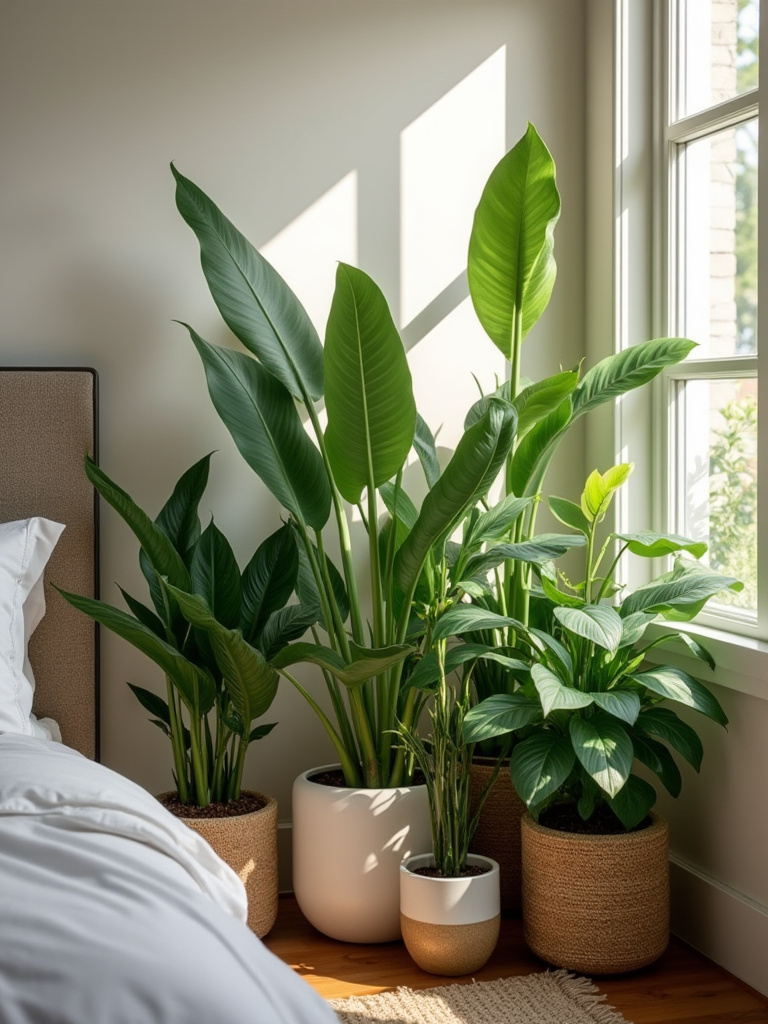
You don’t need to turn your room into a dense jungle. A few well-chosen plants are all you need. For bedrooms, look for low-maintenance, air-purifying powerhouses like a Snake Plant, a ZZ Plant, or a leafy Pothos. They tolerate lower light and are very forgiving. Choose beautiful pots that complement your decor and treat them as another decorative element. The simple act of caring for something alive brings a wonderful sense of purpose and calm to the space.
Your bedside area needs to be a command center of comfort.
20. Curate a Bedside Setup for Optimal Comfort Access
Your nightstand should be your ultra-functional best friend. It needs to serve you perfectly in those moments right before sleep and immediately upon waking. This means curating it with intention. You need space for a glass of water, a book, a small lamp, and a place to charge your phone without a mess of tangled cords. Everything you need should be within easy reach so you’re not fumbling in the dark.
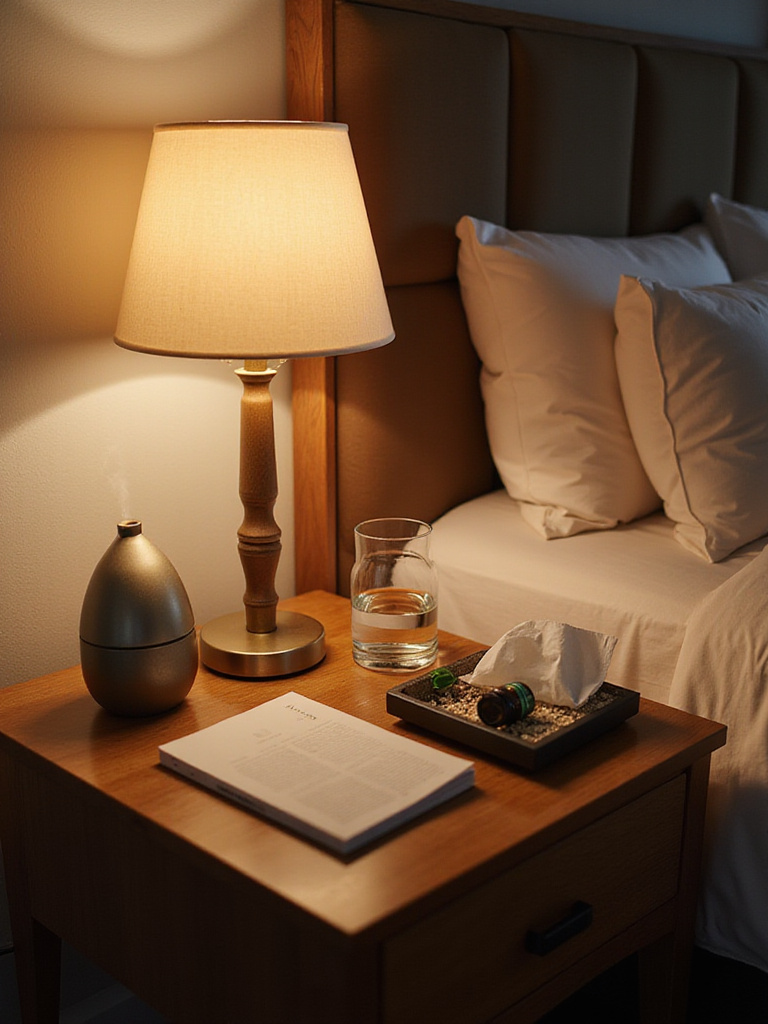
A little tray is brilliant for corralling smaller items like hand cream, lip balm, or jewelry. If your nightstand has a drawer, use it to hide away the less beautiful necessities. The goal is a surface that is both incredibly functional and visually calming. This small zone has an outsized impact on your daily routine, so taking the time to get it right pays off every single night and every single morning.
And to keep the calm, we need to conquer clutter.
21. Optimize Storage Solutions to Maintain a Clutter-Free Sanctuary
Clutter is the enemy of calm. It’s visual noise. It constantly sends subtle signals to your brain that work is left to be done, which is the exact opposite of what you want in a retreat. Smart, effective storage is the invisible hero of a cozy bedroom. This means using every inch of space wisely—think under-bed storage containers for seasonal items, and vertical storage like tall dressers or shelves to draw the eye up.
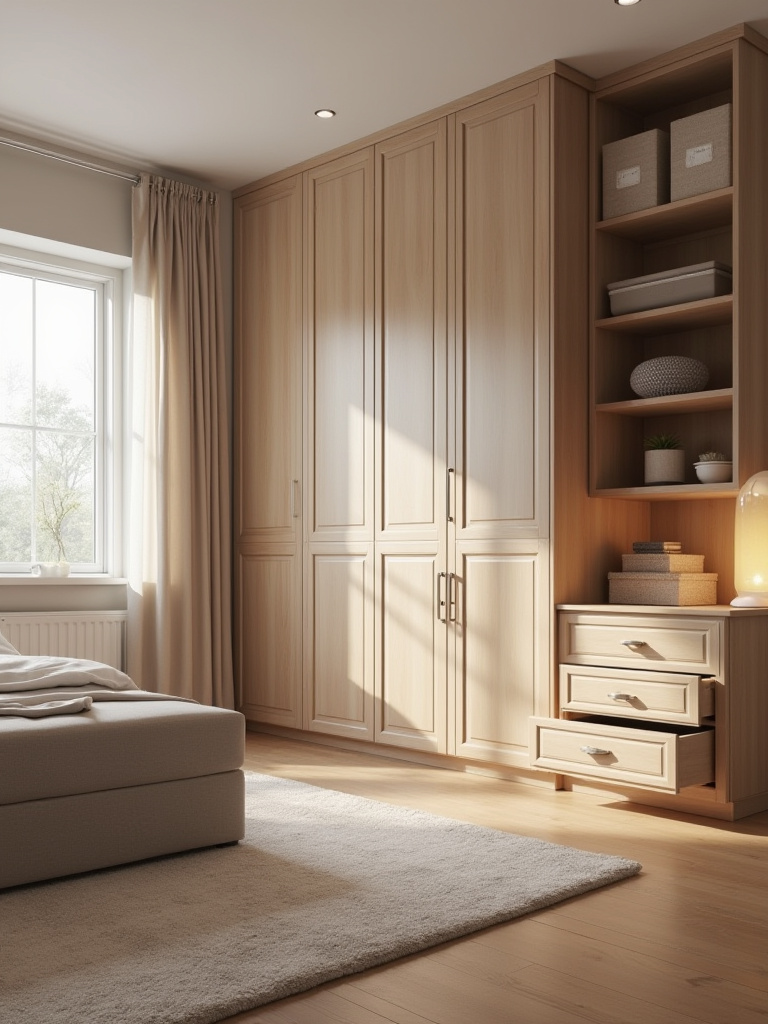
The first step is always to ruthlessly declutter. You can’t organize clutter. Once you know what you truly need to store, you can find a beautiful and efficient home for it. Stylish woven baskets are fantastic for hiding away everything from extra blankets to laundry. The rule I live by is “one in, one out.” If a new sweater comes into the closet, an old one has to leave. It’s the only way to maintain a state of peaceful order.
With everything organized, you can now display your treasures with pride.
22. Display Cherished Collectibles on Dedicated Shelving
Once your room is clear of unnecessary clutter, you have the space to celebrate the things you’ve chosen to keep. This is different from the personal photos we mentioned earlier; this is about your passions. Your collection of vintage pottery, the beautiful shells from your travels, your first-edition books. These items shouldn’t be hidden away in a box. They tell your story.
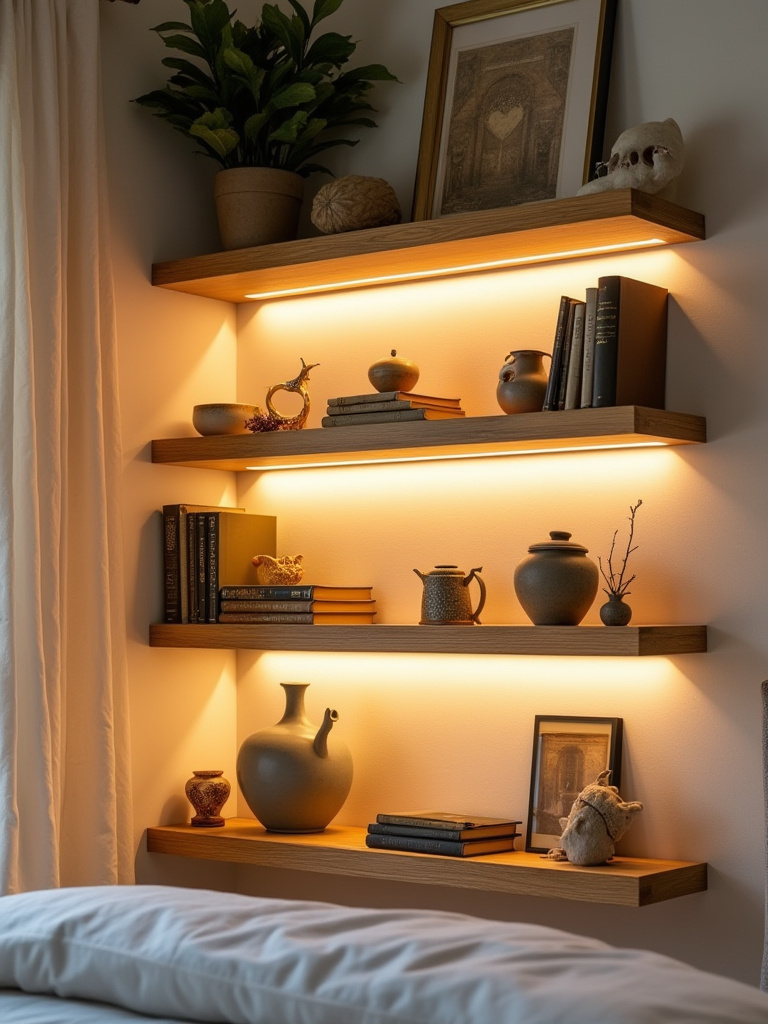
Dedicating a few floating shelves or a section of a bookshelf to these items turns them from potential clutter into a curated museum of you. Group them thoughtfully, give them room to breathe, and light them well if you can. This is what infuses a room with personality and makes it feel like it has been thoughtfully built over time, not just decorated in a weekend.
Finally, the ultimate luxury: a space to simply be.
23. Establish a Small Seating Area for Reflective Moments
Even the smallest bedroom can usually accommodate the ultimate retreat feature: a chair. Having a dedicated seat in your bedroom that is not your bed creates a psychological separation. It’s a space for reading, for meditating, for sipping a cup of tea, for quiet reflection. It’s your own private corner of the world, a ‘no-tech zone’ where you can simply sit and breathe.
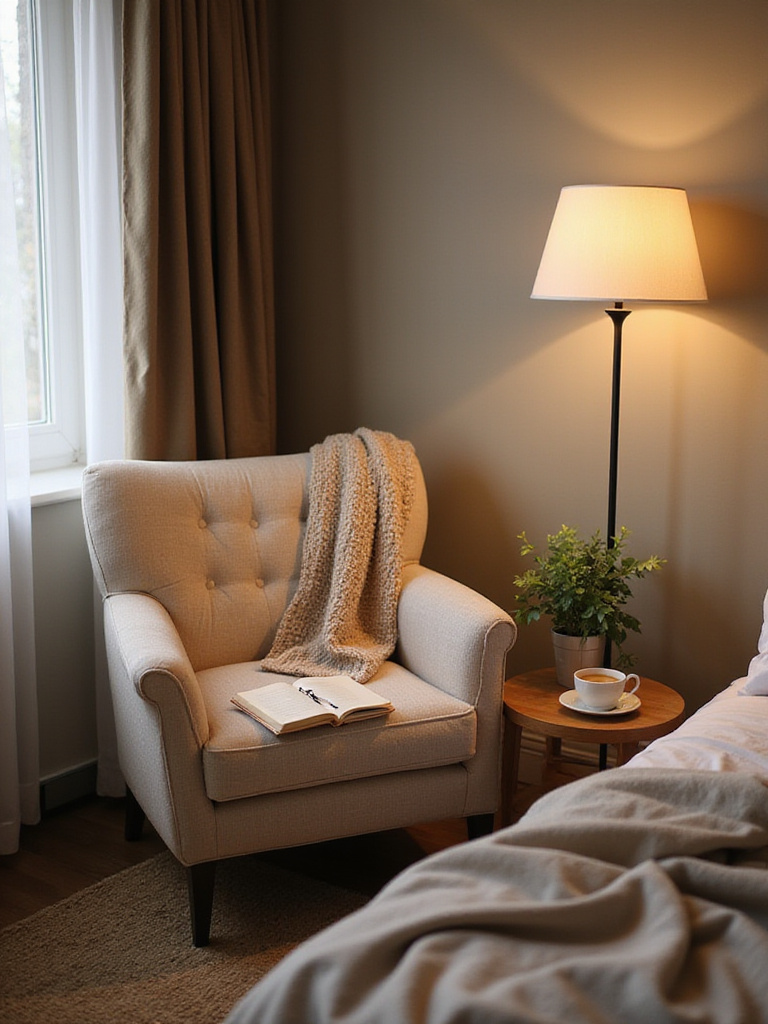
All you need is a comfortable armchair, maybe a small pouf or ottoman to put your feet up, and a good reading light. It gives the room another purpose beyond just sleep, elevating it into a true multi-functional sanctuary for your well-being. A client once told me that adding a reading chair to her bedroom was “life-changing,” because it gave her permission to take 15 minutes for herself at the beginning and end of each day. That’s the real power of design.
Your Ultimate Retreat Awaits
So, you see? Creating a bedroom that feels like a sanctuary isn’t about following a rigid set of rules or buying a bunch of stuff. It’s a sensory, holistic process. It’s about being intentional with color and light, embracing the soul of natural materials, and layering textures that invite you to slow down and relax. It’s about building a space that reflects who you are and supports your well-being on every level.
Don’t feel like you have to do all of this at once. Start with one thing. Maybe it’s painting the walls a warm, earthy tone. Maybe it’s finally investing in those beautiful linen sheets you’ve been dreaming of. Each small, thoughtful change is a step toward creating a room that doesn’t just house you, but truly nurtures you. Your retreat is waiting.