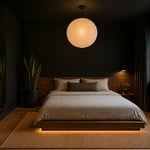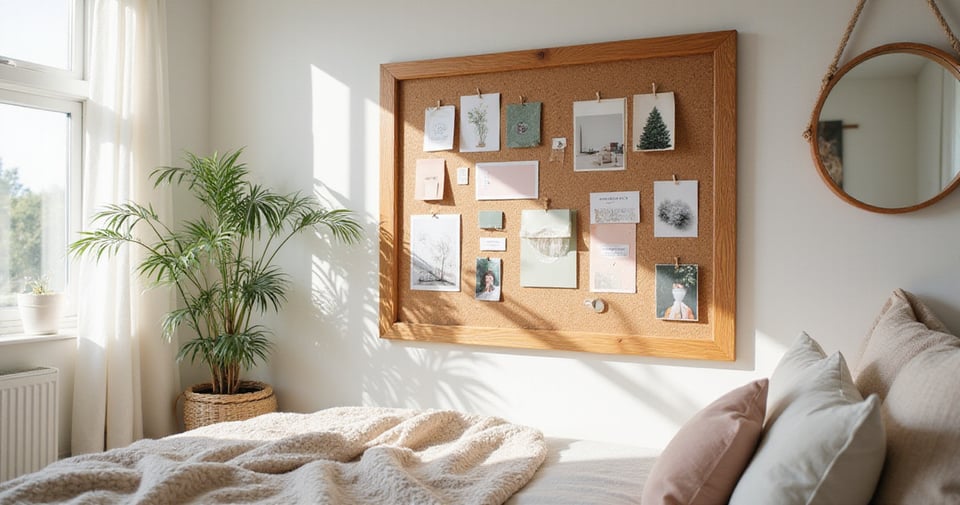
Can we talk about the phrase “cute bedroom ideas” for a moment? People always ask me about this, and I find that what they’re really searching for isn’t something childish or trendy. They’re looking for a room that feels endearing, personal, and deeply comforting—a sanctuary. When you scroll online, “cute” often means disposable decor, pastel overload, and trends that will feel dated in a year. That’s just noise. It’s not sustainable for your wallet or the planet.
The real goal is to create a space with enduring charm. A room that feels right because it’s a reflection of you, thoughtfully designed to be calm and functional. The wisdom I draw from both my Scandinavian and Middle Eastern heritages is this: a beautiful space is one that respects its climate, soothes its inhabitants, and is built with intention. Forget the fast-decor fads. Let’s talk about creating a room with a soul—a space that is not just cute, but truly cherished.
Designing Your Dreamy Foundation (Part 1)
Before you buy a single pillow, we need to talk about the bones of the room. The real magic isn’t in the accessories; it’s in getting the foundation right. This is where you create the feeling of calm and cohesion that makes everything else fall into place. Most people skip this and go straight to shopping, which is how you end up with a room that feels disconnected and cluttered. Don’t do that.
1. Define Your Personal Aesthetic with a Vision Board
I used to think vision boards were a bit frivolous. Then I watched a client struggle, buying and returning pieces for months because she couldn’t articulate the feeling she wanted. We finally sat down on the floor with fabric swatches and photos of landscapes, not just other bedrooms, and it all clicked. The goal isn’t to copy a room from Pinterest; it’s to define your personal version of tranquility. Are you drawn to the raw, airy texture of a linen curtain filtering the morning sun? The deep, grounding color of terracotta clay?
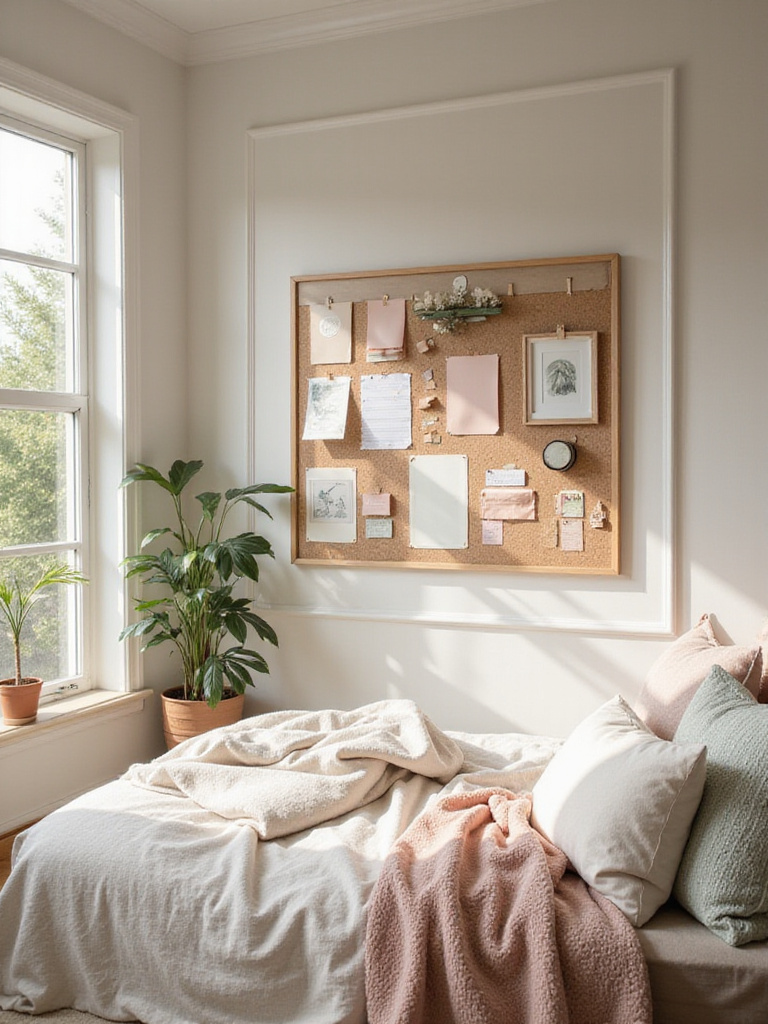
Forget trends. What actually matters is creating a visual language for the mood you want to inhabit. Gather images, textures, and colors that feel like you. This board is your compass. It stops you from making impulse purchases that don’t serve the larger vision, saving you money and regret. The shortcut is to stop asking “What style do I like?” and start asking “How do I want to feel when I wake up in this room?” That shift in focus changes everything.
Now you have a foundation of feeling to build upon, starting with the most immersive element in any room.
2. Select a Harmonious Color Palette for a Soothing Vibe
The biggest mistake people make is choosing a trendy color without considering the light in their own room. A gray that looks serene and cool in a Scandinavian showroom can look flat and dreary in a room with low, warm light. You have to work with your environment. In the desert, we learn from architecture that has existed for centuries: light, earthy tones reflect heat and create a sense of spaciousness and calm inside. Think sand, soft clay, and the pale green of a hardy desert plant.

This isn’t just about aesthetics; it’s about psychology and climate-consciousness. Cool palettes can literally make a room feel a few degrees cooler, reducing the need for constant air conditioning. My advice is to find a dominant neutral color inspired by your local landscape. Then, layer in two other complementary shades for warmth and depth. And please, test your paint. Swatch it on different walls and watch how it changes throughout the day. A color is a living thing, and you have to see how it breathes in your own space before you commit.
With your palette defined, we can move on to arranging the space for both comfort and energy.
3. Optimize Room Layout for Cozy Flow and Functionality
You know what people always get wrong about layout? They push everything against the walls. It’s an instinct—we think it will make the room feel bigger, but it often just creates a dead, unused space in the middle. The Middle Eastern principle of the central courtyard has taught me so much about flow. It’s about creating pathways and zones that encourage both movement and stillness. Your bedroom layout should create a natural, intuitive path from the door to the bed to the closet.
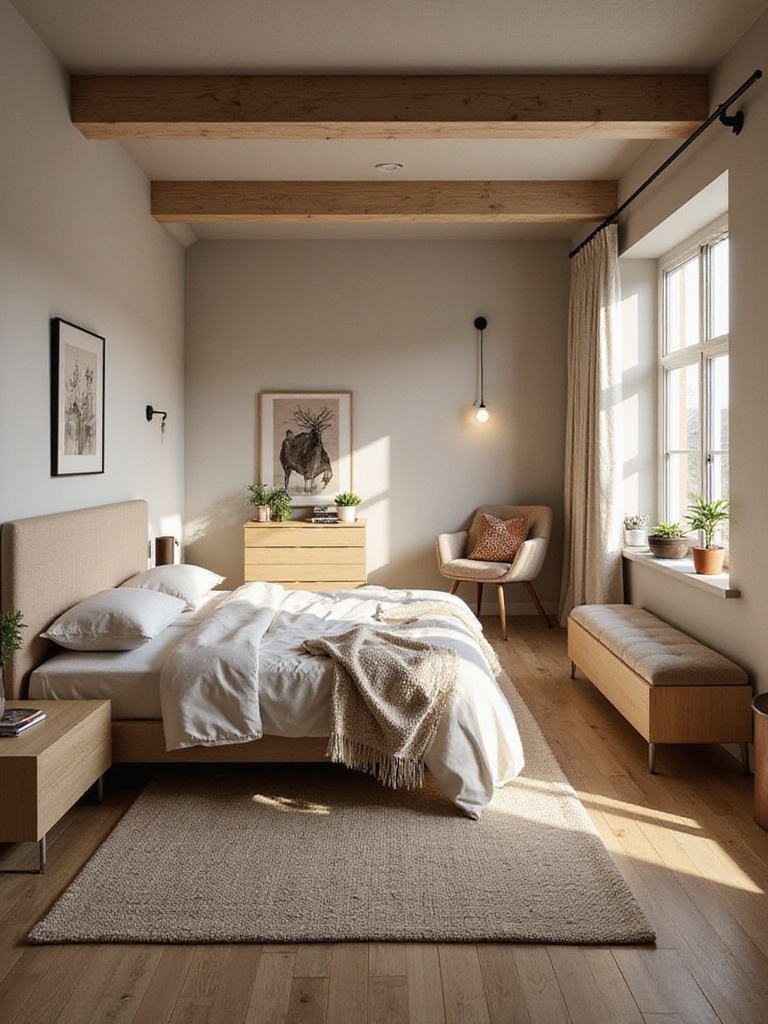
What matters here is creating a sense of effortless movement. You shouldn’t have to shuffle around an armchair to get to your dresser. This is especially critical in warmer climates where airflow is key to comfort. A well-placed bed can create a natural channel for a cross-breeze, a lesson I learned the hard way during a sweltering summer in a poorly arranged apartment. The shortcut? Use painter’s tape on the floor to mark out where your furniture will go. Walk the “room” for a day. You’ll know immediately if the flow feels right or wrong, without moving a single heavy thing.
This sense of ease is impossible to maintain if your space is overrun with clutter.
4. Integrate Smart Storage Solutions to Minimize Clutter
Let me confess something: a serene, minimalist aesthetic is a beautiful lie if you don’t have good storage. A clean space is not about owning less (though that helps); it’s about having a thoughtful place for everything. The Scandinavian side of my design philosophy is rooted in this. Clutter creates visual noise, and visual noise creates mental stress. Your bedroom should be the calmest room in your home, and that starts with putting your things away.
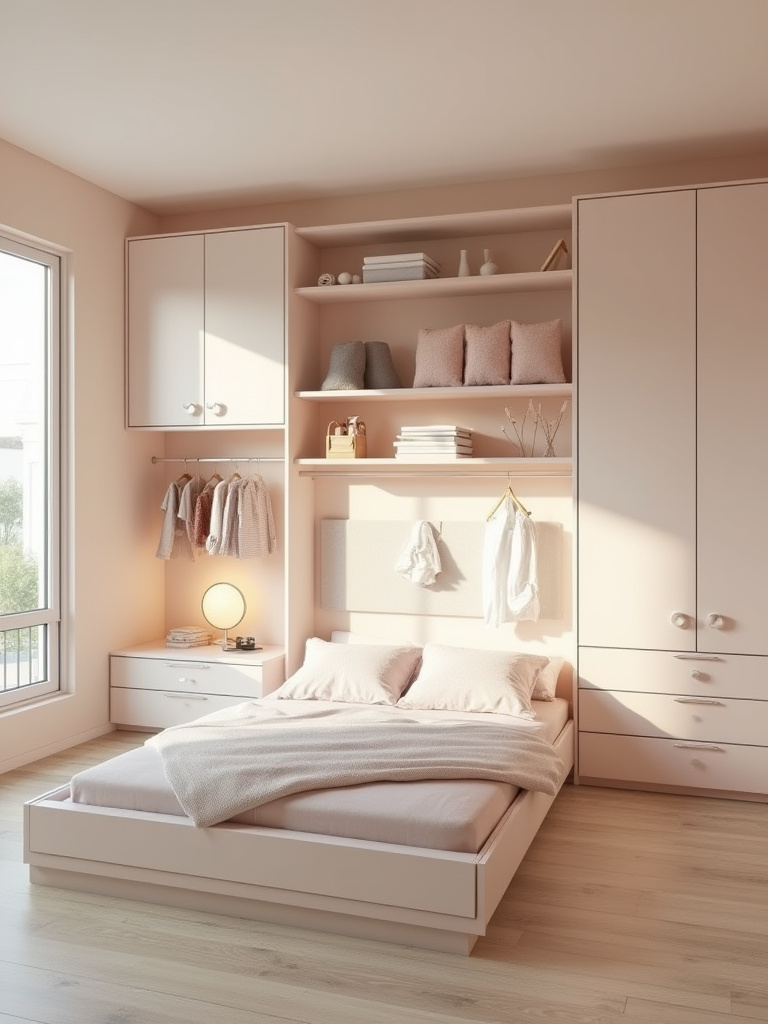
Forget those ugly plastic bins. What matters is integrating storage so seamlessly that it becomes part of the architecture. Think beds with built-in drawers, custom-fit wardrobes that disappear into the wall, or a beautiful wooden chest at the foot of the bed. These aren’t just boxes; they are considered pieces of furniture that serve you. I once worked with a client whose tiny bedroom felt chaotic. We installed a single wall of floor-to-ceiling cabinetry, painted the same color as the walls. The room instantly felt twice as large and a hundred times more peaceful, because the “stuff” was gone. That’s the power of hiding it beautifully.
Now that the essential functions of the room are established, we can choose the anchors of your space.
Designing Your Dreamy Foundation (Part 2)
We’ve set the stage, defined the mood, and cleared the clutter. Now it’s time to bring in the main characters of your bedroom story. These are the large pieces that anchor the entire design and directly impact your daily comfort. Getting this right is about balancing beauty with a deep sense of wellness.
5. Choose Core Furniture Pieces for Comfort and Style
Here’s the thing about “fast furniture”: it’s the design equivalent of fast food. It might satisfy an immediate craving for a new look, but it lacks soul and won’t last. Your core furniture—the bed, the nightstands, the dresser—should be an investment in your well-being. These are the pieces you interact with every single day. They should feel solid, be made of honest materials, and be genuinely comfortable.
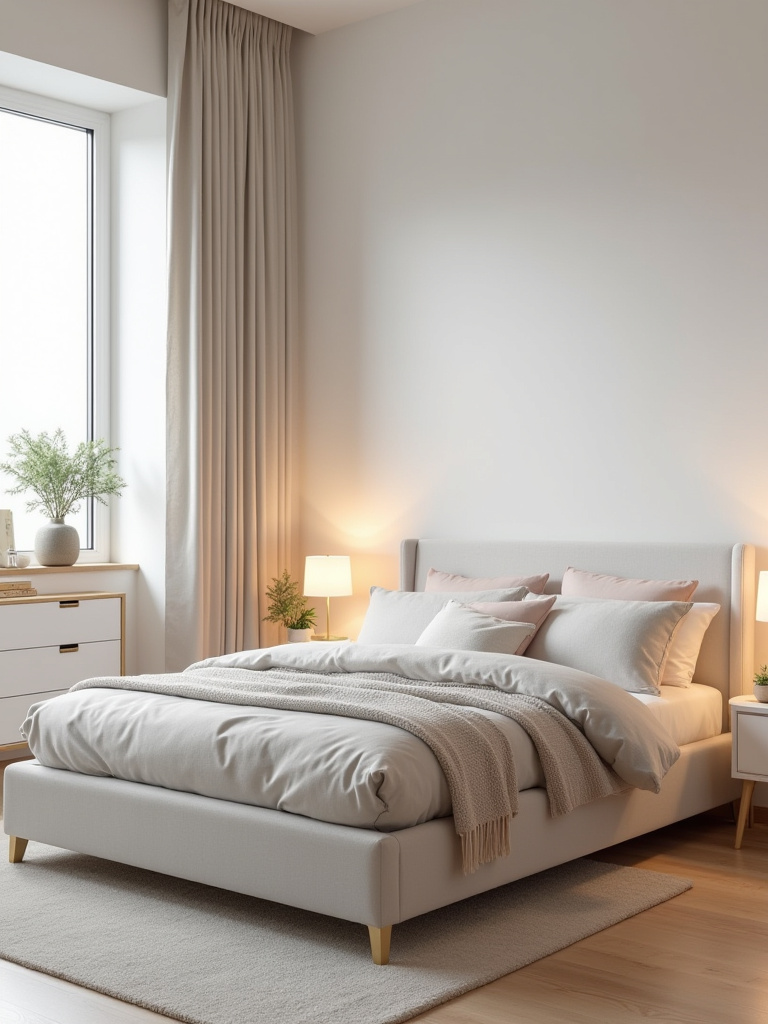
I always guide my clients to prioritize natural materials like wood, which brings warmth and life into a space. An upholstered headboard in a durable linen or bouclé can soften the room’s acoustics and offer a comfortable place to lean while reading. The key is to think about longevity. A piece of furniture made from reclaimed wood tells a story; a particleboard dresser with a peeling veneer just tells you it’s time to buy another one. Choose fewer, but better, pieces. This is the cornerstone of sustainable design, and it’s the only way to build a room that feels authentic and enduring.
With the largest pieces in place, it’s time to layer in the textures and light that will truly make it a sanctuary.
Bringing Charm to Core Elements (Part 1)
This is where the room starts to feel truly personal and inviting. We’re moving beyond the blueprint and into the sensory details—the textiles, the light, the art—that make a space feel lived-in and loved. It’s these layers of charm that transform a well-designed room into a soulful retreat.
6. Select Whimsical Bedding and Plush Throw Pillows
Don’t underestimate the power of textiles. They are the easiest and most impactful way to introduce warmth and personality. But “cute bedding” doesn’t have to mean busy florals or juvenile prints. For me, it means focusing on texture and material. Think of layers of natural fibers: breathable linen sheets that keep you cool, a soft organic cotton duvet, a chunky wool throw at the foot of the bed. This tactile experience is what creates true coziness.
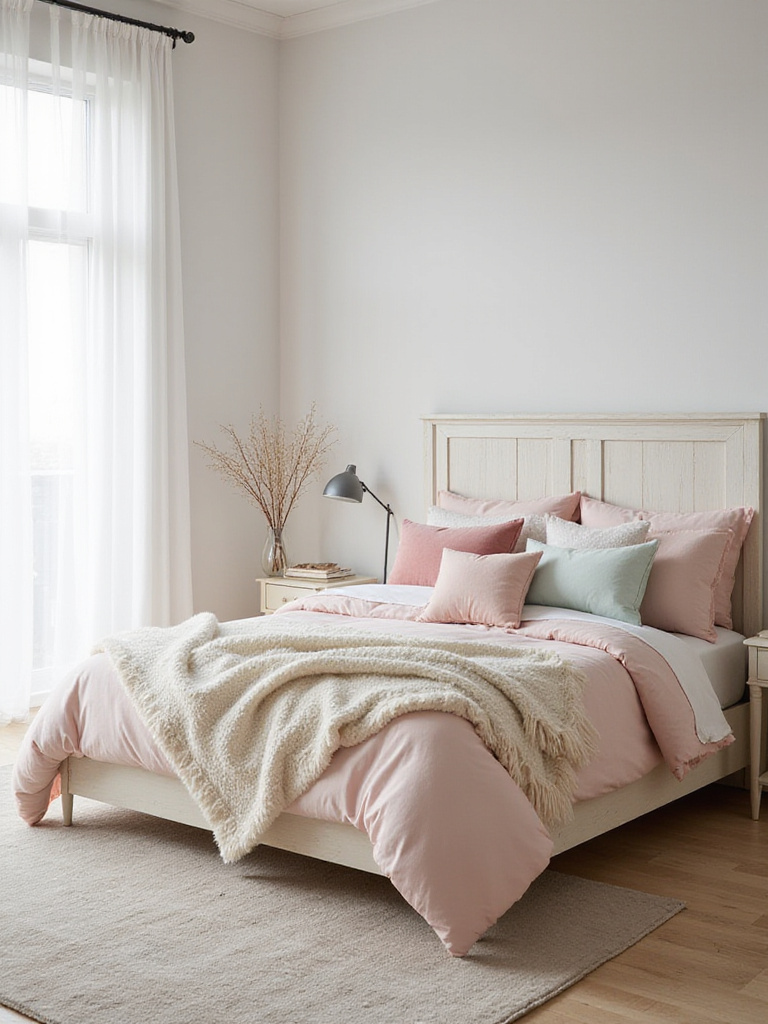
What’s just noise? An avalanche of decorative pillows that you have to throw on the floor every night. What actually matters is having two to three beautifully textured pillows that add a layer of comfort and visual interest. I learned this from observing the masterful layering in Middle Eastern design, where rich textiles are used to create comfort and luxury. A shortcut I always tell my friends: invest in one set of high-quality linen bedding. It’s an initial expense, but it’s naturally temperature-regulating, absurdly durable, and only gets softer with time. It’s a quiet luxury you’ll appreciate every single night.
The softness of your textiles should be complemented by the quality of your light.
7. Install Creative Lighting Fixtures for Ambient Glow
Relying on a single, harsh overhead light is a design sin. It flattens everything and creates a sterile, unpleasant atmosphere. A well-lit room should have layers of light, just like a well-designed room has layers of texture. The goal is to create pools of warm, inviting light that draw you into different parts of the space. This is a principle you see everywhere in traditional souks and courtyards, where light is managed to create drama and intimacy.
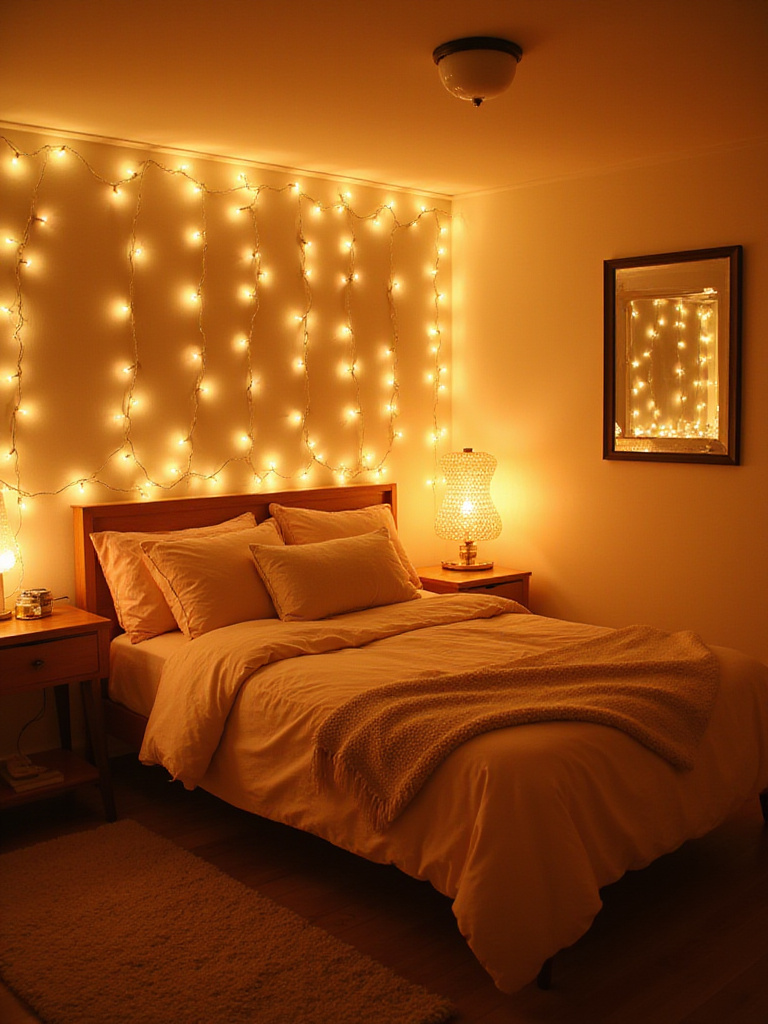
You need three layers. First, ambient light—this can be your softened overhead fixture on a dimmer. Second, task light, like a focused reading lamp by your bed or a desk lamp. Finally, accent light, which is where the magic happens. Think of a small, sculptural lamp on a dresser, or warm LED strips hidden behind a headboard to cast a soft glow. I once used a single, beautifully crafted brass lantern, pierced to cast intricate shadows, to completely transform a sterile corner into a meditative space. It’s not about brightness; it’s about depth.
The glow of the lighting will illuminate the stories you choose to tell on your walls.
8. Curate a Personalized Gallery Wall with Art and Memories
The typical gallery wall is often just a random assortment of trendy prints bought online. It lacks personal meaning. What I encourage is creating a “story wall” instead. This is a collection that is deeply personal and reflects your history, your travels, and your passions. It’s not just art; it’s an archive of your life.
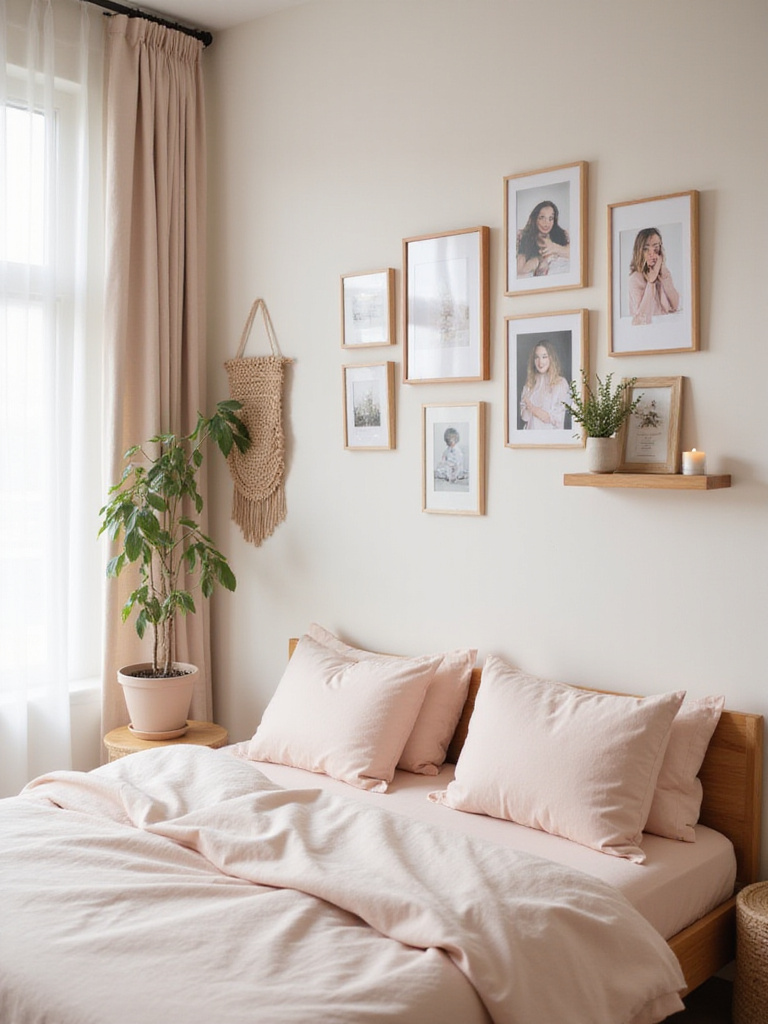
Instead of generic abstract prints, frame a beautiful piece of fabric you brought back from a trip. Hang a map of a city you love. Display a few black-and-white photos of your family or ancestors alongside a small, simple line drawing. The key is to mix media and to choose items that hold genuine emotional resonance for you. The result is a focal point that is not only visually interesting but also deeply grounding. It reminds you who you are and where you’ve been, transforming a blank wall into a meaningful part of your sanctuary.
To complete this sensory layer, we need to address the feeling underfoot and at the windows.
9. Introduce Soft Textures with Cozy Rugs and Drapes
Hard surfaces create echo and a feeling of coldness. Rugs and drapes are essential for absorbing sound and adding a critical layer of warmth and softness. This is a perfect example of climate-conscious design hiding in plain sight. In hot climates, thick drapes have been used for centuries to block the harsh sun and keep interiors cool. A sheer inner curtain allows for diffused light, while a heavier outer drape provides insulation. It’s both beautiful and incredibly functional.
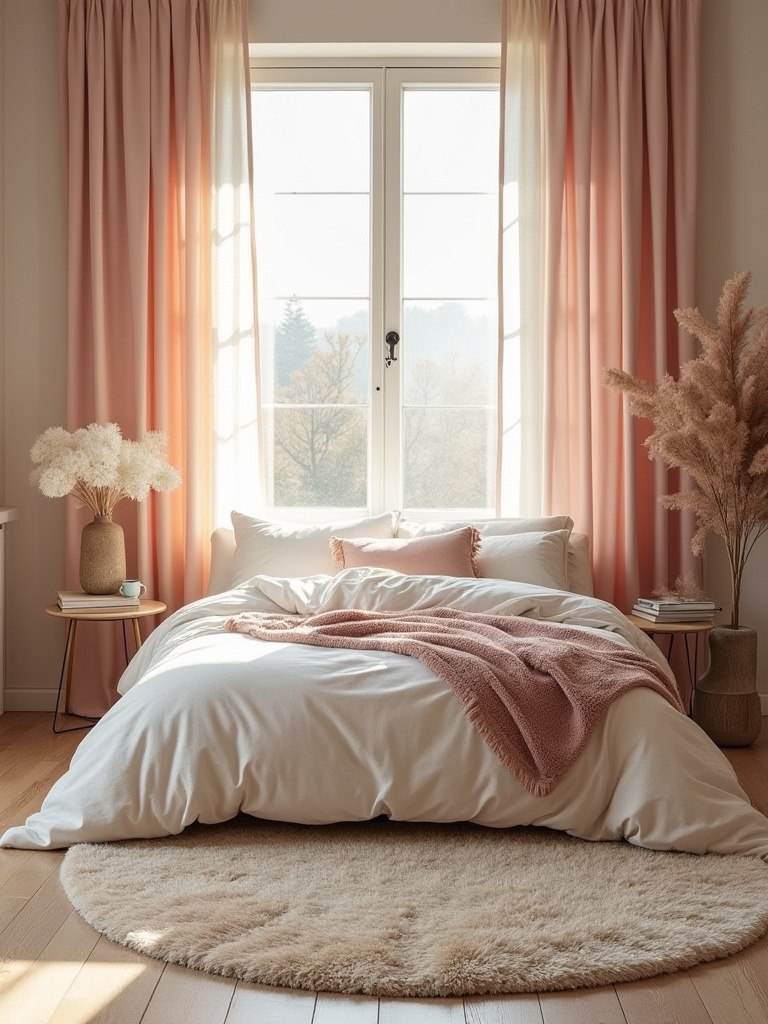
Forget small, postage-stamp-sized rugs. A rug should be large enough to anchor the main furniture in your room; at the very least, the front legs of your bed and nightstands should sit on it. This makes the space feel more cohesive and luxurious. For materials, natural fibers like wool or jute add incredible texture and durability. I learned the hard way that a cheap, synthetic rug not only feels unpleasant but also off-gasses chemicals. Investing in a quality, natural-fiber rug is better for your health and the feel of your entire home.
With these foundational textures in place, let’s look at the smaller pieces that add both function and flair.
Bringing Charm to Core Elements (Part 2)
This section is about the clever, hardworking pieces that often get overlooked. It’s where the blend of Scandinavian functionality and desert modern aesthetics truly shines—finding beauty in utility and ensuring every object in your sanctuary earns its place.
10. Incorporate Functional yet Decorative Small Furniture
In a thoughtfully designed space, even the most practical items should possess a quiet beauty. This is about choosing smaller pieces that serve a purpose while adding character—a small hand-carved stool from a local artisan that can act as a nightstand or a plant stand, or a slim, wall-mounted shelf that displays a few cherished objects without taking up floor space.
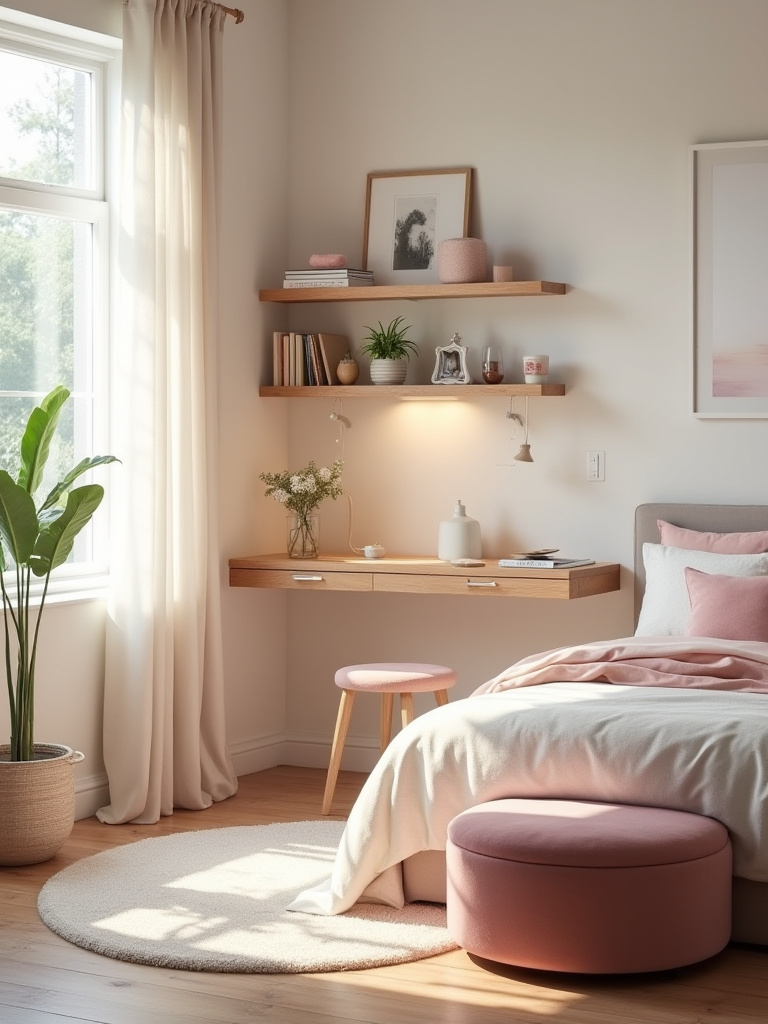
The BS to avoid here is “accent furniture” that is purely decorative and serves no function. In a bedroom, especially a smaller one, every piece needs to pull its weight. A beautiful woven bench at the end of the bed isn’t just an aesthetic choice; it’s a place to sit while putting on your shoes and a spot to lay out your clothes for the next day. This intersection of form and function is where enduring design lives. It’s not about adding more stuff; it’s about choosing smarter, more beautiful things.
These principles of beauty and function extend to the decorative details that truly animate the space.
Elevating the Cute Factor with Decor (Part 1)
Now we can have fun with the final touches. This isn’t about filling every surface with trinkets. It’s about a few, carefully chosen elements that inject life, light, and personality into your space. Think of these as the final brushstrokes that complete the painting.
11. Embrace Lush Greenery with Easy-Care Indoor Plants
Bringing plants into a bedroom isn’t just a design trend; it’s a way to connect with the natural world and improve your indoor environment. Plants are living sculptures that purify the air, reduce stress, and literally bring life into your sanctuary. Even in the desert, resilient plants thrive indoors, reminding us of the tenacity of life.
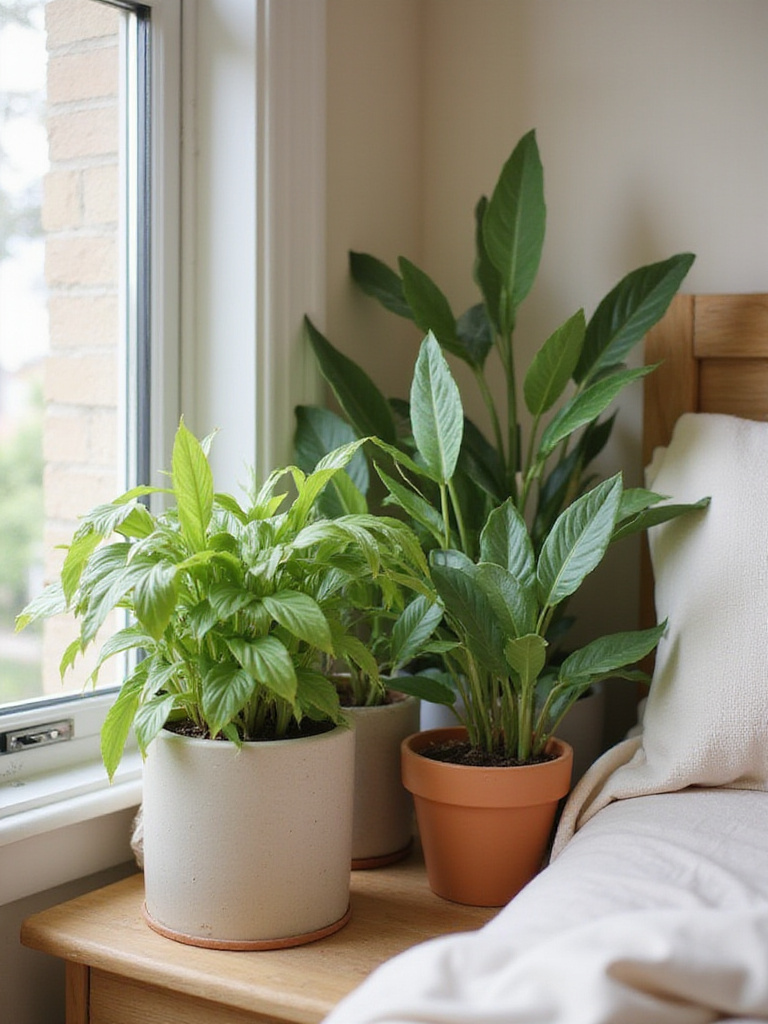
The key is to choose plants that suit your lifestyle and the light conditions of your room. Don’t buy a finicky Fiddle Leaf Fig if you’re a beginner. Start with something resilient like a Snake Plant or a ZZ Plant. They tolerate low light and infrequent watering, offering maximum green impact for minimal effort. The shortcut is to place a single, striking plant in a beautiful ceramic pot. It has more impact than a clutter of tiny, struggling plants and serves as a natural focal point that evolves over time.
A plant brings life, and a dedicated corner for quiet reflection brings peace.
12. Create a Cozy Reading Nook with Cushions and Blankets
Every sanctuary needs a small corner dedicated to quiet retreat. This doesn’t require a huge amount of space. A comfortable chair, a window corner with a few floor cushions, or even a simple bench can be transformed into a reading nook. The principle here is about creating a space within a space—a clear signal to your mind that this spot is for unwinding.
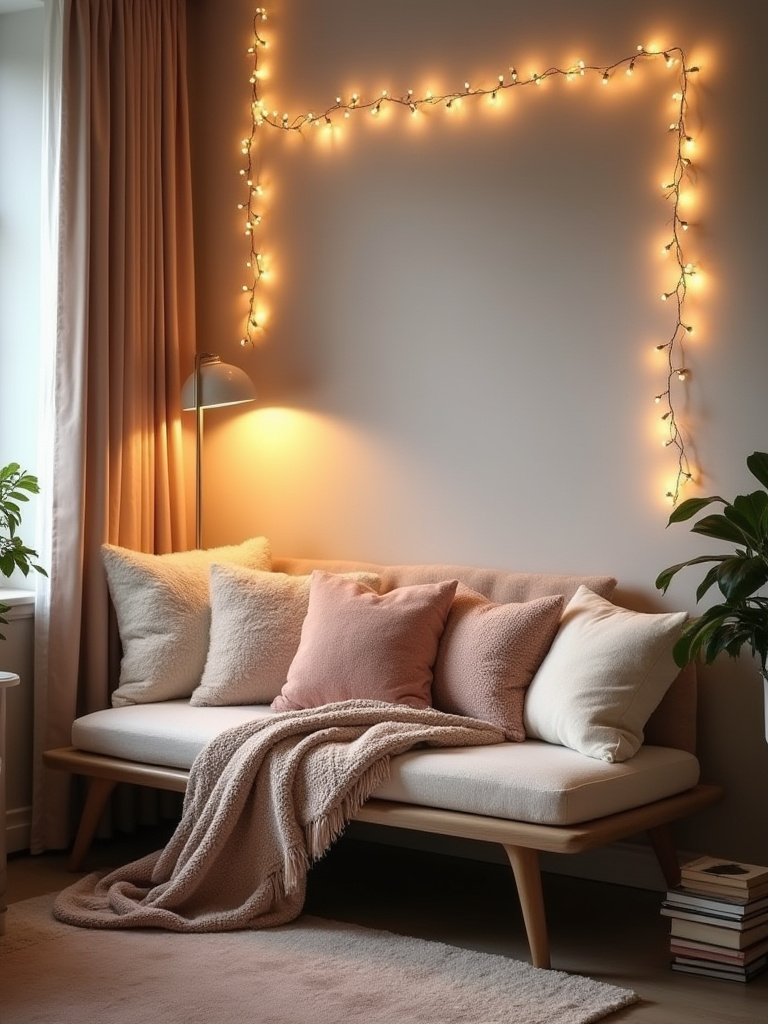
This is where the Middle Eastern influence of creating comfortable, intimate spaces really shines. Layering floor cushions and soft textiles can turn any corner into an inviting lounge area. Add a good reading lamp and a small table for a cup of tea, and you’ve created a destination. This simple act of carving out a zone for rest makes your entire bedroom feel more functional and restorative, separating the act of sleep from the act of gentle relaxation.
Let’s apply that same intentionality to your space for getting ready.
13. Design a Personalized Vanity or Desk Space
Whether you use it for work or for your morning routine, your desk or vanity space should feel just as calm and intentional as the rest of the room. This area can easily become a magnet for clutter. The solution is thoughtful organization and good lighting. Use small trays or ceramic dishes to corral makeup, jewelry, or pens. A well-placed mirror can not only be functional but also help bounce light around the room.
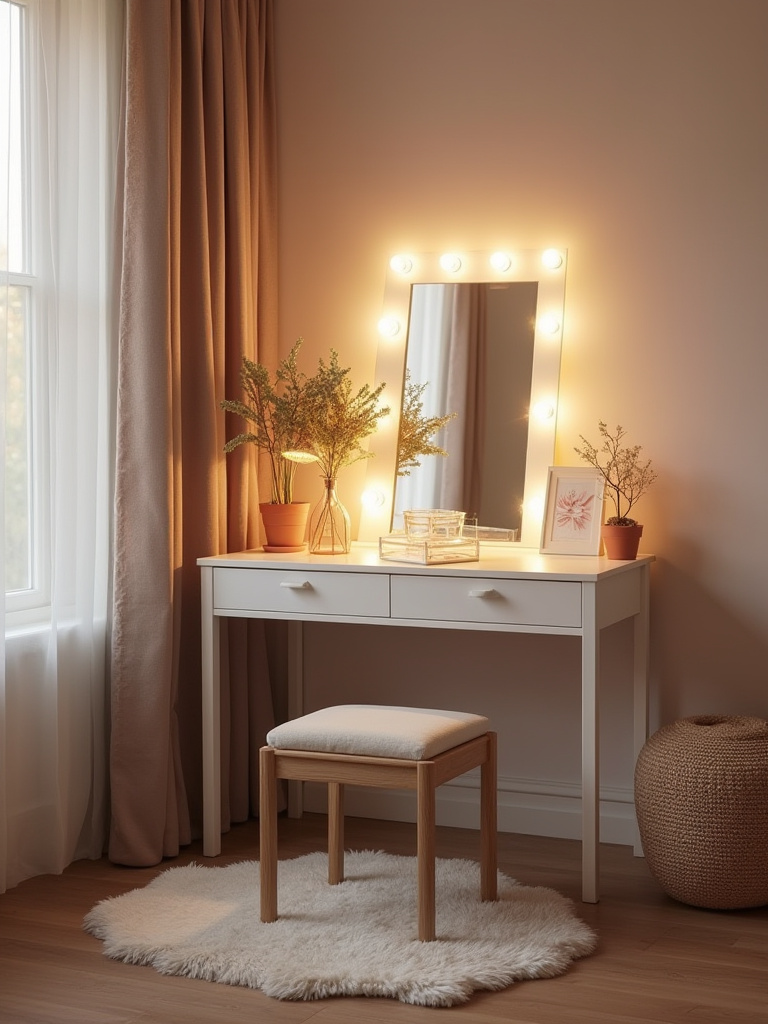
The mistake I often see is a setup that is purely functional but aesthetically jarring. Your workspace should not feel like a corporate office dropped into your sanctuary. Choose a desk made of a warm, natural material. Find a chair that is both ergonomic and beautiful. This space is a part of your bedroom’s ecosystem; it should feel just as considered and harmonious as the area where you sleep.
That idea of bouncing light brings us to one of my favorite architectural tricks.
14. Maximize Natural Light with Strategic Mirror Placement
Mirrors are architectural tools disguised as decor. In desert architecture, where windows were sometimes smaller to minimize heat gain, interior courtyards and reflective surfaces were used to draw light deep into the home. You can use this same principle. Placing a large, simple mirror directly opposite your main window can dramatically increase the brightness of your room without adding a single light fixture.
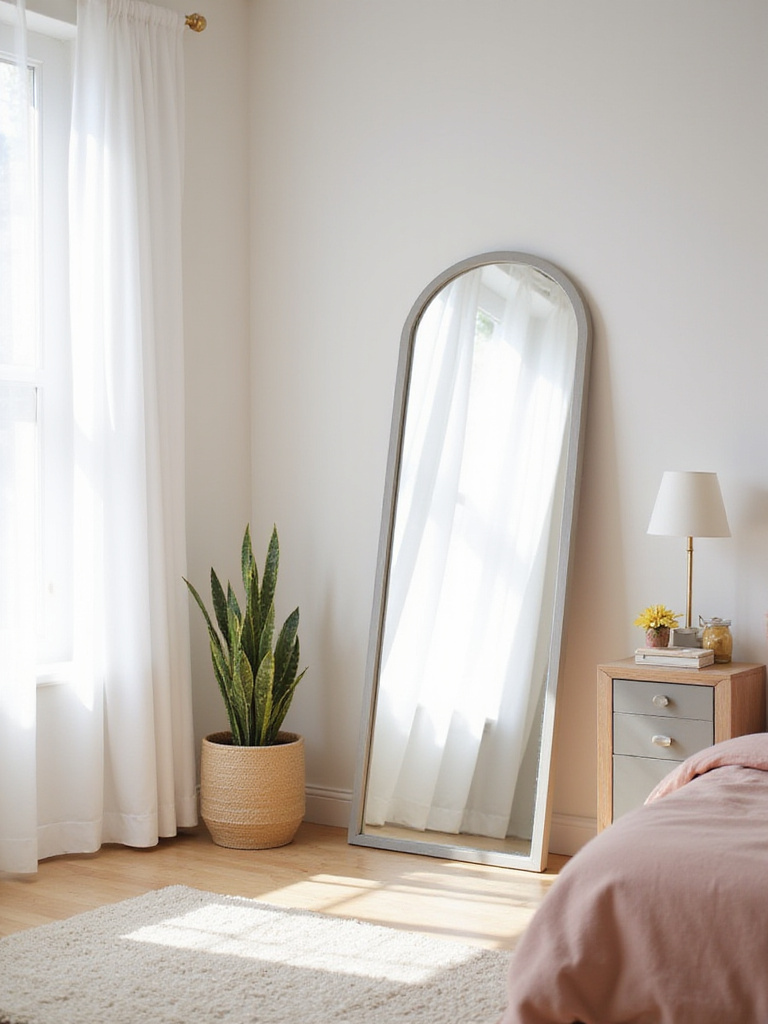
Avoid a gallery wall of tiny, ornate mirrors, which just creates visual clutter. Instead, invest in one large, beautifully framed or frameless mirror. A full-length mirror leaning against a wall not only helps you get dressed but also makes the room feel taller and more open. It’s a classic, simple trick that works every time. It’s about managing your most precious natural resource—light—with intelligence and grace.
With these foundational elements in place, let’s talk about the final, joyful layers.
Elevating the Cute Factor with Decor (Part 2)
We’ve built a serene and functional foundation. Now it’s time to layer in the small, personal touches that truly define the space as your own. This is where you can be more playful, expressing your unique story through objects and art.
15. Infuse Playful Elements with Unique Decorative Accessories
This is not an invitation to add clutter. It’s a call to choose your decorative objects with intention. “Cute” accessories are often mass-produced and meaningless. I encourage clients to seek out items with a story—a ceramic vase from a local artist, a small, hand-carved wooden figure from their travels, a beautiful bowl to hold their keys. These are the pieces that make a room feel unique and soulful.
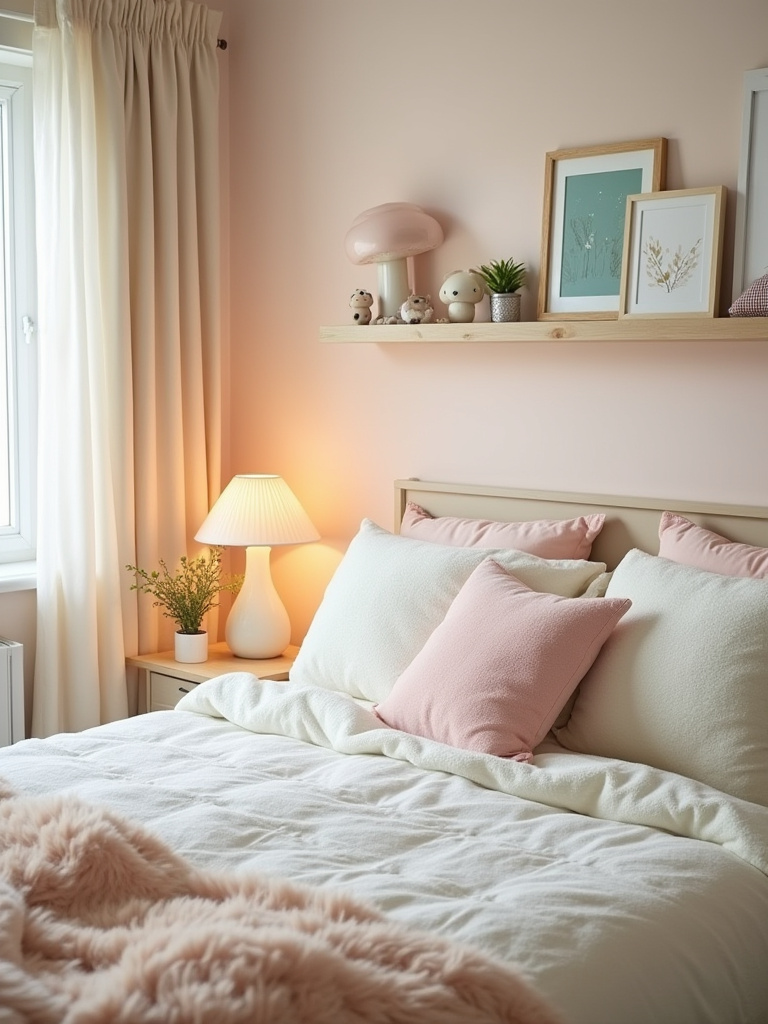
The shortcut here is the “rule of three”: group objects in odd numbers, varying their height and texture. A tall vase, a low bowl, and a medium-sized sculpture create a much more dynamic and pleasing arrangement than three objects of the same size. And above all, only display what you truly love. If an object doesn’t bring you joy or serve a purpose, it doesn’t belong in your sanctuary.
These personal touches should delight all your senses, including the most evocative one.
Sustaining the Sweet Sanctuary
Creating a sanctuary is one thing; maintaining it is another. These final points are about the ongoing practices that keep your bedroom feeling fresh, comfortable, and restorative. This is how a well-designed space becomes a truly nurturing home.
16. Utilize Scent Diffusers and Candles for a Welcoming Aroma
Scent is the most overlooked layer in design. It has a powerful connection to memory and emotion. A signature scent can make your bedroom feel like a true retreat the moment you walk in. This isn’t about overpowering air fresheners. It’s about subtle, natural aromas that promote calm.
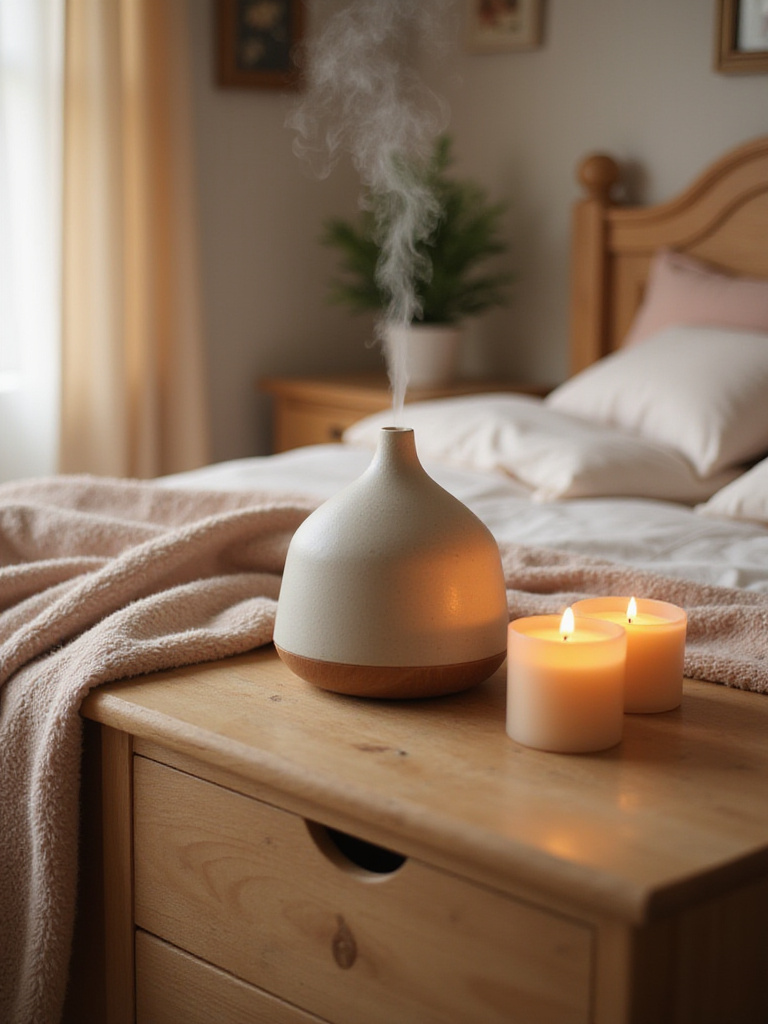
I often suggest essential oil diffusers with scents like lavender for relaxation or sandalwood for a grounding, earthy feel. The choice is deeply personal. In winter, a candle with notes of cedar or clove can add immense warmth and coziness. The key is to find a scent that signals “rest” to your brain. It becomes a sensory cue that helps you transition from the stress of the day into a state of peace, completing the holistic experience of your sanctuary.
Just as you maintain the scent, you must also maintain order.
17. Implement Stylish Storage for Everyday Essentials
We talked about large-scale storage, but daily clutter is a different beast. For the small things you use every day—your book, your phone charger, your watch—you need simple, beautiful systems. Think a small, elegant tray on your nightstand to hold your essentials, a beautiful woven basket on the floor for extra blankets or laundry, or hooks behind the door for your robe.
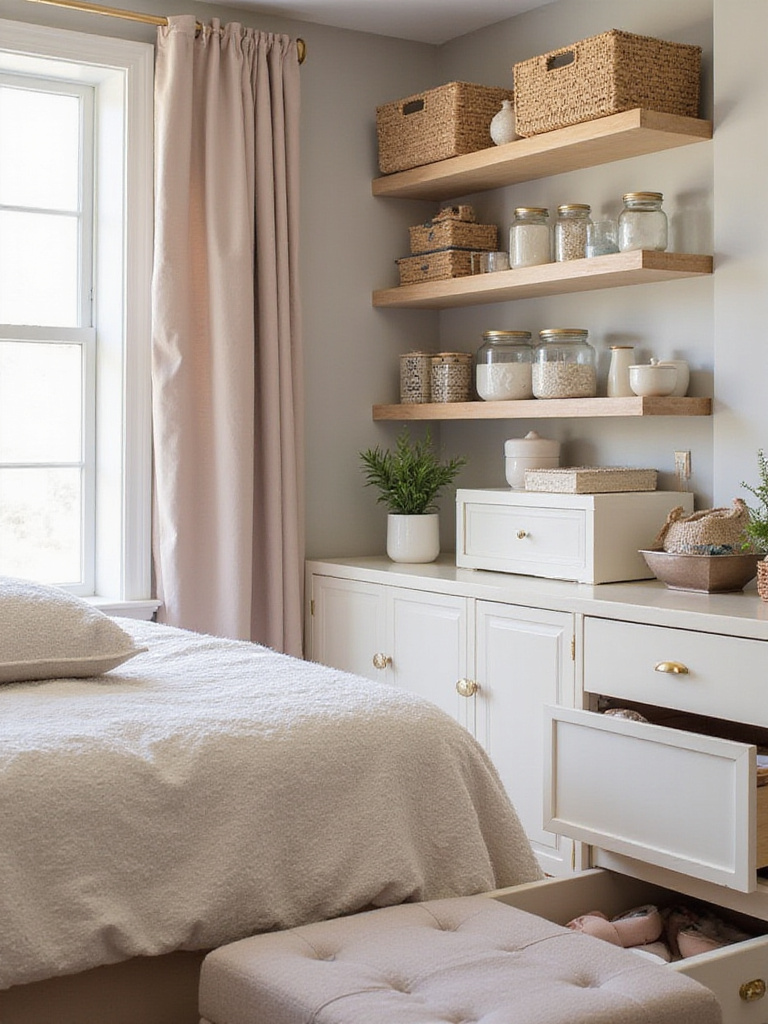
The trick is to make organization so easy and attractive that it becomes second nature. If the system is complicated or ugly, you won’t use it. These small solutions are what keep your beautiful, calm surfaces clear on a day-to-day basis. They are the invisible engines that keep your sanctuary running smoothly.
A sanctuary must also adapt and evolve with the seasons.
18. Refresh Your Decor with Seasonal Accents and Swaps
Your room shouldn’t feel static. A gentle refresh with the seasons keeps it feeling alive and connected to the world outside. This is a wonderfully sustainable practice. Instead of redecorating, you simply swap out a few key elements.
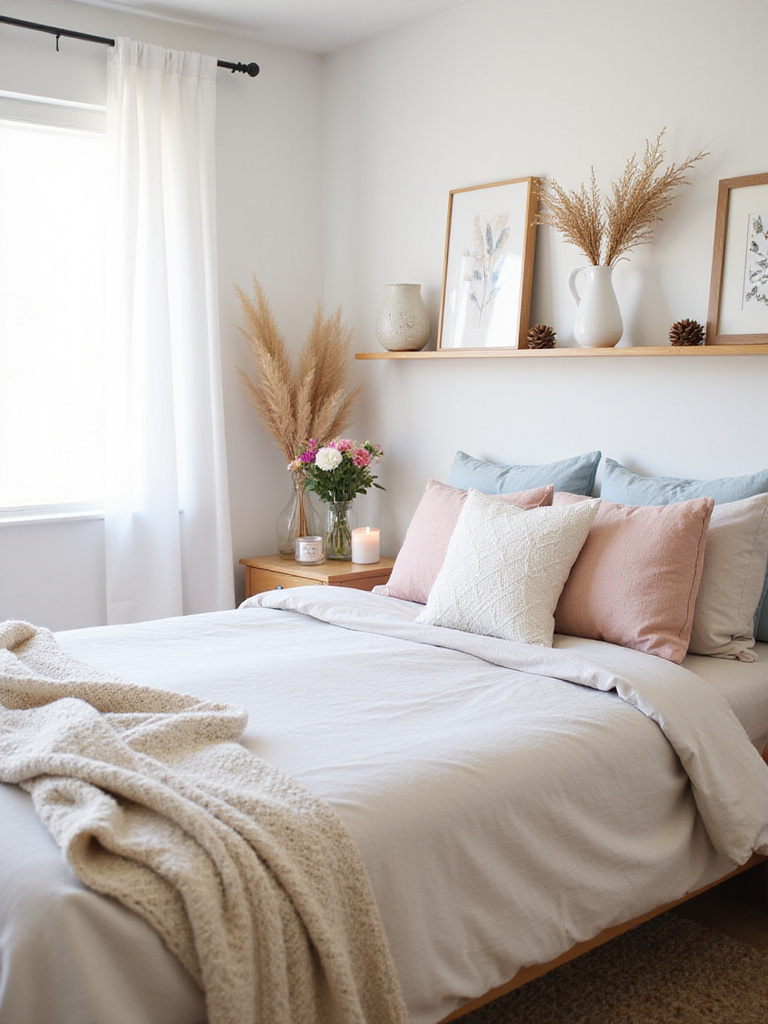
In the summer, switch to lightweight linen bedding and sheer cotton curtains that billow in the breeze. In the winter, bring out the velvet pillow covers and a heavy wool throw. This simple act of changing your textiles can completely transform the mood of the room. It’s an ancient, adaptive human response to climate—using fabrics to create comfort. It makes your home feel more responsive and nurturing.
Finally, and most importantly, is the bedrock of it all.
19. Prioritize Comfort and Ergonomics for Lasting Enjoyment
A room can be stunningly beautiful, but if your mattress gives you a backache or your reading chair hurts your neck, it has failed. True design, sustainable design, is human-centered. This means investing in a high-quality mattress and pillows that support your body, ensuring your reading light is positioned so you don’t strain your eyes, and choosing a chair that you can actually sit in comfortably for more than ten minutes.
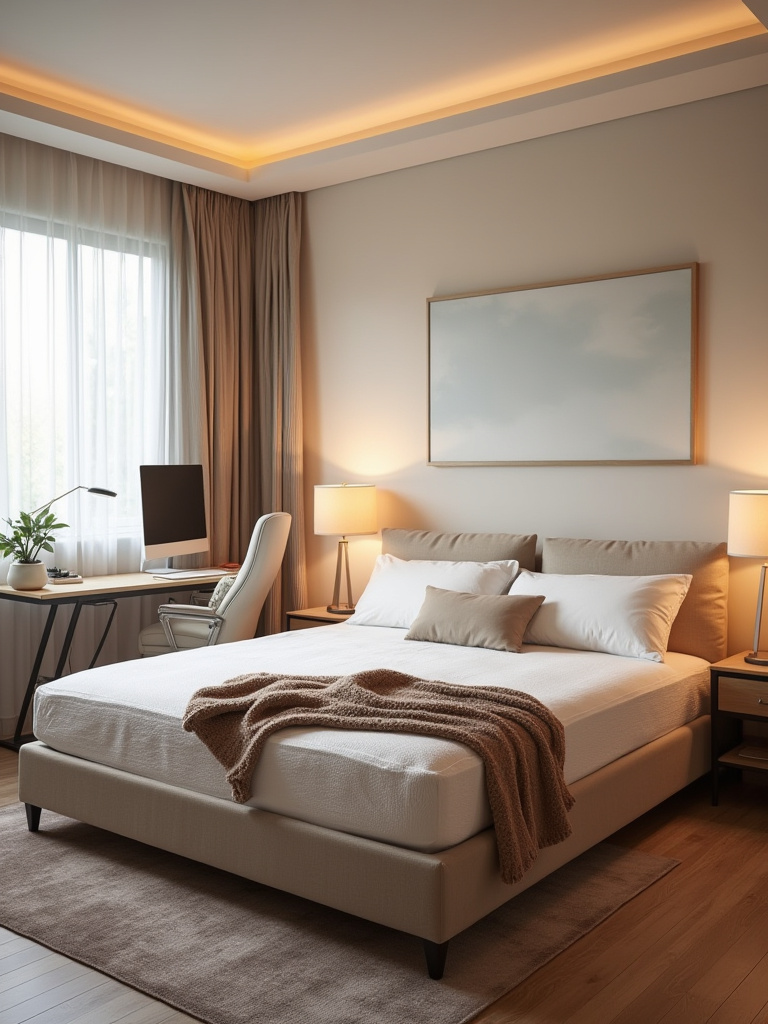
This isn’t the most glamorous part of design, but it is the most important. All the aesthetics in the world are meaningless without physical comfort. This is the ultimate expression of creating a sanctuary: a space that not only pleases the eye but genuinely cares for your body and your well-being. It’s the foundation upon which all lasting enjoyment is built.
Conclusion
So, you see, creating an irresistibly “cute” bedroom has very little to do with fleeting trends and everything to do with intention. It’s about building a layered, personal sanctuary that supports your well-being from the ground up. By focusing on a harmonious foundation, layering in meaningful textures and light, and choosing pieces that blend beauty with function, you create a space that is far more than just cute—it’s alive.
Your bedroom is your personal retreat from the noise of the world. It should be a place that restores your energy, reflects your story, and brings you a quiet, consistent joy. Don’t be overwhelmed. Start with one thing. Maybe it’s finding the perfect, climate-appropriate color palette, or perhaps it’s investing in one set of beautiful linen sheets. Each thoughtful choice is a step toward crafting the enduring sanctuary you deserve. Now go create a space that feels like home.