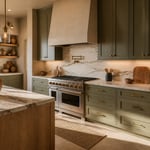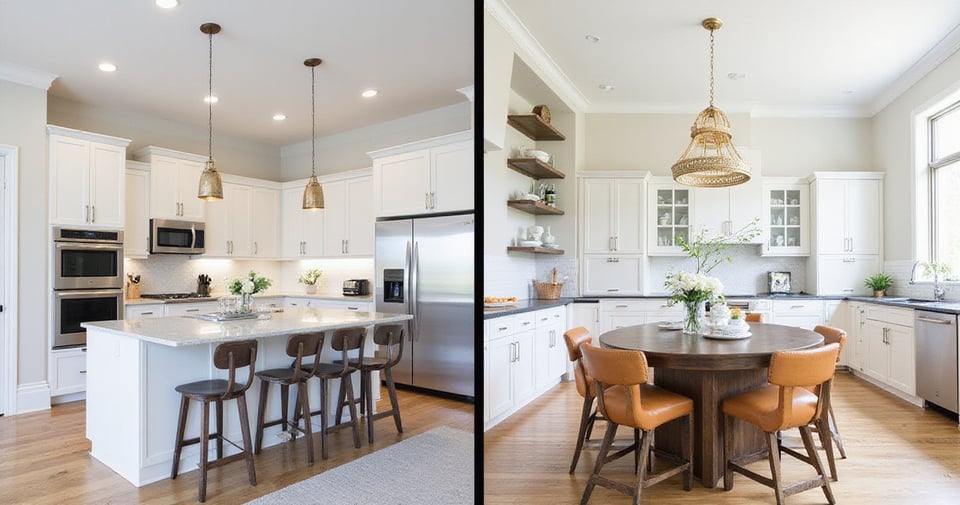
The kitchen isn’t just where you cook anymore—it’s become this incredible gathering place where life actually happens. I watch families in my projects create their morning rhythms over coffee, have those spontaneous conversations that matter, and turn simple dinner prep into these beautiful evening rituals. But here’s what gets me: designing this space can feel completely overwhelming.
You’re juggling aesthetics with function, your daily reality with your Pinterest dreams, budget constraints with that vision you can’t shake. I’ve been working in climate-adaptive design for over a decade, and I’ve seen gorgeous kitchens that look amazing but completely fail their families. The magic happens when form and function dance together—when every choice serves both beauty and purpose.
These 21 tips come from real projects, real challenges, and honestly, some real mistakes I’ve learned from. Whether you’re starting from scratch or refreshing what you have, each builds on the last to create something that’s not just stunning to look at, but actually makes your daily life better.
Ready to create a kitchen that truly works for how you live? Let’s start building.
1. Define Your Kitchen Style Before Starting
Here’s where most people get completely lost—they dive into Pinterest and suddenly they’re drowning in a sea of beautiful images that have nothing to do with each other. I always tell my clients: your style isn’t just about what looks pretty. It’s your design compass, the thing that helps you say no to that gorgeous but totally wrong light fixture.
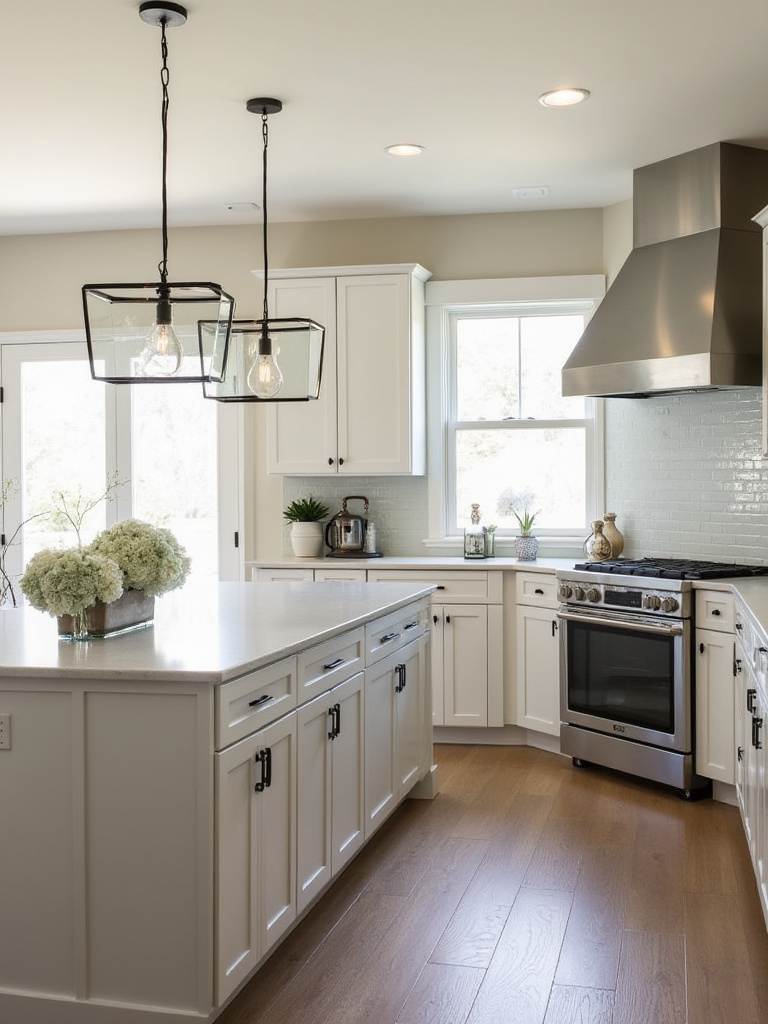
Think of your style as a language your kitchen speaks. Whether you’re drawn to the clean honesty of contemporary lines, the thoughtful warmth of transitional design, or that grounded beauty of modern farmhouse, every choice afterward should feel like it’s part of the same conversation. This isn’t about following rules—it’s about creating coherence.
What really matters is how you translate inspiration into action. I’ve seen people fall in love with a single image and try to recreate it exactly, only to realize it doesn’t fit their actual life or space.
2. Prioritize the Kitchen work triangle
The work triangle—sink, stove, refrigerator—might sound like design school theory, but trust me, it’s the difference between a kitchen that flows and one that fights you every single day. I learned this the hard way in my early projects when I prioritized looks over logic.
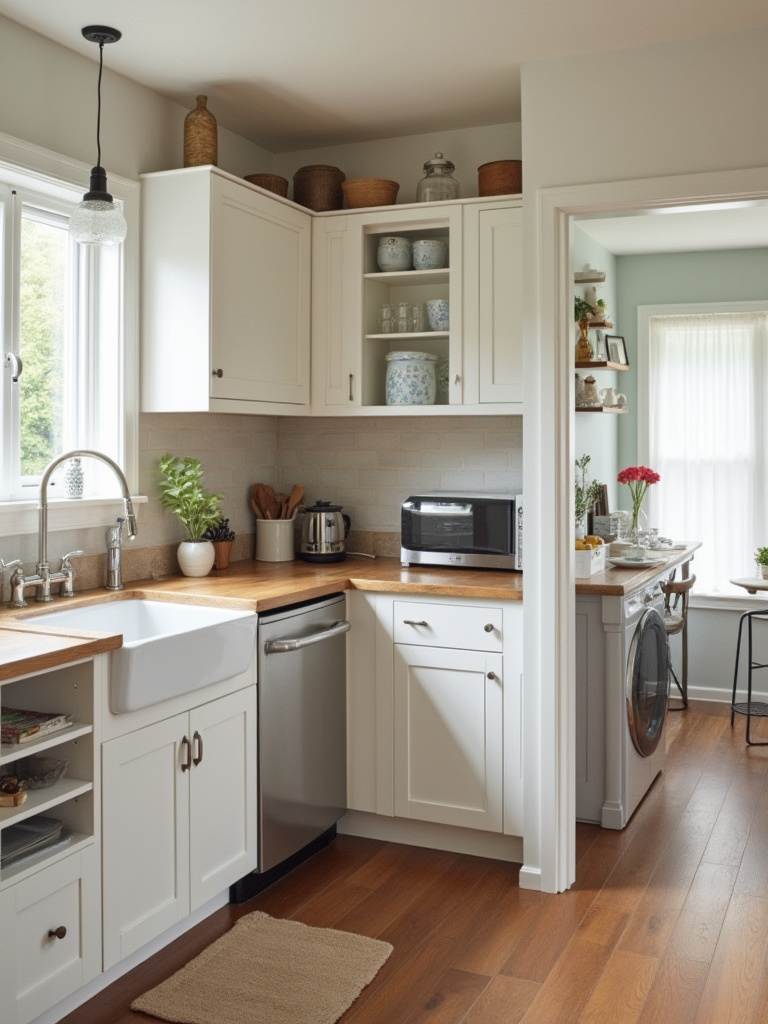
The sweet spot is usually 12 to 26 feet total, with each leg between 4 and 9 feet. But here’s what’s interesting: modern kitchens often need multiple triangles, especially when you have families where everyone cooks differently. I designed one kitchen where the coffee station created its own mini-triangle because morning routines were just as important as dinner prep.
In my desert projects, I’ve noticed how the triangle concept adapts to climate-conscious design—placing heat-generating appliances strategically to work with, not against, your cooling strategies.
3. Maximize Storage with Smart Solutions
Storage is where kitchens live or die, and vertical thinking changes everything. I’m talking about using every inch from floor to ceiling, but doing it smartly. Pull-out drawers in base cabinets are a game-changer—no more crawling around looking for that one pan in the back.
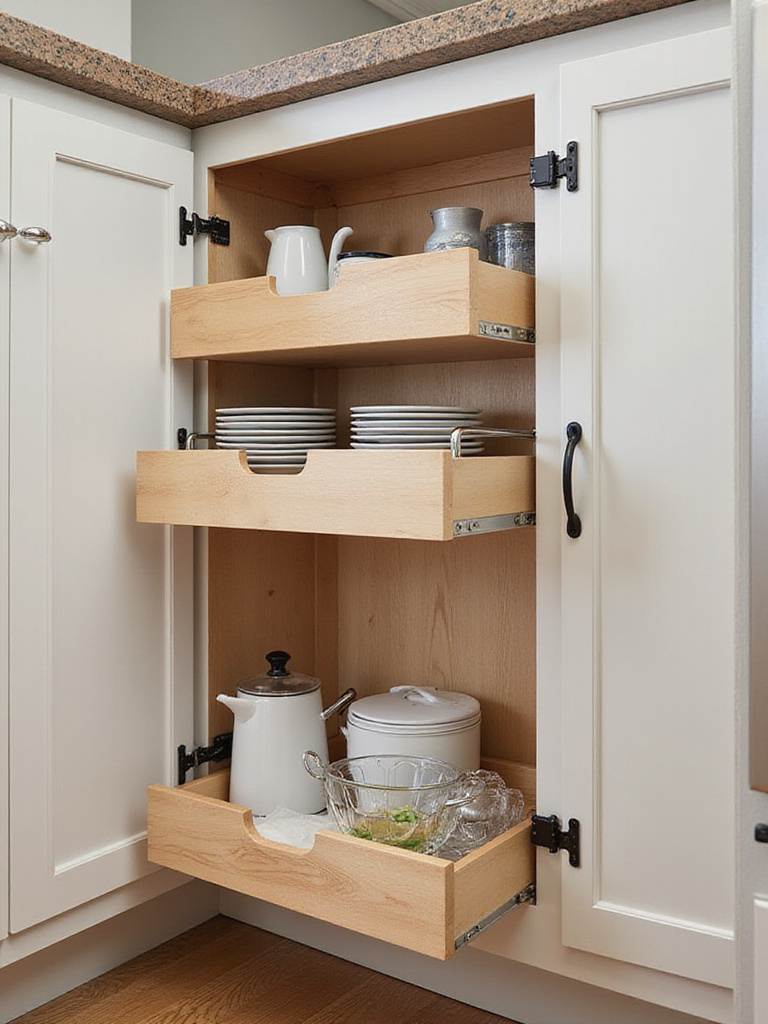
What excites me most are the custom solutions that reflect how you actually cook. Vertical dividers for sheet pans, pull-out spice racks, interior cabinet lighting that makes everything findable. I once designed a kitchen where we created a dedicated coffee station with pull-out drawers for mugs, built-in storage for beans, and even a small drawer for sugar packets—because that’s how this family started every day.
The secret is studying your own patterns first, then designing storage that supports rather than changes your natural habits.
4. Choose the Right Kitchen Layout
Your layout is everything—it’s the bones that everything else hangs on. I’ve seen people try to force trendy layouts into spaces that simply can’t support them, and it never works. The layout has to serve your space and your life, not the other way around.
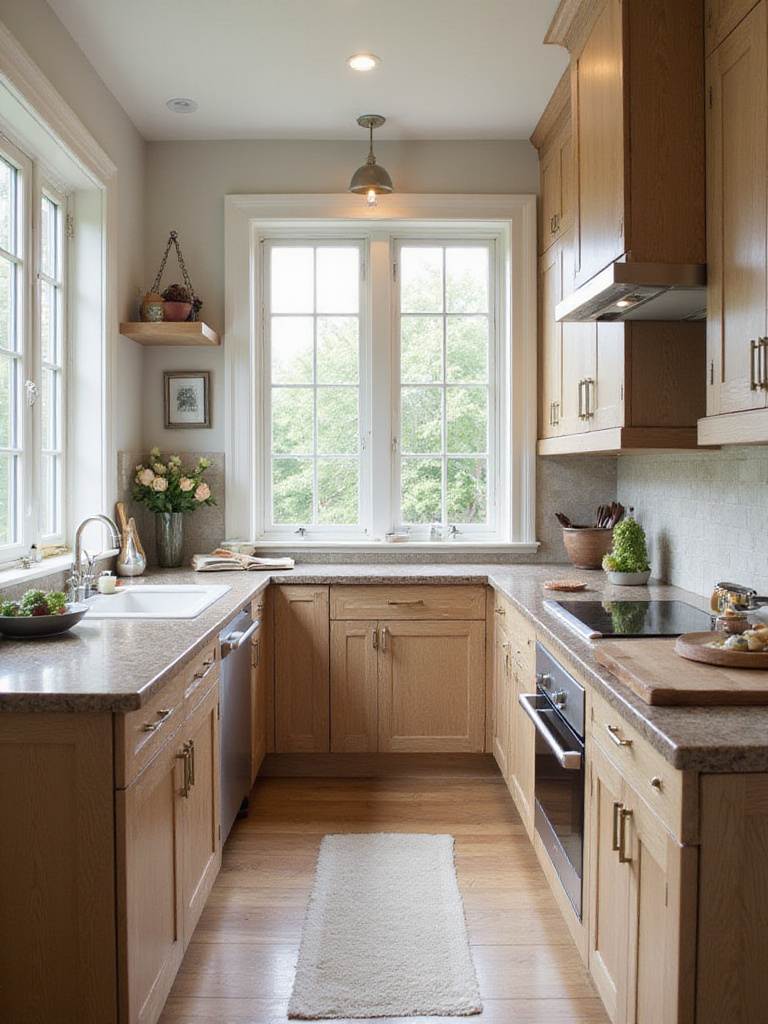
Galley kitchens are incredibly efficient in narrow spaces and create these wonderful work zones. L-shaped designs give you that natural separation between cooking and living areas, while U-shapes maximize every surface. Islands are gorgeous when they work, but I’ve also ripped out plenty of islands that were cramping families instead of helping them.
What I love about layout planning is how it reveals family dynamics—how many people cook together, where kids do homework, where guests naturally gather. The best layouts honor these real patterns.
5. Invest in Quality Countertops
Countertops work harder than any other surface in your kitchen, and in desert climates, they also deal with intense heat and dramatic temperature swings. This is where I encourage clients to think long-term—what you choose today will impact your daily life for decades.
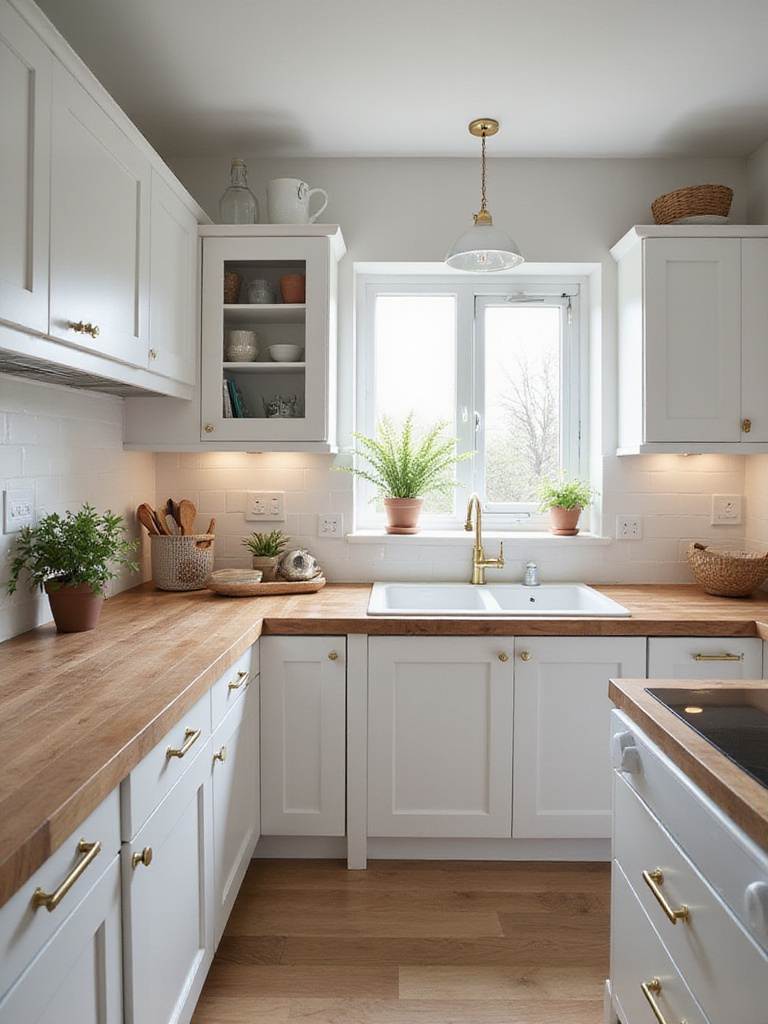
Natural stone brings this incredible organic beauty that connects indoor spaces with the desert landscape outside. Engineered quartz offers consistency and durability that busy families need. I’ve used concrete in projects where we wanted something completely custom, and butcher block where warmth was the priority. Each material ages differently—some develop beautiful patina, others need consistent care.
The material’s thermal properties matter more than people realize, especially in warm climates where counter surfaces can become uncomfortably hot from direct sunlight.
6. Select Appropriate Cabinet Hardware
Cabinet hardware is one of those details that seems small but absolutely transforms how your kitchen feels and functions. I’ve watched gorgeous cabinets become ordinary because someone chose the wrong pulls, and I’ve seen basic cabinets elevated by thoughtful hardware choices.
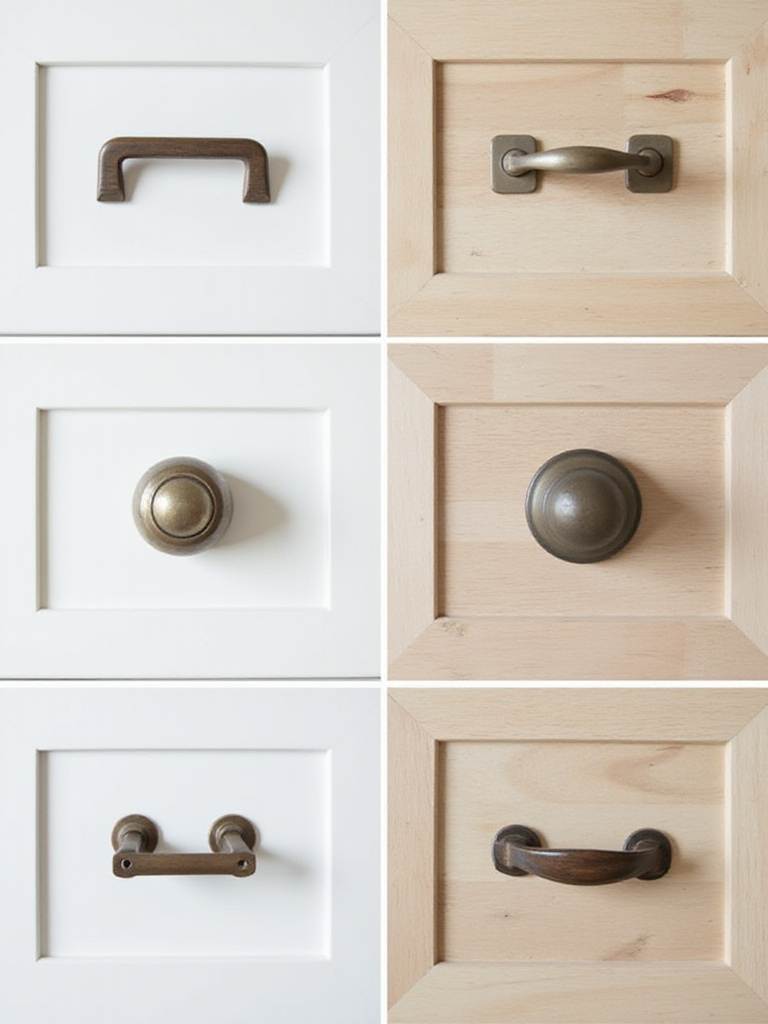
Bar pulls work beautifully with contemporary design and they’re comfortable when you’re carrying groceries and need to open cabinets with your elbow. Traditional knobs offer timeless appeal but think about grip comfort for frequently used doors. Mixing pulls on drawers with knobs on doors creates visual interest while optimizing function for each type of opening.
The finish consistency throughout your kitchen—hardware, faucets, lighting—creates this cohesive flow that makes everything feel intentional rather than collected over time.
7. Plan Adequate Lighting Layers
Lighting in kitchens needs to work overtime—bright task lighting for chopping vegetables, warm ambient lighting for evening conversations, accent lighting to highlight beautiful elements. Desert homes especially need lighting that adapts as dramatic natural light changes throughout the day.
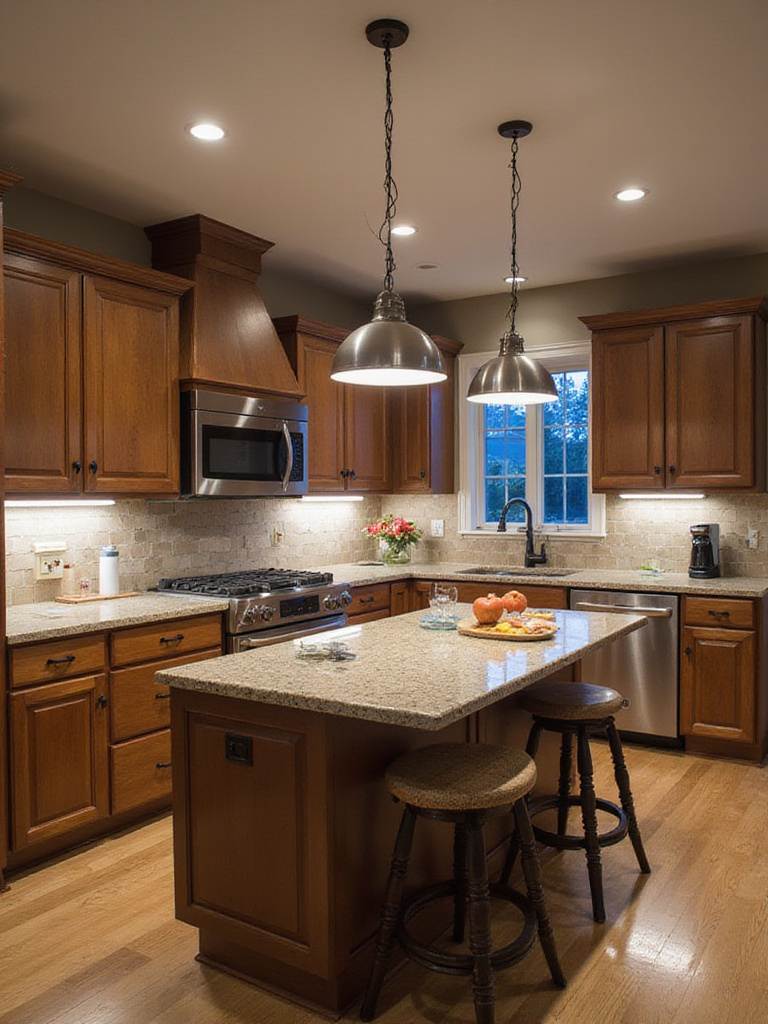
I always design three layers: ambient lighting for overall illumination (usually recessed or flush-mount fixtures), task lighting for work surfaces (under-cabinet LEDs, pendants over islands), and accent lighting for mood and architecture (toe-kick lighting, interior cabinet illumination). Each layer serves a different need and time of day.
What’s fascinating is how lighting affects our perception of color and space—especially important when you’re balancing warm, earthy tones with clean, contemporary lines.
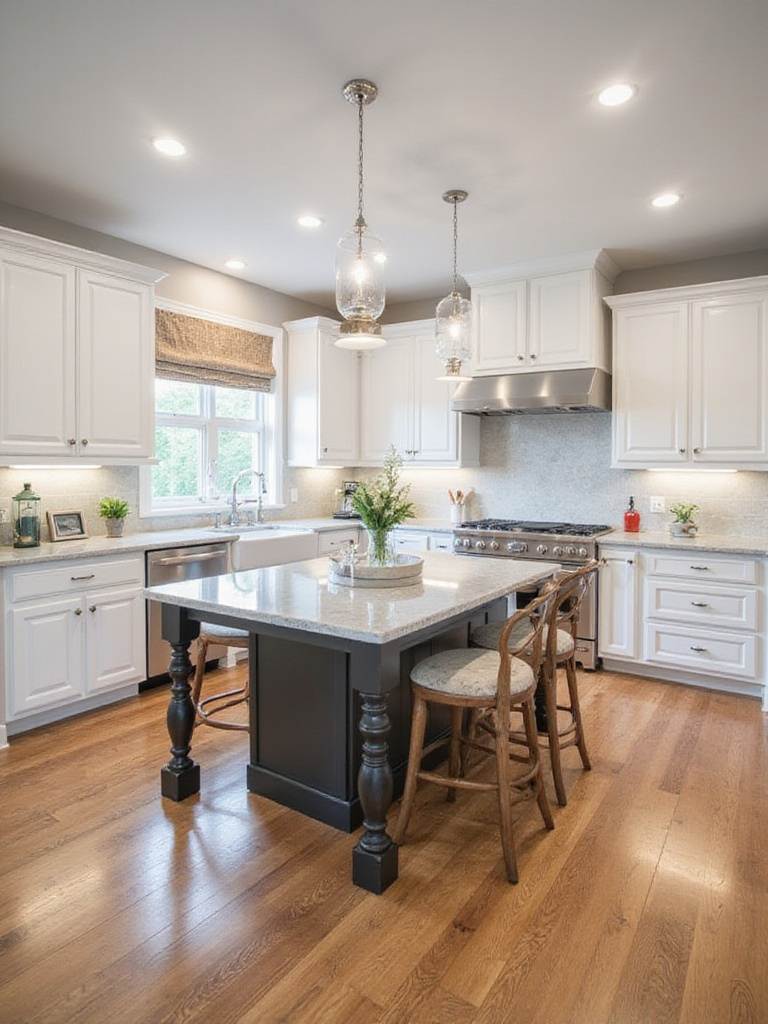
8. Consider Your Kitchen Island Carefully
Islands have become these status symbols, but honestly, I’ve removed more poorly planned islands than I’ve installed. An island should enhance your kitchen’s flow, not create an obstacle course. The math matters: you need at least 36 inches of clearance on all sides, preferably 42-48 inches if multiple people cook together.
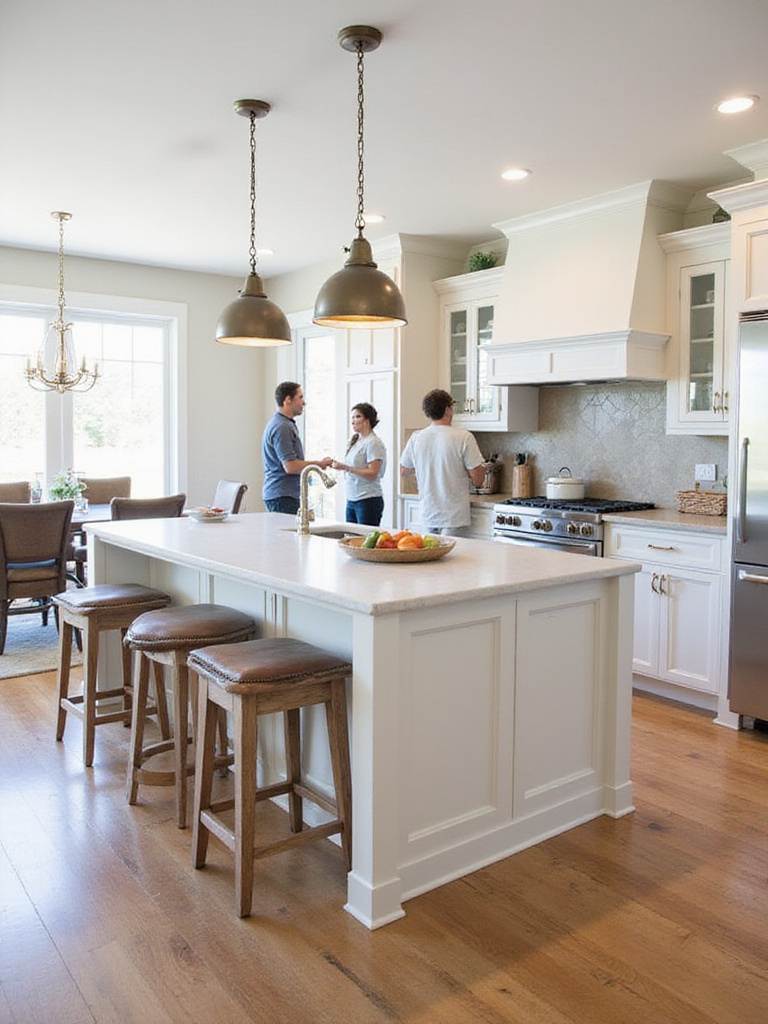
Think about what you actually need from an island. Extra prep space? Casual seating? Storage? Each function has different requirements for height, overhang, and electrical needs. I designed one island that’s primarily storage with a small prep area, because that family needed organization more than counter space.
The versatility comes from designing islands that can adapt to different activities throughout the day—breakfast for kids, workspace for laptops, staging area for dinner parties.
9. Choose the Perfect Backsplash
Your backsplash is where you can really have fun while serving a crucial practical function—protecting walls from cooking splashes in a climate where humidity and cooking heat can be challenging. This vertical real estate offers incredible creative opportunity without overwhelming your space.
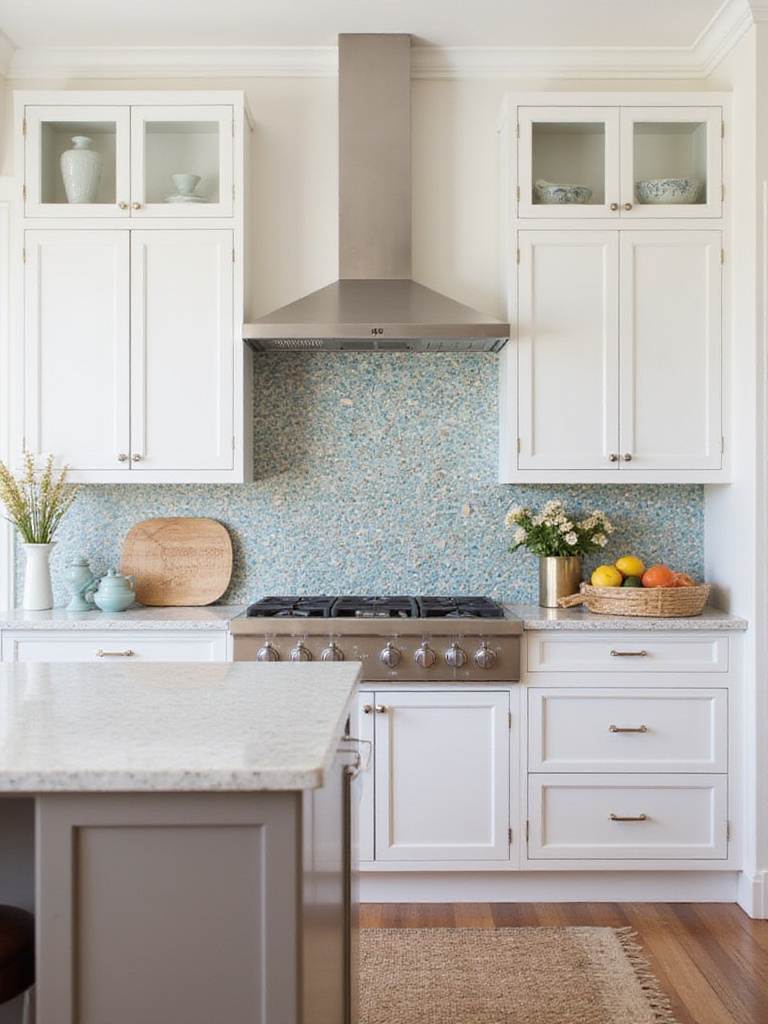
I love using natural stone that echoes the desert landscape, subway tiles for timeless appeal, or bold patterns that create focal points. But scale matters—large-format tiles can make smaller kitchens feel more spacious, while detailed mosaics add richness to larger spaces. The installation pattern changes everything too—herringbone creates movement, vertical stacking adds height.
The way backsplash materials interact with natural desert light throughout the day creates these subtle texture variations that bring walls to life.
10. Optimize Your Kitchen Color Palette
Color psychology in kitchens is real—it affects how large your space feels, how energized or calm you feel while cooking, even how food looks on your counters. In desert climates, I’m always thinking about how colors will look under intense natural light and how they can help cooling strategies.
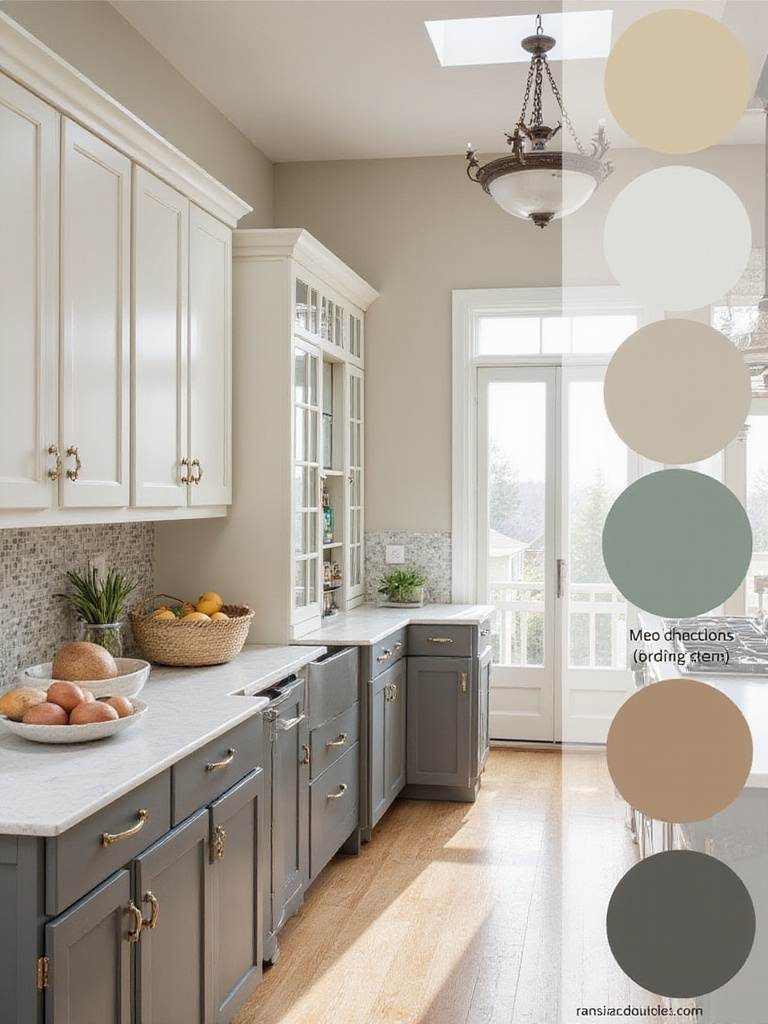
Neutral foundations give you flexibility and longevity, but don’t be afraid of bolder choices if they speak to you. I’ve used deep terracotta that connects to the landscape, sage greens that bring in desert plant life, even rich blues that mirror evening skies. The key is balancing bold choices with lighter complementary tones.
What’s interesting is how colors shift throughout the day as that dramatic desert light changes—something that looks perfect at noon might feel completely different at sunset.
11. Incorporate Smart Technology Thoughtfully
Smart technology should make your life easier, not more complicated. I’m selective about what I recommend because I’ve seen too many gadgets that seemed amazing but ended up gathering dust. The best smart features feel seamless—they enhance your existing routines rather than forcing you to learn new ones.
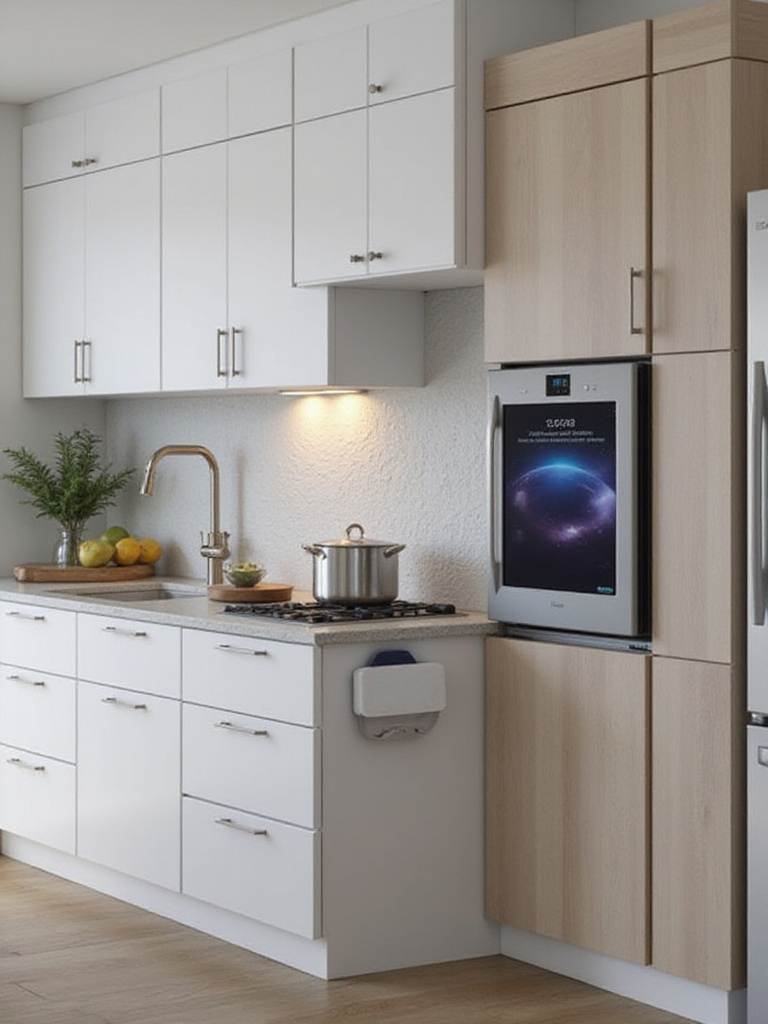
Smart appliances that learn your patterns, like refrigerators that track inventory or ovens that suggest cooking times, can genuinely improve daily life. Under-cabinet charging stations keep devices accessible but hidden. Voice-controlled systems are perfect when your hands are covered in flour and you need to set a timer or add something to your shopping list.
The integration should feel natural—technology supporting your kitchen activities rather than dominating the aesthetic or requiring constant attention.
12. Plan for Adequate Ventilation
In desert climates, good ventilation is absolutely crucial—you’re dealing with intense heat outside and cooking heat inside, plus you want to protect all your beautiful finishes from grease and moisture. I’ve seen gorgeous kitchens age poorly because ventilation was an afterthought.
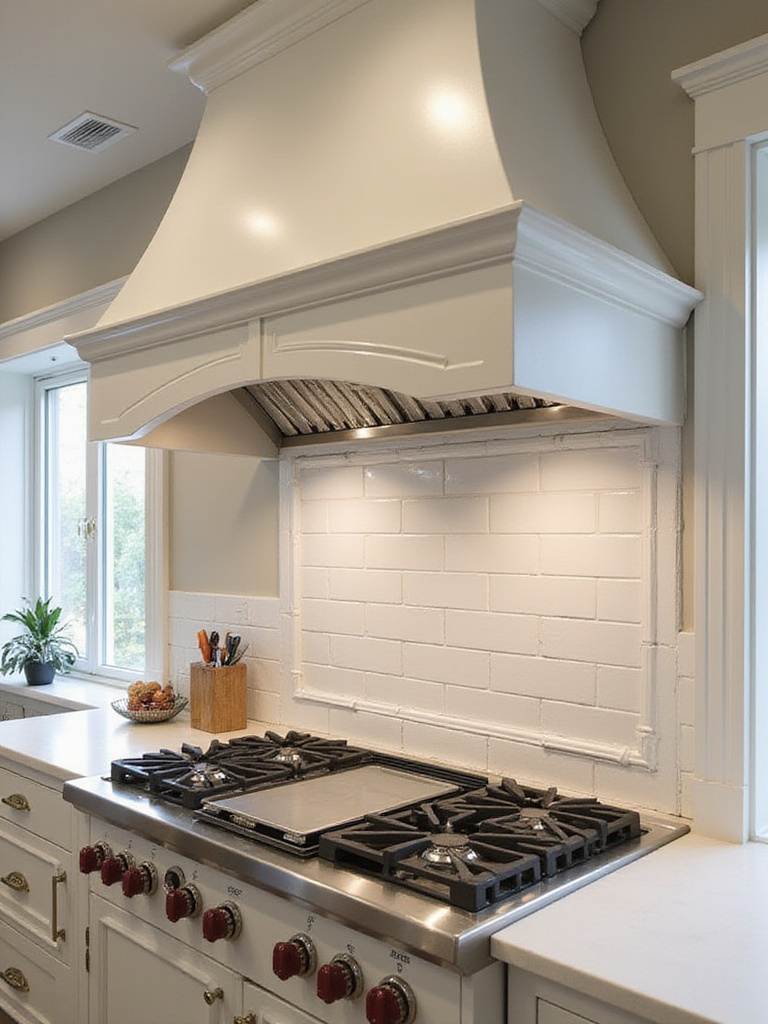
Your range hood needs adequate CFM rating for your cooktop’s BTU output and your kitchen size—typically 100-150 CFM per linear foot of cooking surface. Consider both ducted systems that exhaust outside and ductless options that filter and recirculate. The design integration matters too—your ventilation should complement your aesthetic, not fight it.
Proper ventilation also supports indoor air quality, which becomes even more important when you’re keeping windows closed during extreme heat periods.
13. Design Efficient Pantry Storage
Pantry organization transforms chaotic storage into systematic efficiency that actually supports how you cook and shop. Whether you have a walk-in pantry or cabinet-integrated storage, smart organization principles maximize every inch while keeping everything accessible.
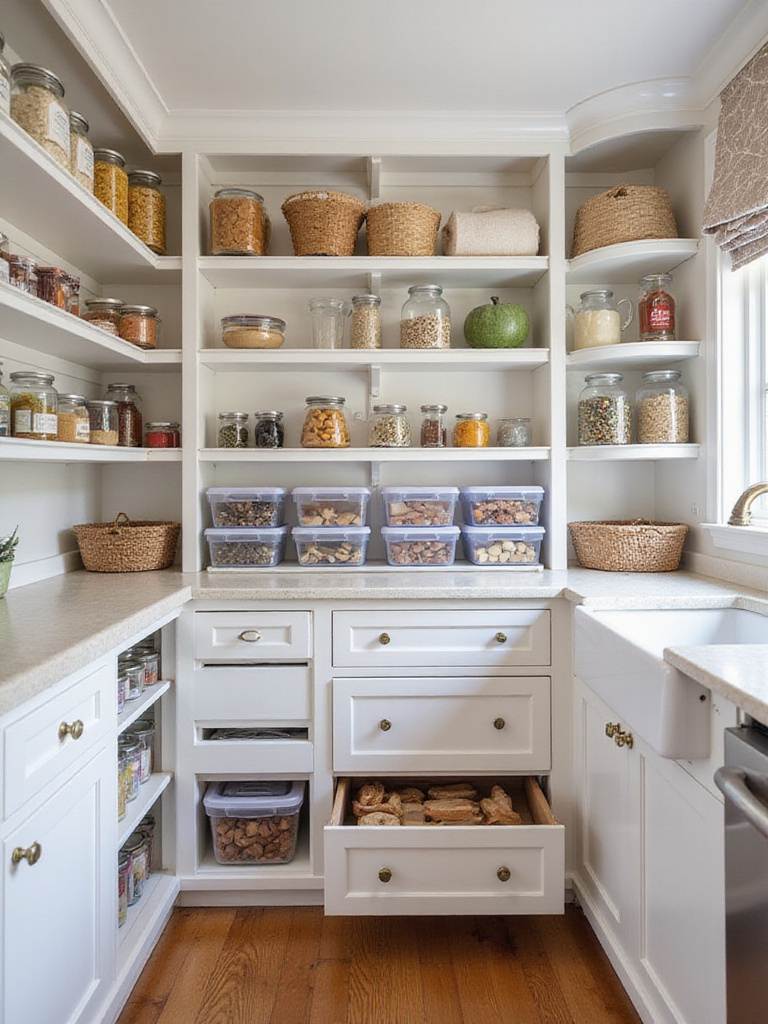
I design pantries with adjustable shelving for varying item heights, pull-out drawers so you can reach everything without digging, and clear storage containers for quick inventory checks. Dedicated zones work beautifully—baking supplies together, canned goods organized by type, cleaning supplies safely separated from food.
The key is analyzing your actual shopping and cooking patterns first, then designing storage that supports these existing habits rather than forcing new ones.
14. Select Durable Flooring Materials
kitchen flooring in desert climates needs to handle temperature extremes, occasional water spills, and constant foot traffic while still looking beautiful. I’ve learned that the right material choice affects daily comfort and long-term maintenance in ways that aren’t immediately obvious.
Porcelain and ceramic tiles offer excellent durability and water resistance, with modern options that convincingly mimic wood or stone. Luxury vinyl plank provides comfort underfoot with superior moisture tolerance. Natural stone creates stunning visual connections to the landscape but requires more maintenance and proper sealing.
The quality reveals itself over years of use—properly selected materials maintain their beauty despite constant kitchen activity and climate challenges.
15. Create Designated Zones for Different Activities
Modern kitchens need to support multiple activities happening simultaneously—food prep while kids do homework, coffee making while dinner cooks, entertaining while cooking. I design distinct zones that prevent conflicts and improve workflow for busy families.
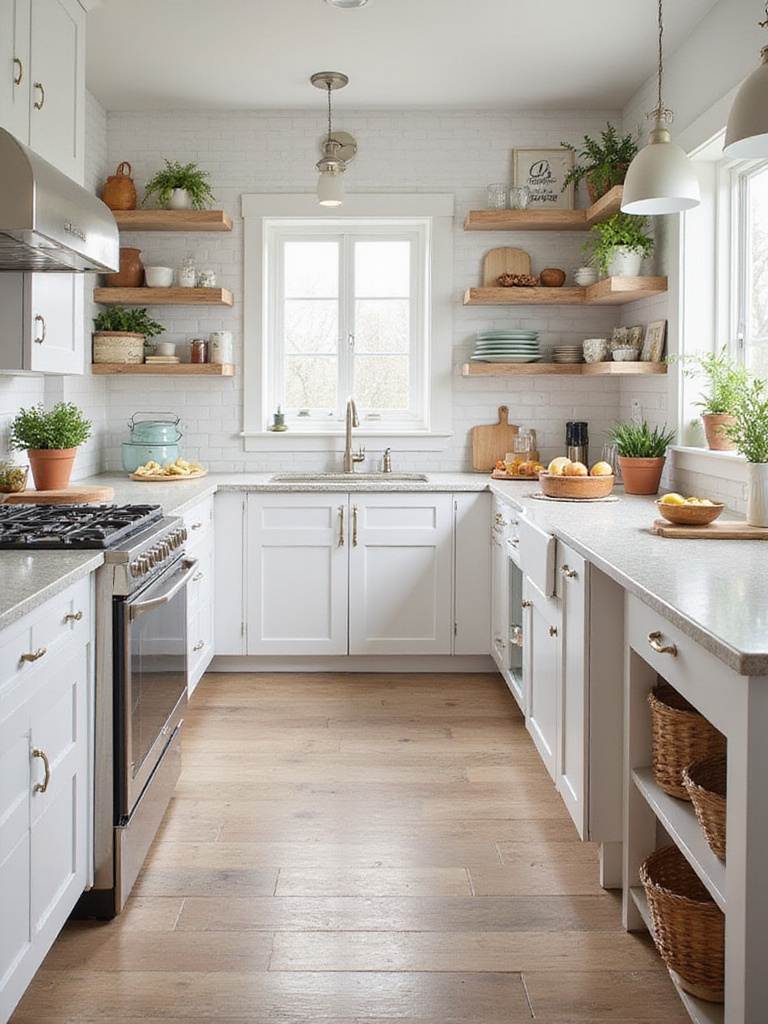
Consider zones for food preparation, cooking, cleaning, storage, and casual dining or workspace. Each zone needs appropriate storage, lighting, and electrical access. A baking zone might include lower counter height, specialized storage, and convenient oven access. A coffee zone includes everything needed for morning routines without interfering with dinner prep.
The magic happens when you analyze your family’s actual usage patterns and design zones that support these natural workflows rather than forcing new ones.
16. Invest in Quality Appliances
Appliance selection impacts daily functionality and long-term value, making this investment worthy of careful consideration beyond initial cost. Quality appliances perform better, last longer, and often provide energy savings that matter in desert climates.
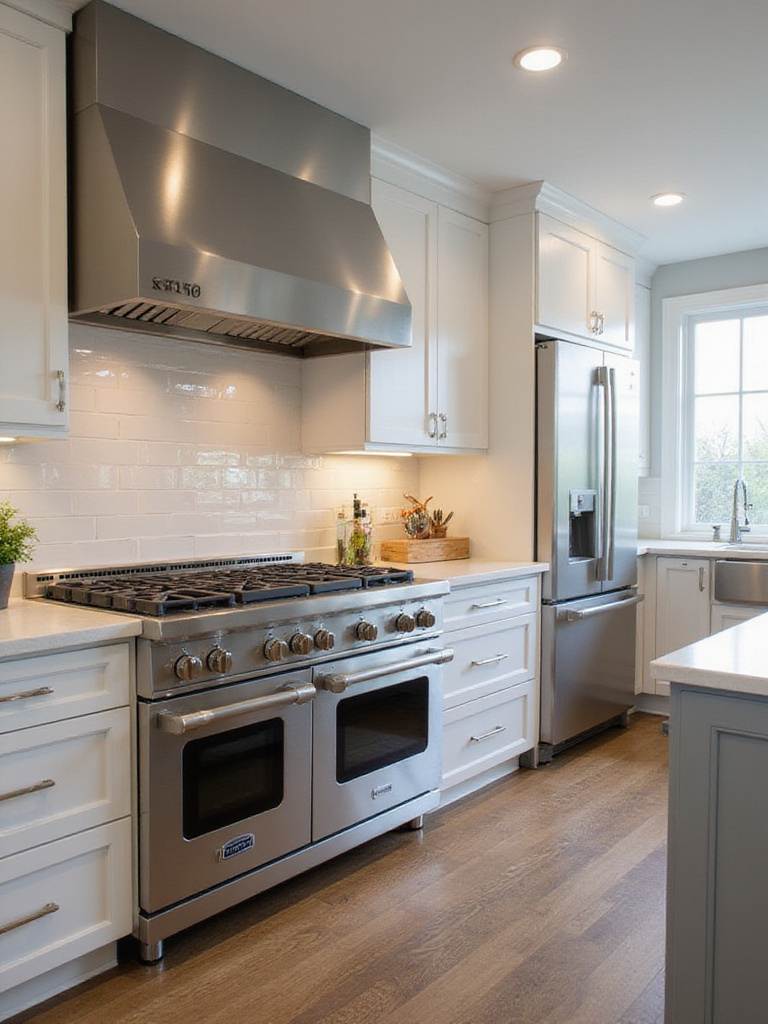
Focus on appliances that match your actual cooking habits—serious bakers benefit from precise oven temperature control, frequent entertainers might prioritize larger refrigerator capacity. Energy efficiency ratings matter more in climates with high cooling costs. Consider warranty coverage and local service availability too.
The real value comes from selecting appliances that enhance your daily cooking experience while maintaining reliability through years of consistent performance.
17. Balance Open and Closed Storage
Open shelving looks beautiful and keeps frequently used items accessible, but successful kitchens balance open display with closed storage that hides daily clutter. This balance creates visual interest while maintaining practical functionality.
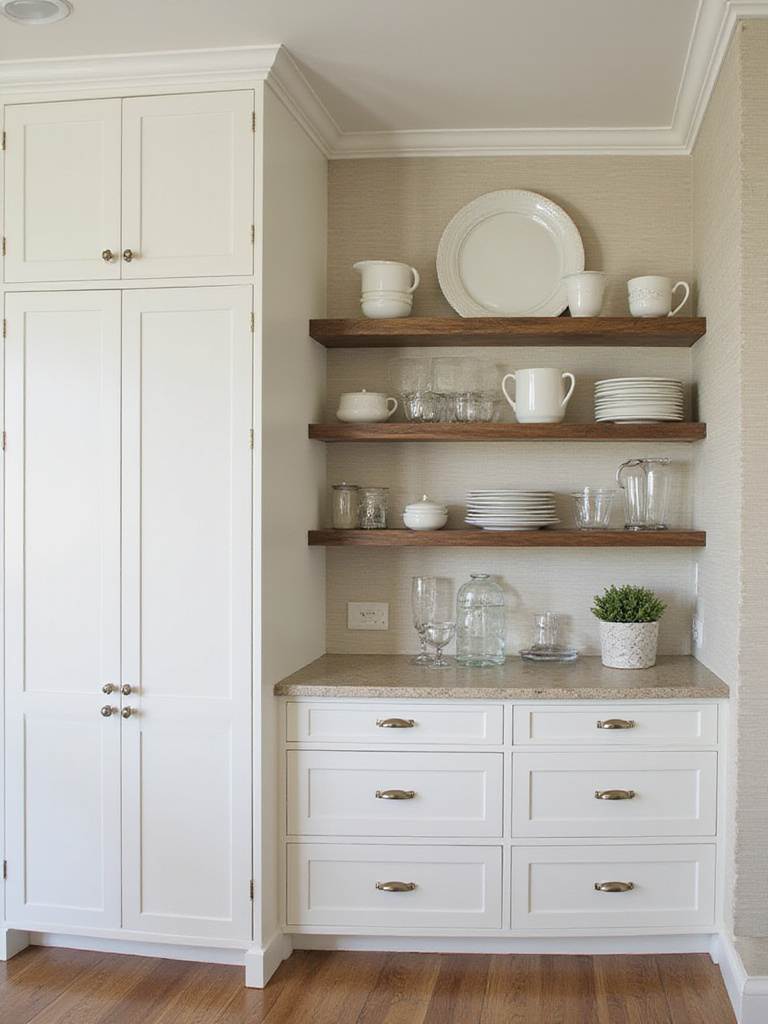
Open shelving works for attractive dishes, glassware, and frequently used items, while closed cabinets hide cleaning supplies, small appliances, and bulk storage. Consider your maintenance preferences—open shelving requires frequent cleaning and thoughtful organization, while closed storage offers forgiving concealment.
The best approach combines beautiful open displays with strategically placed closed storage that maintains visual calm even during busy cooking periods.
18. Consider Ergonomic Design Principles
Ergonomic considerations reduce physical strain and make cooking more enjoyable for users of different heights and abilities. These principles become crucial as kitchens serve as primary gathering spaces where families spend significant time.
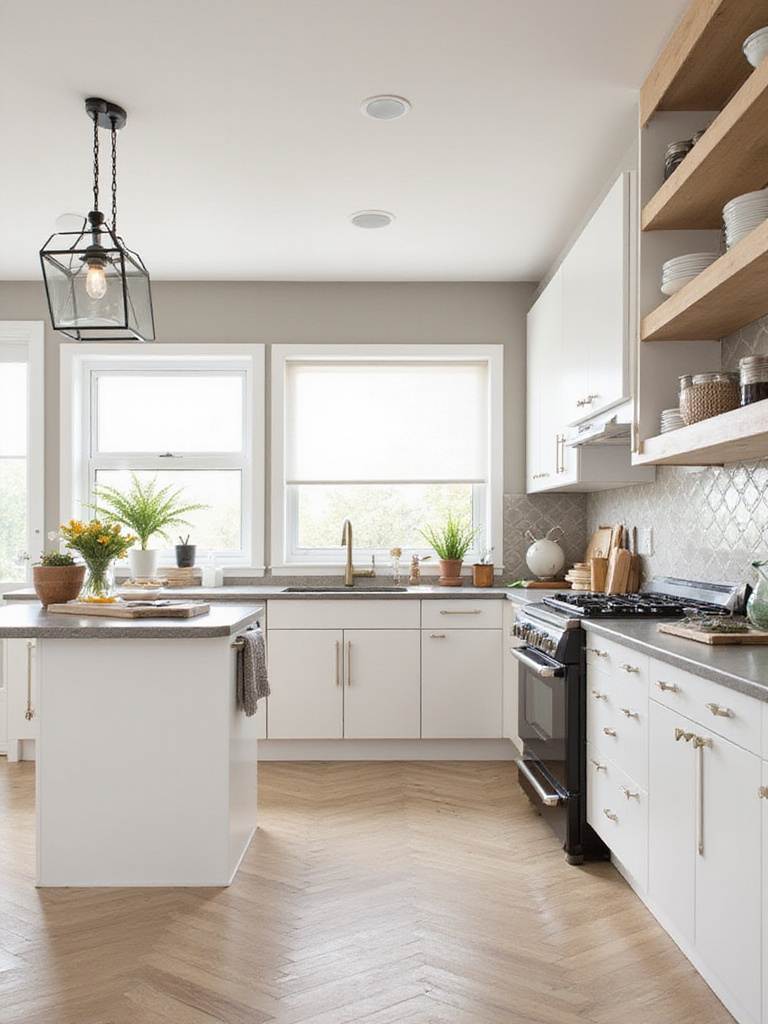
Counter height variations accommodate different tasks and users—standard 36-inch counters for most prep work, 30-inch sections for shorter users or seated work, 42-inch heights for taller individuals. Pull-out shelves, soft-close drawers, and well-placed outlets reduce reaching and bending during daily activities.
Thoughtful ergonomic planning enhances rather than compromises aesthetic appeal—comfort and beauty work together rather than competing.
19. Plan for Natural Light Optimization
Natural light transforms kitchens, affecting color perception, energy efficiency, and overall ambiance. In desert climates, maximizing and controlling natural light influences everything from window treatments to cabinet placement.
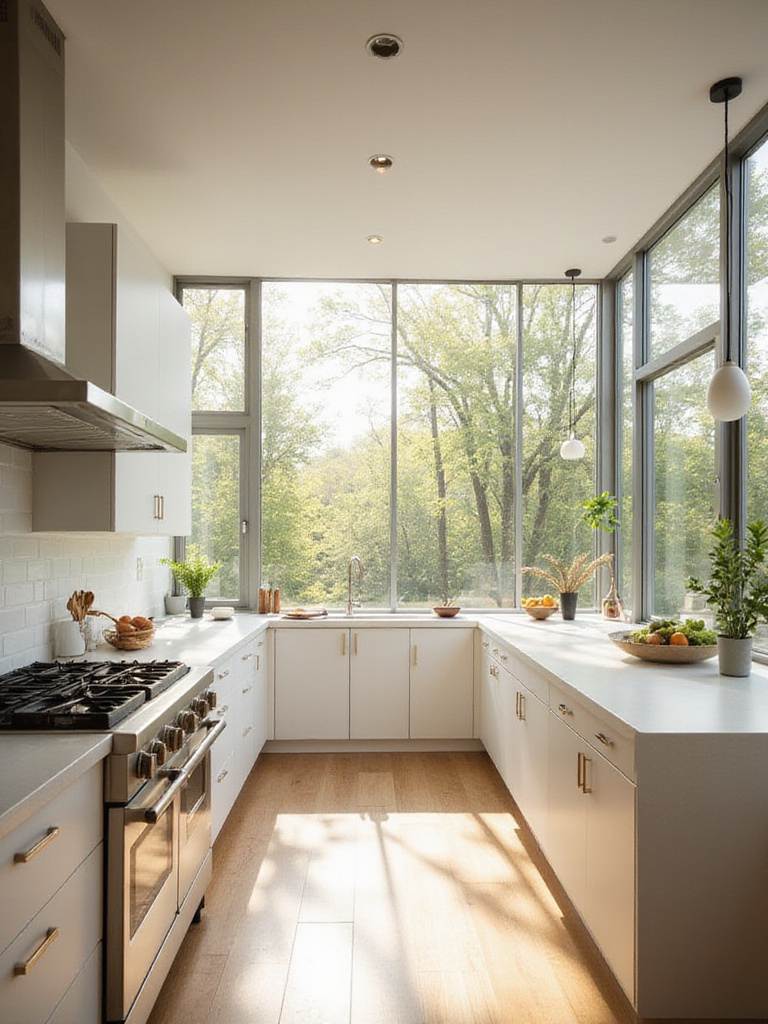
Consider how light moves through your kitchen throughout the day and seasons. South-facing windows provide consistent light but may need UV protection. North-facing exposures offer steady, cooler light ideal for food prep. Window treatments should balance privacy with light admission—consider options that provide privacy while maintaining upper window illumination.
Morning light filtering through thoughtfully positioned windows, amplified by reflective surfaces and light-colored finishes, creates this beautiful, energizing start to each day.
20. Incorporate Personal Style Elements
While design principles create functional, beautiful kitchens, personal elements transform your space from magazine-perfect to genuinely meaningful. These touches reflect your family’s personality, interests, and cultural background.
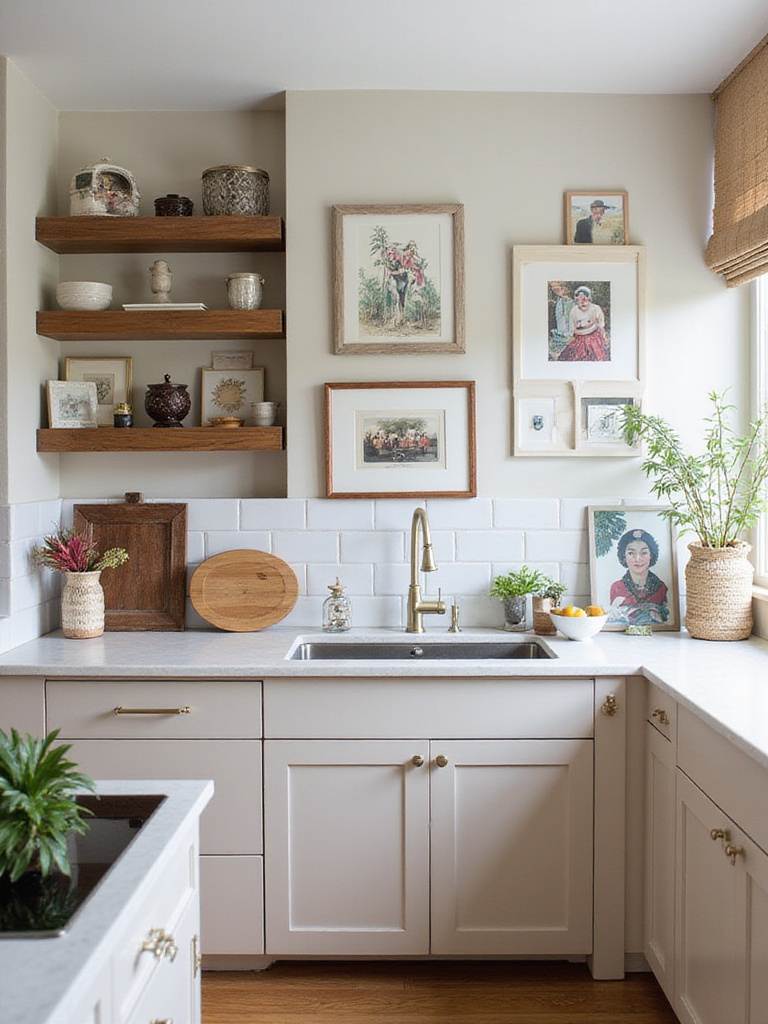
Personal elements might include displaying meaningful collections, incorporating artwork that speaks to you, or choosing patterns that reflect cultural heritage. Family photos, children’s artwork, or travel mementos can be thoughtfully integrated without overwhelming the design aesthetic.
The secret is selective curation—incorporating personal elements that enhance rather than compete with your established design aesthetic.
21. Budget Wisely for Your Kitchen Project
Strategic budget allocation prioritizes investments with the greatest impact on functionality and long-term satisfaction. Understanding where to invest and where to save helps achieve maximum value from your renovation.
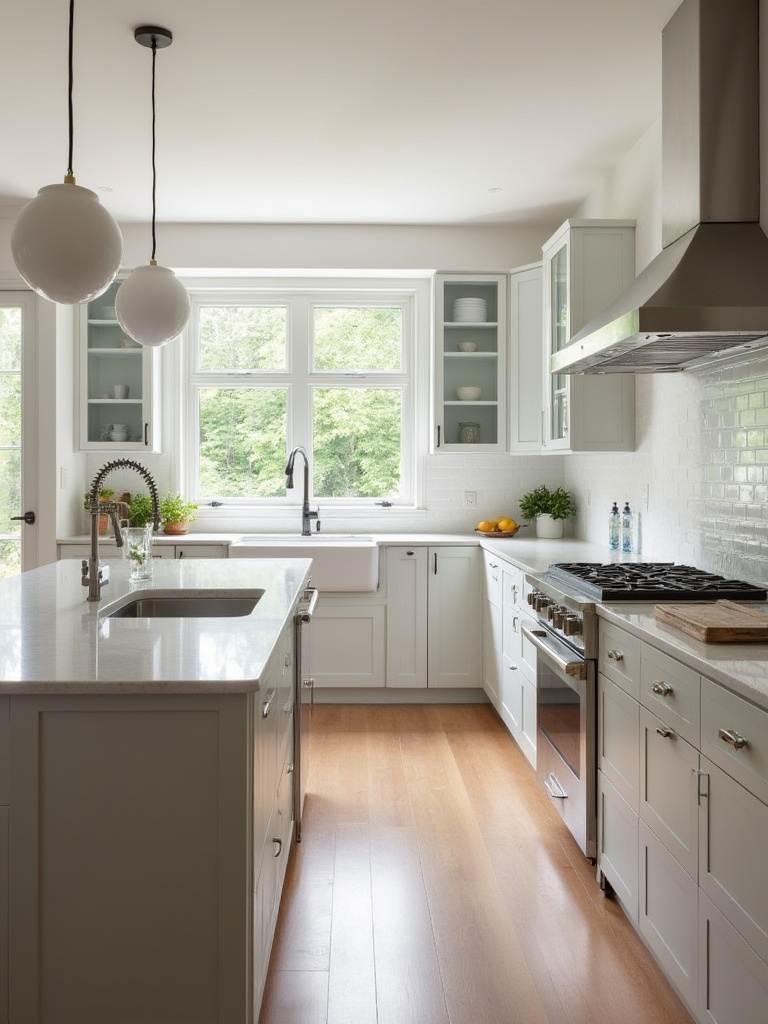
Allocate larger budget portions to elements that significantly impact daily use and durability—quality cabinets, reliable appliances, durable countertops. Don’t neglect details that affect daily satisfaction, like comfortable hardware and adequate lighting. Consider phasing if needed, completing major functional elements first, then adding finishing touches over time.
Smart budgeting also means choosing quality materials and appliances that provide longevity, reducing waste and replacement needs over time.
Conclusion
Creating exceptional kitchen design requires balancing countless decisions, from fundamental layout choices to the smallest details. Each element influences the others, building toward a cohesive space that serves your family’s unique needs while reflecting your personal vision.
Remember that your kitchen will evolve with your family’s changing needs. The principles we’ve covered create a strong foundation that adapts gracefully—whether accommodating growing children, changing cooking habits, or simply refreshing with new accessories and colors. Quality investments in layout, storage, and durable materials provide flexibility to modify and update without major renovation.
Your dream kitchen awaits your vision and planning. Start with the fundamentals—define your style, optimize your layout, invest wisely where it matters most. Layer in the details that make the space uniquely yours. With thoughtful application of these essential tips, you’ll create a kitchen that enhances every aspect of daily life while providing lasting beauty and functionality for years to come.