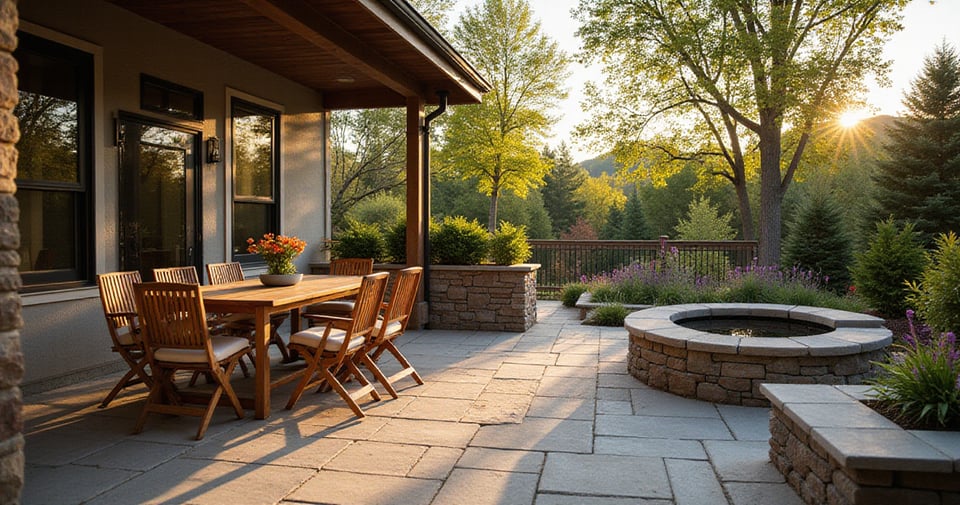
Picture this: You’re standing on a terrace paved with cool, grey slate, the kind you’d find outside a lovely old cottage in the Cotswolds. It’s that classic, reassuring British foundation. But the air is scented with night-blooming jasmine, and you’re sipping a cardamom-infused gin and tonic from a beautiful patterned glass. You look over and see a flash of sapphire blue and marigold orange from a pile of block-printed cushions tossed on a deep, comfortable bench.
That’s the magic. It’s not about choosing one world or another; it’s about letting them speak to each other. Your garden, your patio, it should be the most personal space in your home. Let’s break down how to actually get there.
Strategic Planning & Foundation Basics
So many people get this part wrong. They rush to the fun bits—the plants, the furniture—and completely neglect the bones of the space. It’s like trying to put on a beautiful silk sari without the underskirt; it just won’t sit right. Getting this foundation right is what makes everything else effortless.
1. Define Your Patio’s Primary Purpose
You know what people always ask me? “What colour should I paint my back wall?” And I always reply, “What do you want to feel when you’re out here?” Because a space for quiet morning chai with a book is completely different from a space designed for lively weekend dinners with friends that stretch late into the night. Don’t just think “entertaining.” Think about the kind of entertaining. Is it two friends, or twenty?
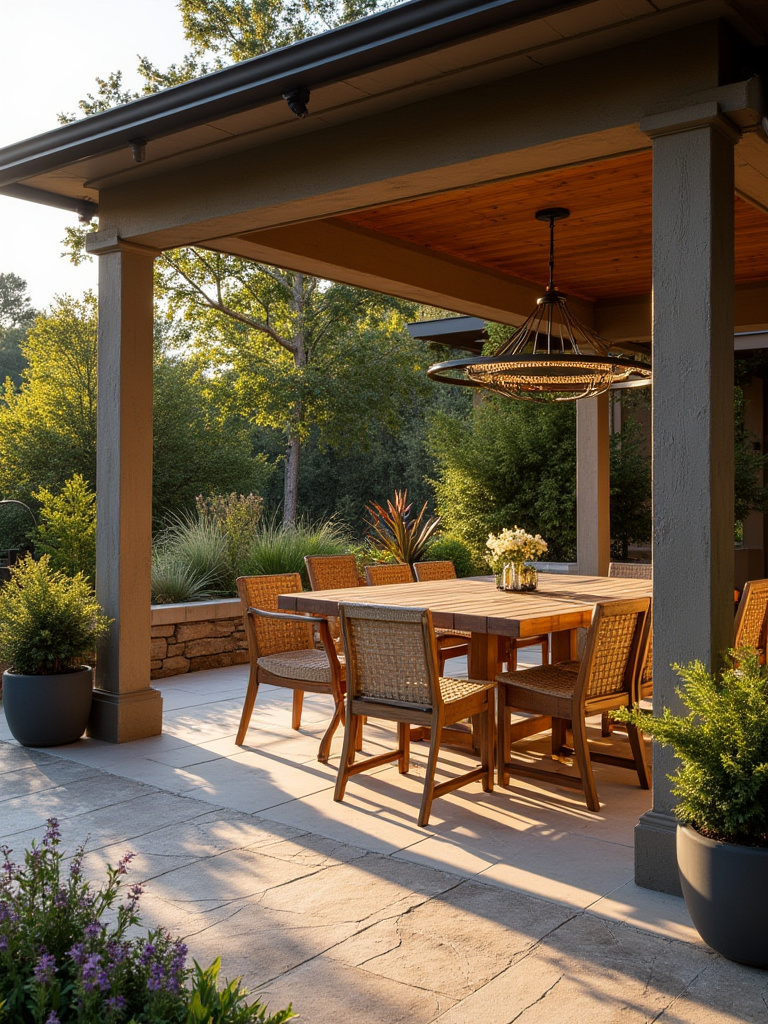
So before you buy a single thing, be honest with yourself. Let’s call it a lifestyle audit. The real secret is to design for the life you actually have, with a little nod to the one you want. If your dream is a quiet corner to read, then don’t give up that precious space for a massive dining table you’ll use twice a year. Prioritise one dominant purpose, and let everything else follow from there. It’s the single best way to avoid a cluttered, confused space that pleases no one.
Once you know its soul, you can start thinking about where to put it.
2. Master Site Selection
The English are obsessed with the sun, for good reason. We don’t get much of it. But blindly chasing the sun is a classic mistake. You need to understand your garden’s unique rhythm—where the light falls in the morning for that first cup of tea, and where you can find a slice of shade in the heat of a rare summer afternoon. It’s about creating balance.
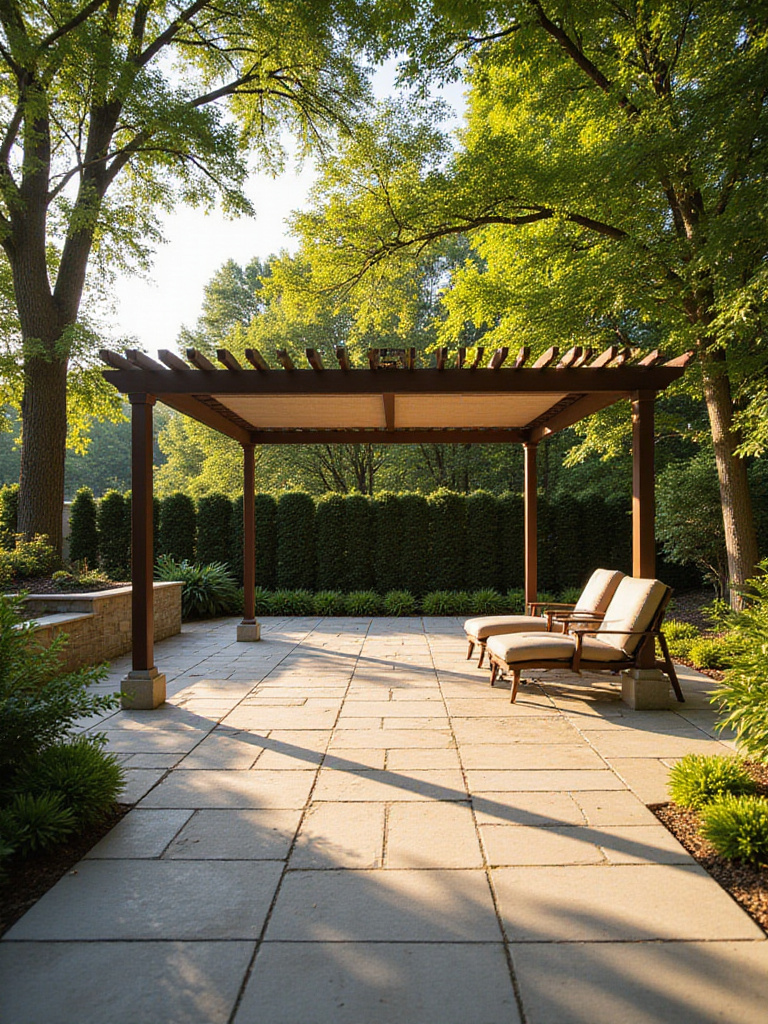
So, spend a day just watching your garden. I know you’re busy, but five minutes every few hours is enough. Note the sunny spots, the shady corners, the areas a pesky wind seems to whip through. And don’t forget privacy. There is nothing less relaxing than feeling like you’re on stage for your neighbours. Sometimes the most logical spot right outside the back door is actually the least private or the most windswept. Finding the right spot isn’t just practical; it’s what turns a patio from a bit of hardscaping into a true sanctuary.
With the perfect spot chosen, it’s time to give your dream a shape.
3. Sketch Your Dream Layout
This is where your vision starts to become real, but on paper, where mistakes are free. Please don’t skip this. I once had a client who bought a gorgeous, enormous teak dining set, only to realise they’d left no room to actually walk around it. Sketching your layout avoids all that heartbreak and expense. Think of your patio as a room without a ceiling, and apply the same logic. You need clear pathways and distinct zones.
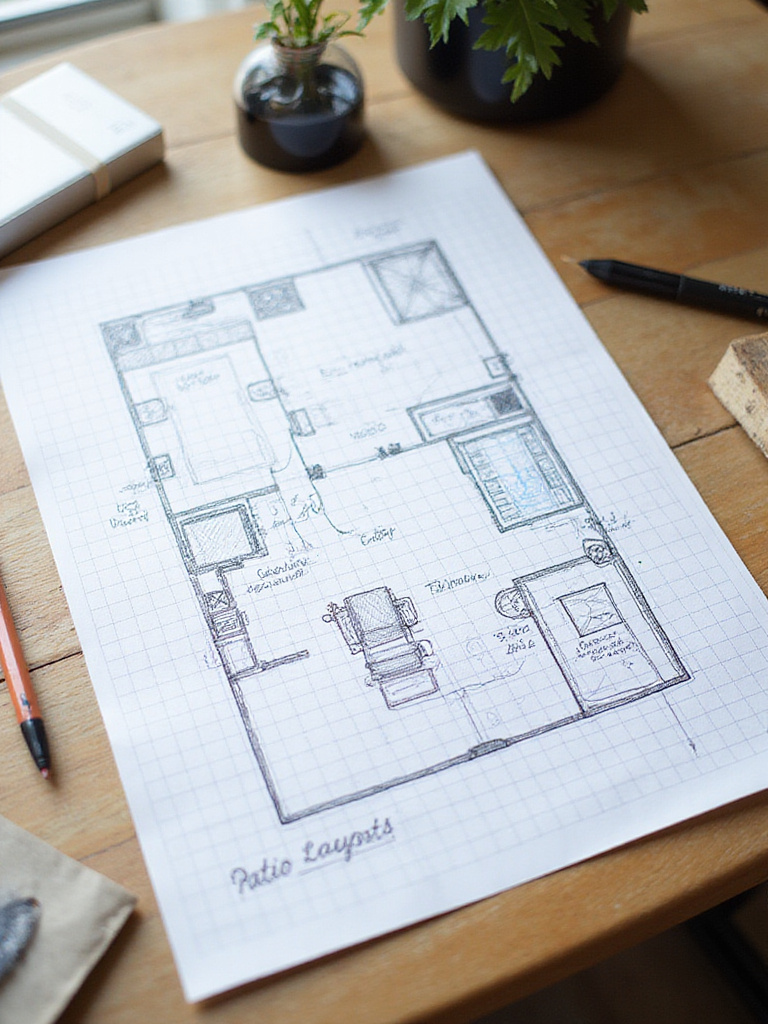
Start by mapping out your must-haves: a dining spot, a soft seating area, a place for the grill. Give each zone enough space to breathe. A dining chair needs about a metre of clearance behind it to be pulled out comfortably. And think about flow. In traditional Indian havelis, courtyards flow into verandas, which flow into rooms, creating a beautiful, natural progression. Your patio needs that same intuitive sense of movement, connecting the spaces so it all feels effortless.
Now for what’s underfoot—the stage for your entire outdoor life.
4. Choose the Right Base Material
This is your foundation. The very stage upon which your outdoor life will unfold. And it sets the entire tone. Poured concrete can feel a bit municipal, a bit cold, unless it’s done with real style. Gravel is lovely and textural—I adore the sound it makes—but it can be a nightmare with slender-legged furniture. It’s about finding the right blend of practicality and personality.
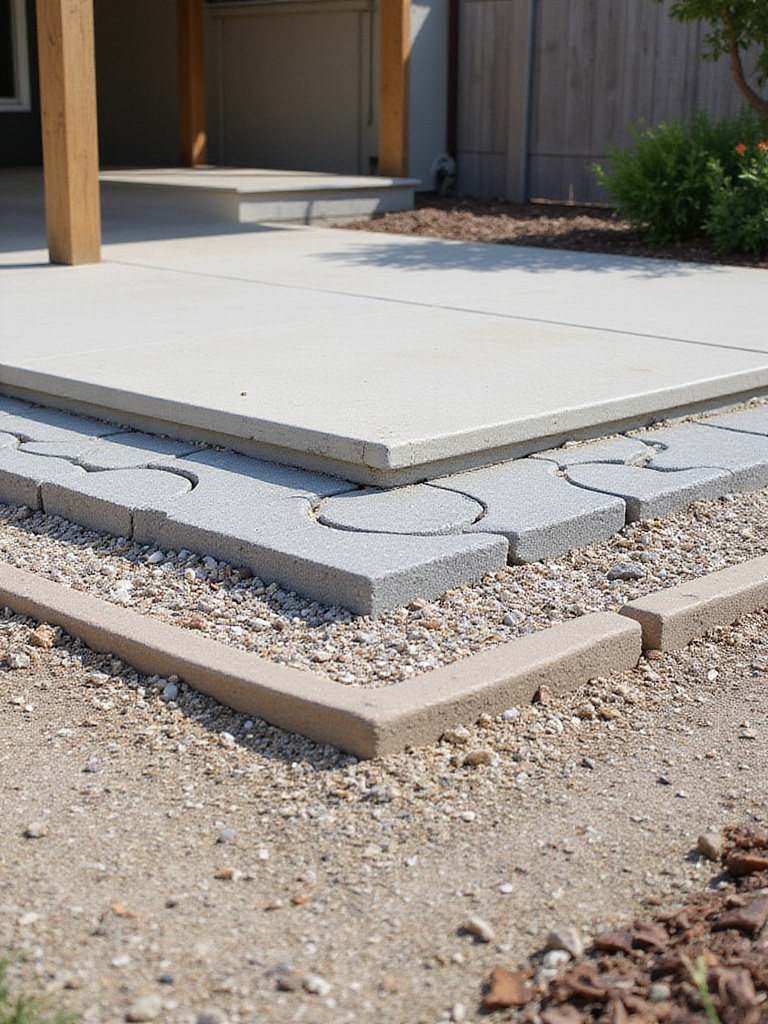
My heart lies with materials that have a bit of history and soul. Beautifully weathered York stone or reclaimed brick just feels so grounded and quintessentially British. But I’ve also designed stunning patios using modern porcelain pavers that look like slate, paired with a border of vibrant, patterned cement tiles that echo the floors of a Goan villa. The key is durability. Whatever you choose, it needs to withstand a British downpour and a frosty morning. Don’t skimp here. The base is what holds it all together.
With the groundwork laid, we can move on to the more visible, statement-making elements.
Essential Structures & Surface Enhancements
This is where we add the architecture to your outdoor room. The walls, the ceiling, the floor. These are the decisions that give your patio its form and character, turning it from a simple slab into a truly designed space.
5. Select Durable Patio Pavers
The surface of your patio is like the rug in your living room—it anchors everything. This is a chance to add texture, colour, and pattern that defines your entire aesthetic. Sure, interlocking concrete pavers are practical, but do they have soul? I always push my clients towards natural stone or reclaimed brick. They have a story. Every imperfection in a piece of reclaimed stone tells of the decades it has already weathered.

For a contemporary British feel, you can’t beat slate or bluestone. It’s elegant, timeless, and provides a stunning, neutral backdrop for vibrant plants and textiles. But for a fusion look, I adore using geometric or floral patterned tiles to create an ‘outdoor rug’ effect in the centre of a seating area. It’s an incredible way to inject personality and a nod to Moroccan or Indian design without it feeling like a theme park. It’s a statement of taste.
From individual pavers, let’s talk about a more seamless—but tricky—option.
6. Consider Stamped or Stained Concrete
Alright, I’ll confess. I used to be a terrible snob about stamped concrete. The idea of faking a material felt, well, cheap. And often, it can look it. But I’ve seen it done with such artistry that I’ve had to reconsider. The key is that it’s all about the skill of the person doing the stamping and colouring. In the right hands, it can create a beautiful, seamless surface that gives the impression of large-format stone without the astronomical price tag.
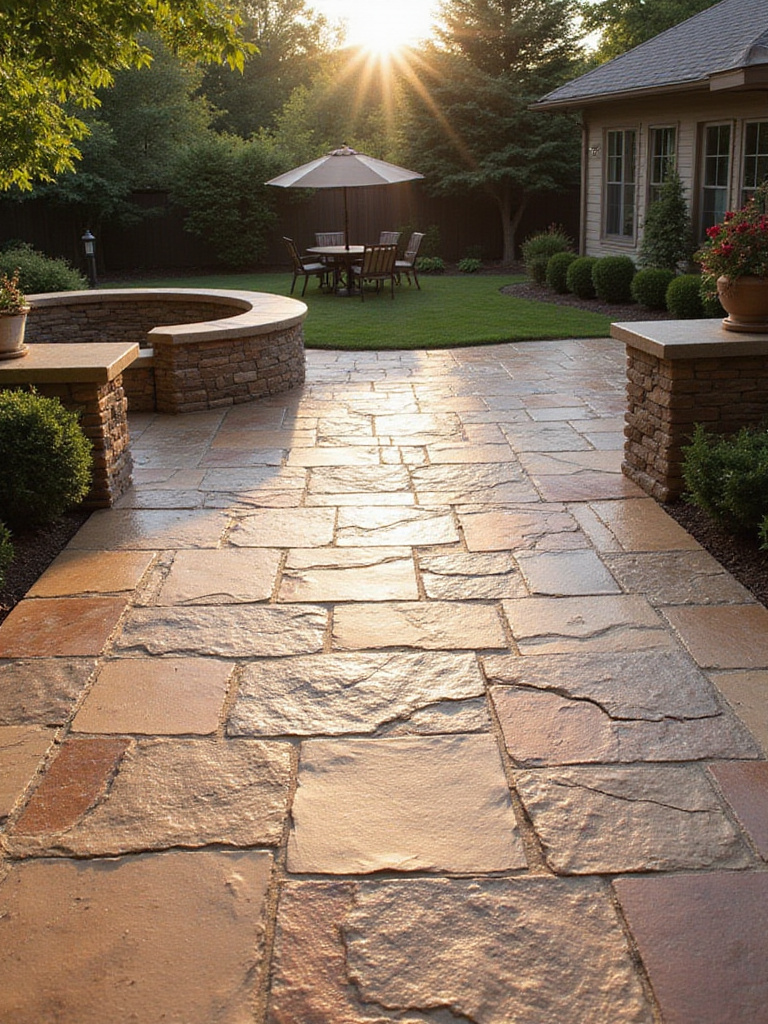
If you’re on a tighter budget, it can be a very clever choice. My advice? Choose a subtle pattern and a natural colour. The imprints that try too hard to mimic small, fussy bricks are the ones that always fail. Think large, clean slabs. It’s a pragmatic solution, but just remember that while it can look the part from a distance, it won’t ever have the same feel or inherent character of the real thing. It’s a head-over-heart decision.
Now, let’s look up and create a sense of enclosure.
7. Install a Pergola or Awning
A bare patio can feel exposed, like a stage without a set. A pergola is the single fastest way to fix that. It gives the space ‘bones’. It creates a ceiling, defining an area and instantly making it feel more intimate and room-like. Suddenly, you have a destination—the spot under the pergola. It’s incredibly powerful.
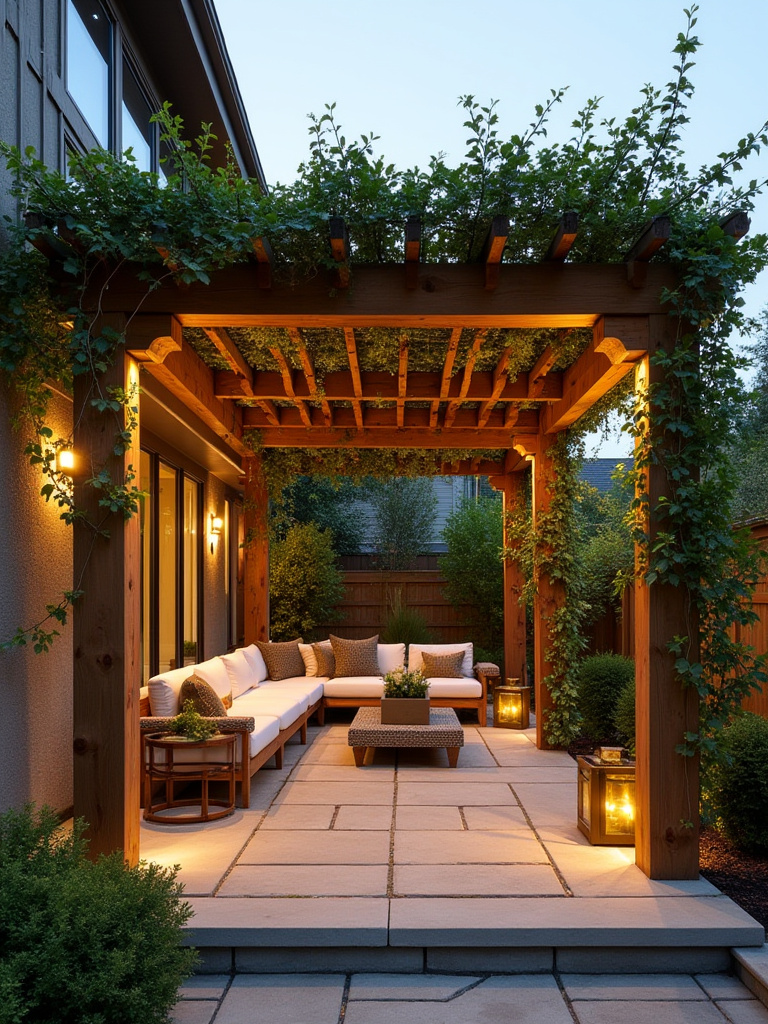
Forget those flimsy metal gazebos. Invest in a proper structure, whether it’s handsome timber that will weather to a silvery grey or sleek powder-coated steel for a modern look. A pergola is an invitation to bring in greenery and life. Imagine it draped in a cloud of wisteria or fragrant jasmine, creating dappled light and dancing shadows below. It’s pure magic. And it’s the perfect framework for hanging lanterns or string lights to bring the space to life at night.
Once you have a ‘ceiling,’ think about the ‘walls’.
8. Build Low Retaining Walls
Can we talk about how everyone gets seating wrong? They buy a dining set and that’s it. But the most inviting patios have seating integrated right into their structure. A low retaining wall, at the perfect height of about 45cm, does so much more than just hold back a bit of soil. It defines the edge of your patio, creates raised planting beds, and, most brilliantly, provides effortless, informal seating.
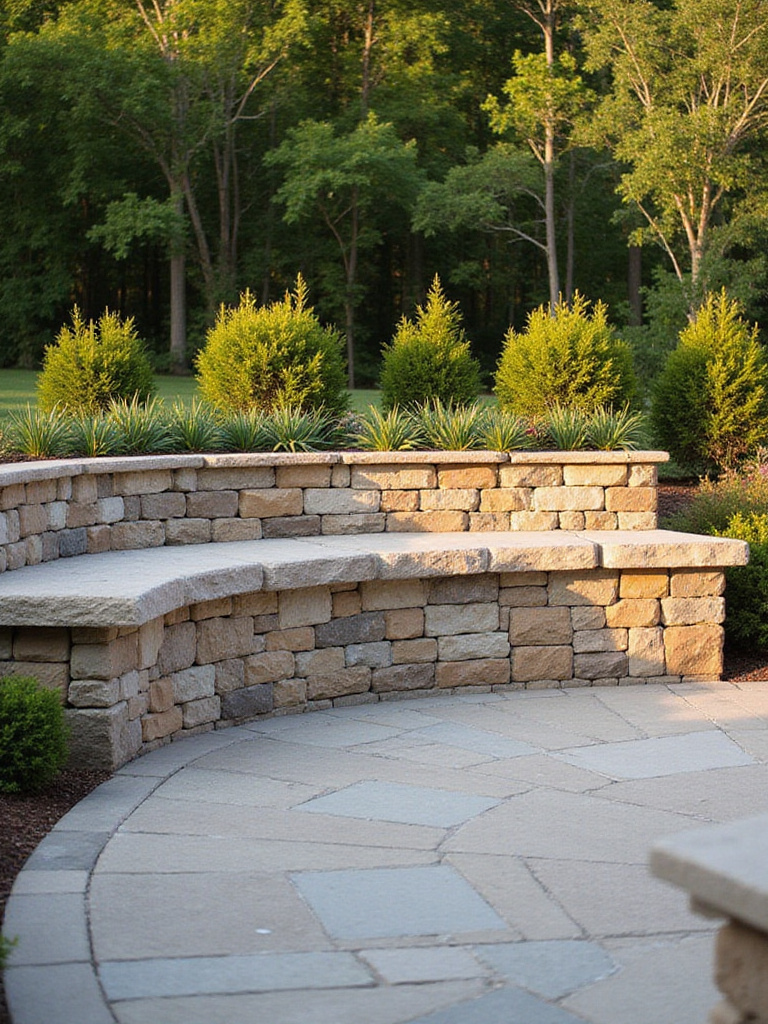
I love to design long, low walls that wrap around a patio, topped with smooth, wide capstones. People will always gravitate towards them. They’ll perch there with a drink, kids will use them as a balance beam, you can line them with pots or lanterns. It creates a relaxed, communal atmosphere that you just can’t get from a formal set of chairs. It makes the garden feel generous and welcoming.
With the structures sorted, it’s time to bring in the comfort and personality.
Furnishing & Comfort Solutions
This is where your outdoor room comes alive. The furniture and textiles are what make it feel like yours. It’s about translating your indoor style to the outside, but with materials clever enough to handle the weather.
9. Invest in Weather-Resistant Furniture
I watched a client lose hundreds of pounds because they bought a cheap, ‘weather-proof’ metal bistro set that was a rusty, weeping mess after one London winter. Please, invest in quality here. It’s far cheaper in the long run. You need materials that can withstand damp, sun, and everything in between.
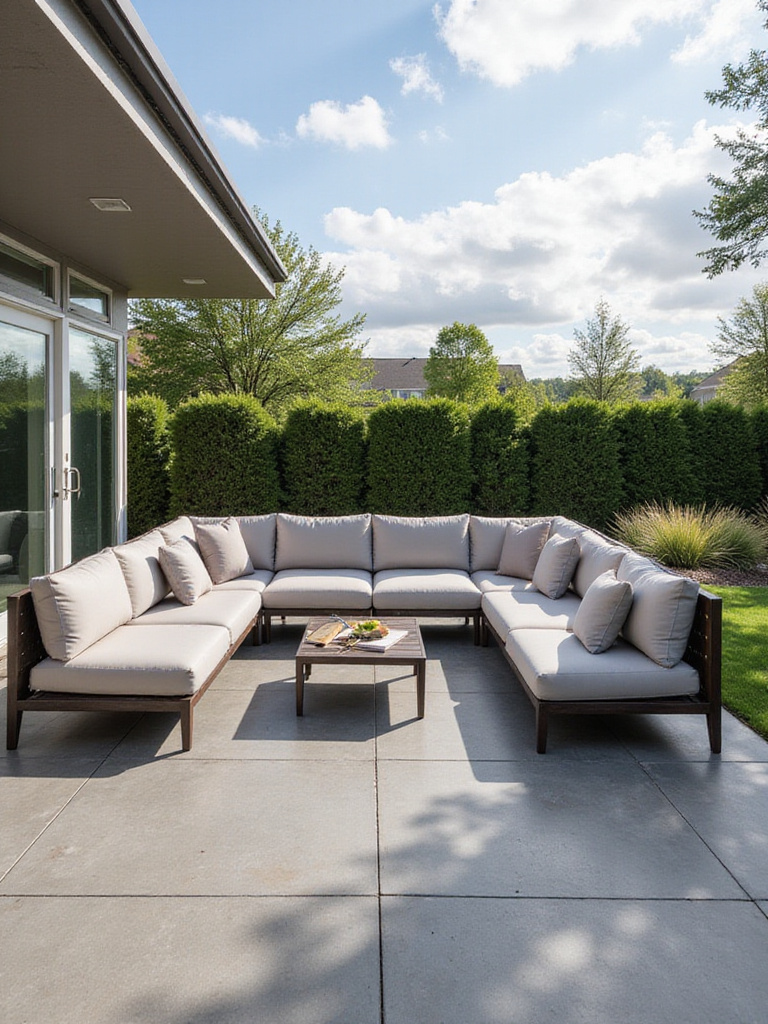
Classic teak is a beautiful choice; it has that lovely connection to colonial-era design and weathers to a sophisticated silver. But I also love the clean lines of powder-coated aluminium for a more contemporary look. My shortcut is to look at the furniture used by smart cafes and hotels. They need style and incredible durability. That’s your benchmark. And don’t feel you have to buy a matching set. A beautiful teak table with modern metal chairs can look far more interesting and curated.
Next, you absolutely must add softness. A lot of it.
10. Add Plush Outdoor Cushions & Pillows
This is my favourite part, and where you can really let your personality shine. Stop being so afraid of colour and pattern outdoors! A neutral sofa or bench is just a canvas. The real art is in the layering of textiles. This is where you can bring in those rich South Asian influences in a completely modern way.
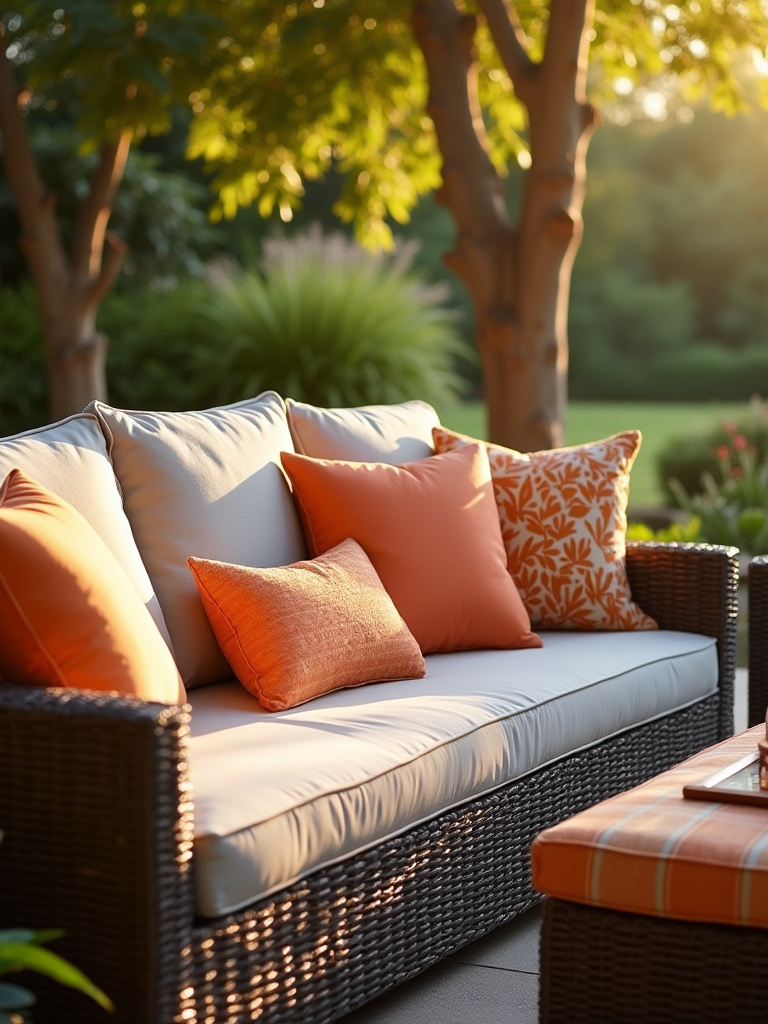
I tell my clients to think of it like accessorising an outfit. Start with comfortable, high-quality base cushions in a solid, durable fabric. Then, go wild with scatter cushions. I’m talking about vibrant block-prints from Jaipur, incredible ikat patterns from Andhra Pradesh, or even rich, plain velvets in jewel tones like emerald and saffron for a touch of Mughal luxury. Mix patterns, mix textures. It’s this layer of softness and personality that turns a sterile patio into a truly irresistible outdoor lounge.
Now that your lounging is sorted, let’s create a space for feasting.
11. Define Your Dining Zone
There’s something deeply special about eating a meal outdoors. But for it to feel like an occasion, you need to create a proper dining zone, not just a table plopped in the middle of everything. This goes back to planning—choose your spot, and anchor it with a great table and comfortable chairs. Comfort is key; no one will linger over dessert if their chair is torturous.
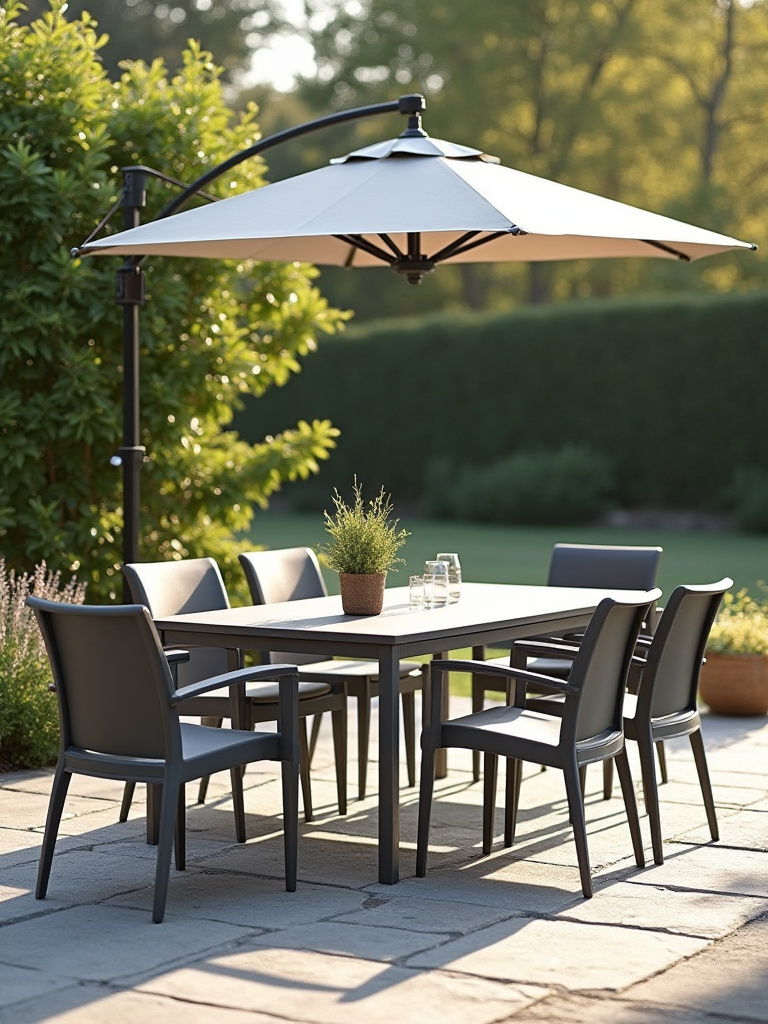
Again, think beyond the matching set. An old, rustic wooden table paired with sleek modern chairs can be stunning. Or a minimalist metal table warmed up with woven wicker chairs. The key is to make it an inviting destination. Place it somewhere with a lovely view of the garden, hang some lights overhead, and suddenly, a simple weekday supper feels like a holiday.
Beyond dining, every garden needs a spot for pure, unadulterated lounging.
12. Create a Cozy Lounge Area
Every garden needs a place for a nap. Or at least, a place that feels like you could have a nap. I’m a huge fan of bringing the idea of the Indian charpai or daybed outdoors. A deep outdoor sofa or a sectional you can really curl up on is a game-changer. It signals that this is a space for true relaxation, not just perching.
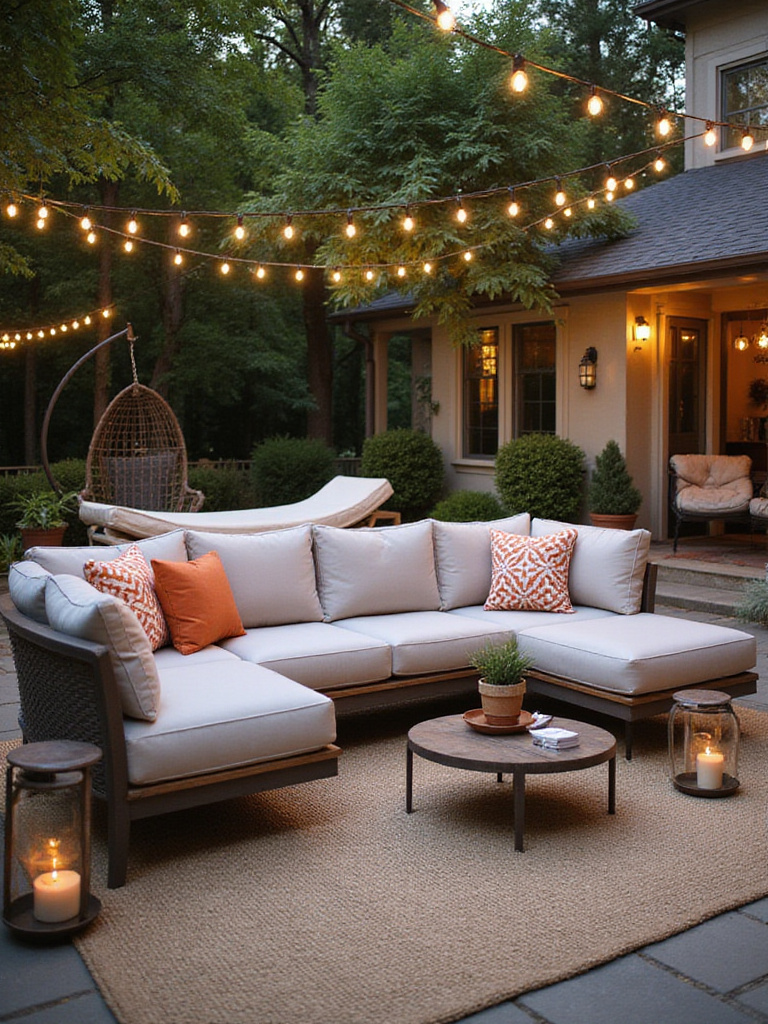
And don’t forget a swing! A hanging chair or a traditional Indian jhoola adds a gentle sense of movement and playfulness that is instantly calming. Nestle it in a corner with plenty of cushions and a small table nearby for your book and a drink. It will become the most coveted spot in your entire home, I promise. It’s these kinds of indulgent, comfort-first pieces that elevate a patio into a true outdoor living room.
To keep your beautiful sanctuary looking serene, you’ll need a place to hide the clutter.
13. Integrate Functional Storage Solutions
Nothing ruins a beautiful, relaxing scene faster than a pile of discarded toys, muddy wellies, and sad, damp cushions. A patio needs storage, but it absolutely does not have to be a giant, ugly plastic box. Storage should be as thoughtfully chosen as your seating.
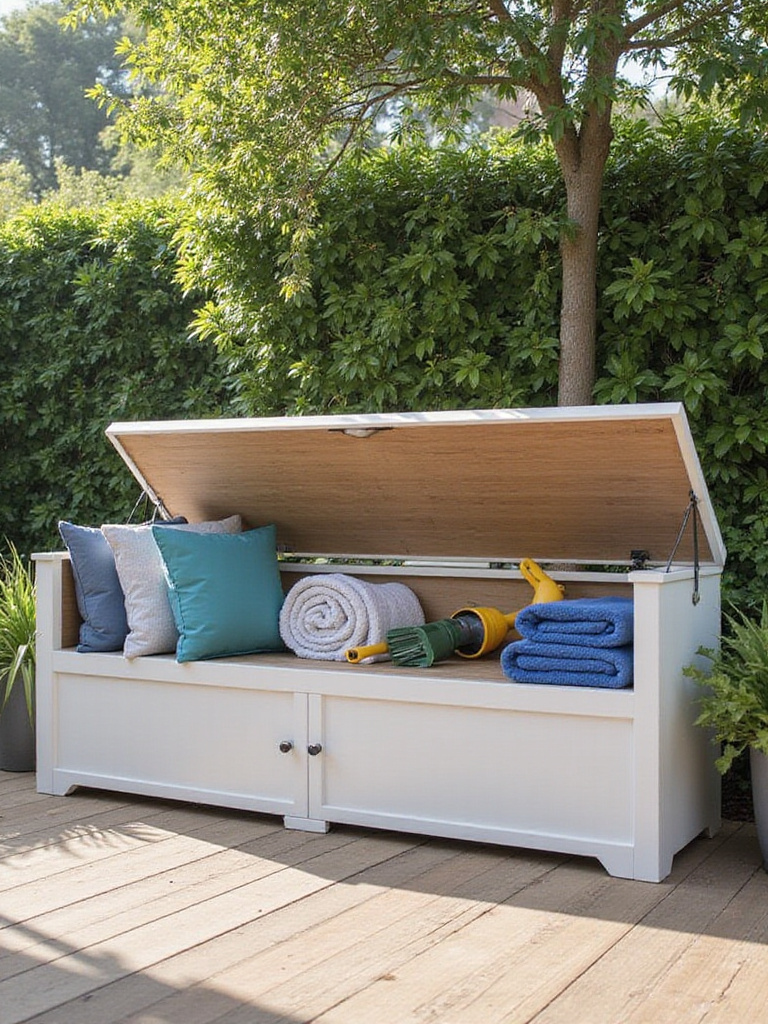
Look for solutions that work twice as hard. A handsome wooden or woven resin bench that opens up to store cushions is a brilliant choice. A coffee table with a hidden compartment is another. I often design custom built-in storage under bench seating, so it’s completely invisible. The goal is to have everything you need close at hand, but tucked neatly out of sight, so your patio is always ready for you to enjoy.
With comfort and order in place, we can dial up the magic.
Ambiance & Aesthetic Enhancements
This is the alchemy. The elements that transform a well-designed space into an enchanting one. It’s all about engaging the senses—the glow of light, the scent of flowers, the sound of water.
14. Design Strategic Outdoor Lighting
I used to think beautiful plants were everything. Then I visited a friend’s home in Delhi, and their simple courtyard was transformed at night by a few strategically placed lanterns. It was a revelation. Good lighting is not about flooding the space with light; it’s about creating pools of warm, gentle glow. It’s about what you don’t light as much as what you do.
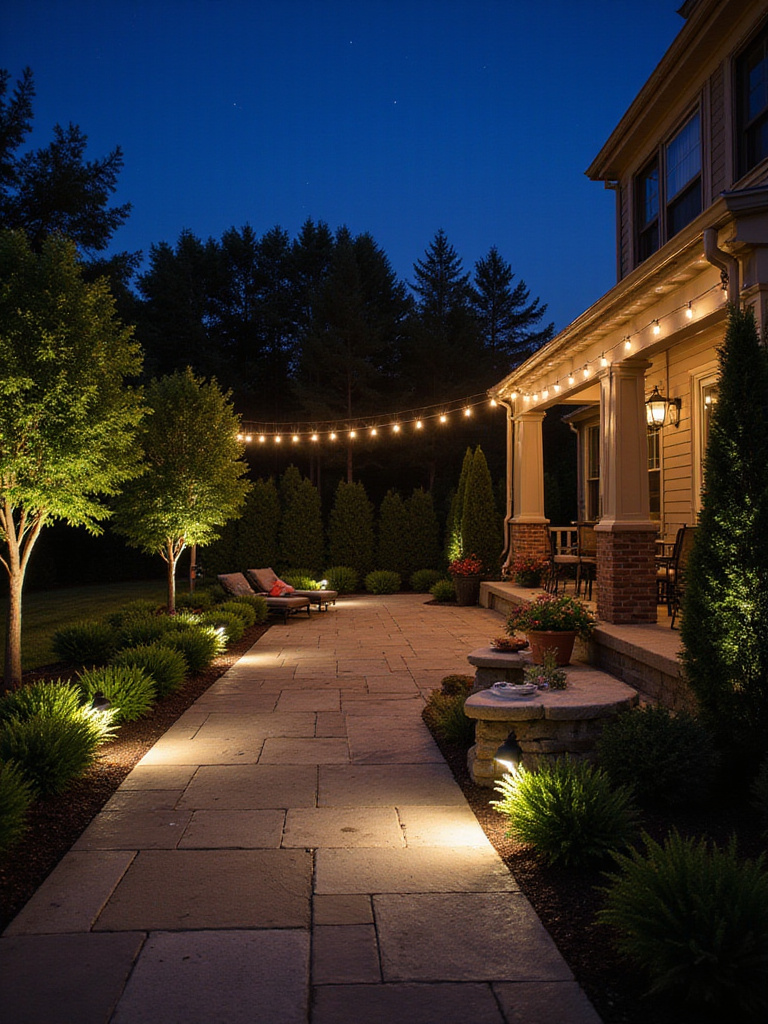
Forget single, harsh security lights. Think in layers. Use uplighters to create dramatic silhouettes of trees or architectural plants. Use strings of warm-white bulbs (never cold blue!) under a pergola for a festive feel. But my absolute favourite is lanterns. Group them on the floor, place them on steps, use a mix of sizes. Whether they’re sleek and modern or intricate perforated metal ones that cast beautiful patterns, they add a flicker of life and an instant feeling of intimacy.
Next, bring in the lifeblood of any garden: the plants.
15. Incorporate Low-Maintenance Planters
A patio without plants is a sad thing indeed. But you don’t need sprawling flowerbeds to make an impact. A few, carefully chosen, beautiful planters can do all the work. The trick is to go bigger than you think. A collection of small pots can look cluttered and messy, whereas two or three large, statement pots create a much more dramatic and sophisticated look.
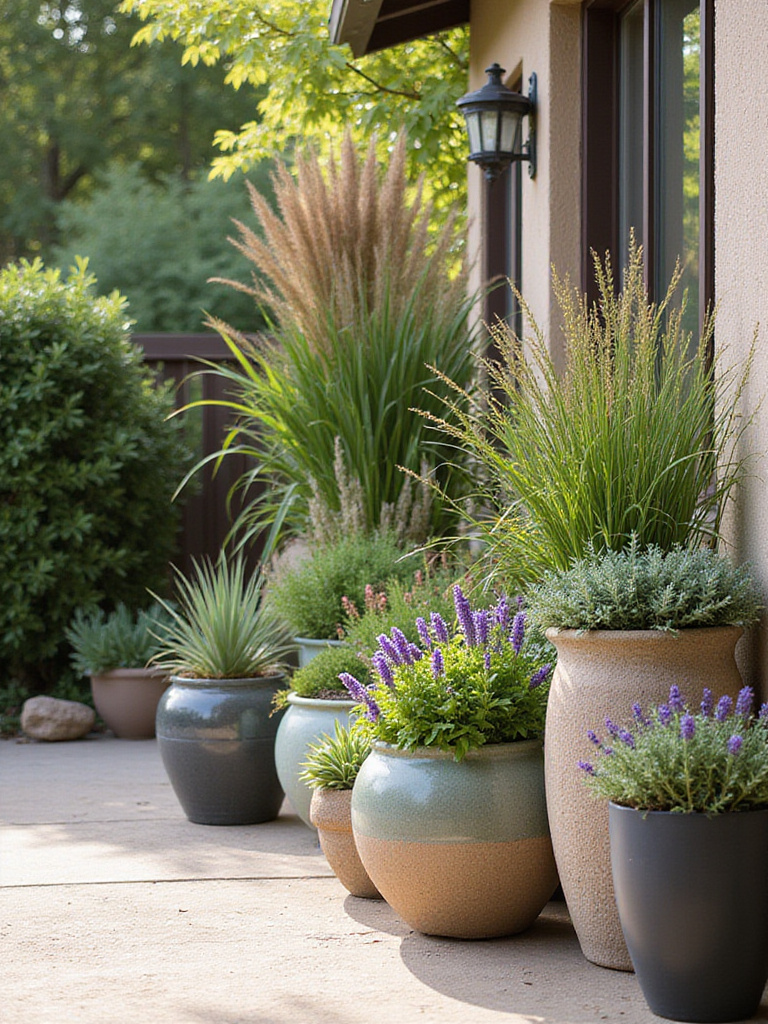
Choose planters with character—aged terracotta, rusted corten steel, or glazed ceramic in a deep cobalt blue. Group them in odd numbers for a natural feel. And be clever with your planting. You want structure, scent, and colour. Think evergreen grasses for year-round texture, fragrant jasmine or roses to climb a wall, and then fill in with seasonal colour. I love planting pots with masses of marigolds for a joyful, vibrant nod to Indian ceremonial flowers.
Beyond the visual, don’t forget to add a soundtrack.
16. Build a Simple Water Feature
The sound of moving water is one of the most powerful ways to create a sense of tranquility. It masks unwanted noise from neighbours or traffic and instantly lowers your shoulders. You don’t need a giant, bubbling fountain. In fact, simpler is often better.
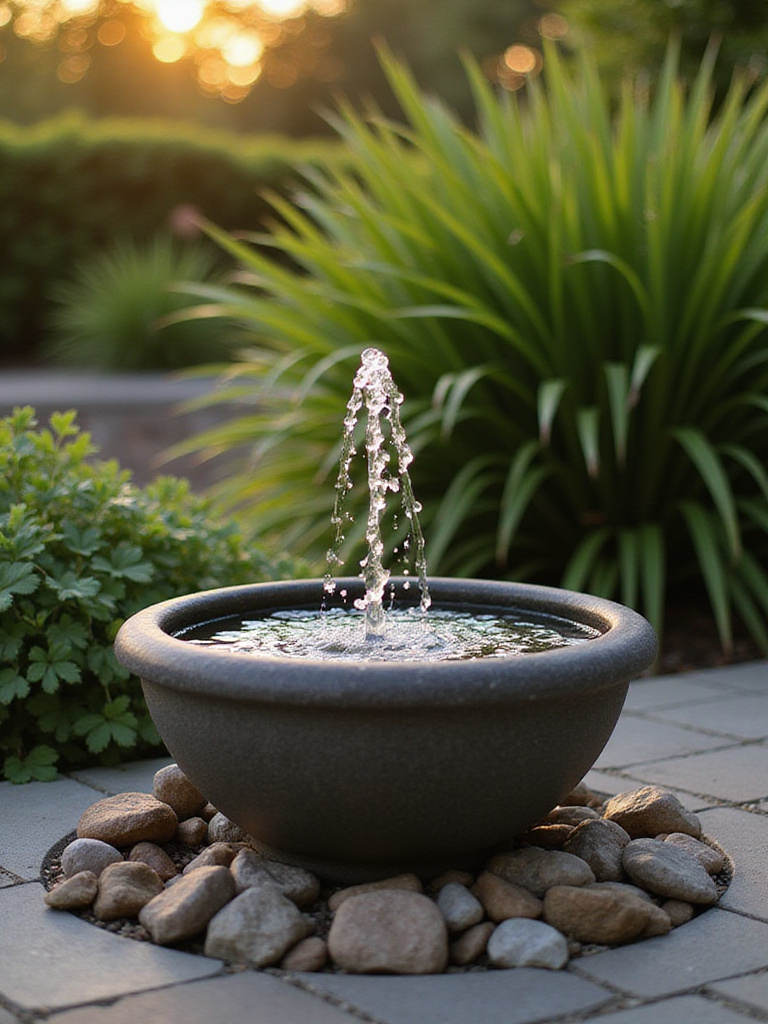
A small, self-contained water feature can be incredibly effective. My favourite trick is to use a traditional Indian urli, which is a beautiful, shallow brass or bronze bowl. You can place a tiny, submersible pump in it to create a gentle ripple, and float a few flowers or candles on the surface. It’s a stunning, reflective focal point that engages both sight and sound, transforming your patio into a truly serene escape.
To complete the feeling of an outdoor room, you need to define the floor.
17. Select the Perfect Outdoor Rug
This is the shortcut I wish I’d known about years ago. An outdoor rug is the single quickest way to define a seating area and make a patio feel finished and cohesive. It grounds the furniture and adds a layer of colour, pattern, and softness underfoot that is instantly welcoming.
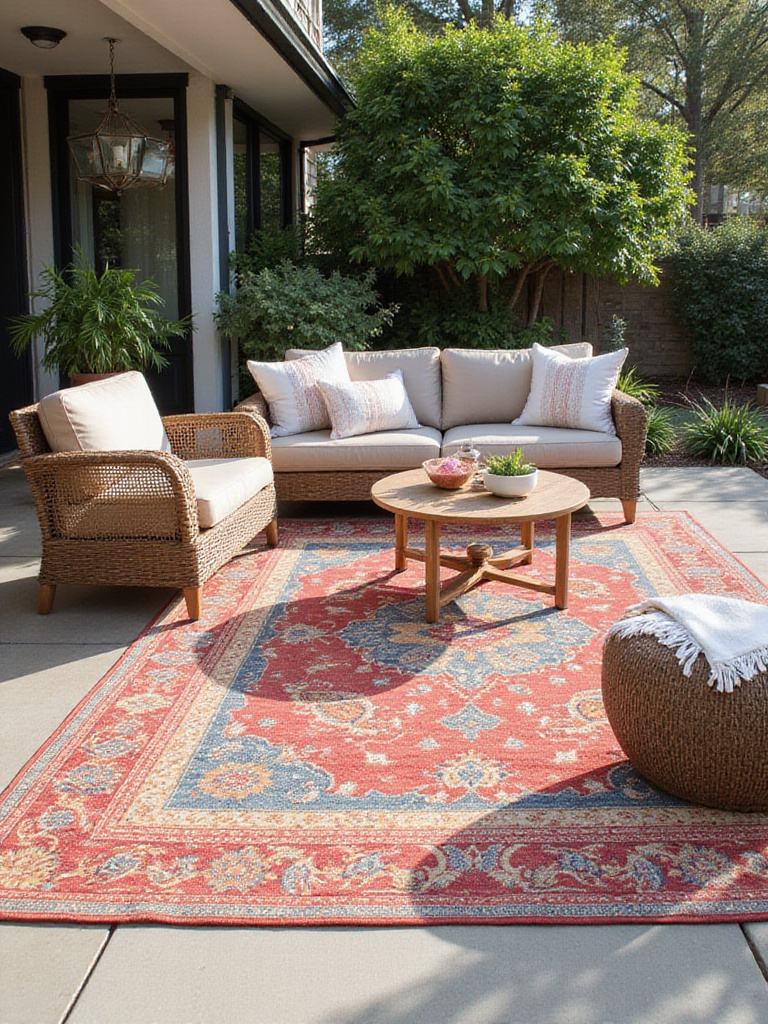
Don’t be timid. There are so many incredible outdoor rugs available now, made from recycled plastics and other durable synthetics, that can handle anything the weather throws at them. Choose a design that complements your cushions. You could go for a bold geometric, a traditional Persian-style pattern, or something that mimics a woven jute. It’s a design trick that works every single time to pull a space together.
Finally, let’s add a layer of beautiful, filtered privacy.
18. Add Decorative Privacy Screens
Sometimes you need to block a view—a neighbour’s window, a wheelie bin—but a solid fence can feel so aggressive and claustrophobic. Decorative screens are the elegant solution. They provide privacy while also adding a stunning architectural element to the garden.
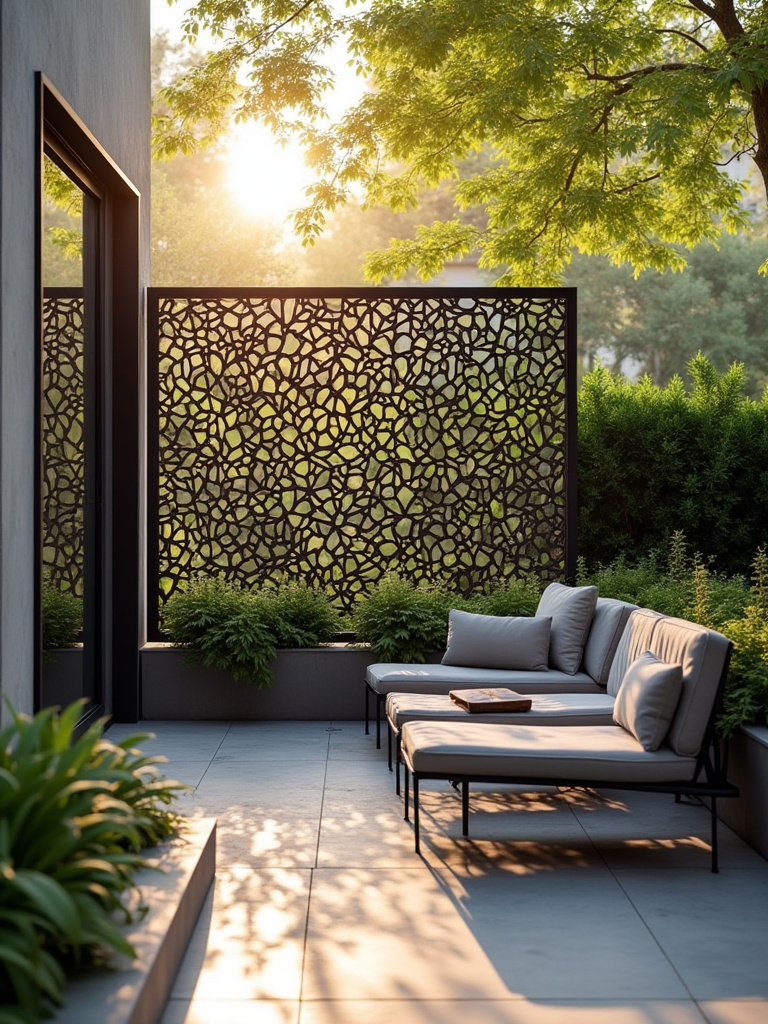
This is a perfect opportunity to incorporate the intricate beauty of jali screens, traditionally carved from stone or wood in South Asian architecture. You can now get them made from laser-cut metal or durable composite materials. They filter the light and cast the most exquisite, complex shadows that move throughout the day. A screen doesn’t just block a view; it creates its own. It’s about turning a practical need into a piece of art.
For those who want to take their outdoor space to the next level, let’s talk upgrades.
Advanced Features & Outdoor Living Upgrades
These are the elements that turn a beautiful patio into a truly luxurious, all-season extension of your home. They are investments, for sure, but they fundamentally change how you live in your space.
19. Install an Outdoor Kitchenette
The British BBQ is a wonderful tradition, but it often involves the host running back and forth to the indoor kitchen, missing all the fun. An outdoor kitchenette changes all of that. It doesn’t have to be a massive, all-singing, all-dancing affair. Even a simple setup with a built-in grill, a bit of counter space for prep, and a small sink makes a world of difference.
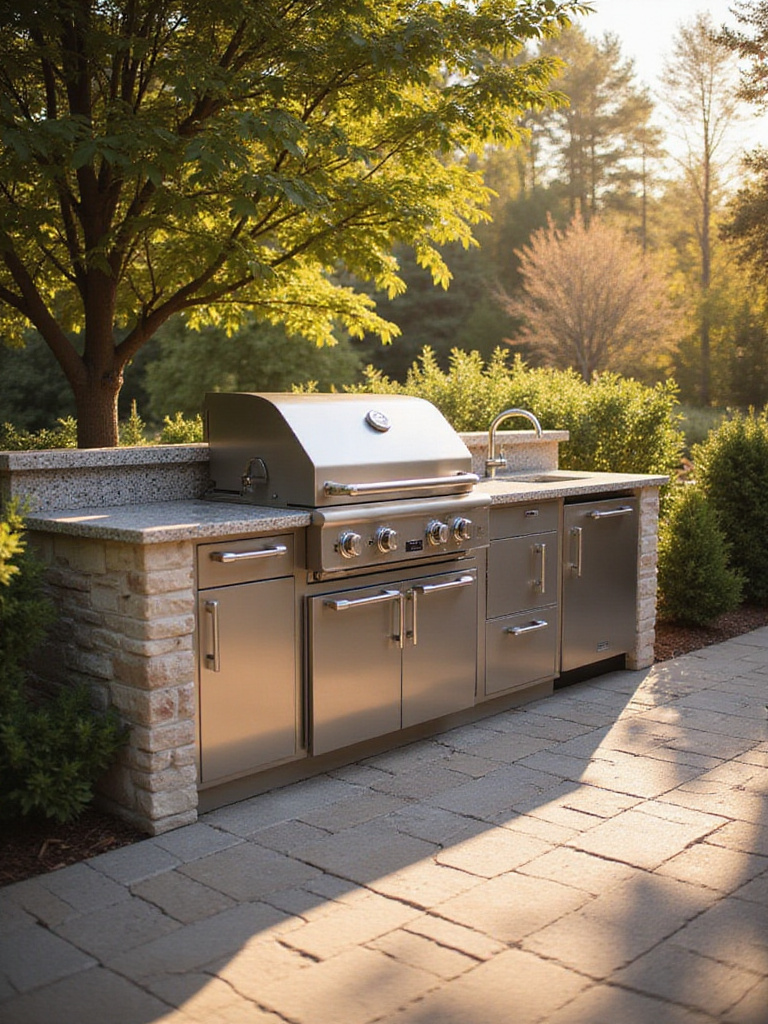
The key is to integrate it beautifully. Use the same materials as your patio or walls to make it feel like a cohesive part of the design. Think about the social element. I love designing a layout with a counter that doubles as a bar, so guests can sit and chat with the cook. It makes the entire experience of cooking outdoors more communal and enjoyable. And imagine having space for a small tandoor oven—a true culinary upgrade!
For when the cooking is done and the evening cools, you need a gathering point.
20. Integrate a Built-In Fire Pit
There is something primal and deeply comforting about gathering around a fire. A built-in fire pit creates an undeniable focal point and turns your patio into a year-round destination. It’s the heart of the garden, a place for storytelling, conversation, and quiet contemplation.
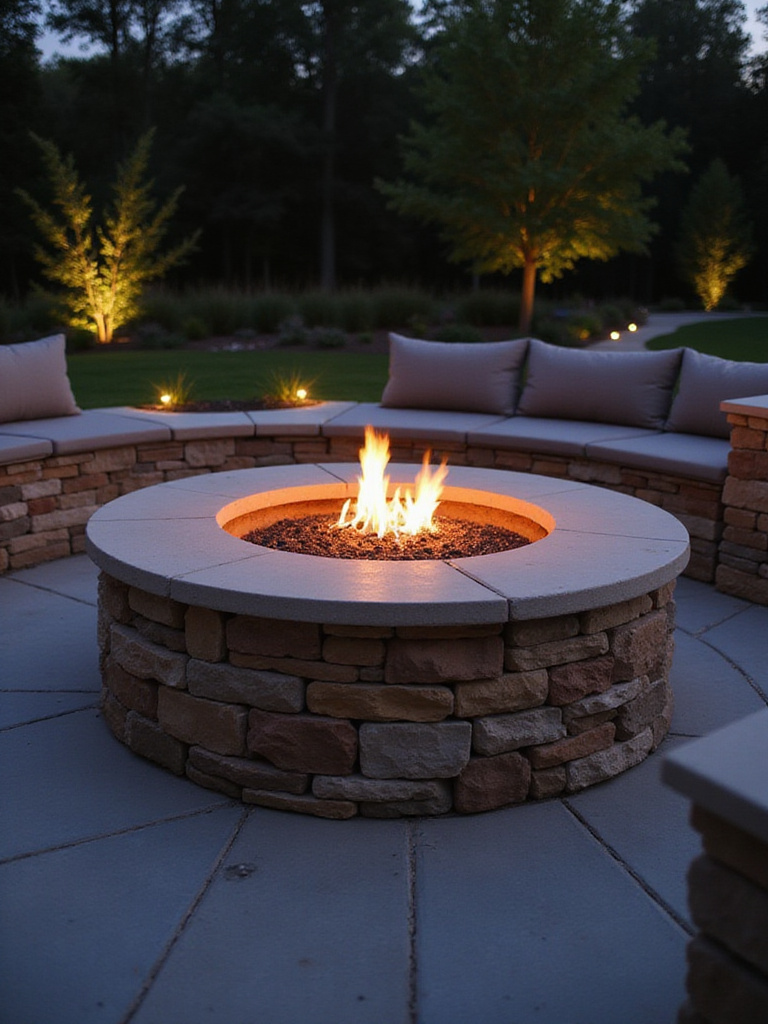
A built-in design feels so much more permanent and intentional than a portable one. You can surround it with a built-in seating wall or deep, comfortable chairs, creating a natural conversation pit. A gas-fuelled one offers instant, clean flames at the flick of a switch, which is wonderfully convenient for our unpredictable weather. It extends the use of your garden by months, turning chilly autumn evenings into the coziest nights of the year.
To supplement that central fire, you’ll want warmth spread throughout the space.
21. Explore Radiant Patio Heaters
Let’s be realistic. This is Britain. Even on a beautiful summer evening, the temperature can drop as soon as the sun goes down. Radiant heaters are a brilliant, subtle way to keep the chill at bay and extend your time outdoors. Unlike those big, mushroom-shaped gas heaters that clutter up a space, modern electric radiant heaters are sleek, discreet, and incredibly effective.
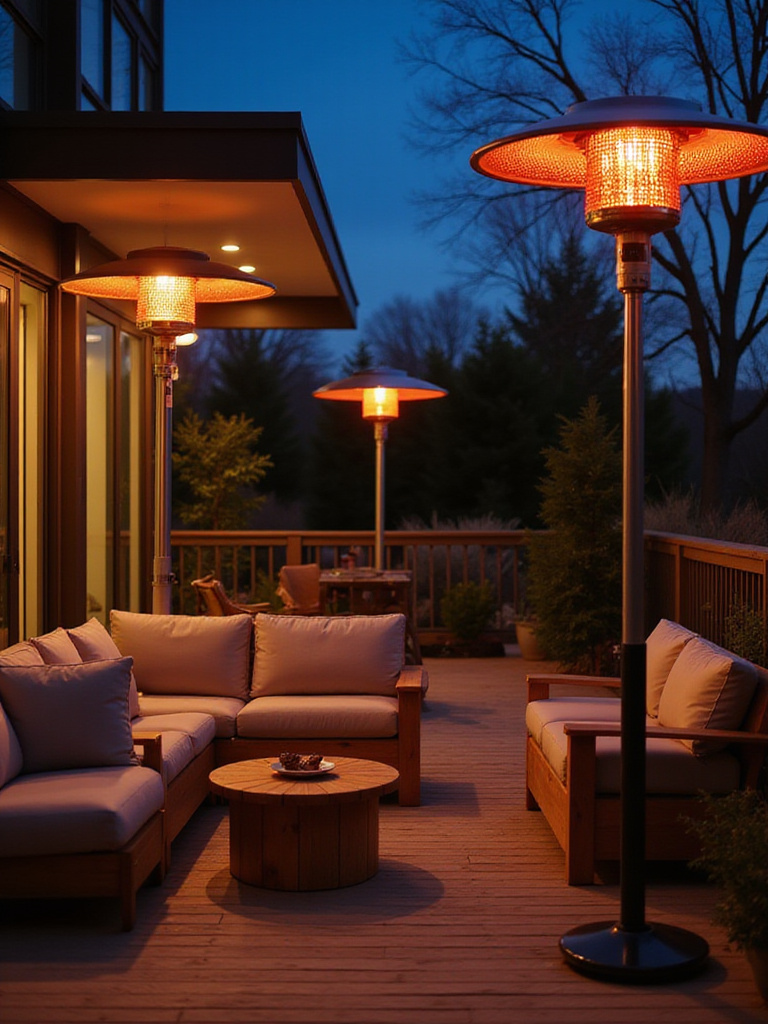
They can be mounted on a wall or ceiling, so they take up no floor space and are often barely noticeable. They work by warming objects—and people—directly, rather than trying to heat the air, which is a losing battle outdoors. They are the quiet, functional luxury that allows you to have that one last glass of wine outside, wrapped in warmth, long after you’d normally have retreated indoors.
Finally, let’s think about the soundtrack to your outdoor life.
22. Set Up an Outdoor Entertainment System
Now, handle this with care. A giant, blaring television can completely shatter the peaceful, natural ambiance we’ve worked so hard to create. But that doesn’t mean you have to eschew technology entirely. For me, the most important element of outdoor entertainment is high-quality sound.
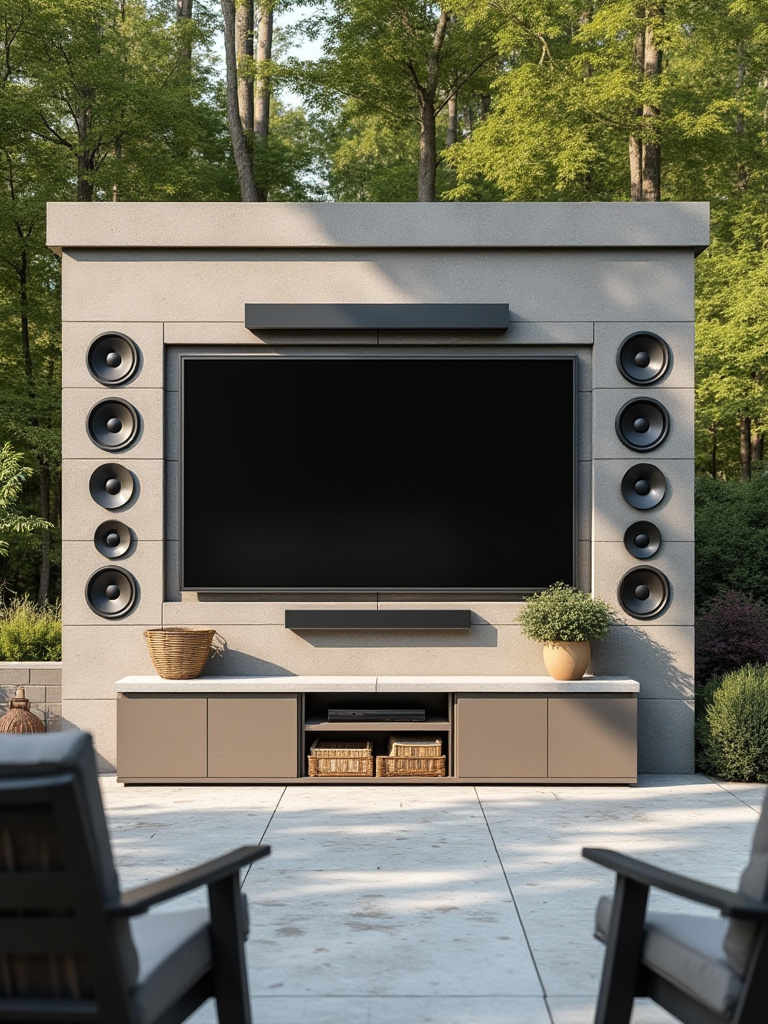
Imagine having a system of discreet, weatherproof speakers dotted around your garden, playing a beautiful raga, some soulful jazz, or just the gentle sound of the morning radio while you have your coffee. It adds a whole other layer of ambiance. If you must have a screen for outdoor movie nights, consider a projector and a simple pull-down screen that can be hidden away when not in use. The goal is to integrate technology seamlessly, so it enhances the mood, rather than dominates it.
Your Garden’s Story is Waiting
So you see, creating a brilliant patio isn’t about following a rigid set of rules. It’s about listening to your space, understanding how you want to live in it, and having the confidence to blend your influences. It’s about seeing it not as a backyard, but as a room in its own right—a room that connects you to nature, to your heritage, and to the people you love.
Don’t be overwhelmed. Start with one thing. Maybe it’s a collection of beautiful lanterns, or swapping your tired cushions for something vibrant and patterned. The most beautiful spaces evolve over time. They tell the story of who you are. So step outside, and start writing yours.