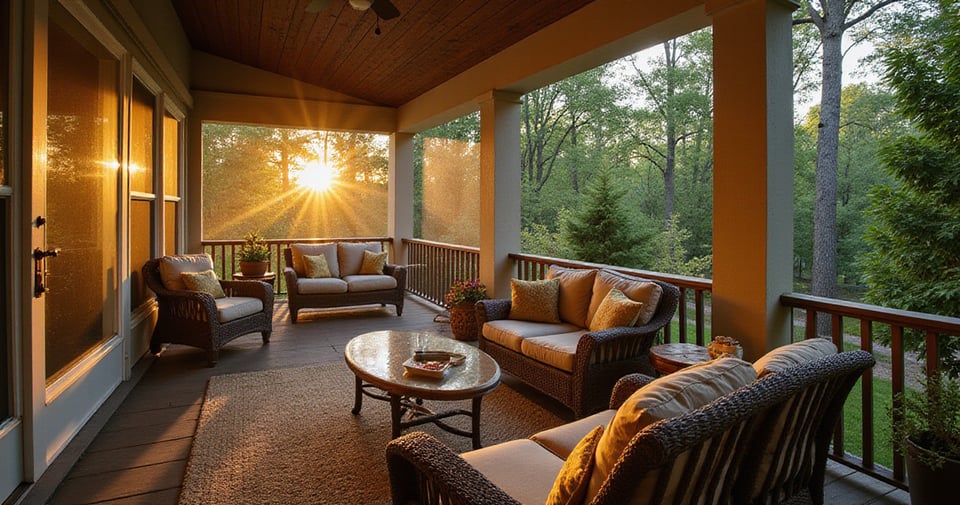
We live with a paradox. We crave the stillness of a zen garden, the deep calm that comes from connecting with nature, yet our lives are run by notifications, devices, and the quiet hum of technology. I’ve spent my career navigating this intersection, blending ancient Japanese principles with the realities of our digital age. The goal isn’t to reject technology—that’s a losing battle. The real art is to make it serve our peace, not shatter it.
Frankly, most homeowners get it wrong. They either create sterile tech-hubs that feel like an office extension or rustic retreats that are impractical for modern life. They’re missing the crucial middle ground. Your backyard, your porch, isn’t just land. It’s an opportunity for a sanctuary. It’s where technology can become quiet, intuitive, and supportive.
What I’m sharing here isn’t just a list of 20 porch ideas. It’s a series of philosophies. These are ways to think about creating a backyard space that respects your need for calm while understanding you still need to charge your phone. From lighting that honors your body’s natural clock to platforms that hide their complexity, we’ll explore how to build a sanctuary for the modern soul.
1. The Screened Porch as a “Digital Detox” Chamber
Forget thinking of this as just a way to keep mosquitoes out. I want you to envision it as a modern-day tea room—a dedicated space for intentional disconnection. It’s the ultimate blend of being protected yet open, shielding you from insects and, more importantly, from digital noise, without losing the pulse of the natural world. I’ve designed these with fine mesh that almost disappears, filtering the harshest sunlight and letting the breeze through. The result is an environment where you can actually hear yourself think.
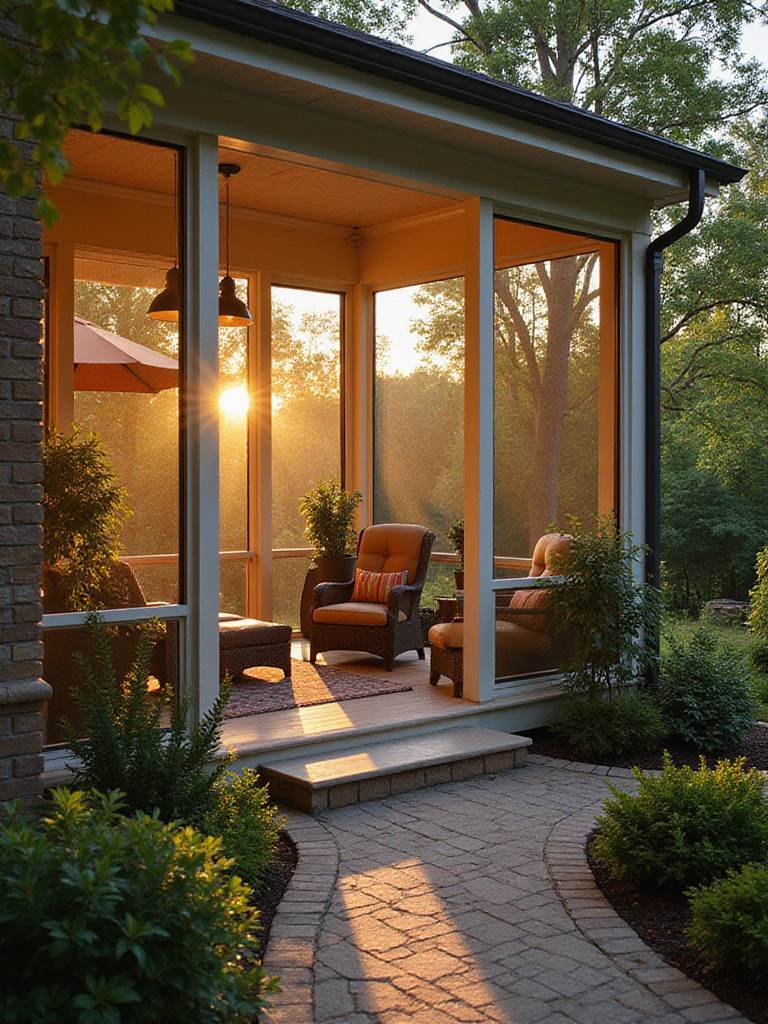
The technology here is all about subtlety. What if the lights didn’t just turn on, but gradually dimmed as the sun set, cueing your body that it’s time to wind down? What if sensors monitored the air quality, quietly adjusting ventilation for a perfect meditation session? Storage isn’t an afterthought; it’s built-in, hiding away cushions and books to maintain that essential, uncluttered feeling. This isn’t about adding gadgets; it’s about using invisible tech to create a space that breathes.
And as that afternoon sun filters through the mesh, it casts shifting patterns on the floor—a kind of living art. This play of light and shadow is itself a foundation of tranquility, setting the stage for our next idea.
2. The Smart, Climate-Controlled Extension
The porch used to be a fair-weather friend. No more. The true evolution of outdoor living is a space that intelligently adapts to the world around it. I’m talking about a covered extension that can be an open-air pavilion one minute and a climate-controlled room the next. Imagine automated misting systems that trigger on a hot day or nearly-invisible heating elements in the floor that take the chill off a cool evening. This is where engineering serves serenity.
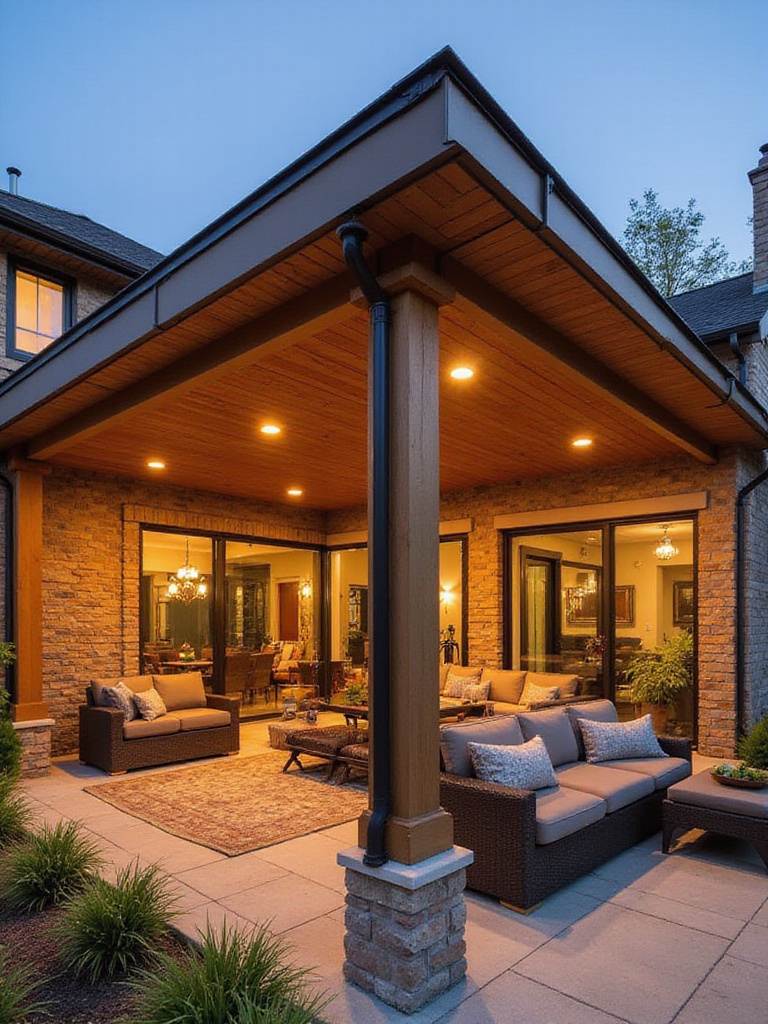
I’ve found that the best materials are those that work in concert with the technology. Thermally efficient decking that stays comfortable underfoot, polycarbonate roofing that filters UV rays—it all works together. The goal is to make the technology disappear into the architecture. You don’t see a “misting system”; you just feel a refreshing coolness. You don’t fiddle with a thermostat; you simply exist in a comfortable space, year-round.
This seamlessness, this blend of high-performance materials and invisible tech, is a modern form of craftsmanship. It lets us extend our living space without surrendering to the whims of the weather, which leads us to consider how to harness the elements themselves.
3. The Modern Pergola with an Energetic Purpose
A pergola is a beautiful thing. It frames the sky, it plays with light. But what if it could do more? Contemporary pergola design can weave renewable energy right into its structure, turning a simple shade provider into a quiet power plant for your sanctuary. Imagine photovoltaic cells integrated so smoothly into the slats that they become part of the aesthetic—filtering sunlight while generating power.
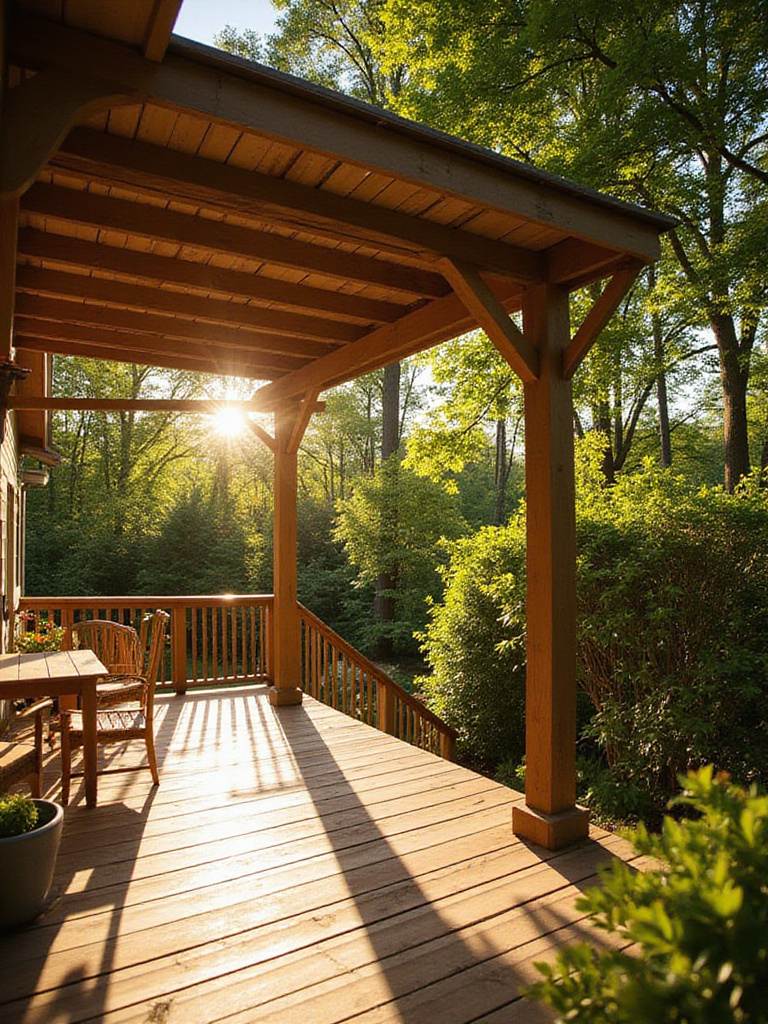
This isn’t just about being green, though that’s a huge plus. It’s about self-sufficiency. Your pergola now powers the very space it defines: the soft, ambient LED strips for evening conversations, the fan that circulates a gentle breeze, the charging station for your Kindle. The excess power? Stored in an integrated battery for later. The clean, geometric lines that are hallmarks of modern design feel right at home here, creating a structure that is both timeless and, frankly, of the future.
The journey of the sun across the sky now has a tangible result—power. This sustainable principle, of technology enhancing nature without spoiling it, can be brought right down to the ground.
4. The Minimalist Platform with Secrets to Share
The soul of zen design is often what you don’t see. A minimalist, ground-level platform deck perfectly embodies this. It feels like a simple, clean extension of your home, blurring the line between indoors and out. But beneath its serene surface lies its intelligence. This isn’t just a deck; it’s a carefully considered piece of integrated design.
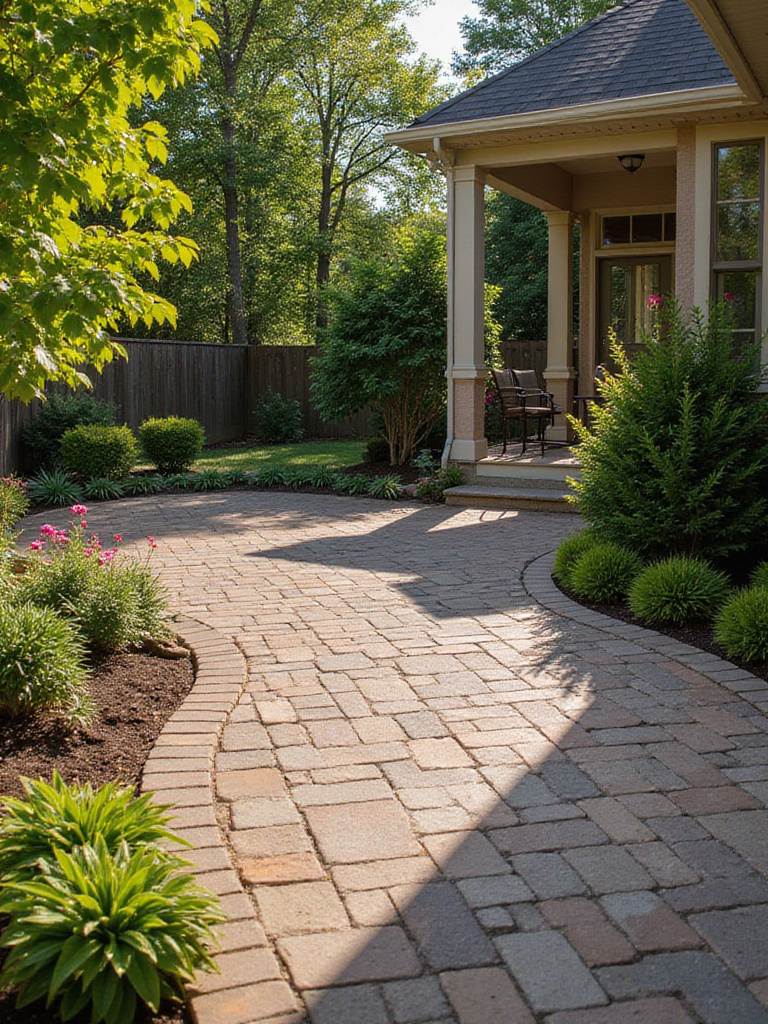
I love watching a client’s surprise when they walk on one for the first time. They don’t see the flush-mounted LED strips that will guide their path after dark. They don’t see the hidden speakers that can fill the space with ambient sound. And in cooler months, they definitely don’t see the embedded heating elements that make the surface comfortable to walk on. It’s all controlled from a phone, but the technology is never in your face. It’s pure function, hidden by form.
What makes this work so well is how the technology vanishes, leaving only the experience. This idea of elevating an experience without cluttering the view is a principle we can take, quite literally, to the next level.
5. An Elevated Porch with a “Borrowed View”
In Japanese garden design, there’s a concept called shakkei, or “borrowed scenery.” It’s the art of framing a view, of incorporating the wider landscape into your own garden’s design. An elevated porch is a natural platform for this, but smart glass railings transform it from a simple viewpoint into a dynamic frame that you control.
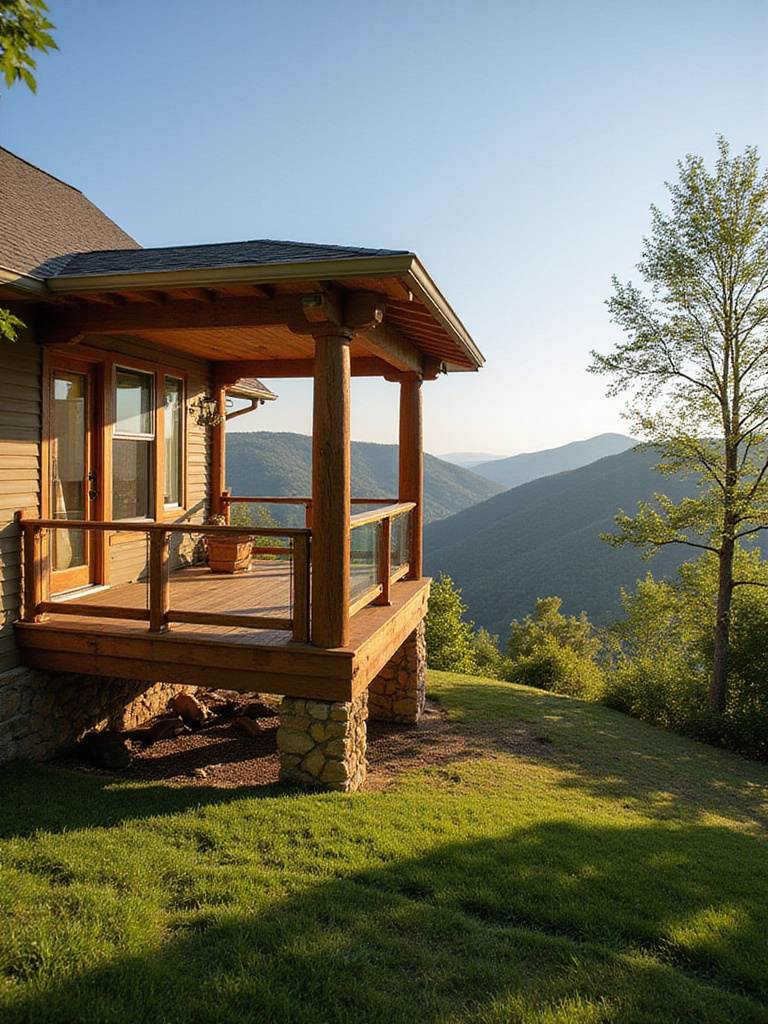
Here’s what’s amazing about it: at the touch of a button, electrochromic glass can go from perfectly transparent to completely opaque. Suddenly, you have instant privacy without a clumsy curtain. Or, imagine the glass automatically tinting to reduce glare during the sun’s peak hours. This isn’t just a railing; it’s a responsive boundary between your sanctuary and the world. You get to decide how much of the scenery you want to borrow at any given moment.
When you pair this control over transparency with the natural height advantage of an elevated deck, you create a powerful sense of command over your environment. It’s a feeling of curated openness, a perfect balance that rests on the very surface you stand on.
6. Responsive Flooring That Cares for You
The floor of a porch is its foundation in every sense. It has to be durable, of course, but what if it could also be an active part of your comfort? I’m not talking about just laying down planks; I mean installing a floor that is, for lack of a better word, aware. A floor with integrated heating isn’t a new idea, but when combined with smart controls, it becomes responsive.
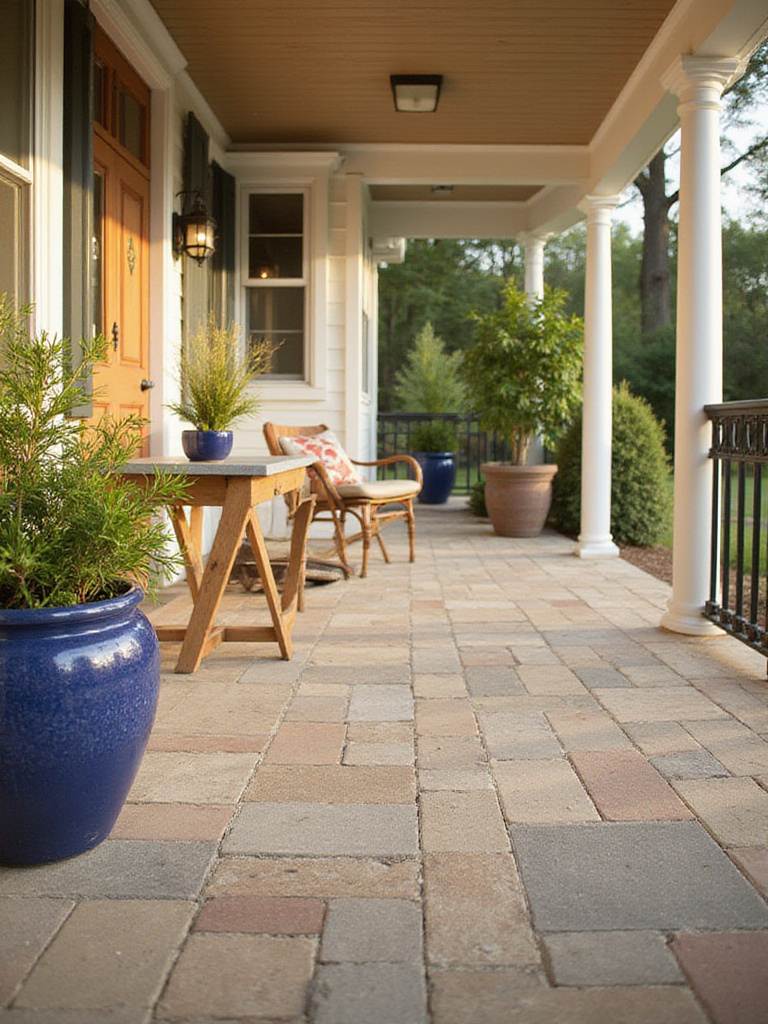
Think about composite materials that have the look of natural wood but the durability to house sophisticated systems. These aren’t just passive surfaces. They can have embedded sensors that detect foot traffic, activating subtle pathway lighting only when and where it’s needed. They can regulate their own surface temperature, making them comfortable year-round. It’s technology that serves a fundamental human need—comfort—in a way that’s completely invisible.
The longevity of these systems is where they truly shine. Years after traditional wood might warp or fade, these advanced floors continue to perform their silent, supportive tasks. That same quiet, background support is a principle we can apply to the very light we live in.
7. Circadian Lighting That Syncs with Your Body
We’ve all felt the harsh, draining effect of bad office lighting. Why would we replicate that in our sanctuary? One of the most impactful technologies you can integrate into a porch is circadian lighting. This is where tech gets personal. These systems subtly shift their color temperature and intensity throughout the day to mimic the sun. You get bright, cool-toned light in the morning to help you wake up, which then transitions to a warm, soft glow in the evening to help you wind down.
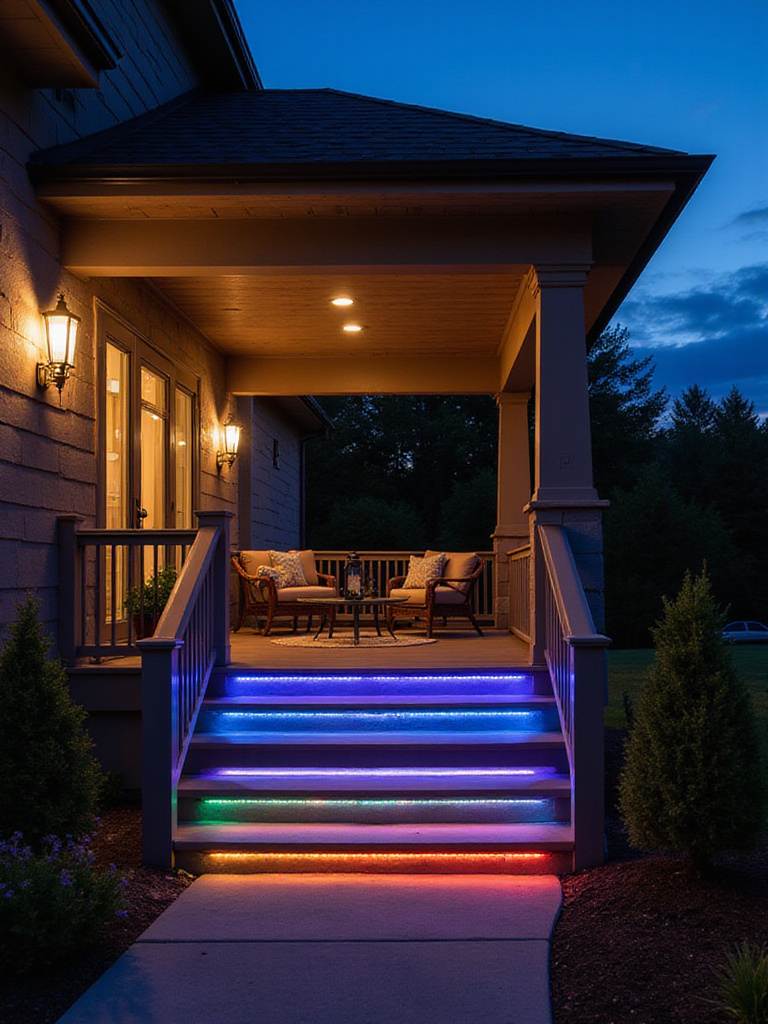
And the best part? It’s all automated. Once it’s set, it works in the background, supporting your body’s natural sleep-wake cycle without you having to do a thing. Frankly, this has more of an impact on well-being than almost any other smart feature. You can program different zones—brighter light for a reading area, softer light for lounging. It’s a system that’s truly attuned to human biology.
As that programmed light shifts from a bright morning to a warm dusk, it creates a predictable rhythm, a sense of stability. But sometimes, we need privacy on demand, which leads to our next idea.
8. Smart Screens for On-Demand Privacy
Privacy shouldn’t be all or nothing. In a well-designed outdoor space, it should be a flexible, adaptable boundary. This is where automated privacy screens come in. I’m not talking about a clunky lattice panel. Think of sleek, retractable screens that are housed almost invisibly within your porch’s structure. With the touch of a button, or even automatically, they can deploy to shield you from a neighbor’s view or block the harsh afternoon sun.
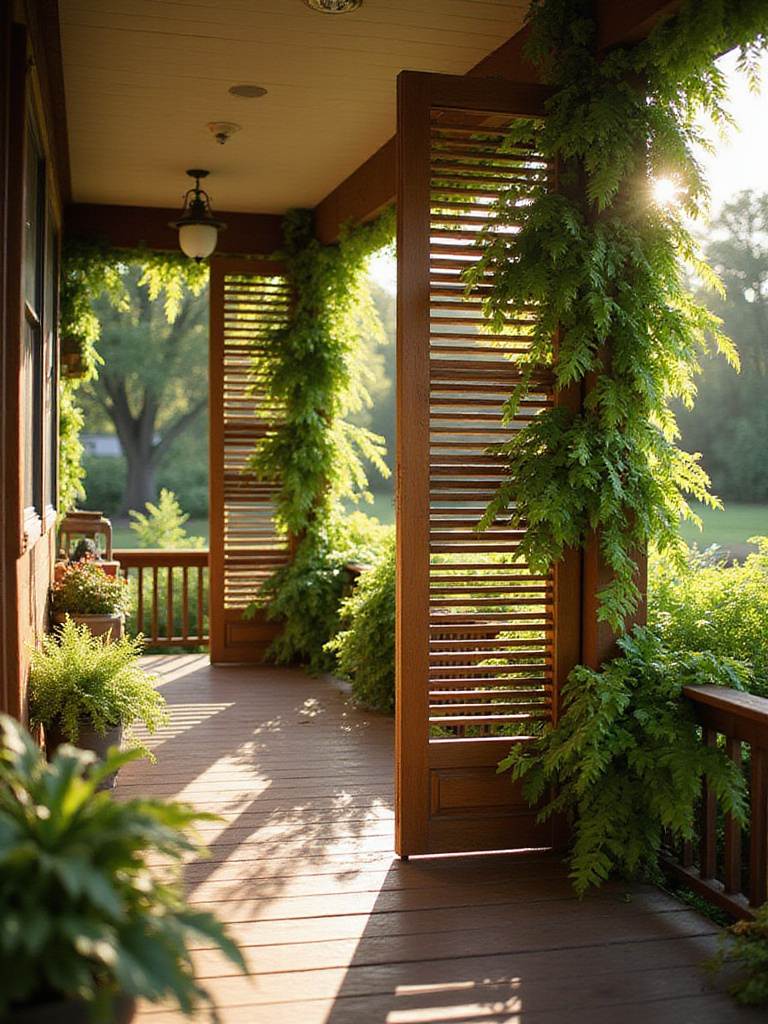
The intelligence comes from their responsiveness. Sensors can deploy the screens when the wind picks up or retract them when it gets too strong. You can schedule them to lower in the evening for a cozy, enclosed feel. Modern materials offer a whole spectrum of opacities, from sheer solar screens that just cut glare to fully opaque ones for complete privacy. This is how you create a space that can be both open to the world and a private refuge, changing its personality to fit your needs.
The challenge is often making functional elements like screens feel integrated, not like an ugly afterthought. When they disappear when not in use, you solve that problem beautifully. The same principle applies to another common backyard eyesore: storage.
9. Modular, Climate-Controlled Smart Storage
Outdoor storage is usually a messy affair—bins and deck boxes that clutter up the clean lines of a space. But what if your storage was integrated into the architecture itself? Modular smart storage systems are designed to look like built-in benches or part of a wall, but they house climate-controlled compartments that protect everything from cushions to electronics.
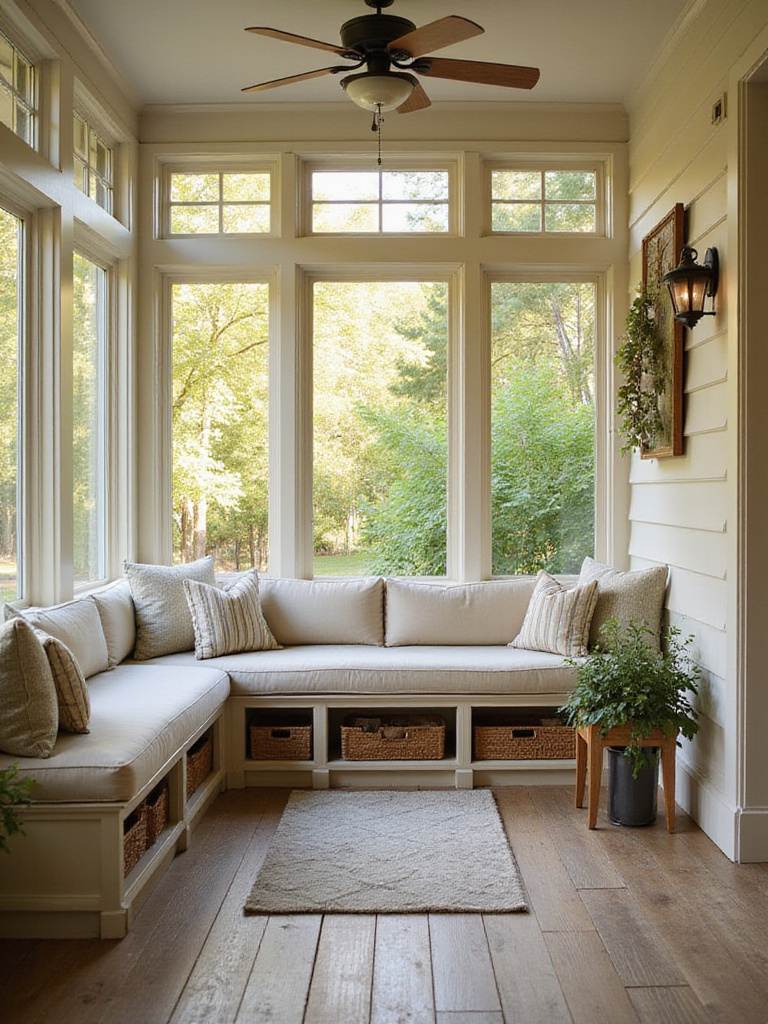
This is about more than just keeping things dry. A client of mine uses a compartment to keep drinks perfectly chilled, while another section maintains a different temperature to prevent outdoor speaker components from degrading. Some high-end systems can even track inventory with RFID tags, letting you know when you’re low on citronella candles. It sounds futuristic, but it’s really about applying precision to a mundane problem—creating a space that is effortlessly organized and always ready for you.
Many people struggle with this balance of function and aesthetics. And honestly, this is one of the clearest examples of how smart design can solve that, making utility beautiful. It’s a philosophy that can be applied to even the smallest of corners.
10. A Reading Sanctuary That Thinks of Everything
Creating a place to read isn’t just about having a comfortable chair. It’s about crafting an environment that allows for deep focus. Technology, when applied mindfully, can create the ultimate reading sanctuary. Imagine a chair with not only ergonomic support but also built-in heating for cool evenings and subtle massage functions. This isn’t frivolous; it’s about removing physical distractions so your mind can wander.
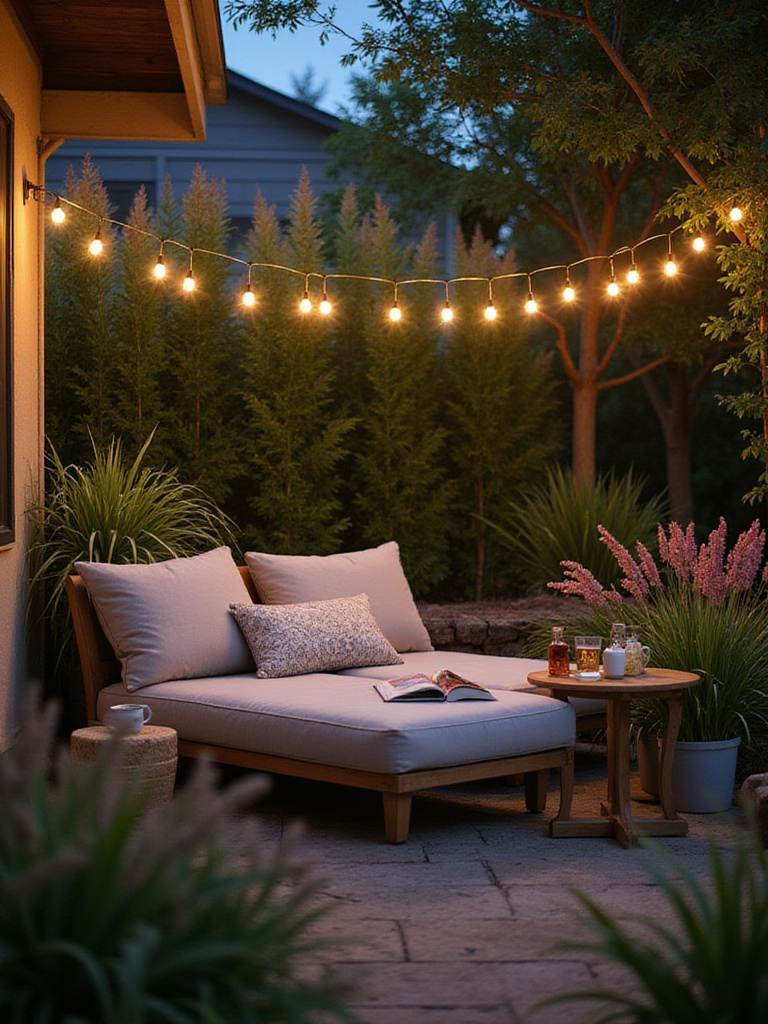
But it goes further. Automated lighting focuses a pool of perfect, eye-strain-free light on your book. A small, integrated air purifier keeps the air fresh, while an optional white noise generator can mask the sound of traffic. A built-in side table with a wireless charging surface keeps your e-reader powered up without the visual clutter of cords. It’s a space that respects both a leather-bound classic and a digital download.
The magic here is that the technology serves a single, peaceful purpose. It anticipates your needs and recedes into the background, a silent partner in your escape. That sense of safety and comfort is paramount, especially when you introduce an element like fire.
11. The Smart fire feature That Puts Safety First
A fire feature is primal. It’s a gathering place. But for many, there’s a nagging anxiety about safety, especially with kids and pets around. A smart fire feature addresses this directly, using technology to create peace of mind. These systems have multiple, redundant safety sensors—monitoring everything from gas levels to wind conditions. If an unsafe condition is detected, like an object getting too close, it shuts down. Automatically.
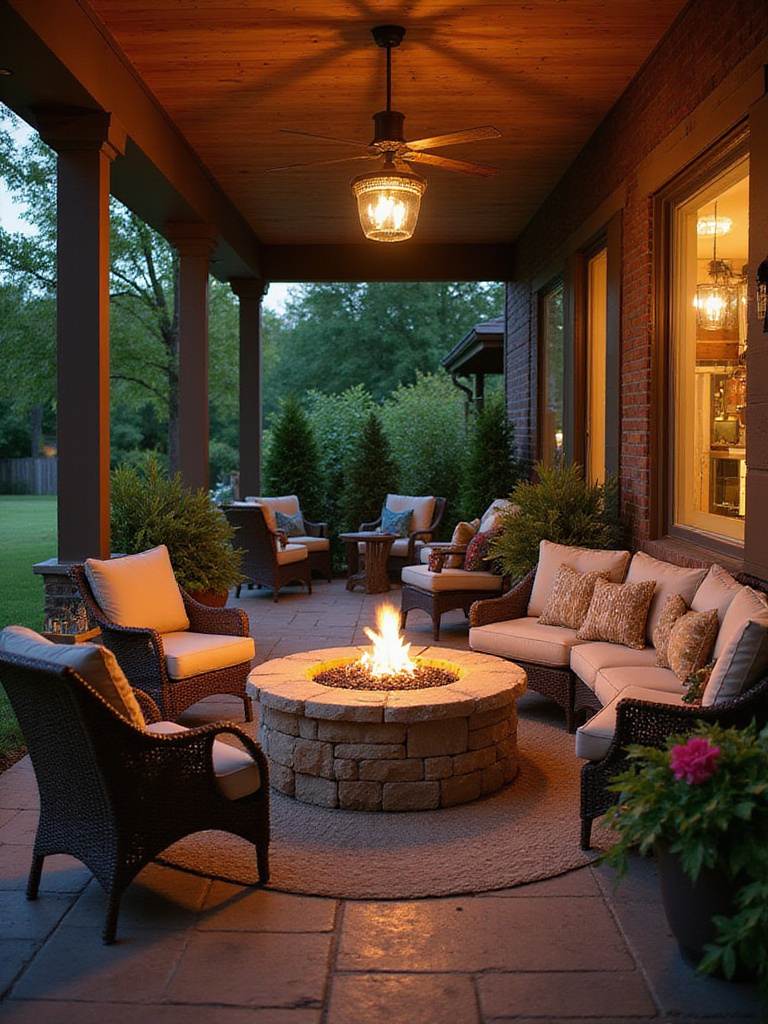
The convenience is a huge benefit, too. Remote ignition and flame control from your phone means no more fumbling with lighters or knobs. You can integrate it with your home automation system to schedule it to turn on just before you step outside. It knows how much fuel is left and can adjust its flame height based on the wind. It transforms the fire from something you have to constantly manage into something you can simply enjoy.
The emotional response starts with that feeling of security. Knowing that the technology is acting as a silent guardian allows you to relax completely and give in to the hypnotic beauty of the flames. This brings us to another area where smart tech can elevate a classic outdoor activity: cooking.
12. The Connected Outdoor Culinary Station
Outdoor cooking is often a chaotic dance of running inside for ingredients and juggling multiple timings. A connected culinary station brings a sense of order and precision to the process. Think of it as a smart sous chef. Your grill communicates with a temperature probe to ensure your steak is cooked perfectly. An integrated display might suggest a recipe and guide you through the steps.
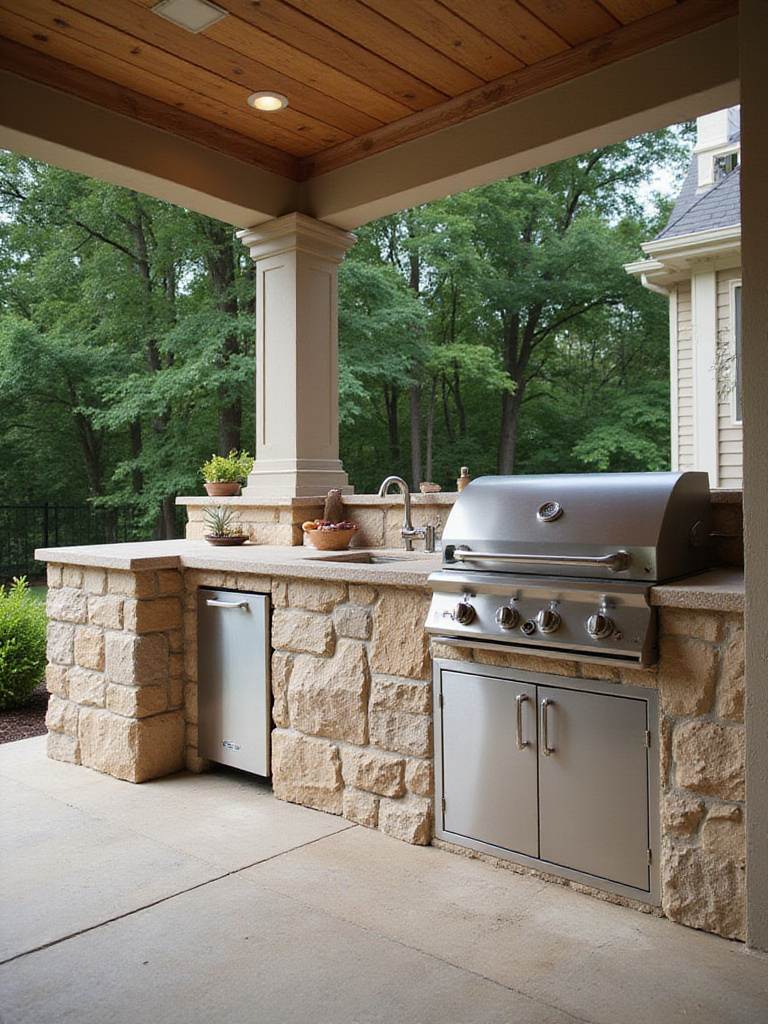
This is not about taking the fun out of grilling; it’s about removing the stress. Integrated refrigeration keeps your ingredients at the proper temperature right where you need them. Smart inventory management can even add items to your grocery list. And, to be perfectly honest, my favorite feature on some of the newer models is the automated cleaning cycle. It dramatically cuts down on the worst part of outdoor cooking, leaving more time for the best part—eating.
It all started from a simple conversation: how could we make cooking outdoors as sophisticated and seamless as cooking in a modern kitchen? The answer was to create a collaborative system where appliances work together. This same idea of dynamic collaboration can be applied to water.
13. The Responsive Water Feature with a Voice
The sound of trickling water is a natural sound mask, a classic element of any zen-inspired space. But what if that sound could adapt? Smart water features can do just that. Using sensors, they can adjust their flow based on the ambient noise level—a gentle trickle for a quiet morning meditation, a more robust flow to mask the sound of late-afternoon traffic. It’s a dynamic element that actively manages your soundscape.

Beyond sound, these systems conserve water by adjusting for wind and evaporation. The integrated lighting can be programmed to create stunning effects after dark, all controlled from your phone. You can schedule different “moods”—perhaps a more active, bubbling display for a party, followed by a period of complete stillness late at night. The water feature is no longer a static installation; it’s a living part of your outdoor environment.
I remember when engineers first realized this was possible—that a water feature could become an active participant in creating the perfect ambiance. This idea of total environmental control is really the ultimate goal.
14. A Truly Unified Smart Home Experience
What I’ve noticed is that people often treat their porch tech as separate from their indoor tech. The real magic happens when they talk to each other. Comprehensive smart home integration is the pinnacle of this kind of design. It’s when your outdoor space becomes a natural, intelligent extension of your entire home, creating a single, unified living environment.
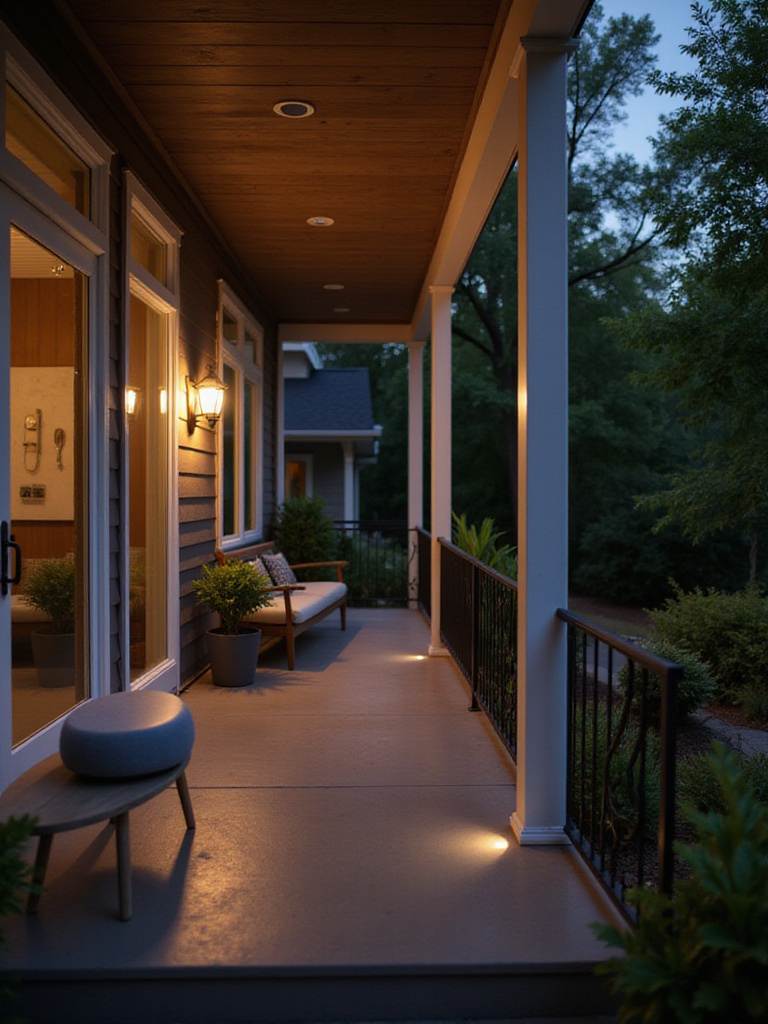
This is where it gets predictive. Your system knows from your calendar that you have friends coming over, so it begins to prepare the porch an hour beforehand—adjusting the lights, bringing the temperature to a comfortable level, and putting on a welcome playlist. It knows you’ve just moved from the living room to the porch and seamlessly transfers your music. Security systems, irrigation, lighting, climate—it all works as one cohesive ecosystem that learns your patterns and anticipates your needs.
This approach gives an old home a new soul. It takes traditional ideas of comfort and convenience and updates them with a network of sensors and AI that work quietly for you. The same intelligence can be applied to the living things in your garden.
15. The Smart Container Garden That Tends Itself
For many of us, the desire to have a lush garden conflicts with a lack of time or a not-so-green thumb. Smart container gardens are the answer. These planters aren’t just pots; they are self-contained ecosystems with sensors that monitor everything: soil moisture, nutrient levels, even pH. The system then automatically delivers the precise amount of water and fertilizer each plant needs.

This takes the guesswork out of gardening. An integrated app can identify your plant and look up its specific care needs, creating a custom routine. If you’re growing herbs in a shadier spot, it might use supplemental grow lights to ensure they thrive. It tracks the plant’s growth and can alert you if something is wrong. This isn’t about replacing the joy of gardening; it’s about enhancing the probability of success, letting you enjoy the beauty without the anxiety.
I have a deep appreciation for this because it democratizes gardening. It brings the fundamental joy of growing things to more people, proving that technology can be a nurturing force. This nurturing can extend to the entire aesthetic of the space.
16. Integrated Design Themes
A cohesive design is one where everything works in harmony. This can be hard to achieve manually when you have lighting, sound, climate, and water features all operating independently. This is where smart coordination comes in. You can create pre-programmed “themes” or “scenes” that adjust every smart element in your space with a single command.
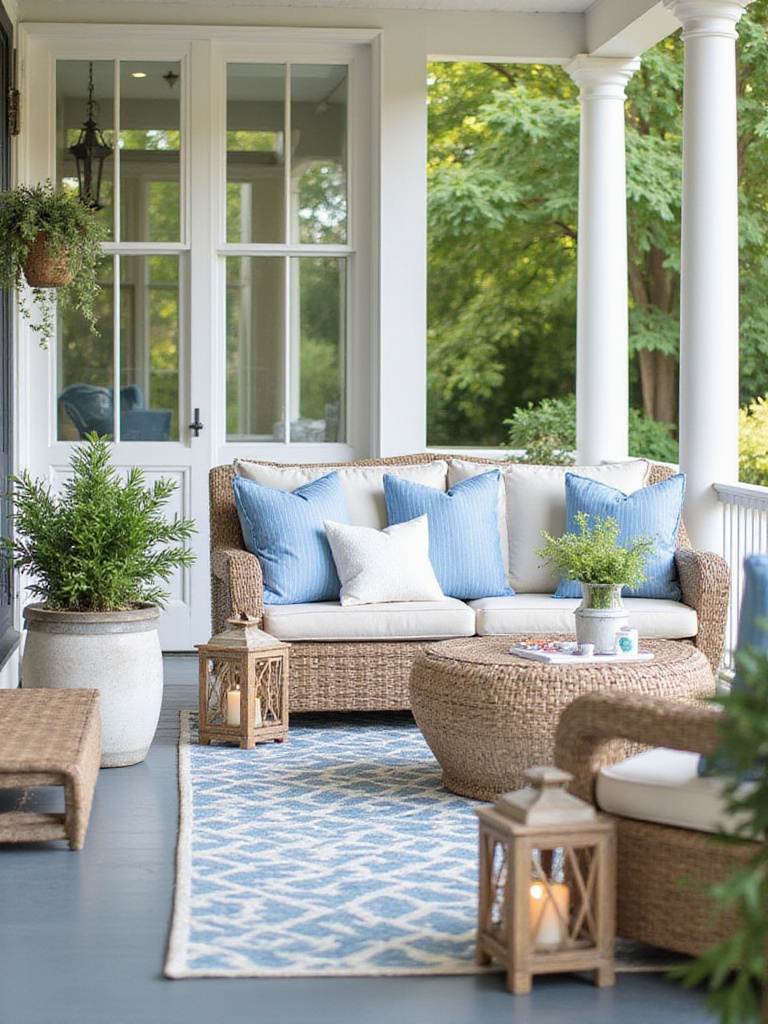
Think about a “Relax” theme that dims the lights to a warm color, puts on a calm playlist, and starts the gentle trickle of the water feature. Or a “Party” theme with more vibrant, colorful lighting and upbeat music. A voice command or a tap on your phone transforms the entire atmosphere instantly. The system can even adapt seasonally, shifting to warmer color palettes in the autumn or brighter ones in the spring.
The evolution here is toward spaces that are more like living things—able to change their mood and personality to reflect our own. This adaptability is especially critical when you don’t have a lot of space to work with.
17. Big Ideas for Small Spaces with Vertical Solutions
A small balcony or a tight backyard doesn’t mean you have to compromise on functionality. The key is to think vertically. Smart vertical solutions use wall space to add function without eating up your precious floor area. Imagine a lush vertical garden with its own self-watering system, creating a living wall that also improves air quality.
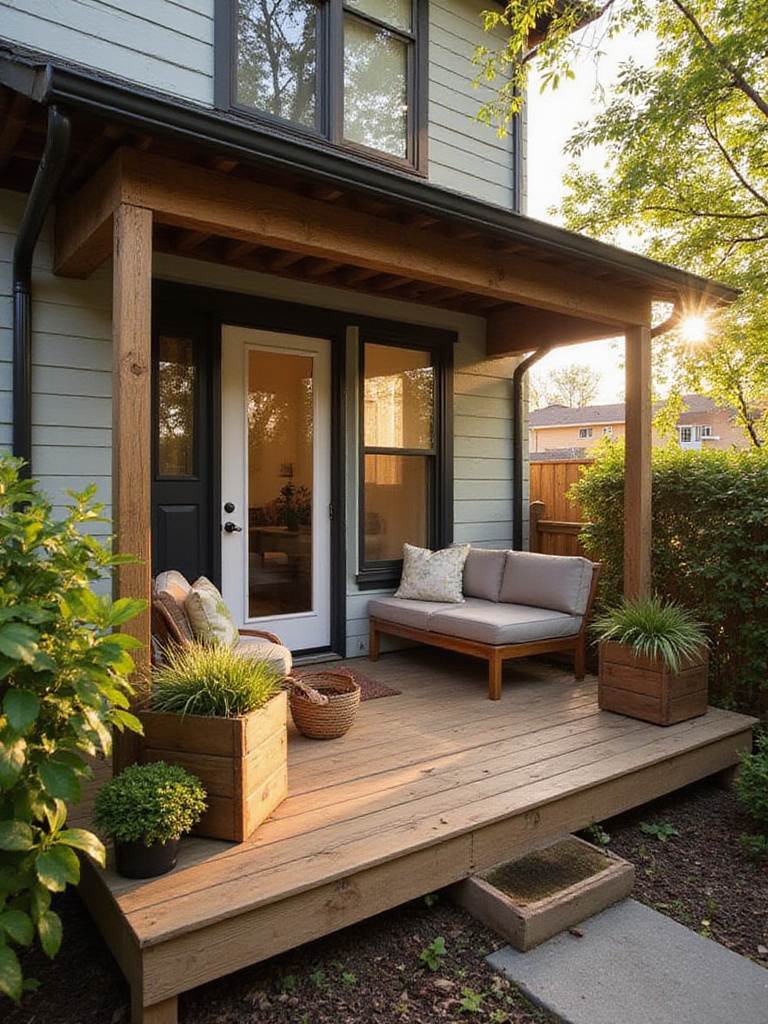
But it’s not just for plants. Think of wall-mounted storage that is sleek and integrated. Modular wall systems can hold speakers, lighting, and even fold-down desks. Charging stations can be built right into the vertical surface, eliminating the need for a side table. It’s a design philosophy that sees every surface as an opportunity, transforming flat walls into active, functional parts of your outdoor experience.
The best materials for this come from a mindset of innovation and sustainability, creating solutions that are perfectly at home in a dense, urban environment where every square inch matters. And in today’s world, that square footage is increasingly being used as an office.
18. The Connected Outdoor Workspace for Well-Being
The line between work and life has blurred, so why shouldn’t our workspaces blur into the outdoors? Creating a connected outdoor office is about more than just a weather-resistant power strip. It requires technology that supports productivity while embracing the wellness benefits of being in nature. I’m talking about glare-free, weather-resistant displays, ergonomic chairs designed for the outdoors, and reliable, uninterrupted power.
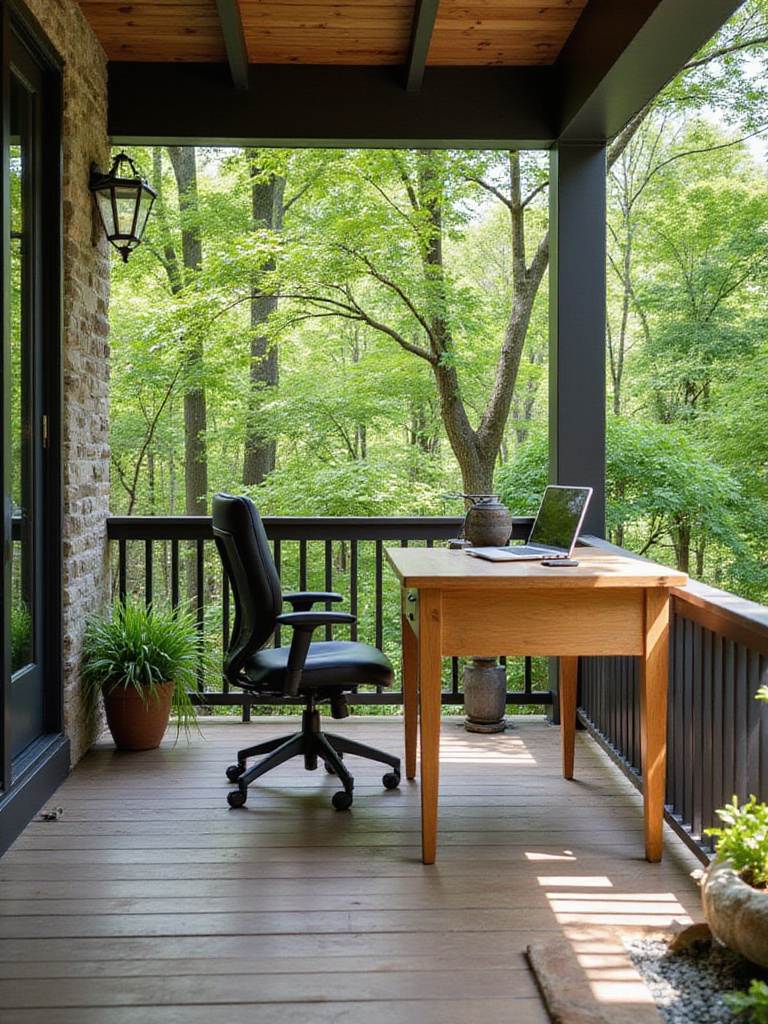
But this is where we bring in the wellness aspect. The system can monitor air quality and UV exposure, gently reminding you to take a break or apply sunscreen. An integrated standing desk option promotes healthier work habits. Sophisticated microphones can filter out background noise for your video calls, while at other times, the system can play subtle nature sounds to help you focus. It’s an office that’s designed, from the ground up, to be good for you.
My own journey from a stuffy indoor office to doing much of my conceptual work outdoors heavily influenced my perspective on this. Technology has to support our humanity, not just our productivity. That includes protecting the most important people in our lives.
19. Smart Family Zones with a Guardian Angel
Letting kids play freely outdoors while also ensuring their safety is a constant balancing act for parents. Smart family zones use technology to offer peace of mind without creating a bubble-wrapped environment. This isn’t about surveillance; it’s about awareness. Unobtrusive motion sensors can create boundary alerts, letting you know if a child is wandering too close to a street or a pool.
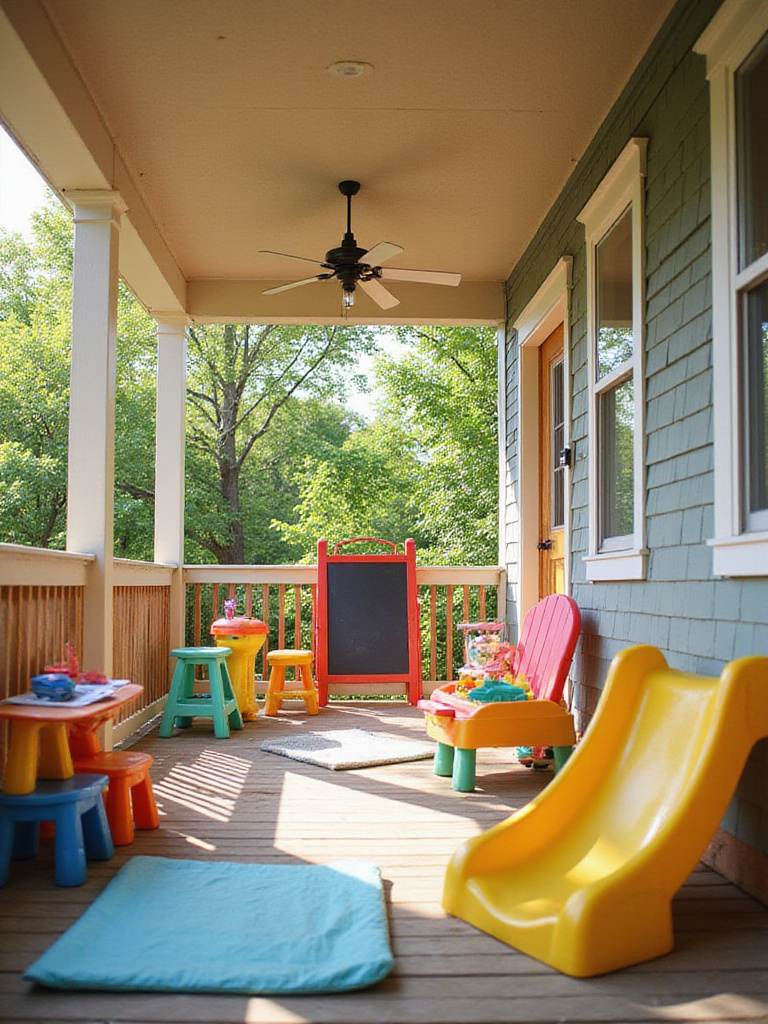
The systems are also environmentally aware. They can alert you if the temperature or UV index becomes unsafe, prompting you to move indoors. An integrated communication system makes it easy to call everyone for dinner, and emergency alerts provide an instant way to get help. It’s a subtle layer of digital protection that allows children the freedom to explore and parents the freedom to relax.
The heritage of family is about safety and connection. This is simply a modern interpretation of that timeless value, using smart, gentle tech to watch over our loved ones. And this learning, adaptive capability finds its ultimate expression in our final idea.
20. The Adaptive Space That Learns from You
This is where it all comes together. The ultimate tech-integrated porch is one that adapts not just on command, but through learning. Using artificial intelligence, the space begins to understand your family’s rhythms and preferences over time. It learns that you enjoy your coffee on the porch at 7 a.m. and starts adjusting the lighting and heated floors just before you get there.
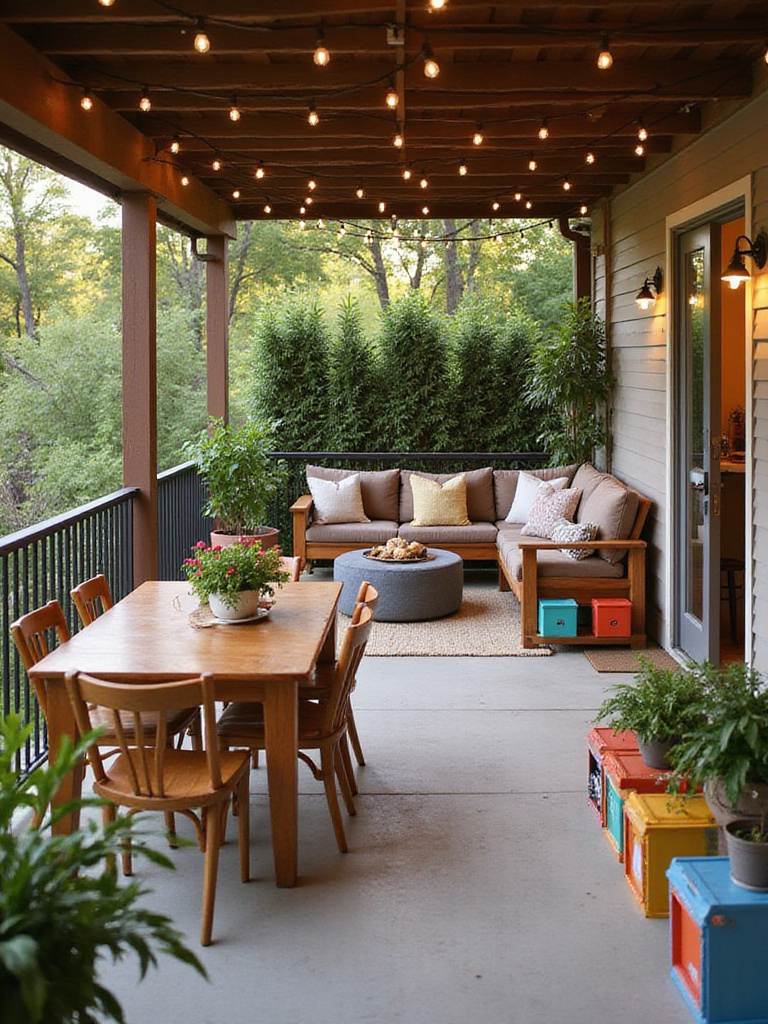
These adaptive systems can even recognize different family members by their phones or voices, tailoring the environment to their individual presets. Your favorite playlist comes on when you arrive, but it switches to your partner’s when they join you. The system notices that the kids’ play area is most active between 4 and 5 p.m. and suggests optimizations for safety and fun during that window. The space isn’t just smart; it’s wise. It evolves with you.
There’s an unexpected benefit here: efficiency. By learning your patterns, the AI optimizes energy usage down to the minute, making it a truly sustainable solution without ever sacrificing comfort.
A Final Thought on Mindful Living
Looking back at these 20 ideas, it’s clear they represent more than just tech upgrades. They signal a shift in how we can live—a move toward outdoor spaces that serve our digital needs without sacrificing our analog souls. The key is not to install every piece of tech you can find. It’s to ask a simple question: Will this genuinely make my life better and my space calmer?
The real mark of success is when the technology disappears. It should fade into the background, a silent partner that supports your life without demanding your attention. When technology serves tranquility, we create something special—a true sanctuary that honors our modern lives and our timeless need for peace.
The path forward begins with you. Look at your space. Be honest about how you live and what you need. Whether you’re ready for a fully AI-driven environment or just want lighting that helps you sleep better, the goal is the same. Create a space that supports both your focus and your daydreams, your work and your rest. Your backyard is waiting.