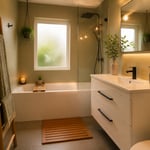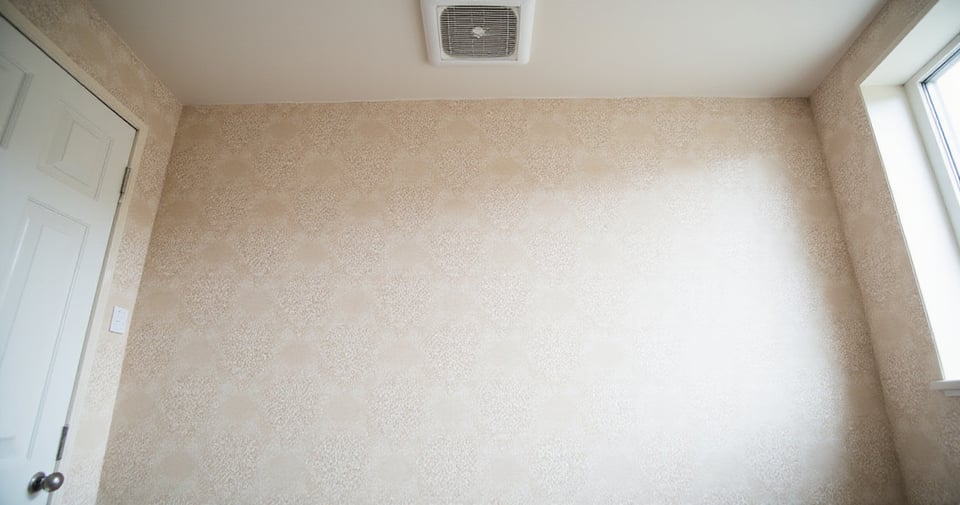
Can we just talk for a moment about why everyone seems to get “bohemian” design wrong? Flip through a magazine or scroll online, and you’ll see a caricature: a chaotic explosion of macrame, clashing patterns, and enough fringe to outfit a parade. It’s presented as an “anything goes” free-for-all. And honestly, it’s a disservice to a rich, layered aesthetic with deep cultural roots. To me, true bohemian design isn’t about accumulating clutter; it’s about curating a story. It’s a dialogue between patterns, textures, and objects that have meaning.
As a designer who marries the soulful geometry of Middle Eastern architecture with the clean, intentional lines of Scandinavian minimalism, I’ve learned that the most beautiful spaces are born from thoughtful restraint. The warmth and spirit of bohemian style shouldn’t come from chaos, but from the deliberate choice of every element. These 21 approaches aren’t just “ideas”; they are principles for creating a bathroom that feels like a personal, tranquil sanctuary—a space that tells your story with intention and respects both its materials and its environment.
Planning Your Bohemian Bathroom Wallpaper Escape (Part 1)
This first part isn’t about picking a pretty pattern. It’s about laying a foundation. In both desert building and minimalist design, what you don’t see—the structure, the preparation, the understanding of the environment—is what makes the final result feel effortless and enduring. Think of this as the essential groundwork for a space that will not only look beautiful but will last.
1. Assess Bathroom Humidity and Ventilation for Wallpaper Longevity
People always want to jump to the fun part—the wallpaper pattern. But let me tell you, the single most important factor for a bathroom is not the design, but the air. A bathroom is a unique microclimate in your home. It’s a tropical jungle for thirty minutes every morning. Ignoring that is like building a house in the desert without considering the sun. You must understand how your bathroom breathes before you ask it to wear a beautiful new finish.
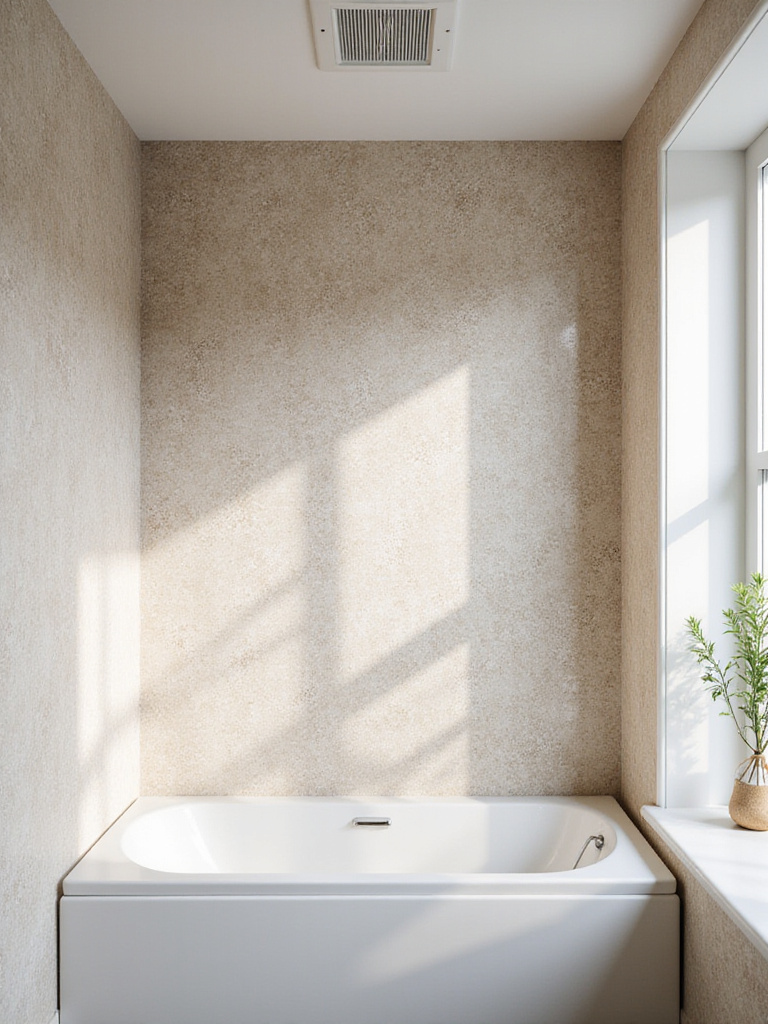
I once consulted on a project where a client had installed this stunning, hand-blocked paper from India. Six months later, it was peeling in sheets, with black mildew creeping up the seams. They blamed the wallpaper, but the real culprit was a cheap, ancient extractor fan that just stirred the steam around. Good design respects its environment. Before you do anything else, run a hot shower and watch what happens. How long does the mirror stay fogged? Does the air feel heavy? Your first investment shouldn’t be in wallpaper, but in a quiet, powerful exhaust fan that vents outside. It’s the most crucial, and least glamorous, part of the entire project.
This respect for the environment prepares the space for beauty, ensuring your design doesn’t fail before it has a chance to shine. Now, let’s talk about what that beauty will actually look like.
2. Define Your Bohemian Style Niche: From Minimalist Boho to Eclectic Oasis
The biggest myth about bohemian style is that it means “anything goes.” It’s the opposite. True bohemian design is deeply personal and incredibly curated. It’s the thoughtful collection of a life well-lived, not a random assortment from a home goods store. The goal isn’t to be messy; it’s to be soulful. Before you look at a single roll of wallpaper, you need to decide what story you’re telling. Is it the sun-bleached minimalism of a desert retreat? The layered, story-rich feel of a Marrakesh riad? Or the clean, nature-inspired warmth of a Scandinavian cabin?
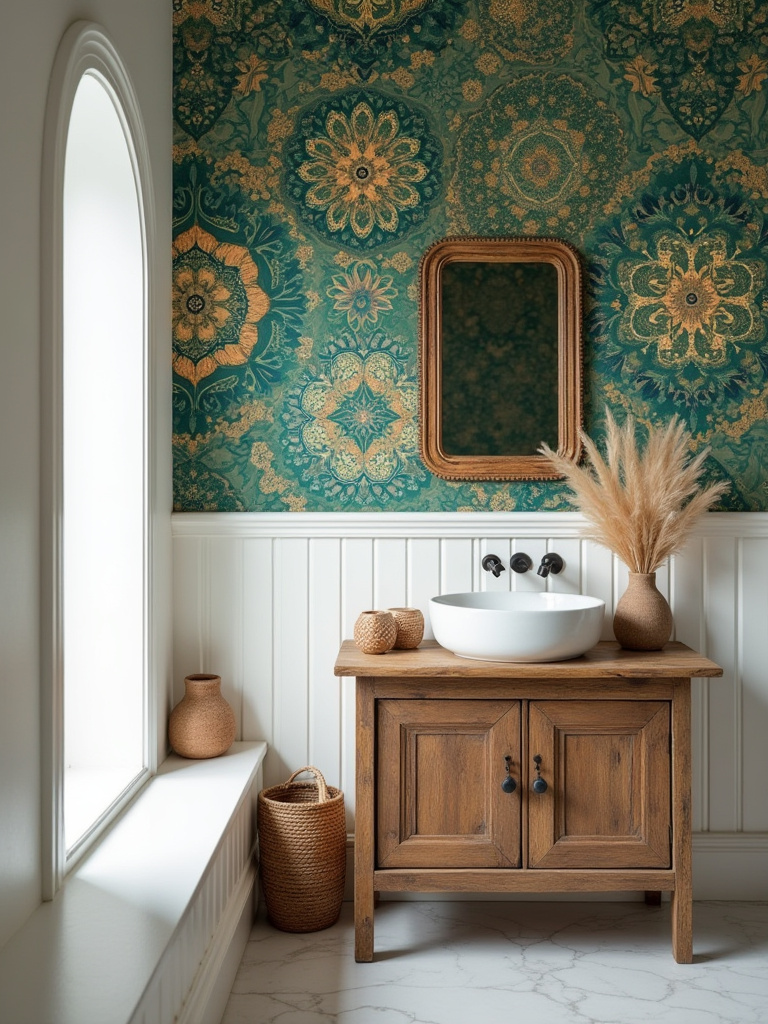
These aren’t just labels; they are creative filters. A “Desert Boho” niche might guide you to wallpapers with terracotta tones, subtle geometric patterns, and sandy textures. An “Eclectic Oasis” would lean into jewel tones and lush botanicals. A client of mine wanted a warm, minimalist space. We chose a beautiful linen-look wallpaper in a soft sand color, creating a serene canvas. Then we layered in the “boho” with a single, incredibly carved wooden mirror from her travels in Bali. The room felt personal and calm, not chaotic. The wallpaper was the quiet stage, not the screaming star of the show.
With your style defined, you can now approach the practical matter of selecting materials with a clear, focused vision.
3. Calculate Accurate Wallpaper Coverage to Minimize Waste and Cost
Here’s my pet peeve: waste. In both the traditions I draw from, there’s a deep respect for materials. In the desert, resources are scarce. In Scandinavian design, function and sustainability are paramount. Throwing away half a roll of beautiful, expensive wallpaper because of poor planning is just bad design. It’s not just about money; it’s about being a responsible steward of the resources you use to create your home.
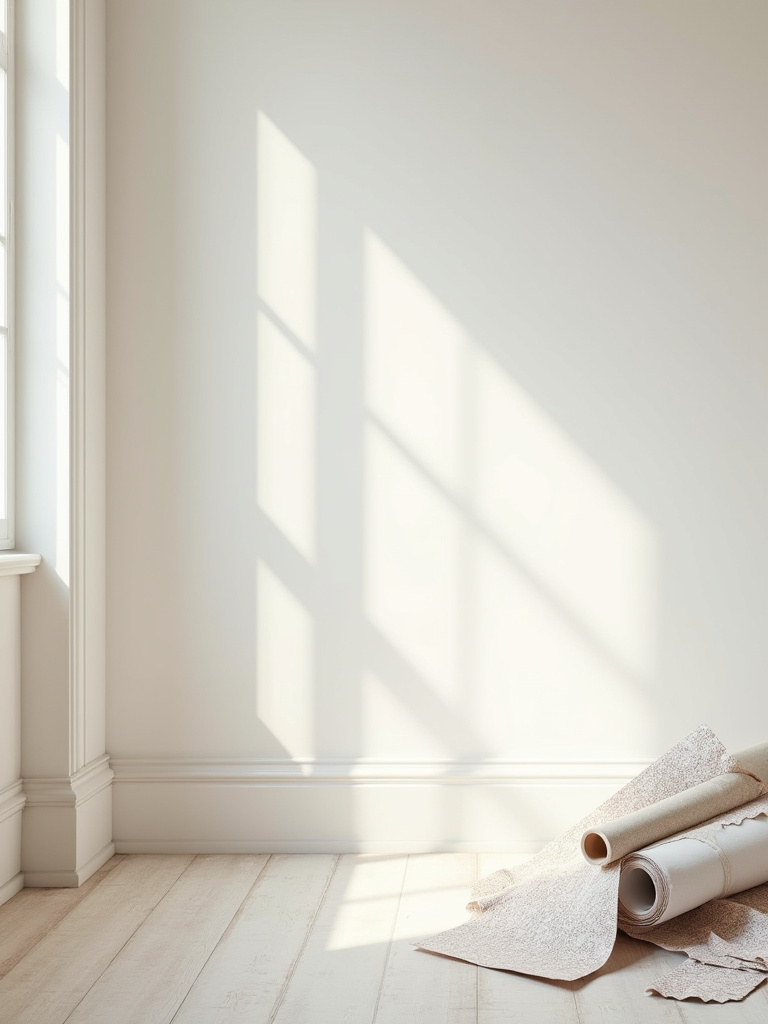
So, please, measure meticulously. People often forget to account for the “pattern repeat”—the vertical distance before the pattern begins again. A large, dramatic pattern will require more paper because you have to waste sections to make sure the motifs line up seamlessly. I always tell my clients to find this number on the label, use an online calculator to get a baseline, and then add 15% extra. This isn’t for waste; it’s for insurance against a mis-cut or for a future repair. Ordering that little bit extra from the same dye lot now can save you from a design disaster later.
Understanding the amount you need prepares you for the purchase itself, where you’ll face a fundamental choice between two very different application types.
4. Research Peel-and-Stick vs. Traditional Paste: Benefits for Bathroom Applications
The question I get all the time is peel-and-stick or traditional paste. The internet will give you a list of pros and cons, but it often misses the most important point: what is your relationship with this space? Are you here for a little while, or for a long while? Peel-and-stick is fantastic for renters or for those who love to change their minds. It’s a lower-commitment design choice, and the technology has become quite good. Think of it as high-quality fashion.
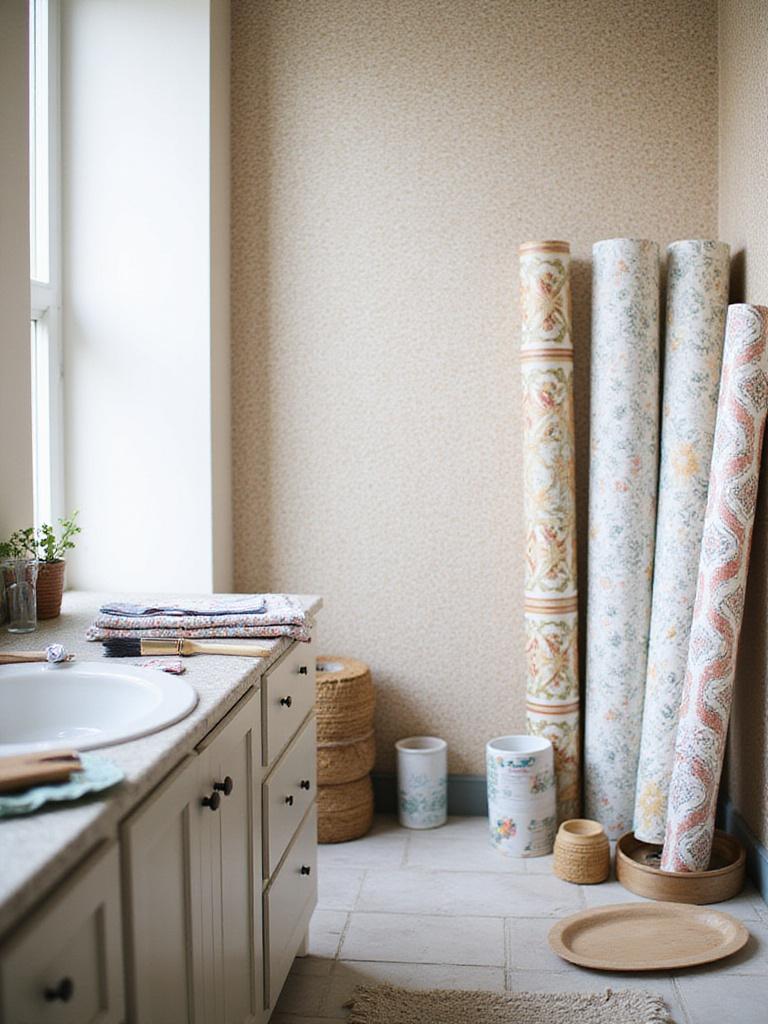
Traditional wallpaper, however, is a deeper commitment. When done properly with the right paste and preparation, it becomes an integral part of the wall. It’s a more permanent, architectural finish that often has a richer texture and depth. I tend to specify high-quality traditional vinyl or non-woven papers for my clients’ “forever homes” because they are workhorses in a humid environment. It’s like comparing a beautiful print to an original oil painting. Both have their place, but they serve different purposes and have different lifespans. Be honest about your own life—is this a temporary refresh or a long-term sanctuary?
Once you’ve chosen your path, the preparation remains the same, and it is absolutely non-negotiable.
Planning Your Bohemian Bathroom Wallpaper Escape (Part 2)
We continue our groundwork here. Think of this as preparing the canvas. A masterpiece is impossible on a flawed surface. Every moment you spend on these steps will pay you back tenfold in the final appearance and durability of your design.
5. Prepare Walls Meticulously for Smooth Application and Flawless Adhesion
Let me confess something. In my very first solo project years ago, I was so excited about the wallpaper—a gorgeous, textured grasscloth—that I rushed the prep. I skimped on the priming. Within a year, the humidity had caused the seams to lift ever so slightly. To anyone else, it was barely noticeable, but to me, it was a constant reminder of my impatience. The smallest bump, hairline crack, or glossy spot under your wallpaper will telegraph through and catch the light, creating a distraction.
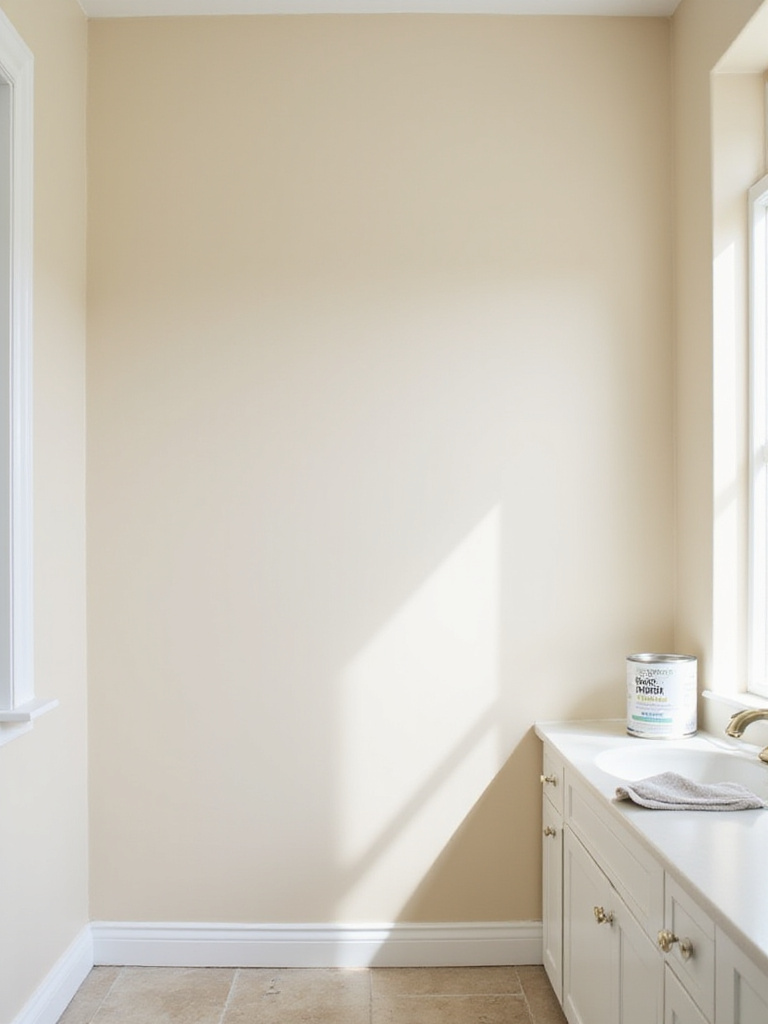
Good wallpaper doesn’t hide imperfections; it magnifies them. Your wall needs to be clean, dry, and flawlessly smooth. Fill every nail hole, sand every patch until it’s invisible to the touch, and then—this is the part everyone skips—apply a wallpaper-specific primer. Not just any paint primer. A product like Zinsser GARDZ or a similar sealer creates a uniform surface that prevents the paste from soaking into the drywall. It gives the paper a consistent, reliable surface to grip, which is absolutely critical in a bathroom. It also makes the paper much easier to remove years later. Don’t skip this. Ever.
With a perfect canvas ready, we can finally begin exploring the beautiful world of pattern and texture.
Selecting and Expertly Applying Your Boho Designs (Part 1)
This is where your vision starts to become a reality. Selecting the design is an art, but applying it is a craft. This section is about making choices that are not just beautiful, but also culturally and contextually aware, and then honoring those choices with precise, skillful application.
6. Embrace Global-Inspired Prints: Moroccan Tiles, Mandala Motifs, and Ikat Patterns
I grew up seeing the incredible geometric language of Islamic architecture. It wasn’t just decoration; it was mathematics, philosophy, and art woven into the walls of a space. When we bring these global patterns into our homes, we have a responsibility to do so with respect, not just as a trend. A Moroccan tile pattern, a Buddhist mandala, or an Indonesian Ikat design are not just “boho prints.” They are the visual language of entire cultures.
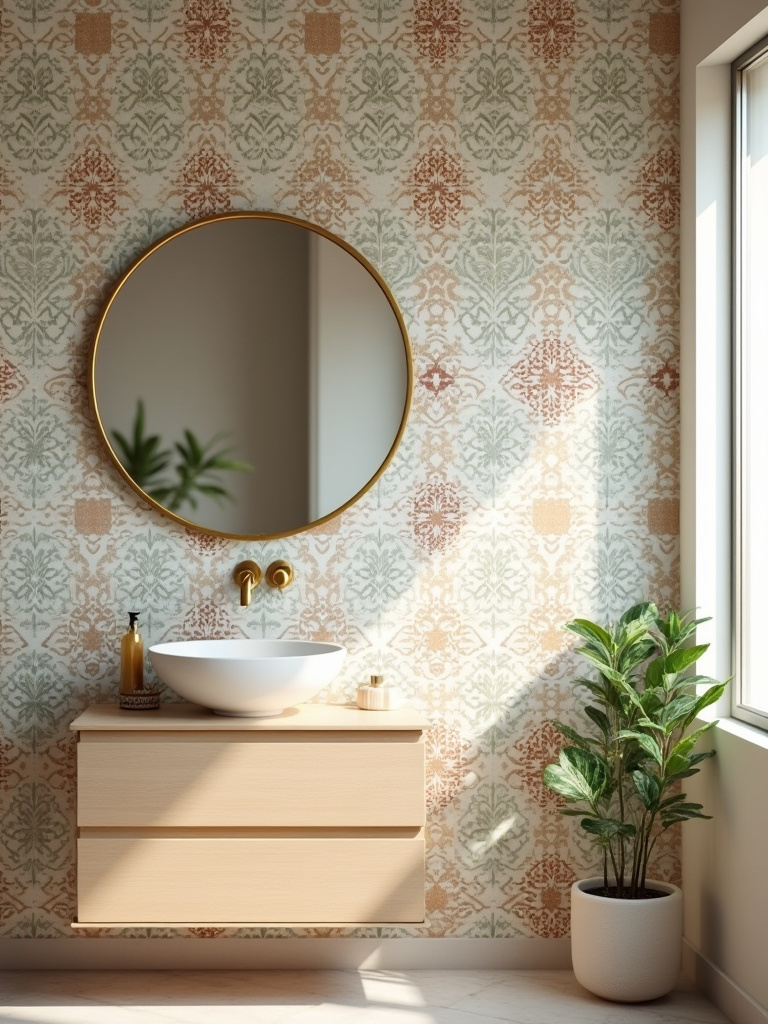
So, instead of just grabbing the first pretty pattern you see, take a moment to understand its origin. Choose it because you have a connection to that place, or because the story of the pattern resonates with you. This elevates the design from mere decoration to something meaningful. And from a practical standpoint, these strong patterns are brilliant at creating a focal point. Use a bold Ikat on the wall behind your vanity to create a stunning backdrop, but perhaps leave the other walls quieter to let that one voice sing clearly.
These global patterns often carry strong color stories, which leads us to one of the most important elements of creating a mood.
7. Select Color Palettes That Evoke Bohemian Calm: Earth Tones, Jewel Hues, and Natural Greens
The right color palette can transport you. The most successful bohemian spaces I’ve designed draw their colors directly from the natural world. Think of the palette of a desert at dusk: the deep terracotta of the earth, the soft beige of the sand, the dusty sage of the scrub, and the startling, deep sapphire of the twilight sky. These aren’t random colors; they are a harmonious system that has existed forever.
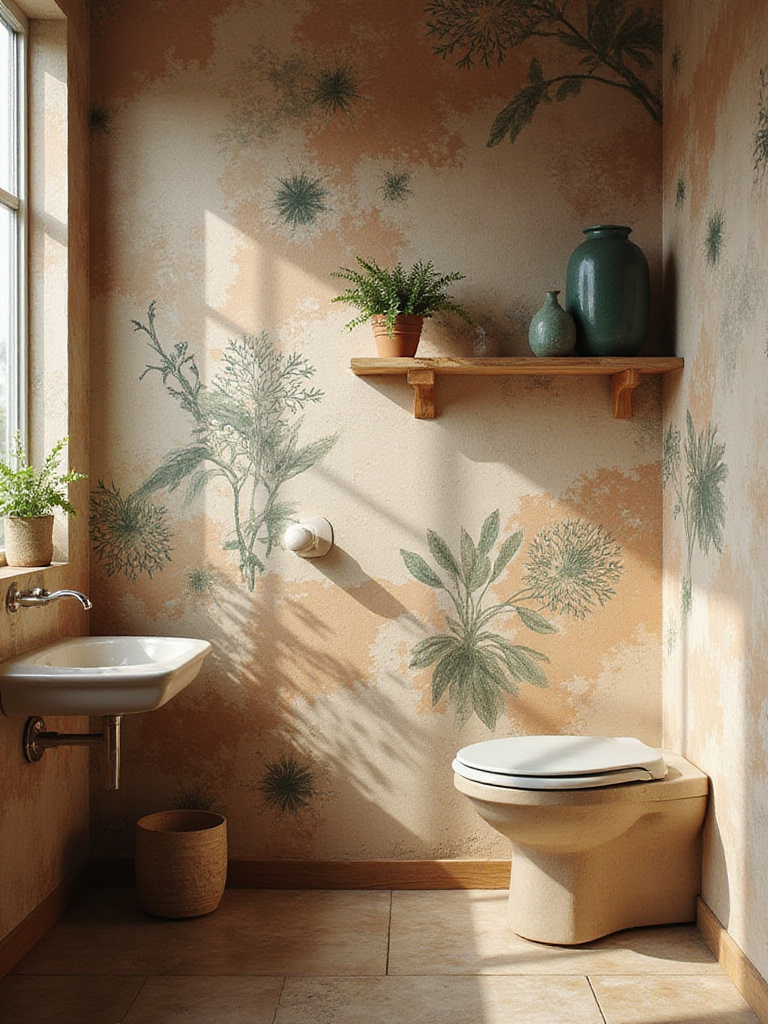
When you’re choosing a wallpaper, look for a palette that feels grounded. Even if it’s a vibrant, jewel-toned pattern, it should have earthy undertones to keep it from feeling synthetic or jarring. A common mistake is to go too bright, too saturated, everywhere. That’s not calming; it’s agitating. Instead, choose a wallpaper with a rich emerald green or a deep ruby red, but make sure it’s balanced with warmer, more neutral elements in the room—like a wooden vanity or linen towels—to create that sense of sanctuary.
Color provides the visual mood, but to truly elevate the space, you need to engage the sense of touch.
8. Incorporate Textural Elements: Grasscloth, Linen-Look, or Woven Wallpaper Designs
Warmth in a minimalist space comes from texture. This is a core principle in Scandinavian design, where a simple, clean room is made inviting by the presence of wood, wool, and linen. The same is true for a bohemian bathroom. A flat, printed wallpaper can feel lifeless, but a paper with a physical texture—like a grasscloth, or even a high-quality vinyl that mimics the look of linen—adds a layer of tactile warmth that changes everything.
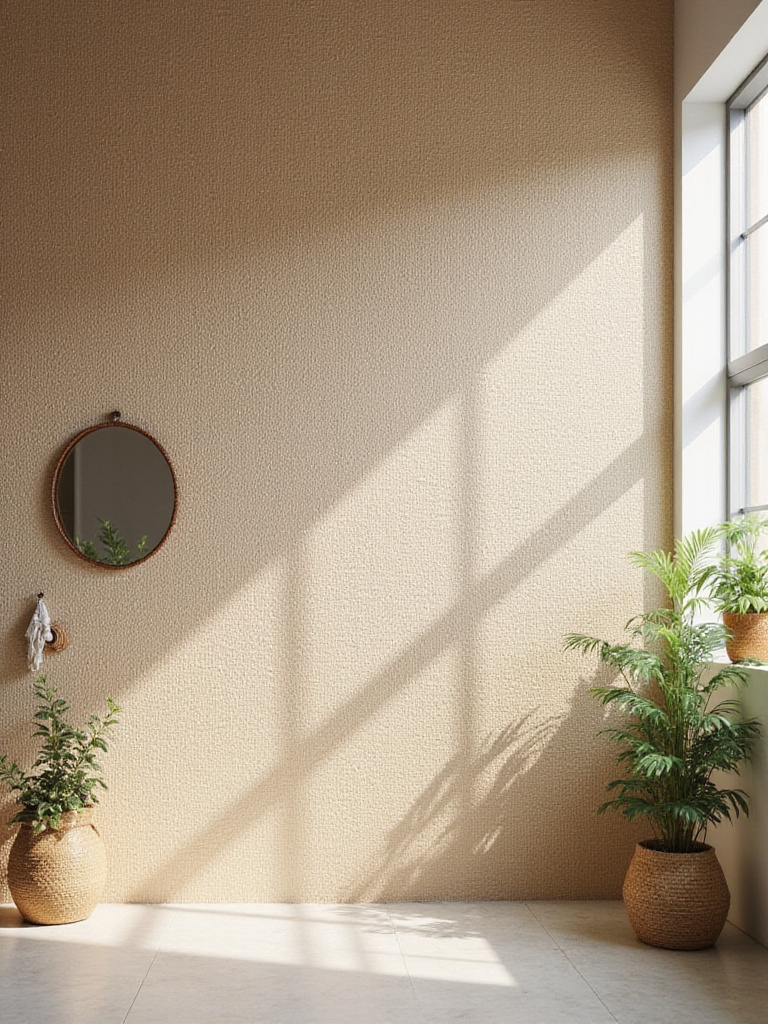
I often use textural wallpapers to create a quiet backdrop that doesn’t shout for attention but rewards a closer look. It brings a subtle, organic quality to the walls that makes the whole space feel softer and more human. A word of caution: true natural grasscloth can be delicate and may stain with water splashes. For a bathroom, I recommend either placing it on a wall far from the sink or shower, or choosing a high-performance vinyl look-alike. You get the visual and tactile warmth without the maintenance anxiety.
Once the material is chosen, honoring it through careful application is the final step in ensuring its beauty endures.
9. Measure and Cut Panels Precisely to Align Patterns Seamlessly Across Walls
There is nothing that says “amateur DIY” faster than a misaligned wallpaper pattern. It doesn’t matter how expensive or beautiful the paper is; if the birds’ heads don’t meet their bodies across the seam, the entire illusion is shattered. This is an exercise in patience and precision. It’s a craft. Taking the time to line up each panel perfectly on the floor before you apply paste is the secret.
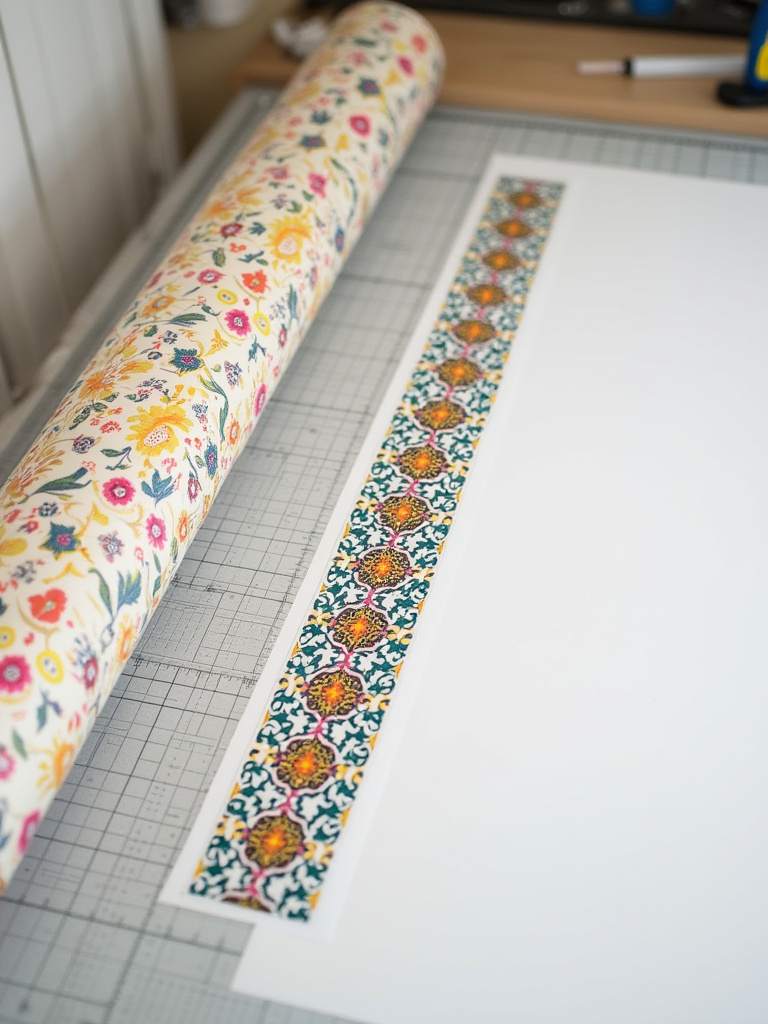
Here’s a shortcut I wish I’d known earlier: don’t cut all your panels at once. Cut the first panel with extra length at the top and bottom. Then, unroll the next panel right beside it on the floor, sliding it up or down until the pattern matches exactly. Then, and only then, do you make your cut. Label the back of each panel with a number and an arrow pointing to the top. It seems tedious, but this methodical process is what separates a frustrating mess from a flawless, professional finish that celebrates the beauty of the pattern.
Perfecting the primary walls is one thing, but the true test of craftsmanship comes in handling the more complex areas of the room.
Selecting and Expertly Applying Your Boho Designs (Part 2)
This is where the patience and skill you’ve cultivated truly come into play. A great wallpaper job isn’t just about the long, easy walls; it’s about the seamless integration of the pattern into the architectural reality of the room, with all its quirks and corners.
10. Master Wallpaper Application Techniques for a Bubble-Free, Professional Finish
The moment of truth: hanging the paper. The biggest enemy here is air. Trapped air bubbles are the bane of any wallpaper installation. The key to avoiding them is a technique called “booking” and a tool called a smoother. After you apply paste to the paper, you gently fold each end in towards the middle, pasted-side to pasted-side, without creasing the folds. You let it sit like this for 5-10 minutes. This allows the paper to relax and expand uniformly before it hits the wall, which prevents bubbles and shrinkage later.
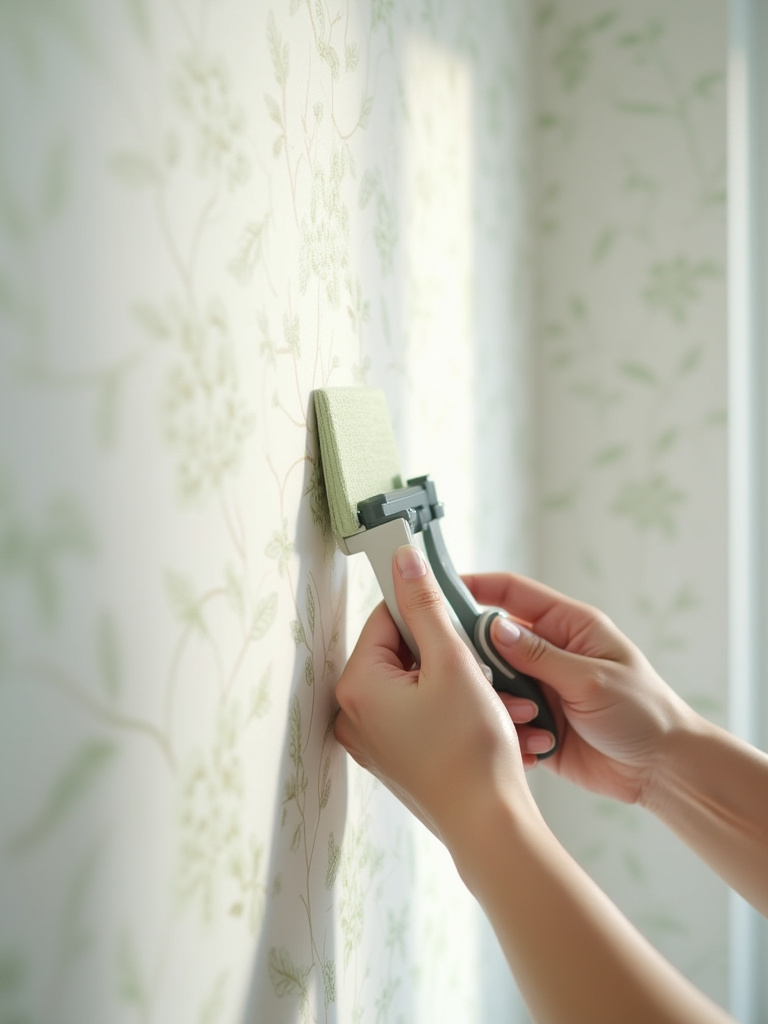
When you hang the paper, use a flexible plastic wallpaper smoother, not a brush. Start from the center and work your way out to the edges, pushing any air bubbles ahead of the tool. Use firm, overlapping strokes. It’s a methodical, almost meditative process. If you rush it, you’ll trap air. A common mistake I see is people frantically trying to chase out a bubble they missed. Instead, use a pin to prick the bubble, and then gently press the air out with your smoother. It’s a simple fix that saves the panel.
Once you’ve mastered the flat surfaces, you’ll inevitably face the room’s more challenging geometry.
11. Navigate Tricky Areas: Applying Wallpaper Around Fixtures, Corners, and Ceilings
Corners and fixtures are what separate a good job from a great one. Don’t ever try to wrap a full sheet of wallpaper around an outside corner or force it into an inside corner. It will always pucker or pull away. The professional technique is to cut the paper. For an inside corner, smooth the paper into the crease and let it run onto the next wall by about half an inch. Then, start the next panel by overlapping it in the corner, ensuring it’s perfectly plumb. Finally, use a straight edge and a sharp blade to cut through both layers right in the corner, then peel away the two excess strips for a perfect seam.
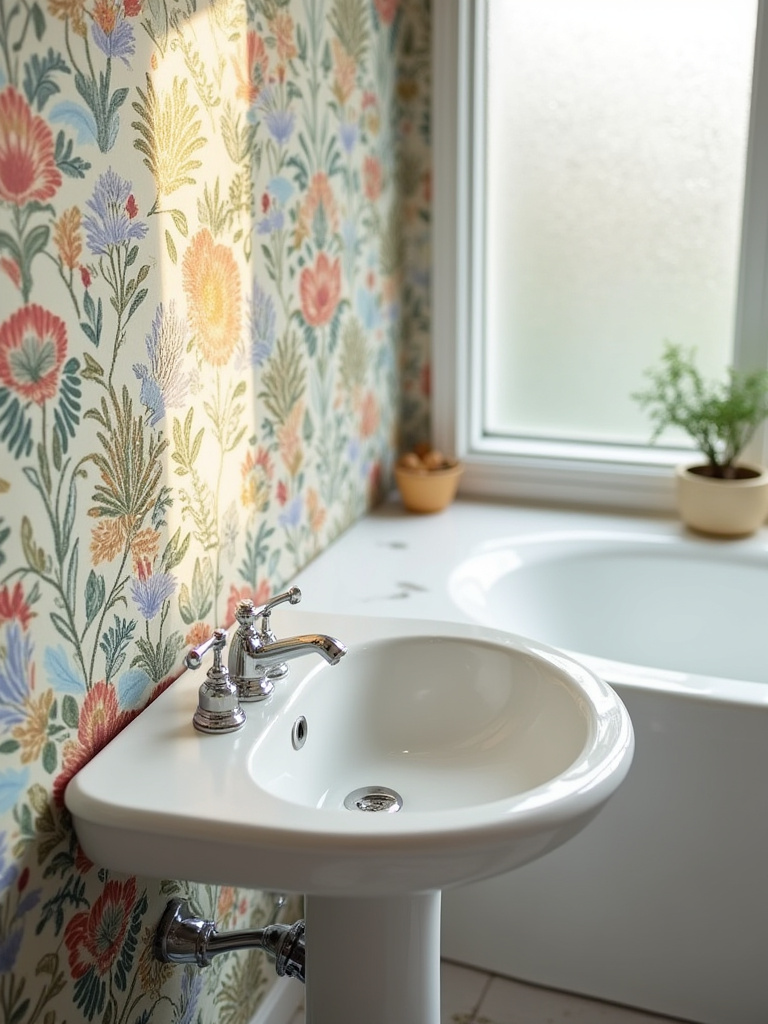
For things like pipes or toilet bases, it’s all about making small, radiating relief cuts from the center outwards. Hang the paper over the obstruction, then carefully slice towards it until the paper can lay flat around the shape. Trim the excess slowly and precisely. It requires patience, a very sharp blade (snap off a new section for every few cuts), and the understanding that this precision is what makes the final result look truly integrated and intentional. It’s the difference between a costume and a tailored suit.
With the walls perfectly covered, the next step is to build layers of personality and function that will bring your sanctuary to life.
Styling and Enhancing Your Bohemian Wallpaper Backdrop (Part 1)
Your wallpaper is the backdrop, the stage set for your story. Now, it’s time to bring in the characters: the textures, materials, and light that will create a truly immersive and sensory experience.
12. Complement Wallpaper with Natural Materials: Wood, Rattan, Bamboo, and Macramé
A bold wallpaper needs to be grounded. If everything in the room is a pattern, the space becomes visually noisy and overwhelming. Natural materials are the perfect counterpoint. They bring a quiet, organic energy that balances the graphic quality of the wallpaper. Think of a beautifully grained wooden vanity against a complex geometric print, or a simple rattan-framed mirror against a lush botanical. These materials add texture and warmth without competing for attention.
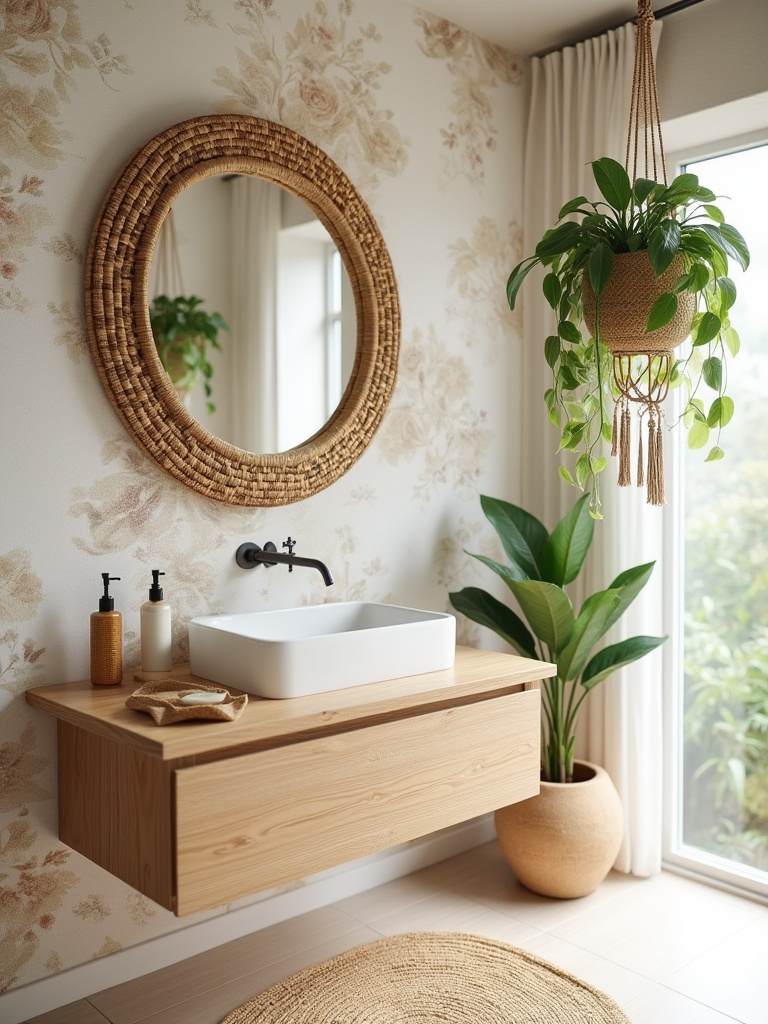
I once worked on a bathroom with an intense, deep blue and gold Ikat wallpaper. It was stunning but overpowering on its own. The solution was to bring in large-scale natural elements. We installed a floating vanity made from a thick slab of reclaimed teak and hung a large, simple macramé piece on the opposite wall. These two elements gave the eye a place to rest and provided the necessary textural balance. The result was a room that felt both luxurious and deeply calming.
These natural materials add structure and form, but the space still needs softness and comfort.
13. Layer Textiles and Rugs to Enhance Warmth, Depth, and Sensory Richness
Hard surfaces are a given in a bathroom, which is precisely why textiles are so essential. They absorb sound, add softness underfoot, and introduce another layer of pattern and color. This is where you can truly embrace the cozy, layered aspect of bohemian design. A vintage Turkish rug, a hand-woven bath mat, or a set of beautifully textured linen towels can completely transform the feel of the space.
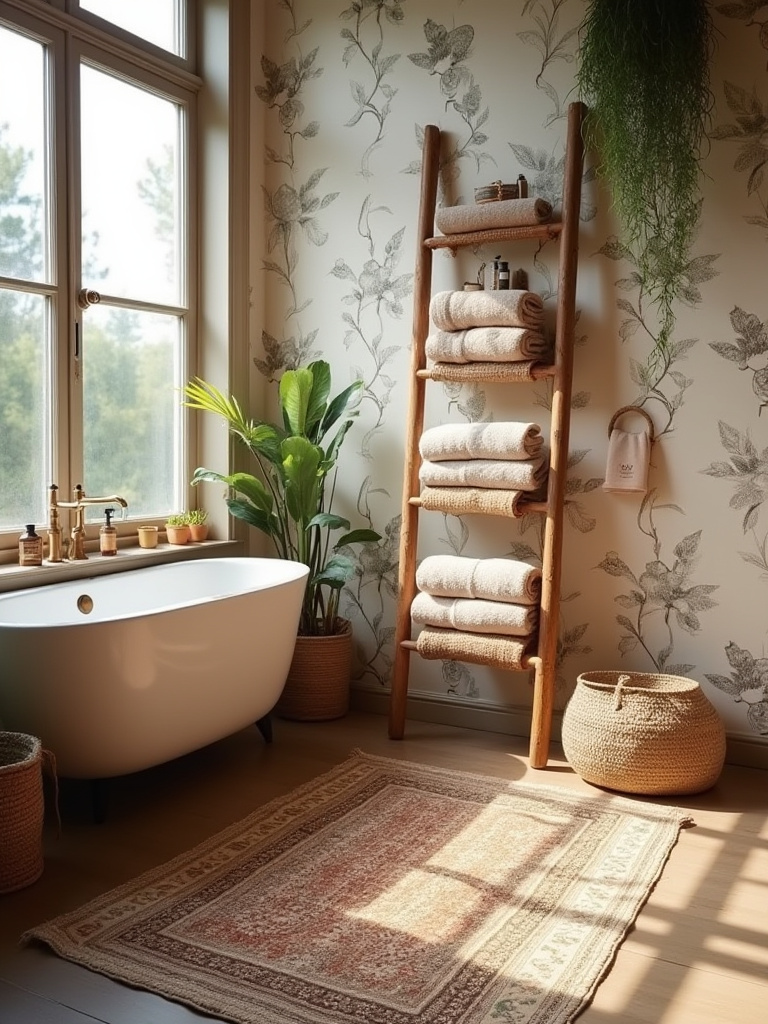
Don’t be afraid to layer. A common misconception is that you can only have one rug. In a larger bathroom, why not place a durable, flat-weave jute rug as a base and then layer a smaller, plusher, more colorful vintage piece on top in front of the vanity? It creates a feeling of history and curated comfort. The key is to vary the textures—the roughness of jute, the softness of wool, the smoothness of cotton. This multi-sensory approach is what makes a space feel less like a showroom and more like a sanctuary.
With the tactile elements in place, it’s time to add the vital, life-giving element of green.
14. Introduce Lush Greenery with Hanging Plants, Shelved Potted Plants, or Terrariums
A room without life feels sterile. Plants are not accessories; they are living occupants of the space. In a bathroom, where humidity is often high, many plants thrive. Greenery is the perfect companion to bohemian wallpaper because it brings an organic, untamed element that softens geometric patterns and complements botanical ones. It’s a key principle of biophilic design—our innate need to connect with nature.
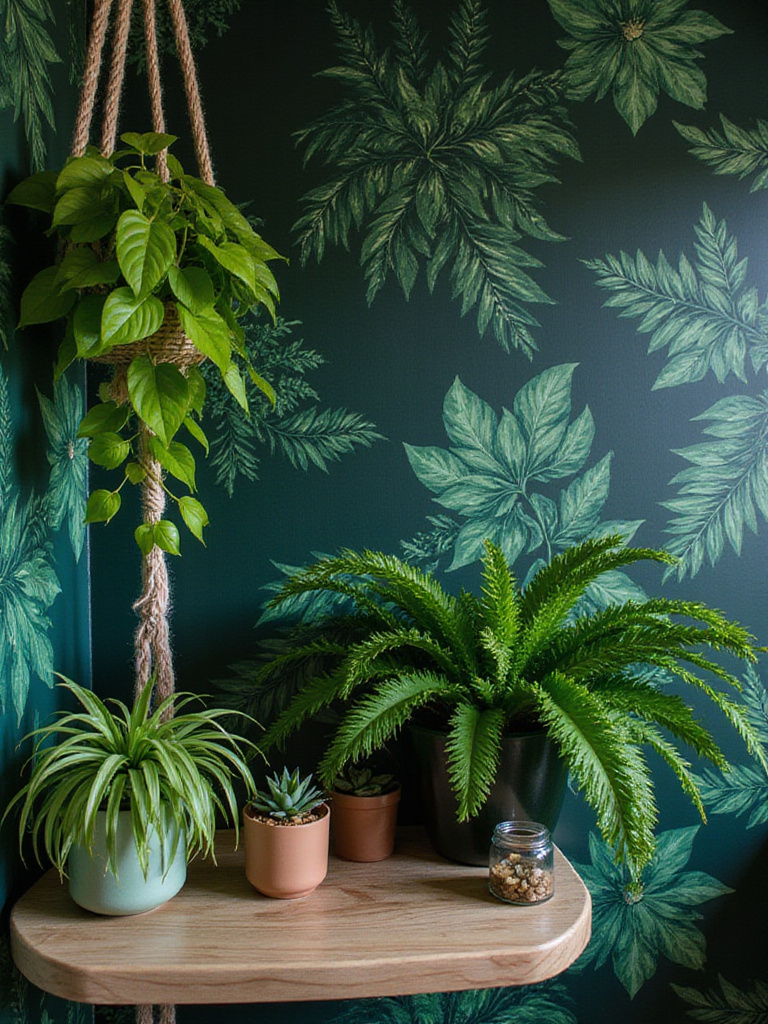
Hanging a Pothos or a fern from the ceiling draws the eye upward and adds vertical interest, making the room feel taller. A cluster of small succulents in terracotta pots on a shelf adds a touch of the desert. Don’t just place one sad plant in a corner. Think in layers and groups. A client once told me their bathroom was transformed not by the wallpaper, but by the “jungle” we created with hanging ferns and a large snake plant. It felt, she said, like she was bathing outdoors. That connection to the natural world is the very soul of a bohemian space.
Finally, we must illuminate this living tapestry with care and intention.
15. Select Artistic Lighting Fixtures to Accentuate the Wallpaper’s Patterns and Colors
Lighting is everything. The wrong lighting can kill even the most beautiful design. Harsh, cold overhead light will flatten your wallpaper’s texture and wash out its colors. Bohemian design calls for warm, layered, and often sculptural lighting that contributes to the ambiance as much as it illuminates the space. Think of light as another texture.
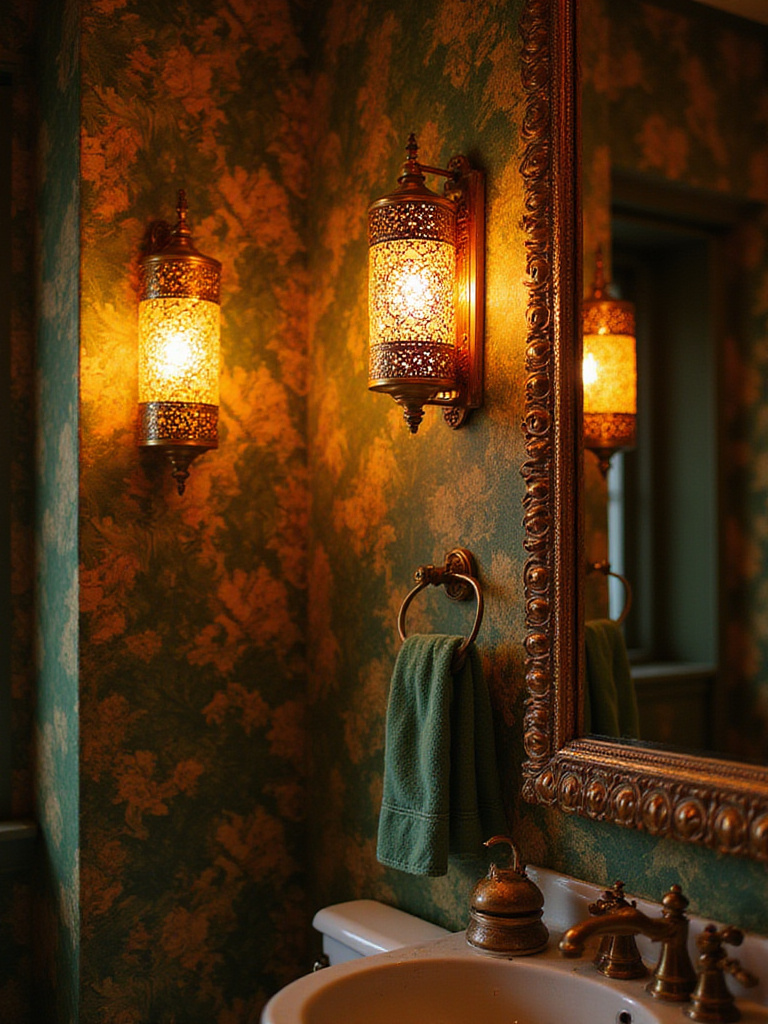
Look for fixtures made from natural materials—a woven rattan pendant, a capiz shell sconce, or a vintage brass lantern. These pieces feel like curated objects, not just hardware. Place them strategically. A pair of sconces flanking a mirror provides beautiful, shadow-free light for your face, while a single dramatic pendant in a corner can create a cozy, moody glow. Most importantly, put everything on a dimmer. Being able to adjust the light from bright and functional for the morning to soft and intimate for an evening bath is the ultimate small luxury.
Now that the major elements are in place, the final layer involves the fine art of curation.
Styling and Enhancing Your Bohemian Wallpaper Backdrop (Part 2)
This final stage is about the details that make a space uniquely yours. It’s the art on the walls, the hardware you touch every day, the objects that tell your story. This is the soul of the room.
16. Curate Mirrors and Wall Art That Harmonize with Your Bohemian Aesthetic
Just because the walls have a pattern doesn’t mean you can’t hang art. In fact, you should. The key is to choose pieces that harmonize, rather than compete, with the wallpaper. If your wallpaper is busy, choose simple art with lots of negative space. A minimalist line drawing in a simple wood frame can look stunning against a complex floral background. If your wallpaper is more textural or subdued, you can go bolder with your art.
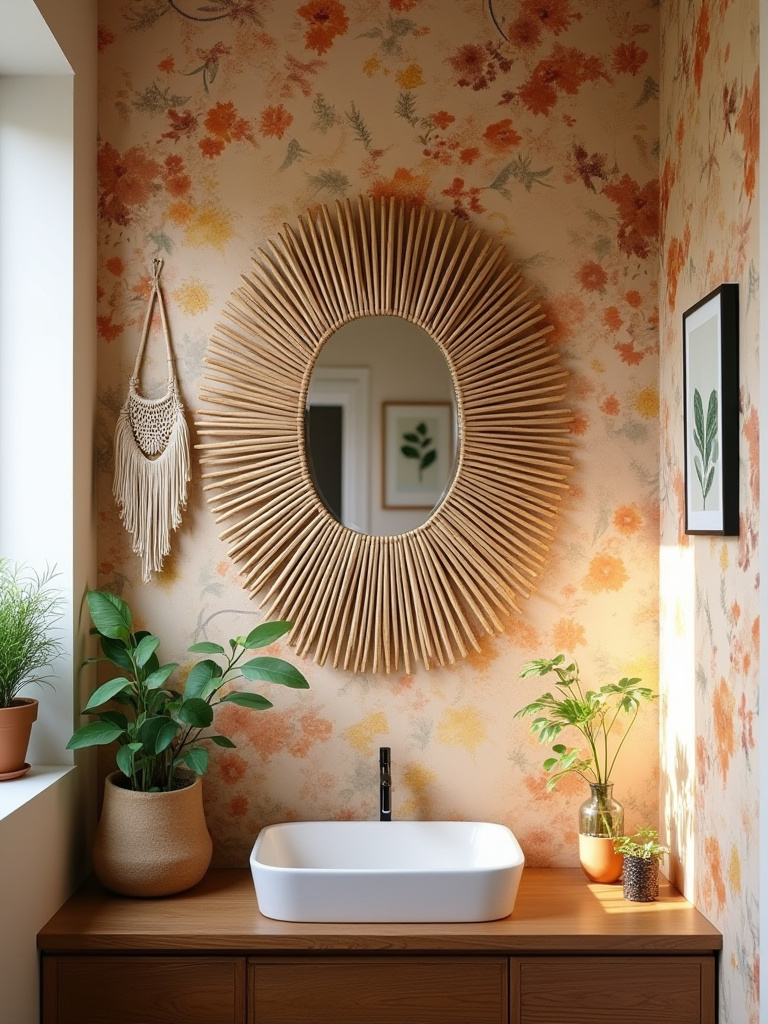
A mirror is one of the most powerful tools in a designer’s arsenal, especially in a small bathroom. It doesn’t just reflect your image; it reflects light and the view, creating an illusion of depth and space. Don’t just default to a boring, frameless rectangle. Choose a mirror with personality. A sunburst frame made of rattan, an antique mirror with a beautifully patinated gilt frame, or a collection of small, mismatched mirrors can become a focal point that perfectly complements your bohemian aesthetic.
Every functional element, down to the very taps you turn, contributes to this story.
17. Choose Bathroom Fixtures That Echo Vintage, Artisan, or Organic Appeal
Nothing will shatter the bohemian illusion faster than a generic, polished chrome faucet from a big-box store. Fixtures are the jewelry of the bathroom. They are the tactile points you interact with every day, so they should feel special. This is the place to invest in pieces with character and soul. Look for unlacquered brass that will develop a beautiful patina over time, or matte black fixtures for a more modern, graphic touch.

Consider a reclaimed wood vanity, a hammered copper sink, or artisan-made ceramic hardware. These are the elements that keep the space from feeling like a sterile catalogue image. I found a stunning, shallow stone sink at a salvage yard that became the centerpiece of a client’s powder room. We paired it with an intricate Moroccan-inspired wallpaper, and the combination of the rustic, earthy stone and the delicate pattern was magical. It told a story of time, craft, and nature.
Once your perfect sanctuary is created, the final responsibility is to care for it.
Maintaining and Evolving Your Boho Bathroom Sanctuary
A space is not a static object; it’s a living environment that requires care and attention. Think of maintenance not as a chore, but as a continuing conversation with your home, a way of preserving the tranquility you’ve so carefully cultivated.
18. Implement Regular Cleaning Routines for Humid Environments to Prevent Mildew
We’ve come full circle, back to the fundamental element of the bathroom: water and air. All your beautiful work can be undone by mildew. The solution is simple and diligent: airflow and regular cleaning. After every shower, run that powerful fan you installed for at least 30 minutes. Squeegee the shower walls. These small daily rituals prevent moisture from settling and creating a home for mildew.
For cleaning the wallpaper itself, stay away from harsh chemicals. A soft cloth lightly dampened with water and maybe a drop of gentle soap is usually all that’s needed for wipeable or vinyl papers. Always test in an inconspicuous spot first. Consistency is far more effective than an occasional aggressive deep clean. Maintaining a healthy, dry environment is the single best way to protect your investment and ensure your sanctuary remains a place of well-being.
And as part of that regular observation, you’ll be the first to notice any small issues that may arise.
19. Protect Wallpaper Edges from Moisture and Peeling for Lasting Durability
The most vulnerable part of your wallpaper is its seams. This is where moisture will try to creep in. A tiny, almost invisible bead of clear, paintable silicone caulk or a dedicated wallpaper seam sealer along the edges next to the shower, behind the sink, and along the baseboards creates an invisible barrier that is absolutely essential for longevity.
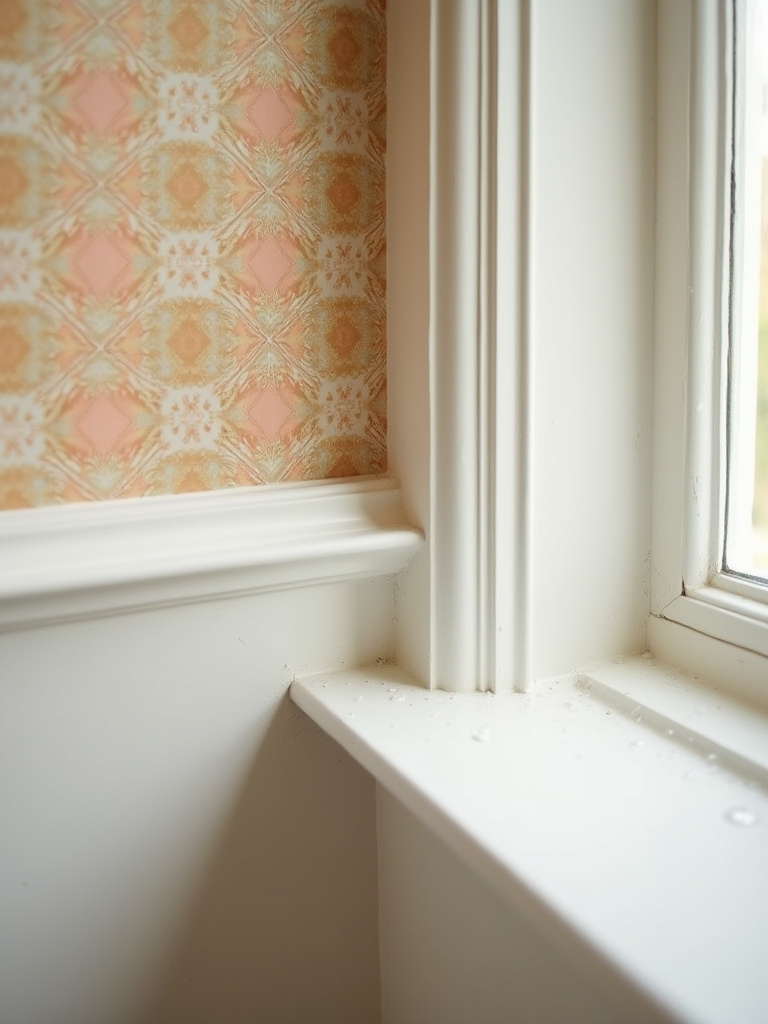
It’s a simple five-minute step after installation that I insist on for every bathroom project. This little detail can add years to the life of your wallpaper. If you see a seam starting to lift even slightly, don’t ignore it. That is an open invitation for moisture. Address it immediately, which brings us to the importance of proactive care.
Staying vigilant for these minor issues is key to preventing them from becoming major problems.
20. Address Minor Damages and Repair Imperfections Promptly to Maintain Appearance
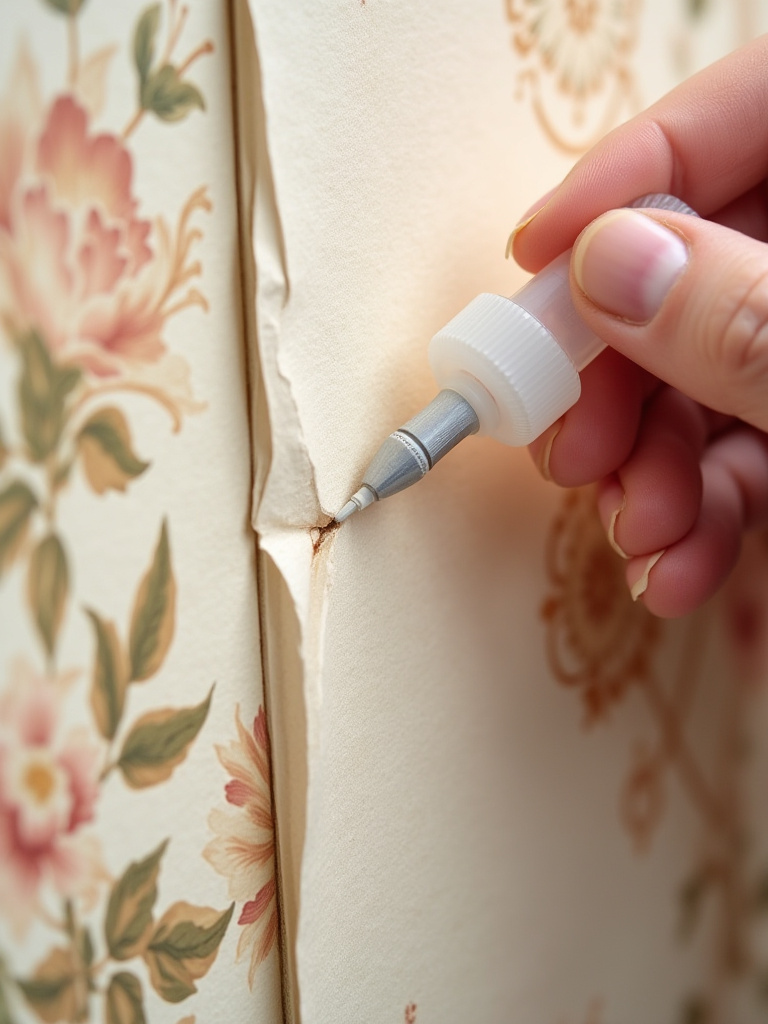
A tiny tear or a lifting corner can feel insignificant, but in a humid bathroom, it’s the beginning of a bigger problem. Water vapor will get behind that tiny opening and slowly work to loosen a much larger section. The secret is to deal with these things immediately. Keep a small tube of wallpaper seam adhesive on hand. If you see a corner lifting, gently apply a tiny amount with an artist’s brush, press it down with a damp cloth, and roll it with a seam roller.
Keep a leftover scrap of your wallpaper rolled up and stored in a dry place. If you get a small nick or tear, you can often create a “patch” that is virtually invisible. Cut a piece from your scrap that is slightly larger than the damaged area, carefully matching the pattern. Place it over the damage, and then, using a straight edge and a very sharp blade, cut through both layers in a rectangular shape. Remove the excess top piece, then carefully peel away the damaged bottom piece from the wall. The new patch should drop in perfectly. It takes patience, but it’s a far better solution than letting a small flaw ruin the whole wall.
Finally, remember that a beautiful space is one that evolves with you.
21. Refresh Your Bohemian Look with Seasonal Accents and Decor Swaps
Your bathroom should not be a museum. It should evolve with you and the seasons. The beautiful thing about having a strong wallpaper backdrop is that small changes can have a huge impact. This is the fun, playful part of living in a space you love. Think of it as changing the jewelry on a classic outfit.
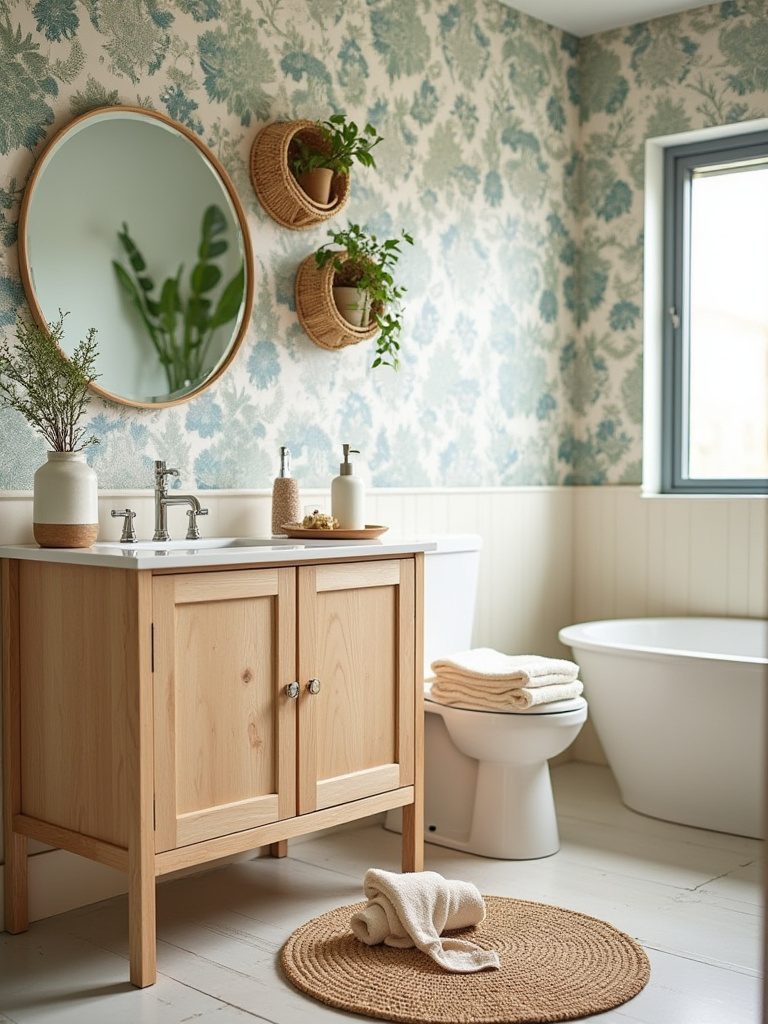
In the spring, you might swap out your deep-toned Turkish towels for lighter linen ones and bring in a vase of fresh greenery. In the autumn, you could change the soap dispenser to an amber glass bottle and add a candle with a warm, spicy scent. These small, inexpensive swaps keep the space from feeling static and allow you to constantly rediscover your love for it. This gentle evolution is the key to creating a home that feels alive, personal, and endlessly inspiring.
Conclusion
You see, creating a bohemian bathroom is not about following a fleeting trend or cluttering a room with “stuff.” It is a thoughtful, intentional process of storytelling. It’s about understanding the environment of the room, honoring the cultural origins of the patterns you choose, and curating a collection of materials and objects that bring you comfort and joy. It is the perfect marriage of personal expression and disciplined design. The warmth and free spirit you’re seeking comes from this authenticity, not from chaos.
Now that you understand the principles—the why behind the what—you are ready. Don’t just save images online. Begin the process. Order a few wallpaper samples that speak to you. Hold them in your bathroom’s light. See how they feel. This is your personal sanctuary, a space for quiet restoration. Start today to craft a room that not only functions beautifully but also reflects the richness of your own story.