The bathroom has quietly become the most important room in the house. It’s no longer a space of pure utility, but a private sanctuary where we begin and end our days. In a world that is always “on,” this is our place to disconnect, to find stillness. At the heart of this retreat is the bathtub—less a fixture and more a piece of architectural sculpture that shapes the room’s entire character and, more importantly, your daily ritual of self-care.
I’ve spent my career exploring the intersection of cultures through design, blending the serene, clean lines of Scandinavian minimalism with the rich, earthy principles of Middle Eastern architecture. And what I’ve learned is that a bathtub can be a powerful anchor for this fusion. It can be a vessel for quiet contemplation, like a minimalist Scandinavian sauna, or a place of deep, restorative cleansing, reminiscent of a traditional hammam.
Choosing the right one is a balance of aesthetics and pragmatics. It’s about how it feels, how it holds heat, and how it connects to the architecture of the space. So, if you’re dreaming up a new bathroom or rethinking an old one, let’s walk through the possibilities together. This isn’t just a list; it’s a guide to finding the soul of your space.
1. The Freestanding Tub: A Piece of Bathroom Sculpture
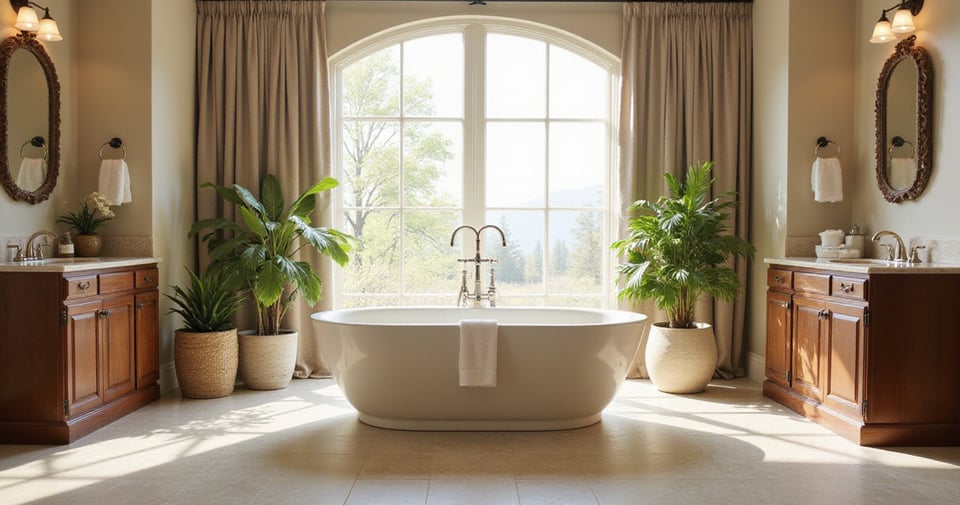
A freestanding tub is an immediate statement. It stands alone, confident and sculptural. Unlike its built-in cousins, it claims its own space, transforming the bathroom from a room of fixtures into a gallery-like retreat. I once designed a home in the Sonoran desert where we placed a simple, egg-shaped tub against a floor-to-ceiling window. As the sun set, it didn’t just illuminate the tub; it turned the act of bathing into a conversation with the landscape. That’s the power of this choice.
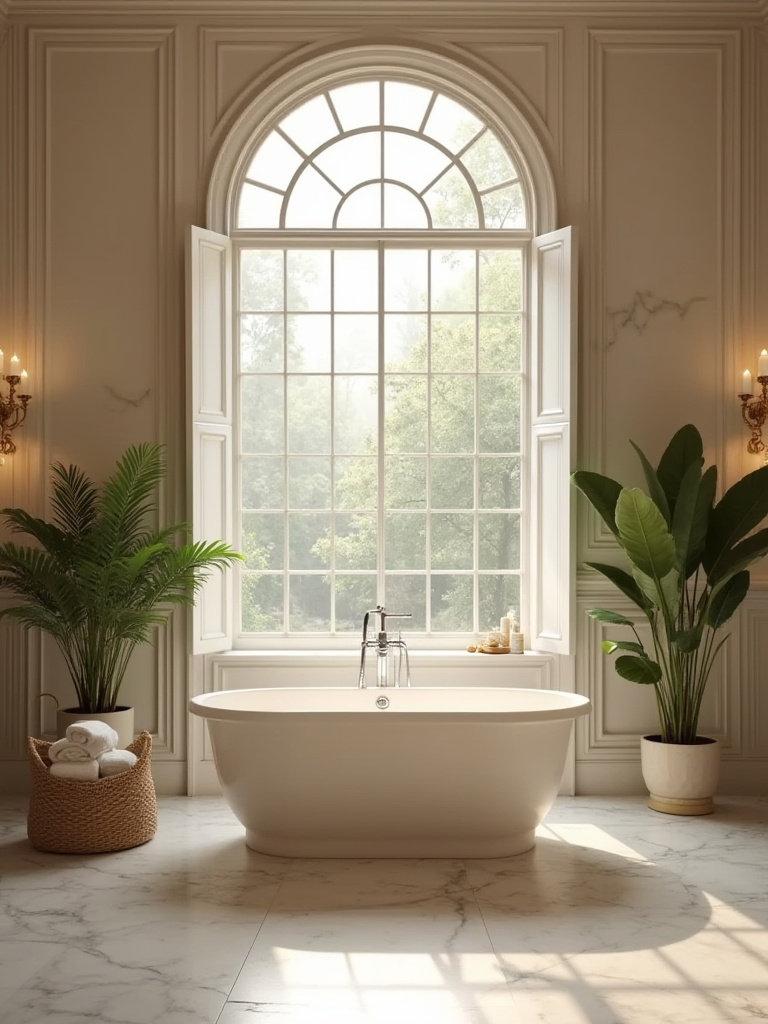
It commands the room, but it also gives back. By lifting the tub off the floor, you create an illusion of more space, letting light and air flow freely around and underneath it. This visual breathing room is a principle I borrow from both desert architecture and Scandinavian design—it feels open, clean, and intentional. The practical side is a pleasant surprise, too. Placing it is far more flexible, and honestly, cleaning around it is refreshingly straightforward.
What people often forget is the structural reality. When filled with water and a person, a beautiful stone resin or cast iron tub can weigh half a ton. It’s not a decision to be made lightly—pun intended. You need to know what’s under your floorboards. But when planned correctly, it’s more than a tub; it’s furniture for the most personal room in your home.
2. The Clawfoot Tub: Timeless Charm for the Modern Era
There’s an undeniable romance to a clawfoot tub. But don’t mistake it for a purely nostalgic choice. Its design has endured for a reason: it’s incredibly clever. Elevating the basin on decorative feet does something magical for a room—it creates an airy, spacious feeling that makes even compact bathrooms feel larger. This is a design that feels just as right in a modern, minimalist farmhouse as it does in a historic Victorian. Good design just works.

What’s interesting from a climate-adaptive perspective is that its raised form helps with air circulation, reducing the potential for moisture to get trapped against walls—a real concern in both humid climates and tightly sealed modern homes. The old-timers knew what they were doing. A heavy cast iron model also holds heat exceptionally well, turning a quick bath into a long, luxurious soak without constantly turning on the hot water tap.
I love to see these classic pieces updated with a modern twist. Imagine a traditional slipper-back tub, but instead of white porcelain, the exterior is painted a deep, earthy terra cotta or a soft sage green, colors pulled directly from a desert landscape. Suddenly, it’s not just vintage; it’s a unique bridge between old and new.
3. The Alcove Tub: The Beauty of Integration
Now, let’s talk about the workhorse: the alcove tub. It’s easy to dismiss this as the “standard” or “boring” option, but I see it as an opportunity for profound integration. Tucked between three walls, it doesn’t fight for attention. Instead, it invites you to create a complete, immersive experience. It’s not about the tub itself, but about the space it creates. A niche. A grotto.
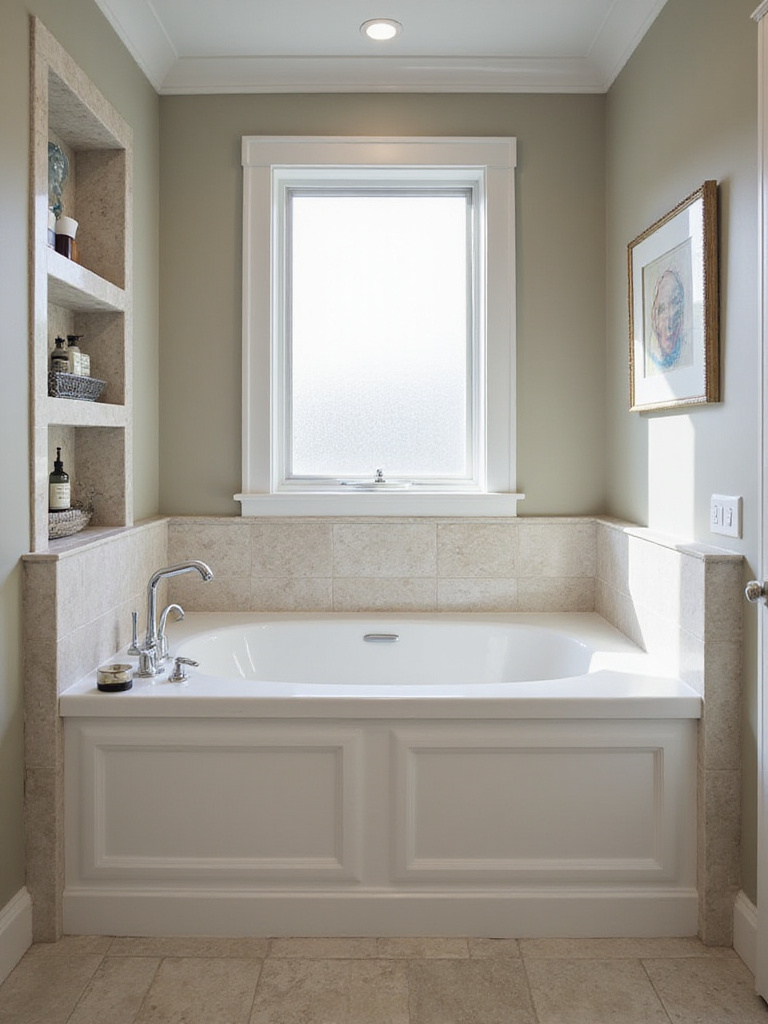
This is where my love for Middle Eastern design really comes into play. Instead of tiling the surround, think about using a seamless, waterproof material like Tadelakt—a traditional Moroccan lime plaster. When you run that material up the walls and across the tub apron, the alcove is transformed into a single, sculptural form. It feels ancient and modern all at once, like stepping into a private hammam. There’s a deep, quiet comfort in being enveloped by a space like that.
Done thoughtfully, the alcove tub feels intentional, not like a compromise. It streamlines a small bathroom, saves precious floor space, and is undeniably practical for a shower-bath combo. It proves that luxury isn’t always about what’s freestanding in the center of the room. Sometimes, it’s about creating a perfectly executed, intimate retreat.
4. The Drop-In Tub: A Custom-Built Foundation
A drop-in tub is all about creating a bespoke, architectural statement. The tub itself is just a shell, a starting point. The real design story is in the surround—the platform or “deck” you build to house it. This gives you the freedom to wrap it in any material imaginable, from a dramatic, book-matched slab of marble to a warm, teak wood platform that extends into a bench.
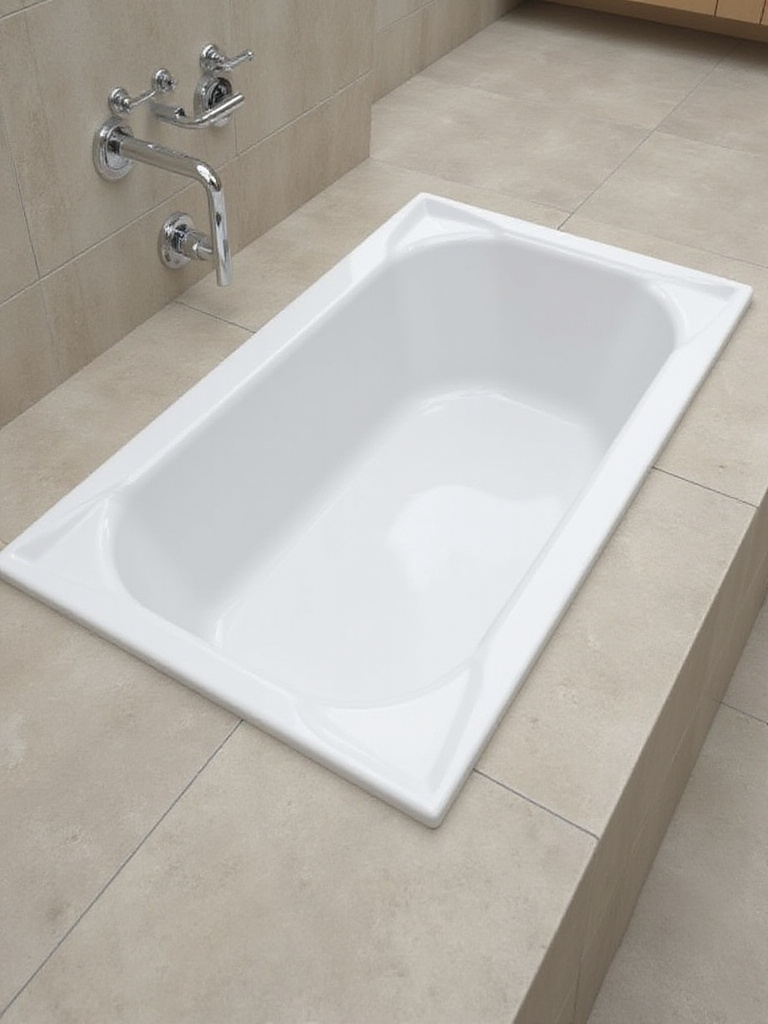
Frankly, this is where it gets tricky. A poorly executed drop-in can look bulky and dated. The key is to make it look less like a tub sunk into a box and more like a bathing pool carved from a solid plinth. To get this right, you need to extend the material. If you use Calacatta marble for the deck, let it flow up the wall or across the floor. This continuity is what makes it feel cohesive and luxurious, rather than a collection of separate parts.
The unseen advantage is its rock-solid stability. The custom frame that supports a drop-in tub eliminates any creaking or flexing, which protects both the tub and the surrounding tile work for the long haul. It requires more complex installation—with careful waterproofing and access panels—but the result is a seamless look that makes a bathroom feel truly custom-built.
5. The Corner Tub: Reclaiming Awkward Spaces
The corner tub has a bit of a reputation to overcome, often conjuring images of the 1980s. But let’s look at it with fresh eyes. In the right context, it’s an incredibly smart solution for an awkward, underutilized corner. By tucking the bulk of the tub away, you free up the center of the room, dramatically improving flow and making a small or oddly shaped bathroom feel more spacious and usable.
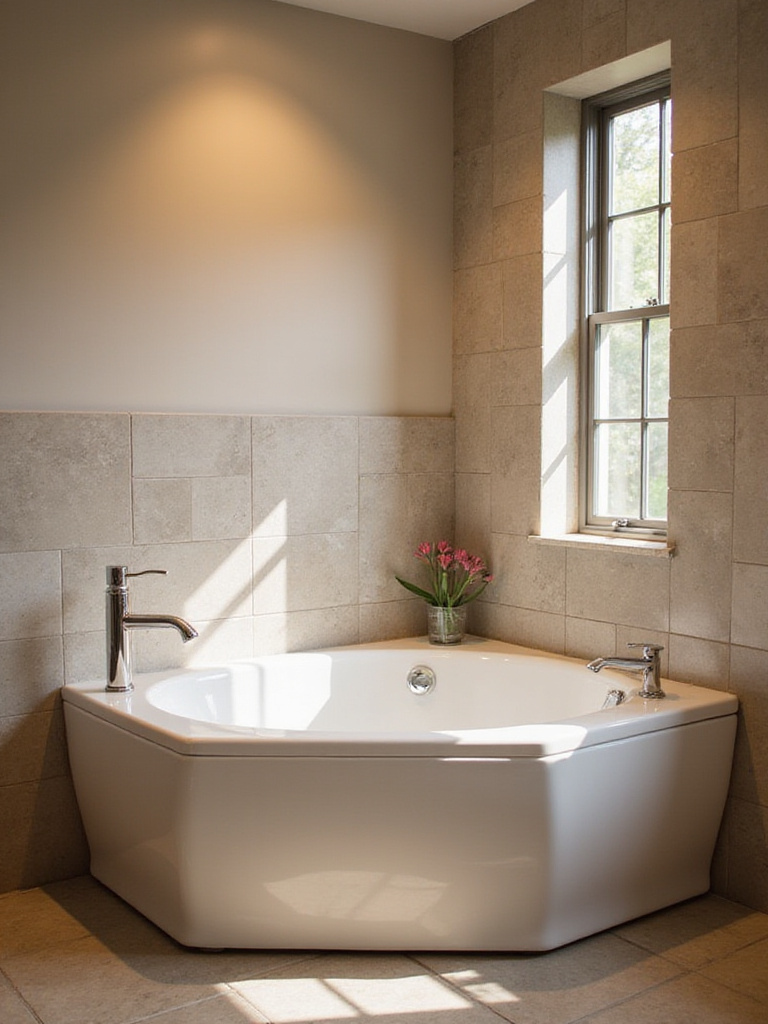
Modern corner tubs are a world away from their predecessors. They now come in sleek, minimalist profiles with asymmetrical designs that offer a surprisingly deep and comfortable soak while still being space-efficient. Instead of dominating the room, a contemporary corner tub can create a cozy, sheltered bathing nook. It feels more private, more like a personal retreat tucked away from the rest of the space.
The real win is in the layout. Placing the tub in the corner often creates enough room to have a separate, dedicated walk-in shower—the best of both worlds, and a feature that adds significant value and function without requiring a massive footprint. It’s a testament to how thinking creatively about a room’s “problem areas” can lead to the best solutions.
6. The Japanese Soaking Tub: A Ritual of Stillness
The Japanese soaking tub, or ofuro, is less about washing and more about restoration. It’s a complete shift in mindset. Instead of reclining, you sit upright, submerged in deep, hot water up to your shoulders. This posture, combined with the compact footprint, creates an intensely restorative experience. It’s meditative. Grounding. It forces you to be present.
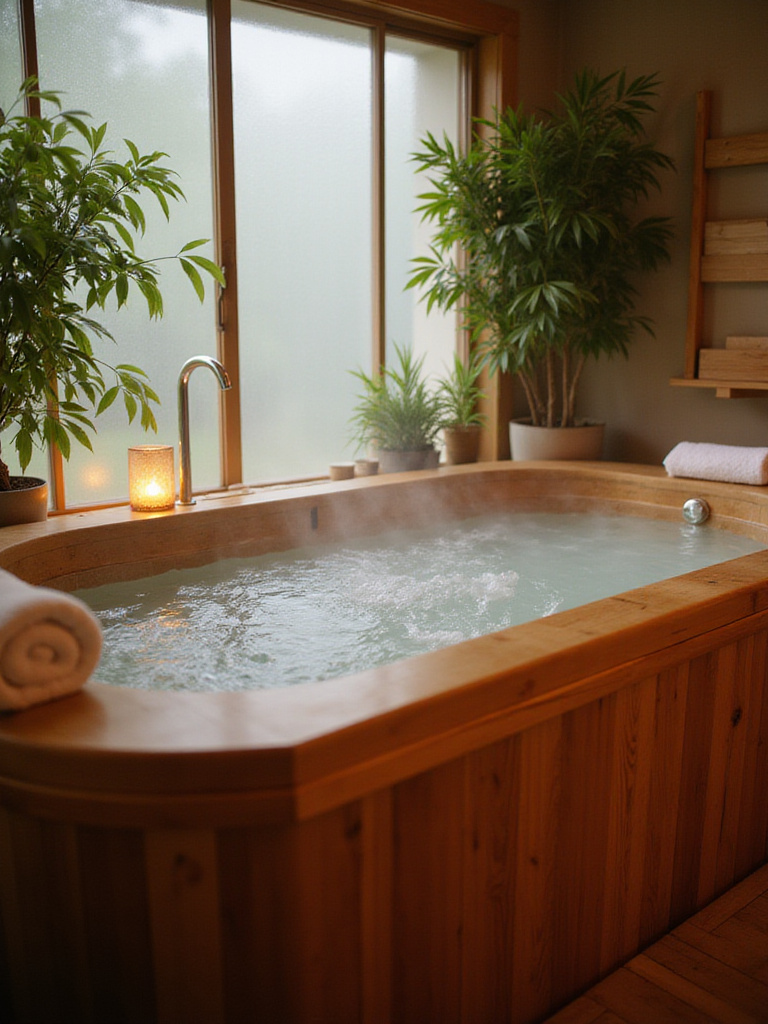
The vertical design is genius for modern living, especially in spaces where square footage is a luxury. An ofuro can fit where a conventional tub never could, yet it offers a more profound sense of immersion. The ritual traditionally involves washing outside the tub before you soak, keeping the water pristine for pure relaxation. This separation of cleansing and soaking is something I find incredibly civilized and mindful.
Traditionally crafted from Hinoki cypress, these tubs release a subtle, therapeutic, lemony fragrance when filled with hot water—it’s natural aromatherapy. Modern versions in stone resin or even copper offer the same principle with different material sensibilities. I see a deep connection here between the Japanese reverence for ritual and the Scandinavian pursuit of serene simplicity. It’s a perfect fit for a home designed for quiet renewal.
7. The Walk-In Tub: Designing for Life
Good design should be for everyone, at every stage of life. That’s the philosophy behind walk-in tubs. They’re an answer to a fundamental challenge—making bathing safe and accessible without sacrificing the dignity and pleasure of a real soak. By replacing the high, hazardous ledge of a standard tub with a low-threshold, sealed door, they make independent bathing possible for so many more people.
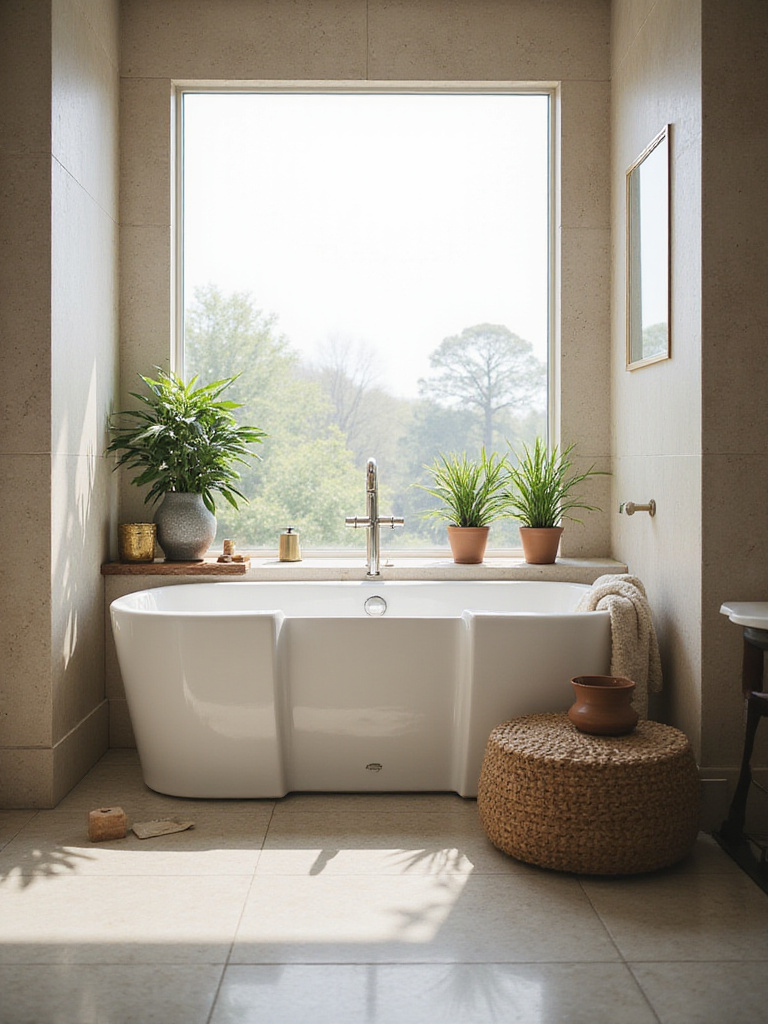
Let’s be clear: these are no longer the sterile, medical-looking devices of the past. Today’s walk-in tubs are sophisticated wellness systems. Many include features you’d find in a luxury spa—hydrotherapy jets, heated seats that keep you warm while the tub fills, and fast-draining systems that empty the tub in a couple of minutes. It’s a beautiful example of how thoughtful engineering can support aging in place.
Choosing a walk-in tub is a deeply sustainable decision. It’s not just about the fixture itself; it’s about investing in a home that can adapt to your needs over a lifetime. This allows people to stay in the homes and communities they love for longer, and that is one of the most powerful forms of sustainability there is.
8. The Jetted Tub: Active Hydrotherapy at Home
A jetted tub is an active experience. It moves beyond passive soaking to deliver a powerful, targeted massage. Using pressurized water jets, these systems are designed to address specific areas of tension—the lower back, sore shoulders, tired legs. For anyone dealing with chronic pain or recovering from intense physical activity, the hydrotherapy from a jetted tub can be a legitimate, non-pharmaceutical form of relief.
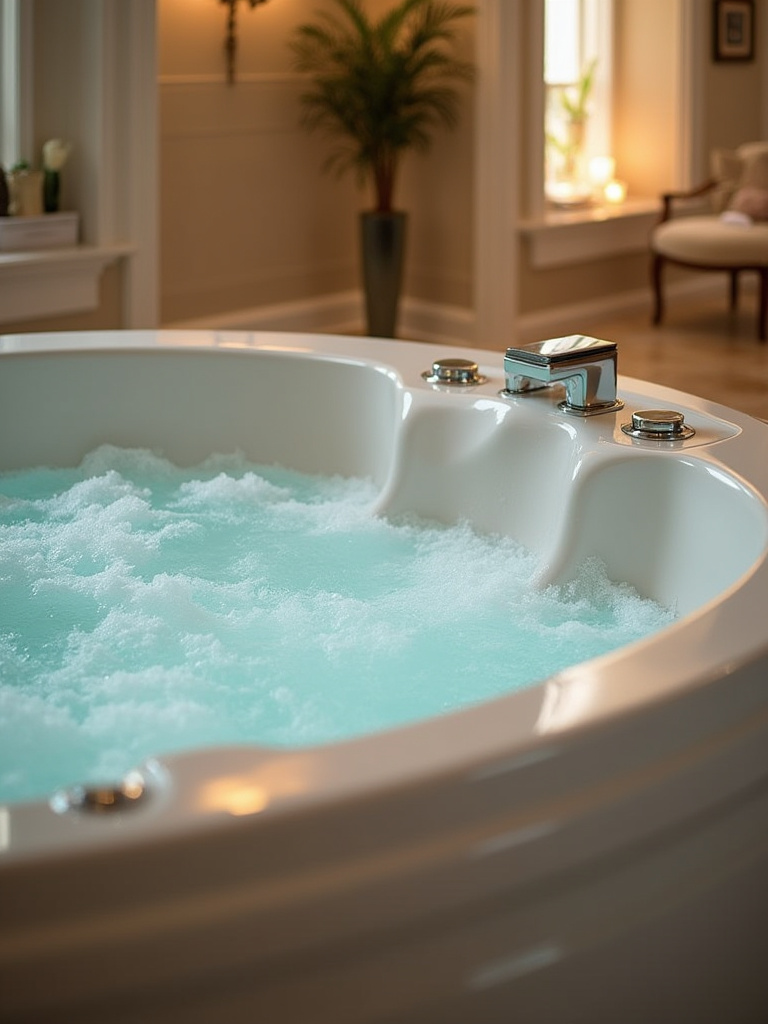
The technology has come a long way from the simple on/off whirlpools of yesterday. Modern systems have variable-speed pumps, allowing you to control the intensity from a gentle swirl to a deep-tissue massage. The combination of the water’s warmth, which relaxes muscles, and the mechanical pressure from the jets creates a synergistic effect that’s deeply therapeutic.
The biggest hurdle has always been maintenance. We’ve all heard stories about the gunk that can build up in the pipes. It’s a valid concern, but better engineering, including self-cleaning cycles and antimicrobial lines, has made this much less of an issue. The key is to know what you’re buying and to commit to the cleaning routine.
9. The Air Tub: A Gentler, All-Over Massage
If a jetted tub is a deep-tissue massage, an air tub is like bathing in a glass of champagne. Instead of high-pressure water streams, it releases thousands of tiny, heated air bubbles from small holes in the tub’s surface. The sensation is completely different—a gentle, effervescent tingling that surrounds your entire body. It’s less about targeting specific knots and more about an overall feeling of relaxation and stress relief.
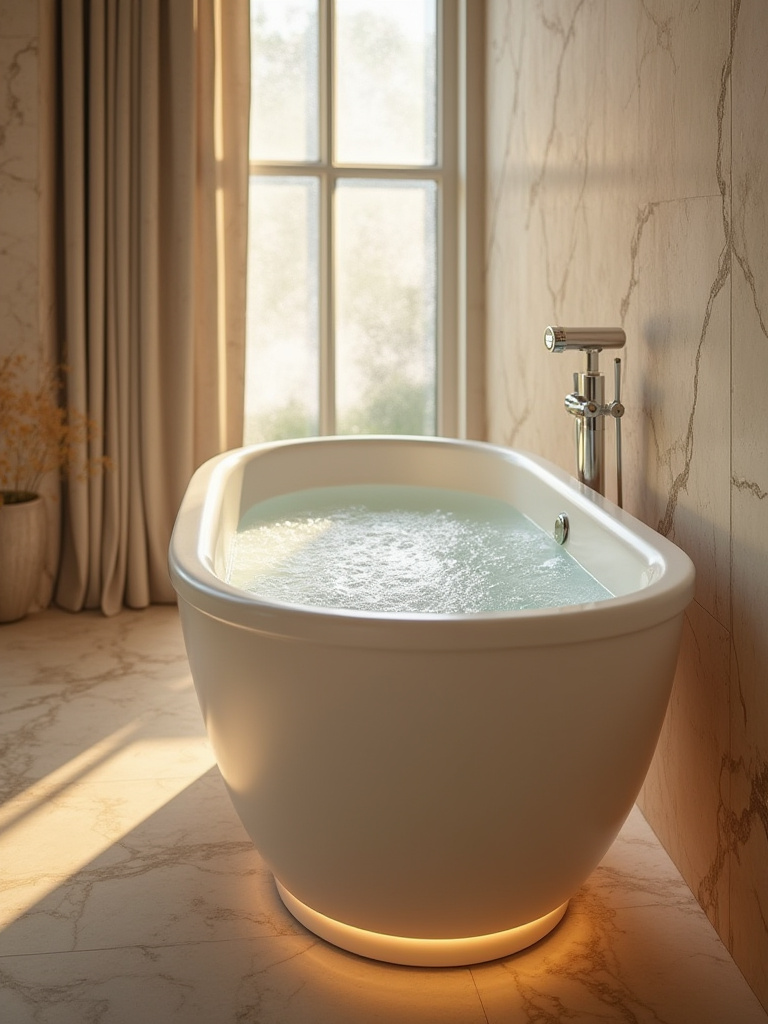
What I really appreciate about air systems is their hygiene. Because they use a blower to push fresh, heated air through the lines—which then drain completely after each use—there’s no water left sitting in the plumbing. This practically eliminates the risk of mildew or bacterial growth. For a lot of my clients, this peace of mind is the deciding factor.
The sensation is incredibly soothing and can be a wonderful way to wind down the nervous system before sleep. The gentle, all-over stimulation promotes circulation without being aggressive, making it a great choice for those with sensitive skin or anyone who finds water jets too intense. It’s a softer, quieter approach to hydrotherapy.
10. The Cast Iron Tub: An Heirloom for Your Home
In a world of disposable everything, there’s something deeply satisfying about cast iron. A cast iron bathtub isn’t a purchase; it’s an investment. These things are built to last for generations. The sheer density and thermal mass of the material mean that once you heat it up, it stays warm for a remarkably long time. It holds onto heat, radiating it back into the water and keeping your bath comfortably warm without constantly adding more hot water.
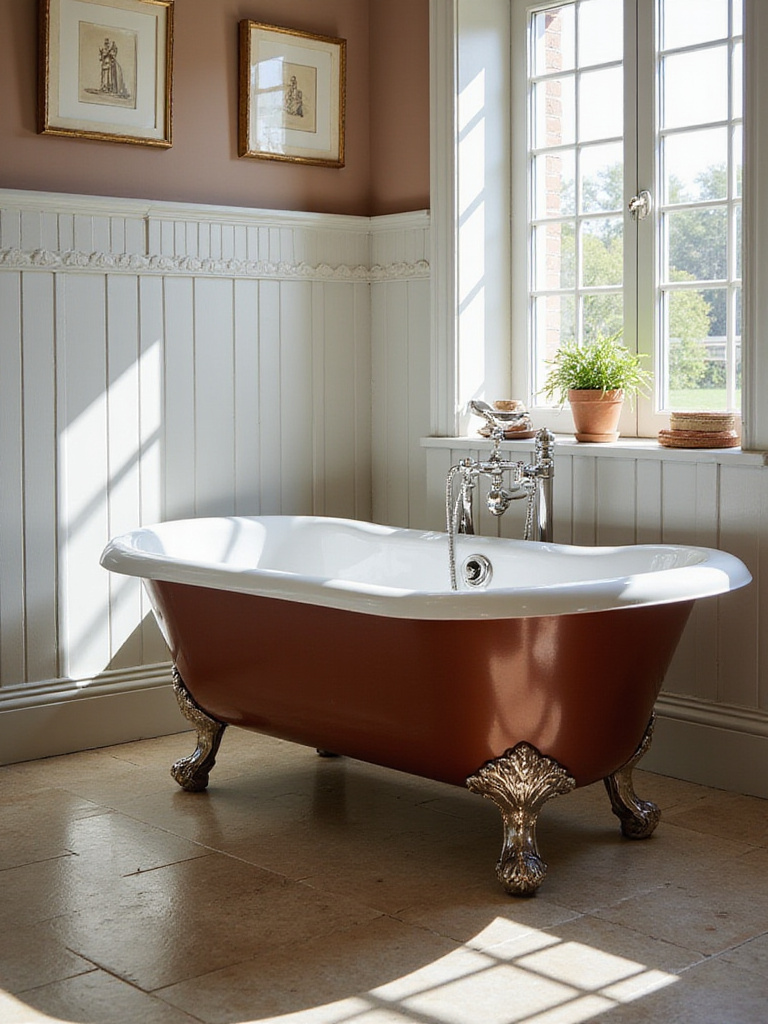
This is climate-conscious design in its most elemental form: a durable, long-lasting product with inherent energy-saving properties. The porcelain enamel finish, fired on at high temperatures, creates an incredibly hard, non-porous surface that’s tough to scratch and easy to clean. Yes, it’s incredibly heavy—weighing 300 to 500 pounds empty—and you absolutely need to have a contractor verify that your floor can handle the load. But that weight is also what makes it feel so solid and substantial.
There’s a quiet luxury to a cast iron tub. It doesn’t scream for attention. Has a grounded, permanent quality that anchors a room. It feels dependable. Knowing it will likely outlast you and everyone in your house connects you to a slower, more deliberate way of building and living.
11. The Acrylic Tub: Smart, Versatile, and Warm
Acrylic has become the go-to material for a reason, and it’s a mistake to write it off as just the “budget” option. I see it as a smart, practical material. It’s a thermal plastic, which means it can be vacuum-formed into complex, ergonomic shapes that would be incredibly difficult or expensive to achieve in cast iron or stone. That’s why acrylic tubs often have the most comfortable built-in lumbar support, armrests, and contoured forms.
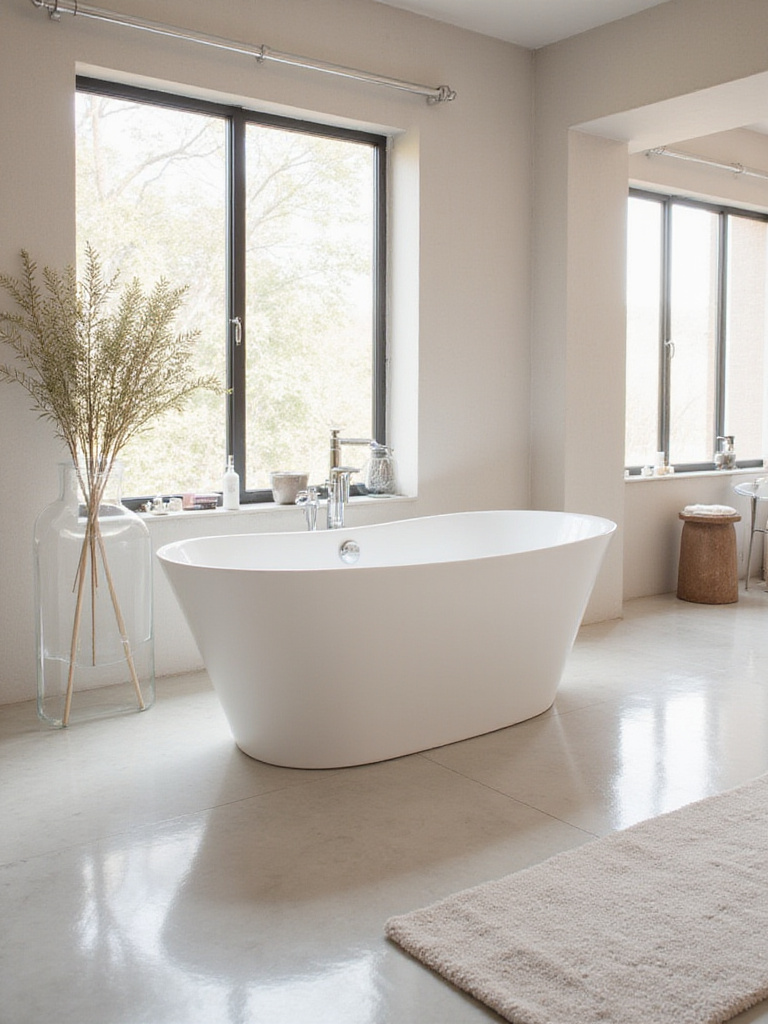
One of its best features is something you feel rather than see: it’s warm to the touch. The material itself doesn’t suck heat away from your body like a cold stone or metal tub can. While it doesn’t have the massive heat retention of cast iron, it’s a far cry from the chilly shock of some other materials. Its lightweight nature is also a huge plus, simplifying installation and often saving you the cost and hassle of reinforcing your floors.
The key is to look for quality. A cheap, flimsy acrylic tub will feel… well, cheap and flimsy. But a high-quality acrylic, with a solid thickness and fiberglass reinforcement, is a durable, non-porous, and beautifully finished product. It offers tremendous design flexibility, from simple alcove models to stunning freestanding pieces, making sophisticated design more accessible.
12. The Stone Resin Tub: The Best of Both Worlds
Stone resin is where natural materials and modern engineering meet, and for me, it’s one of the most exciting materials to work with right now. It’s a composite, typically made from crushed natural stone (like quartz or marble) mixed with a high-performance resin. The result is a tub that has the solid, substantial feel and thermal properties of natural stone but without the porosity and maintenance headaches.
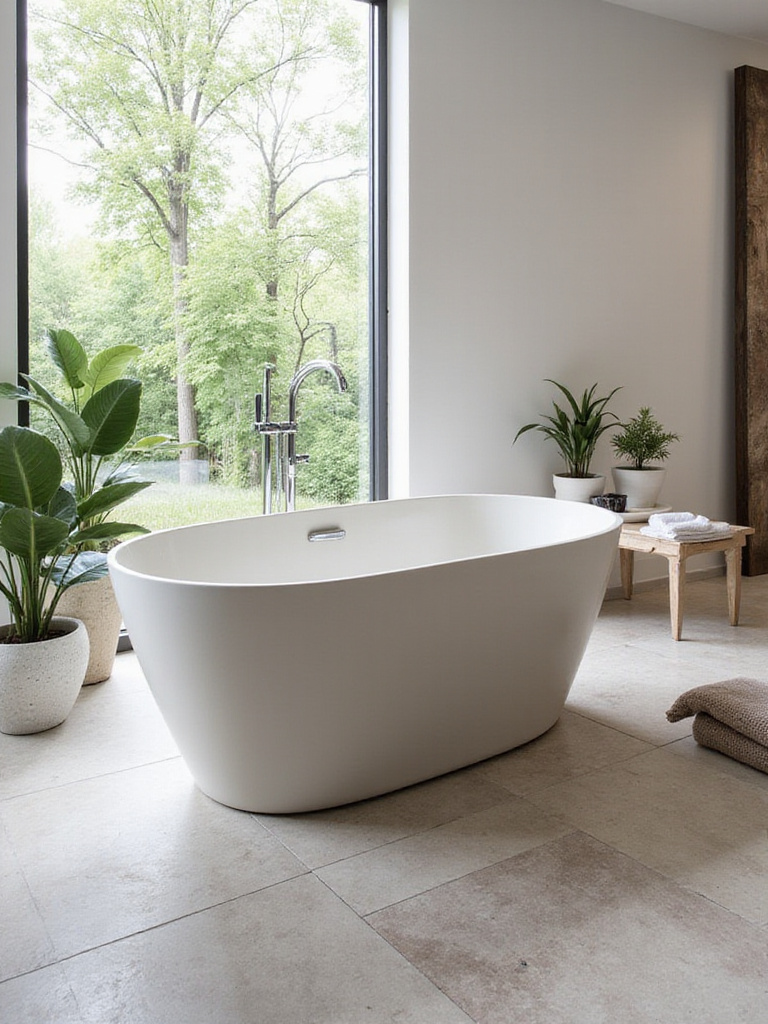
What I love is the finish. It often has a smooth, velvety matte surface that is incredibly tactile and visually soft. It absorbs and reflects light in a much gentler way than high-gloss acrylic or porcelain. This material perfectly captures the balance I strive for—the earthy, grounded feel of natural stone, refined into the clean, seamless forms of minimalism.
It can be molded into stunningly sharp, clean-lined shapes that would be impossible to carve from a single block of stone. And because it’s a solid, homogenous material, any minor scratches can often be buffed out. It’s heavier than acrylic but lighter than cast iron, hitting a sweet spot in terms of feel and installation. It’s a true modern luxury.
13. The Copper Tub: A Living, Breathing Finish
A copper bathtub is a commitment to a material that is alive. It’s not meant to stay pristine and perfect. Over time, it will react to its environment—to the water, the air, the oils from your skin—and develop a unique patina. This evolving finish, with its warm, shifting tones of brown, red, and even green, tells the story of your home. Each tub becomes a one-of-a-kind piece of art, shaped by use.
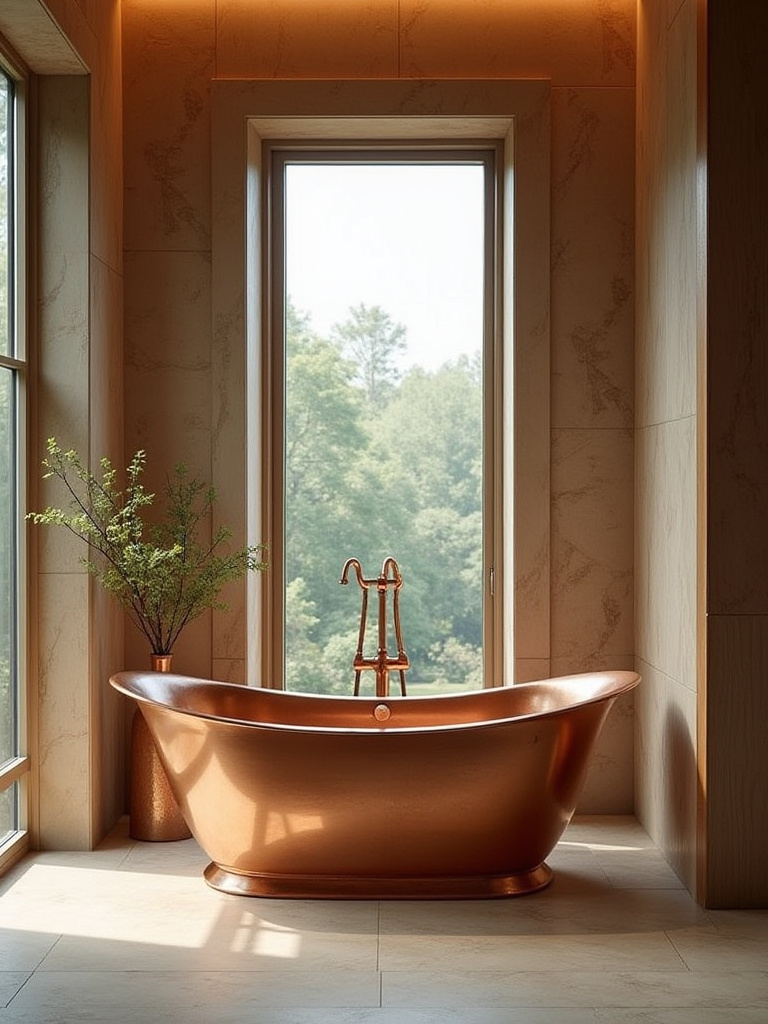
Beyond its striking beauty, copper has some remarkable properties. It is an excellent conductor of heat, which means it not only heats up quickly with the water but helps maintain the temperature. More importantly, copper is naturally antimicrobial. Studies have shown that it actively kills bacteria on its surface, creating a naturally more hygienic bathing environment with less need for harsh chemical cleaners. That’s an amazing sustainable benefit.
These tubs are typically hand-hammered by artisans, and you can feel that human touch in the subtle texture of the surface. A gleaming, polished copper tub makes a stunning statement in a modern space, while a darker, aged patina can bring incredible warmth and character to a more rustic or eclectic design. It’s a bold choice, but one that pays off in unparalleled character.
14. The Wooden Tub: An Immersion in Nature
To bathe in a wooden tub is to engage all of your senses. It’s the visual beauty of the grain, the warm and yielding feel of the wood against your skin, and, most powerfully, the subtle, calming aroma that is released when the wood is warmed by the water—especially if it’s a traditional wood like Hinoki cypress or cedar. It is the ultimate expression of biophilic design, creating a direct connection to nature within the most private part of your home.
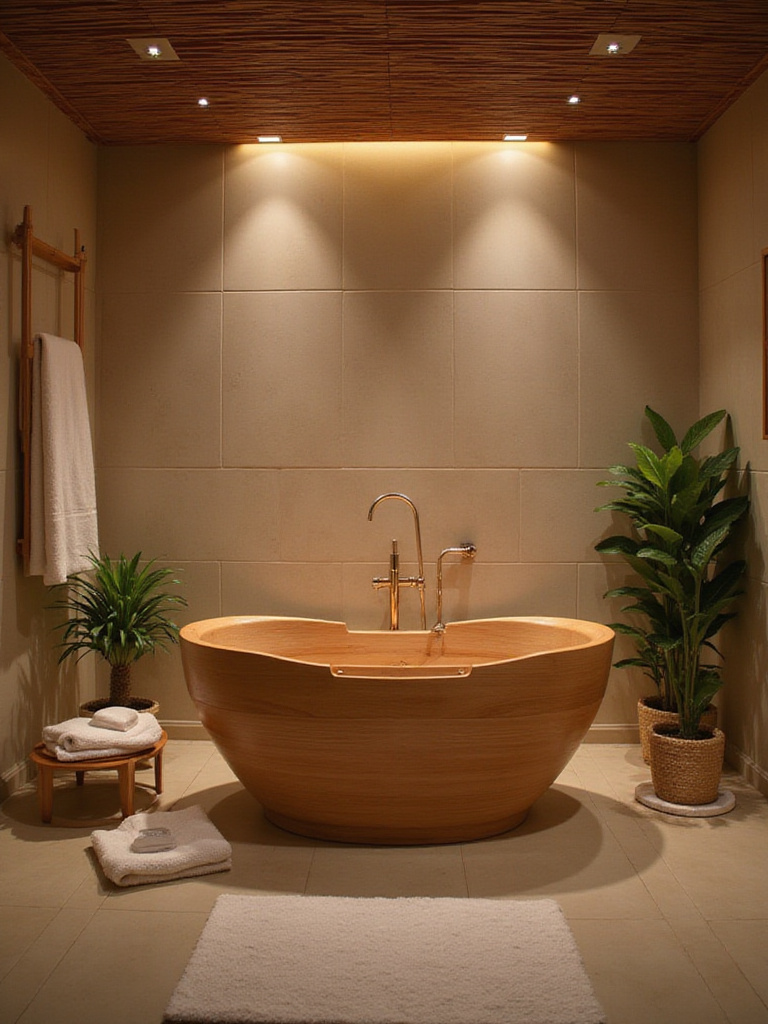
The idea of a wooden bathtub might seem counterintuitive, but with masterful craftsmanship and the right type of wood, they are perfectly watertight and incredibly durable. The joinery has to be impeccable. Wood is also a natural insulator, so it does a fantastic job of keeping the water warm for a very long soak. It feels fundamentally different from bathing in a hard, manufactured material. It’s softer, quieter, and more organic.
Let’s be honest: a wooden tub requires care. It’s not something you can just ignore. It needs to be kept properly hydrated and occasionally oiled. But I encourage clients to see this not as a chore, but as a rewarding ritual. Tending to this beautiful, natural object is part of the experience, connecting you to the material and the craftsmanship in a very grounding way.
15. The Fiberglass Tub: The Accessible Entry Point
Sometimes, the project calls for a solution that is straightforward, effective, and budget-conscious. That’s where fiberglass comes in. It’s the most accessible way to get a new tub installed, whether you’re updating a rental property, finishing a basement bathroom, or just need to replace an old fixture without a full-scale renovation.
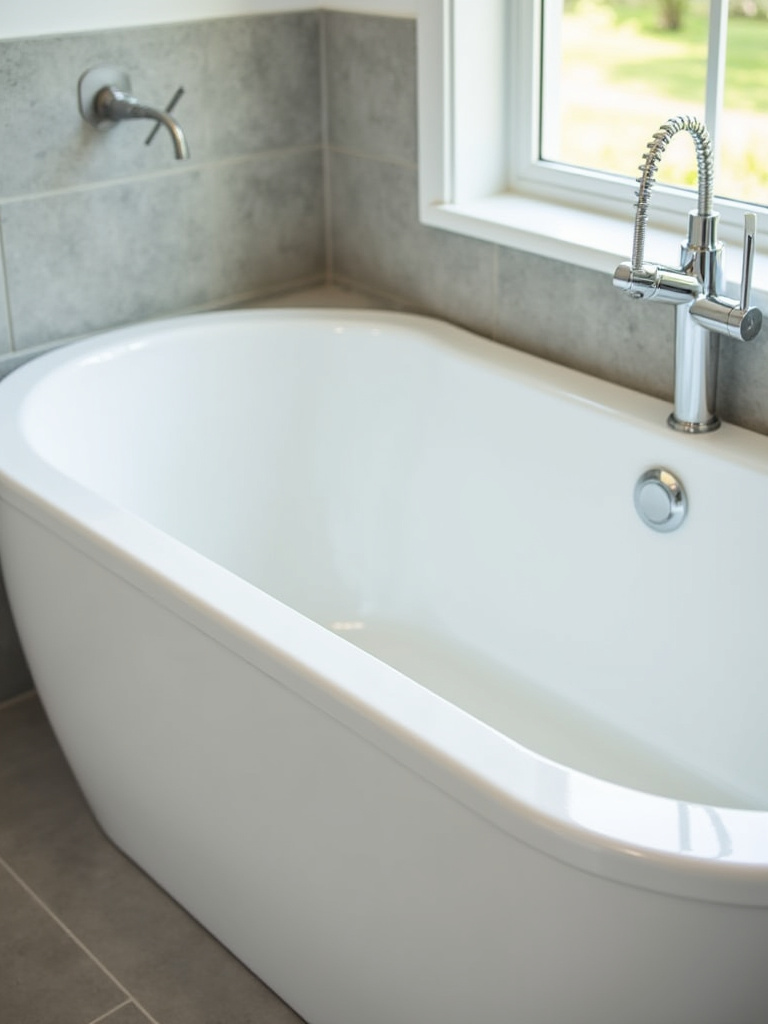
The biggest advantage is its incredibly light weight, which makes it easy to transport and install, even in second-story bathrooms, without ever having to worry about floor joists. The manufacturing process allows for features like molded-in soap dishes or grab bars to be included at no extra cost, which adds a nice bit of functionality.
While fiberglass may not have the luxury feel or heirloom longevity of materials like cast iron or stone resin, a well-installed unit will provide years of reliable service. The key to making it last is ensuring it’s installed correctly, ideally with a mortar bed underneath to provide a solid base and prevent any flexing or creaking. It’s an honest, practical choice that gets the job done.
16. The Bathtub Liner: A New Surface Without Demolition
What if your tub’s structure is fine, but the surface is stained, chipped, or just an unforgivable shade of avocado green? A bathtub liner is a clever solution that sits squarely between a full replacement and a simple refinishing job. It’s essentially a custom-molded, thin acrylic shell that is designed to fit perfectly over your existing tub.
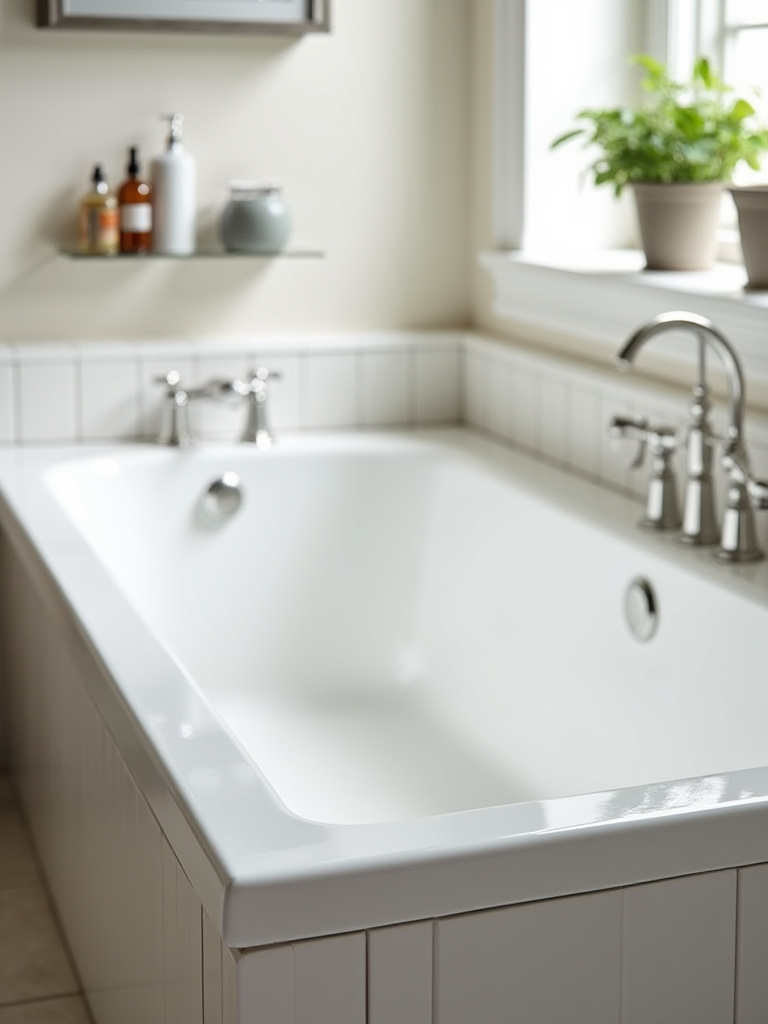
The process is surprisingly precise. A professional will come and take detailed measurements of your old tub, and a new liner is manufactured to those exact specifications. Installation is typically done in a single day, which is a massive advantage over a gut renovation that can leave you without a bathroom for weeks. You get a brand new, non-porous, easy-to-clean surface without the mess, cost, and waste of demolition.
From a sustainability standpoint, I really appreciate this approach. You’re not sending a perfectly functional, heavy old tub to the landfill. You’re extending its life, giving it a new face, and conserving resources. It’s a pragmatic and responsible way to achieve a major aesthetic upgrade.
17. Bathtub Resurfacing: A Fresh Start for a Classic Fixture
If a full liner isn’t necessary, professional resurfacing (or reglazing) can work wonders on a worn-out tub. This is much more than a simple DIY paint job. It’s a multi-step process where a trained technician meticulously preps the original surface—stripping, cleaning, and repairing any damage—before applying a powerful chemical bonding agent and several coats of a specialized, high-performance coating.
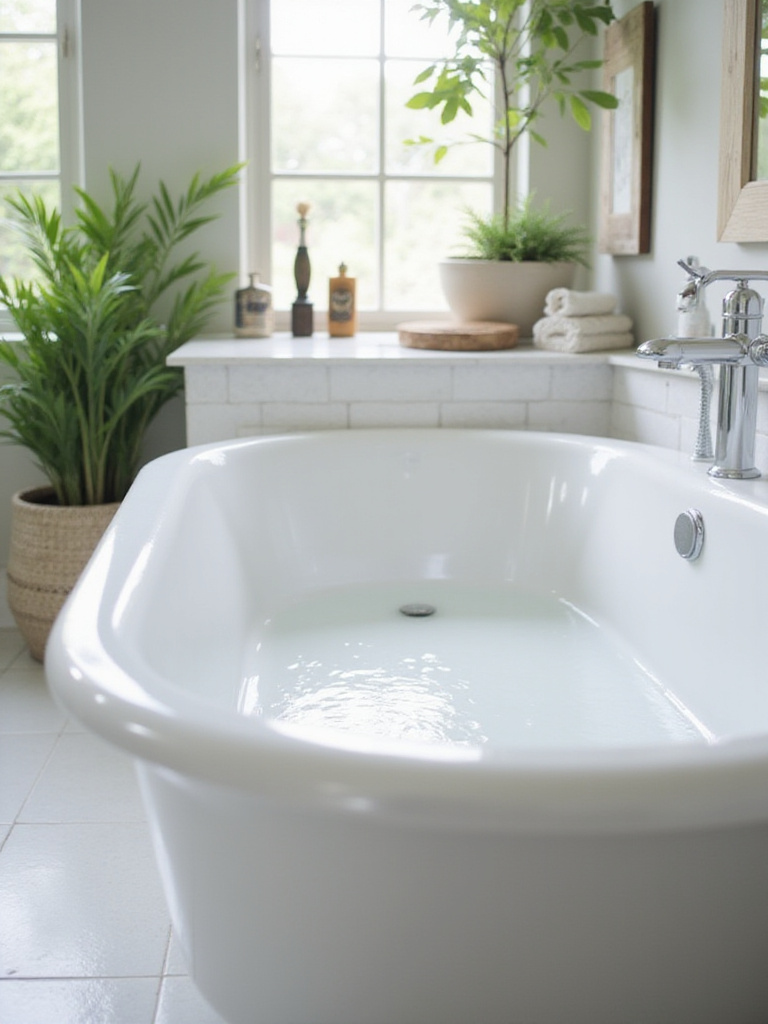
The result can be stunning. A stained, dull, and scratched old cast iron or porcelain tub can be transformed to look brand new, with a hard, glossy finish that’s durable and easy to maintain. It’s a fantastic way to restore a beautiful vintage piece that has structural integrity but has seen better days. It also gives you the freedom to change the color and update an outdated fixture to fit a new, modern design scheme.
Like a liner, resurfacing is a great way to avoid the landfill. It’s an act of restoration rather than replacement. The key is to hire a reputable professional. The quality of the prep work and the materials used is everything. A poorly done job will peel and fail quickly, but a professional-grade resurfacing can extend the life of your tub by another 10 to 15 years.
18. Chromotherapy: Bathing in a Spectrum of Light
Lighting has the power to completely change our mood, and chromotherapy takes that idea and immerses you in it. By integrating waterproof, full-spectrum LED lights into the bathtub itself, you can literally bathe in colored light. The light refracts through the water and steam, creating an environment that can be tailored to how you want to feel—calm, energized, or balanced.
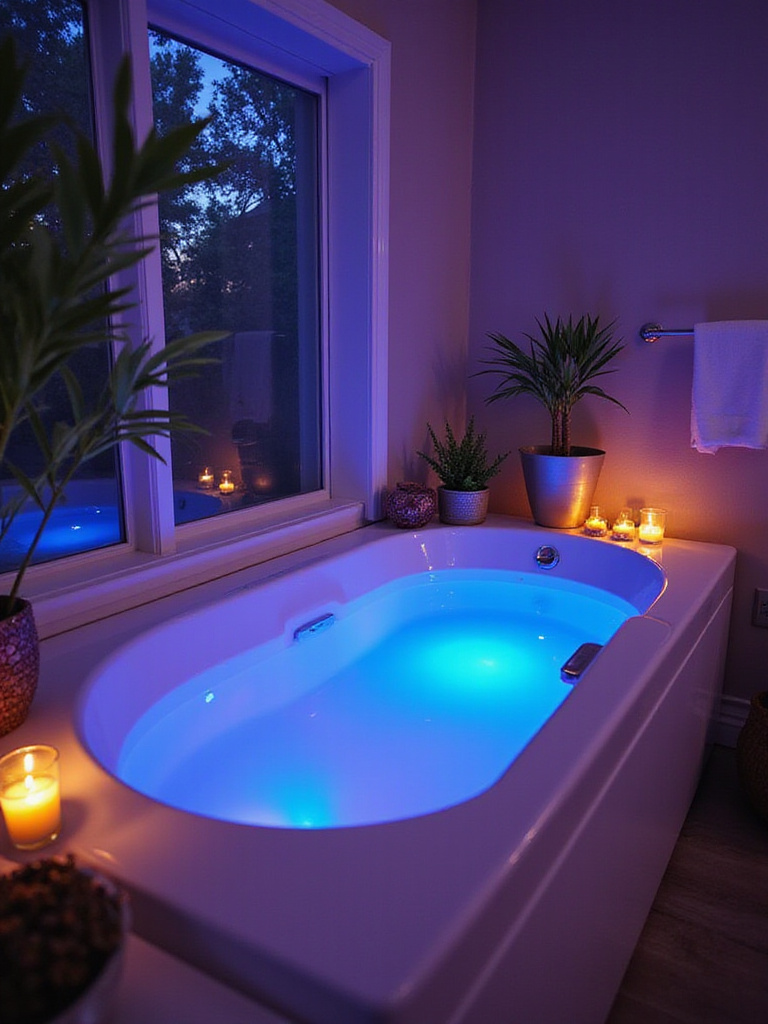
This might sound a bit “out there,” but there’s a real science to how different colors of light affect our psychology and even our physiology. Cool blue and green light, for example, is known to have a calming, soothing effect, which is perfect for an evening soak to de-stress from the day. Warmer tones like yellow and orange can feel more energizing and uplifting, which might be great for a morning bath on a gray day.
When you integrate this with other sensory elements, like a favorite scent from an oil diffuser or calming music, you move beyond simple bathing. You are curating a complete wellness experience. It’s about using technology not as a gimmick, but as a tool to create a more intentional and restorative personal ritual.
19. The Heated Surface: Eliminating the Cold Shock
There is no feeling quite like the cold, hard shock of leaning back against a chilly bathtub surface. It’s a moment that can break the spell of an otherwise relaxing bath. Heated surface technology is the elegant solution. It involves embedding low-voltage warming elements directly into the structure of the tub, typically in the backrest and floor areas.
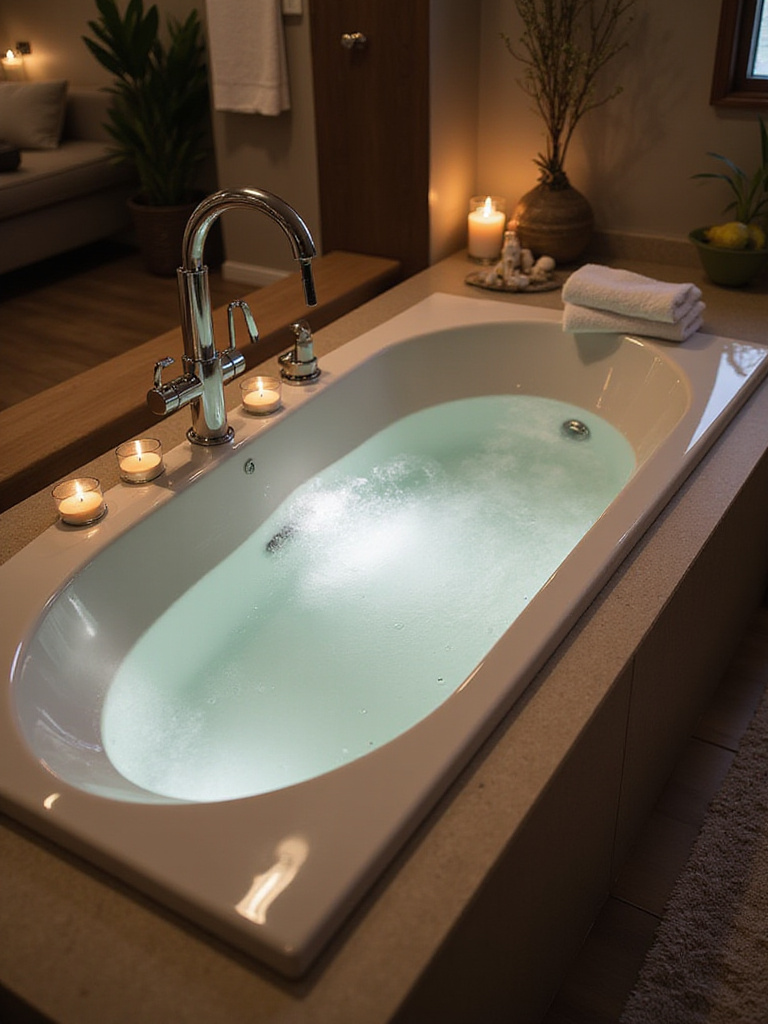
The system gently warms the tub’s surfaces, keeping them at a comfortable, neutral temperature. It’s a subtle luxury, but one that makes a world of difference. It also helps to maintain the bathwater’s temperature by reducing the amount of heat that the tub material itself leaches away. This means you can enjoy a longer, more comfortable soak without having to constantly add more hot water—another small but meaningful win for conservation.
This is a feature that must be planned for during installation, as it requires its own electrical circuit. But for anyone living in a colder climate, or for those who simply crave that extra layer of spa-like comfort, it’s an investment in a consistently perfect bathing experience.
20. The Shower/Tub Combo: A Study in Practicality
The humble shower/tub combination is the unsung hero of countless homes. For families, guest bathrooms, or any space where you can’t accommodate separate fixtures, it’s the most efficient and practical solution. But practical doesn’t have to mean boring. The design of these combos has evolved significantly.
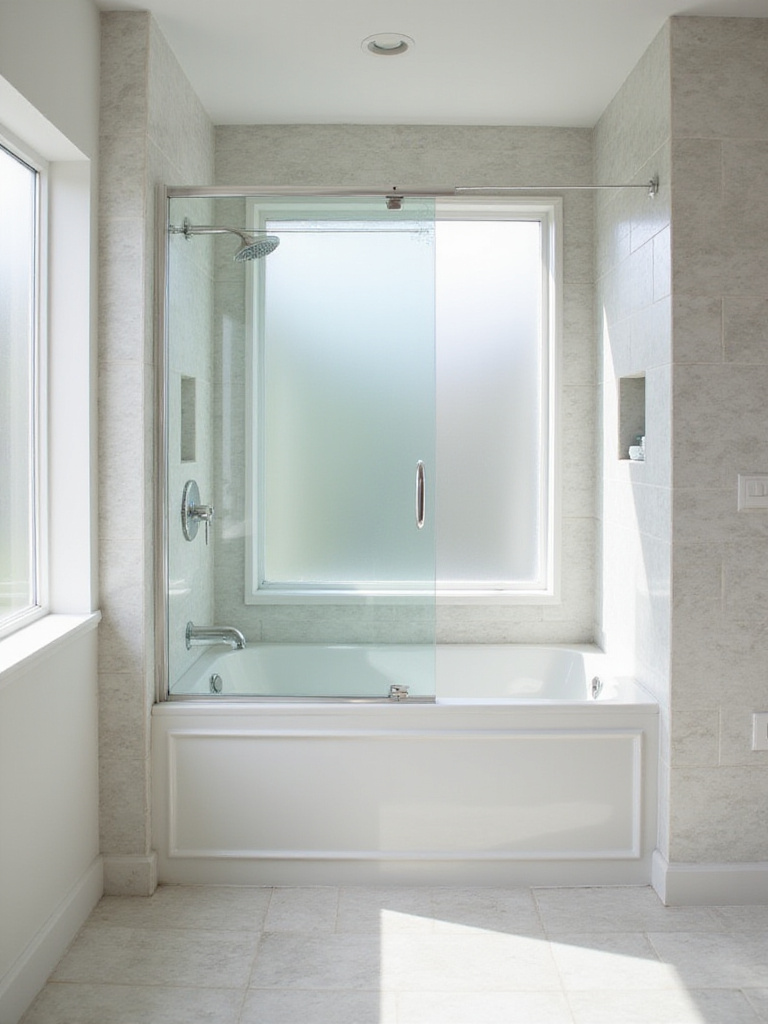
The challenge is to create a space that functions perfectly for both standing and sitting, showering and soaking. This means thinking about details like the placement of the controls so they’re easy to reach from any position, integrating storage niches that work for both bottles of shampoo and bath oils, and selecting a tub with a comfortable back slant but also a flat, safe standing area.
Today, you can find beautiful combo units made from high-quality materials, with thoughtful design details and even glass doors that feel far more sophisticated than a shower curtain. When you combine this functionality with a beautifully tiled surround and quality fixtures, a shower/tub combo can be a stylish and highly functional centerpiece of a hard-working bathroom.
21. The Zero-Threshold Bath: Seamless, Universal Access
Zero-threshold, or barrier-free, design is about creating spaces that are effortlessly accessible to everyone, regardless of age or mobility. When applied to a bathtub or a wet room, it involves eliminating the curb or lip and creating a seamless transition from the main bathroom floor into the bathing area. It’s a clean, minimalist aesthetic that also happens to be incredibly safe and practical.
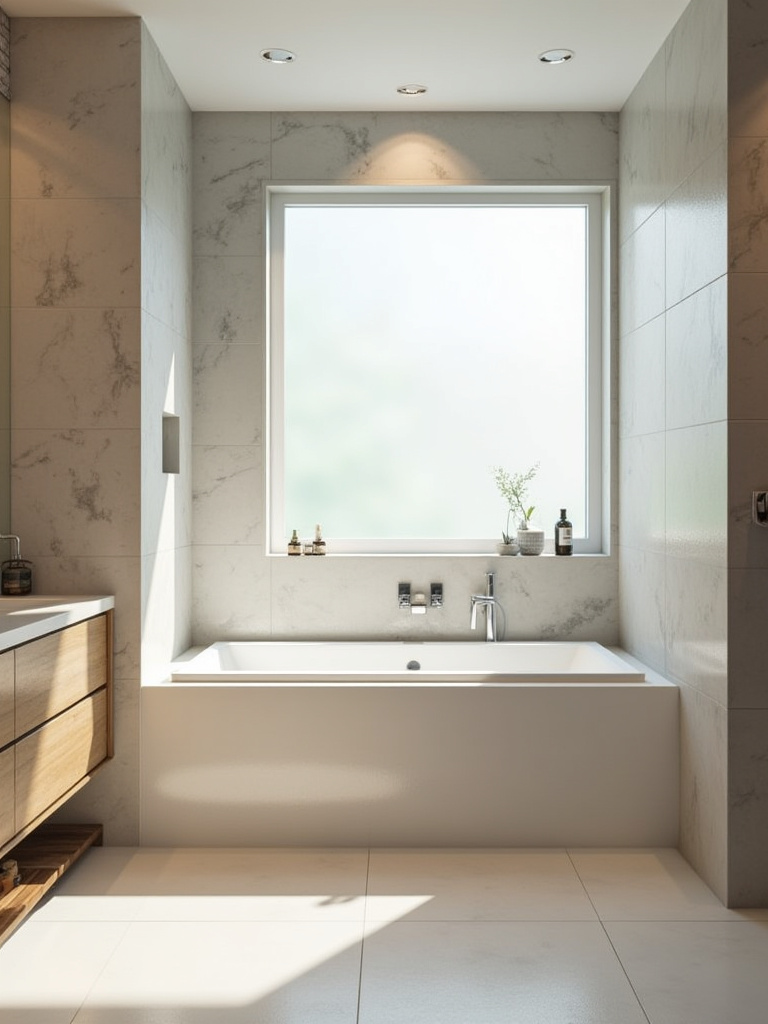
Achieving this requires meticulous design and installation. You need to create a gentle, almost imperceptible slope in the floor towards a high-capacity drain—often a sleek linear drain that runs along one wall. Underneath it all is a comprehensive waterproofing membrane system that ensures not a single drop of water goes where it shouldn’t.
What I love about this approach is that it’s the essence of universal design: a solution that enhances safety and accessibility for those who need it, while creating a beautiful, open, and more spacious-feeling design that everyone else can appreciate. It’s a forward-thinking choice that future-proofs your home with grace and style.
22. The Outdoor Tub: Soaking Under the Sky
There is something primal and deeply luxurious about bathing outdoors. It extends your home into the landscape, combining the restorative power of warm water with a direct connection to nature. Imagine soaking under a canopy of stars in the clear desert sky, or surrounded by a lush garden on a cool morning. It’s an experience that a conventional indoor bathroom simply cannot replicate.
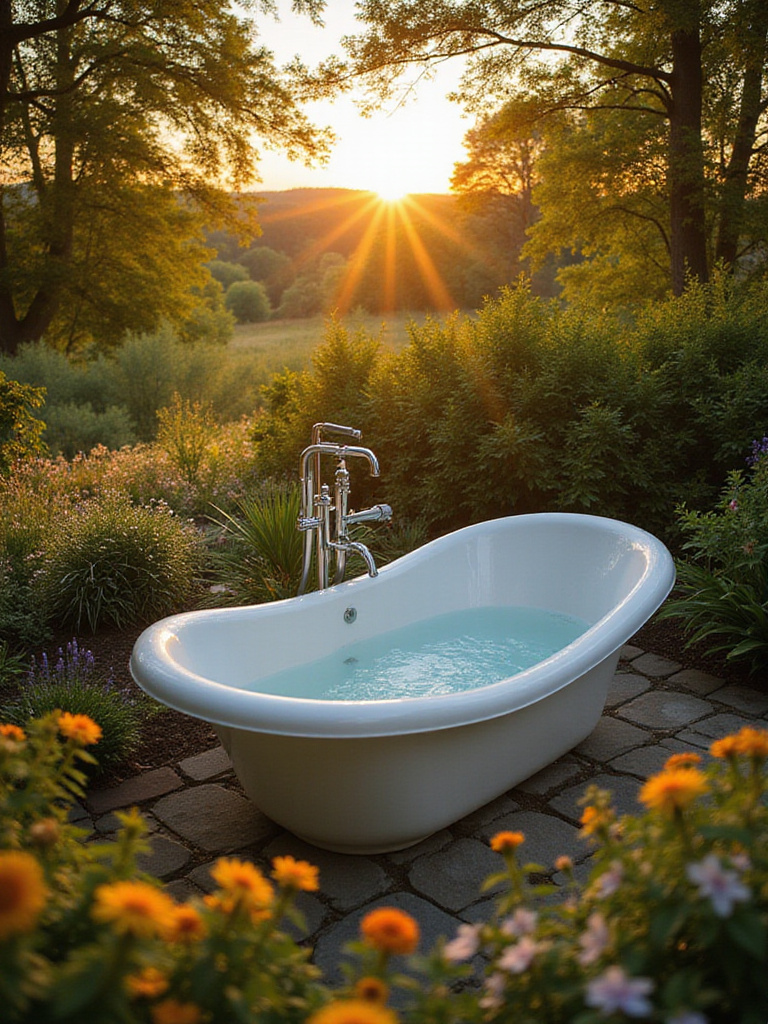
Of course, an outdoor tub requires careful planning. You need to consider privacy, running hot and cold water lines, and drainage. The materials must be durable enough to withstand the elements—stone, concrete, copper, or a high-quality resin are excellent choices. And for those of us in climates with four seasons, an integrated heating system can extend the usable season dramatically.
An outdoor tub can become the focal point of a private courtyard or a secret garden. It embodies the principle of indoor-outdoor harmony that I so often pursue in my work. It blurs the boundaries between the built environment and the natural world, creating a sanctuary that feels both wild and completely civilized.
23. The Smart Bathtub: Your Personal Bath Butler
Technology has finally entered the bathroom in a way that feels genuinely helpful. A smart bathtub uses home automation to give you precise control over your bathing experience, often right from your phone or with a voice command. You can tell your tub to fill to a specific depth and a perfect temperature, so it’s ready and waiting for you the moment you get home.
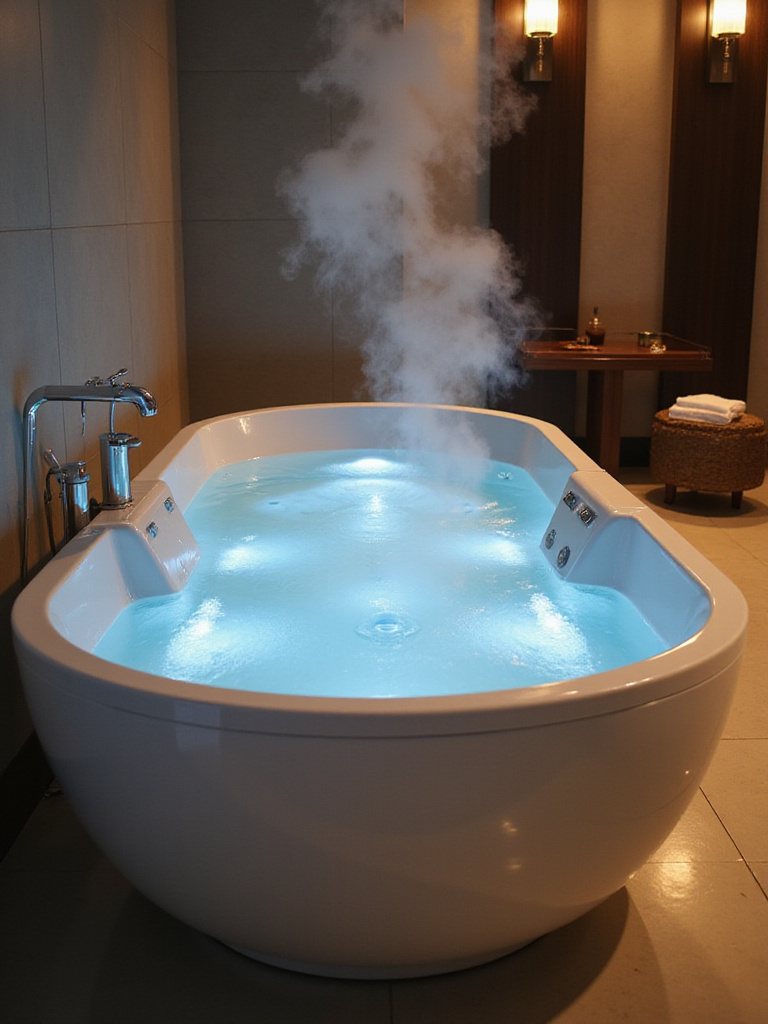
It might seem like a frivolous luxury at first, but think about the practicality. It eliminates the guesswork and the waste of water from overfilling or having to adjust the temperature multiple times. Advanced systems can even save presets for different members of the family. The best technology should simplify our lives and make our daily rituals more seamless and enjoyable, and that’s exactly what these systems aim to do.
Integrated safety features, like automatic shut-offs and temperature limiters, provide peace of mind. As our homes become more connected, the smart tub represents a shift toward a bathroom that is more responsive, efficient, and perfectly personalized to our needs.
24. Vibroacoustic Sound Therapy: Feeling the Music
This is the cutting edge of wellness at home. A vibroacoustic bathtub uses transducers integrated into the tub’s structure to turn the tub itself—and the water within it—into a speaker. But you don’t just hear the sound; you feel it as gentle vibrations resonating through your body. It transforms a passive soak into an active, multi-sensory therapeutic session.
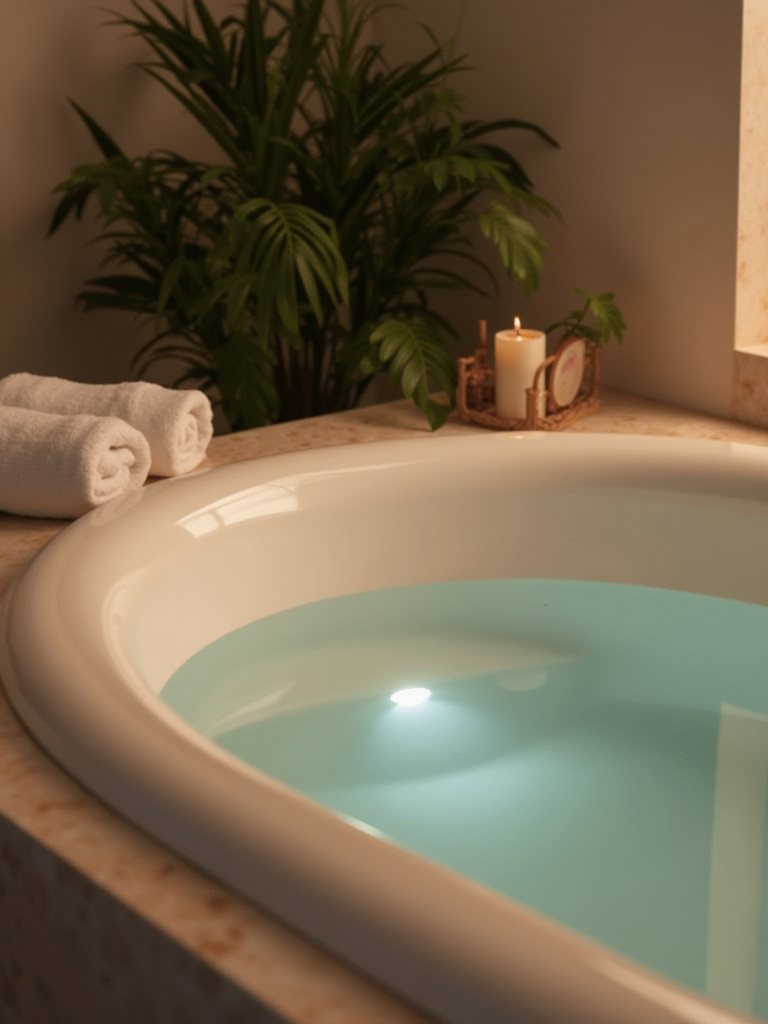
The science behind it is fascinating. Specific low frequencies have been shown to help induce a state of deep relaxation, similar to meditation. It can help reduce stress, soothe muscle tension, and create a profound sense of well-being by directly stimulating the nervous system. You can listen to curated sound therapy programs, guided meditations, or even your favorite music, and experience it in a completely new, immersive way.
It’s the ultimate convergence of technology and self-care, taking the ancient ritual of bathing and infusing it with modern therapeutic knowledge. It’s a testament to how our understanding of wellness is evolving and how our homes are evolving with it to become true sanctuaries for body and mind.
Finding Your Ritual
As we’ve seen, a bathtub is never just a bathtub. It can be a sculptural centerpiece, a hub for family life, a portal to nature, or a high-tech wellness tool. The choice you make is a reflection of your priorities—what you value in your daily life. Do you crave the mindful simplicity of a Japanese ofuro? The heirloom durability of cast iron? The seamless integration of an alcove clad in Tadelakt?
The right tub becomes the heart of a daily ritual. It offers a place to wash away the stress of the world and reconnect with yourself. By choosing thoughtfully, with an eye toward both beauty and function, material and meaning, you create more than just a beautiful bathroom. You build a personal sanctuary, and that is a luxury worth investing in.