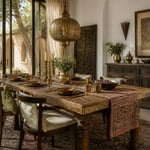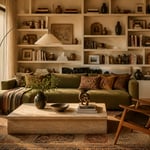
Traditionally, the kitchen was viewed simply as a domestic workshop. For decades, the “Frankfurt Kitchen” model dictated a rigid focus on hygiene and speed. However, a profound evolution is turning this room into the home’s “Living Lung.” Indeed, exploring modern dream kitchen ideas means prioritizing the psychological comfort of the inhabitant over mere utility. Now, the ideal space prioritizes biophilic connection. It serves as a seamless bridge connecting the interior with the raw elements of nature. Therefore, we must design specifically for the morning ritual. This critical hour requires an atmosphere of calm rather than frantic productivity.
This guide explores the architectural transition from efficiency lab to sensory retreat. We will examine the implementation of “Prospect and Refuge” theory using disappearing glass walls. Specifically, we discuss the vital role of low-angle East-facing light in regulating circadian rhythms. Instead of cold quartz, we analyze the haptic value of “leathered” natural stone. Additionally, we highlight how to dampen acoustic noise using perforated wood and cork. We also reveal techniques to camouflage industrial appliances behind “living finishes.” Finally, we look at “olfactory layering” to preserve the gentle scents of the garden. Ultimately, these elements combine to create a temple for waking up.
Philosophical Anchor: Redefining Luxury as ‘Breathing Space’ – Moving beyond square footage to prioritize air quality, light, and flow.
True luxury has evolved beyond material excess. Historically, the “dream kitchen” was defined by heavy appliances and crowded cabinetry. Yet, exploring 18 sophisticated luxury kitchen ideas reveals that today, we prioritize “Breathing Space.” This concept shifts the focus from square footage to atmospheric well-being. Fundamentally, this starts with invisible architecture. For instance, high-performance induction cooktops are replacing gas. This significantly reduces indoor pollutants like nitrogen dioxide. Therefore, the air remains crisp. Consequently, the kitchen transforms from a utility zone into a place of “Olfactory Neutrality,” where cooking smells vanish instantly.
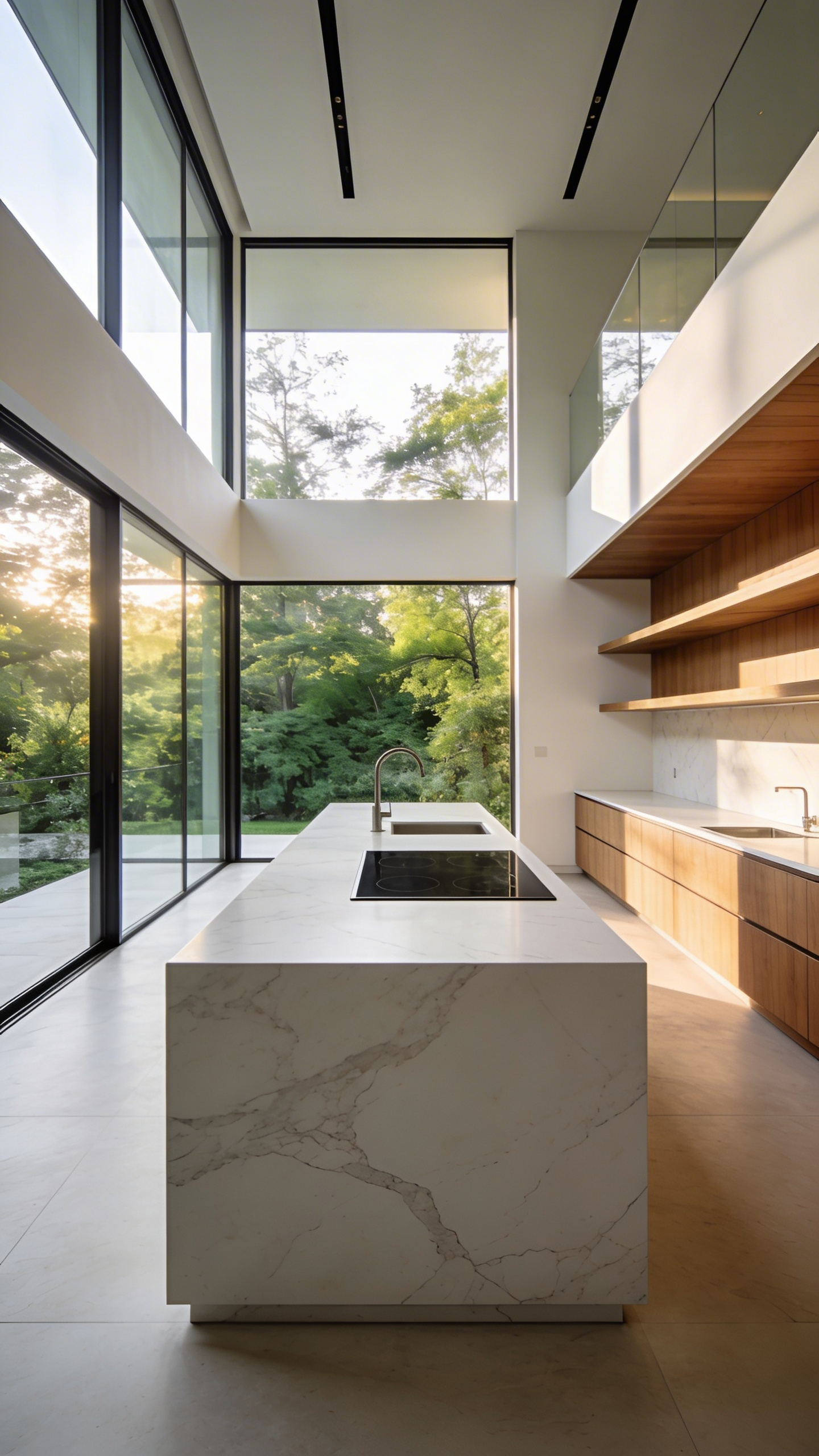
Similarly, light acts as a nutritional element. Rather than relying on surgical LEDs, we employ “Borrowed Light” through glass partitions. Specifically, high-CRI lighting ensures ingredients look vibrant and alive. This mirrors the natural “Golden Hour,” helping to regulate the inhabitant’s circadian rhythms.
This philosophy also embraces the Japanese concept of *Ma*, or negative space. Consequently, we replace oppressive upper cabinets with bare walls or single shelves. This “Visual Silencing” allows the eye to rest. Widening walkways beyond standard dimensions creates a generous radius of motion. Thus, two cooks can move freely without their energies clashing. Finally, we turn to haptic breathability. Instead of cold, glossy surfaces that amplify noise, we select honed marbles and warm woods. Indeed, these porous materials absorb sound, reducing subconscious stress. Ultimately, a breathable kitchen connects us to nature, becoming a restorative sanctuary.
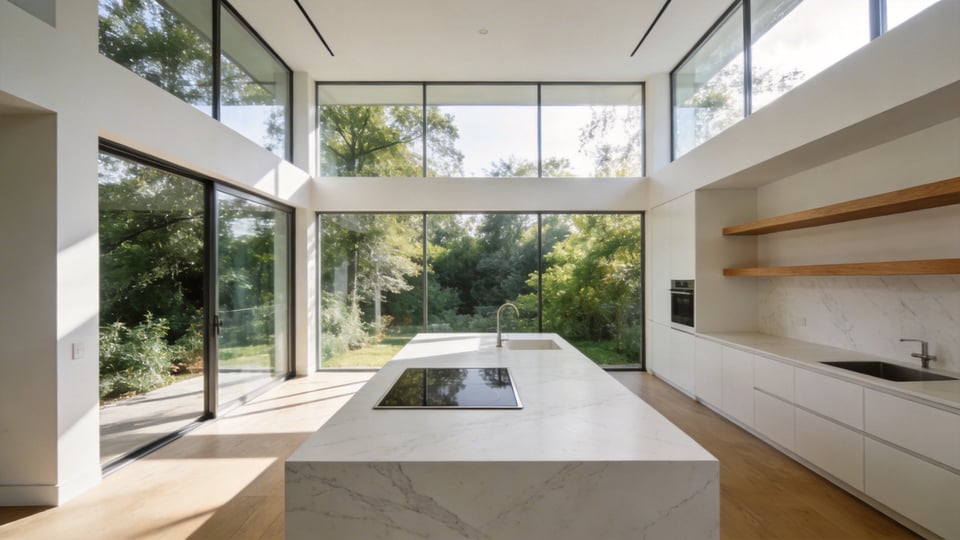
Dissolving the Fourth Wall: Floor-to-Ceiling Glazing Systems that erase the line between culinary creative space and the outdoors.
The concept of “dissolving the fourth wall” transforms a modern kitchen design into a nature-integrated sanctuary. Historically, modernist architects like Mies van der Rohe pioneered this visual openness. However, today’s designs evolve beyond simple windows into structural glass pavilions. Consequently, the kitchen becomes a front-of-house stage for “dynamic living art.”
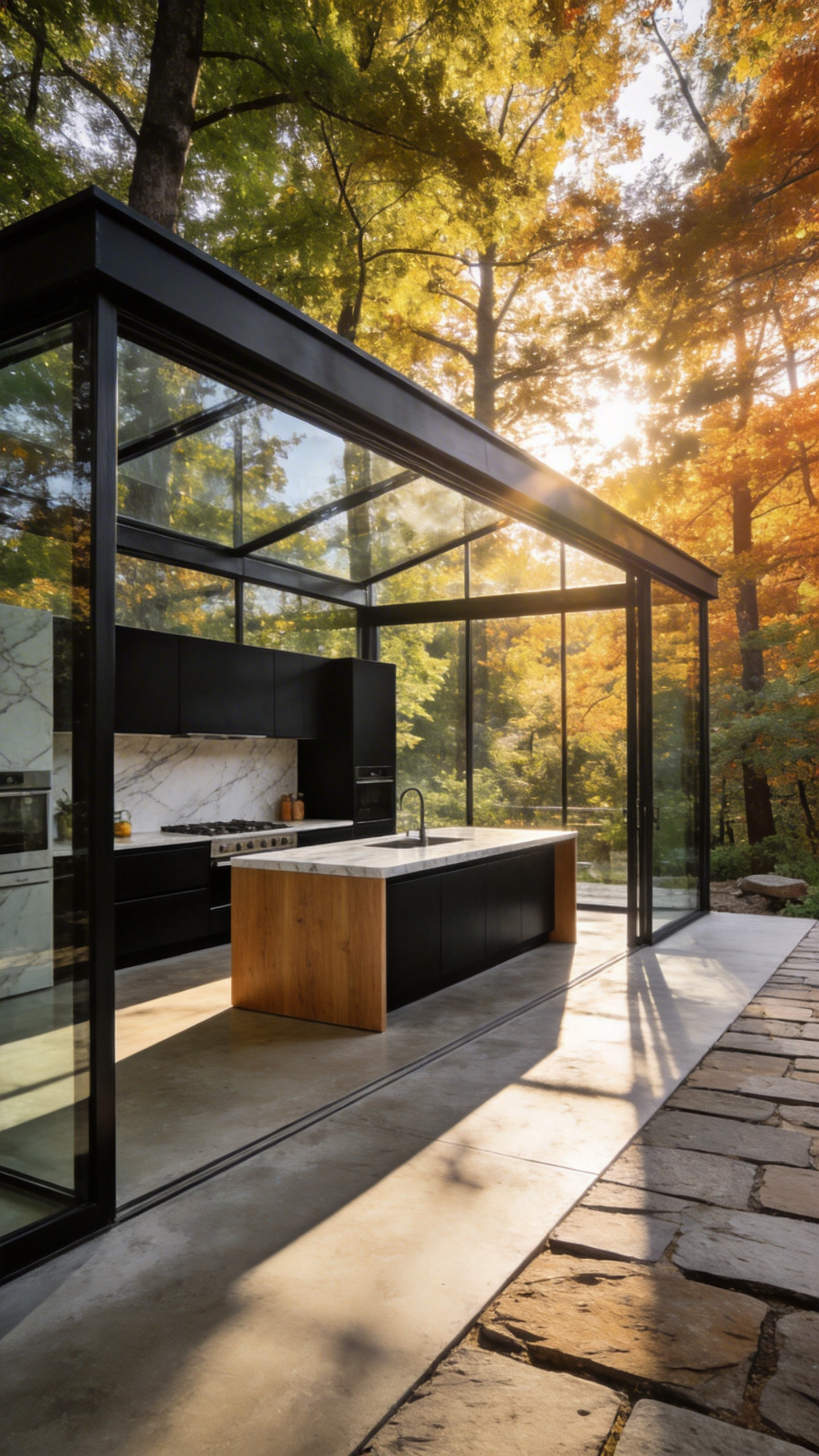
Beyond aesthetics, this design supports culinary precision. Specifically, floor-to-ceiling glazing provides full-spectrum light for accurate food preparation. Thus, chefs can better judge the vibrancy and doneness of ingredients. Indeed, these clear views reduce cortisol, encouraging a creative “flow state.”
To successfully erase the boundary, engineering must be invisible. For instance, flush-threshold tracks are recessed directly into the floor slab. Therefore, indoor materials flow effortlessly onto the patio without a lip. Additionally, Low-E glass coatings manage heat, ensuring comfort across all seasons. “Pocket doors” slide into walls to physically remove the barrier. Ultimately, this expands the floor plan and creates a unified social hub.
The Biophilic Island: Integrating live planters and hydroponic herb troughs directly into quartz and quartzite worktops.
Transforming a kitchen island into a “living monolith” requires a sophisticated marriage of stone fabrication and waterproofing. This is a hallmark of contemporary kitchen design ideas that blend form and function. Specifically, high-end fabricators utilize CNC waterjet cutting to carve precise recessed troughs directly into the slab. Because natural quartzite can carry internal fissures, technicians often reinforce these cutouts with carbon fiber rods. Consequently, this ensures structural integrity while maintaining a seamless, flush-mount finish. To prevent moisture migration, a custom stainless steel liner sits inside the cavity.
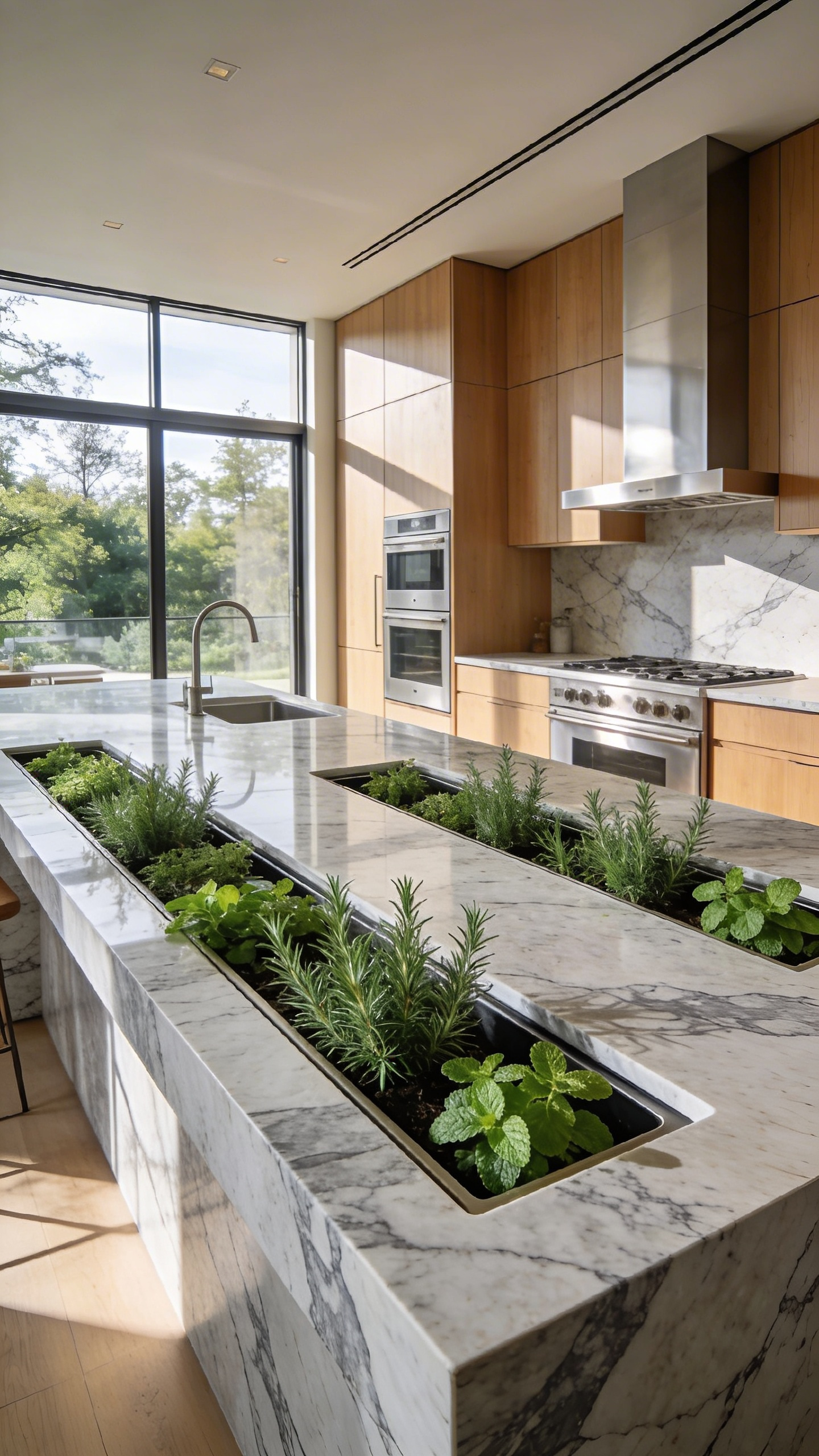
The choice of surfacing material plays a pivotal role in this biological integration. Engineered quartz is particularly effective here due to its non-porous nature. Therefore, it prevents mold growth in humid hydroponic environments better than softer, porous stones. Conversely, natural quartzite offers a “geological narrative.” The organic veining visually mimics the roots of the plants it holds. Ideally, designers select a honed or leathered finish. This matte texture softens the glare from integrated grow lights, feeling more like natural earth.
Ultimately, this design choice is about sensory architecture. Placing the trough in the prep zone shifts the narrative from static decor to active ingredient. For instance, bruising a rosemary leaf against the cool stone releases essential oils immediately. Thus, the modern island becomes a functional “Physic Garden,” blending the cold precision of stone with the warmth of living nature.
Materiality: The Return of ‘Living’ Finishes – Why unlacquered brass and honed soapstone offer more soul than high-gloss perfection.
Contemporary design is shifting away from sterile, high-gloss perfection. Instead, we are embracing “living” finishes that offer warmth and history. Specifically, unlacquered brass acts as a distinctive “chronicle of touch.” Chemically, the raw metal oxidizes upon exposure to air. However, frequent handling keeps high-use areas bright and golden. Consequently, this creates a rich, organic “patina map” of daily life. Essentially, the hardware wears *in* rather than wearing *out*.
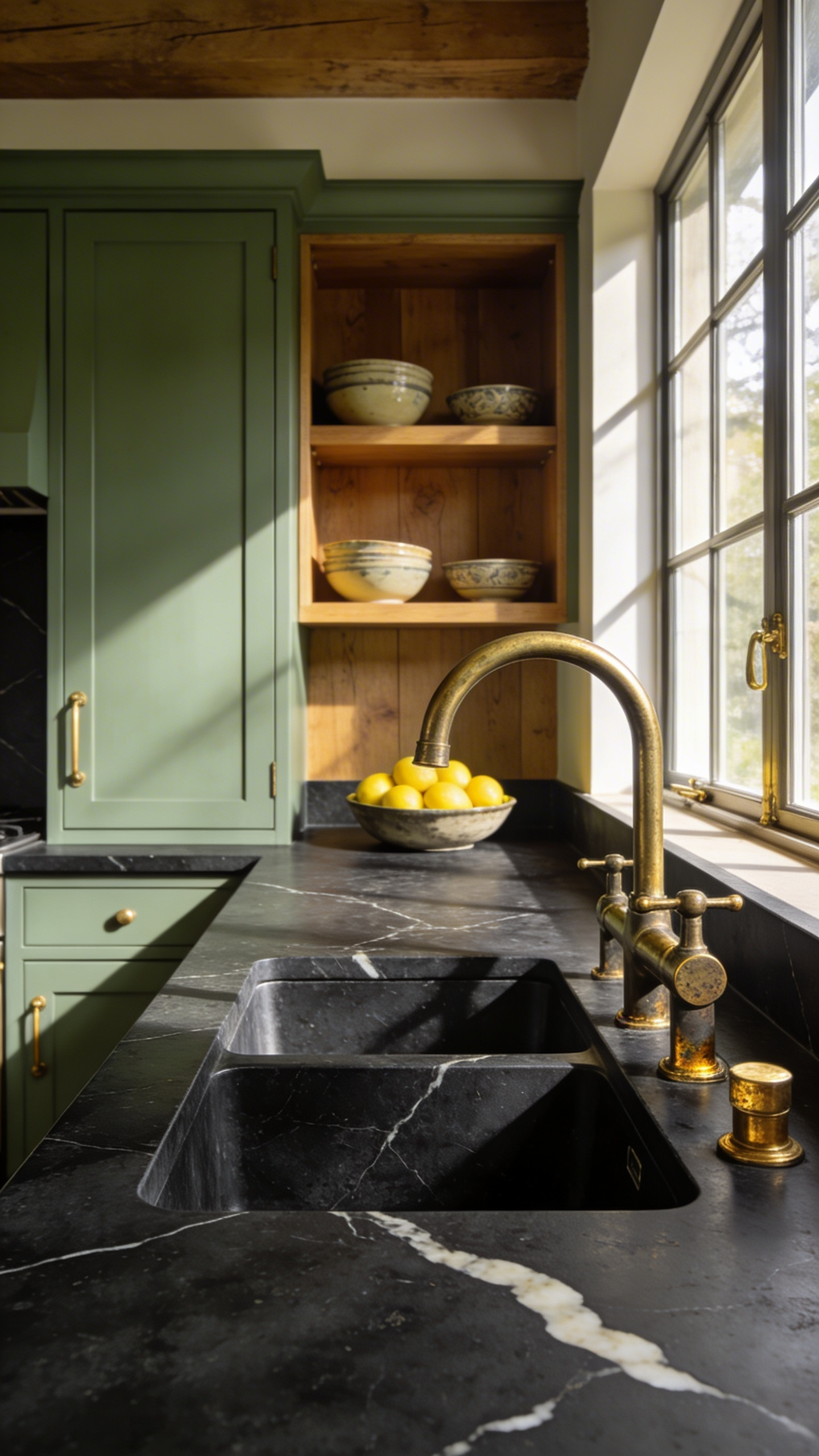
Similarly, honed soapstone offers a superior sensory experience. Unlike the cold hardness of polished granite, steatite feels soft and silky. Historically, this stone lined wood stoves in service kitchens. Therefore, it withstands extreme heat without thermal shock. Moreover, the material is chemically inert. Thus, common acids like lemon juice will not etch the surface. The optional ritual of oiling the stone deepens it from charcoal to midnight black.
Ultimately, this material palette reflects the philosophy of *Wabi-Sabi*. Indeed, we are rejecting “plasticized” luxury for authentic durability. Scratches become memories rather than defects. This approach prioritizes sustainability through longevity. These are “forever materials” designed to mature alongside the home, offering soul rather than mere shine.
Seamless Grounding: Continuing continuous terrazzo or large-format stone flooring from the stove to the patio for visual expansion.
Creating a sense of infinite space begins with the concept of “visual expansion.” Specifically, when the eye encounters a floor without breaks, the brain processes the room as larger. Therefore, eliminating thresholds allows the kitchen and patio to merge into one massive living plane. To achieve this, architects utilize large-format stones or poured terrazzo. Consequently, this minimizes grout lines that typically act as visual “speed bumps,” effectively stretching the architectural footprint.
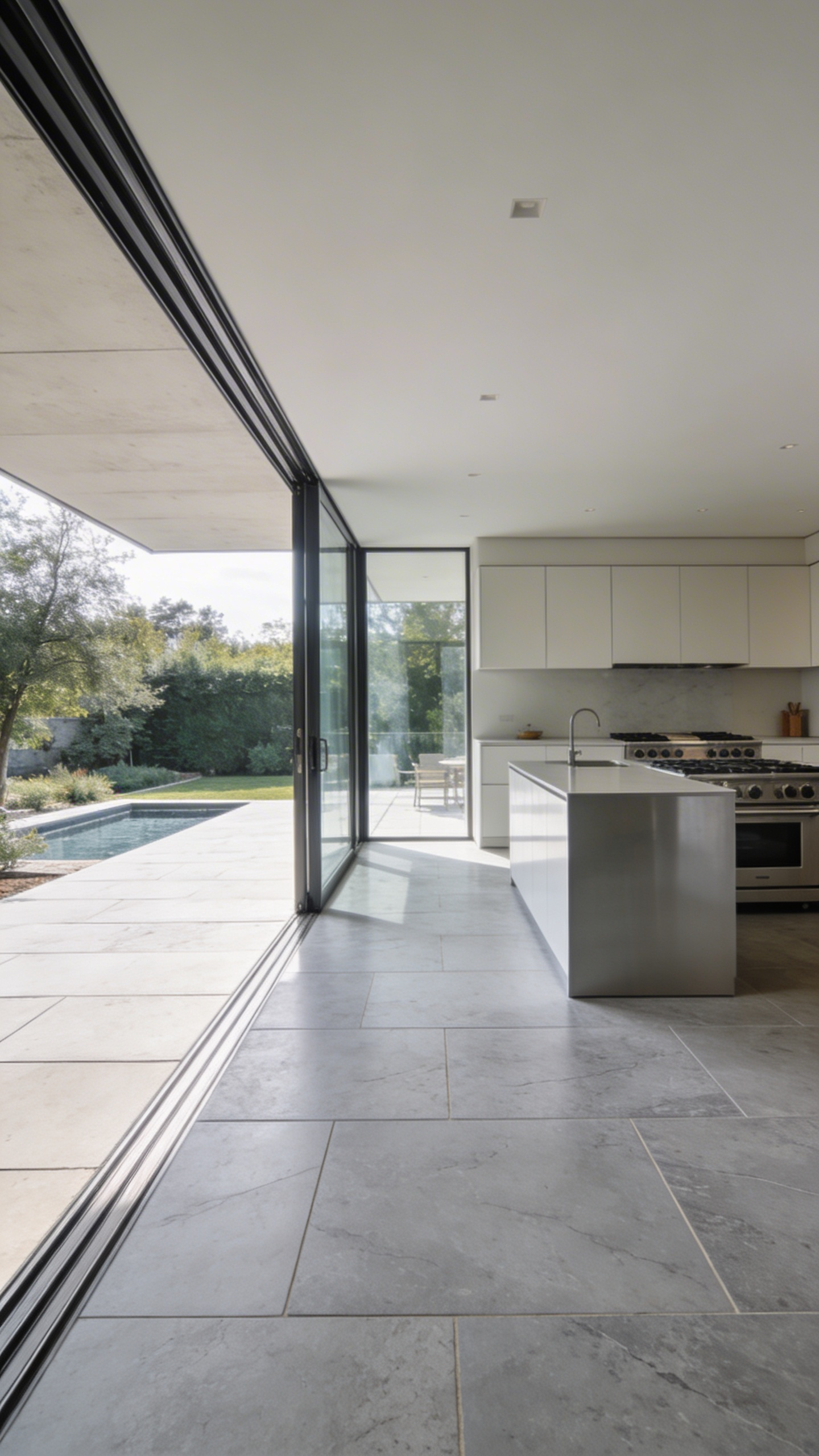
However, true seamlessness requires technical precision. For instance, high-end builds employ zero-threshold recessed tracks. These are sub-mounted into the slab, making the boundary invisible when doors are open. Additionally, hidden linear drains made of marine-grade stainless steel prevent flooding while maintaining a flush level.
Beyond mechanics, this design choice is deeply sensory. In fact, natural materials like limestone provide thermal mass. Thus, they remain cool during summer, physically drawing inhabitants toward the outdoors. Historically, this echoes the Venetian “terrazza,” where artisans used waste marble to unify indoor workshops with gardens.
Ultimately, the choice involves a debate between “living” and “static” surfaces. Natural stone develops a patina over time, adding soul and history. Conversely, modern porcelain resists UV fading, offering a pristine, unchanging aesthetic for decades. Regardless of the material, the goal remains the same: destroying the box to connect with nature.
The Breathable Layout: Implementing passive ventilation architecture and clerestory windows to naturally cool the ‘hearth’ of the home.
The modern luxury kitchen acts as a massive heat generator. Consequently, the “hearth” often threatens to overheat the entire home. Traditional designs rely on noisy mechanical hoods to combat this. However, true luxury demands a quieter, bioclimatic approach. Specifically, we utilize the “Stack Effect” through high-placed clerestory windows. Since hot air is less dense, it naturally rises. Therefore, placing operable windows at the highest point creates a vacuum.
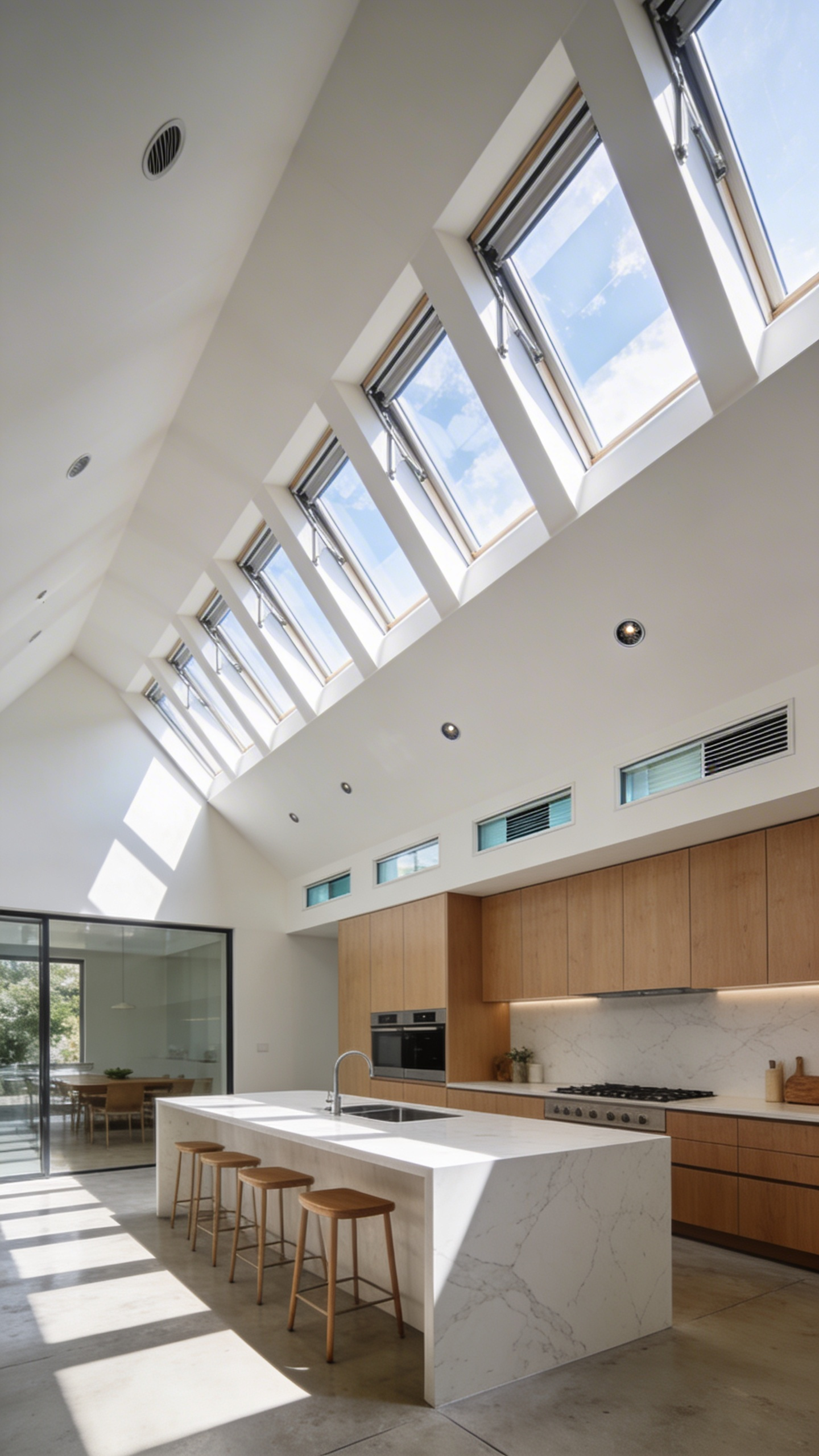
Simultaneously, low-level inlets draw denser, cooler air inside. This pressure differential effectively pushes heat and odors out. As a result, residents enjoy a “silent breeze” on their skin. This tactile cooling occurs without the intrusive roar of motors. This approach reclaims the acoustic serenity of the space. Heavy mechanical ventilation creates unwanted acoustic pollution during social gatherings. Conversely, passive ventilation handles the daily thermal load in total silence.
Additionally, this breathable layout balances fire with stone elements. Materials like soapstone or concrete islands act as “thermal mass.” They absorb heat generated during the day. Subsequently, opening clerestories at night creates a “night flush.” The cool night air chills the stone surfaces effectively. Thus, the kitchen feels crisp, grounded, and breathable by morning.
Climate-Adaptive Cabinetry: Selecting marine-grade plywood and humidity-resistant veneers that withstand tropical humidity and steam.
In tropical environments, high humidity is a silent adversary for luxury cabinetry. Consequently, standard joinery often succumbs to hygrothermal stress. Therefore, creating a resilient “dream kitchen” requires adopting marine-grade engineering. Specifically, the structural core must meet the international BS 1088 standard. Unlike typical plywood, this material features a “void-free” construction. Thus, it prevents internal micro-climates where condensation usually fosters fungal growth.
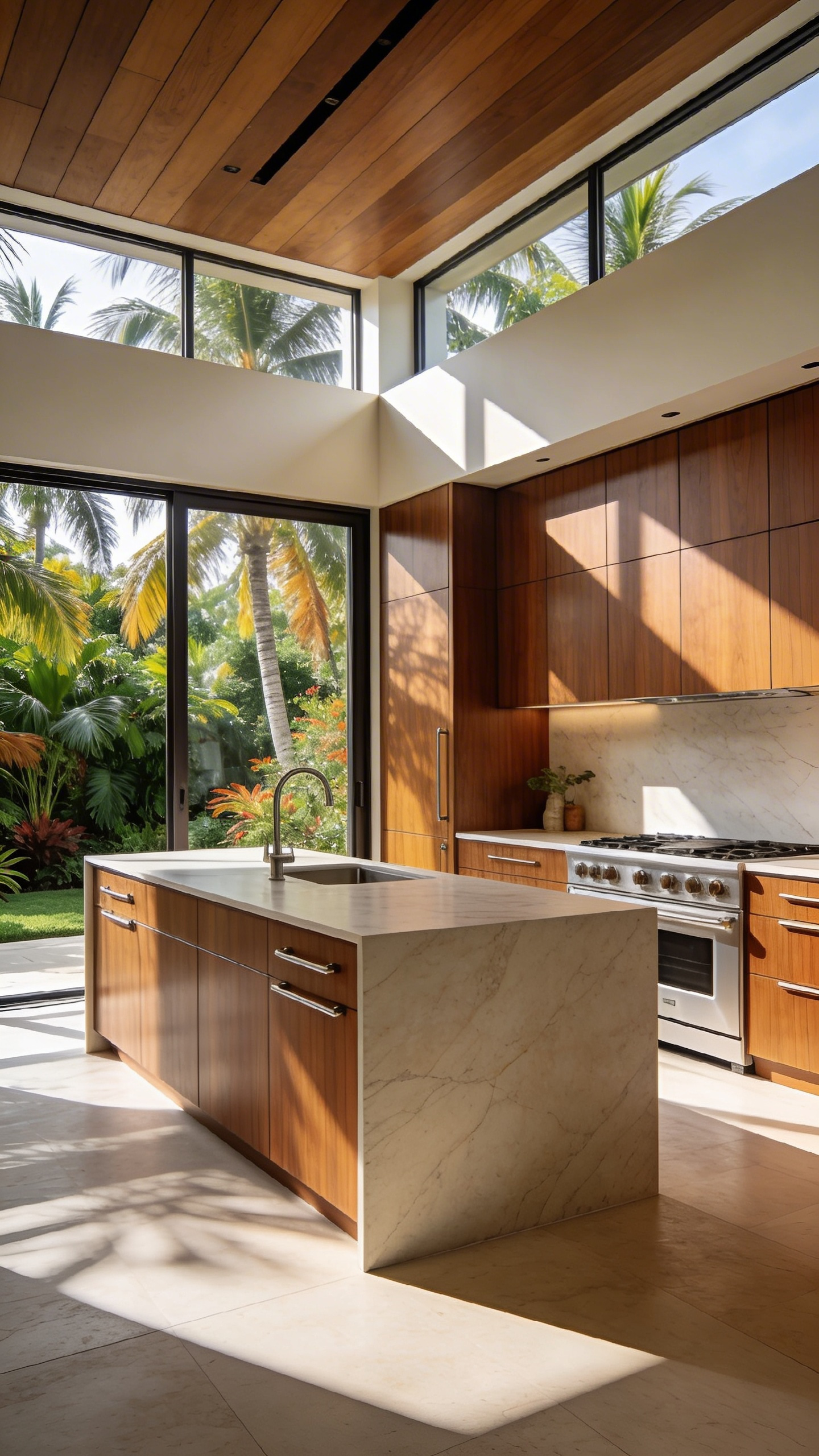
Furthermore, the stability of these cabinets relies on the adhesive. We utilize WBP (Water Boil Proof) Phenolic Resin. Remarkably, this thermosetting bond withstands the intense heat above a range-top. It effectively creates a “land-bound vessel” capable of enduring extreme moisture without delamination.
Visually, the surface must be equally robust. For instance, we apply phenolic-backed veneers to create an impermeable moisture barrier. Alternatively, reconstituted technical veneers offer the grain of rare timber without natural tension. This ensures the finish remains sleek, avoiding the “telegraphing” caused by swelling substrates.
Finally, true climate adaptation addresses airflow. Ideally, designs should integrate micro-perforated toe kicks or rear ventilation gaps. Additionally, relying on 316-grade stainless steel hardware prevents oxidation. Ultimately, this approach shifts the design from disposable luxury to inheritance-grade engineering.
The Invisible Scullery: Designing a ‘mess kitchen’ behind cane-webbed doors to keep the main entertaining space visually serene.
The modern luxury kitchen has evolved from a utility zone into a primary social stage. Consequently, the “mess kitchen” or scullery must retreat from view to maintain serenity. This layout creates “visual silence” by hiding high-output appliances behind elegant cabinetry. Specifically, incorporating cane-webbed doors offers a sophisticated technical solution beyond mere aesthetics.
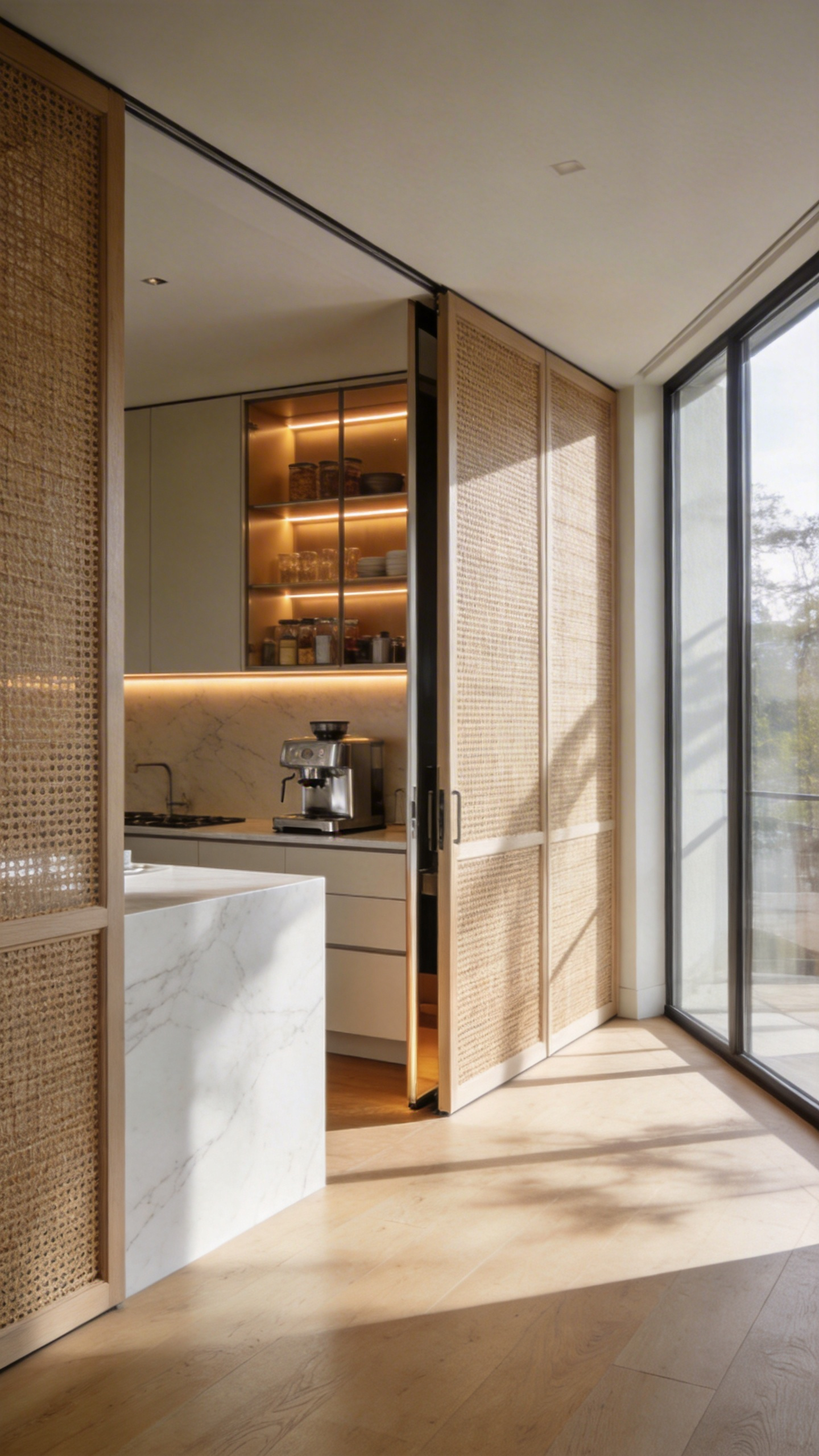
Unlike solid joinery, the natural weave provides necessary passive ventilation. Therefore, trapped heat from running appliances, like steam ovens or wine fridges, dissipates safely. Furthermore, the fibrous material acts as a subtle acoustic dampener. It effectively softens the hard clatter of dishwashers, keeping the main entertaining space quiet. Mechanically, we often utilize pocket-pivot hinges for these concealment doors.
This hardware allows the panels to slide away completely into the cabinetry walls. Thus, the scullery becomes a seamless extension of the kitchen during active meal prep. Conversely, closing the doors instantly hides the inevitable culinary disorder. internal lighting can filter through the rattan, creating a warm, lantern-like glow. Ultimately, this design strategy provides the luxury of an effortless, clutter-free aesthetic.
Organic Lighting Architecture: Layering woven bamboo pendants with solar-responsive smart LEDs for mood transition.
Lighting in a modern luxury kitchen requires more than simple illumination. Specifically, it demands a strong biological connection. Unlike standard glass globes, woven bamboo pendants create complex “fractal light” patterns. Consequently, these rhythmic shadows mimic sunlight filtering through a forest canopy, reducing stress levels naturally.
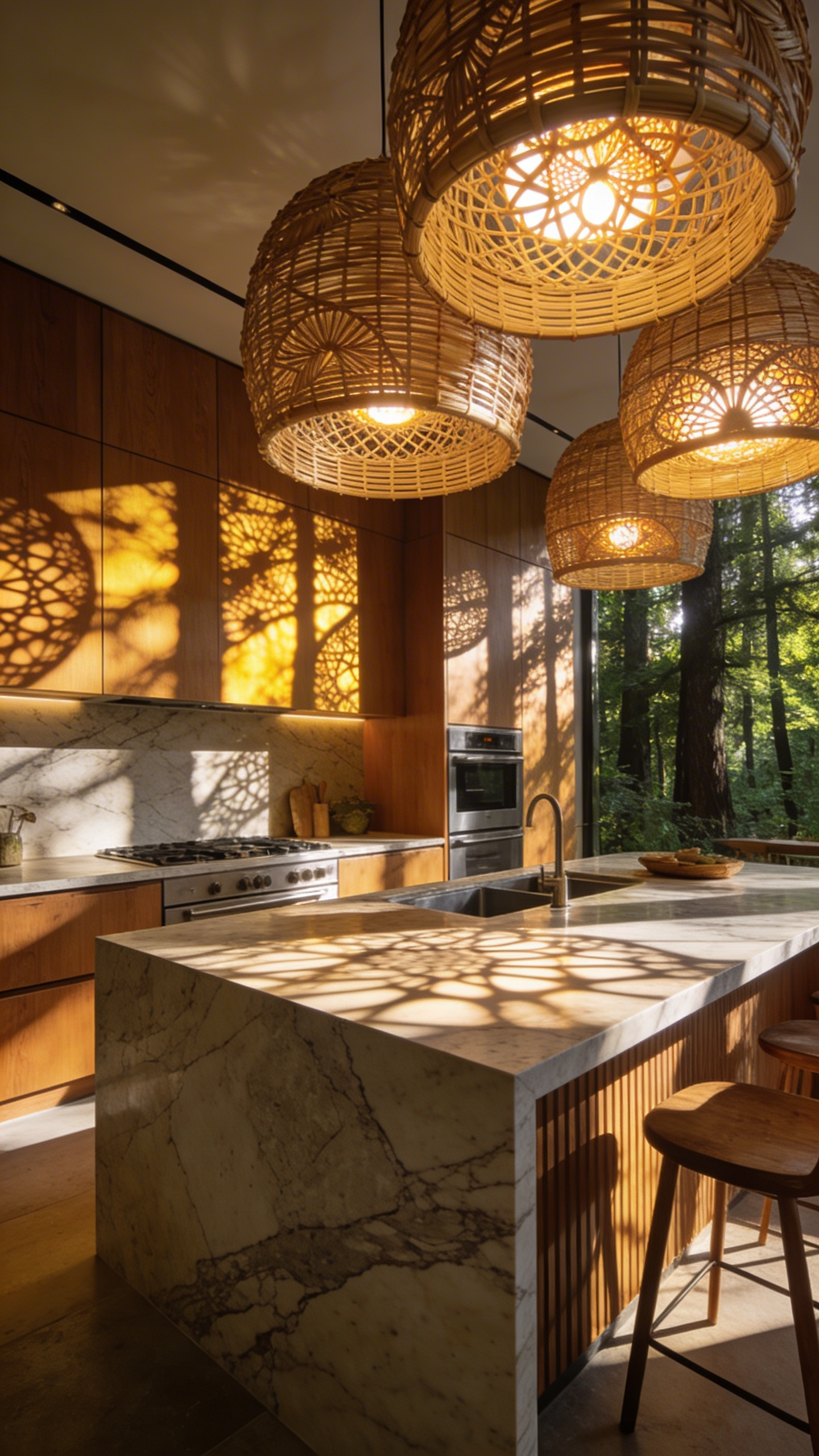
However, the aesthetic needs intelligence to truly function. Therefore, designers integrate Tunable White technology directly within the natural weave. These systems utilize sensors to track the local “Blue Light Curve.” As a result, the light shifts from a cool, focused midday sun to a warm sunset glow. This ensures the kitchen acts as a solar extension of the outdoors.
Furthermore, the weave structure itself defines the room’s atmosphere. For instance, the open hexagonal *Mutsume-ami* pattern creates volume without adding heavy visual mass. Thus, the kitchen feels expansive rather than cluttered.
Crucially, this setup masters the “Golden Hour” transition. Around 6:00 PM, sensors shift the LEDs to a deep amber. Because bamboo naturally enhances warm wavelengths, the pendants transform into glowing lanterns. Ultimately, this visual cue signals the nervous system that work has ended and dining has begun.
Water Consciousness as Luxury: High-end filtration taps and greywater systems that serve both the chef and the garden.
True luxury treats water as a curated ingredient rather than a generic utility. Specifically, high-end design now prioritizes “mineral literacy” over simple purity. Unlike Reverse Osmosis, Ultra-Filtration retains essential calcium and magnesium. Consequently, culinary professionals prefer this method to preserve the structural integrity of blanched vegetables. The experience extends to acoustics. Brands like Dornbracht engineer laminar flow to create silent, glass-like streams. Thus, the kitchen remains a meditative sanctuary without the hiss of aerated taps.
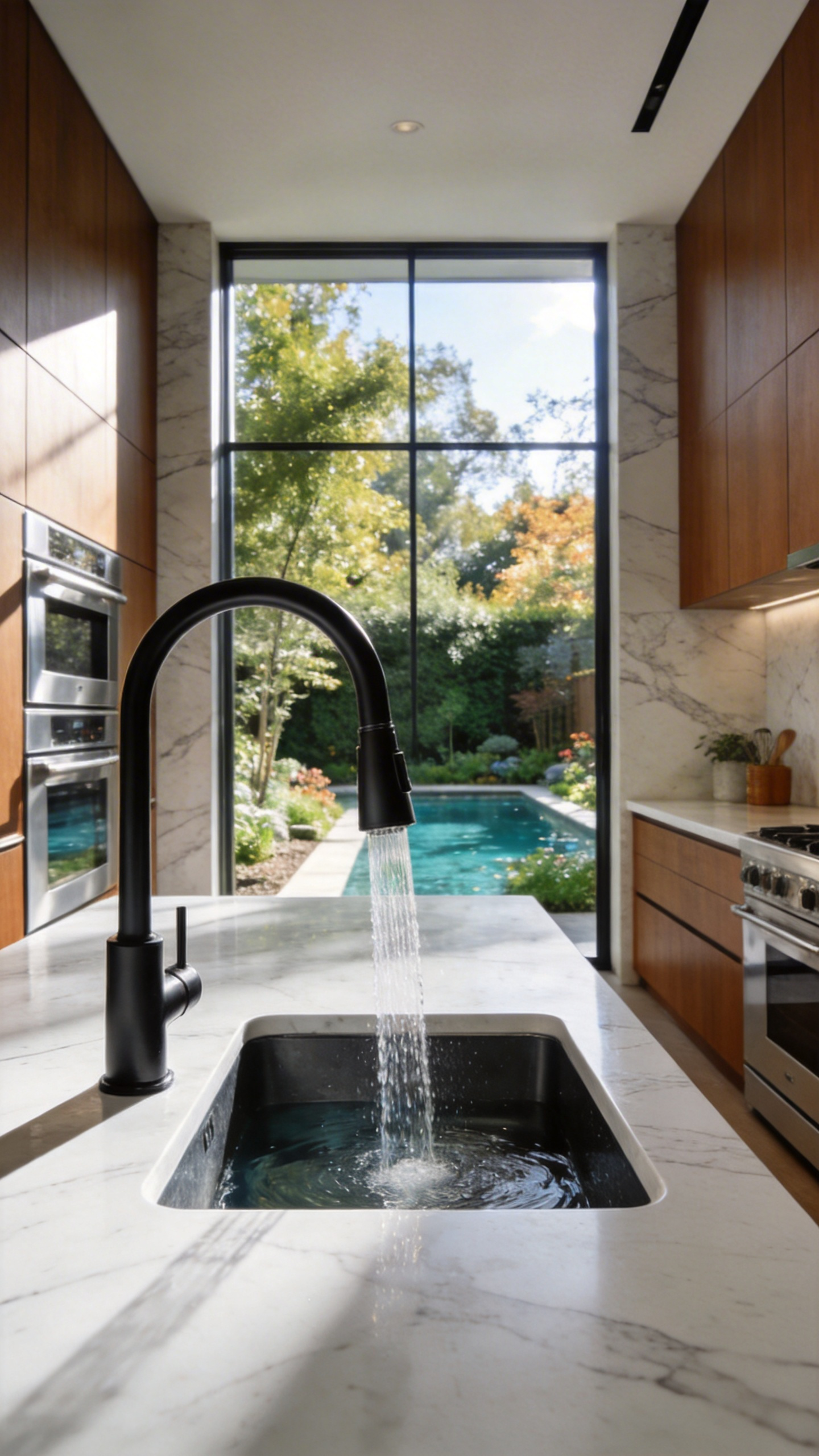
However, innovation is not limited to the faucet. Increasingly, architects are exposing the infrastructure itself as a “visual manifesto.” For instance, glass-encased treatment systems turn filtration into a living sculpture within the cabinetry. Therefore, the home’s circulatory system becomes a celebrated architectural feature. Finally, the cycle completes in the garden. Advanced greywater systems now feature automated grease separation to intercept oils. As a result, a chef can rinse organic produce knowing that water will safely nourish a vertical herb wall. Ultimately, this creates a seamless, sustainable loop from the sink directly to the soil.
The Outdoor Extension: Designing an al fresco prep zone that mirrors the interior layout for true indoor-outdoor cohesion.
To truly extend a dream kitchen outdoors, we must prioritize “Ergonomic Mirroring.” Specifically, the al fresco layout should respect the user’s muscle memory. Therefore, the relationship between sink and fridge must mimic the interior’s “Golden Triangle.” Consequently, the brain doesn’t need to “re-map” workflow during cooking. This allows the host to maintain conversation while transitioning between zones.
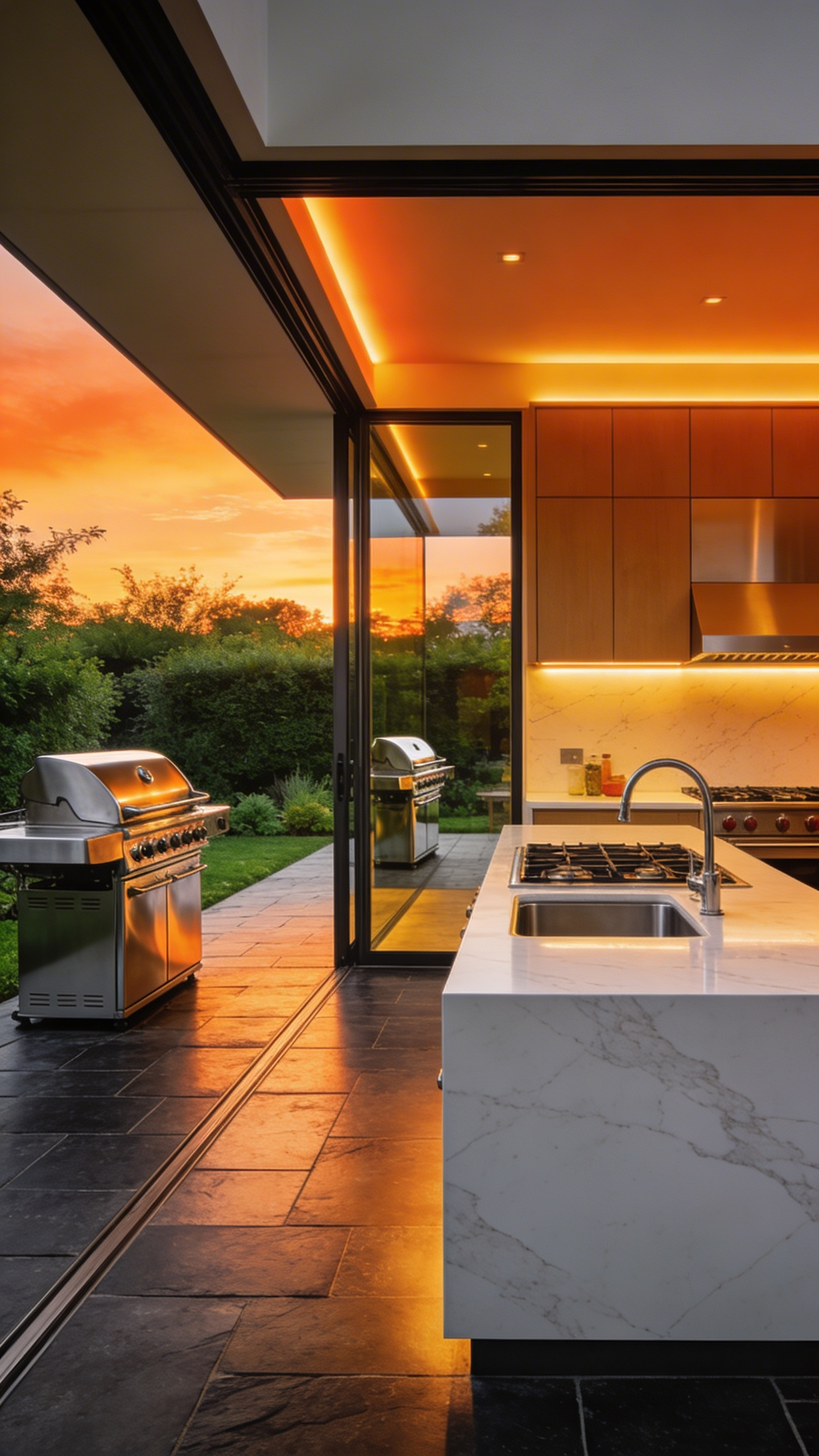
Visual cohesion also relies heavily on “Transitional Materiality.” Ideally, designers specify the exact same stone slab for both environments. However, the outdoor surface utilizes a “grip” finish for safety. Thus, when glass doors vanish into pocket walls, the eye perceives one singular, massive room. In fact, carrying a “Waterfall Edge” across the threshold creates a literal bridge for the eye.
Functionality must also mirror the interior. Significantly, a true extension requires a fully plumbed “Wet Zone.” This involves installing “Hot-Loop” plumbing and under-sink heaters. As a result, you can handle grease-heavy cleanup without returning inside.
Finally, we look to Richard Neutra’s philosophy of *Biorealism*. By extending indoor wood ceiling slats past the glass line, we blur the boundary. Ultimately, the sky becomes the only difference between the two zones.
Texture Over Color: Using fluted woods, raked plaster, and raw linens to create depth without visual clutter.
In high-end design, true luxury is often whispered rather than shouted. Consequently, current trends are moving away from high-contrast colors. Instead, we focus on material depth. This approach creates a sense of “Quiet Luxury,” where the space feels intentional and serene.
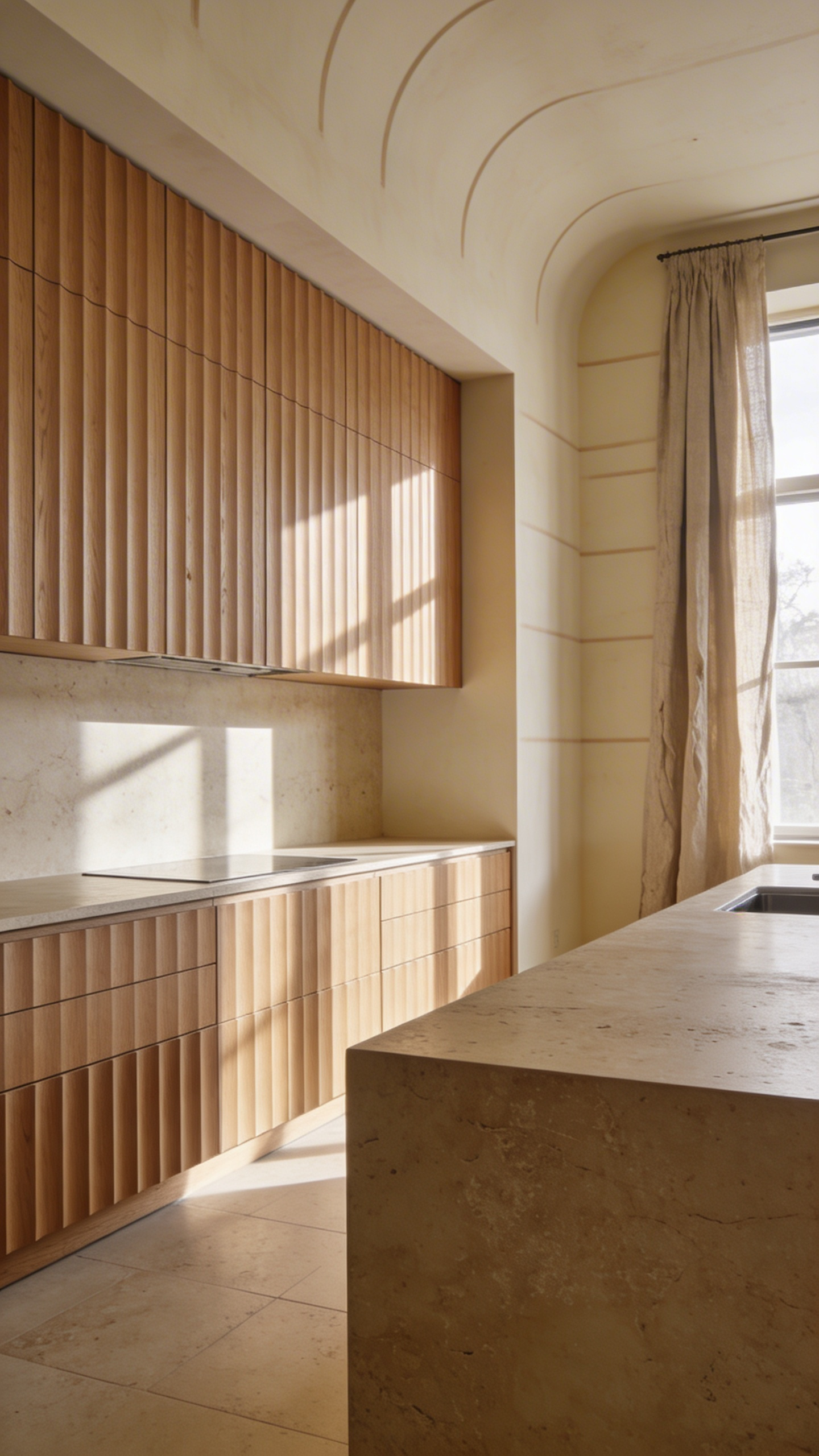
Specifically, fluted wood is transforming cabinetry from simple storage into architectural features. Unlike flat panels, these grooved surfaces actively manipulate light. As a result, they create “rhythmic shadows” and soft highlights without changing pigment. This technique draws from Greek architecture to add perceived volume. Indeed, the vertical lines create an optical illusion, making standard ceilings feel much loftier.
Similarly, walls are becoming sculptural elements through the use of raked plaster. By dragging tools through wet lime, artisans create haptic, linear trails. Therefore, the walls capture light and shade, creating a dynamic effect known as *chiaroscuro*. Beyond aesthetics, lime-based plasters are naturally breathable. Thus, they help regulate humidity in damp kitchen environments while resisting mold.
However, a room filled with stone and wood can often sound cold. To counter this, we introduce raw linens. These textiles act as essential acoustic buffers. For instance, using high-slub linen for integrated “café curtains” hides visual clutter while softening noise. Ultimately, this layering of textures reduces cognitive load. It effectively transforms a culinary workspace into a calming, tactile sanctuary.
The Social Alcove: Replacing the formal breakfast table with built-in banquettes surrounded by glazing.
The shift away from formal tables represents a deep psychological change. Specifically, we are trading traditional status for the comfort of “Prospect-Refuge.” By securing our backs against a banquette, we immediately feel protected. Simultaneously, expansive glazing offers a connection to the natural world outside. Therefore, the “Social Alcove” becomes a sanctuary rather than just a seating area. Unlike standalone chairs, which create distinct islands of space, a banquette is “sociopetal.” Thus, it naturally pulls occupants together physically and socially.
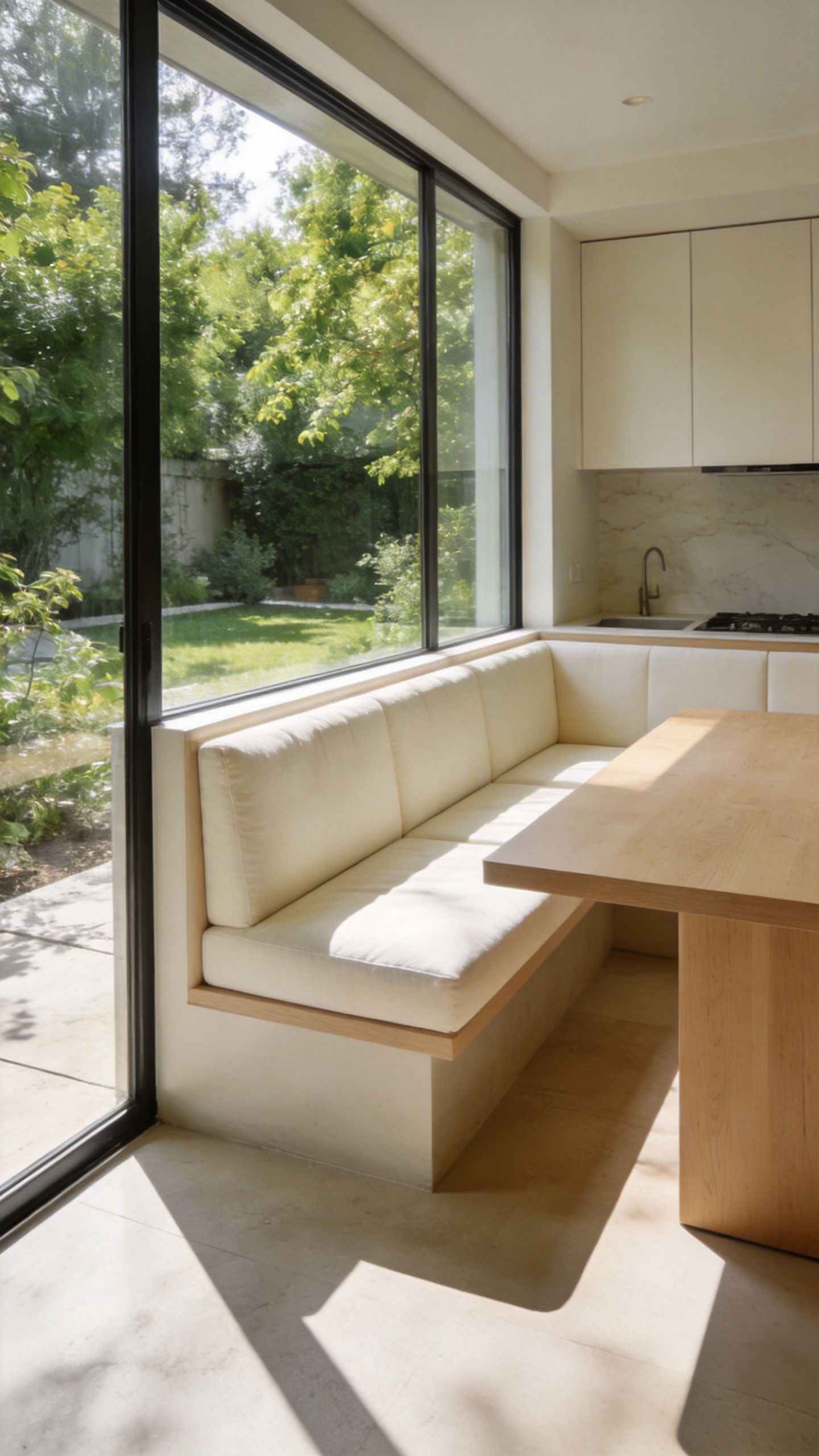
Aesthetically, this design choice solves significant visual clutter. For instance, a dining table often creates a chaotic “forest of legs.” In contrast, a cantilevered alcove keeps the floor plan clean and calm. To achieve this, the architecture must be precise. Specifically, using butt-jointed glass allows the volume to feel like it is floating within the garden. This effectively erases the boundary between the interior and the landscape.
However, true luxury requires technical rigor to ensure comfort. Unlike stiff commercial booths, a residential banquette needs a 10-to-15-degree backrest pitch. This angle specifically encourages the “slow morning” linger. Furthermore, the abundance of light demands high-performance materials. Because UV exposure is constant, we often specify solution-dyed acrylics. These fabrics, once reserved for exteriors, maintain their luxe texture indoors without fading. Ultimately, these elements transform a simple breakfast nook into a durable, sun-drenched architectural hug.
Statement Cooling: Why architectural ceiling fans are reclaiming their place as essential, sculptural elements in high-ceilinged kitchens.
In modern architecture, high ceilings often create a significant spatial gap. Therefore, we must bridge this “vertical void” intentionally. Large-scale architectural fans serve as essential, kinetic sculptures. Specifically, they draw the eye upward to define the room’s scale. Consequently, the kitchen feels curated rather than cavernous. Moreover, asymmetrical blade designs add fluid movement to static spaces.
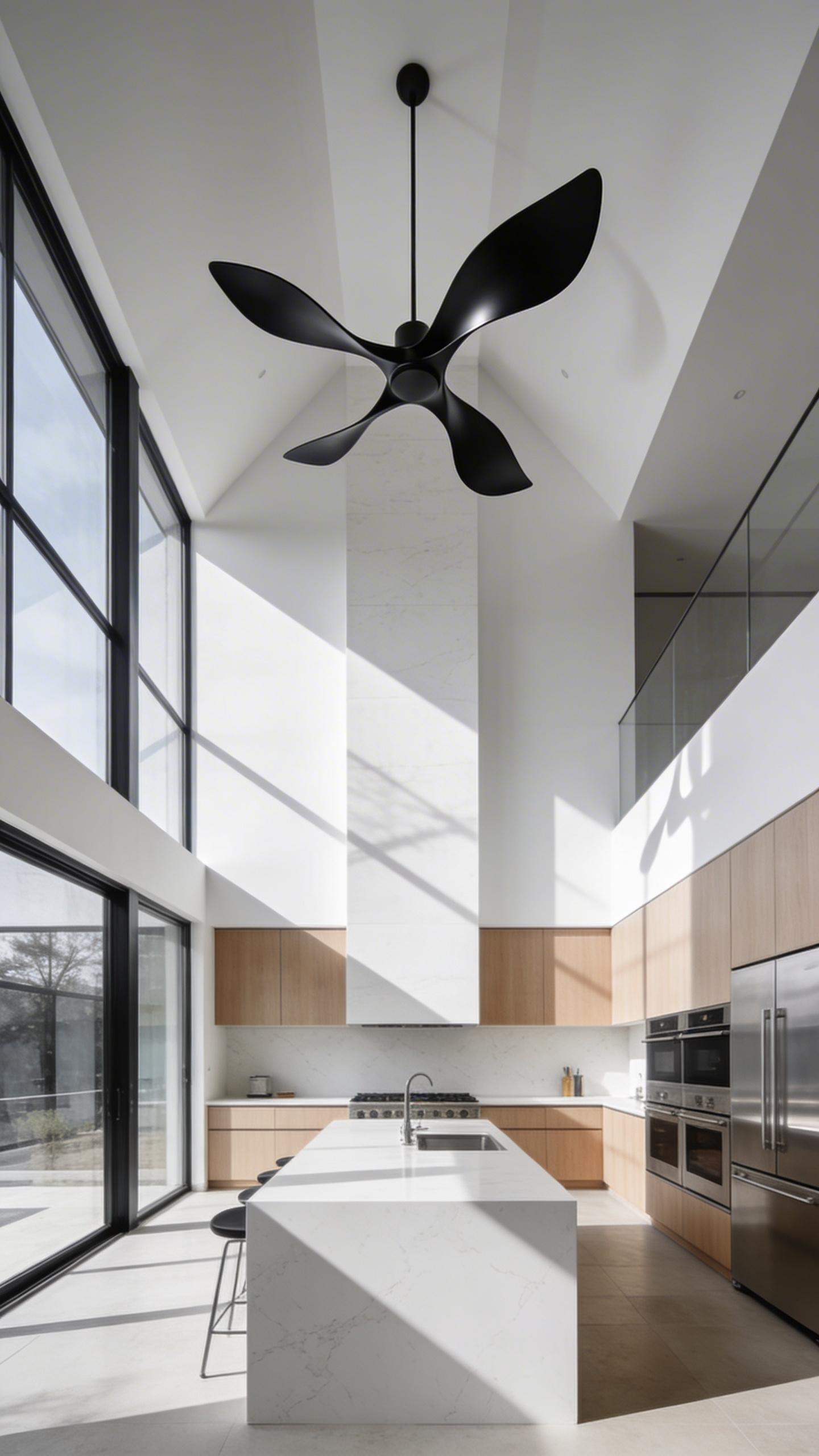
Functionally, these fixtures support the open-concept lifestyle. Unlike bulky vent hoods, sleek fans maintain clear sightlines across the island. In fact, many designers now pair hoodless venting with statement fans. Thus, conversation flows without “conversational interruptus” caused by hanging obstacles. Simultaneously, the fan acts as the room’s lungs. It gently disperses residual heat that peripheral vents might miss.
Finally, the choice of material adds necessary sensory texture. For instance, sustainable hardwoods like teak or walnut introduce organic warmth. Conversely, typical kitchen surfaces like steel often feel cold. Furthermore, modern brushless motors ensure whisper-quiet operation. This prevents mechanical noise from disrupting the culinary experience. Integrated LED kits now offer soft, ambient glows rather than harsh shadows. Ultimately, the statement fan creates a luxurious, resort-like atmosphere. It is a sophisticated marriage of tropical comfort and sustainable design.
Sustainable Appliances: The intersection of energy efficiency and chef-grade performance in modern induction cooking.
Historically, the “dream kitchen” relied on industrial, high-BTU gas ranges. However, true luxury is shifting toward disciplined, invisible architecture. Specifically, modern induction offers a level of control that gas simply cannot match. Instead of heating the surrounding air, magnetic fields turn the cookware itself into the heat source. Consequently, thermal inertia vanishes instantly.
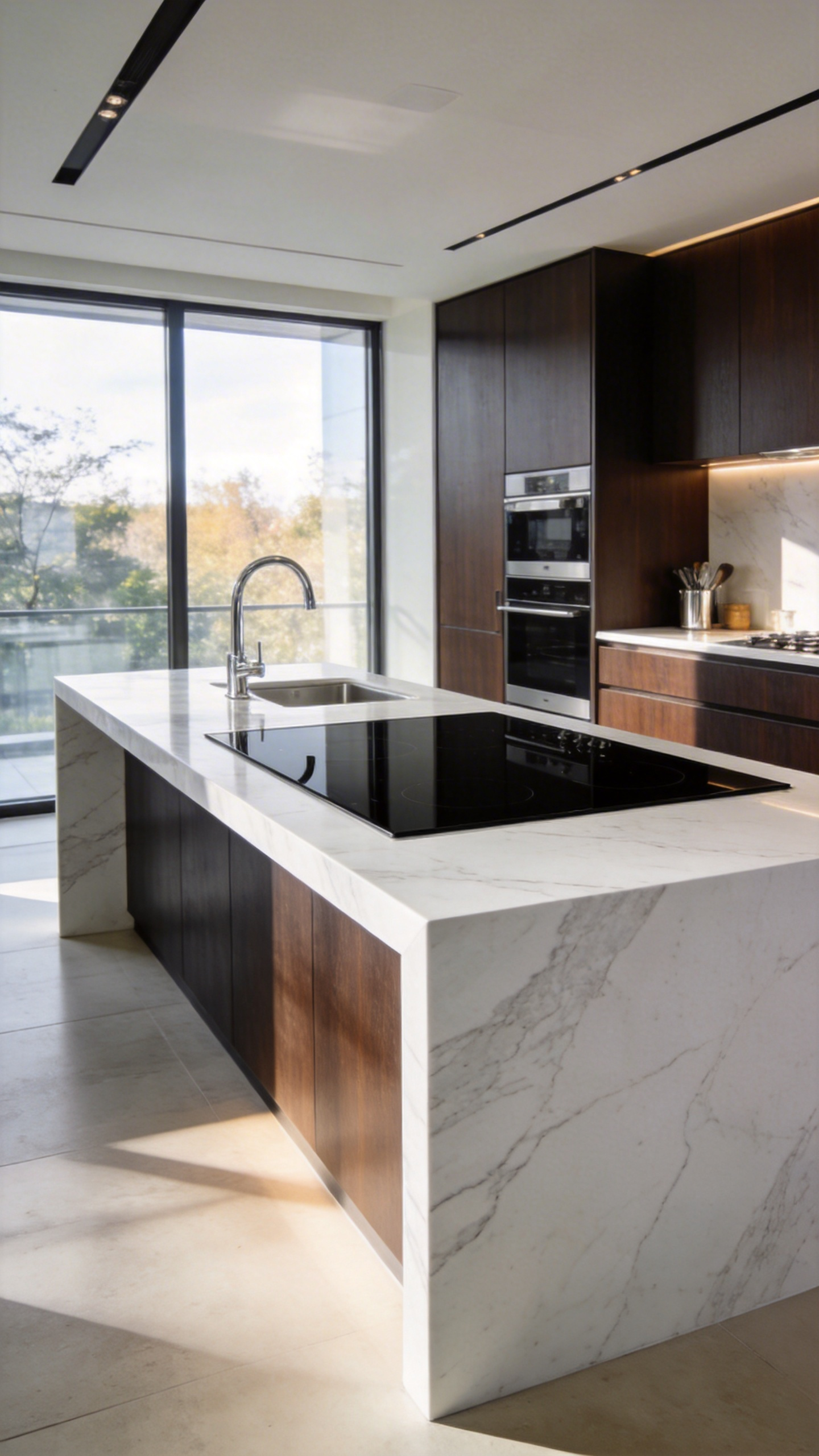
Therefore, you can maintain a delicate simmer without scorching. In fact, elite establishments like *The French Laundry* now utilize this technology for its scientific repeatability. If a specific setting sears a scallop perfectly today, it will do so tomorrow. Moreover, induction is roughly 90% efficient. Thus, heat stays in the pan, not your living space.
From a design perspective, this technology facilitates the “hidden kitchen” aesthetic. New systems can mount coils directly beneath stone countertops. As a result, the cooking surface becomes a sleek, continuous extension of the living area. You eliminate the combustion gases and nitrogen dioxide associated with open flames. Ultimately, this creates a healthier home environment, aligning chef-grade performance with sustainable wellness.
Frequently Asked Questions
What are the most important elements of a luxury dream kitchen?
A luxury dream kitchen prioritizes bespoke craftsmanship, high-end natural materials, and advanced technology. Key elements include “invisible” appliances like induction hobs, floor-to-ceiling glazing to connect with nature, and high-performance surfaces such as honed quartzite or soapstone.
How can I incorporate biophilic design into my kitchen renovation?
Biophilic design can be integrated by installing large windows for natural light, using organic materials like wood and stone, and incorporating live greenery. Modern trends include building hydroponic herb troughs directly into the kitchen island to keep fresh ingredients at your fingertips.
Is induction cooking better than gas for high-end kitchens?
Yes, modern induction cooking is favored in high-end design for its precision, safety, and energy efficiency. It also supports a minimalist aesthetic by allowing for flush-mounted cooktops that blend seamlessly into the countertop, unlike bulky gas ranges.
Conclusion: The Kitchen as Ecosystem – Final thoughts on curating a space that sustains both the environment and the family’s well-being.
Ultimately, the true manifestation of dream kitchen ideas is no longer a static showroom of industrial power. Instead, it functions as a living, breathing habitat. By embracing regenerative design and 22 minimalist kitchen ideas, we transform this utility space into an emotional refuge. Consequently, cold industrial surfaces yield to tactile, natural materials that soothe the nervous system. Linear consumption is replaced by circular cycles of growth and renewal. Thus, the kitchen becomes a sanctuary that nurtures both planetary health and family well-being.
Looking forward, luxury is defined by longevity and connection, not just aesthetics. Therefore, your home should evolve alongside you, aging gracefully through modular adaptation. This shift requires viewing your renovation as a legacy rather than a trend. To begin, consider auditing your current space for sensory and ecological impact. Specifically, identify one linear waste stream to close or one synthetic surface to replace. Finally, invite nature inside to reclaim the heart of your home.