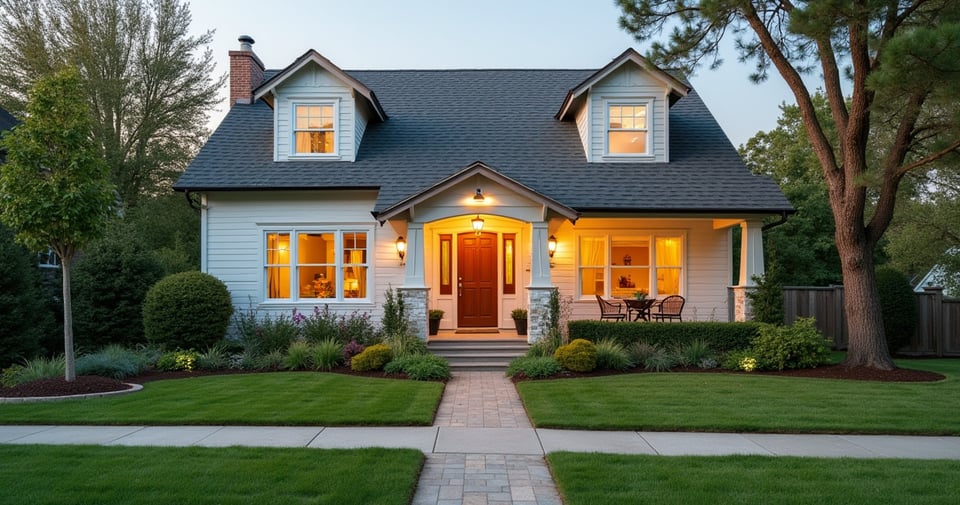
Can we talk about why everyone gets “front yard decor” so wrong? I have a confession: I used to be one of them. I’d drive by a home with a flawless, emerald-green, perfectly manicured lawn and think, “Wow, that’s beautiful.” It’s what we’re all taught to admire. But now, as someone who designs living, breathing spaces, I look at that same lawn and see something totally different. I see a food desert. A sterile, silent monoculture that demands endless water, chemicals, and work, all for… what? Just to be looked at?
Your front yard is broken. But here’s how to fix it.
What actually matters isn’t creating a static, perfect picture for the neighbors. What matters is creating a living, dynamic ecosystem that welcomes you home, supports local wildlife, and maybe even puts a few fresh herbs on your dinner plate. The “noise” is all that pressure to have a perfect, chemical-green lawn. The real story is that a yard full of life—with buzzing bees, fragrant herbs, and beautiful, resilient plants—has a curb appeal that’s deeper and more satisfying than any patch of grass.
I learned this the hard way with one of my first clients. They had this gorgeous sunny front yard and an HOA that was obsessed with lawns. We spent a year fighting that lawn, trying to make it perfect. One day, totally frustrated, we decided to push the boundaries. We kept a small, neat border of grass but converted the rest into a “meadow” of native wildflowers and a stunning “potager” garden in raised beds that looked like high-end planters. The HOA grumbled… until the yard won the “community beautification” award. Why? Because it was alive. And people are starved for that.
So let’s ditch the old rules. Let’s talk about how to make your front yard a beautiful, productive, and joyful extension of your home.
Planning Your Front Yard Decor Masterpiece (Part 1)
Alright, before you buy a single plant or shovel, we need a plan. But not a stuffy, architectural plan. Think of this as getting to know your little patch of land. It’s the most important step because it saves you heartache, money, and dead plants down the line. We’re going to look at your yard not just for its flaws, but for its hidden potential to become a thriving little ecosystem.
1. Conduct a Thorough Curb Appeal Audit for Key Improvement Areas
Forget “curb appeal” for a second. Let’s call this an “Ecosystem Potential Audit.” Walk across the street and really look at your space. Where does the sun hit in the morning? Where is it shady and cool in the afternoon? Is there a spot where rain always pools up? This isn’t about finding flaws; it’s about identifying microclimates. That hot, sunny strip by the driveway that kills grass? That’s a perfect spot for lavender and rosemary.
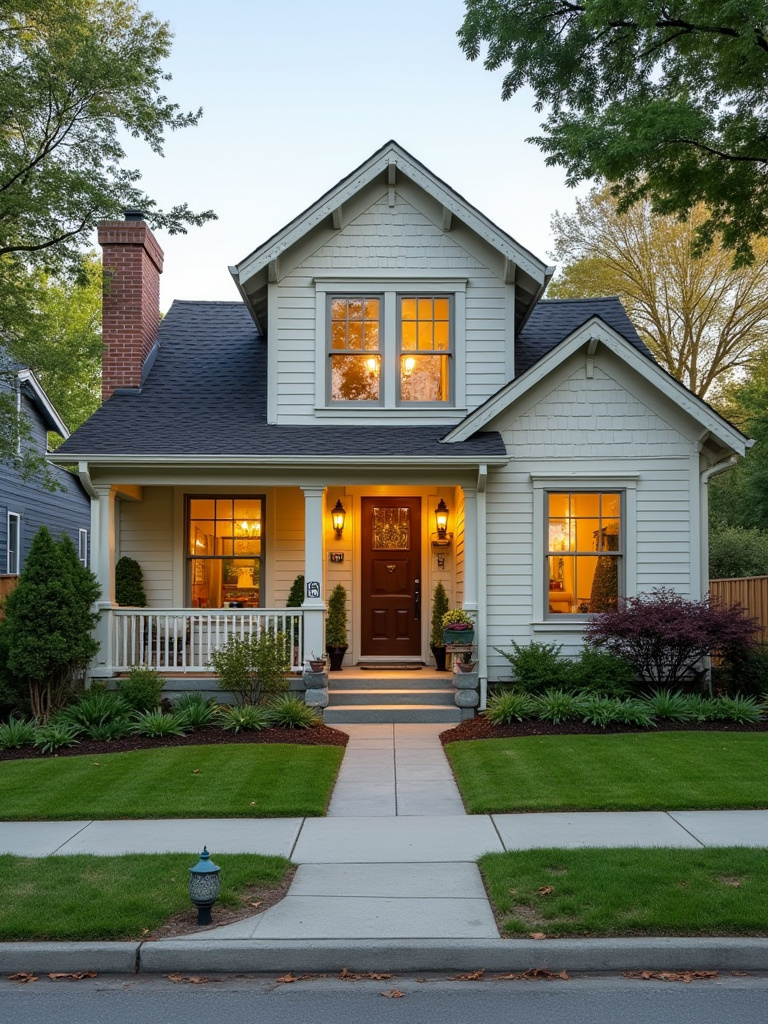
The biggest mistake people make is seeing their yard as a single, uniform space. It’s not. It’s a collection of tiny, unique environments. Grab a notebook and sketch it out. Mark the sunny spots, the shady spots, the damp spots, and the dry spots. Note the path the mail carrier takes. This simple map is going to be your most powerful tool. It’s the difference between fighting your yard and working with it.
2. Define Your Home’s Architectural Style to Inform Decor Choices
Okay, your house is the biggest plant in your garden. It’s the structure everything else lives around. So, your design choices should feel like they belong there. A sleek, modern home can look amazing with clean, rectangular steel planters filled with ornamental grasses and spiky edibles like artichokes. But put those same planters in front of a cozy Craftsman bungalow, and it just feels… off. That bungalow wants softer lines, natural materials like wood and stone, and billowy plants spilling over the edges.
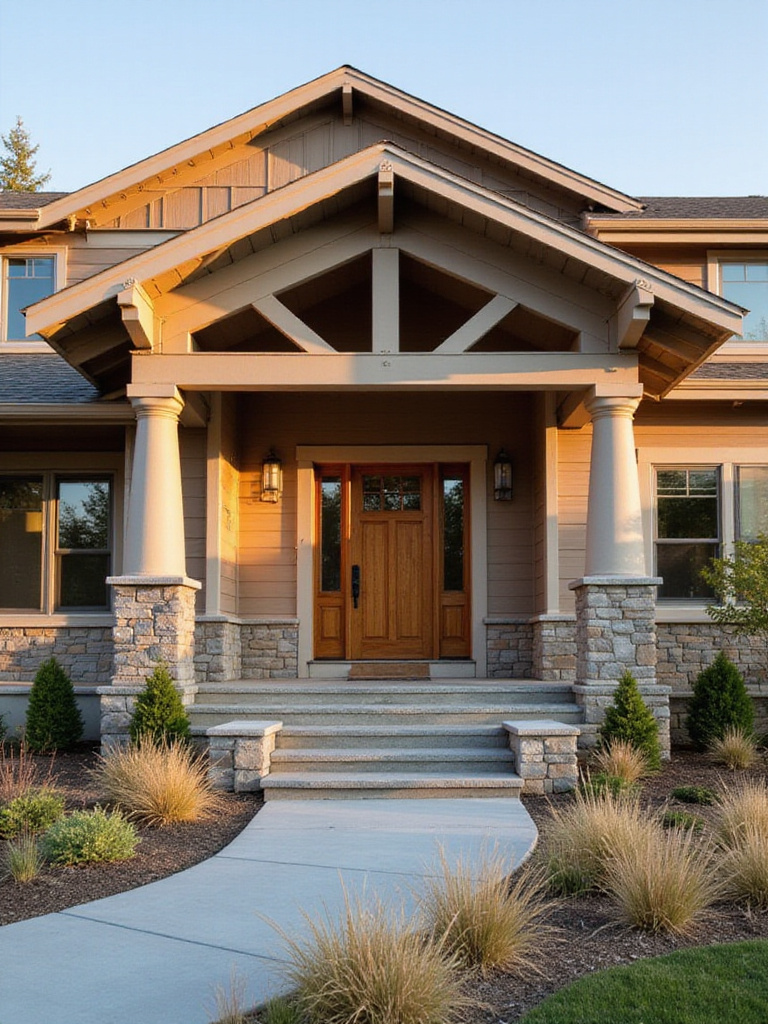
This isn’t about following rigid rules; it’s about creating harmony. Your home has a story, and your yard should be the beautiful, living first chapter. Don’t know your home’s style? No worries. Just look at the key features: the roofline, the window trim, the porch columns. Are the lines sharp and geometric or curved and ornate? Is the material brick, wood, or stucco? Let those details guide you toward textures and shapes that feel like a natural extension of the house itself.
3. Map Out sun exposure and Soil Conditions for Plant Success
This. This is the secret right here. You can buy the most beautiful, expensive plants in the world, but if you put a sun-loving plant in the shade, it will die. If you put a plant that needs dry feet in a soggy clay spot, it will rot. All that “planning” we just did in step one was for this exact moment. Your sun map is your bible. “Full sun” means 6+ hours of direct light. “Part shade” is 3-6 hours. “Full shade” is less than 3. Be honest about it!
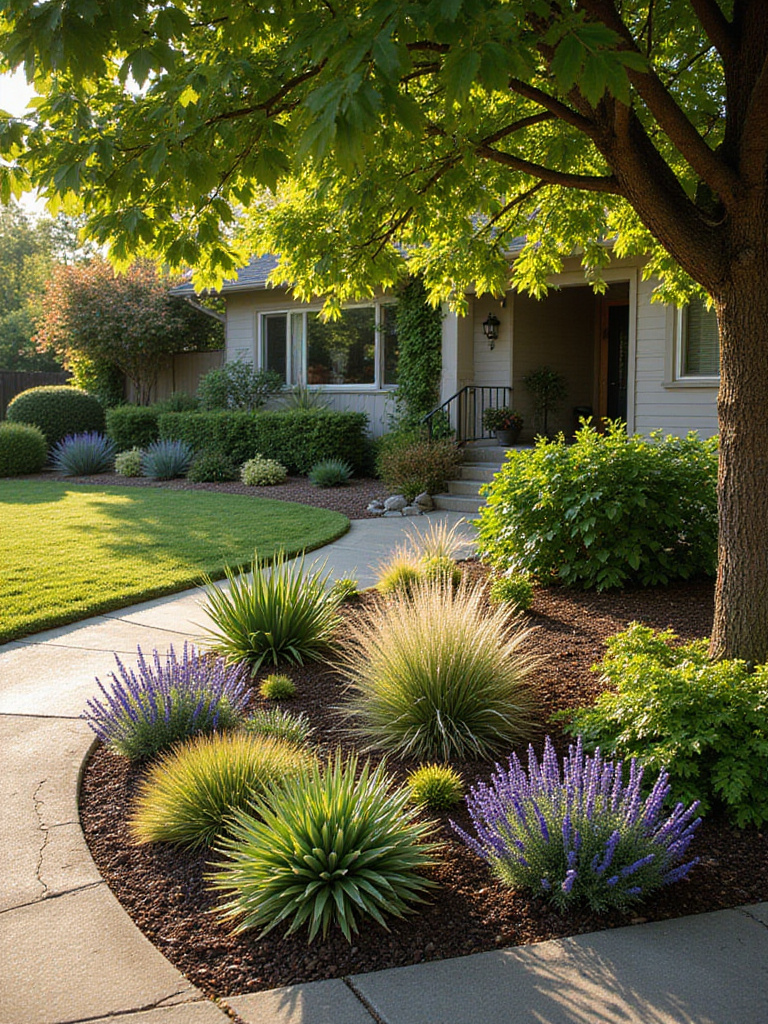
And then there’s soil. You can get a cheap soil test from your local extension office, and it is worth its weight in gold. It’ll tell you if your soil is acidic or alkaline, and what nutrients it’s missing. Or, just do the “squeeze test”: grab a handful of damp soil. Does it fall apart like sand? Or does it stick together like a dense clay ball? This tells you how well it holds water. Most plants want something in the middle. But no matter what you have, there are plants that will love it. The trick is simply matching the plant to the place.
4. Establish a Budget and Prioritize Decor Investments Wisely
Let’s talk money, because a dream garden that puts you in debt isn’t a dream, it’s a nightmare. The most common BS here is that you need to spend a ton of money to have a big impact. Not true. The key is to invest in things that give back. Forget flimsy plastic decorations and invest in what truly builds your ecosystem: the soil. Your number one priority should be compost, mulch, and good organic amendments. Healthy soil is the foundation for everything.
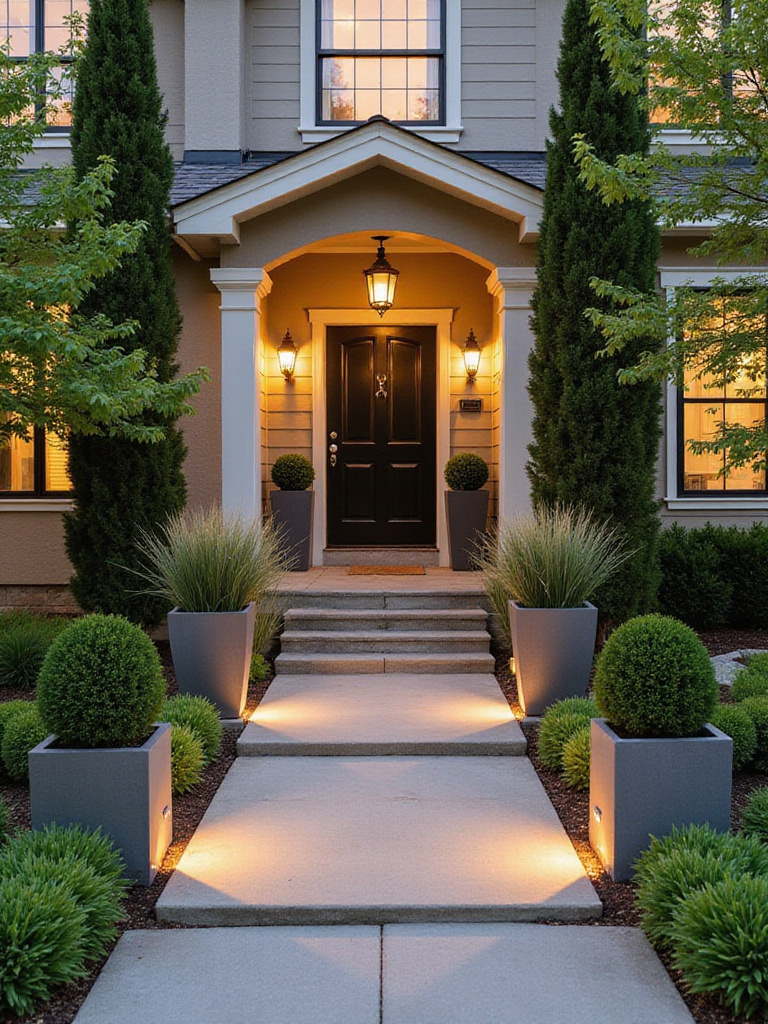
Once you have your soil handled, prioritize one or two high-impact features. Maybe it’s two gorgeous, large planters flanking your front door instead of ten tiny, cheap pots scattered around. Or perhaps it’s a beautiful, comfortable bench where you can actually sit and enjoy the space. A huge shortcut I wish I knew earlier: focus your budget on the area immediately around your front door and entryway. That’s what people see up close. The far corners of your yard can be a work in progress.
Planning Your Front Yard Decor Masterpiece (Part 2)
Now that we have the lay of the land, let’s zero in on the details that make the biggest difference. We’re moving from the big picture—the sun, the soil—to the tangible elements that create that welcoming feeling. This is about making smart, compliant choices that turn your entryway into a clear and inviting focal point.
5. Create a Welcoming Entryway Focal Point with Purposeful Placement
Your front door should feel like an exhale. It’s the transition from the public world to your private sanctuary. So let’s make it special. This is the perfect spot for your best container gardens. Imagine two large pots overflowing with cherry tomatoes, basil, and fragrant nasturtiums whose flowers you can toss in a salad. It’s beautiful, and it’s useful. This signals “life happens here” far more effectively than two perfectly pruned, non-native shrubs.
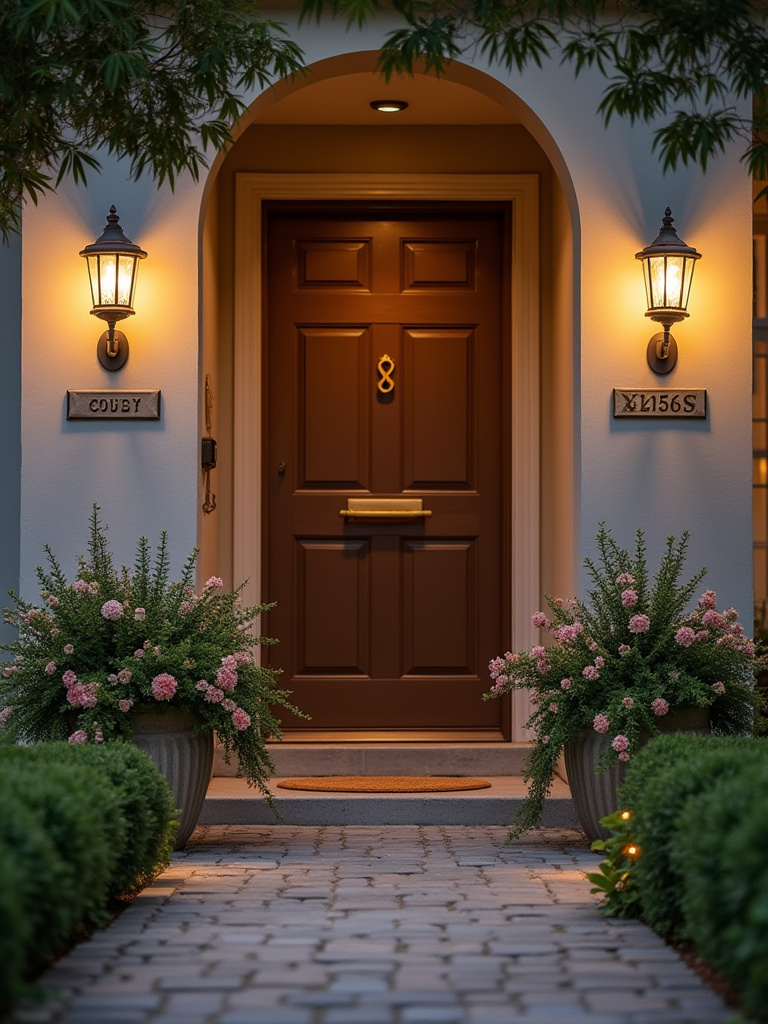
Symmetry is an easy shortcut to a polished look—one pot on each side of the door. But a thoughtfully arranged cluster of three pots of varying sizes can feel more natural and organic. Whatever you do, make it generous. Nothing looks sadder than a tiny pot next to a big door. Go big. It makes a statement and, bonus, larger pots don’t dry out as quickly, which means less work for you. The goal is to draw the eye with life and abundance.
6. Research Local Zoning Laws and HOA Guidelines to Avoid Issues
Ah, the HOA. The fun police. I get it, this part is a drag, but ignoring it is a recipe for disaster. There is nothing more soul-crushing than pouring your heart into a beautiful garden bed only to get a letter telling you to rip it all out. So, do your homework. Get a copy of the rules and read them carefully. Often, the rules aren’t as restrictive as you think. They might specify a percentage of lawn, but not what kind of lawn (hello, clover and wildflower lawns!).
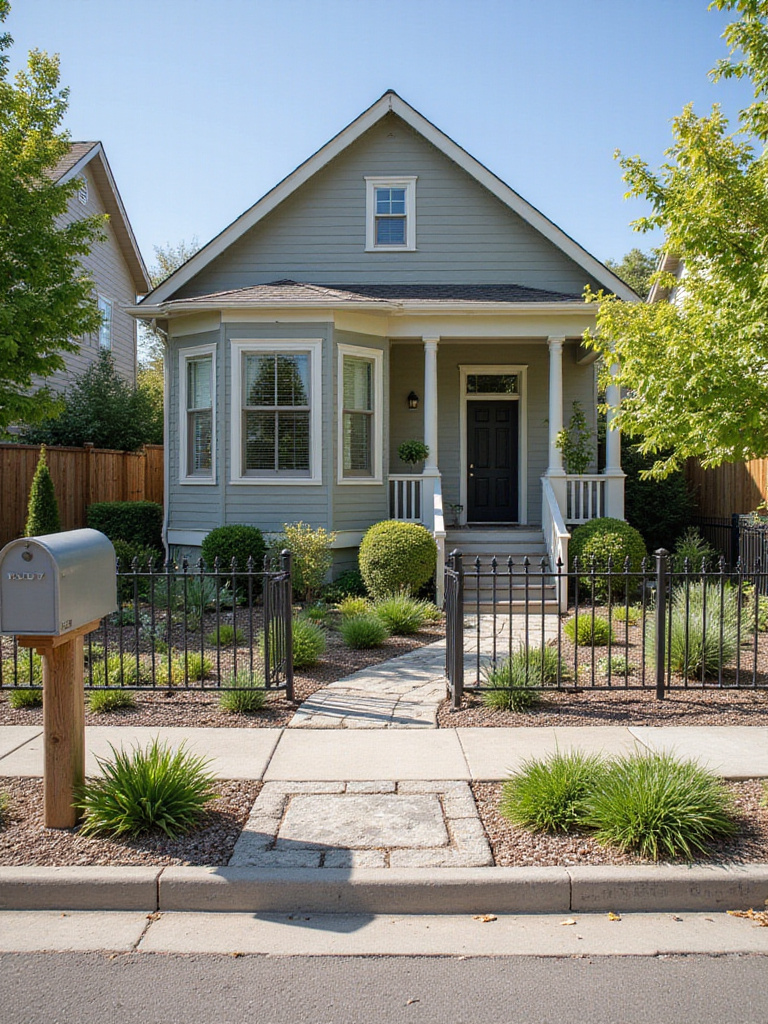
My pro-tip for navigating this is to frame your productive garden in the language of aesthetics. You’re not putting in a “vegetable patch”; you’re installing an “ornamental potager garden” with “plants of striking foliage and architectural interest” (that just happen to be kale and artichokes). Use high-quality materials for beds and borders. Keep everything tidy. A well-maintained, beautifully designed edible garden is much harder for an HOA to argue with than a messy, haphazard plot.
Selecting and Installing Key Decor Elements (Part 1)
Now for the fun part: picking the stuff! This is where we start building the layers of your ecosystem. We’ll focus on the bones first—the hardscape and lights that give your yard structure and function—and then we’ll bring in the living, breathing elements. Each piece should be both beautiful and purposeful.
7. Choose Durable Walkway Materials that Enhance Flow and Safety
A walkway isn’t just a way to get to your door; it’s the opening line of your home’s story. Instead of a boring concrete slab, think about materials that add texture and life. Irregular flagstones with a fragrant, walkable groundcover like creeping thyme growing between them are an absolute dream. Every step releases a little puff of scent. It turns a simple walk to the door into a sensory experience.
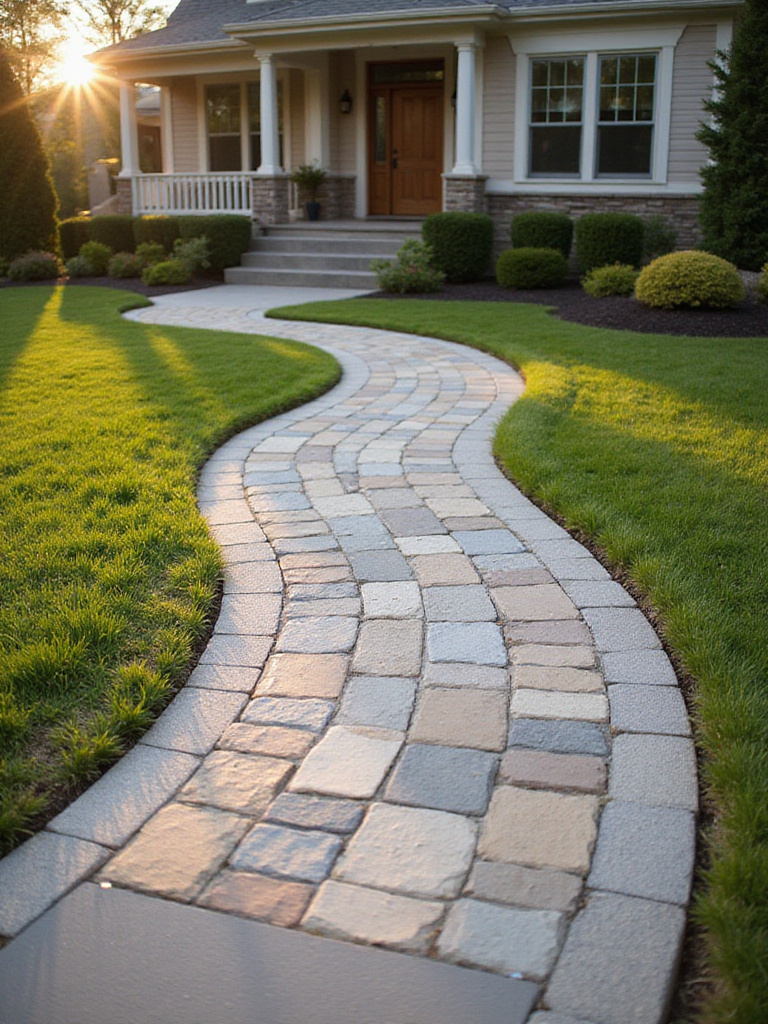
From an ecological standpoint, consider permeable materials. These are pavers or stones that allow rainwater to seep through into the ground below, rather than running off into the storm drain. This recharges groundwater, reduces pollution, and is so much healthier for your local watershed. It’s a choice that does good for the planet while looking fantastic. Always make sure your path is wide enough for two people to walk comfortably and is free of tripping hazards.
8. Select Strategic Landscape Lighting for Ambiance and Security
So many people get lighting wrong. They install blinding floodlights that create light pollution and make their house look like a prison. Let’s not do that. The goal of good lighting is to create a soft, welcoming glow. Think moonlight, not interrogation lamp. Use small, low-voltage or solar-powered lights to gently illuminate the path for safety.
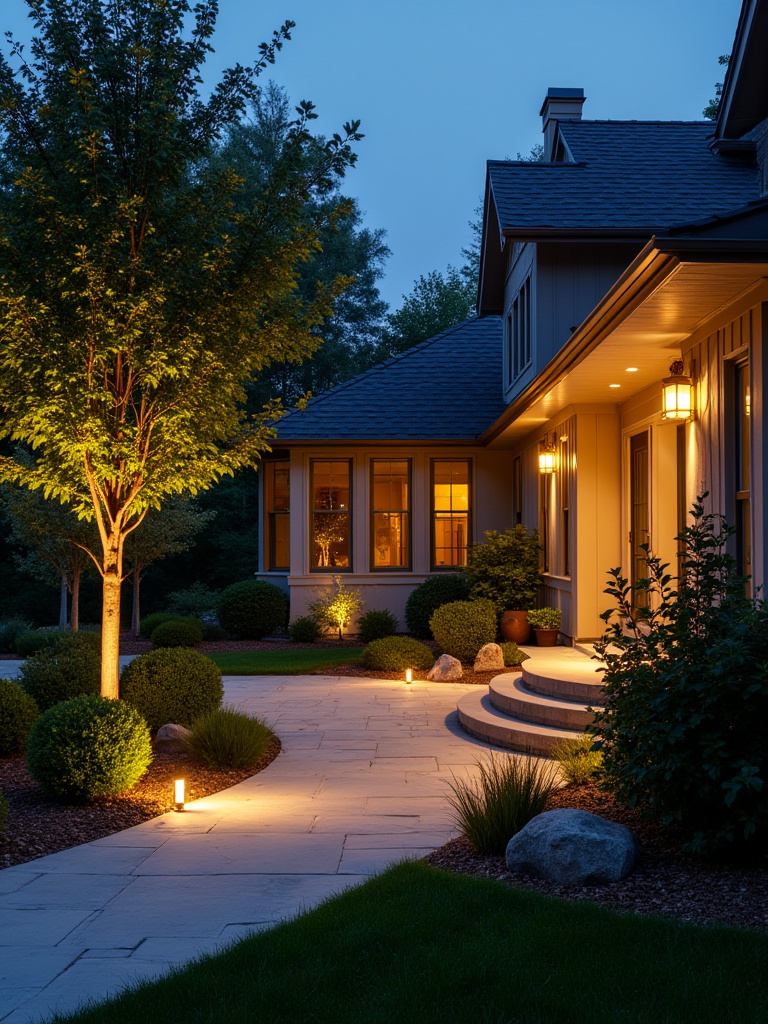
Then, pick one or two features to highlight. Don’t light up the whole house. Instead, aim an uplight at the trunk of a beautiful tree, or backlight a trellis covered in vines. This creates depth, mystery, and drama. And please, use warm-toned lights! The harsh, blue-white light is terrible for nocturnal pollinators and just feels cold and clinical. Your home should feel like a warm, safe haven at night.
9. Incorporate Decorative Mailboxes or House Numbers for Personalized Charm
Think of your mailbox and house numbers as the jewelry of your front yard. They’re small details that make a huge impact. This is a fantastic opportunity to inject personality. Instead of the generic plastic mailbox, what about one mounted on a sturdy post with a climbing clematis or passionflower trained up it? You’ve just created a vertical flower tower in a forgotten space.
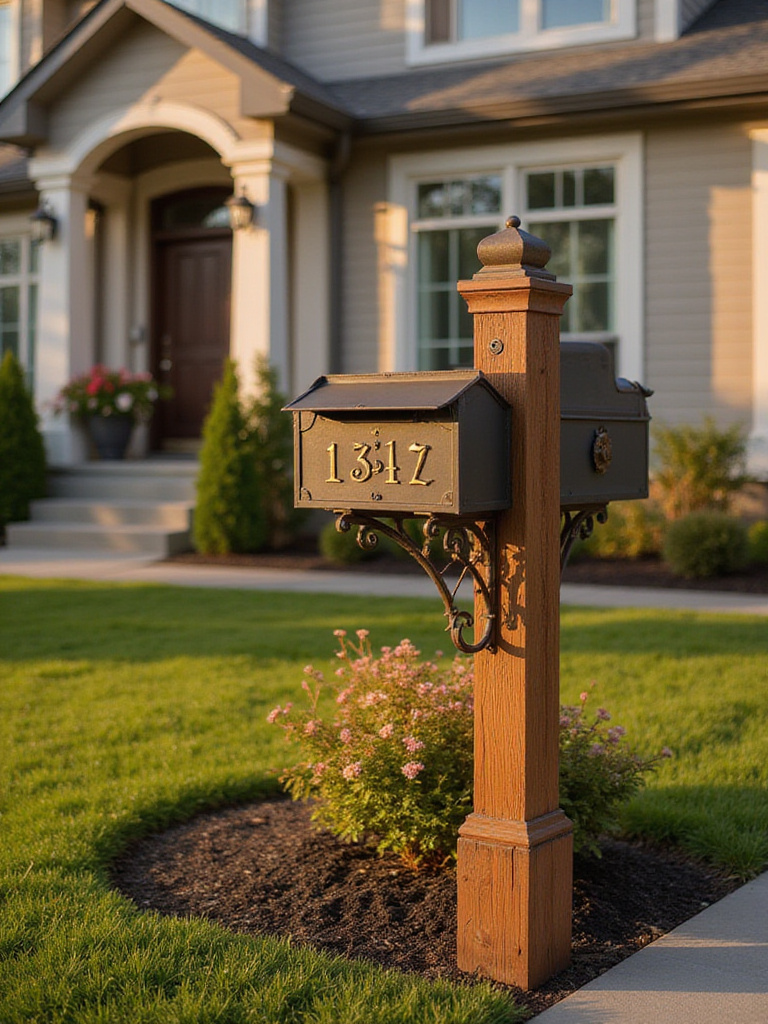
For house numbers, go for clarity and style. Choose a font and material that echoes your home’s architecture. Mount them where they are clearly visible from the street—this is a safety issue for emergency services! And then, make it special. I love to see house numbers mounted on a nice wooden plaque with a tiny planter box for succulents underneath. It’s a small touch that says, “We care about the details.”
10. Position Thoughtfully Sized Planters and Urns for Seasonal Color
This is where my urban agriculture heart sings! Planters are your secret weapon for a productive front yard, especially if you’re low on space or dealing with bad soil. They give you complete control over the growing environment. My one rule: go bigger than you think you need. A large pot holds more soil, which means more room for roots and less frequent watering.

This is your chance to grow things you’ll actually use. Flank your door with pots of kitchen herbs. Put a long planter box under a window and fill it with cut-and-come-again lettuces. A big urn can become a stunning home for a blueberry bush. Think of your planters as living, edible decor. They provide color, texture, and fresh flavors right outside your door. What could be more welcoming than that?
Selecting and Installing Key Decor Elements (Part 2)
We’ve laid the groundwork and started adding some key pieces. Now, let’s bring in the elements that create true comfort and a sense of sanctuary. A beautiful yard is nice, but a yard you can truly live in and experience is a thousand times better. This is about adding sound, comfort, and life.
11. Invest in Quality Outdoor Furniture for Functional Appeal and Comfort
What is the point of creating a beautiful, living space if you never sit down and enjoy it? A simple, well-placed bench or a pair of comfortable chairs is not an indulgence; it’s a necessity. It’s an invitation to yourself, your family, and your guests to pause, take a breath, and actually experience the little world you’re creating. It says, “This isn’t just for show. This is a place to be.”
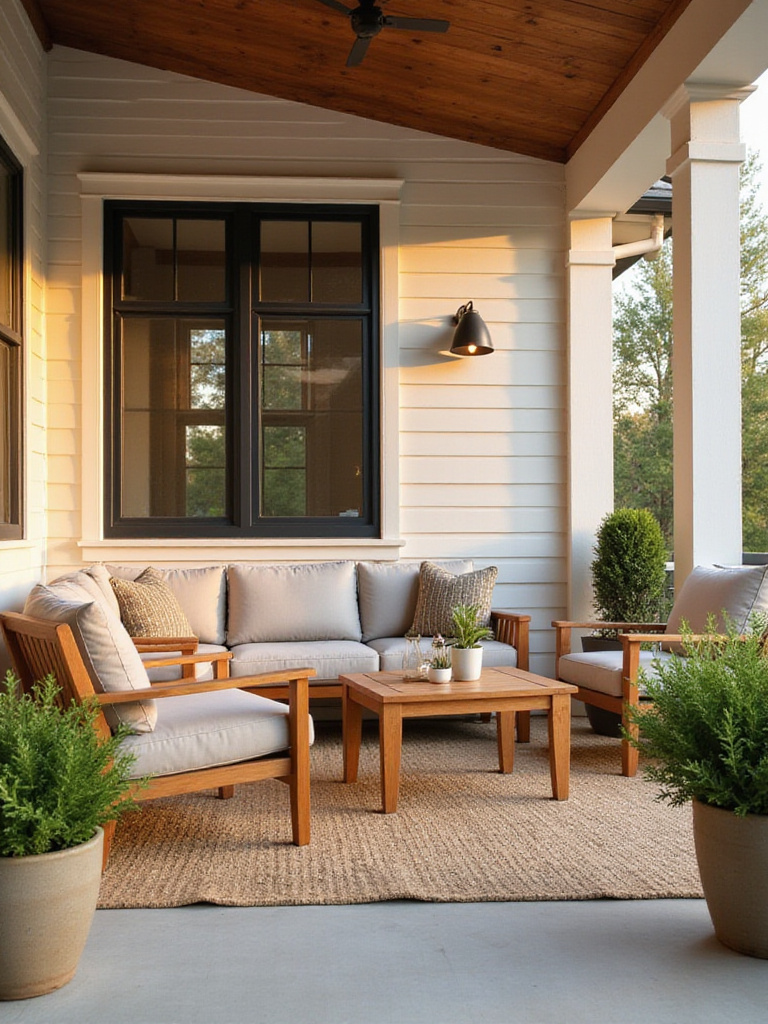
Choose materials that are durable and fit the style of your home—teak, recycled plastic lumber, powder-coated metal. Then, find the perfect spot. Maybe it’s a shady nook under a tree, or a spot on the front porch that catches the morning sun. This simple act of adding a place to sit transforms your front yard from a “pass-through” space into a destination.
12. Integrate Water Features for Serene Soundscapes and Visual Interest
When I say “water feature,” you might be picturing a giant, elaborate fountain. And while those can be lovely, I’m thinking smaller and more ecologically minded. The simplest water feature—a beautiful birdbath—can be the single most impactful thing you add to your yard. It becomes a hub of activity for local birds, providing them with a critical resource for drinking and bathing.
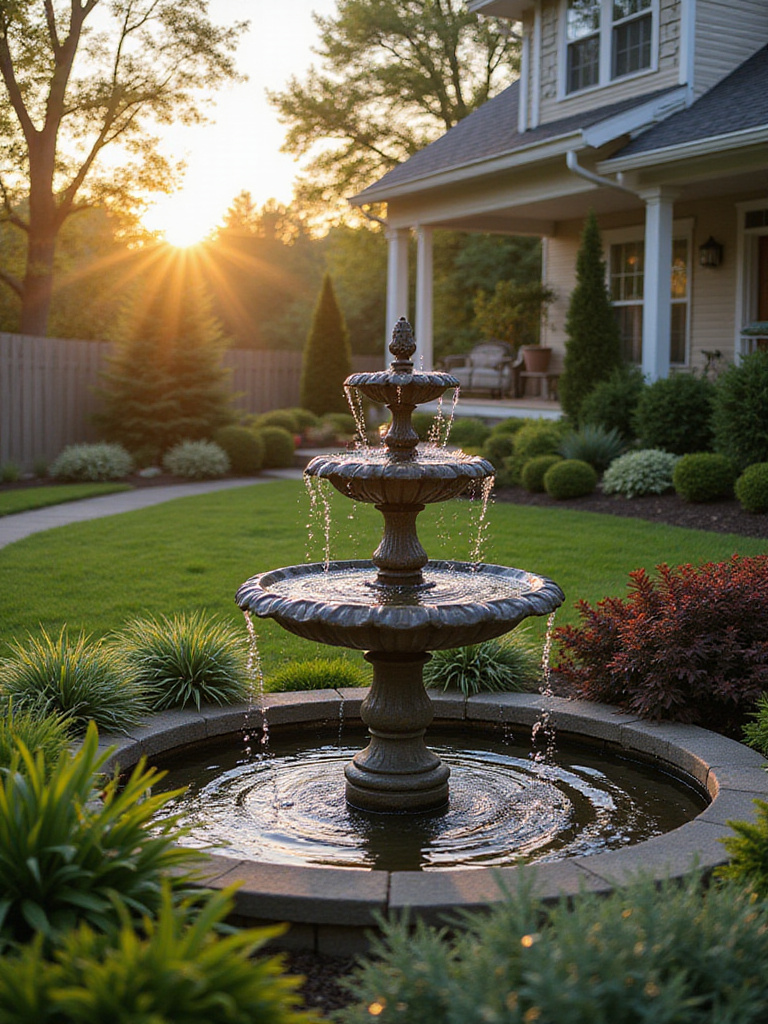
If you want the sound of moving water, which is incredibly soothing, consider a small, self-contained bubbling urn. The gentle gurgle is enough to mask street noise and create a sense of tranquility. The key is moving water, which prevents mosquitos from breeding and keeps the water fresh for wildlife. It becomes a beautiful, living sculpture that supports your local ecosystem.
Enhancing Visual Appeal and Personal Touch (Part 1)
This is where we layer in the personality and the lushness. We’ve got the structure, now we bring in the artistry. Think of yourself as a painter, and the plants are your palette. We’re going to use them to create texture, color, and a sense of abundance that feels curated but still wonderfully wild and alive.
13. Utilize Varying Plant Heights and Textures for Dynamic Garden Beds
A garden bed with plants all the same height is… boring. It’s flat. To create real visual excitement, you need to think in layers. Always have something tall in the back (the “thriller”), something medium and mounding in the middle (the “filler”), and something low and spilling over the front edge (the “spiller”). This simple formula creates instant depth and a professional, finished look.
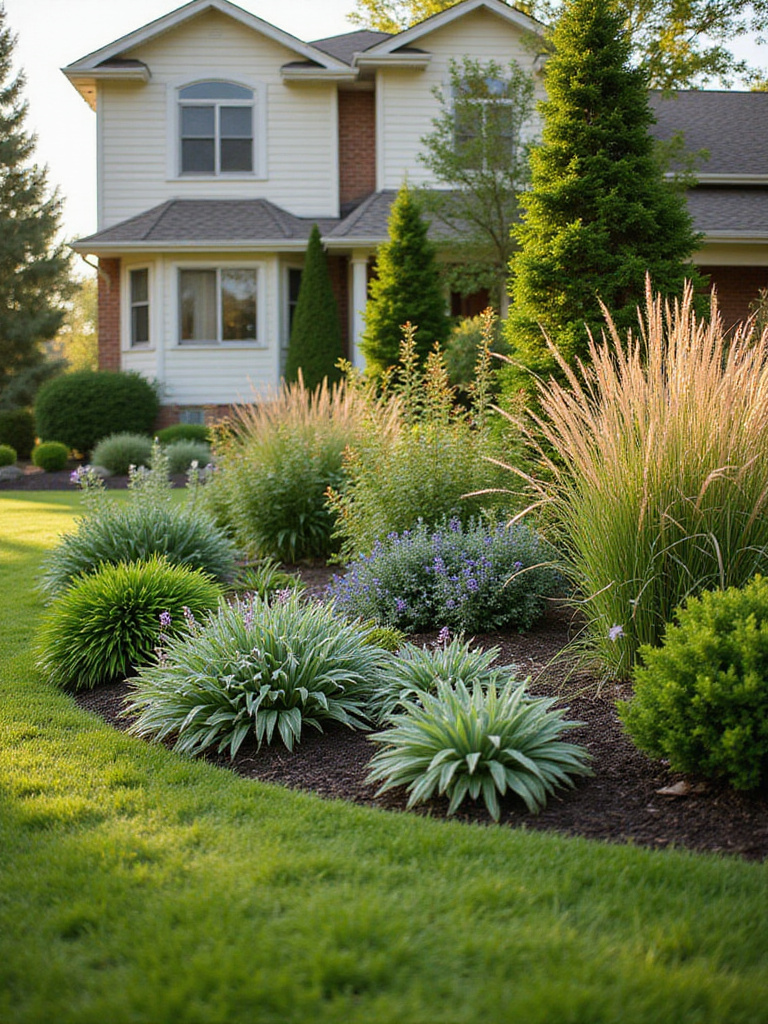
But let’s make it productive! Your tall element could be a cage of climbing indeterminate tomatoes or a stand of feathery dill. Your fillers could be vibrant Swiss chard, bushy basil plants, or crinkly kale. Your spillers? Trailing oregano, strawberries, or sweet potato vines. You’re layering heights, textures, and flavors all at once. Mix in some pollinator-friendly flowers like marigolds and zinnias, and you have a bed that is a feast for the eyes and the table.
14. Introduce Garden Art and Sculptures to Express Your Personality
Art in the garden shouldn’t just be something you plop down. It should have a purpose, even if that purpose is just to make you smile. And it doesn’t have to be a capital-S “Sculpture.” A beautifully crafted wooden trellis for beans to climb is a piece of art. A rain chain that guides water from your gutter into a garden bed is a functional, beautiful sculpture.
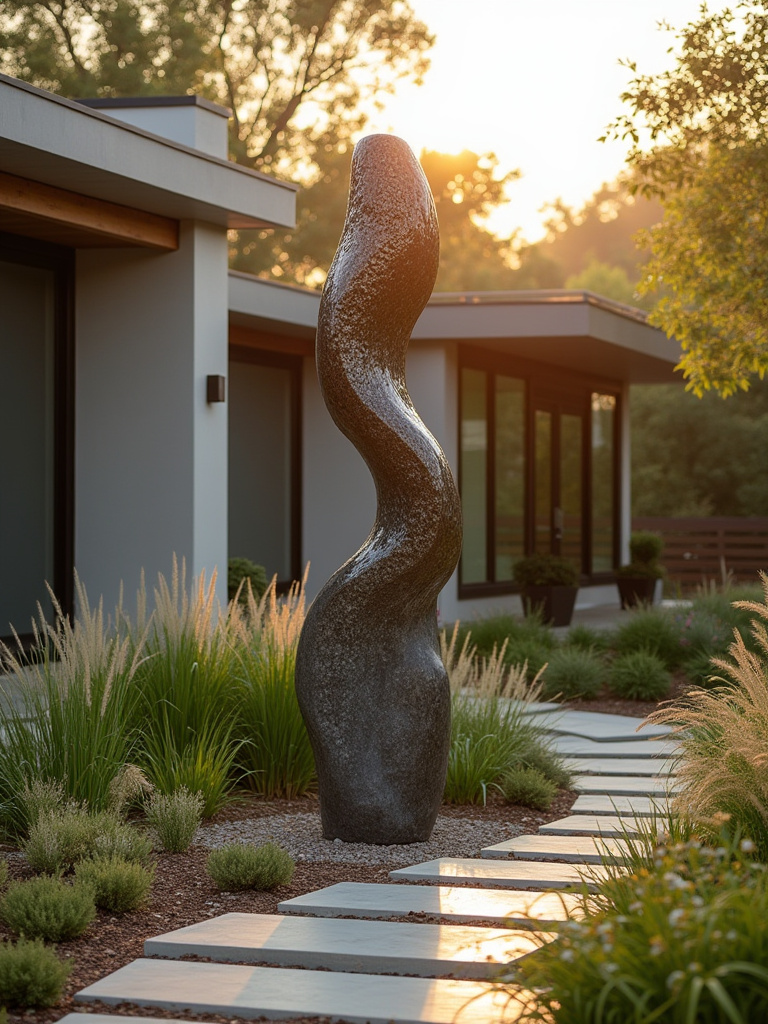
Choose pieces that mean something to you and that are made of materials that will age gracefully outdoors—stone, metal, or cedar. Place them thoughtfully. Art can be used to create a focal point, to mark the entrance to a path, or to provide a little surprise moment as you round a corner. It’s a wonderful way to tell your personal story in your garden.
15. Select Outdoor Rugs and Pillows for Instant Comfort and Color
This might feel more like “interior design,” but it’s one of the fastest ways to make your front porch or patio feel like a true outdoor room. An outdoor rug instantly defines a seating area and grounds the furniture, making it feel intentional and cozy. A few colorful pillows add a punch of personality and, more importantly, comfort.

This is a great way to tie your outdoor space to your indoor color scheme, creating a seamless flow. Look for materials made from recycled plastics (PET) or other durable, weather-resistant fibers. They are surprisingly soft and can handle the elements. It’s a low-commitment way to experiment with color and pattern and make your front porch a place you really want to hang out.
16. Arrange Container Gardens with the “Thriller, Filler, Spiller” Technique
We touched on this before, but it’s so important it deserves its own spot. This is the foolproof recipe for stunning container gardens. Let’s build an edible version together, shall we?
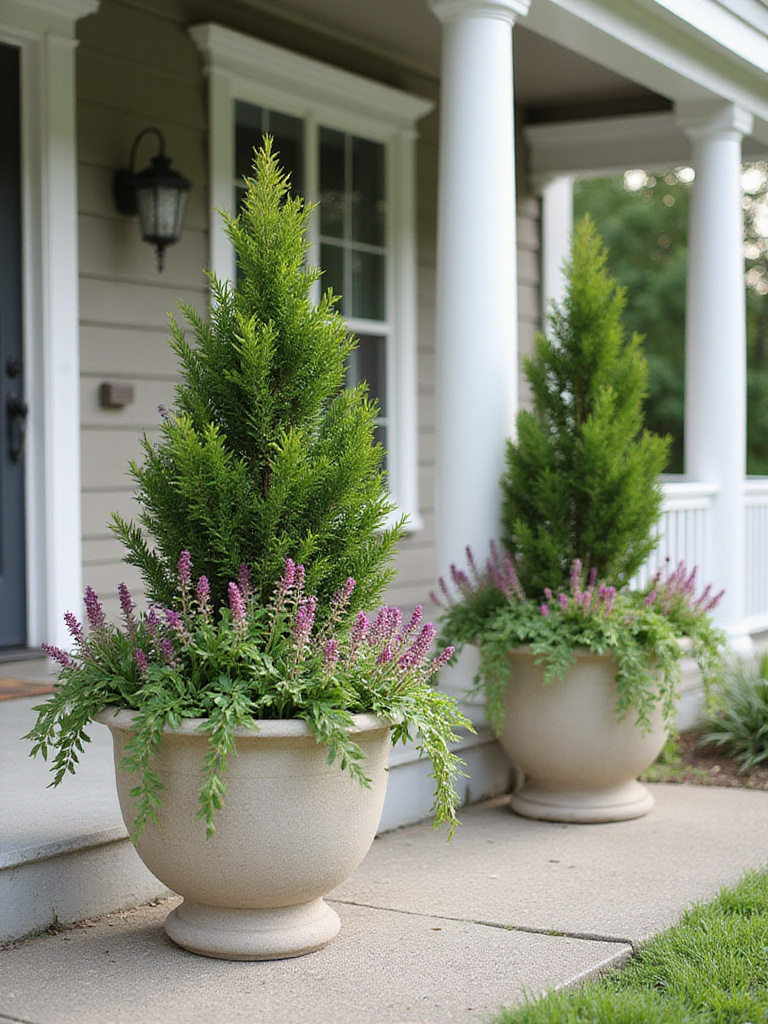
- The Thriller: A tall, dramatic plant in the center. Try a determinate tomato plant in a cage, a colorful stalk of ‘Bright Lights’ Swiss chard, or even a dwarf citrus tree.
- The Filler: Mounding plants that surround the thriller and fill the pot. Think bush basil, parsley, marigolds (which deter pests!), or even leafy lettuces.
- The Spiller: Trailing plants that cascade over the edge of the pot. Trailing nasturtiums (the flowers are edible!), oregano, or sweet potato vine are perfect choices.
This method gives you a lush, abundant look from day one. You’re using every inch of the container—up, out, and down. It’s a miniature, stacked ecosystem in a single pot. It’s beauty and bounty, all in one.
Enhancing Visual Appeal and Personal Touch (Part 2)
We’re in the home stretch, focusing on the finishing touches. These are the details that take a front yard from “nice” to “unforgettable.” They show a level of care and personality that makes a house feel like a home before you even step inside.
17. Hang Decorative Wreaths and Door Hangings for Seasonal Welcome
A wreath on the front door is such a classic gesture of welcome. But it doesn’t have to be a plastic one from a big box store. Why not create a living or edible wreath? In the spring, you can find wire frames you can pack with soil and plant with succulents. In the summer, a wreath made of woven rosemary or lavender branches is stunning and fragrant.
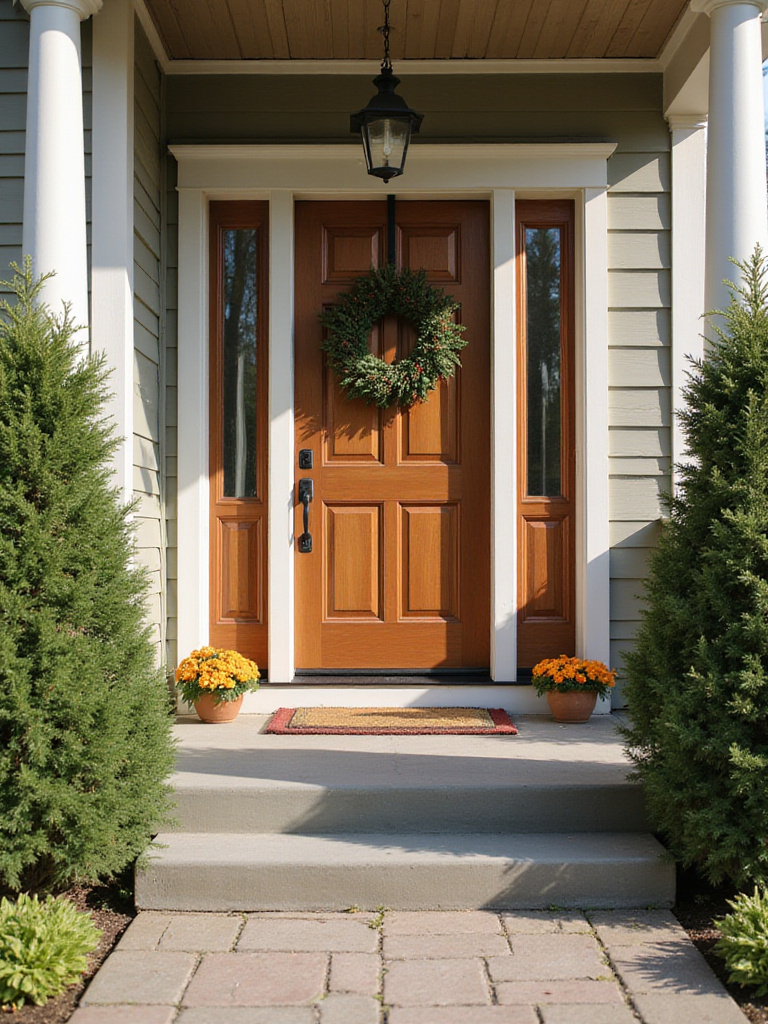
Come autumn, a wreath of dried herbs, seed pods, and chili peppers is beautiful. In the winter, classic evergreen boughs with pinecones and winterberries connect your home to the season. It’s a small, rotating piece of art that celebrates the rhythm of the year right on your front door.
18. Optimize Pathway Edging for Clean Lines and Defined Spaces
Edging is the picture frame for your garden beds. It creates a clean, tidy line between your garden and your lawn or walkway that just makes everything look more intentional and cared for. A messy edge can make even the most beautiful garden look chaotic. You don’t need anything fancy—a simple, clean trench cut with a spade works wonders.
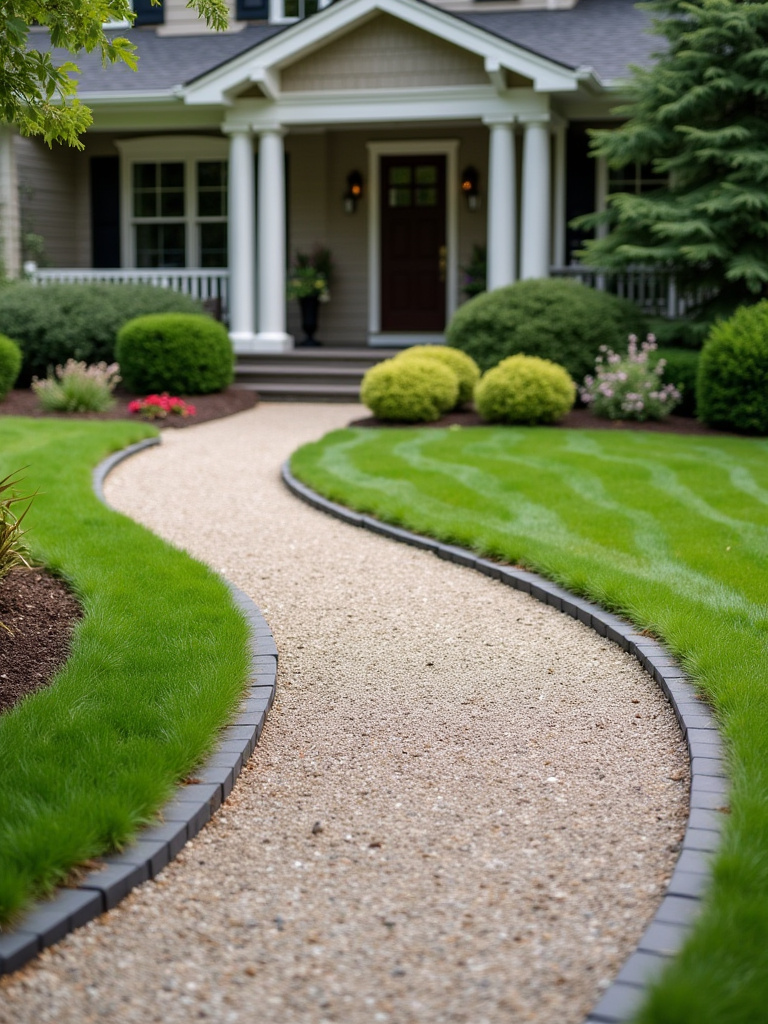
If you want a physical border, choose materials that match your home and walkway. Stone, brick, or corten steel are all fantastic, durable options. This simple step is what I call “the final 10%.” It’s a bit of work, but it elevates the entire look of your front yard and clearly says, “this space is tended with love.”
Maintaining and Optimizing Your Front Yard Beauty (Part 1)
A garden is never “done.” It’s a living, changing thing, and that’s the beauty of it! The “maintenance” phase isn’t a chore; it’s the ongoing conversation you have with your space. Tending to it is how you keep it healthy, beautiful, and productive.
19. Implement Regular Weeding and Pruning to Maintain Plant Health
Think of this not as a chore, but as “editing” your garden. A few minutes of weeding every couple of days is so much easier than a massive, back-breaking session once a month. The best shortcut to fewer weeds? Mulch, mulch, mulch! A thick, 2-3 inch layer of wood chips, straw, or shredded leaves will suppress weeds, retain moisture, and feed your soil as it breaks down. It’s the single best thing you can do for your garden’s health.
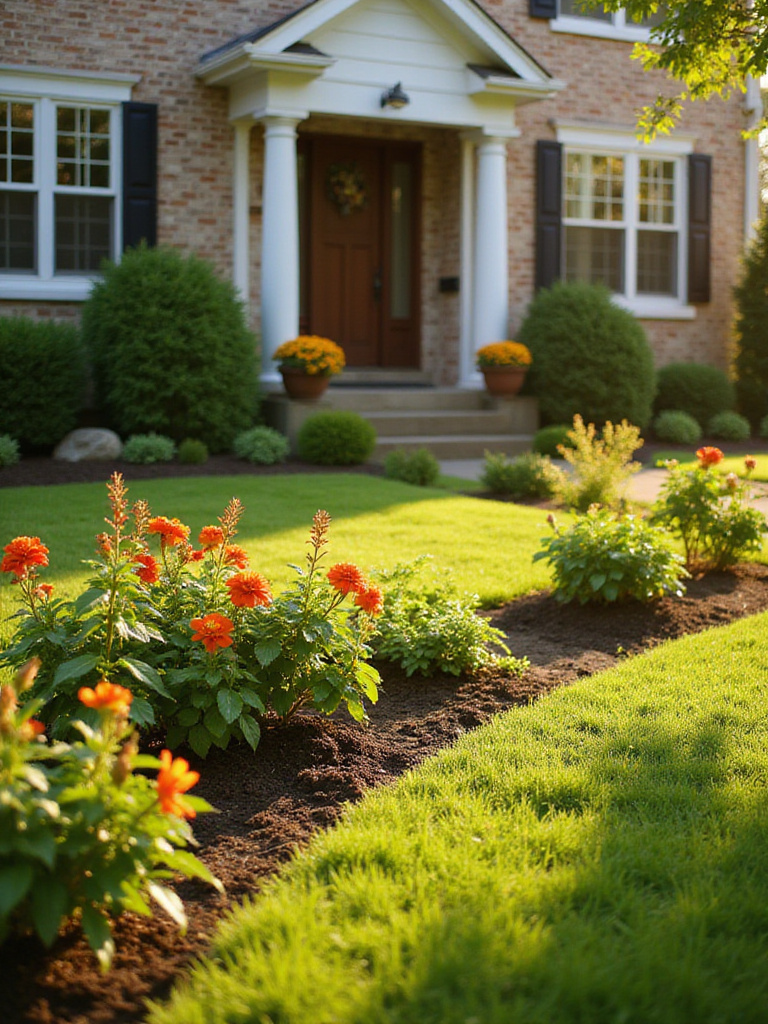
Pruning is how you shape your plants and encourage more growth. For edibles, pruning often means harvesting! When you snip herbs for dinner, you’re encouraging the plant to become bushier. When you pick off dead flower heads (called “deadheading”), you’re telling the plant to produce more blooms. It’s a simple act of care that keeps your plants vigorous and productive.
20. Clean and Maintain Hardscaping to Prevent Deterioration
Keeping your walkways, patios, and planters clean prevents them from looking grimy and old. But please, step away from the harsh chemical cleaners. They get washed into our storm drains and pollute our waterways. For most dirt and algae, a stiff-bristled brush and some elbow grease will do the trick. A pressure washer can be effective, but use the lowest setting that works to avoid damaging surfaces.
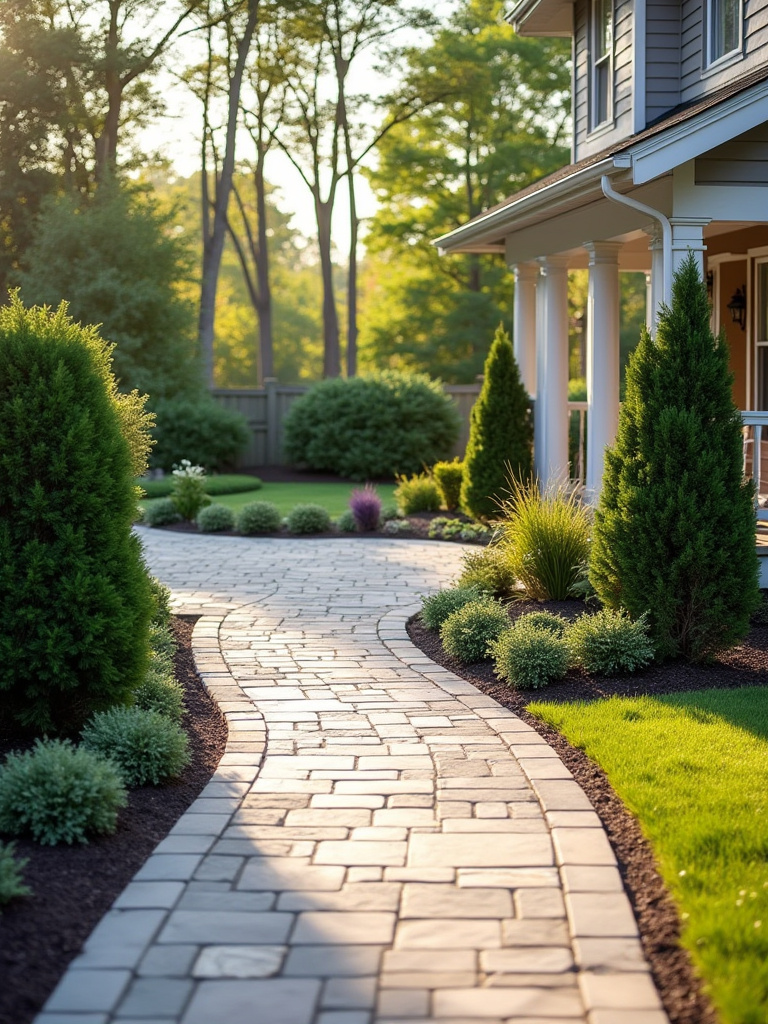
For stubborn stains or weeds in cracks, a mix of vinegar, salt, and a drop of dish soap is a powerful, eco-friendly herbicide. It’s all about using gentle, effective methods that keep your hardscaping looking great without causing harm to the environment around it.
21. Update Seasonal Decor Elements for Fresh, Timely Appeal
This is about leaning into the natural cycles of the year. Your front yard should look different in October than it does in May. This is the joy of a living space! Embrace it. Let your summer annuals fade and replace them with vibrant mums, asters, and ornamental kale for the fall. Nestle a few pumpkins or gourds among them for that classic harvest feel.
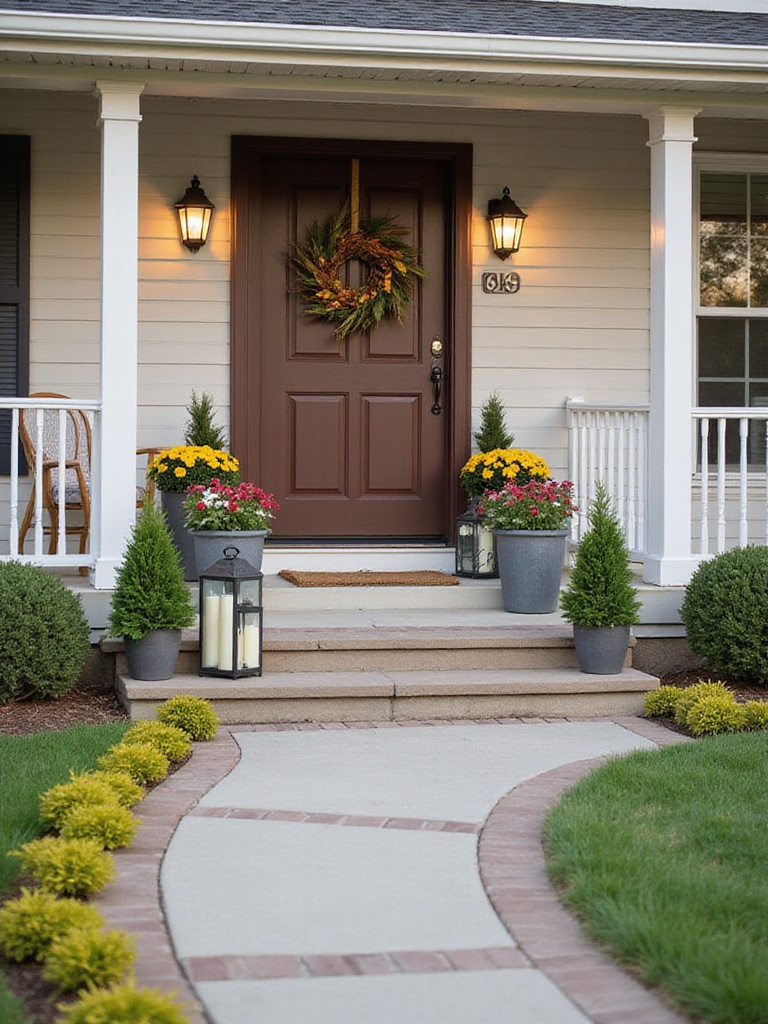
In the winter, after a hard frost, don’t rush to clear everything away. The seed heads of plants like coneflowers and grasses provide critical food for birds and look beautiful dusted with snow. Add some evergreen boughs to your containers or wrap a few branches in simple, warm white lights. Celebrating each season makes your front yard a dynamic, ever-changing source of beauty.
22. Monitor Lighting Fixtures for Optimal Function and Energy Efficiency
Just a quick check-in a few times a year can make all the difference. Make sure your solar panels on outdoor lights are clean so they can charge effectively. Wipe down the glass lenses on fixtures so the light isn’t being dimmed by dirt and grime. Check that timers are adjusted correctly for the changing daylight hours.
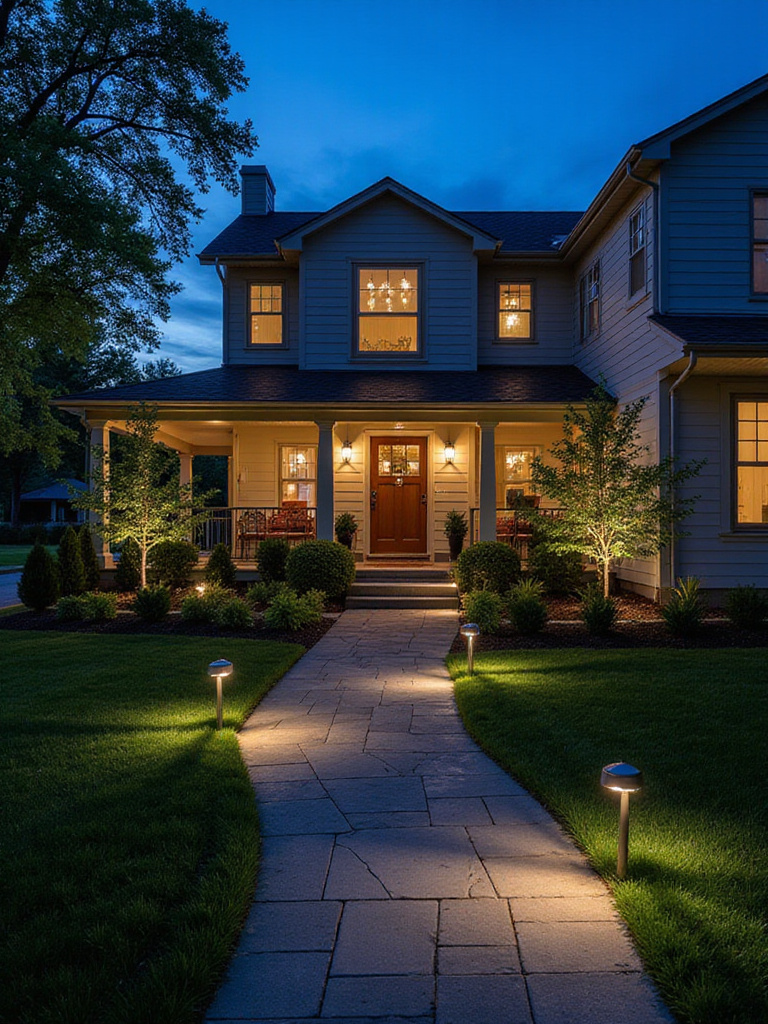
If you still have old incandescent bulbs in your outdoor fixtures, swapping them for warm-toned LEDs is a no-brainer. They use a fraction of the energy, last for years and years, and save you money. It’s an easy win for your wallet and the planet.
Maintaining and Optimizing Your Front Yard Beauty (Part 2)
You’ve built this incredible, living space. Now, let’s talk about the long game. Sometimes, bringing in a fresh perspective can take your vision to the next level and ensure your front yard ecosystem continues to mature and thrive for years to come.
23. Consider Professional Landscaping Consultations for Long-Term Vision
I know this might sound self-serving, but sometimes you just need a second set of eyes. A consultation with a professional who gets your vision can be incredibly valuable. But be picky! You don’t want a “mow and blow” crew that will try to sell you a chemical lawn care package. You want a landscape designer who specializes in ecological design, native plants, or permaculture.
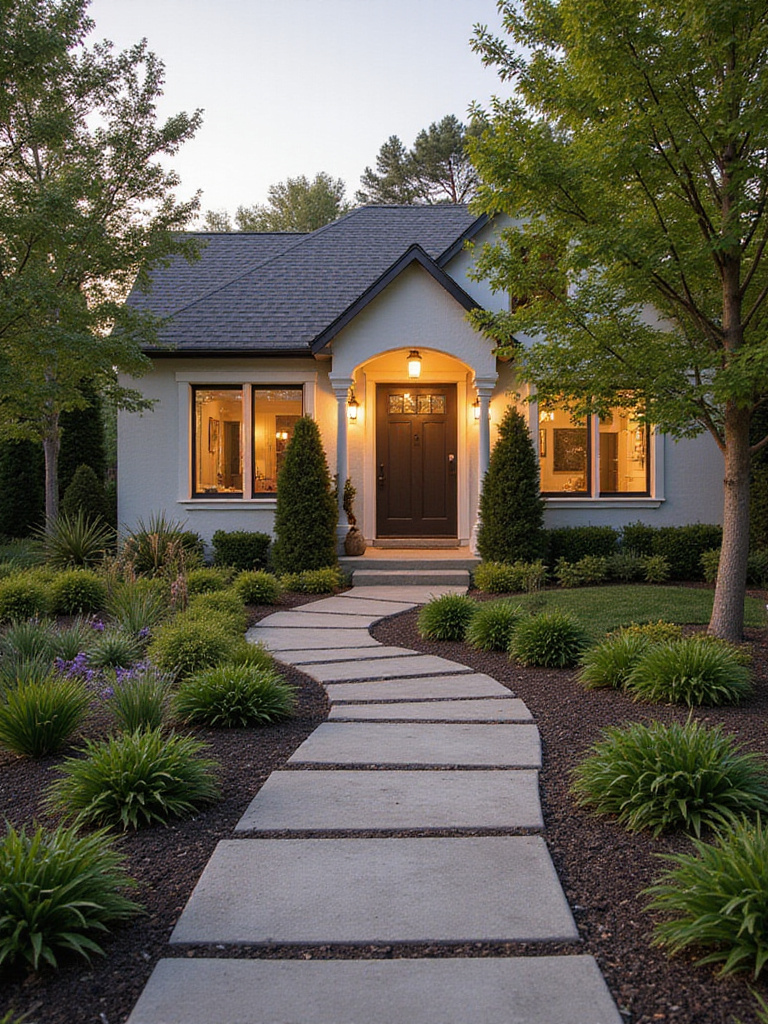
A good consultant won’t just tell you what to plant; they’ll help you create a long-term master plan. This is amazing if you’re on a budget because you can implement the plan in phases over several years, knowing that each step is part of a larger, cohesive vision. They can solve tricky problem areas, suggest bulletproof plants you might not know about, and help you create a front yard that is truly exceptional.
Conclusion
See? Your front yard doesn’t have to be a boring, lifeless patch of grass. It can be a vibrant, productive, and deeply personal space that truly welcomes you home. It’s your opportunity to create a small oasis that reflects who you are, feeds your soul (and your body!), and contributes a little something beautiful to the world. It’s about connection—to nature, to the seasons, and to your own home.
Don’t feel like you have to do all 23 of these things at once. Pick one or two that excite you and start there. Plant some herbs in a pot by your door. Add a comfortable bench. Swap a patch of lawn for native wildflowers. Every small change is a step toward creating a home ecosystem that has a curb appeal that’s more than just surface-deep. It has heart. Now go get your hands dirty.