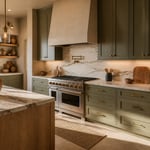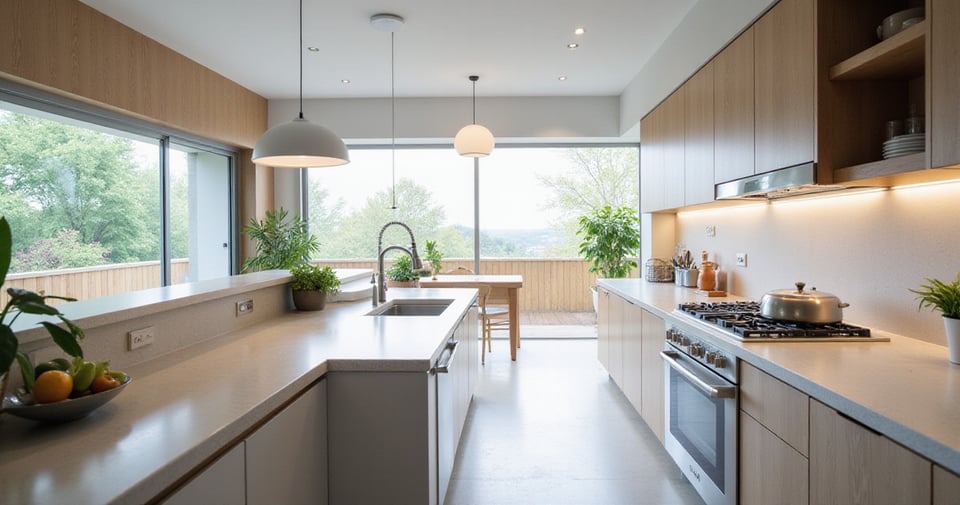
I used to think a beautiful kitchen was about having the latest trends. Then I spent a summer in my grandmother’s village outside Amman, Jordan. Her “kitchen” was little more than a stone counter, a gas burner, and a small sink, but it opened onto a sun-drenched courtyard filled with mint and lemon trees. Everything was within arm’s reach. Nothing was wasted. It was a space shaped entirely by climate, community, and function—and it was one of the most beautiful, soulful kitchens I’ve ever been in.
That’s the real story, the one you don’t get from showrooms. A kitchen remodel isn’t just a construction project; it’s a conversation between your home, your climate, and your life. It’s about creating an ecosystem, not just installing cabinets. Everyone gets so caught up in the noise—the quartz versus quartzite debate, the color of the year—that they forget to ask the most important question: “How do I want to feel in this space?” Let’s cut through that noise. I’ll share what truly matters.
Strategic Planning: Laying the Foundation for Your Dream Kitchen (Part 1)
This first part is everything. Seriously. So many people rush this stage because they’re excited to pick out finishes, but this is where you prevent the mistakes that cost you money and sanity down the line. Think of it as mapping your journey before you start driving. It’s about understanding the land—your home—and your destination.
1. Define Your Kitchen’s Functional Zones for Optimal Workflow
Before you think about a single cabinet style, think about movement. Cooking is a dance, and a good layout is the choreography. You need intuitive zones for preparing, cooking, and cleaning so you’re not constantly walking back and forth. This isn’t about rigid, outdated “work triangles”; it’s about creating a natural flow that feels effortless.
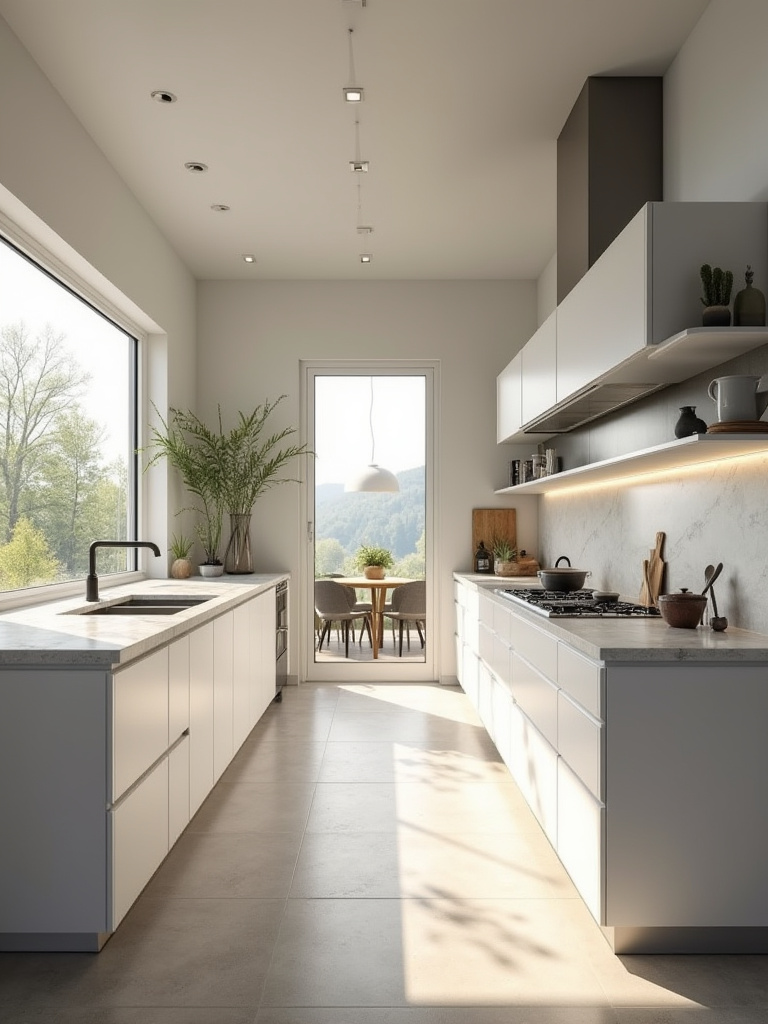
A well-designed kitchen should feel like an extension of your own body. I once worked with a client whose main prep space was across the room from their trash and compost. They spent half their cooking time just walking across the floor to scrape vegetable peels. By creating a dedicated prep zone with an integrated waste system right on their island, we didn’t just save them steps; we gave them back a sense of calm and efficiency in their daily routine.
This focus on creating a seamless flow is essential for creating a truly livable space.
2. Establish a Realistic Remodeling Budget and Contingency Fund
Can we be honest about money? A budget isn’t a restriction; it’s a tool for creative problem-solving. But the number one mistake I see is people not building in a contingency fund—a safety net for the unexpected. Old homes, in particular, have stories hidden in their walls. And those stories, like old plumbing or quirky wiring, can be expensive.
I tell every client to set aside at least 15% of their total budget for this. It’s not “extra” money; it’s part of the real cost. Someone once ignored this advice to afford a pricier stone for their island. Halfway through demolition, we found significant water damage behind the old sink. Their beautiful stone slab sat in the driveway for a month while they scrambled for funds to fix the structural issue, forcing them to compromise on lighting and fixtures later. Plan for the unknown, and you’ll keep control of your project.
Let’s talk about how to understand what you’re even working with in the first place.
3. Assess Your Current Kitchen’s Strengths and Weaknesses
Before you tear anything out, spend a week really living in your current kitchen with a notebook. This is the part everyone skips. Be a detective. Where does the morning light hit? Where do you constantly stub your toe? What’s the one cabinet you can never reach? Where do guests always seem to congregate, getting in your way?
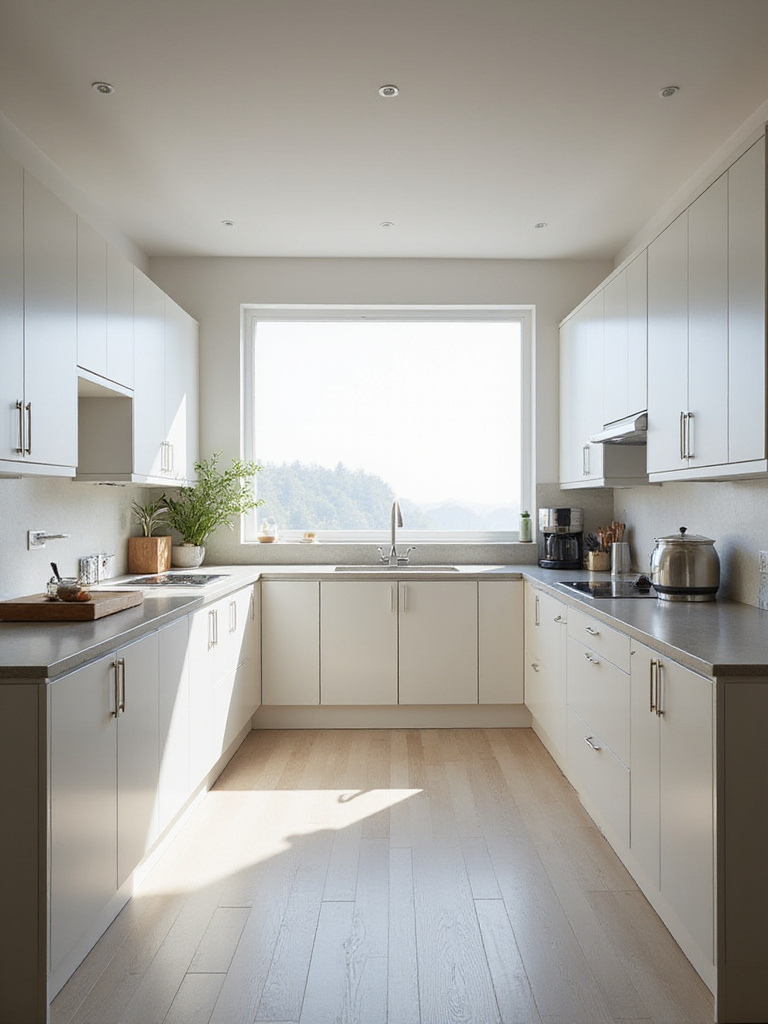
Your current kitchen is trying to tell you what it wants to be. So many people get obsessed with an inspiration photo and try to force it onto their space, ignoring the home’s natural architecture. One of my favorite projects started with a client complaining about a dark, useless corner. But we realized it got beautiful, soft afternoon light. Instead of filling it with cabinets, we built in a small bench with a window. It became their family’s favorite spot for a cup of tea, a “weakness” turned into the heart of the home.
Once you know your space, you can start dreaming about its style.
4. Visualize Your Desired Kitchen Style and Aesthetic Cohesion
Style isn’t about a label like “modern farmhouse” or “industrial.” It’s about a feeling. This is where I blend my background. The minimalism of Scandinavia brings clean lines, light, and uncluttered functionality. But the warmth of Middle Eastern design brings texture, earthy materials, and a sense of grounding. Think of smooth, cool plaster walls next to the warmth of a raw oak shelf.
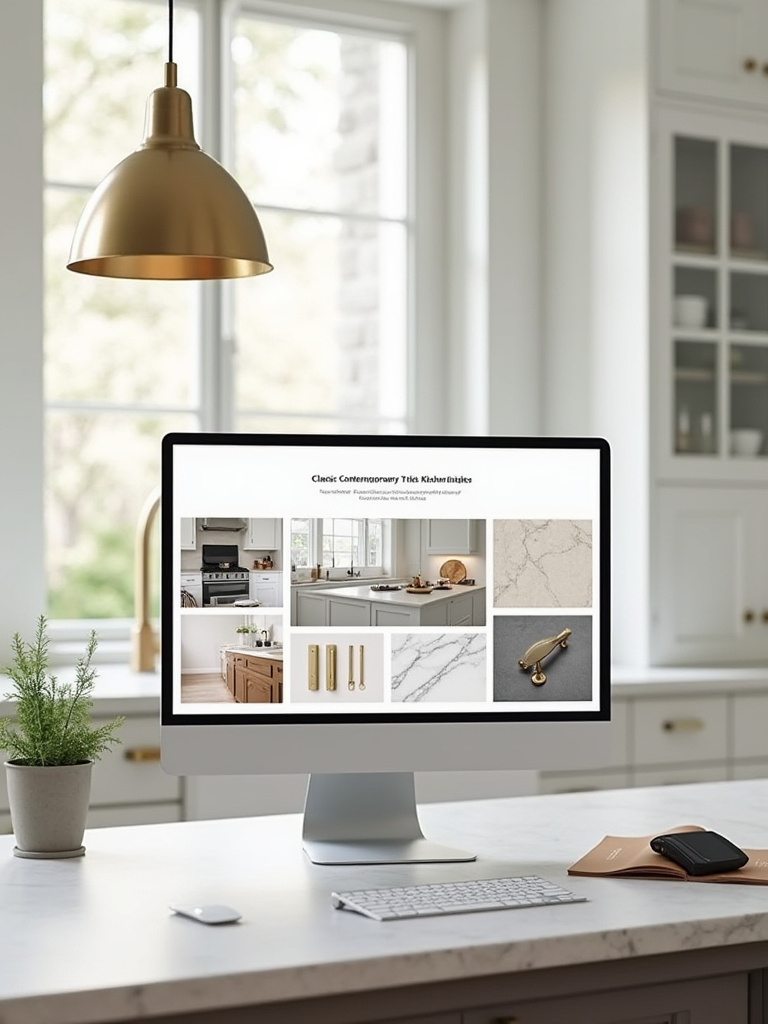
The shortcut here is to create a physical mood board, not just a Pinterest one. Gather real samples: a tile, a piece of wood for the cabinets, a stone sample, a fabric swatch, and a paint chip. Live with them in your space for a few days. See how they look in the morning light versus the evening. A color that looks perfect under showroom lights can feel completely different in your home. This simple step prevents the “Oh no, what have I done?” feeling after the paint is on the walls.
Strategic Planning: Laying the Foundation for Your Dream Kitchen (Part 2)
Once your foundation is solid, bringing in an expert can feel like a luxury, but it’s often the most practical decision you’ll make. It’s about having a guide who knows the terrain and can see the path ahead clearly.
5. Consult with a Professional Kitchen Designer for Expert Guidance
I know what you’re thinking: “Can I afford a designer?” The better question is, “Can you afford not to have one?” A good designer is your translator, advocate, and problem-solver. They see things you don’t—how moving a doorway by six inches could transform the entire flow, or which local craftsman can build cabinets that will last a lifetime for less than the big-box store’s particleboard option.
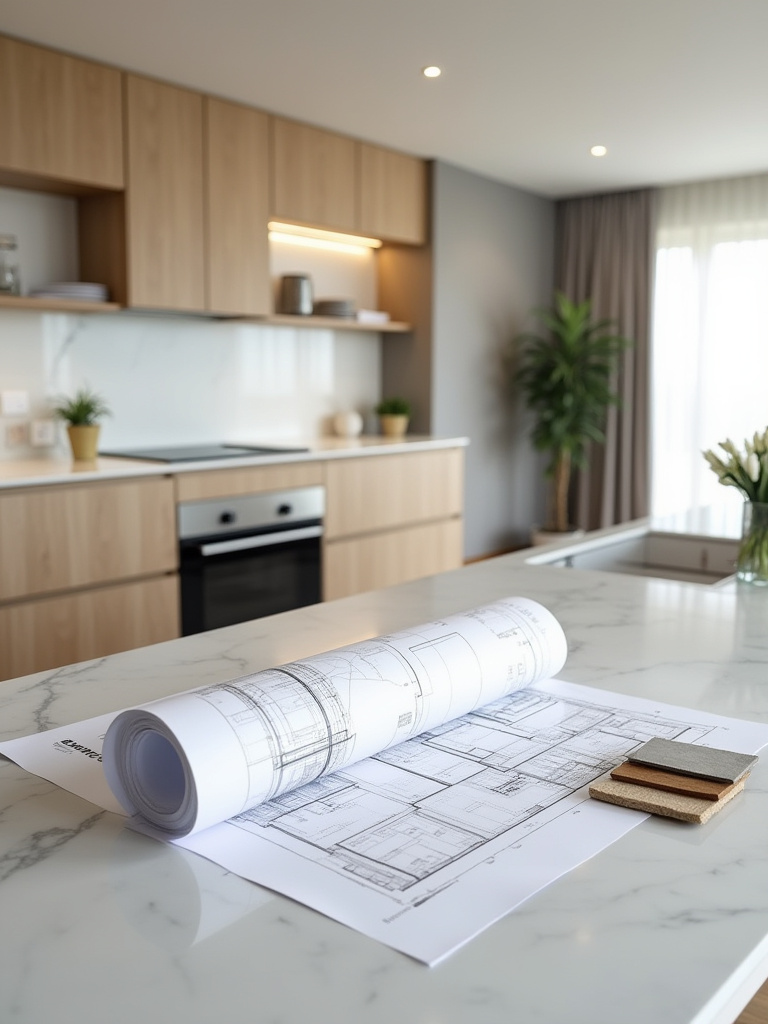
They also save you from yourself. I’ve seen brilliant people fall in love with a beautiful but wildly impractical material, and it’s the designer’s job to gently say, “I hear you, but that unsealed marble will stain the first time you spill wine, and you will hate it in six months. Let’s look at quartzite instead.” That single piece of advice can save years of regret. A good partnership with a designer isn’t an expense; it’s insurance against costly mistakes.
Core Elements: Selecting and Installing Key Kitchen Components (Part 1)
Now we get to the tangible pieces. These are the building blocks of your kitchen—the elements you will touch and use every single day. Longevity and feel are more important than any trend.
6. Choose Cabinetry That Maximizes Storage and Reflects Your Style
Cabinetry is the architecture of your kitchen. The BS everyone tells you is that it’s all about the door style. It’s not. It’s about what’s inside. Spend your money on high-quality cabinet boxes (plywood, not particleboard) and good hardware. Soft-close, full-extension drawers are non-negotiable. They allow you to see everything, even in the back, eliminating that black hole of lost Tupperware.
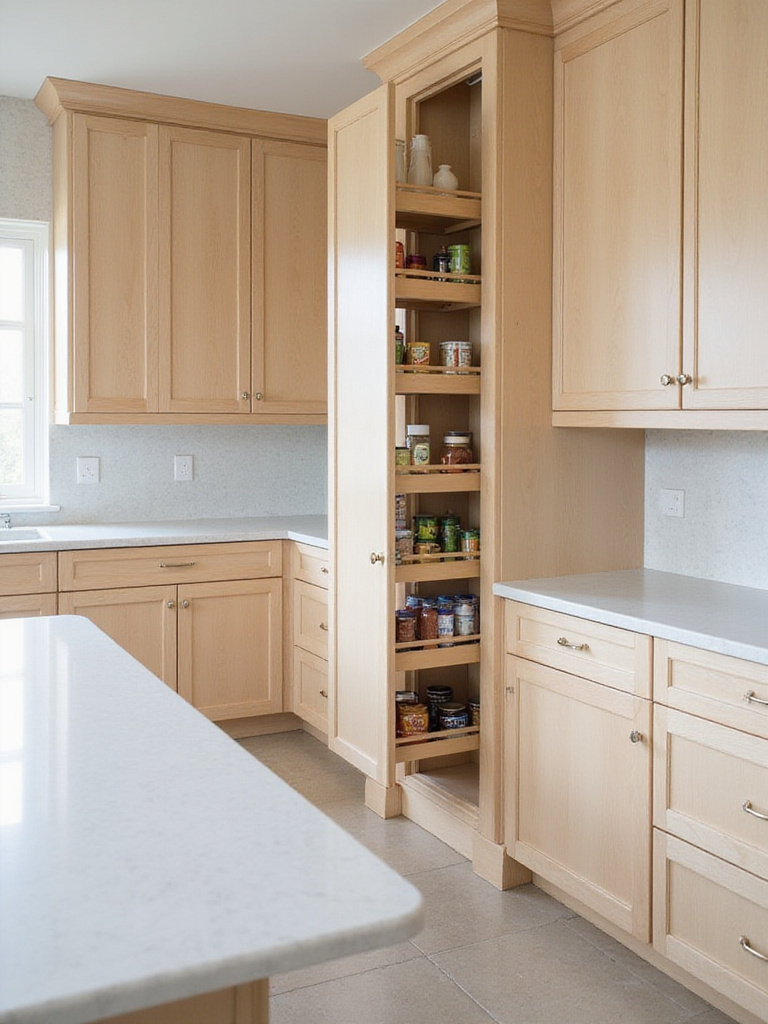
My rule of thumb: prioritize drawers over lower cabinets wherever possible. You can store anything in a drawer—pots, pans, dishes, food. It’s more ergonomic and infinitely more functional. For the style, think simple and timeless. A flat-panel or simple Shaker door in a beautiful wood or a muted, earthy tone will never look dated. It’s a quiet backdrop for your life, not a shouting statement piece.
With your structure in place, we can think about the surfaces you’ll work on.
7. Select Durable Countertop Materials for Beauty and Practicality
Your countertop is your primary work surface. It has to be a workhorse. So many people are seduced by the delicate veining of certain marbles, but for most busy kitchens, it’s a heartache waiting to happen. You need something that can handle a hot pan, a splash of lemon juice, or a forgotten wine ring without you having a panic attack.
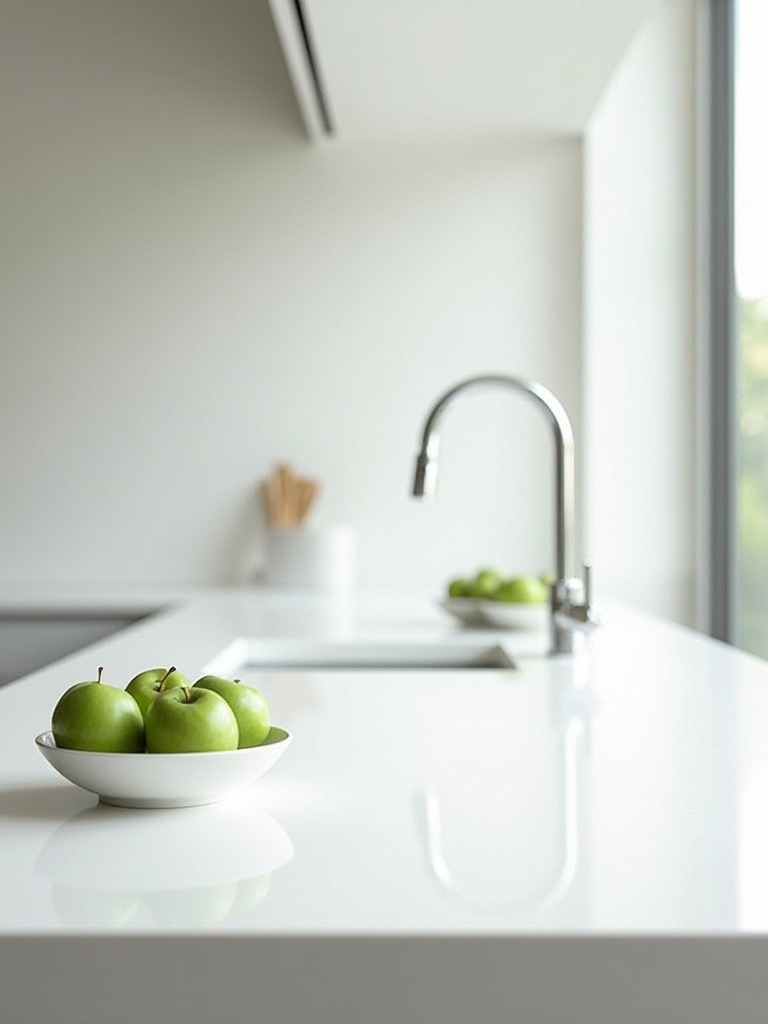
This is where climate-conscious design comes in. In a warm climate like the desert, stone surfaces feel beautifully cool to the touch. Look at materials like quartzite, which has the beauty of marble with the durability of granite, or even newer porcelain slabs. Get samples. Test them. Pour coffee on them, leave a lemon slice overnight. See how they truly live before you commit thousands of dollars to them. Durability is a form of sustainability; the longer something lasts, the fewer resources we consume replacing it.
Now let’s talk about the engines that run your kitchen.
8. Invest in Energy-Efficient Appliances for Long-Term Savings
This is a no-brainer, but people still get it wrong by focusing only on the look. An energy-efficient appliance isn’t just about saving money on your utility bills or being kind to the planet, though those are huge benefits. It’s also a sign of better engineering. They’re often quieter, more precise, and built to a higher standard.
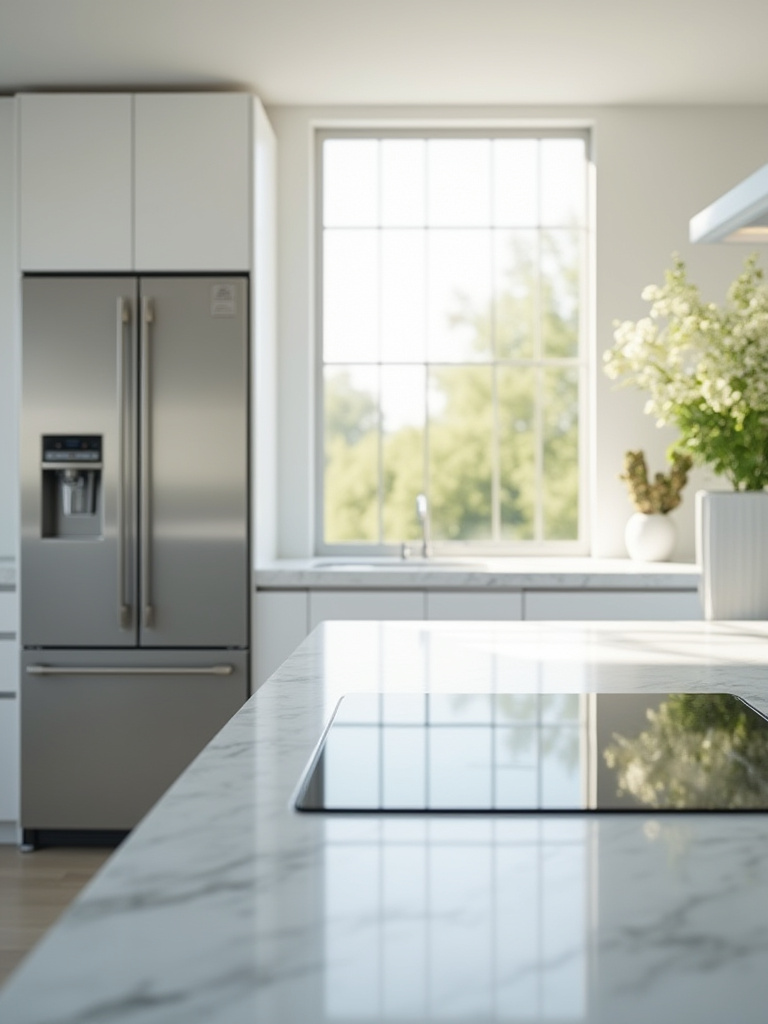
One of the biggest advances is the induction cooktop. Everyone is so attached to gas, but induction is faster, safer (no open flame), easier to clean, and, critically, doesn’t release harmful pollutants into your home’s air. It’s a huge win for indoor air quality and sustainability. Think of this part of your budget as a long-term investment in your home’s health and the planet’s.
Once your core components are chosen, it’s time to bring it all to life with light.
9. Design an Effective Lighting Scheme for Task and Ambient Glow
Lighting is the soul of a room, and kitchens are the most common victims of bad lighting. A single flush-mount light in the center of the ceiling is a recipe for a sterile, shadow-filled workspace. You must layer your light. Think like a theater designer: you need overall ambient light, focused task light for your work zones, and accent light to create warmth and mood.
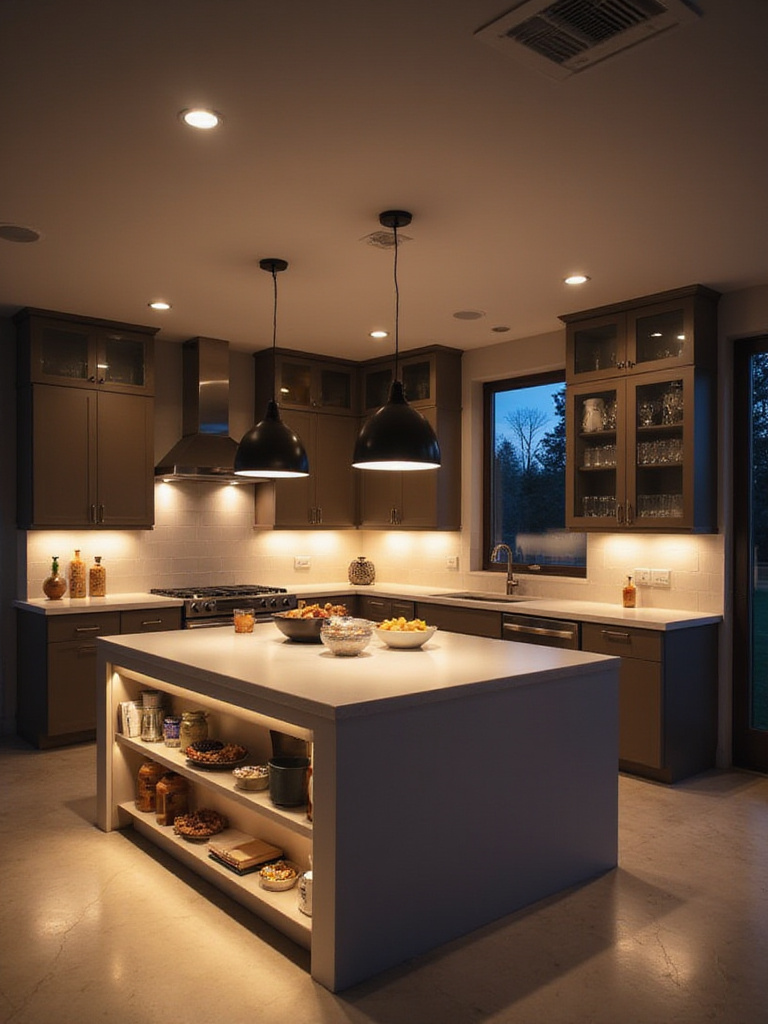
The most transformative and simple addition is under-cabinet lighting. It illuminates your countertops directly, eliminating shadows cast by your own body. It makes prep work safer and the whole kitchen feel brighter. Then, add a statement fixture over your island or dining nook, but put it on a dimmer. Always use dimmers! This allows your kitchen to transform from a bright, functional workshop to a soft, inviting space for a quiet dinner. Use warm-temperature LEDs (around 2700K-3000K) to mimic the welcoming glow of sunlight or firelight.
Core Elements: Selecting and Installing Key Kitchen Components (Part 2)
We’ve covered the big players, but these next few elements are the details that elevate a kitchen from good to truly great. They’re about refining the function and feel of the space.
10. Optimize Your Layout for Efficient Sink and Faucet Placement
Your sink is the most-used station in your kitchen. Its placement is critical. Make sure you have ample counter space—what I call a “landing zone”—on both sides. One side for dirty dishes, the other for clean ones on a drying rack. It sounds simple, but you’d be surprised how many layouts get this wrong, creating a constant bottleneck.
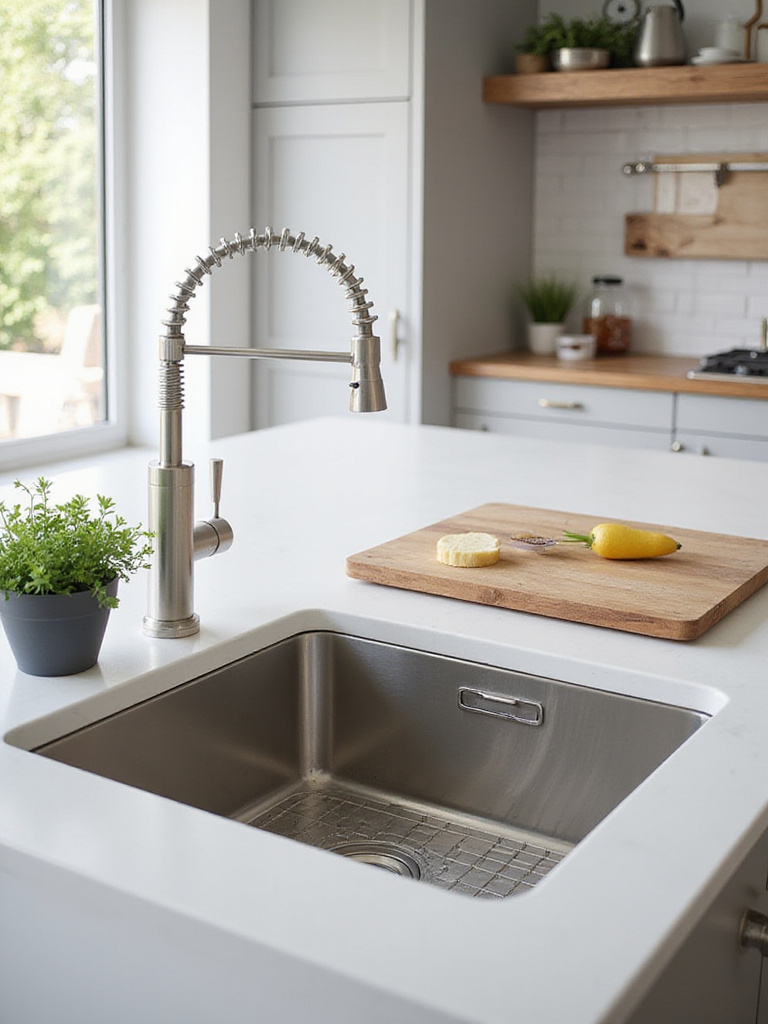
When it comes to the hardware, invest in a high-quality faucet with a pull-down spray. It’s a workhorse you will use dozens of times a day. And please, think about the material. Unlacquered brass is one of my favorites; it develops a beautiful, warm patina over time, telling the story of its use. It brings a living, changing element into a space full of static surfaces.
Once you have your key stations, it’s time to connect them with thoughtful storage.
11. Implement Smart Storage Solutions to Declutter Your Space
The goal of good storage is a clear counter. A cluttered counter leads to a cluttered mind. But smart storage isn’t about hiding things; it’s about making them beautifully accessible. Instead of a standard cabinet, consider a floor-to-ceiling pantry unit with pull-out shelves. You can see everything at a glance, so food doesn’t get lost and expire in the back.
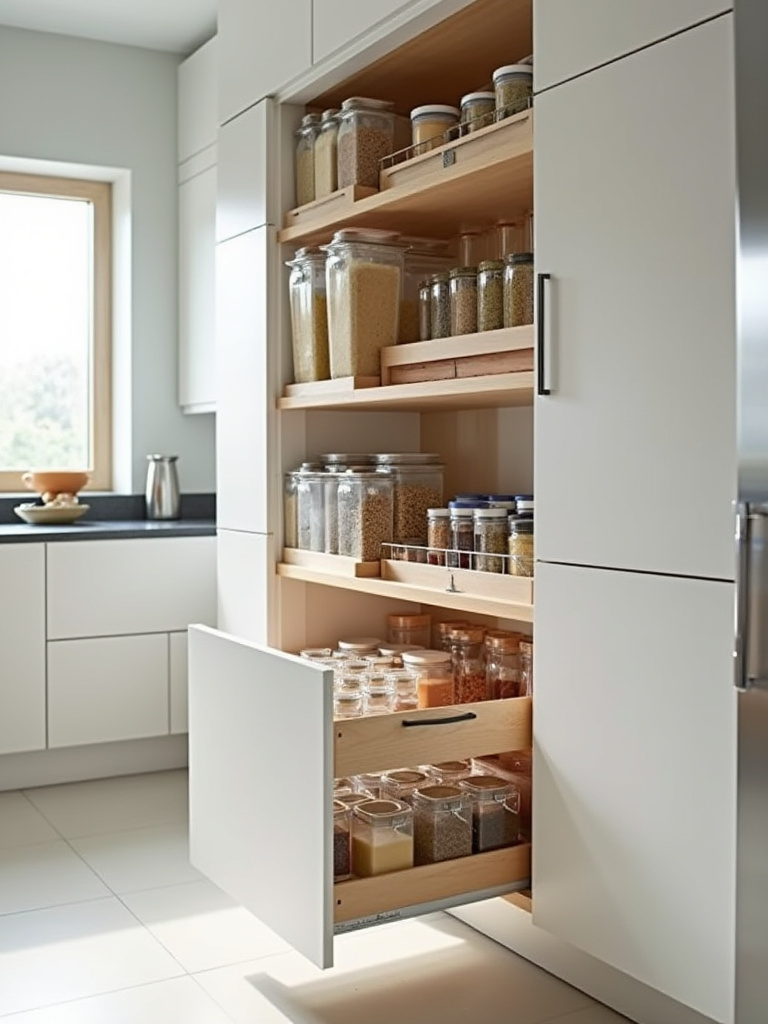
My favorite shortcut for a serene kitchen is the “appliance garage.” It’s a dedicated cabinet with an outlet inside where you can tuck away your toaster and blender. The appliances are ready to use, but they’re not cluttering your visual field. Another is dedicating one deep drawer near the stove specifically for spices, organized with a simple insert. It’s these small, thoughtful systems that make a kitchen a true joy to work in.
And beneath it all is the foundation you stand on.
12. Select High-Quality Flooring for Durability and Aesthetic Appeal
kitchen flooring takes a beating. It needs to be durable, comfortable to stand on, and easy to clean. So many people choose materials based on looks alone, but you must consider practicality. Tile is incredibly durable, but it can be hard on your joints. If you go with tile, consider adding radiant floor heating underneath—a touch of luxury that is incredibly efficient in colder climates.
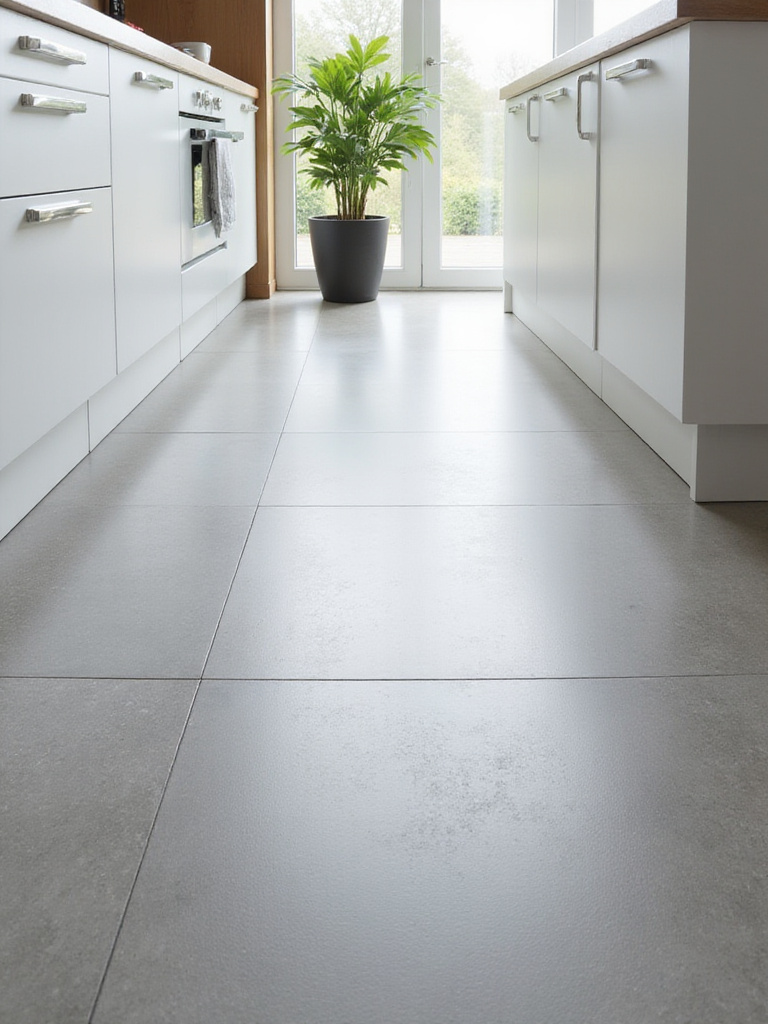
For a balance of warmth and durability, I often look to materials like cork or Marmoleum, which are sustainable, resilient, and much softer underfoot. If you love the look of wood, choose an engineered hardwood designed for kitchens, or a high-quality luxury vinyl plank (LVP), which is nearly indestructible and waterproof. Your floor grounds the entire room, so choose a material that feels as good as it looks.
Refining Your Space: Aesthetics, Technology, and Personal Touches (Part 1)
With the bones of your kitchen in place, this is where you infuse it with personality and make it truly your own. It’s about adding layers that speak to your life and passions.
13. Integrate Smart Kitchen Technology for Enhanced Convenience
Let’s demystify “smart kitchen.” It’s not about your refrigerator ordering milk for you. The most useful smart tech is subtle and practical. Think of a touchless faucet you can turn on with the back of your hand when you’re handling raw chicken. Or smart outlets that you can program to turn off your coffee maker.
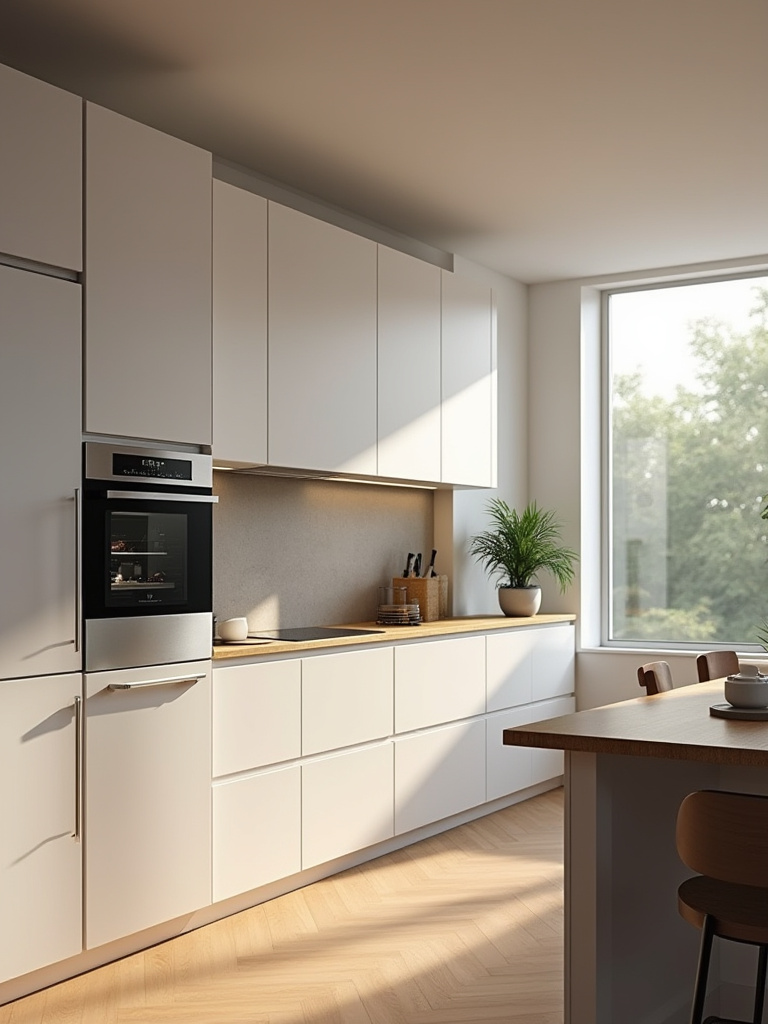
Start small with things that solve a real annoyance in your daily life. The goal isn’t to create a futuristic spaceship; it’s to use technology to make your kitchen more intuitive and efficient. Focus on integration that simplifies tasks rather than adding another screen to your life. True luxury is when technology becomes invisible and simply makes your life easier.
This blend of old and new thinking can be beautifully expressed in your display choices.
14. Explore Open Shelving to Add Character and Accessibility
There’s a debate about open shelving, and here’s my take: use it strategically and with purpose. A whole wall of open shelves can be a dust-collecting nightmare. But a few beautifully crafted shelves for your everyday dishes or your favorite handmade mugs can bring life and personality to a wall, breaking up the monotony of endless cabinet doors.
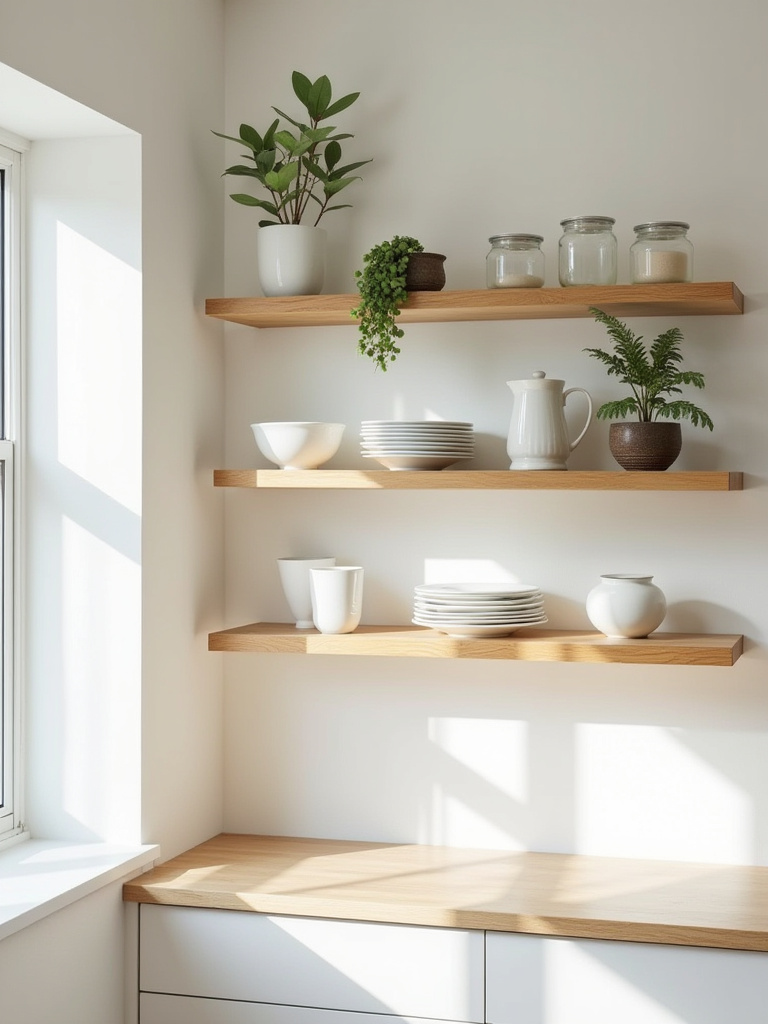
In a desert-modern context, I love using a thick, reclaimed piece of wood for a floating shelf against a smooth plaster wall. It provides a perfect moment of texture and warmth. The trick is curation. Don’t crowd them. Display only the items you love and use often. This forces you to be intentional about what you own and keeps your most-used items beautifully accessible.
And what goes behind those shelves? A backsplash that ties it all together.
15. Choose a Backsplash Design That Complements Your Overall Theme
The backsplash is your kitchen’s moment of art. It’s a place to play with pattern, texture, or color in a way you can’t with countertops or cabinets. But here’s the secret: it shouldn’t scream for attention. It should be part of the whole conversation.
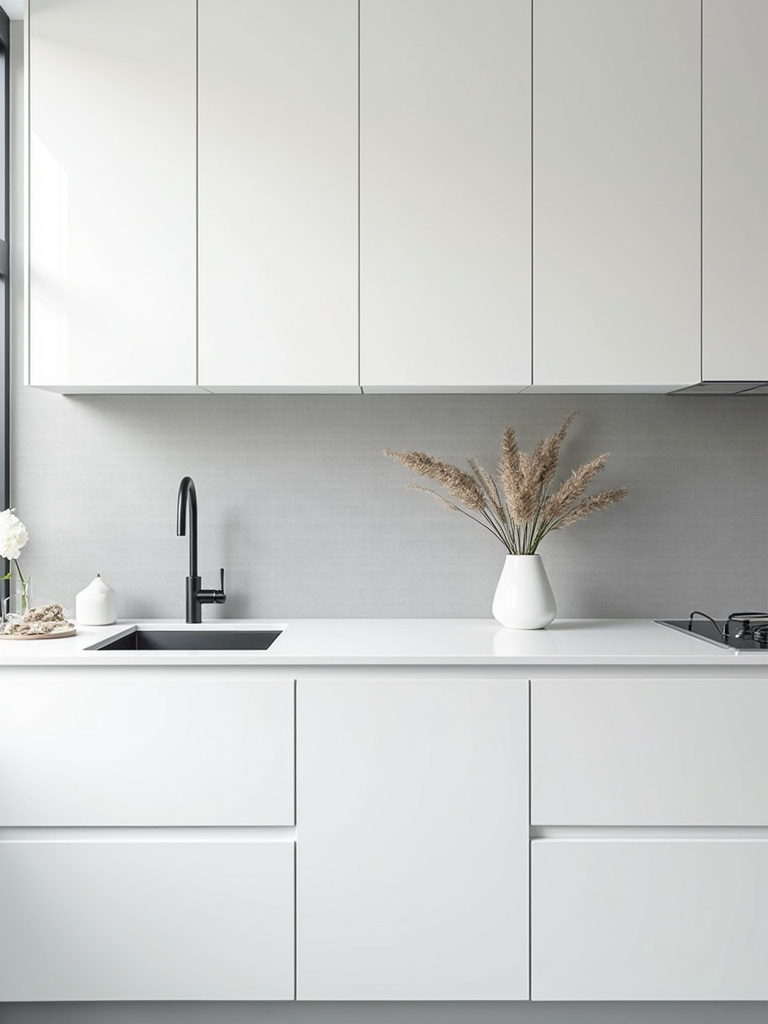
Instead of a busy, patterned tile that will feel dated in five years, consider something with timeless texture. Zellige tiles, handmade in Morocco, are a perfect example. Each one is slightly different, creating a surface that shimmers and reflects light with subtle variation. Or, for a truly seamless and minimalist look, run your countertop material straight up the wall. It’s a clean, bold statement that feels both ancient and incredibly modern.
Beyond the main work area, let’s carve out a space for life’s simple rituals.
16. Incorporate a Dedicated Coffee Bar or Beverage Station
In both Middle Eastern and Scandinavian cultures, the act of sharing a drink—coffee, tea—is a cornerstone of hospitality. Creating a small, dedicated space for this ritual elevates it from a routine task to a moment of pleasure. It declutters your main prep area and creates a charming focal point.
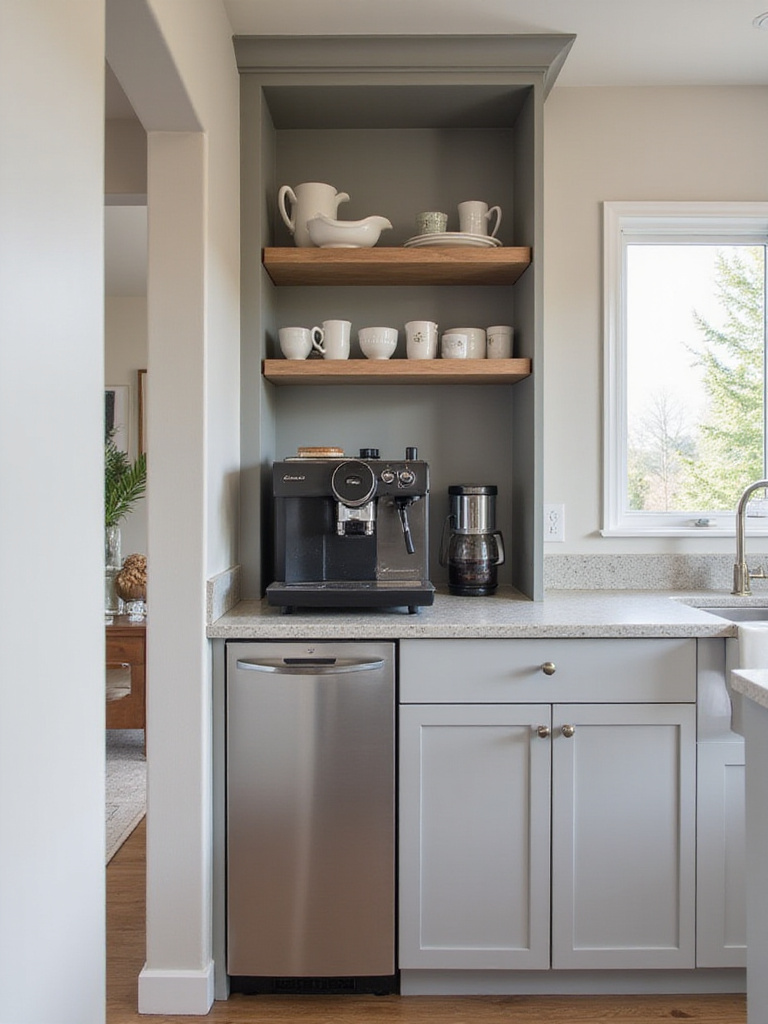
It doesn’t have to be grand. It can be a small section of counter with floating shelves above for your favorite mugs, a beautiful tray for your coffee press, and a small drawer for tea and filters. Having this dedicated zone invites you to slow down for a moment. It’s a small luxury that profoundly impacts how you start your day.
Refining Your Space: Aesthetics, Technology, and Personal Touches (Part 2)
These final touches are what will make you fall in love with your kitchen every time you walk into it. It’s where your unique story comes to life.
17. Select Statement Lighting Fixtures as Visual Focal Points
Just as the backsplash can be art, so can a light fixture. A beautiful pendant over your island or a sculptural chandelier over your dining nook acts as functional jewelry for the room. It draws the eye, anchors the space, and adds a layer of sophistication.
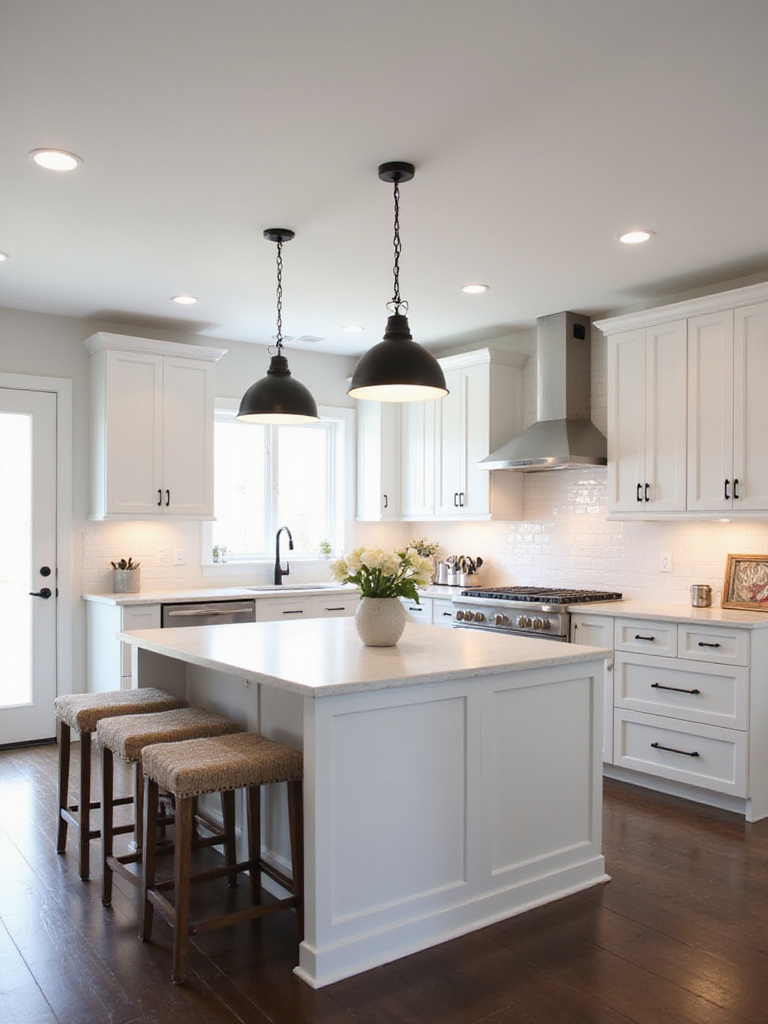
This is a place where you can express your personality. Choose a fixture made from natural materials—woven rattan, handcrafted ceramic, or aged brass. Make sure it feels connected to the rest of the space, but don’t be afraid for it to be a little bold. Like a perfect piece of jewelry, it should complete the outfit, not overwhelm it.
And to add life, you need, well, life.
18. Add Greenery and Natural Elements to Soften the Space
A kitchen full of hard surfaces—stone, wood, metal—needs the softness of living things. This is a core tenet of biophilic design, which is all about connecting our built environments with nature. The effect is profound, reducing stress and purifying the air. A kitchen without plants feels sterile and lifeless.
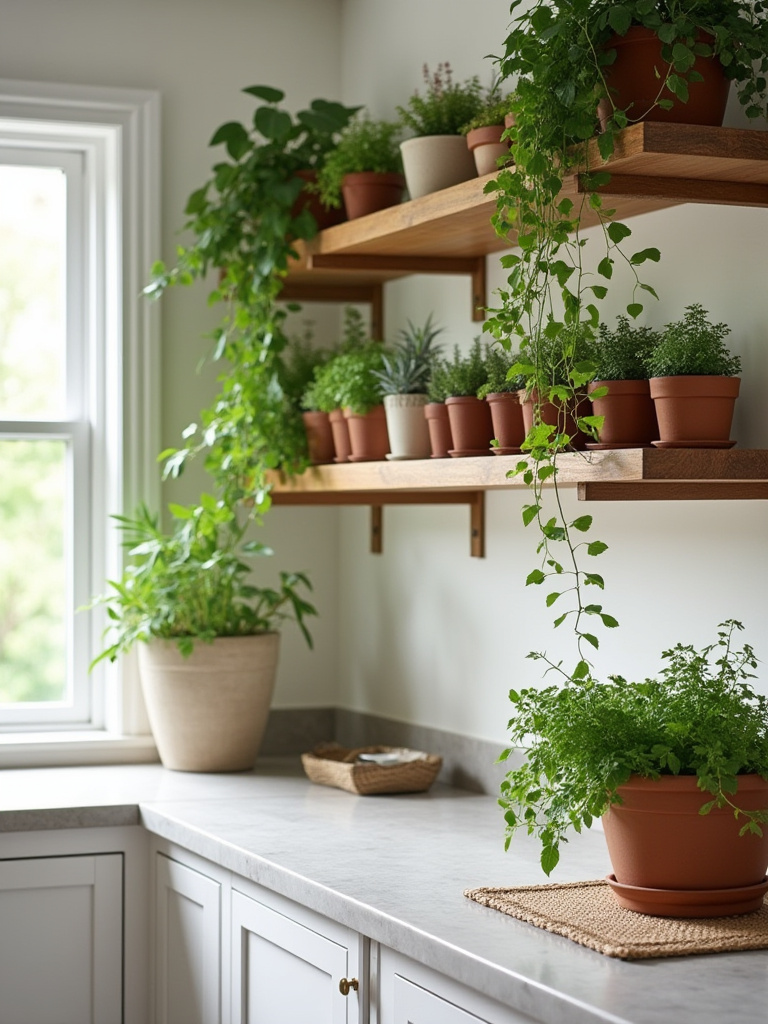
A simple pot of herbs on the windowsill not only adds life but is functional, too. A hanging pothos trailing from a high shelf can add vertical interest and a pop of vibrant green. And don’t stop at plants. A simple wooden bowl filled with lemons or a beautiful piece of driftwood on an open shelf connects the space back to the natural world. These touches are what make a house feel like a home.
Finally, think about how you will share the space with others.
19. Design an Integrated Dining Nook or Island Seating Area
The kitchen has replaced the formal living room as the true center of the home. Integrating seating makes it a welcoming hub for family and guests. Island seating is wonderful for casual conversations, but a built-in banquette or dining nook offers a special kind of intimacy.
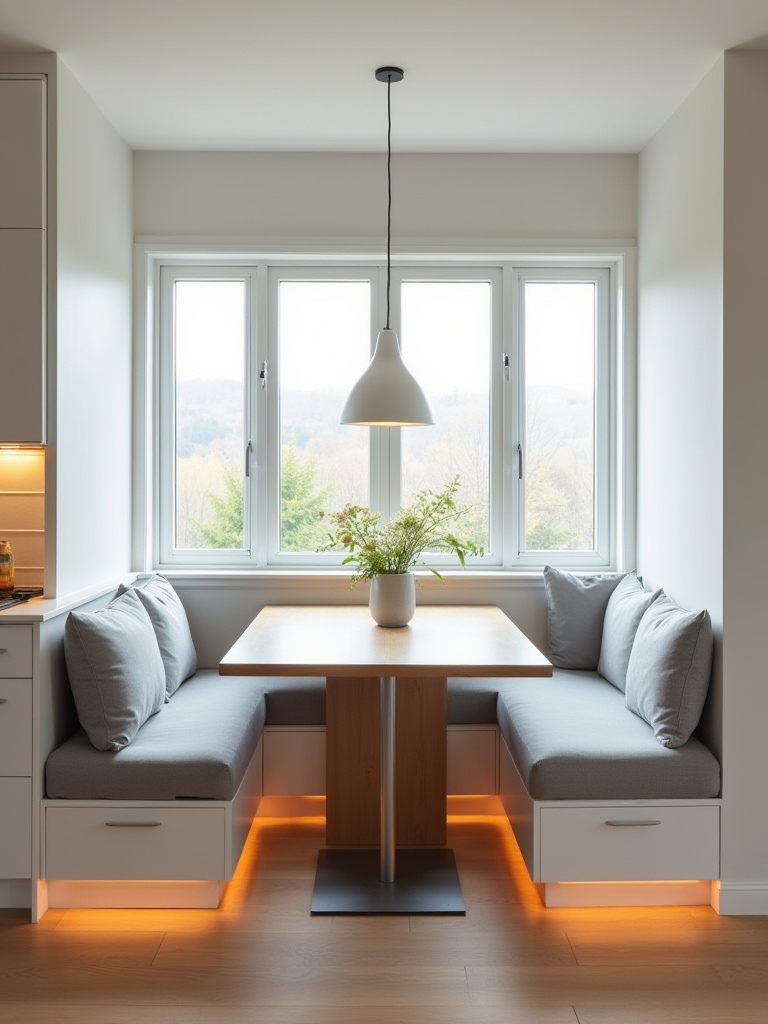
There’s a concept in Scandinavian design called hygge—a feeling of cozy contentment. A dining nook is pure hygge. Tucked into a corner with soft cushions and warm lighting, it invites people to linger, to have one more cup of coffee, to share stories. It turns a purely functional room into a space for connection.
Sustainable Solutions and Long-Term Value: Advanced Remodeling Insights (Part 1)
Thinking about the future of your home and the planet isn’t a trend; it’s a responsibility. These considerations will not only give you a healthier home but one with enduring value.
20. Prioritize Eco-Friendly and Sustainable Material Choices
Sustainability is about making choices that are kind to the earth and healthy for your family. This means looking for wood from responsibly managed forests (FSC-certified), using paints with no volatile organic compounds (VOCs) to ensure clean indoor air, and choosing materials that are reclaimed or recycled.
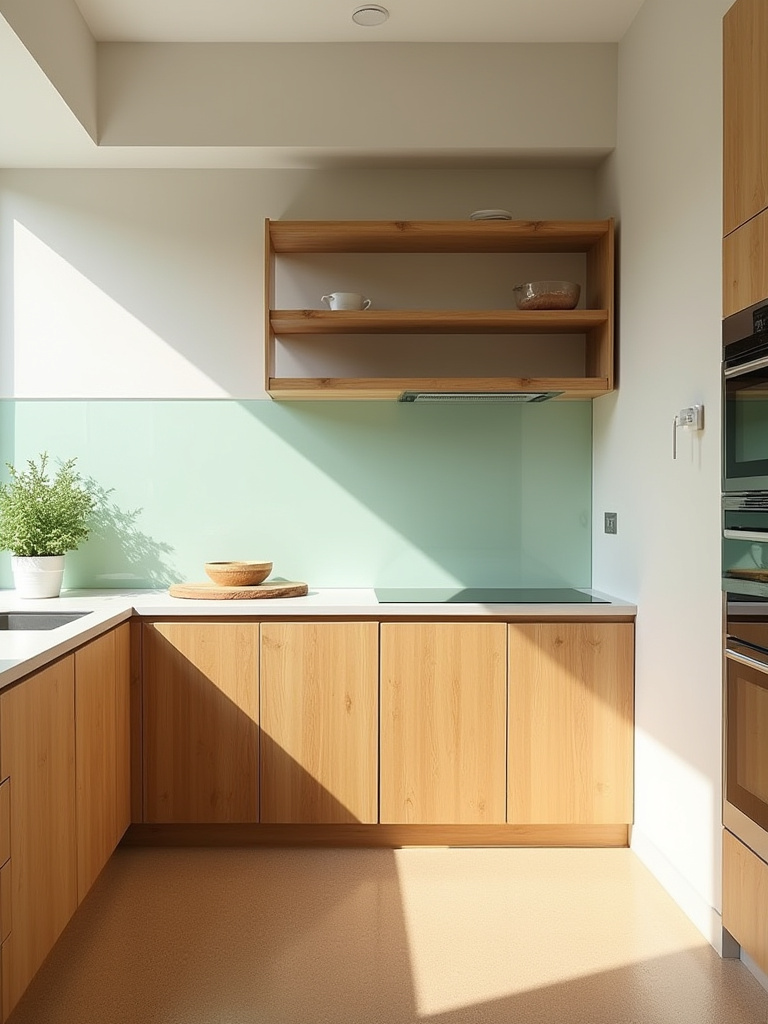
Don’t overlook local materials. Using stone quarried from your region or wood from a local artisan not only supports your community but dramatically reduces the carbon footprint associated with shipping heavy materials across the globe. A sustainable kitchen feels better not just because it looks good, but because you know it was built with care and respect for our resources.
A key part of a healthy home is the air you breathe.
21. Install Specialized Ventilation Systems for Improved Air Quality
This is one of the most important but overlooked aspects of kitchen design. Proper ventilation isn’t just about getting rid of cooking smells. When you cook, especially with gas, you release particulates and compounds into the air that are harmful to breathe. A high-quality vent hood that ducts directly to the outside is an absolute must-have for a healthy home.
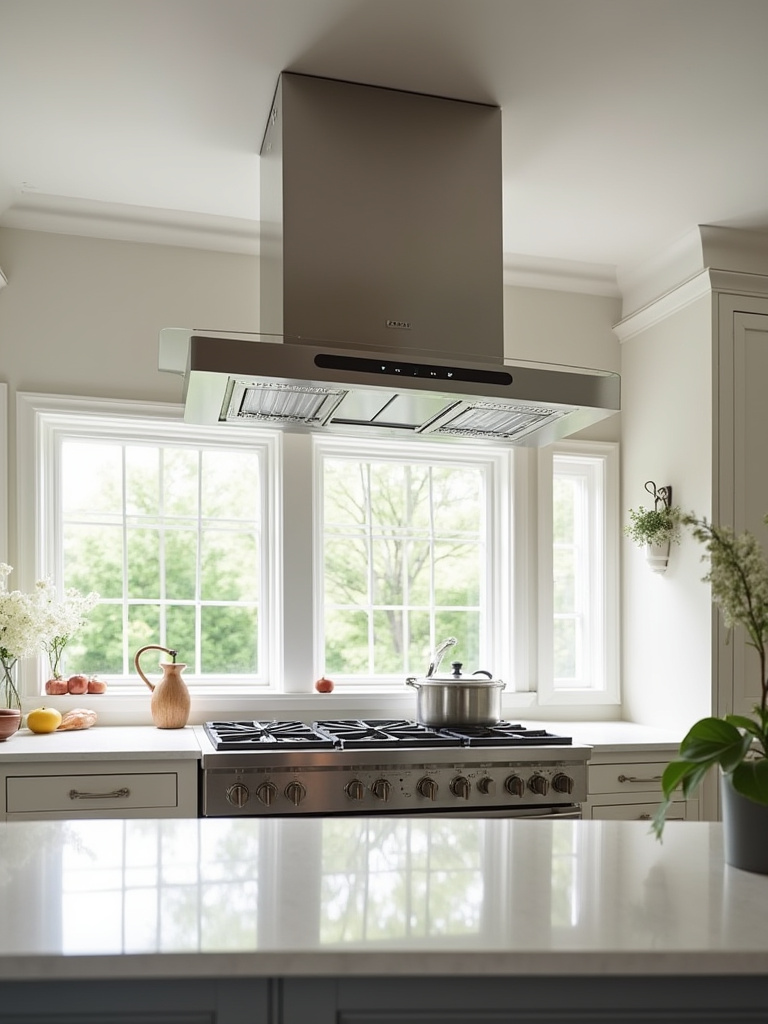
Traditional Middle Eastern architecture perfected passive ventilation with windcatchers (malqaf) to cool homes naturally. While we use mechanical systems today, the principle is the same: move stale air out and bring fresh air in. Make sure your hood is powerful enough for your cooktop (measured in CFM) and, if possible, choose a model with a quiet motor. You’re more likely to use it if it doesn’t sound like a jet engine taking off.
Now let’s think about how we store our resources.
22. Create a Dedicated Pantry or Walk-In Storage Space
A well-organized pantry is a cornerstone of sustainable living. It allows you to buy in bulk, reducing packaging waste. It allows you to see what you have, reducing food waste. And it keeps your main kitchen free of clutter.
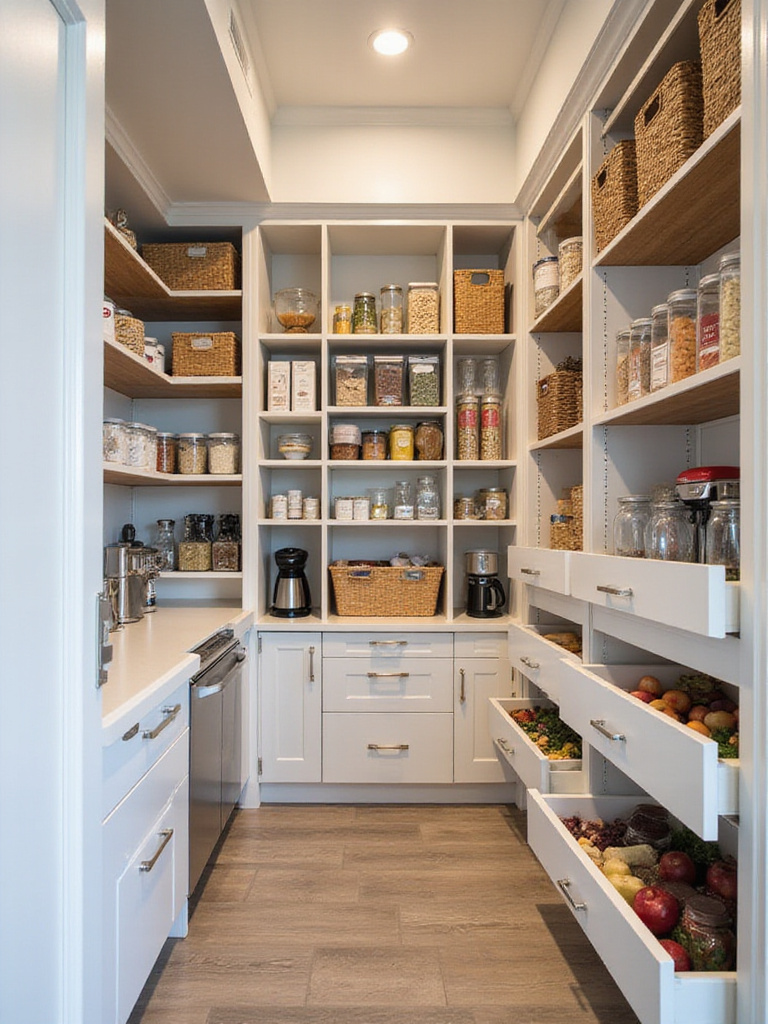
Whether it’s a full walk-in space or a clever cabinet pantry, the key is visibility and accessibility. Use open shelving, clear containers, and a logical system. I once designed a pantry for a family where we turned an awkward, deep closet into a shallow walk-in pantry with U-shaped shelving. It was only three feet deep, but because everything was visible, they told me it cut their grocery bill by 15% because they stopped buying duplicates of things they already had.
And thinking about the long term means thinking about all stages of life.
23. Future-Proof Your Kitchen with Accessible Design Principles
This is often called “universal design” or “aging in place,” but I simply call it thoughtful design. It’s about creating a kitchen that works for everyone—a child, a tall person, an elderly parent, or someone in a wheelchair. And it doesn’t have to look clinical.
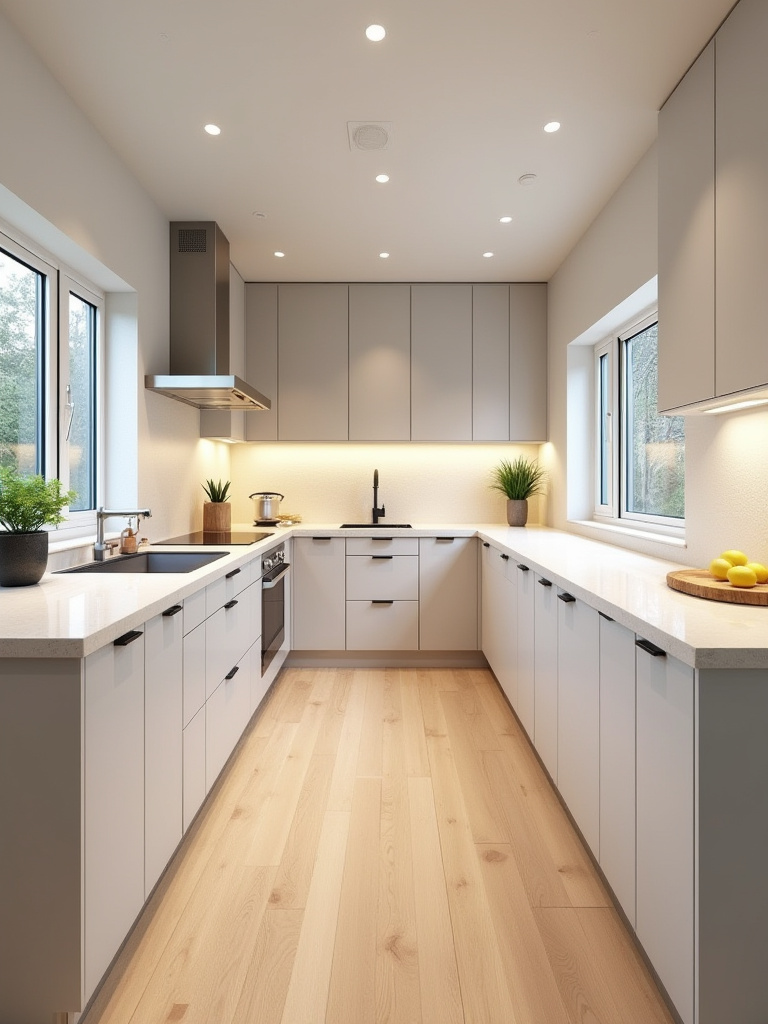
Simple things make a huge difference: multi-level countertops so someone can sit and chop vegetables, pull-out shelves in lower cabinets, lever-style handles instead of knobs, and wide, clear pathways. Building this way from the start is far more elegant and less expensive than retrofitting later. It’s a design approach rooted in empathy, creating a space that can adapt to life’s changes with grace.
Sustainable Solutions and Long-Term Value: Advanced Remodeling Insights (Part 2)
Your relationship with your kitchen doesn’t end when the contractor leaves. The final, and perhaps most important, piece of a successful remodel is understanding how to care for it.
24. Understand Post-Remodel Maintenance for Lasting Beauty and Function
You’ve invested so much time, energy, and money into creating your dream kitchen. The final step is to honor that investment with proper care. Every material has its own needs. Stone needs to be sealed. Wood needs to be conditioned. Filters in vents and appliances need to be cleaned.
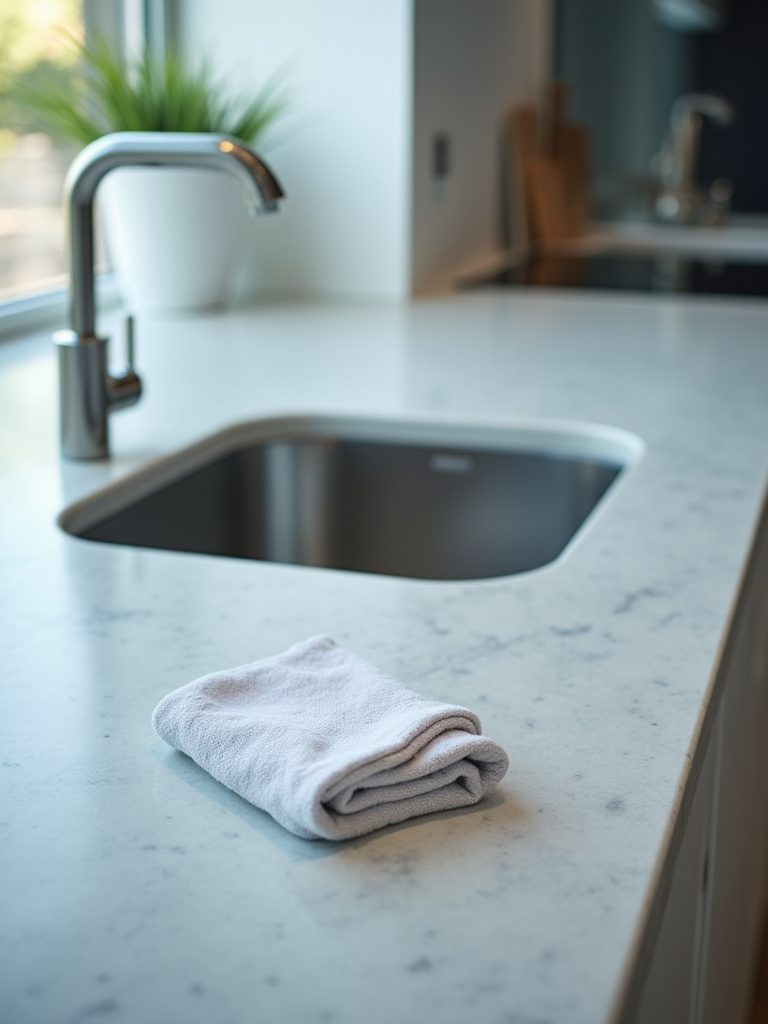
Ask your contractor or designer to create a simple care guide for you, listing every surface and appliance and its specific maintenance needs and schedule. Put reminders in your calendar. Using the wrong cleaner on a countertop can permanently etch it. Neglecting to seal grout can lead to stains that are impossible to remove. This isn’t a chore; it’s an act of stewardship for the beautiful, functional heart of your home.
Conclusion
So there you have it. Remodeling your kitchen is about so much more than what you see on the surface. It’s a chance to create a space that truly nourishes you and your family—a space that is efficient, healthy, sustainable, and filled with personal soul. It’s about blending the wisdom of ancient traditions with the best of modern innovation to create a kitchen that is timeless. Don’t just build a kitchen that looks good in a photo. Build one that feels like home, that supports your life, and that you will love for years to come. That is the real goal. Start the conversation with your home, and see where it takes you.