I have a confession to make. I used to think “traditional kitchen” was code for fussy, old-fashioned, and frankly, a little bit dead. Like a museum room you’re not allowed to touch. Then I spent an afternoon in a client’s century-old brownstone, in a kitchen with a deep, scarred soapstone sink perfect for washing greens from her window boxes and a massive wooden work table that had seen generations of canning projects. Sunlight streamed in, illuminating dust motes and the vibrant green of potted basil. It wasn’t a museum. It was an ecosystem.
That moment of realization—when you see a space not just for its style, but for the life it supports—is exactly what separates an intentional, living kitchen from an accidental accumulation of cabinets and appliances. A true traditional kitchen isn’t about recreating the past; it’s about building a space with soul, one that’s designed to last, to function beautifully, and to tell the story of the food you grow, cook, and share. So let’s talk about how to cultivate that kind of kitchen. Forget the corporate speak; here’s what really matters.
Planning Your Timeless Foundation (Part 1)
Before you even think about picking out a faucet, you have to prepare the soil. This is the foundational work—the planning that sets your kitchen up for a long, healthy life. Get this part right, and everything else that follows will feel natural and cohesive, like a garden planted in fertile ground.
1. Define Your Specific Traditional kitchen aesthetic
The biggest mistake people make is thinking “traditional” is one single look. It’s not. It’s a whole family of styles—is your vibe a rustic French farmhouse, a clean English Shaker, or a sturdy American Craftsman? Don’t just collect random pictures of white kitchens. You need to get specific, or you’ll end up with a confusing mess. This isn’t about being restrictive; it’s about giving yourself a clear map so you don’t get lost.
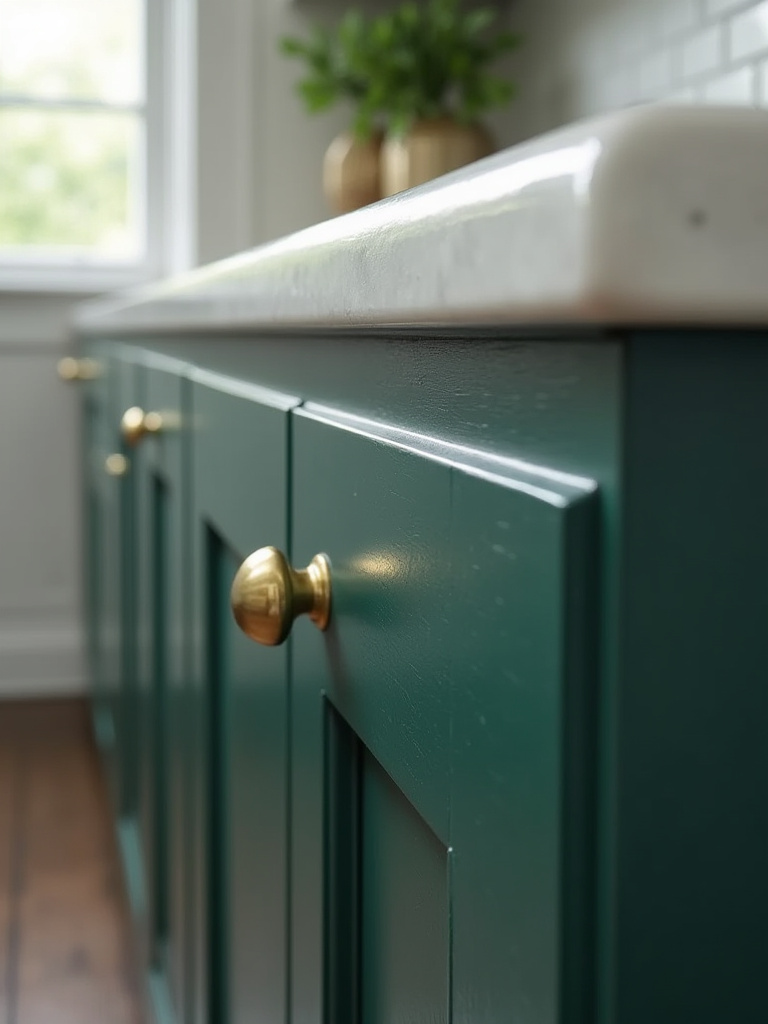
What truly matters is picking a lane and staying in it. Nailing this down means every other decision becomes a hundred times easier. It’s the difference between a kitchen that feels deeply authentic and one that feels like a generic catalogue photo. Focus on 3-5 key elements that define your chosen look, like “soapstone counters, inset cabinets, and unlacquered brass hardware.” That’s your mantra.
Now that you have a vision, let’s think about how you’ll actually move and work within the space.
2. Strategically Plan Your kitchen layout for Optimal Functionality
Okay, let’s be real. A beautiful kitchen that’s a nightmare to cook in is a failure. Everyone talks about the “work triangle”—the path between your fridge, sink, and stove. And yes, that’s important. But I want you to think bigger. I want you to map out your ecosystem flow. Where do groceries and garden harvests come in? Where’s your wash station? Where is your main chopping zone? And, critically, where is your compost bin in relation to that prep space?
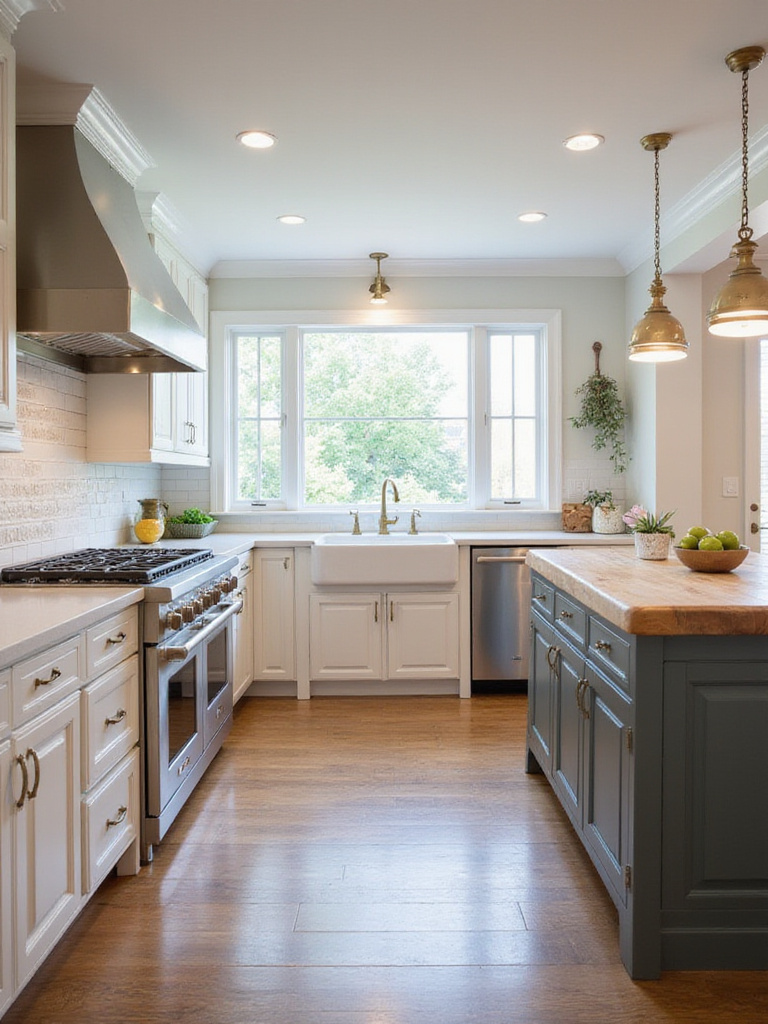
A layout that works is one that minimizes annoying trips back and forth. You want easy access from your prep space to your stove, and from your stove to your plating area. If you love to bake, you need a dedicated baking zone. If you host a lot, you need a flow that keeps guests out from under your feet while you cook. Tape it out on the floor. Walk the path from fridge to sink to prep space. It sounds silly, but you’ll immediately feel where the bottlenecks are. Don’t let an awkward layout kill your kitchen’s beautiful soul.
Once you know how your kitchen needs to function, we can start layering in the color that brings it to life.
3. Select a Classic Color Palette for Walls and Cabinetry
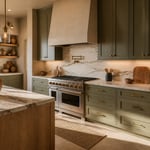
You want your kitchen to last, right? Then step away from that trendy, super-saturated color of the year. The secret to a timeless space is a color palette rooted in nature and history. Think creamy whites, soft greys, muted greens, and gentle blues. These colors have been around forever because they work. They create a calm, versatile backdrop that lets your food, your plants, and your life be the real stars.

The trick is to create depth with subtle variations. Don’t just paint everything one color. Consider a slightly darker shade for your lower cabinets or island to ground the space. Pay attention to your light—a color that looks warm and inviting in a south-facing room can feel cold and drab in a north-facing one. Always, always, always paint large test swatches on different walls and look at them at various times of day before you commit.
With your layout and color story in place, it’s time to choose the materials that form the very bones of your kitchen.
4. Choose Authentic Materials for Lasting Appeal
Here’s the deal: plastic looks like plastic. Laminate that’s trying to look like wood looks like laminate that’s trying to look like wood. For a kitchen with lasting soul, you need real materials. Solid wood, natural stone, actual metal. These are things that don’t just wear out; they wear in. They develop a patina, a character, a story that synthetic materials never can. It’s the difference between a kitchen that depreciates and one that appreciates with age.
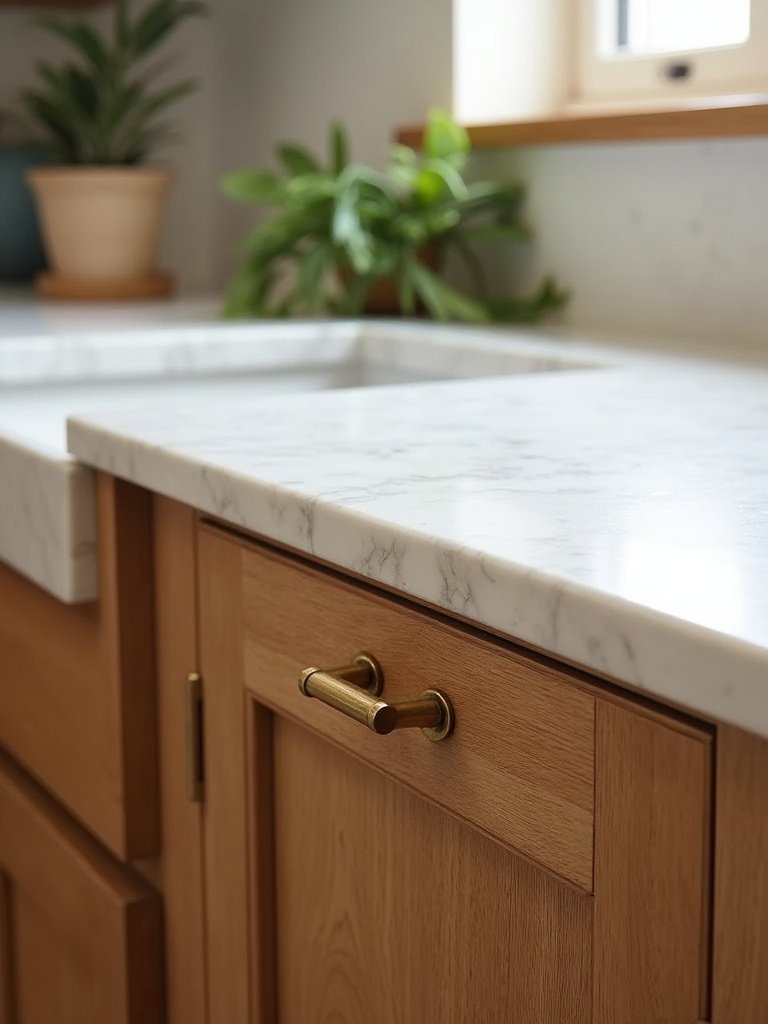
Yes, it’s an investment. But a beautiful, scarred butcher block countertop or a marble surface with faint etches from years of spilled lemon juice tells a story of a life well-lived.
“Authentic materials have an honesty to them. They connect your home to the natural world and ground your daily rituals in something real.”
Prioritize these materials for the things you touch most: your countertops, your cabinet hardware, your floors. You’ll feel the difference every single day.
Planning Your Timeless Foundation (Part 2)
We’ve covered the big picture: the style, the flow, the palette, and the materials. Now we’re digging a little deeper into the structural DNA of your space and the financial strategy to make it happen without regrets. This is about making smart, foundational choices that will pay you back for years.
5. Incorporate Period-Appropriate Architectural Details Seamlessly
This is where you can really make a kitchen feel like it truly belongs to your home. It’s about looking at the details in the rest of your house—the thickness of the door casings, the style of the window trim, the curve of an archway—and echoing them in the kitchen. Adding details like crown molding, beadboard, or graceful corbels that match your home’s era makes the kitchen feel woven into the fabric of the house, not just dropped in.
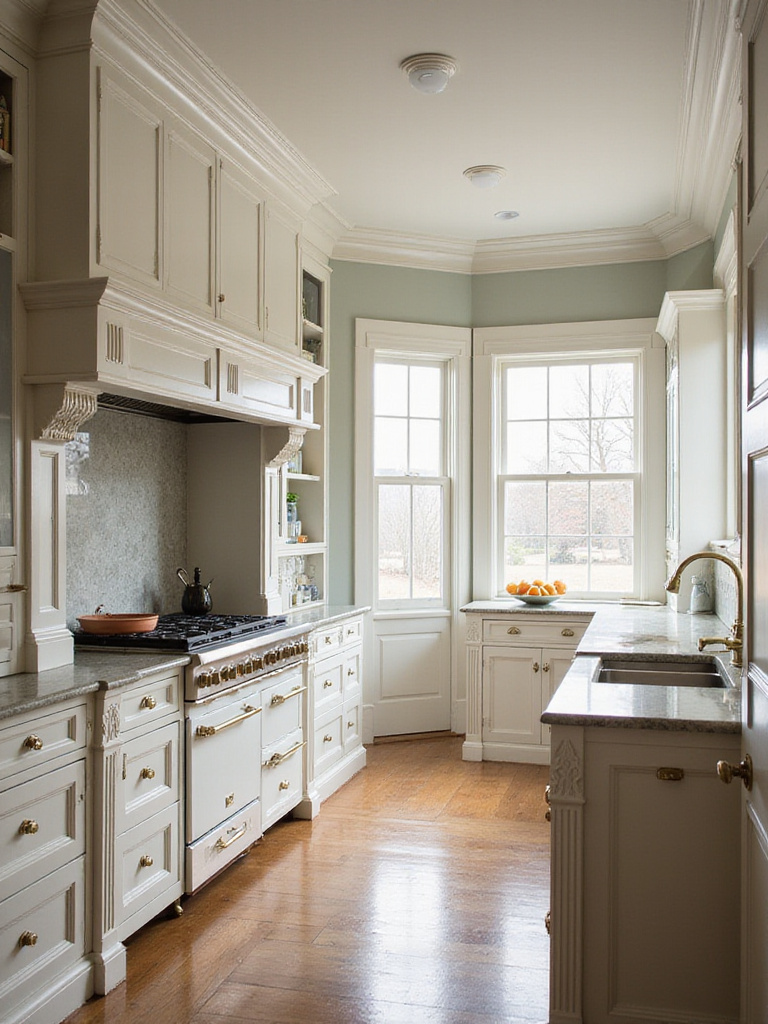
The noise here is just slapping on cheap, plasticky gingerbread trim. What matters is subtlety and quality. You don’t need to go over the top. A few well-chosen, well-crafted details that feel architecturally honest are far more powerful than a dozen mismatched flourishes. If you live in a newer home without a defined period style, you can borrow from a classic architectural language, like Craftsman or Colonial, to give it that sense of history and permanence.
Of course, beautiful details cost money. That brings us to the most practical part of this whole conversation.
6. Allocate Your Budget Wisely for Key Investment Pieces
Let’s get real about money. Your budget isn’t infinite. The key is to spend it where it makes the biggest impact. The absolute non-negotiables are your cabinetry, countertops, and appliances. These are the workhorses of your kitchen and the elements that define its quality. Don’t skimp here. It’s a classic case of “buy it nice or buy it twice.”
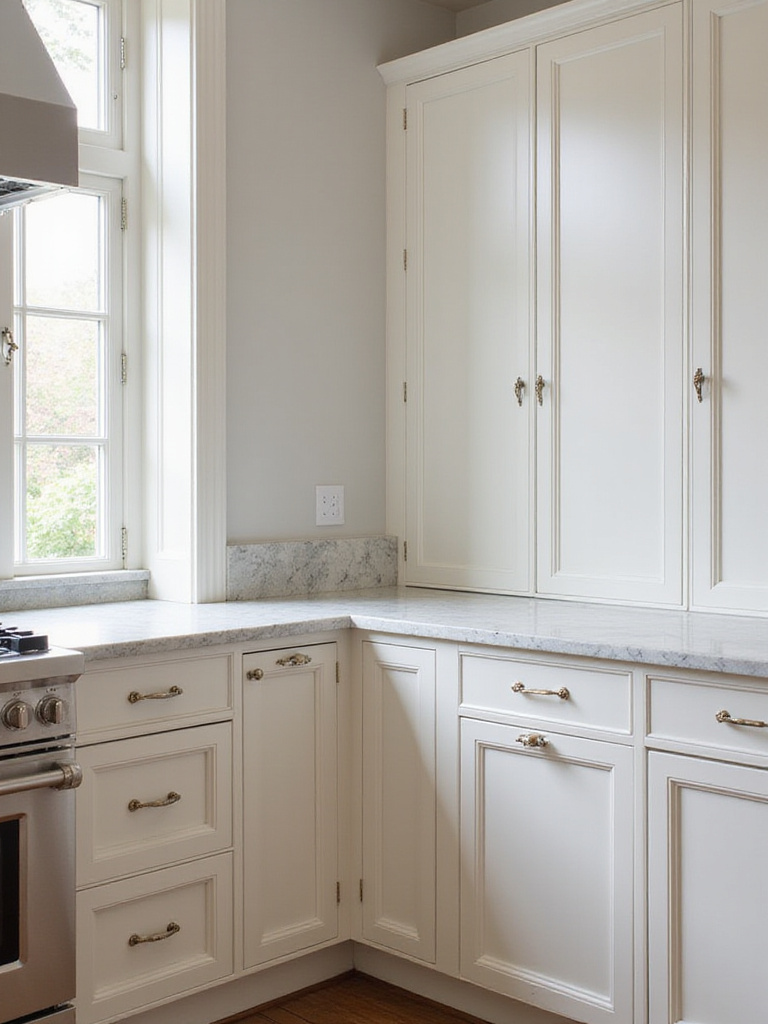
Where can you save? Backsplashes, lighting fixtures, and even hardware can be upgraded later. You can find stunning, affordable options for these to start. But you can’t easily rip out poorly made cabinets or a countertop that’s already chipping after a year. My rule of thumb is to put the money into the things that are hardest and most expensive to change later. A high-quality, durable foundation gives you the freedom to be more playful and economical with the decorative layers on top.
Implementing Core Traditional Elements (Part 1)
Now for the fun part. We’re moving from planning to picking the actual building blocks of your kitchen. These are the big, visible elements that will define the room’s character. Getting these right is essential to bringing that timeless vision to life.
7. Select Timeless Cabinetry Door Styles and Finishes
Cabinets are the single biggest visual component in your kitchen. If they look dated, the whole room looks dated. The most enduring styles are the simplest: Shaker, inset, and raised panel. They’ve been popular for over a century for a reason—their clean, classic lines work with almost anything. A flat, featureless slab door can look sterile, and an overly ornate, curvy design can look tacky in a few years. Stick to the classics.
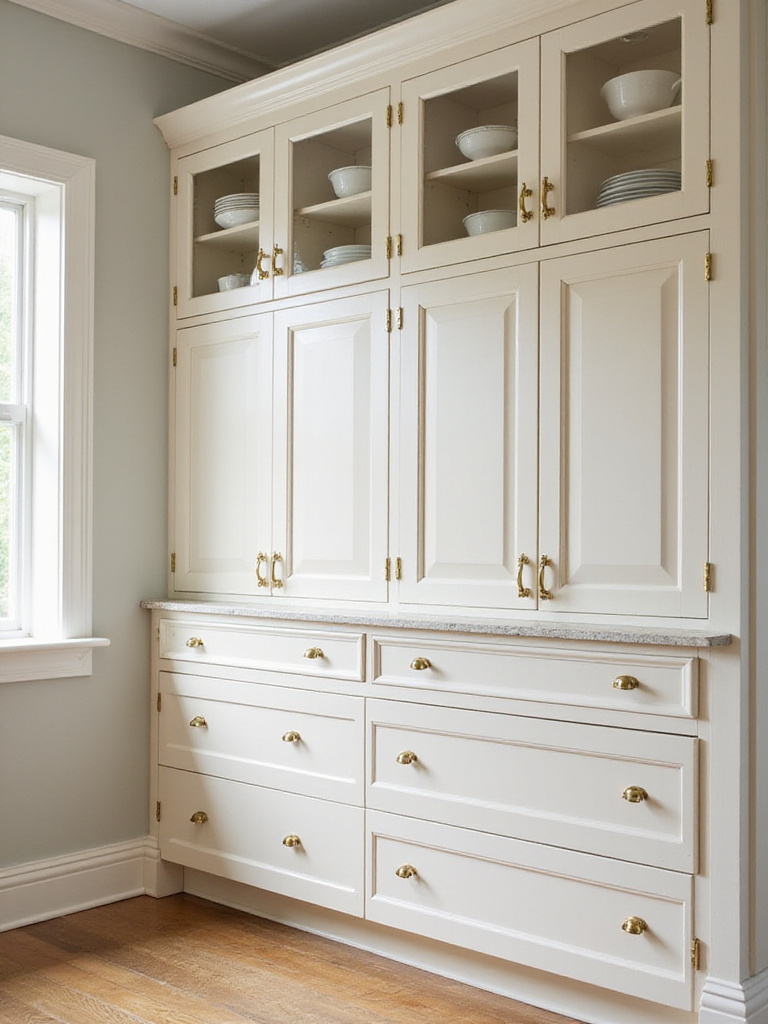
When it comes to finish, a high-quality paint job in a classic neutral (white, cream, grey, navy) or a beautiful natural wood stain is your best bet. Avoid high-gloss finishes, which show every fingerprint and feel too slick for a traditional space. A soft, satin or matte finish provides a much richer and more forgiving surface. And please, invest in solid construction. Drawers that glide smoothly and doors that close solidly are a quiet luxury you will appreciate every single day.
Your cabinets need a partner, and that’s one of the most hardworking surfaces in your entire home.
8. Identify Durable and Elegant Countertop Materials
Your countertops are your primary workspace. They need to be tough enough to handle daily abuse but beautiful enough to be a central feature. For a traditional look, natural stone like marble, soapstone, or granite is king. They each have a unique character. Marble is classic and elegant but can stain and etch (some people, myself included, call that “patina”). Soapstone is wonderfully rustic and develops a dark, rich color over time. Granite is a durable workhorse.
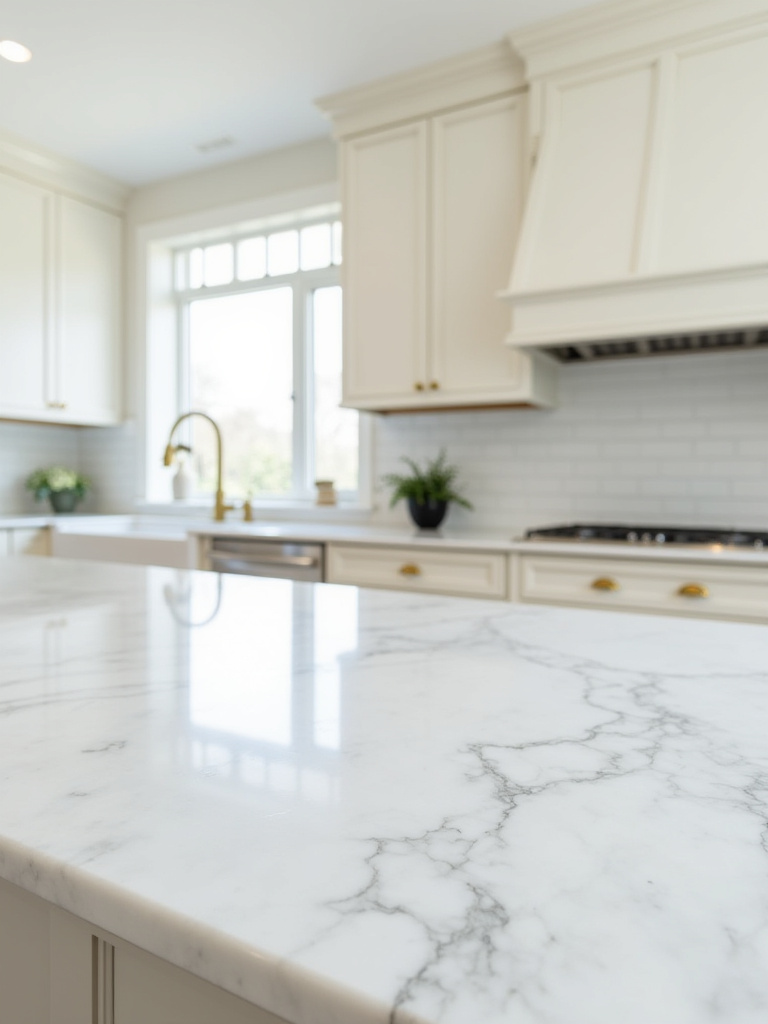
Wood, especially on an island, is another fantastic option. A thick butcher block is perfect for a home that values warmth, and it’s a living surface you can sand and re-oil for years. The noise to ignore is the latest engineered material promising to look “just like” marble. It never does. Embrace the beautiful, imperfect reality of natural materials. They tell a much better story.
Now, let’s talk about the machinery that makes your kitchen run.
9. Integrate Vintage-Inspired Yet Modern Appliances for Efficiency
One of the best things about modern design is that you no longer have to choose between aesthetics and performance. Several brands now make gorgeous, retro-inspired appliances with all the high-tech, energy-efficient guts you could want. A big, beautiful range with classic knobs from a brand like Bertazzoni or Smeg can be the stunning centerpiece of the kitchen, providing that timeless look without sacrificing a convection oven or powerful burners.

Don’t feel like everything has to have a vintage look. A great shortcut is to hide some of the more modern-looking appliances. Integrated, panel-ready dishwashers and refrigerators disappear seamlessly into your cabinetry, allowing your beautiful range or farmhouse sink to take center stage. This hybrid approach gives you the best of both worlds: timeless style and modern convenience.
Finally, we need to think about what’s underfoot.
10. Opt for Robust and Characterful Flooring Choices
The floor grounds your entire kitchen, both visually and functionally. You need something that can handle spills, dropped pans, and constant foot traffic. The most classic choice, for good reason, is solid or engineered hardwood. It’s warm, forgiving underfoot, and develops character with age. Don’t be afraid of a few dings and scratches; they’re part of its story.
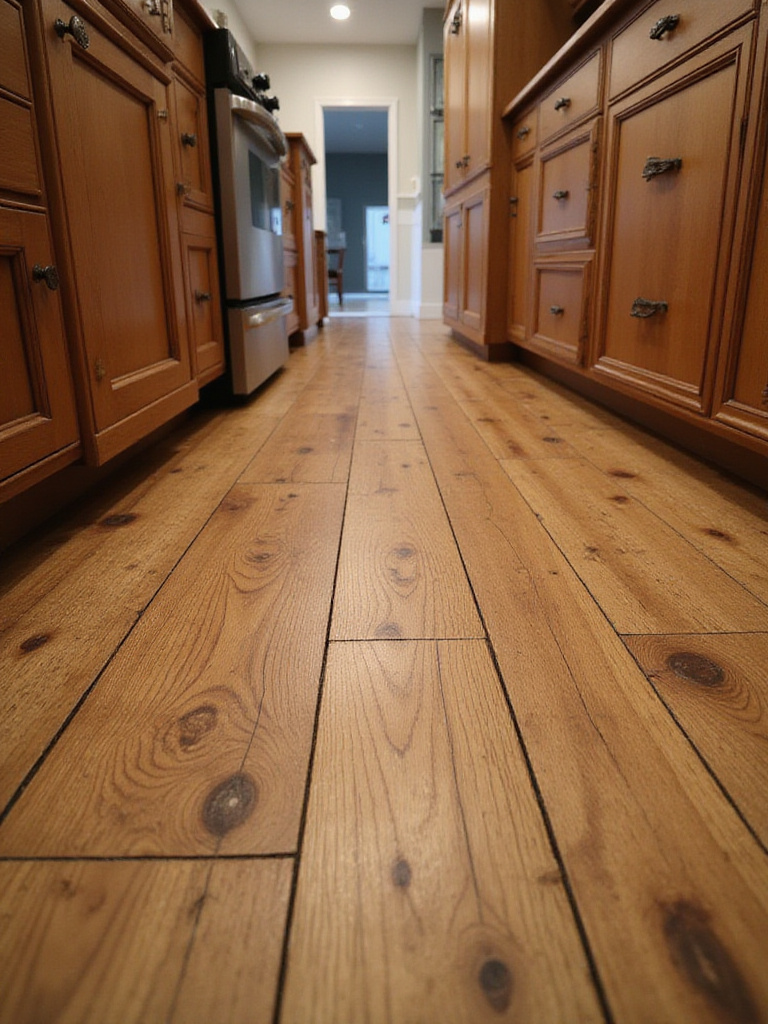
Other great options include natural stone like slate or limestone, or high-quality ceramic or porcelain tile. Whatever you choose, stay away from anything that looks obviously fake, like vinyl that’s printed to look like wood. Much like countertops, an honest material is always better. The goal is a floor that feels solid and permanent, like it has always been there.
Implementing Core Traditional Elements (Part 2)
We’ve installed the main structures, and the kitchen is starting to take shape. Now it’s time to focus on the elements that create ambiance and provide those critical central gathering spots. This is where your kitchen really develops its personality.
11. Craft a Layered Lighting Scheme with Classic Fixtures
Please, I beg you, do not just stick a single, harsh ceiling light in the middle of your kitchen and call it a day. This is one of the biggest and most common mistakes I see. Great lighting is layered and makes a space feel warm, inviting, and incredibly functional. You need three layers:
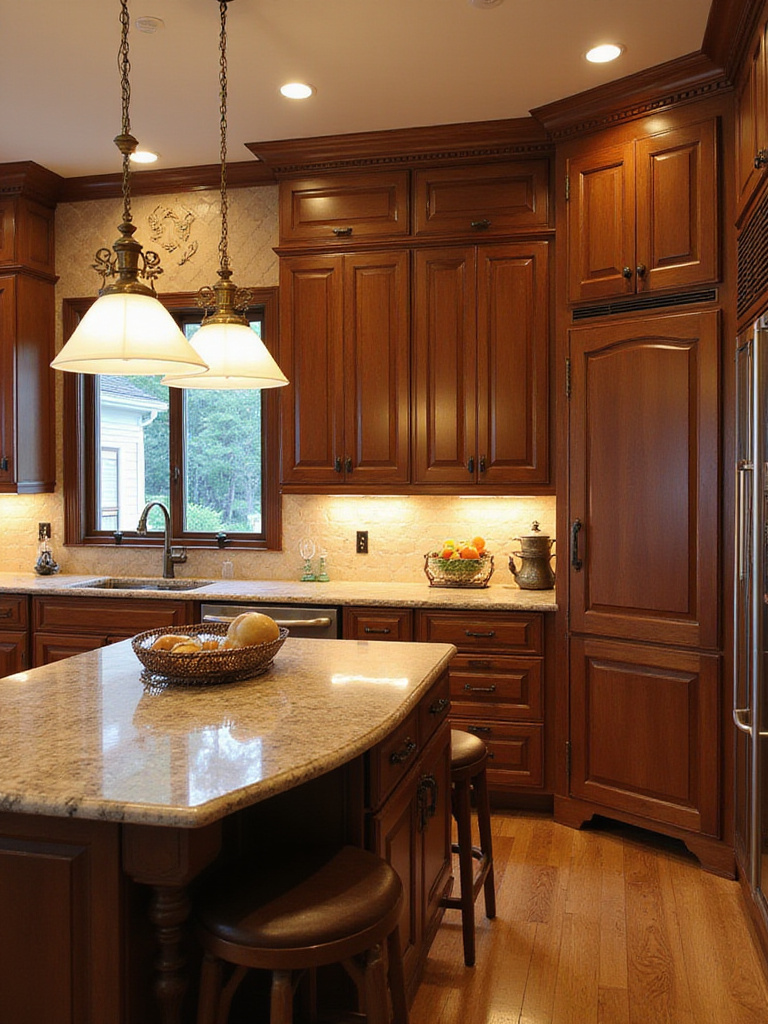
- Ambient: General, overall light. This could be a beautiful semi-flush mount or a classic chandelier.
- Task: Focused light for work areas. Under-cabinet lighting is a non-negotiable game-changer for prepping food. Pendants over an island are another great task light source.
- Accent: Mood lighting. This could be small lamps on a countertop or lights inside a glass-front cabinet to make your beautiful dishes glow.
And put everything on a dimmer! Being able to adjust the light levels is the secret to taking your kitchen from a bright, functional workspace to a soft, intimate dining spot with the flick of a switch.
Now let’s talk about the heart of the kitchen, where everyone will inevitably gather.
12. Include a Statement Kitchen Island or Work Table as a Focal Point
If you have the space, a kitchen island or a large work table is an absolute anchor for the room. It’s more than just extra counter space; it’s the social hub, the homework station, the buffet server, the central command of your home. In a traditional kitchen, making the island look like a freestanding piece of furniture—with turned legs or a contrasting finish—is a fantastic way to add character and prevent the “wall-to-wall cabinet” look.
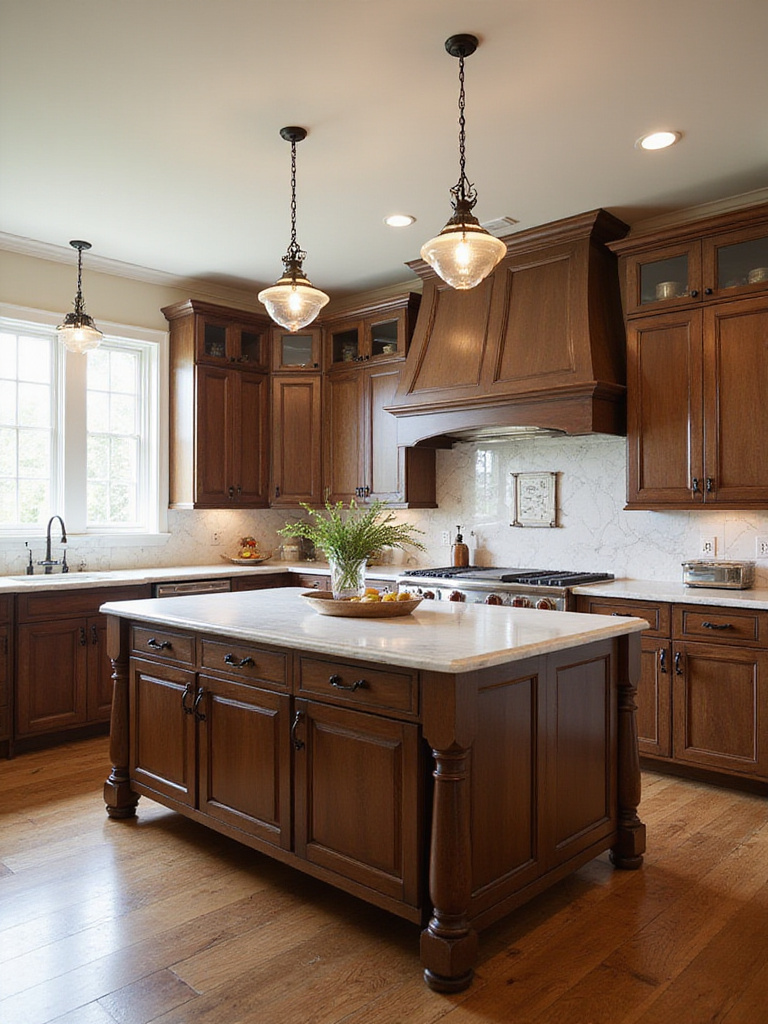
Don’t have room for a massive built-in island? An antique farm table or a sturdy butcher block on legs can serve the same purpose beautifully. It provides that essential central surface and adds a huge dose of rustic, found-object charm. The key is making sure you have enough clearance to walk around it comfortably—at least 36-42 inches on all sides. An island that creates a traffic jam is worse than no island at all.
Refining with Decorative & Practical Touches (Part 1)
The house is built, but now we’re making it a home. These next steps are about adding the layers of detail that bring personality, texture, and smart functionality to your space. This is the stuff that makes the kitchen uniquely yours.
13. Choose Ornate Hardware to Elevate Cabinetry and Drawers
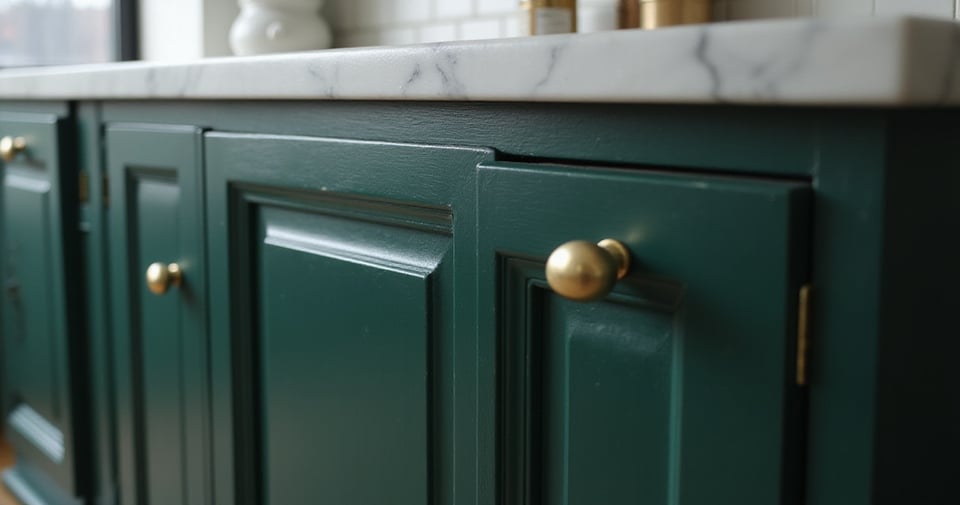
Hardware is the jewelry of your kitchen. It’s a small detail that makes a massive impact. Swapping out boring, generic knobs for substantial, beautifully crafted hardware can instantly make inexpensive cabinets look custom and luxurious. This is the place to touch on your chosen style—polished nickel for a touch of glam, antique brass for warmth, or dark bronze for a more rustic feel.
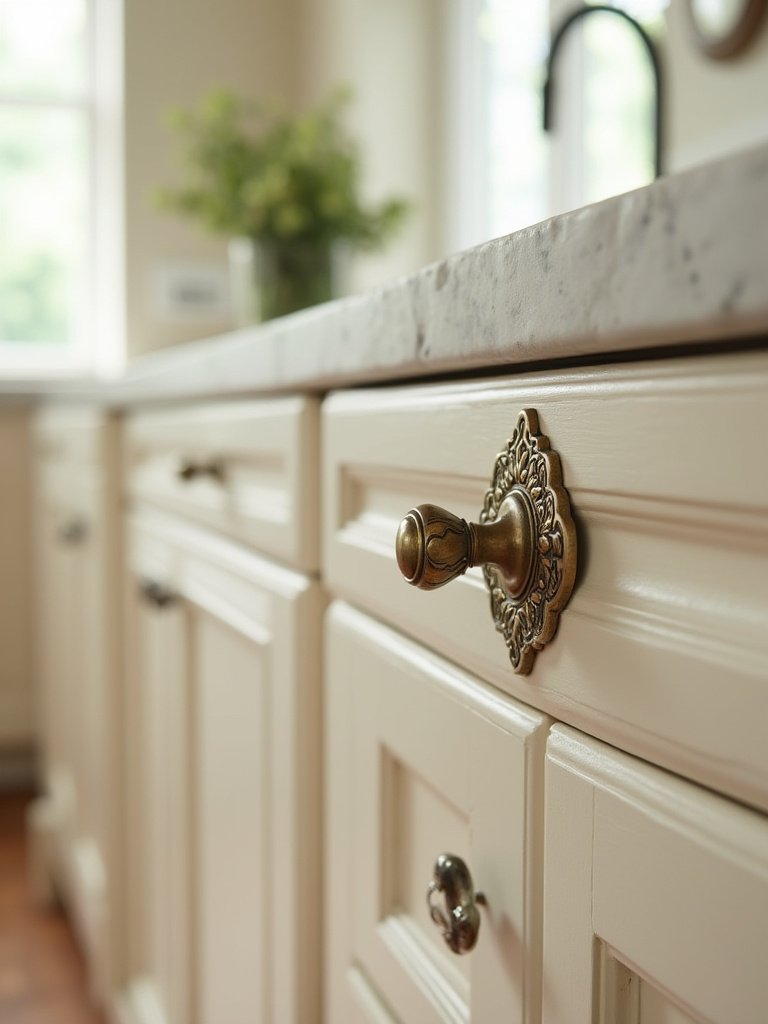
Think about ergonomics, too. A pull you can slip your whole hand through is more functional on a heavy drawer than a tiny knob. I love mixing it up: knobs on upper cabinets and pulls or cup pulls on lower cabinets and drawers. It adds a layer of curated detail. And the best part? If you get tired of it in a decade, it’s one of the easiest and least expensive things to change for a mini-facelift.
With your “jewelry” picked out, let’s dress up the walls.
14. Design a Classic Backsplash for Visual Cohesion and Protection
The backsplash is both a practical shield and a major design moment. Its job is to protect your walls from splatters, but it’s also a perfect opportunity to add texture and pattern. A classic ceramic subway tile is the little black dress of backsplashes—it never goes out of style. You can lay it in a traditional brick pattern, or spice it up with a herringbone layout for more visual interest.
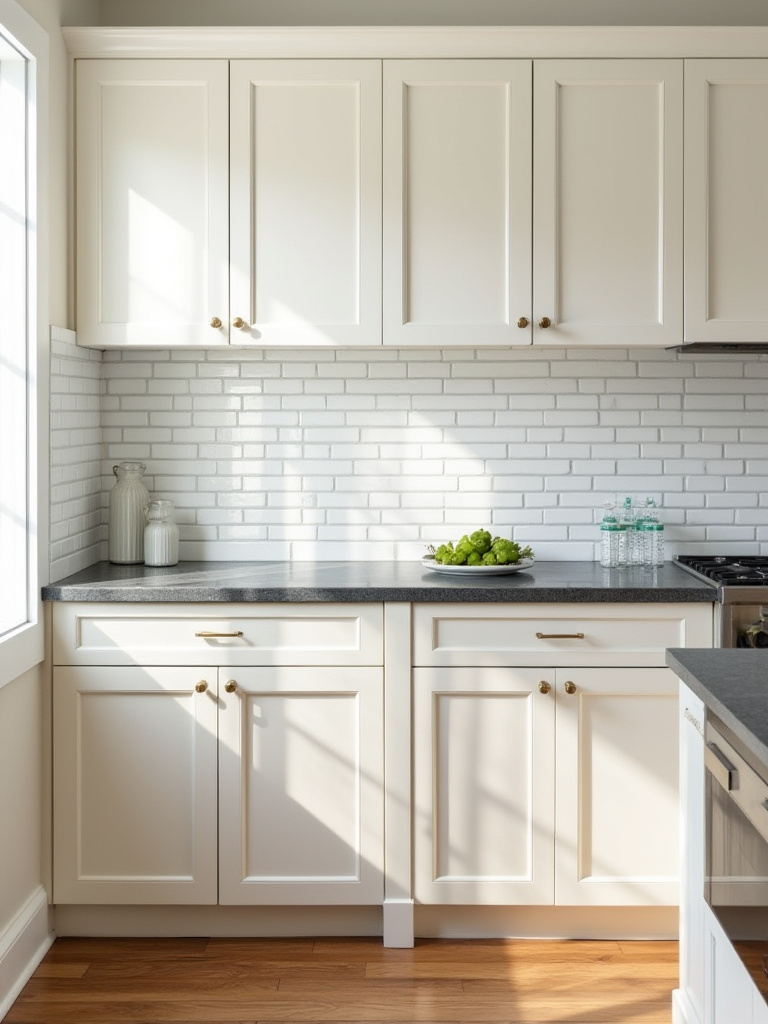
For a more seamless, high-end look, you can run your countertop material—like a beautiful slab of marble or quartzite—right up the wall. Or, consider beadboard for a charming, cottage-y feel. Whatever you choose, think about grout. A contrasting grout will highlight the pattern of the tile, while a matching grout will create a more subtle, monolithic look.
Now it’s time to layer in the objects that tell your personal story.
15. Accessorize with Curated Decorative Accents for Character
This is my favorite part. It’s where your kitchen starts to feel alive. We’re not talking about clutter. We’re talking about thoughtful, curated objects that are both beautiful and useful. Lean a few well-loved wooden cutting boards against your backsplash. Group your cooking oils and vinegars in a beautiful ceramic crock next to the stove. Put a pot of fresh herbs on the windowsill.
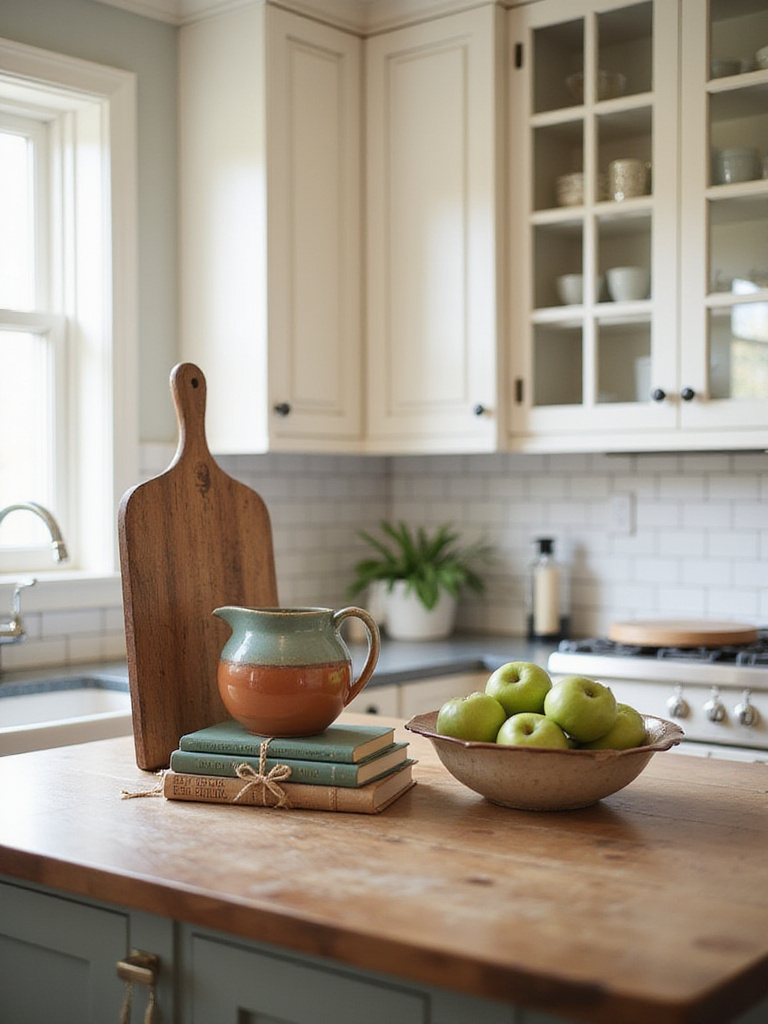
Display things that mean something to you: a piece of art, a collection of vintage pottery, your favorite cookbooks. The secret is to group items into small vignettes and vary their height and texture. A little bit of breathing room is key—you want it to feel collected, not chaotic. And nothing brings life to a kitchen like, well, life! A bowl of fresh lemons or apples adds a pop of color and reminds you of the delicious things that happen here.
All these beautiful things need a home, which brings us to the unsung hero of a great kitchen.
16. Maximize Storage with Integrated Built-ins and Pantry Solutions
A truly functional kitchen is an organized one. The best way to achieve that is with smart, integrated storage. This means thinking beyond basic cabinets. Can you build shallow shelves into the wall between studs for spices? Can you incorporate a pull-out drawer for trash and compost? Can an awkward corner become a walk-in pantry?
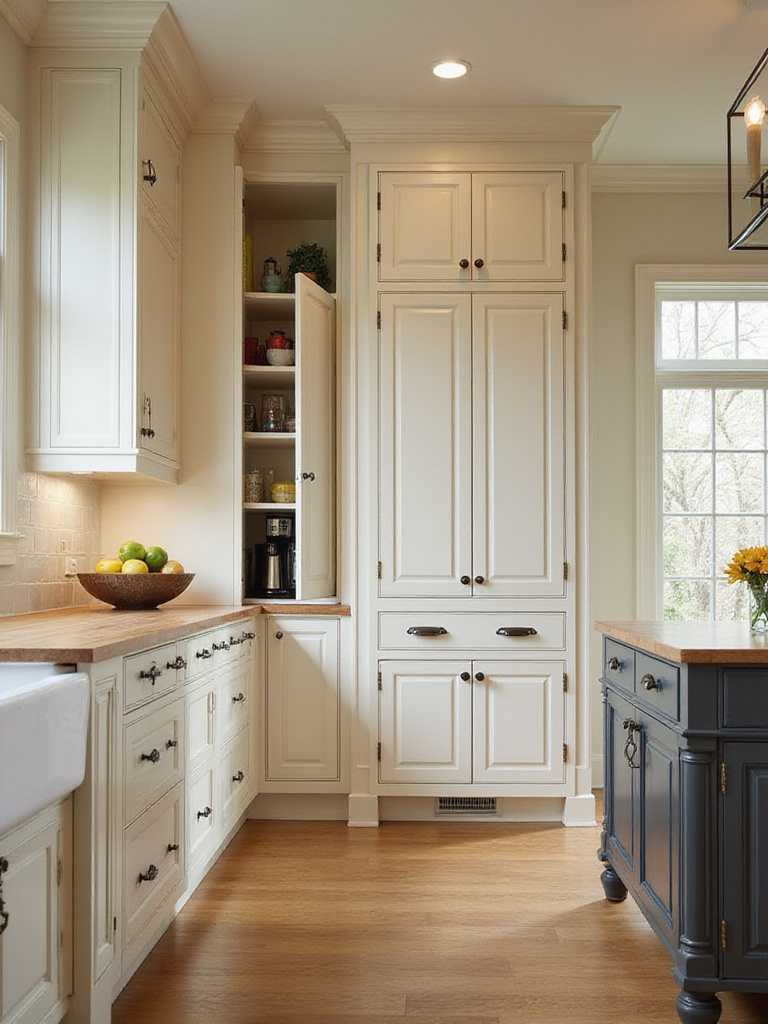
The most elegant solutions are often the most integrated. An “appliance garage” with a retractable door can hide your toaster and coffee maker, keeping countertops clear. A tall pantry cabinet with pull-out shelves is infinitely more useful than one with deep, fixed shelves where things get lost in the back. The goal is to create a specific home for everything, so your kitchen can stay calm and uncluttered, ready for whatever creative mess you want to make next.
Refining with Decorative & Practical Touches (Part 2)
We’re in the home stretch. The kitchen is designed, built, and organized. These final two touches are about adding comfort and ensuring that the beautiful space you’ve created stays beautiful for a long, long time.
17. Introduce Textiles and Window Treatments for Warmth and Softness
A kitchen is full of hard surfaces: stone, wood, metal, tile. Textiles are what keep it from feeling cold and clinical. A simple Roman shade in a classic striped or floral fabric can soften a window and add a dose of color. A durable runner can add warmth underfoot and absorb sound, making the room feel quieter and calmer.
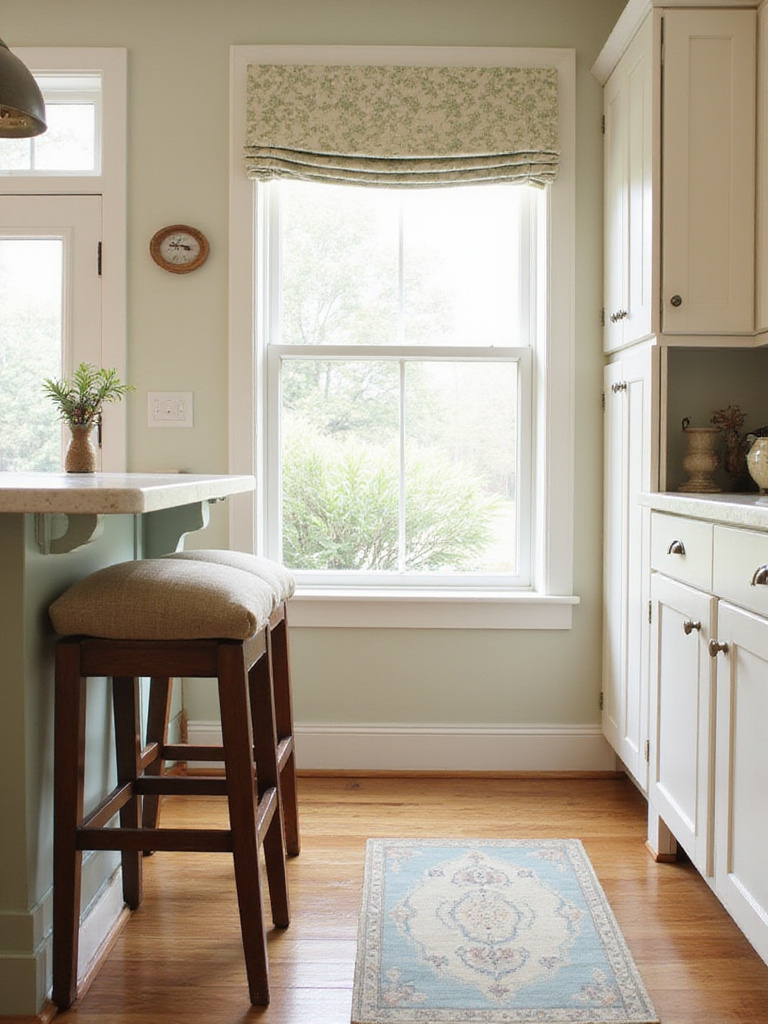
Even small touches make a difference. Ditch the paper towels for a stack of beautiful linen or cotton dish towels. If you have stools at your island, adding simple cushions makes them far more comfortable and inviting. These soft layers are what make a space feel cozy and finished. They invite you to linger, to sit and have another cup of coffee.
And once you’ve perfected your space, you have to protect it.
18. Implement Regular Maintenance Strategies for Enduring Beauty
A beautiful kitchen is a living thing, and like any living thing, it needs care. This isn’t glamorous, but it is essential. Get to know your materials and what they need. Natural stone countertops need to be sealed periodically. Wood cabinets appreciate a good cleaning and polish. A butcher block needs to be oiled. A leaky faucet isn’t just an annoyance; it’s a threat to your cabinetry.
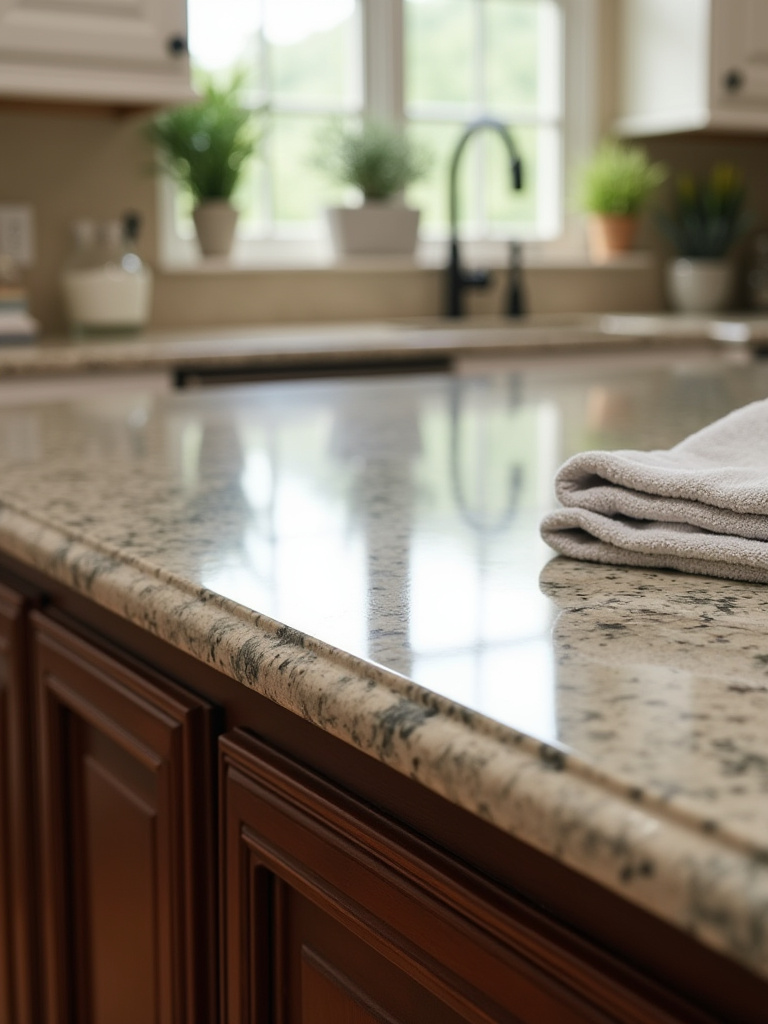
The shortcut here is simple: clean up spills right away. A five-second wipe-up can prevent a permanent stain. Create a simple routine for yourself—wipe down counters daily, deep clean weekly, and tackle bigger maintenance tasks seasonally. Staying on top of these small chores is what will keep your kitchen looking incredible not just for the first year, but for the next twenty. It’s the ultimate act of respect for the beautiful, functional ecosystem you’ve worked so hard to create.
Conclusion
So there you have it. Creating a soulful, traditional kitchen interior isn’t about following a rigid set of historical rules. It’s about making intentional choices—blending timeless design principles with authentic materials and modern functionality. It’s about building a space that feels solid, serves you beautifully, and gets better with age, just like a well-tended garden. This is the heart of your home, the place where you nourish yourself and the people you love.
Don’t be intimidated by the process. Start with a clear vision, make smart investments in your foundation, and layer in the details that tell your unique story. You have the map now. Your journey is to create a kitchen that isn’t just a showpiece, but a living, breathing part of your home that will serve as the backdrop for memories for a lifetime. Start gathering your ideas, and get ready to grow something beautiful.