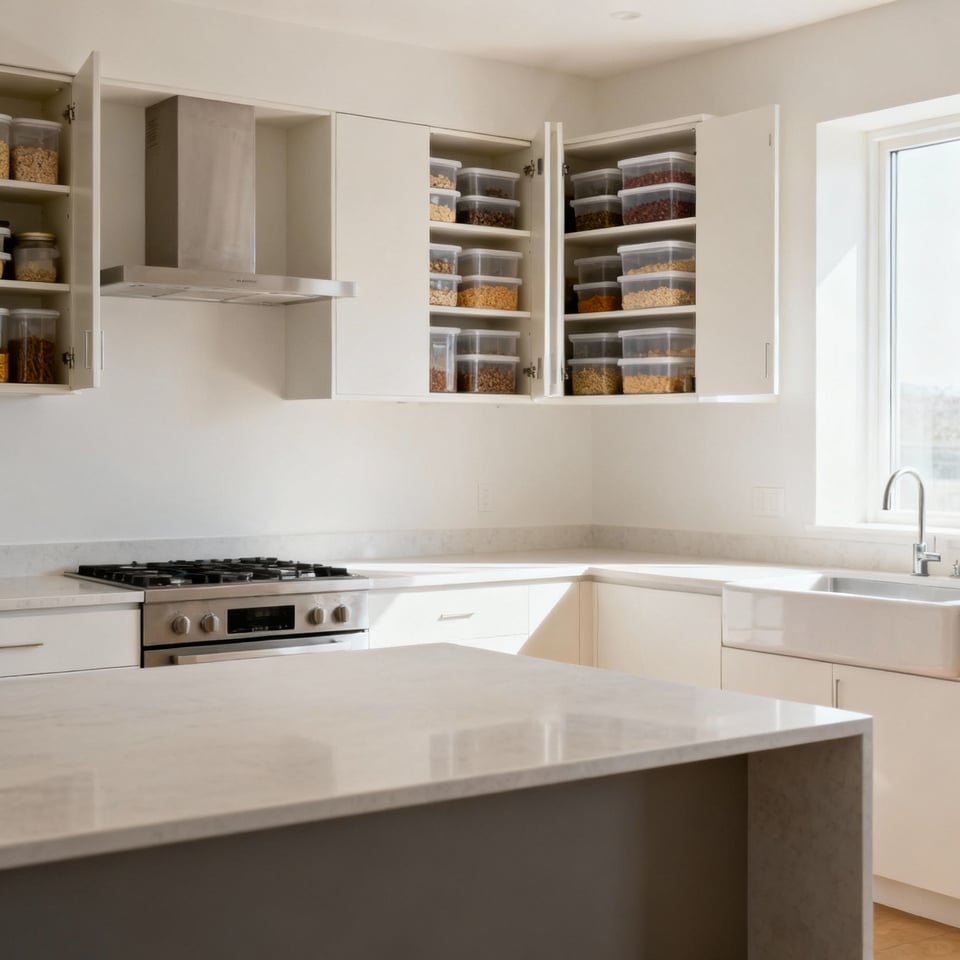
The most serene kitchens I’ve studied—and I’ve analyzed many—are not the result of constant tidying. The masters of these spaces spend a surprisingly small fraction of their time physically organizing. My research into the principles behind these exceptionally calm environments revealed a hidden framework. It’s not about buying more containers or having a gift for neatness. It’s about cultivating a quiet, systematic ecosystem where the flow of energy is as important as the placement of objects.
Conventional kitchen storage organization treats symptoms. It focuses on the clutter itself, not the habits and design flaws that create it. A truly serene kitchen emerges from a four-stage progression that I’ve distilled here for you. These 20 strategies teach you to think like a designer who values mindfulness, adapting timeless principles for a modern, connected life. We will build from foundational acts of release to advanced integrations of workflow and technology. Prepare to help your kitchen breathe again.
Getting Started with Mindful Kitchen Storage (Part 1)
Our journey begins not with a trip to the container store, but with an internal shift. These initial steps are foundational, creating the clear space—both physical and mental—required for any lasting change. This is about establishing a new relationship with your kitchen, grounded in intention and clarity.
1. Execute a Comprehensive Decluttering Purge for Clarity
The first step toward true kitchen storage organization is an honest release. At its most basic, this means letting go of the items you do not use or love. But to approach this mindfully, we must treat it as a ritual. Start with a single category—chipped mugs, expired spices. Hold each item and ask not only if you use it, but what energy it holds. Is it a tool that serves you, or a ghost of a past intention? This grounds you in the present.
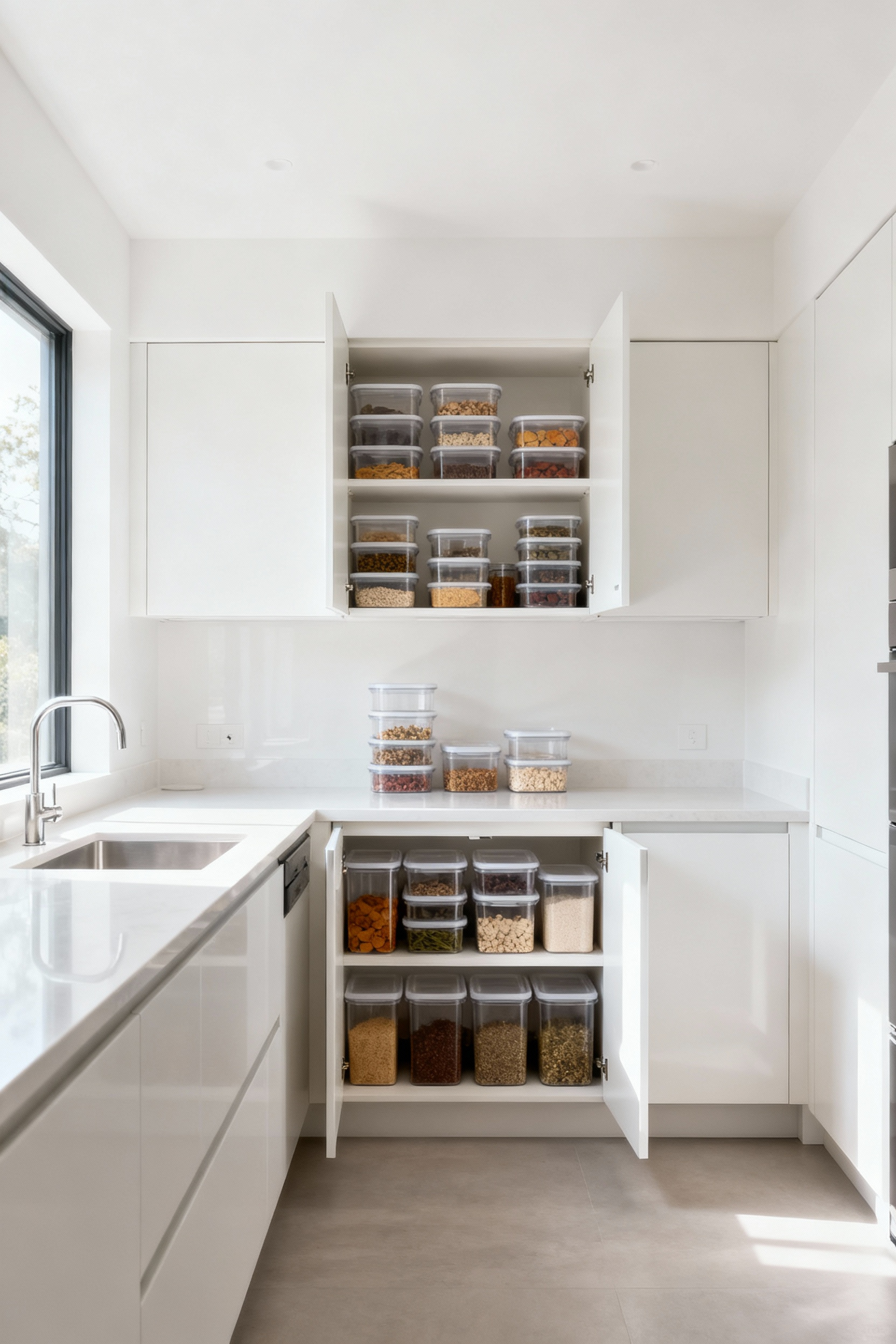
From there, expand this practice with the four-box method: Keep, Donate, Discard, and Relocate. Work through your kitchen by category, not by location. All glassware at once, then all bakeware. This prevents you from simply shifting clutter from one cabinet to another. This is where you distinguish between hypothetical utility—what you might use someday—and genuine function. In my modern zen design expert practice, I find this is the most difficult but most liberating step for my clients. A willingness to let go is the prerequisite for creating space.
2. Establish Intentional Zones for Key Activity Areas
With the noise of clutter gone, you can now hear the rhythm of your kitchen. The next critical step in kitchen storage organization is to define intentional zones. On a simple level, this means grouping items by their purpose: a place for preparation, a place for cooking, a place for cleaning. This is the first layer of bringing logic to the space.
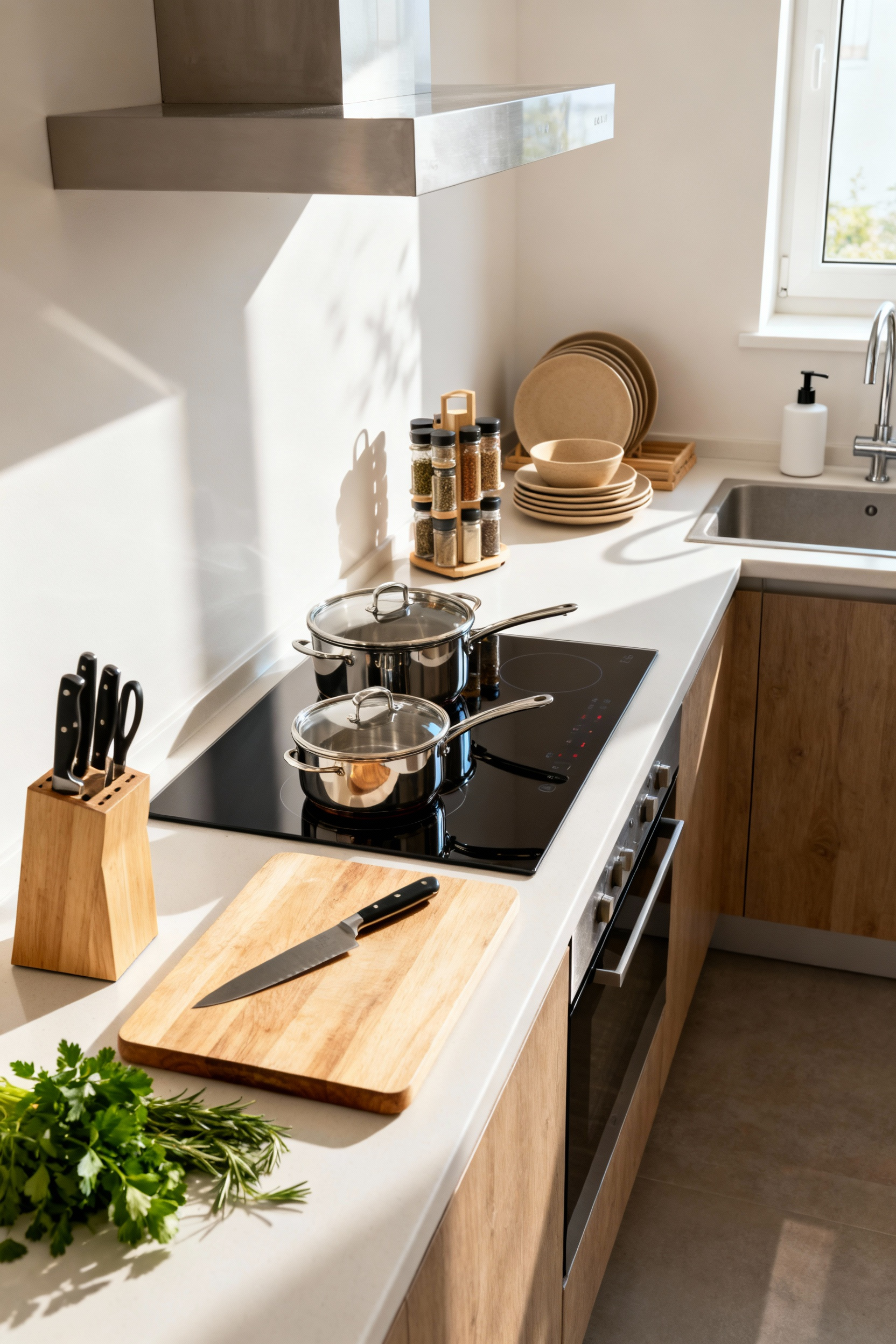
Building on that, you must map your personal workflow. Where do you naturally stand to chop vegetables? That is your Prep Zone. Knives, cutting boards, and mixing bowls belong there. The area around your stovetop is your Cooking Zone; this is home to your oils, spices, and frequently used pans. The goal is to create a choreography of ease, minimizing steps and friction. This isn’t just about efficiency; it’s about creating what we call ma—the purposeful space between things that allows for flow and tranquility. When zones are clear, your movements become intuitive and calm.
3. Leverage Vertical Space with Tiered Shelving Solutions
After defining your horizontal zones, it is time to look up. Most cabinets and pantries contain vast, unused vertical volume. Acknowledging this untapped potential is fundamental to thoughtful kitchen storage organization. The simplest start is a single shelf riser in a cabinet for mugs or bowls. Instantly, you double your usable surface area, transforming a jumble into two neat, accessible rows.
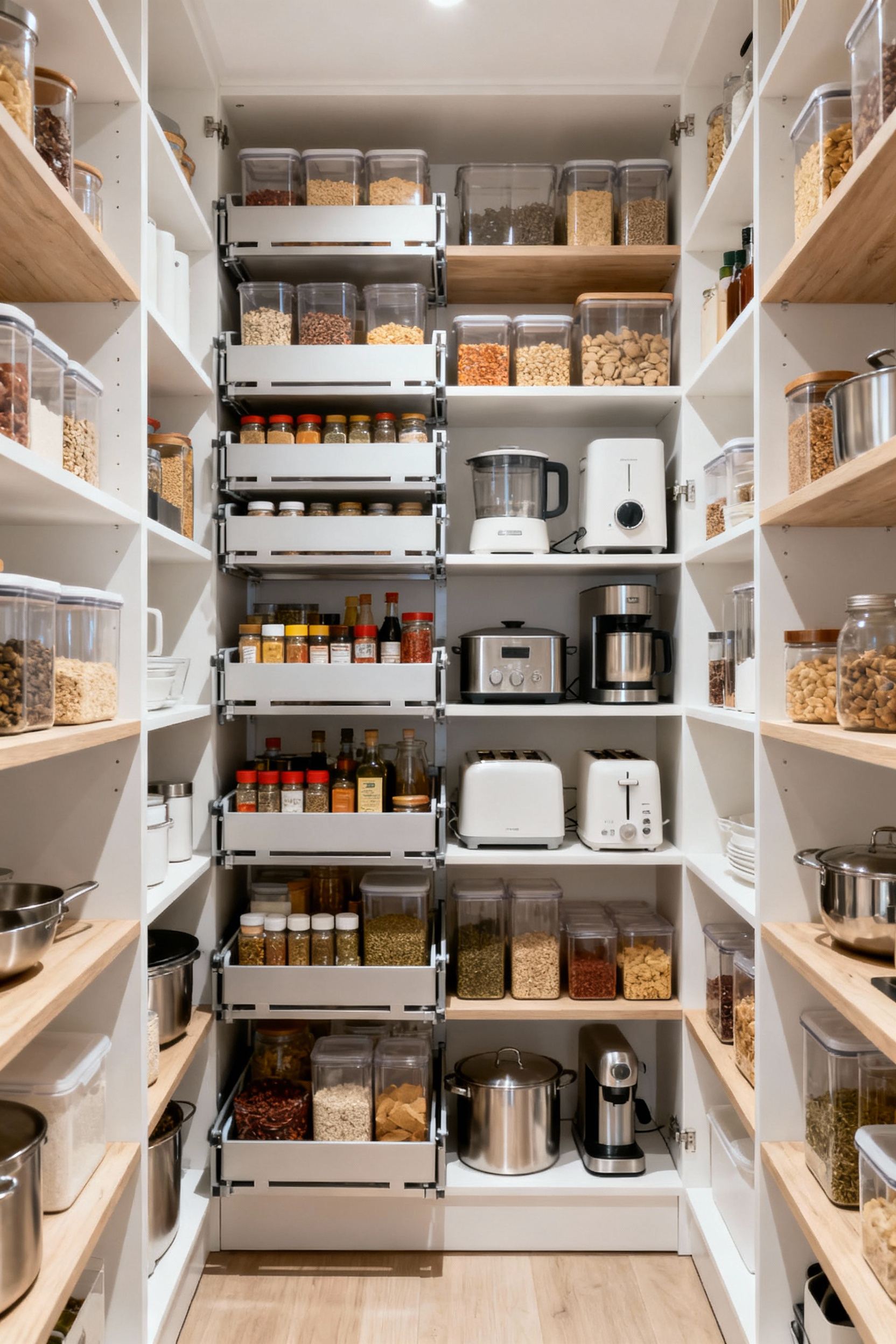
From this basic principle, we can introduce more sophisticated tools. Consider cascading spice racks where every label is visible, or under-shelf baskets that create new storage from thin air. The key is to choose solutions that bring lightness and visibility. Think of it as creating a landscape within the cabinet, with varied heights that draw the eye and make retrieval effortless. What I tell my clients and readers is that good vertical design should make a space feel larger and lighter, not more crowded. It’s about multiplying function without adding mass.
4. Segment Drawer Contents with Custom Dividers and Organizers
Serenity is often found in the small details. While we’ve addressed cabinets, the chaotic drawer is a common source of hidden stress. Basic kitchen storage organization begins here with a simple utensil tray. But we can go much further. It’s a foundational step that imposes a simple order, but true calm requires deeper intention.
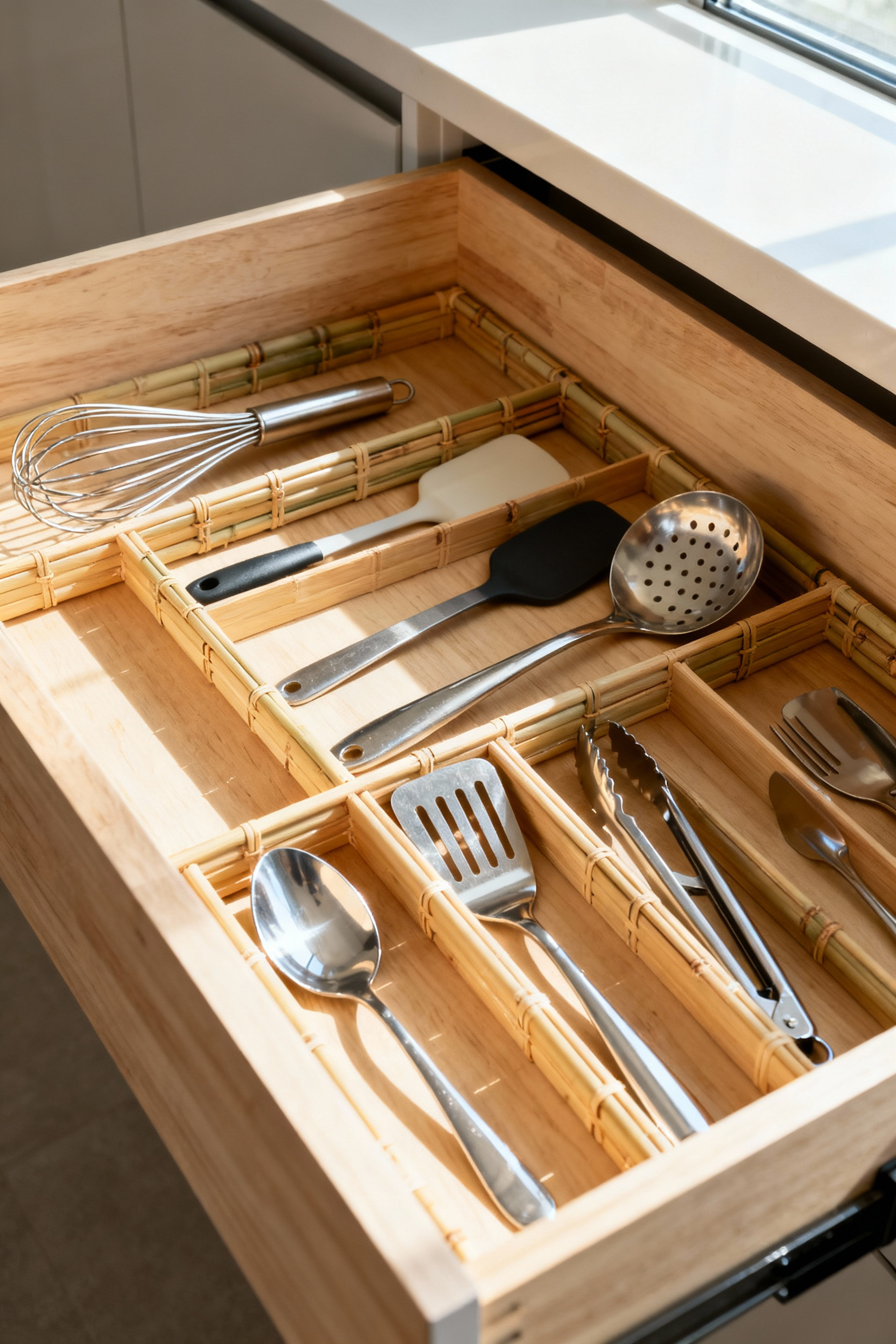
To develop this, use adjustable dividers made of natural materials like bamboo. These allow you to create custom-sized compartments for everything from spatulas to measuring spoons, reflecting the specific tools you own. Think of a Japanese bento box—each element has its own perfectly sized home, creating a whole that is both beautiful and functional. There is no wasted space and no rattling. It is the practice of honoring each tool by giving it a place of rest. A well-organized drawer doesn’t just hold things; it presents them, ready for use.
Getting Started with Mindful Kitchen Storage (Part 2)
Now that we’ve cleared space and established basic order, we introduce a principle that creates profound visual and functional harmony. This strategy is a cornerstone for transforming a collection of items into a cohesive, serene system.
5. Standardize Container Types for Visual Cohesion and Efficiency
Perhaps the single most impactful strategy for transforming pantry chaos into calm is this: standardize your containers. This goes beyond simple organization; it’s an aesthetic and psychological reset. The first benefit is visual silence. By replacing the cacophony of commercial packaging with a suite of uniform vessels—clear glass jars, for instance—you eliminate overwhelming marketing noise. Your pantry immediately becomes a place of quiet order.

From my work in contemporary japanese design, I’ve seen how this one change can redefine a kitchen’s entire energy. This uniformity also breeds efficiency. Rectangular containers fit together without wasted gaps, maximizing every inch. Clear containers make your inventory visible at a glance, reducing food waste and simplifying meal planning. You no longer hunt for the quinoa; you simply see it. This practice is not about achieving a perfect “look”—it’s about reducing cognitive load. Your mind can relax when your eyes are met with serene, predictable patterns, making this a critical pillar of mindful kitchen storage organization.
Elevating Your Kitchen Storage Approach with Intentional Design (Part 1)
With a foundation of calm established, we now elevate our approach. These strategies introduce more dynamic, integrated solutions that turn static storage into active, responsive systems. This is where we move from simply placing items to designing an intelligent flow.
6. Optimize Pantry Performance with Integrated Pull-Out Systems
A deep pantry shelf is often a place where good intentions go to expire. To master kitchen storage organization, we must bring the back of the shelf to us. Integrating pull-out systems is the key. On a basic level, these mechanisms simply make every item accessible. There are no more forgotten cans or duplicated purchases languishing in the darkness.
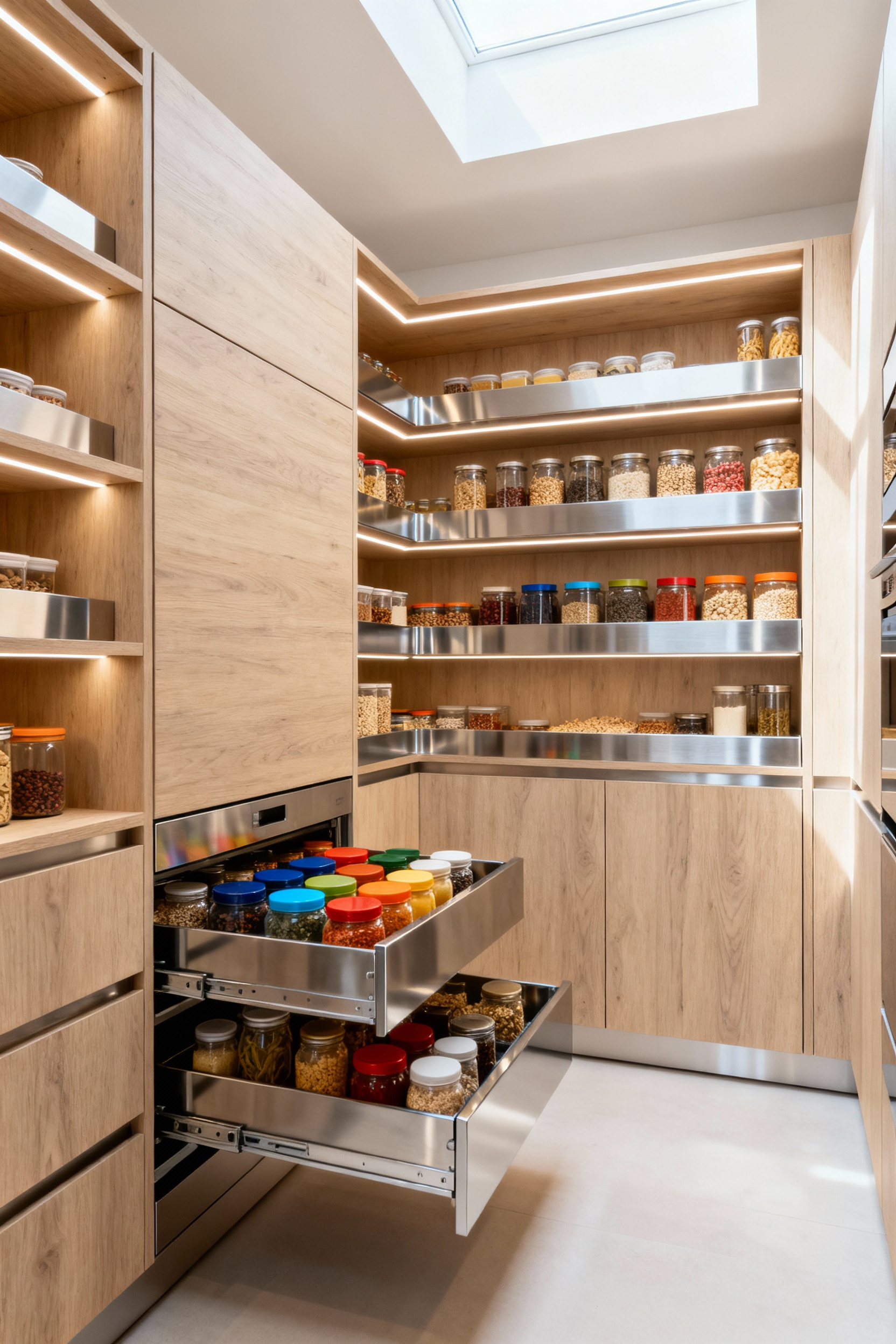
Beyond basic access, these systems introduce an element of grace. A quality full-extension glide that moves silently, revealing your entire inventory, is a small moment of daily satisfaction. Custom wire baskets can allow air to circulate around produce, while tiered pull-outs can be designed specifically for spices or oils. By designing with pull-out systems, you transform the pantry from a passive cavern into an active, responsive partner in your cooking process. Everything is not just stored; it is presented.
7. Maximize Awkward Corner Cabinet Accessibility with Rotating Mechanisms
The corner cabinet is the greatest design challenge in most kitchens—a deep, awkward void. Standard kitchen storage organization often surrenders this space, making it a graveyard for unused wedding gifts. But with intention, this “dead” space can become one of your most valuable assets. Simple rotating shelves, or Lazy Susans, are a start, but we can do better.
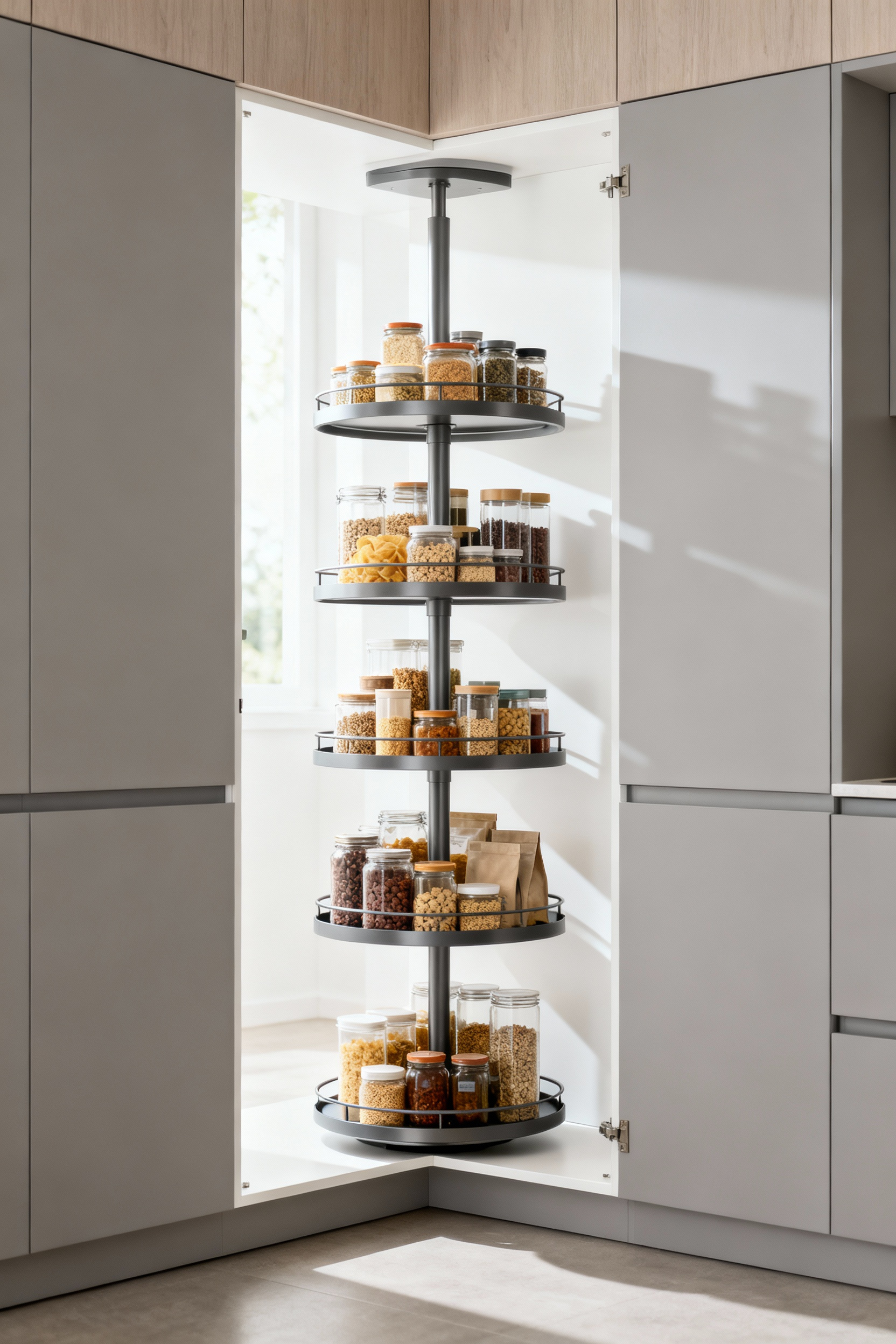
Modern mechanisms are far more elegant. Systems with kidney-shaped shelves that pivot and glide out of the cabinet bring the entire contents into the light. Another brilliant solution, the “magic corner,” uses an articulated arm to pull a series of interconnected baskets fully out into the room. This isn’t just about reclaiming space. It’s about respecting every part of your home, ensuring no corner is left to neglect and chaos. It is a commitment to total mindfulness in your environment.
8. Implement a First-In, First-Out (FIFO) Rotating System for Perishables
Mindful kitchen storage organization is also about a responsible relationship with our resources. The Japanese have a concept called mottainai, which is a sense of regret concerning waste. Implementing a First-In, First-Out (FIFO) system is the practical application of this principle. The concept is simple: new items go to the back, and older items are moved to the front to be used first.
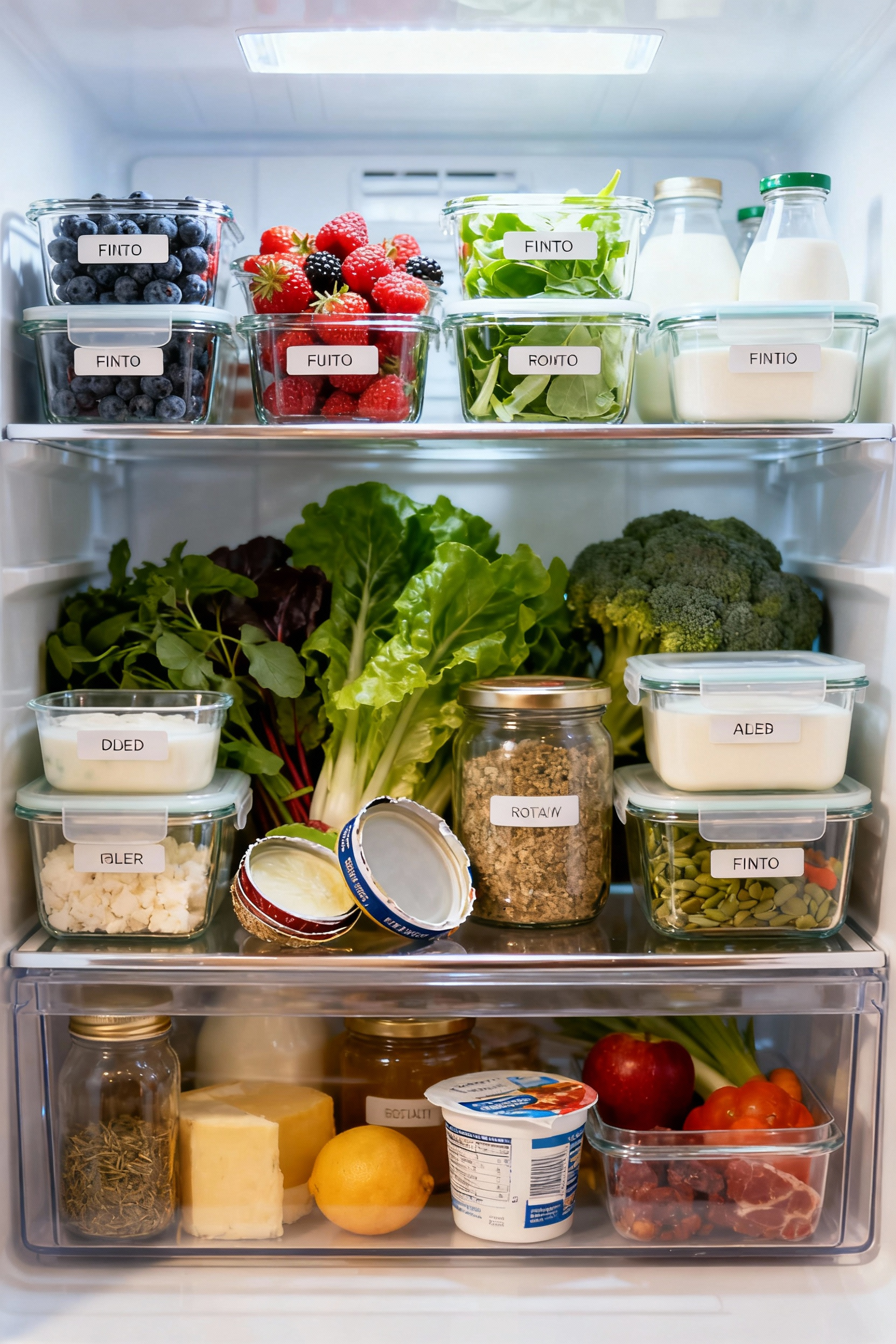
This practice requires a small but consistent effort that pays enormous dividends. For your pantry, use stackable can organizers that dispense from the bottom. In your refrigerator, designate a specific bin or shelf for items that need to be used soon. This system actively reduces food waste, saves money, and ensures you are always cooking with the freshest possible ingredients. It shifts your mindset from being a mere consumer to becoming a thoughtful steward of your provisions.
9. Utilize Uniform Jar and Bottle Sizing for Pantry Aesthetics and Space-Efficiency
We touched on this earlier, but its importance in advanced kitchen storage organization warrants a deeper look. Uniformity is about creating a visual rhythm. When jars, bottles, and containers share a consistent size and shape, the eye can scan them without interruption. This visual harmony has a direct and calming effect on the mind, similar to the satisfying pattern of a raked sand garden.

Beyond the aesthetics, there are profound spatial benefits. Mismatched packaging creates unusable gaps and awkward stacking. A system of uniform, modular containers eliminates this wasted volume entirely. Everything fits. Everything stacks. It’s an exercise in geometric precision. The act of decanting groceries from their commercial packaging into your own system becomes a meditative ritual—a moment to transition from the chaos of the outside world to the serene order of your own space.
Elevating Your Kitchen Storage Approach with Intentional Design (Part 2)
Continuing our journey, we now focus on the refined details that distinguish a merely tidy kitchen from one that is truly, mindfully organized. These strategies introduce layers of information, curation, and technological sanctuary that support a calm, modern life.
10. Apply Clear and Consistent Labeling for Effortless Identification
Once your items are beautifully housed, the final layer of clarity comes from labeling. An effective label in kitchen storage organization is one that is both informative and visually quiet. It should offer information at a glance without adding to the visual noise. Choose a simple, consistent style—a clean font on a white background, or embossed tags for a more tactile approach.

For advanced application, include not just the name of the item but also its purchase or expiration date. This transforms your pantry into a smart inventory system. Consistency is key. When all labels share the same design language, they blend into the background, becoming part of the serene landscape rather than a distraction. This small detail provides immense functional and psychological benefits, reinforcing a sense of complete order and control.
11. Incorporate Wall-Mounted Solutions for Everyday Utensil and Tool Display
Well-designed tools possess their own beauty. Instead of hiding them in drawers, consider curating them on the wall. Thoughtful kitchen storage organization uses vertical surfaces to turn function into art. A magnetic knife strip is not only the safest way to store your blades but also displays their craftsmanship. A simple rail with S-hooks for your most-used utensils keeps them within reach while freeing up drawer space.
This is about intentional display, not just storage. Select only your most beautiful and functional pieces for the wall. A copper pot, a set of wooden spoons. In my practice, I emphasize that this curation creates a story about how you cook. It personalizes the space and turns a blank wall into a statement of purpose. The wall becomes a functional gallery, celebrating the tools of your craft.
12. Designate Dedicated Docking Stations for Small Appliances and Charging Devices
In our digital age, the serene kitchen is constantly threatened by the creep of technology—cords, phones, and tablets. To maintain tranquility, we must create a sanctuary for these devices. The most critical, yet often overlooked, component of modern kitchen storage organization is a dedicated docking station. This can be a designated drawer with a built-in power strip or a recessed “appliance garage” with a sliding door.
I’ve noticed this is a huge pain point for my readers seeking calm. The goal is to create a clear boundary between the analog art of cooking and the digital demands of our lives. A docking station houses small appliances like toasters or blenders, keeping countertops clear and visually silent. It also becomes the single place for charging phones and tablets, preventing the chaotic spaghetti of cables from taking over your prep space. It’s a respectful acknowledgment of technology’s place in our lives—a place that is organized, contained, and intentional.
Advanced Strategies for Integrated Kitchen Functionality
Here, we move into the realm of true mastery. These strategies integrate design, workflow, and technology into a single, cohesive system. This is where your kitchen transcends being a collection of well-organized parts and becomes a singular, intelligent organism that supports your life with effortless grace.
13. Custom-Fit Cabinetry and Inserts for Bespoke Storage Solutions
Standard cabinetry is built for a generic user. But you are not generic. The highest form of kitchen storage organization comes from custom-fit solutions designed for your specific tools and habits. This could mean collaborating with a craftsman to design cabinetry from scratch, or simply retrofitting your existing space with perfectly measured inserts. Imagine a deep drawer with custom dividers cradling each of your pots and lids, or a narrow pull-out cabinet perfectly sized for your oils and vinegars.
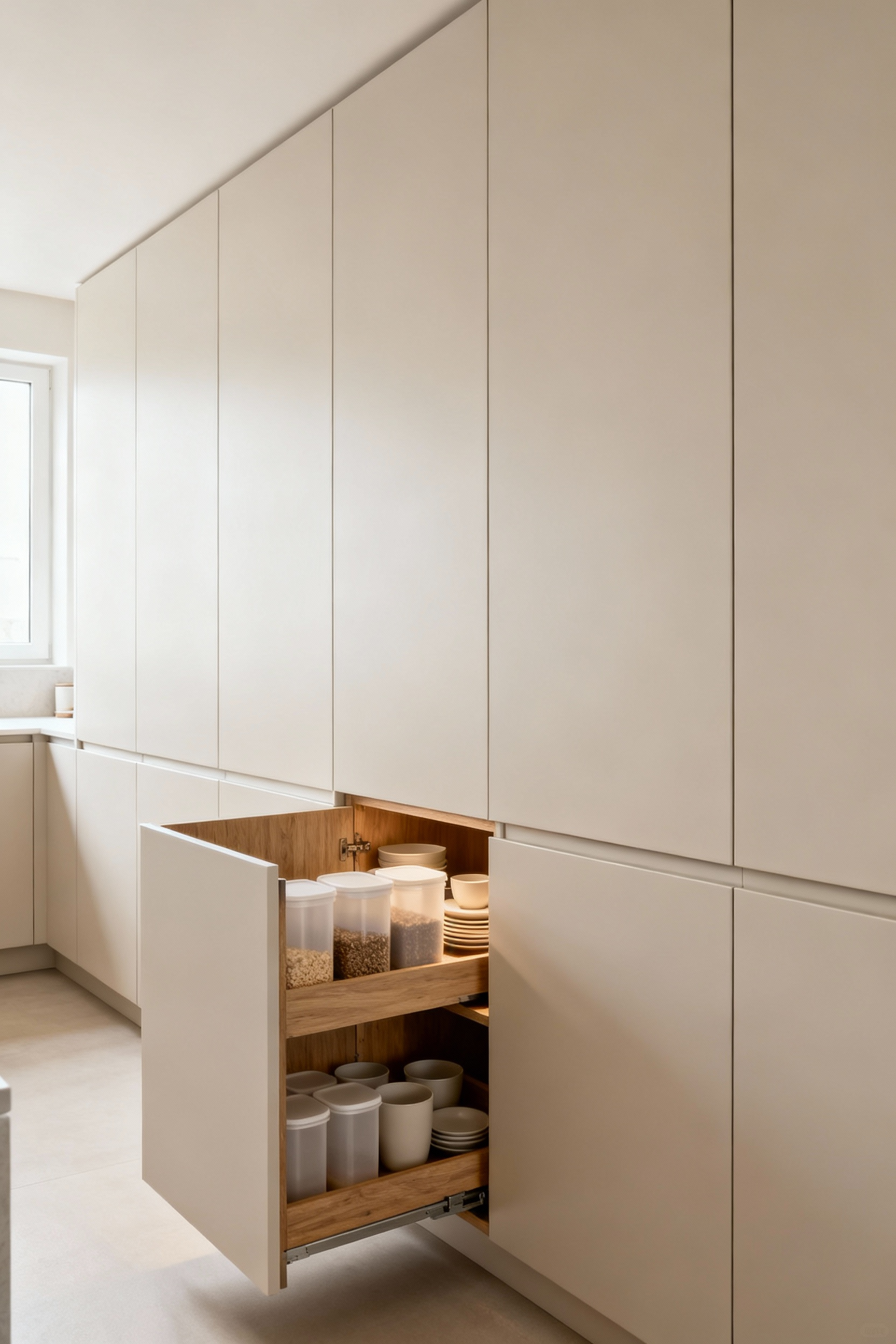
I learned this when designing a kitchen for a passionate baker. Instead of forcing her equipment into standard cabinets, we created a baking station with a heavy-duty pull-out shelf for her stand mixer at ergonomic height and shallow drawers custom-fitted for rolling pins, cutters, and decorating tools. It transformed her process from one of exertion to one of flow. This bespoke approach embodies wabi-sabi—the beauty found in function and perfect imperfection. It is an investment in your personal practice, creating a space that feels like a natural extension of yourself.
14. Integrate Workflow Paths and Task Zones for Optimal Culinary Efficiency
An expertly organized kitchen feels less like a room and more like a dance partner. This comes from integrating your task zones with intuitive workflow paths. The “kitchen triangle” (sink, stove, refrigerator) is a starting point, but we can refine this further by mapping the actual choreography of cooking a meal. From bringing in groceries to plating the final dish, your movements should be fluid and economical.
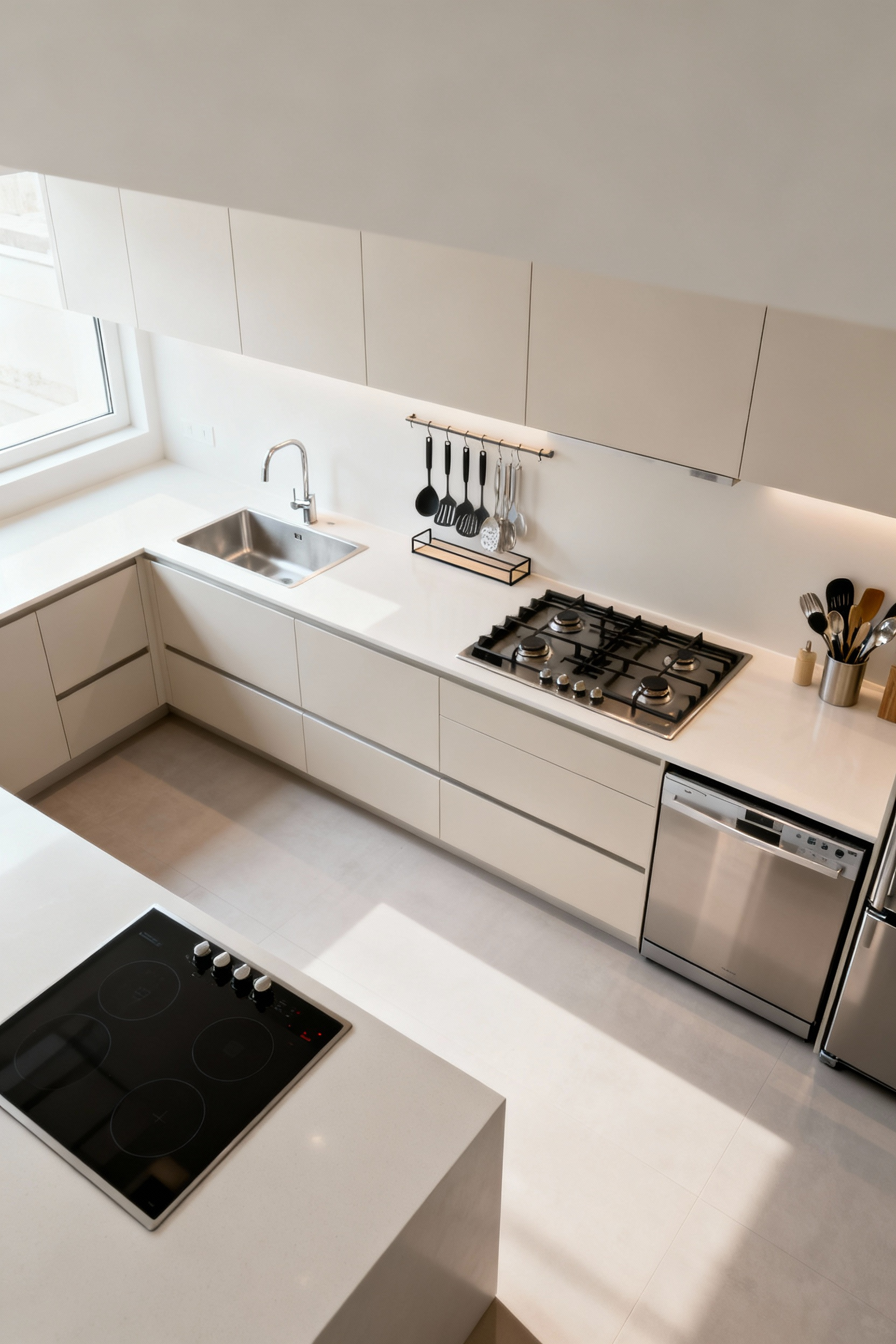
Think about the flow of a Japanese tea ceremony—every movement is precise, efficient, and imbued with purpose. Your kitchen can have this same quality. Store your dishes near the dishwasher for easy unloading. Place your trash and compost bins in the Prep Zone, where most waste is generated. This strategic placement within your kitchen storage organization minimizes steps and reduces the mental energy required for mundane tasks, freeing you to focus on the creative act of cooking. The result is a kitchen that works with you, almost predicting your next move.
15. Harness Smart Home Technology for Proactive Inventory Management
Technology, when used mindfully, can be a powerful ally in creating a serene kitchen. We’re not talking about superfluous gadgets, but about using smart systems to offload cognitive burden. Instead of manually tracking your pantry, integrated smart kitchen storage organization can do it for you. Smart refrigerators with internal cameras let you check your stock from the grocery store, preventing duplicate purchases.
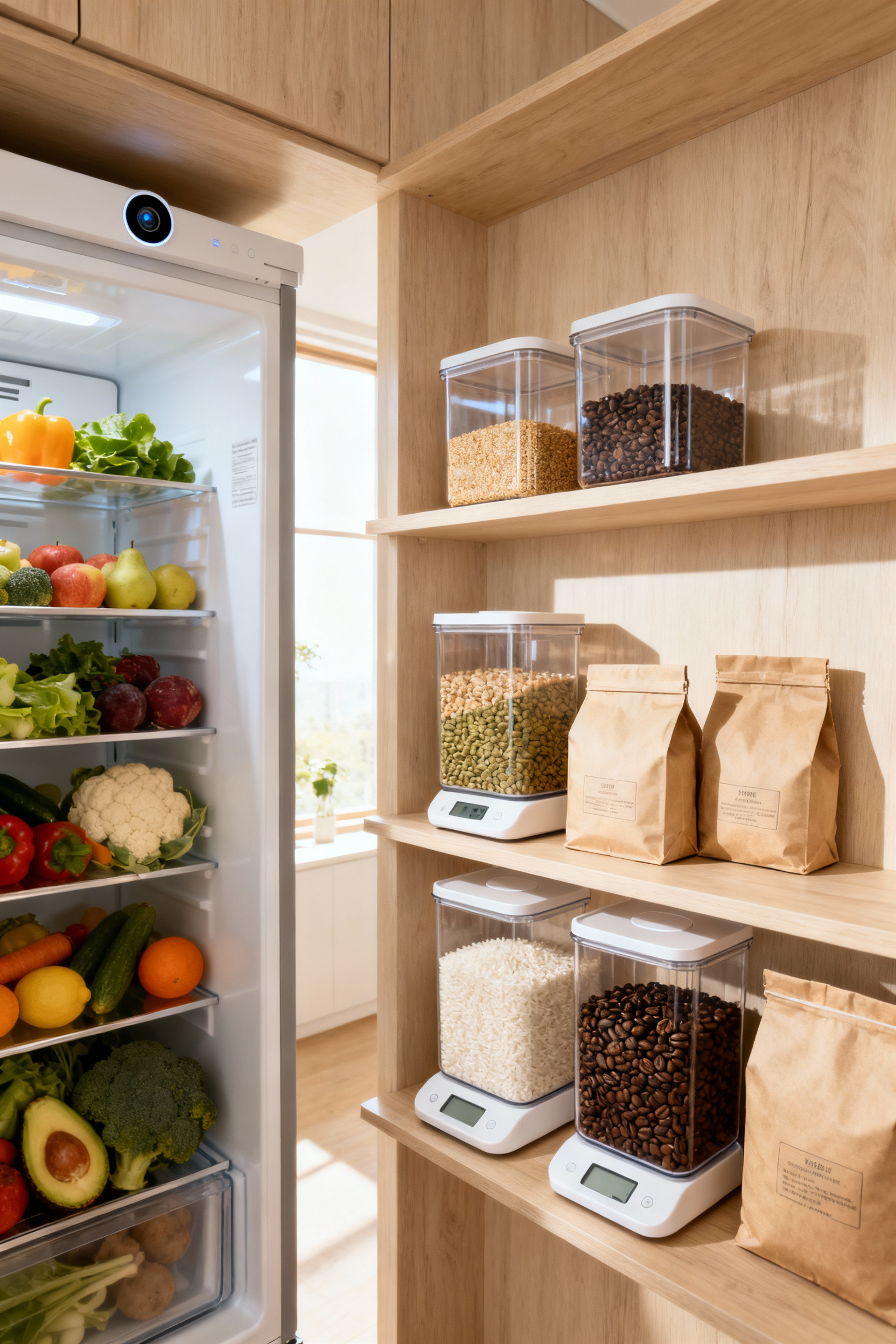
For a more advanced application, consider smart containers or pantry systems that track inventory and automatically add items to your digital shopping list when they run low. This proactive management prevents the stress of last-minute discoveries that you’re out of a key ingredient. The goal of this technology isn’t to make your kitchen more complicated. It’s to make it smarter, so you don’t have to think as hard about logistics. It automates the mundane, freeing up your mental bandwidth for creativity and presence.
16. Conduct Seasonal Storage Audits to Realign Inventory and Optimize Space
A kitchen, like a garden, requires periodic tending. Life changes, our diets evolve, and our needs shift. The final piece of advanced kitchen storage organization is the practice of conducting seasonal audits. This is a ritual of realignment. Twice a year, perhaps in spring and fall, take time to consciously review your entire kitchen inventory. Ask what has served you well and what has sat unused.
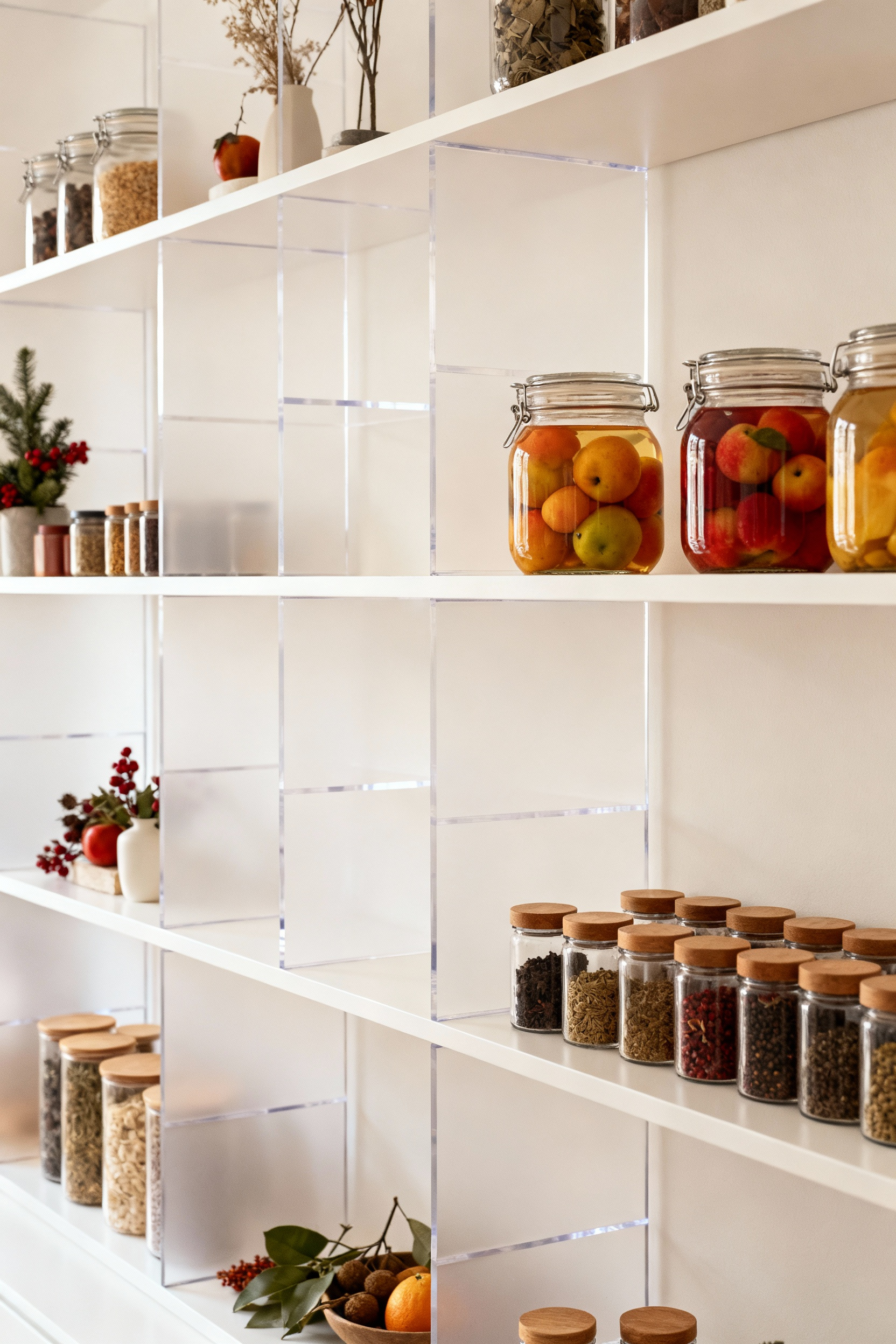
This isn’t just about decluttering. It’s an opportunity to optimize. The specialty platter you only use during winter holidays could be stored away, freeing up prime cabinet space for the salad spinner you use daily in summer. It’s a mindful check-in to ensure your space reflects your current life, not the life you lived six months or a year ago. This regular practice prevents the slow, creeping accumulation of clutter and keeps your kitchen feeling fresh, relevant, and perfectly aligned with your present self.
Mastering a Holistic Approach to Kitchen Organization
We arrive at the synthesis of all these principles. True mastery isn’t about any single technique but about cultivating a holistic mindset. These final strategies are not tasks to be completed, but habits to be embodied, ensuring your kitchen remains a sanctuary of calm and function for years to come.
17. Develop a Flexible and Adaptive System for Evolving Kitchen Needs
The most resilient systems in nature are not rigid; they are adaptive. The same is true for masterful kitchen storage organization. Your life will not stay the same, so your kitchen must be designed to evolve with you. Instead of fixed, permanent solutions, prioritize modularity. Use adjustable shelving, movable drawer dividers, and baskets that can be repurposed as your needs change.
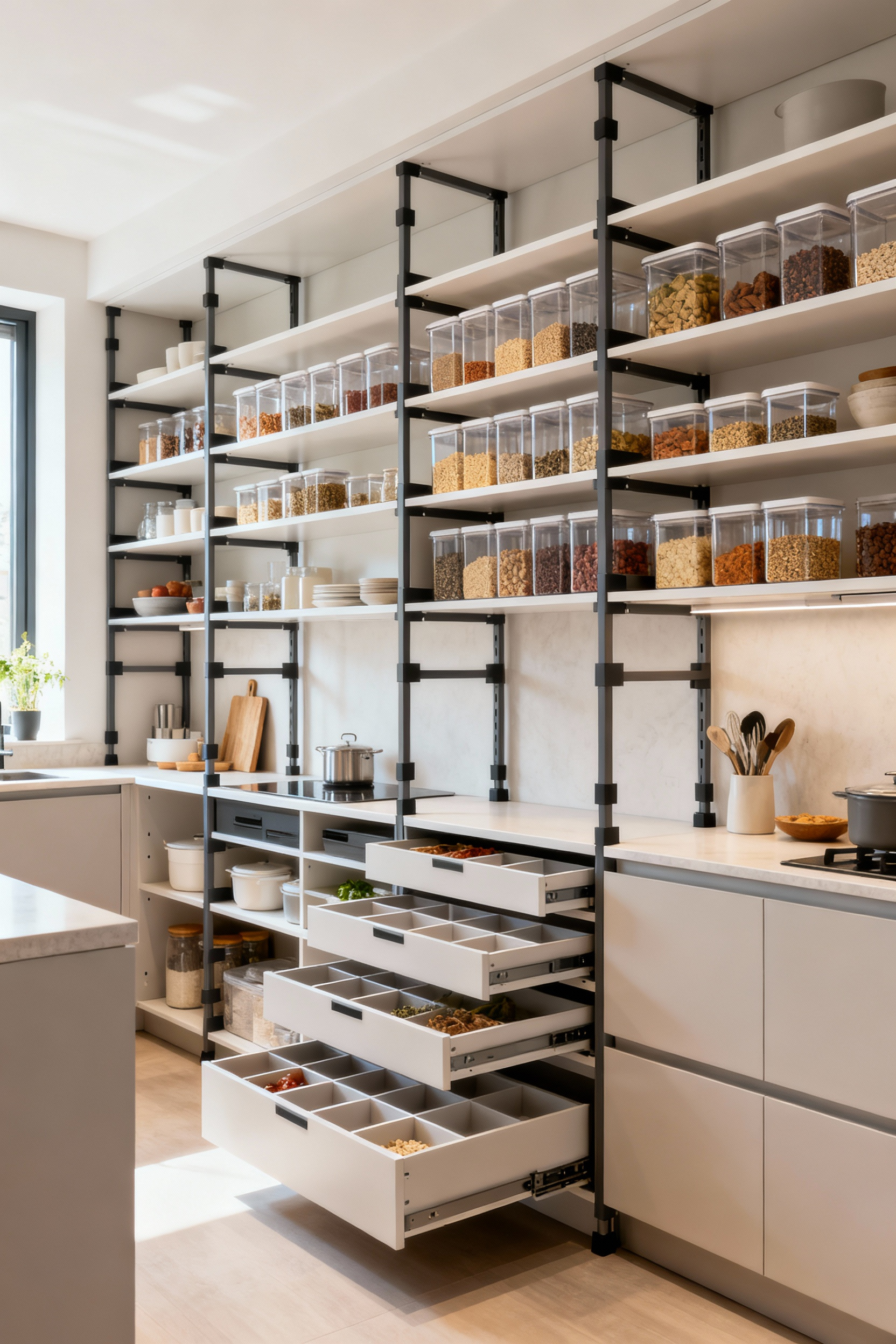
Designate one or two “flex zones” in your kitchen—a cabinet or a set of drawers without a highly specific, permanent assignment. This is where a new appliance can live temporarily, or where you can store supplies for a new culinary hobby. In my years of professional experience, I’ve found that this built-in flexibility is what prevents a beautiful system from shattering the first time life introduces something new. A truly serene space is not one that is static, but one that can absorb change with grace.
18. Cultivate a Mindful Daily Habit of Returning Items to Their Designated Homes
A perfectly designed system will fail without the simple habit that sustains it. This is the practice of ‘closing the loop.’ After you use a spice, return it to the rack. After you wash a knife, return it to the block. This small, consistent act is a form of meditation. It prevents the slow accumulation of entropy that leads to clutter.
Make it part of your process. As you wait for water to boil, wipe down the counter you just used and put away the cutting board. Treat this not as a chore, but as an act of respect for your space and for your future self, who will enter a calm, ready kitchen the next time they cook. This daily, mindful practice is the gentle current that keeps the waters of your kitchen clear. It is the most powerful tool you have for lasting kitchen storage organization.
19. Assess and Optimize for Ergonomic Accessibility and Age-Friendly Design
A kitchen should feel good to work in. Sophisticated kitchen storage organization is deeply connected to ergonomics—the science of designing for human comfort and efficiency. Heavier items, like a Dutch oven or stand mixer, should be stored between your hip and shoulder height to minimize bending and straining. Everyday dishes should be in a cabinet or drawer that doesn’t require overreaching.
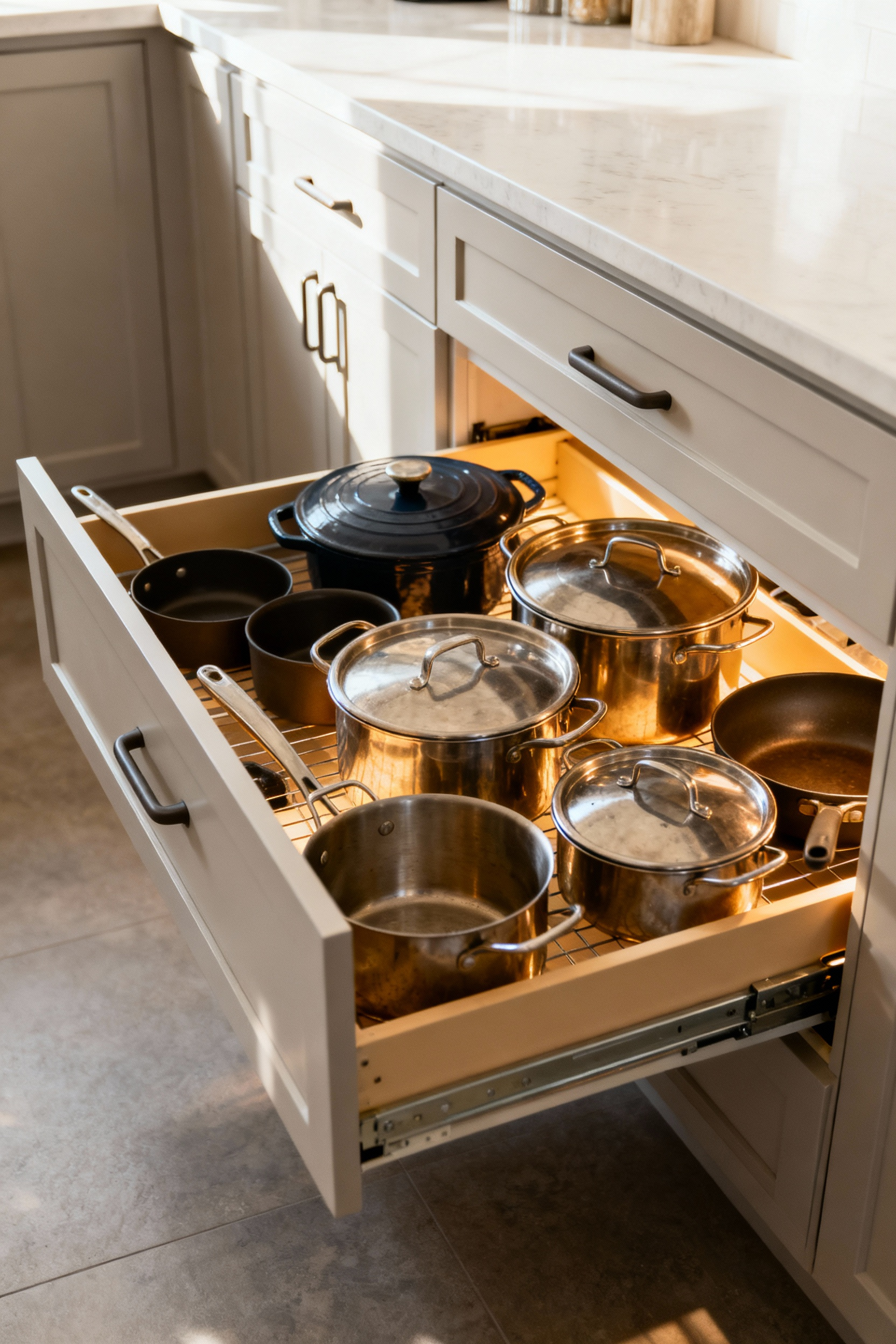
I often see this play out when designing for long-term living. What’s convenient today might not be in ten or twenty years. Incorporate universal design principles now: pull-out shelves to reduce deep reaching, D-shaped handles that are easier to grip than small knobs, and good task lighting over all work areas. A mindfully designed kitchen cares for the body. It makes the act of cooking not only efficient but physically pleasant and safe for every stage of life.
20. Implement a Minimalist Inventory Philosophy to Prevent Over-Accumulation
The final, and most profound, step is to curate what comes into your kitchen in the first place. Lasting kitchen storage organization is less about organizing what you have and more about having only what you need and love. Before you buy a new gadget, ask: “Do I have a tool that already does this job?” Before accepting a hand-me-down appliance, ask: “Do I have the space and the intention to use this?”
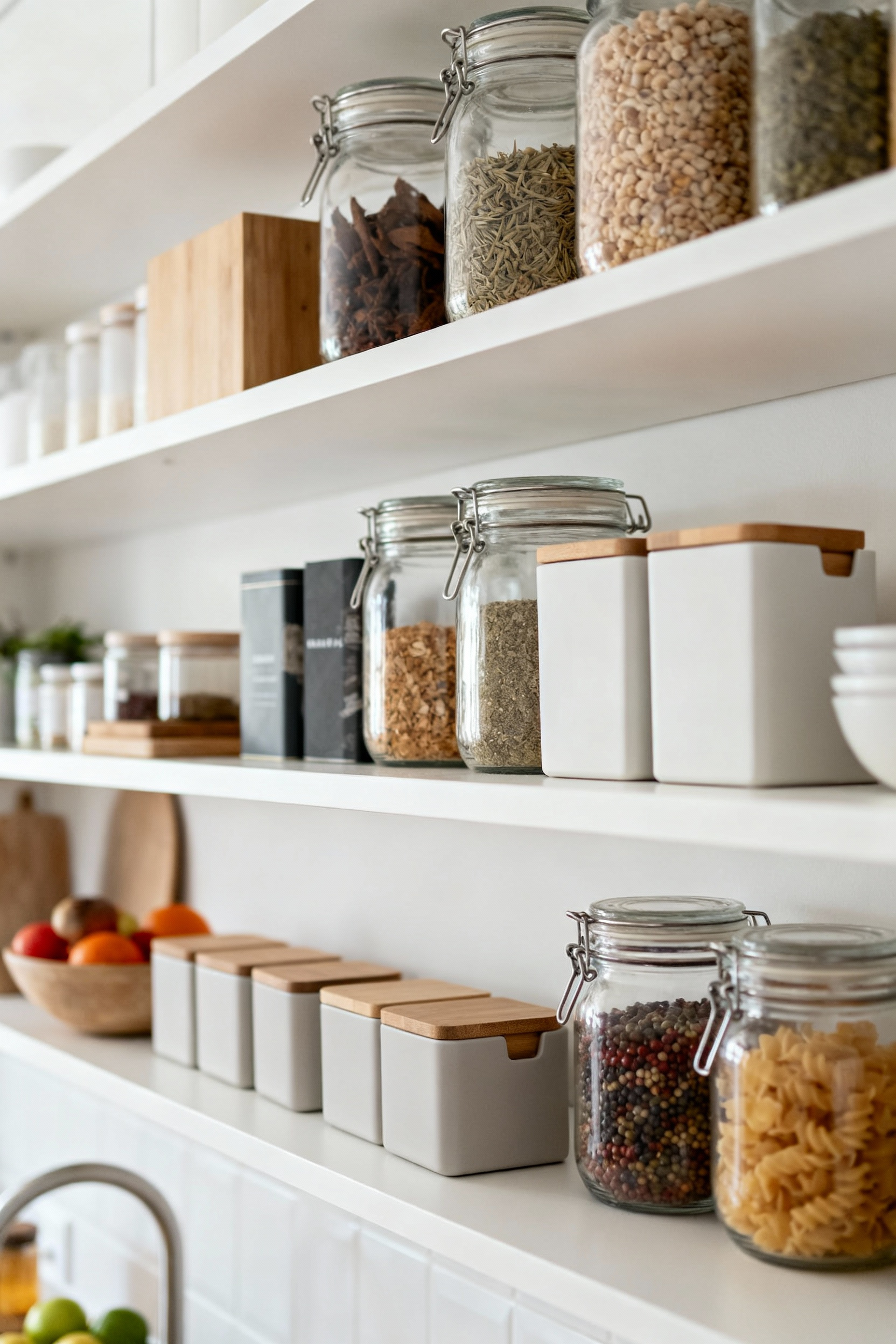
You are the curator of your kitchen. Every item should earn its place. This is not about deprivation; it’s about making conscious choices. By being intentional about what you allow across the threshold, you protect the serenity you’ve so carefully built. This philosophy prevents over-accumulation at its source, making organization an effortless state of being rather than a constant battle. It is the ultimate expression of a calm, controlled, and deeply intentional culinary life.
Conclusion
We have journeyed from the simple act of releasing a single unused utensil to the holistic philosophy of curating your entire culinary ecosystem. What becomes clear is that mastering kitchen storage organization is a practice of mindfulness. It is about crafting a space that reduces stress, supports your well-being, and allows for the creative, joyful act of cooking to take center stage. Each strategy is a tool to bring your environment into alignment with a calmer, more intentional way of life.
The system I’ve outlined is not a rigid set of rules, but a framework for you to adapt. Choose the strategies that resonate with you now and begin. Let the process be a gentle one. The purpose of an organized kitchen is not to achieve a static picture of perfection, but to create a dynamic, supportive space that flows with your life. I encourage you to see this not as a project to be finished, but as a practice to be lived. By bringing this level of intention to your kitchen, you are doing more than tidying shelves—you are designing a more serene reality.