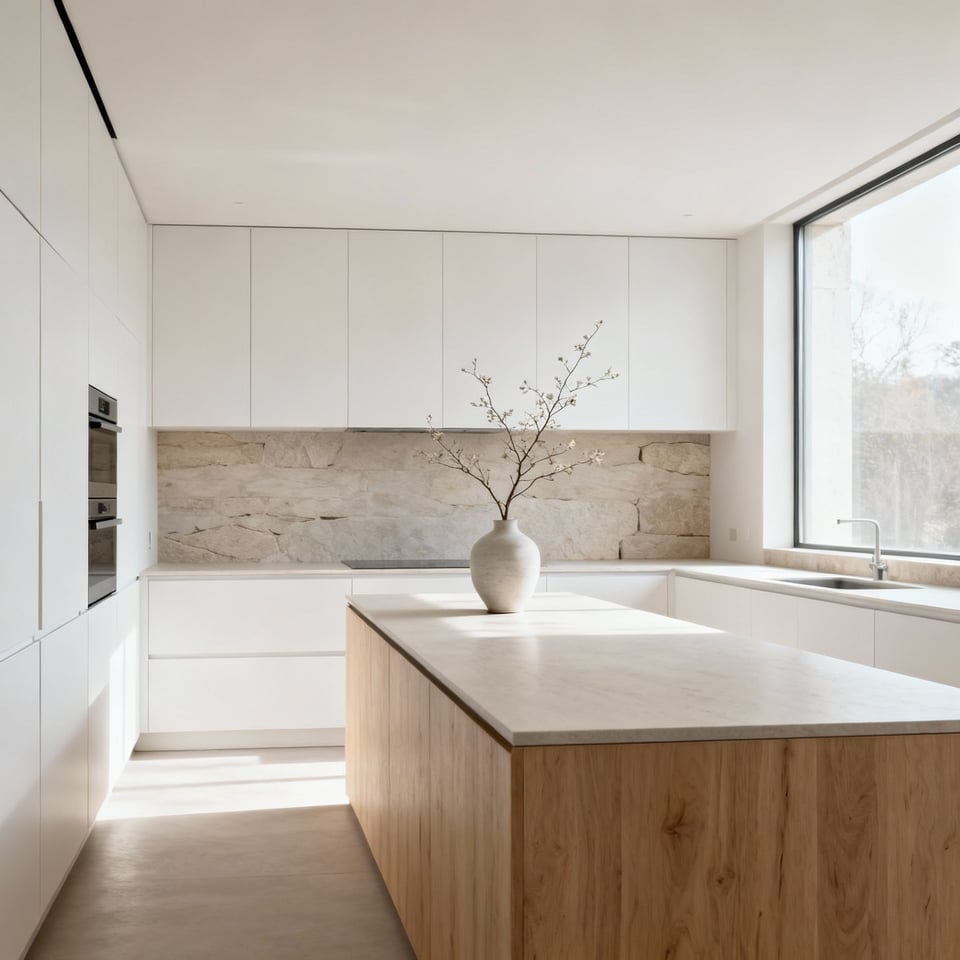
A kitchen is not a space you decorate; it is an environment you author. Every choice reflects not an aesthetic whim, but a deep understanding of how you wish to live. The most compelling kitchens aren’t simply assembled; they are composed, their quiet harmony a direct result of intention. They support our daily rituals, nourish our bodies, and provide a sanctuary from a digitally saturated world. These twenty principles separate a space that merely looks modern from one that feels truly timeless.
Part I: Cultivating Intentionality (Principles 1-5)
The foundation of a transcendent kitchen is not built with materials, but with philosophy. Before we choose a single surface, we must first cultivate a mindset of clarity and purpose. This is about shaping an environment that supports a quieter, more focused existence.
1. The Art of Revealing: Beyond Decluttering
Clutter is visual noise. True serenity in a kitchen begins with the principle of subtraction—not just removing items, but revealing the essential character of the space and the objects within it. This is more than tidiness. It is a daily practice of asking what is truly necessary, which in turn brings a profound mental clarity.
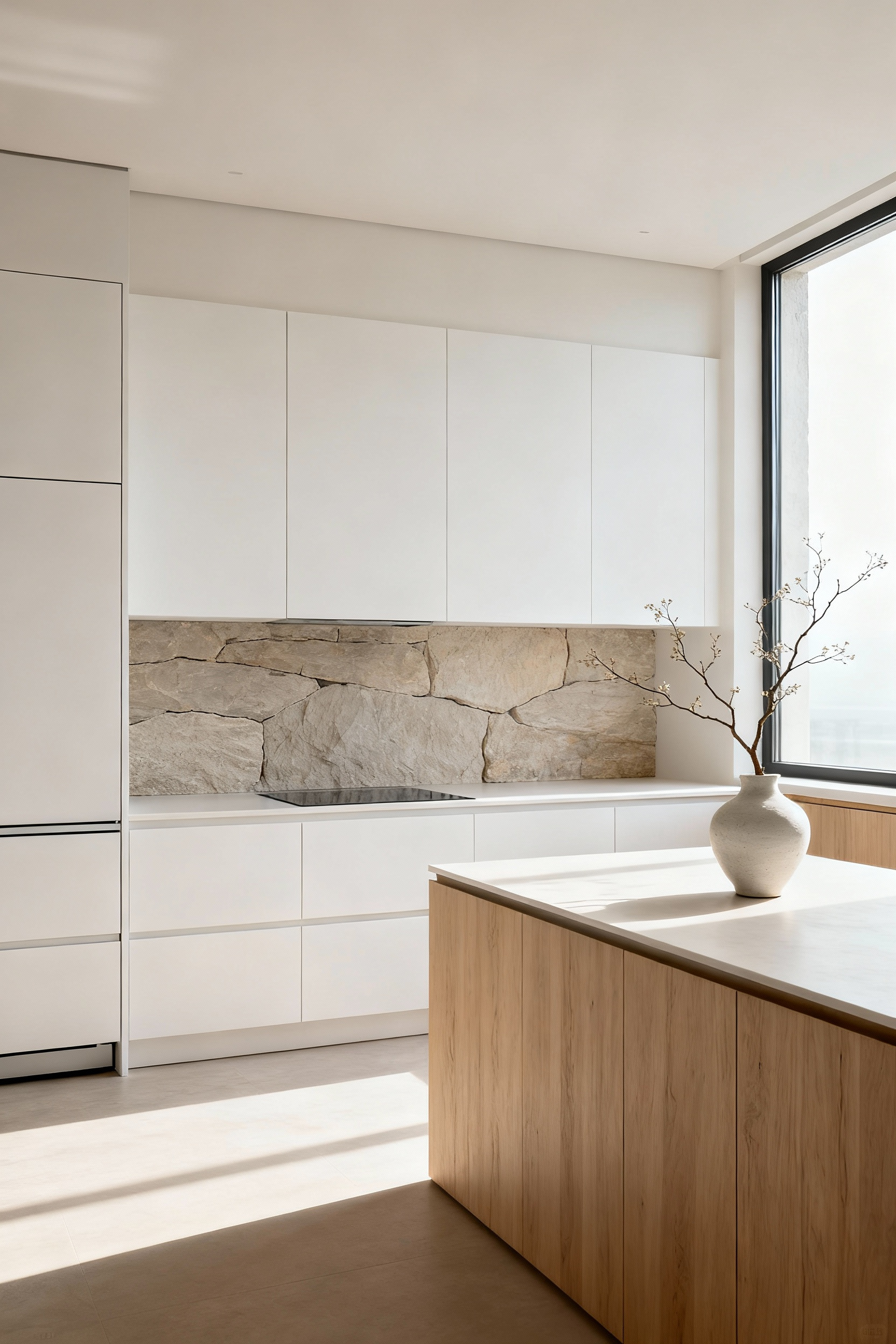
This philosophy directly informs design. Think handleless cabinetry that presents a placid, uninterrupted surface. Or integrated appliances that disappear behind custom panels, creating a monolithic calm. When your countertops are clear, they are no longer just surfaces for storage; they become open landscapes for the art of cooking. In my modern zen design expert practice, I find the goal isn’t emptiness, but purposeful space.
2. Strategic Voids: The Power of Ma
In Japanese aesthetics, the concept of Ma (間) refers to the interval, the pause, the space between things. This negative space is not empty; it is a potent element in its own right. It is the silence that gives music its rhythm. In kitchen design, these voids create a visual quietude that allows key elements—and the mind—to breathe.
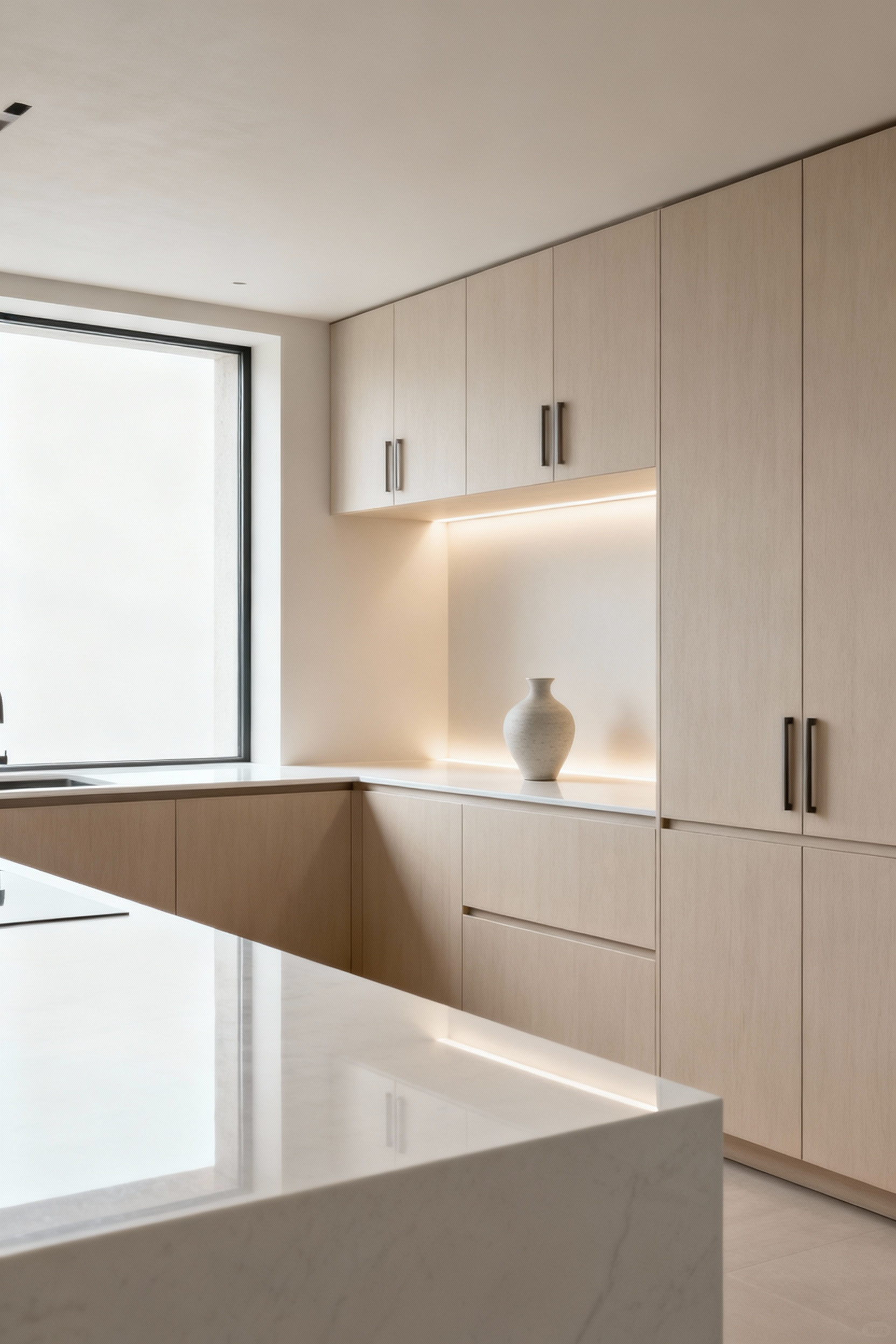
Practically, this means resisting the urge to fill every wall with cabinetry. An open wall, a generous space between the island and the counter, or the careful spacing of objects on a single floating shelf—these are all applications of Ma. They create a dynamic visual flow, guiding the eye and fostering a sense of unhurried calm. This is where a room begins to feel less like a container and more like a composition.
3. Biometric Harmony: Designing for Human Grace
An exceptional kitchen moves with you. This principle, which I call biometric harmony, goes beyond simple ergonomics to study the natural grace of human movement. A kitchen should be an intuitive partner in the dance of cooking, where every turn, reach, and touch feels effortless and anticipated. Elegance is not an applied finish; it is the result of functional perfection.
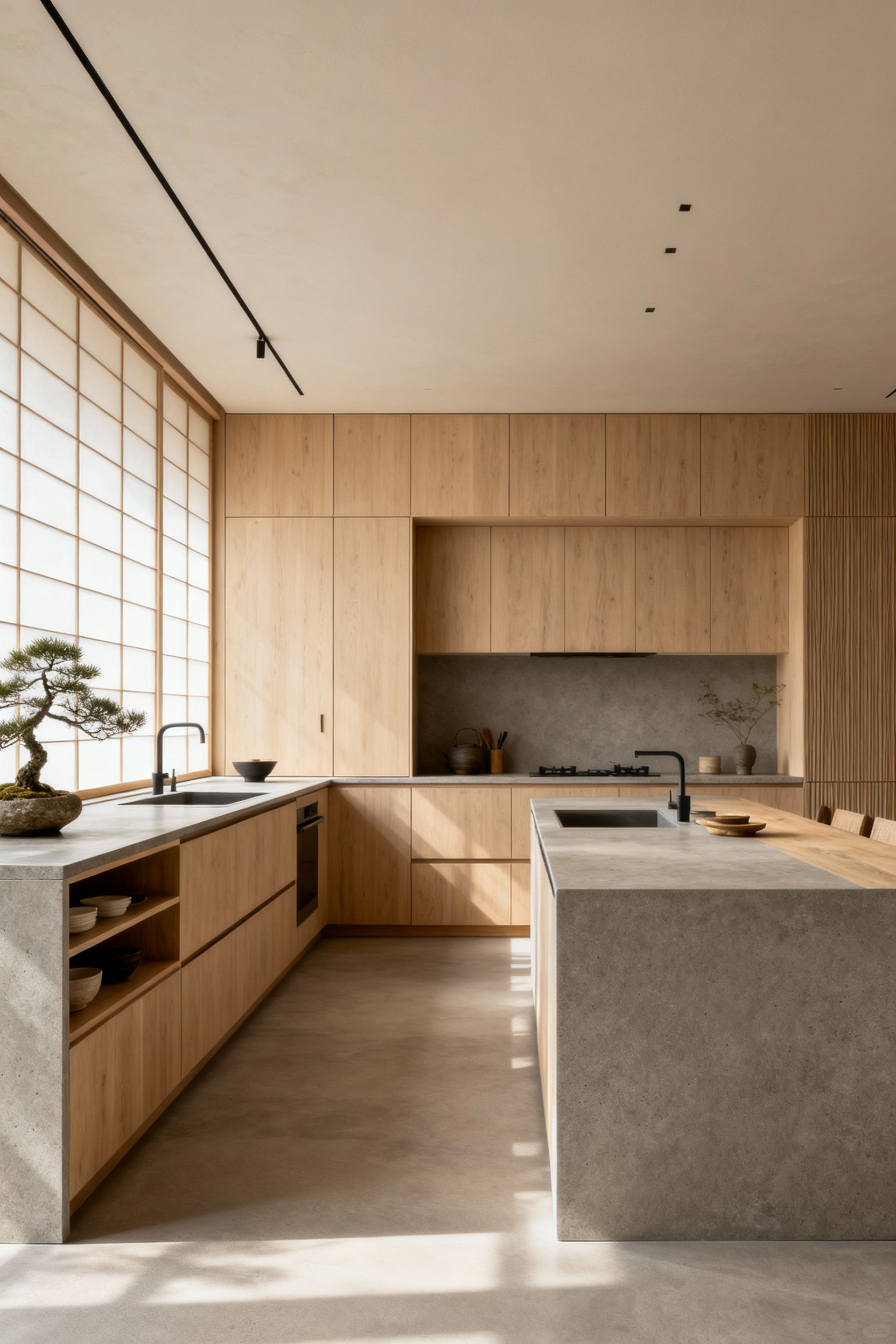
Consider counter heights subtly varied for different tasks—a lower surface for kneading dough, a standard one for chopping. Or storage designed around frequency of use, not just category. Frequently used spices might be in a shallow drawer right beside the cooktop. What I tell my clients and readers is this: a space that reduces physical and cognitive friction elevates a daily chore into a mindful practice.
4. Circadian Alignment: The Wisdom of Natural Light
We are beings of rhythm, intrinsically tied to the sun’s daily arc. A truly intelligent kitchen honors this connection by masterfully integrating natural light. This is not just about installing a large window, but about manipulating light to support our natural circadian rhythms—our internal clocks that govern energy and rest.
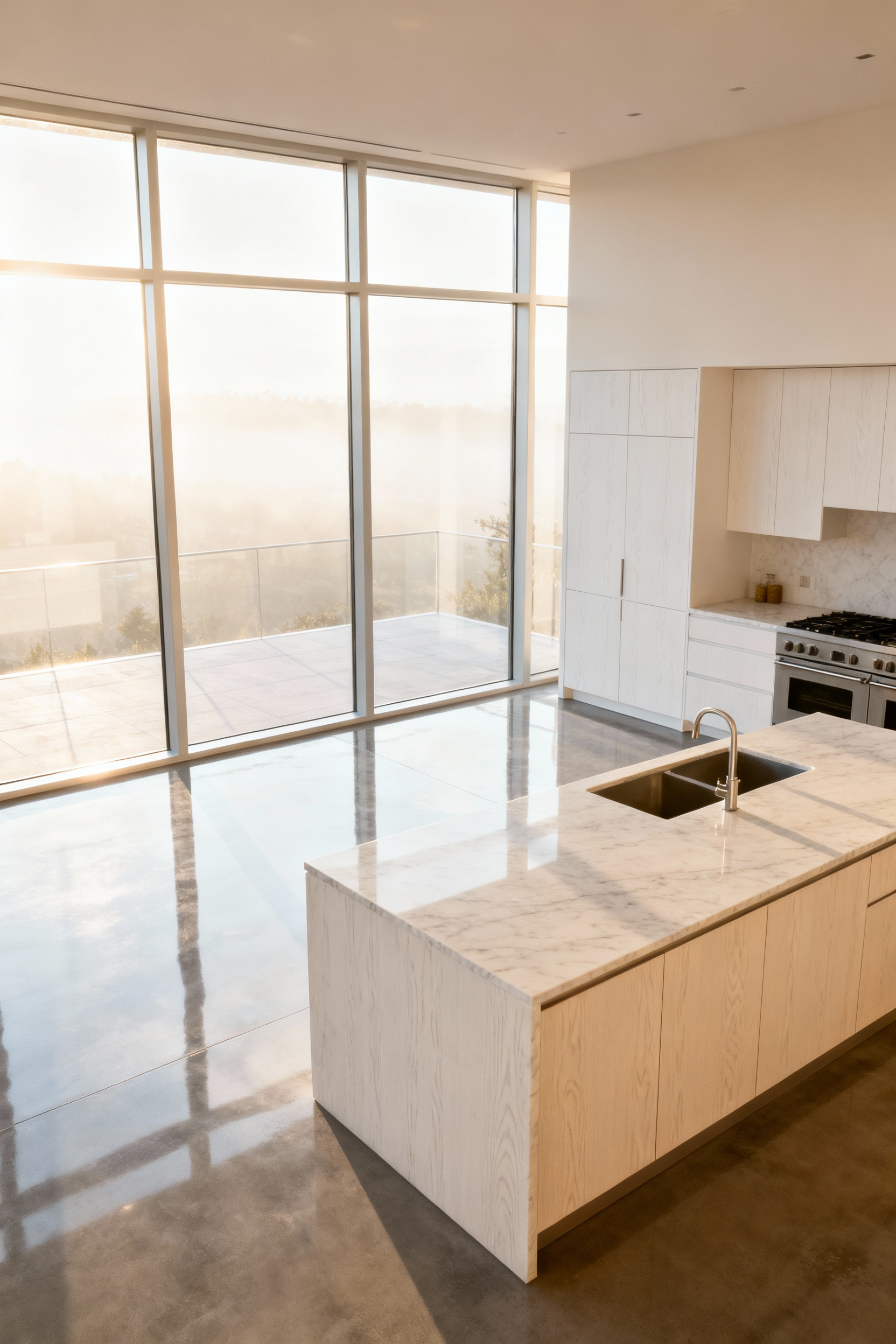
Strategically placed windows can capture the cool, energizing light of the morning. Translucent blinds can diffuse the harsh afternoon sun into a soft, ambient glow. Materials also play a role; light-colored matte surfaces reflect and soften daylight, pushing it deeper into the space. By designing in concert with the sun, the kitchen becomes a space that doesn’t just serve us, but nurtures our fundamental well-being.
5. The Sensory Narrative: Beyond the Visual
A kitchen is experienced with all the senses. A design that only addresses the visual is incomplete. The goal is to curate a holistic sensory narrative. This means considering the tactile sensation of a cool stone countertop, the solid feel of a well-crafted wooden handle, and even the subtle scent of the space itself.
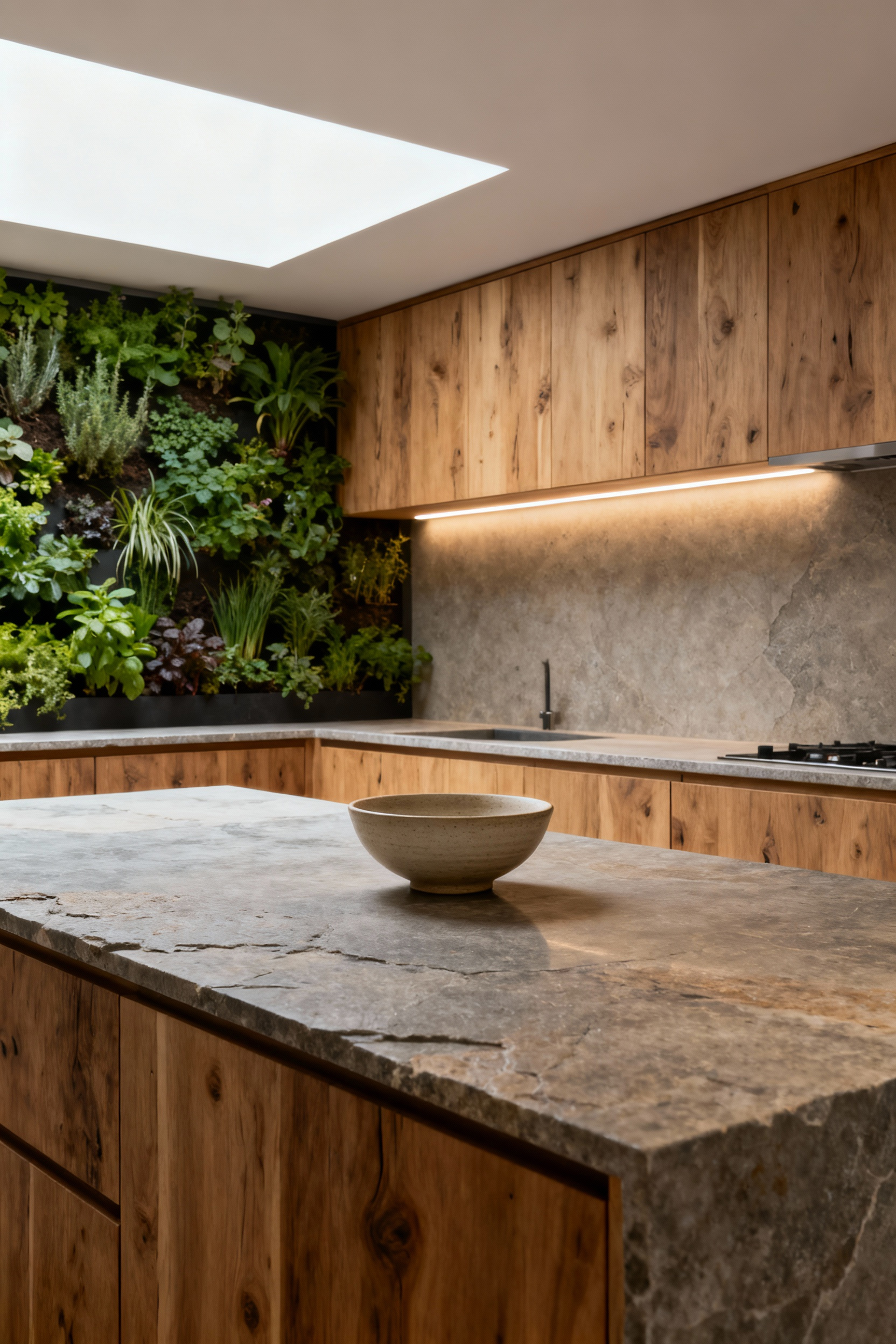
Good design is quiet. Think of high-performance ventilation that efficiently removes cooking odors, leaving behind the clean scent of hinoki wood or fresh herbs from an indoor garden. Or the satisfying heft of a ceramic mug. I’ve noticed that when all senses are considered, the space becomes immersive. It creates an environment that grounds you in the present moment, turning the simple act of preparing a meal into a richer, more embodied experience.
Part II: Materiality and Tactility (Principles 6-10)
Once the intention is set, we turn to the physical. Materials are the vocabulary of design. Their selection is a conversation about honesty, longevity, and the subtle ways they engage our senses.
6. Honed Finishes: The Honesty of Natural Materials
There is a profound beauty in authenticity. I advocate for materials that speak their truth—unprocessed stone and sustainably sourced wood in honed or matte finishes. Unlike a high polish that can feel artificial and create glare, a honed finish reveals the stone’s soul: its subtle texture, its deep and complex matrix. It invites your touch.
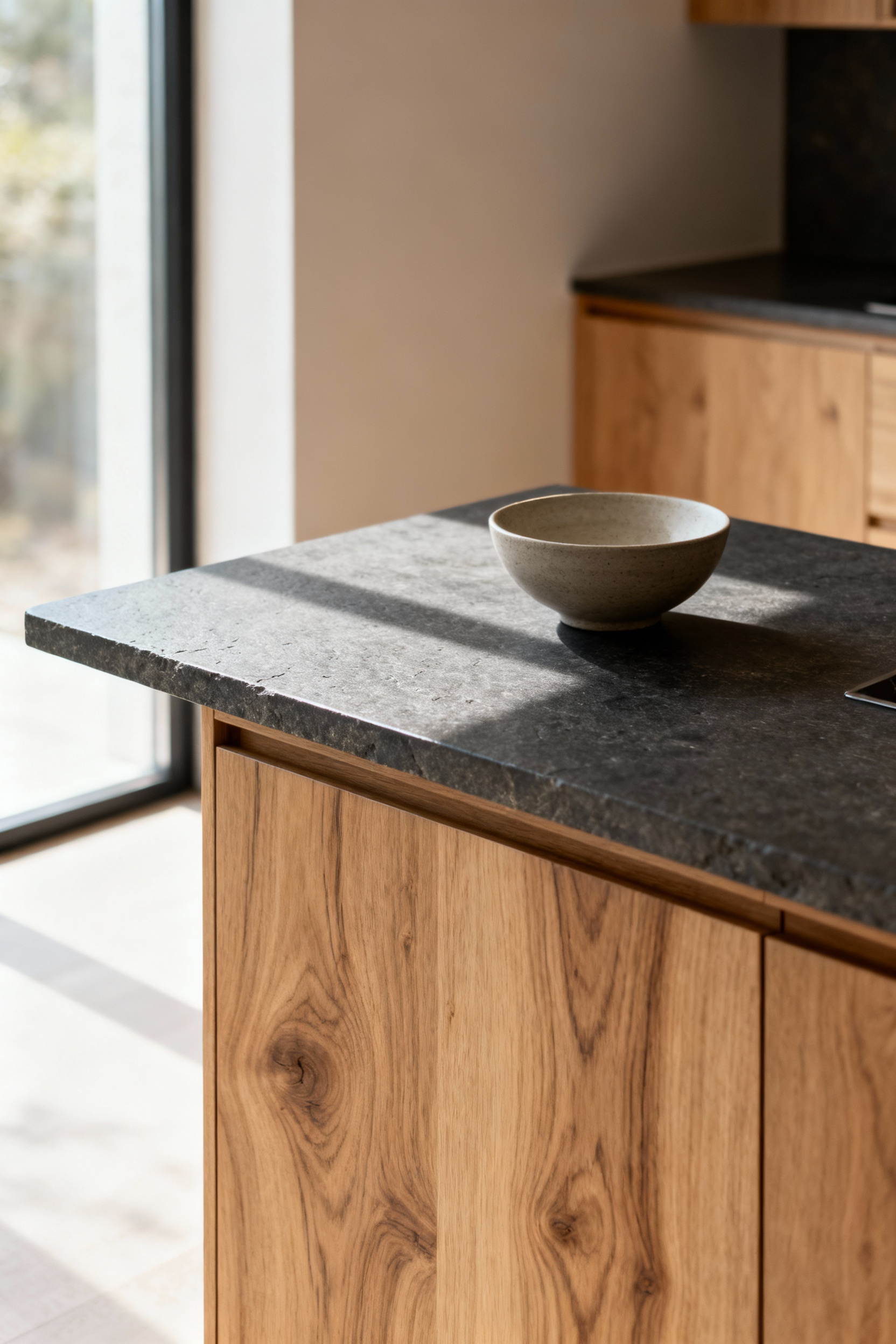
Similarly, wood treated with a natural oil instead of a thick lacquer retains its warmth and tactile grain. These materials carry a story of geological time and organic growth. They age with grace, acquiring a patina that reflects the life lived around them. This is the essence of wabi-sabi—finding beauty in the imperfection and impermanence that comes with time.
7. Subtle Biophilia: A Living Connection
In our tech-focused lives, the innate human need to connect with nature—biophilia—is more important than ever. Integrating living elements into the kitchen breathes vitality into the space. This is done with subtlety and intention, avoiding a cluttered or jungle-like feel.
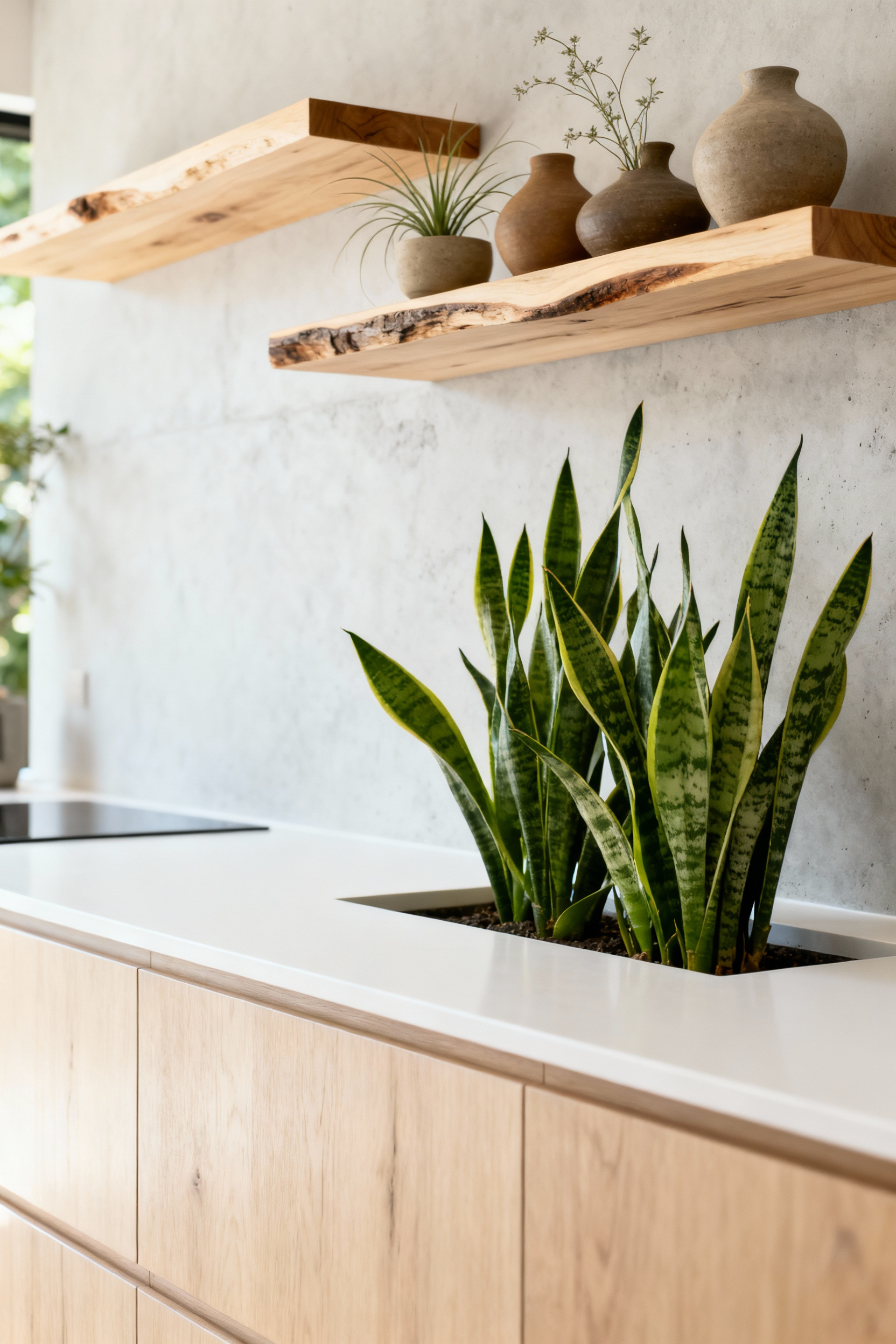
A single, sculptural branch in a vase. A wall-mounted vertical herb garden that is both beautiful and functional. Even organic forms and patterns in other materials—the gentle curve of an island, or tiles with a botanical motif—can satisfy this need. These touches serve as gentle reminders of the world outside, reducing stress and creating a calmer, more regenerative atmosphere.
8. Matte Surfaces: The Quietude of Non-Reflection
Visual calm is paramount. Matte and non-reflective surfaces are essential for mitigating glare and reducing sensory overload. High-gloss finishes bounce light and reflections chaotically, creating a kind of visual static that agitates the mind. Matte surfaces, in contrast, absorb light, lending a soft, velvety depth to the space.
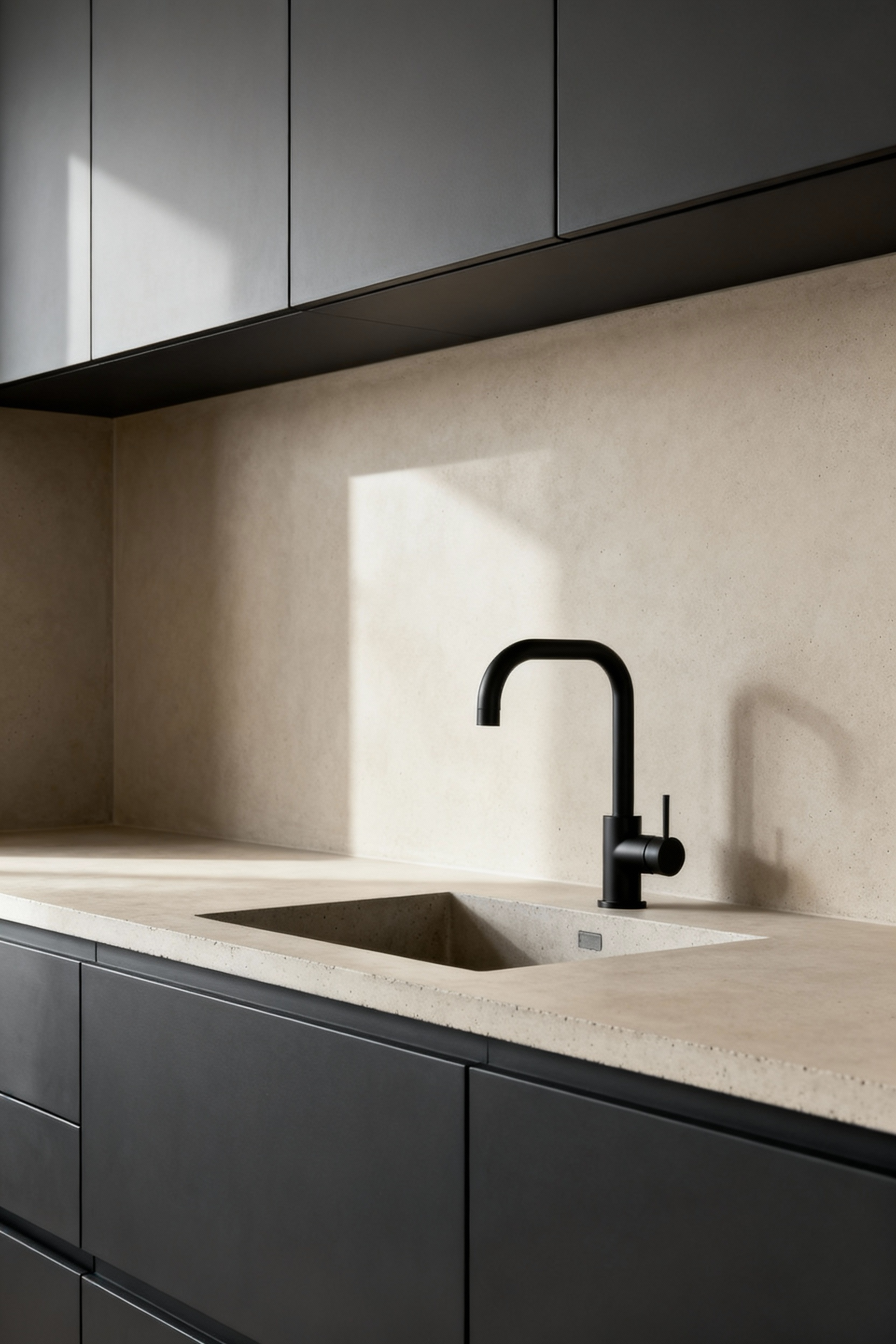
From ultra-matte cabinet fronts that resist fingerprints to honed stone countertops and brushed metal fixtures, the goal is to create a visually restful environment. In my work with mindful space planning, I’ve found this single choice has a dramatic effect. It encourages focus, enhances the perception of color and form, and cultivates an atmosphere of profound tranquility.
9. Engineered Composites: Nature, Evolved
Respect for nature does not preclude embracing innovation. High-performance engineered composites—like quartz, sintered stone, and porcelain slabs—offer a brilliant synthesis of natural inspiration and modern resilience. These materials are often more durable, less porous, and require less maintenance than their natural counterparts, embodying a modern pragmatism.
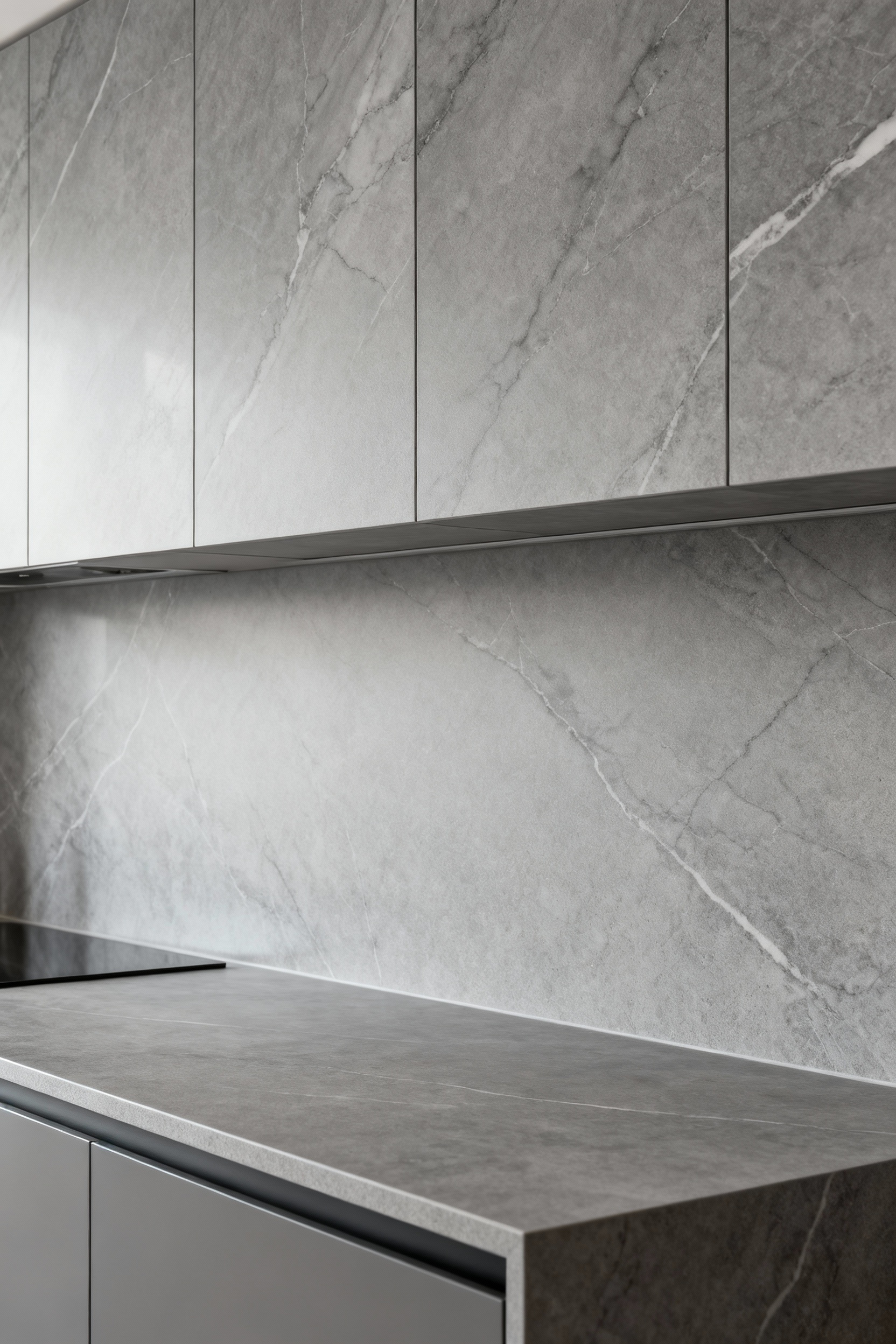
The key is to select composites that are themselves inspired by natural patterns and textures. Today’s best engineered stones replicate the subtle veining of marble or the granular texture of concrete with remarkable fidelity. This allows for a clean, minimalist aesthetic without the anxieties of staining or scratching. It is design for life as it is actually lived—a perfect fusion of beauty and durability.
10. Subtractive Detailing: The Elegance of the Unseen
Sophistication is often achieved by what is removed. Subtractive detailing is the practice of designing functional elements to be as unobtrusive as possible. It is the core of minimalist design. This approach places the focus squarely on the purity of form and the quality of the materials.
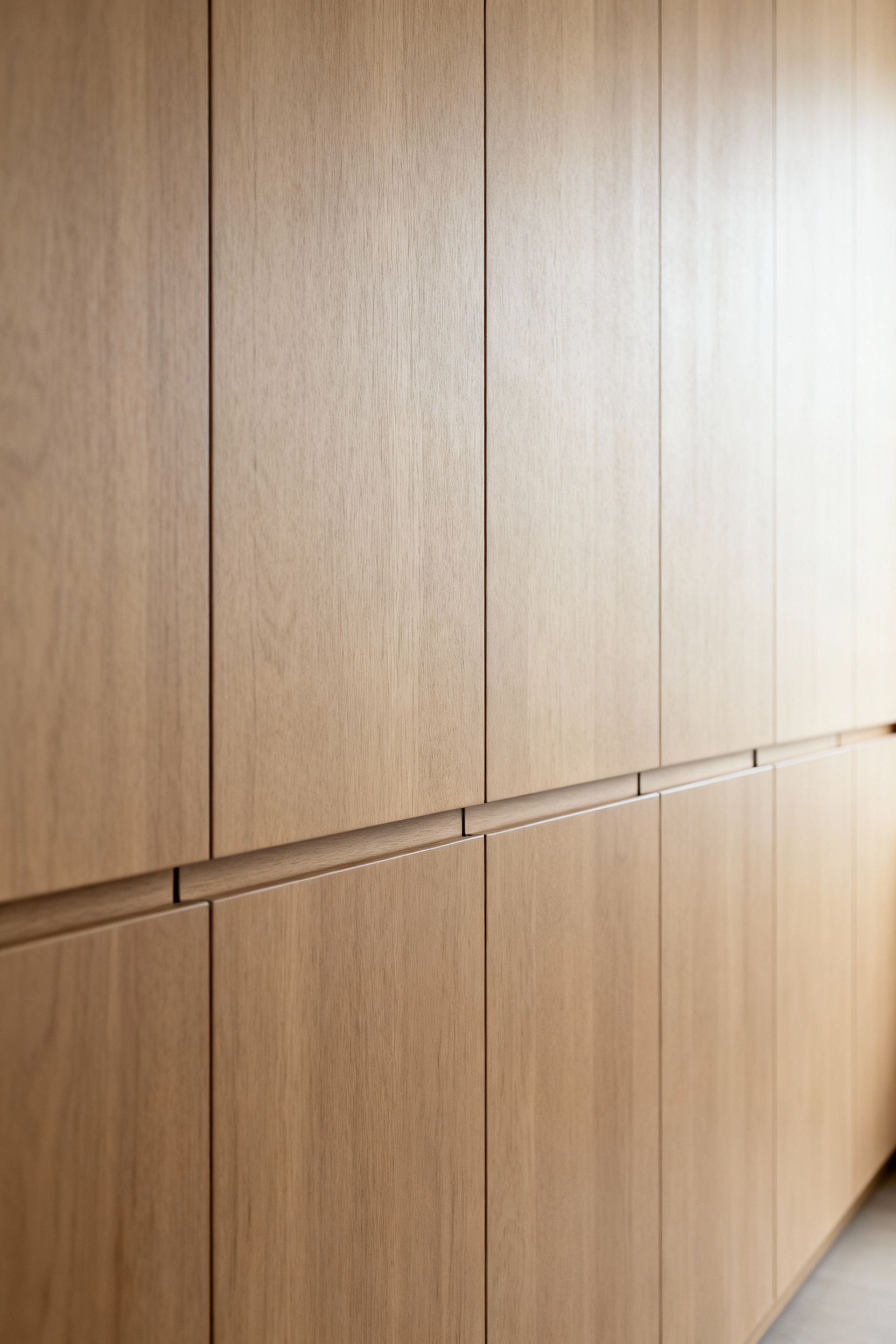
Think of inset hardware routed into a cabinet door, creating a handle that is felt but barely seen. Or flushed paneling that allows appliances to merge completely with the surrounding cabinetry, creating a single, architectural plane. Push-to-open mechanisms are the ultimate expression of this. I learned this when studying traditional Japanese joinery—the most masterful work is often invisible. This is not about hiding function, but about integrating it so perfectly that it becomes part of the quiet whole.
Part III: Geometric Harmony (Principles 11-15)
With our philosophy and materials in place, we orchestrate the space. Geometry and light are not static elements; they are dynamic forces that shape how a room feels and functions. Mastery here creates flow, purpose, and an effortless sense of balance.
11. Fluid Transitions: The Choreography of Workflow
The classic “work triangle” is a good start, but a truly functional kitchen is about a more fluid choreography of movement. I think of it as designing zones for specific workflows: a preparation zone, a cooking zone, a cleaning zone, and a social zone. These areas should flow into one another seamlessly, minimizing steps and eliminating friction.
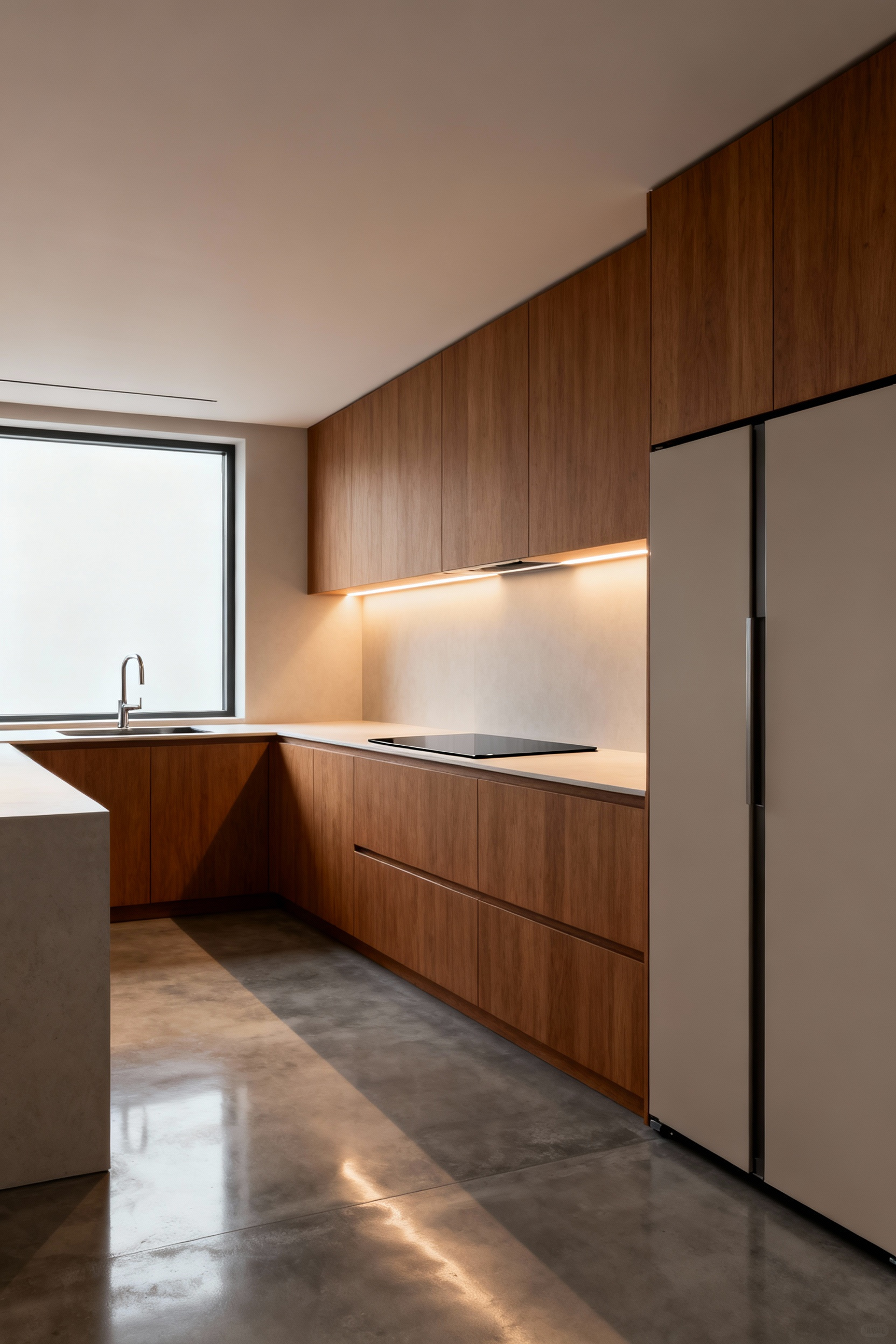
This means considering the entire sequence of an action. Waste and compost bins should be integrated directly beside the primary prep area. Dish storage should be adjacent to the dishwasher. By designing for the natural path of movement, the kitchen becomes an intuitive space that supports your process, allowing you to focus on the creative act of cooking rather than the logistics of navigating your kitchen.
12. Layered Illumination: Sculpting with Light
A single, harsh overhead light flattens a space. A masterful kitchen is sculpted with layers of light, each with a specific purpose. This creates an environment that is both highly functional and emotionally resonant, able to adapt to any task or mood.
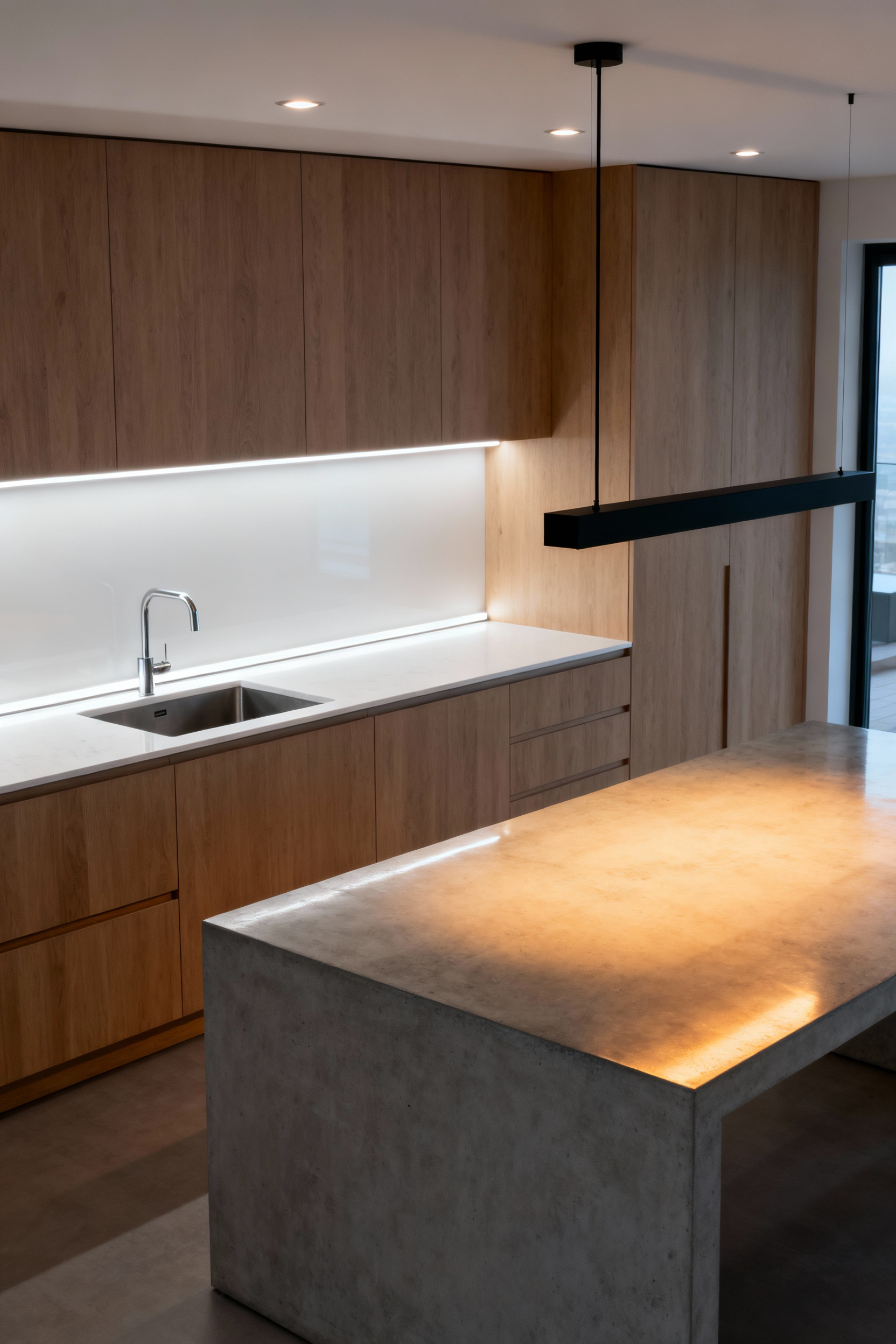
There are three key layers. Ambient light provides the overall glow—think recessed ceiling lights or a central pendant. Task lighting is focused and crucial, like under-cabinet LEDs that illuminate your work surfaces without shadow. Finally, Accent lighting adds depth and drama, perhaps by highlighting a textured backsplash or illuminating the contents of a glass-fronted cabinet. Using dimmers and smart controls, you can shift the atmosphere from bright and energetic to soft and intimate.
13. Concealed Storage: The Calm of a Clear Canvas
A serene kitchen is an organized kitchen. But organization should be invisible. The most effective strategy is integrated, concealed storage that allows the architecture of the room to remain pure and uncluttered. It is about creating a calm, uninterrupted canvas for daily life.
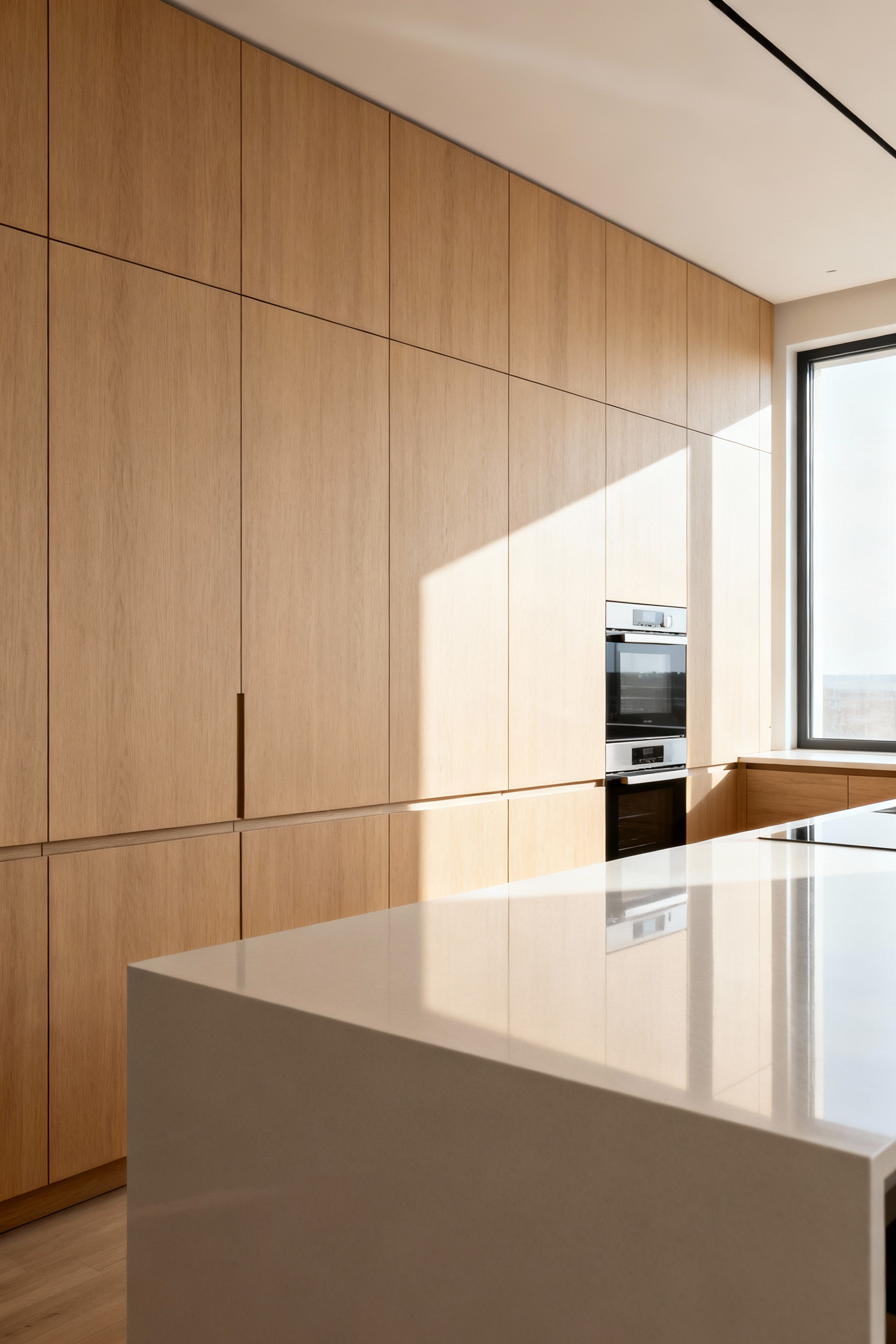
Floor-to-ceiling pantry walls with flat-panel doors can hide an immense amount of supplies while appearing as a simple, elegant wall. An appliance garage keeps toasters and blenders out of sight but easily accessible. Inside drawers, custom dividers create a specific home for every utensil. In my professional experience, when everything has a designated, hidden place, the act of putting things away becomes a small, satisfying ritual of restoring order.
14. Optimized Verticality: Drawing the Eye Upward
We often design in two dimensions, forgetting the power of the vertical plane. Drawing the eye upward creates a feeling of spaciousness and grandeur, even in a smaller kitchen. This can be achieved through the careful balance of solid forms and open space.
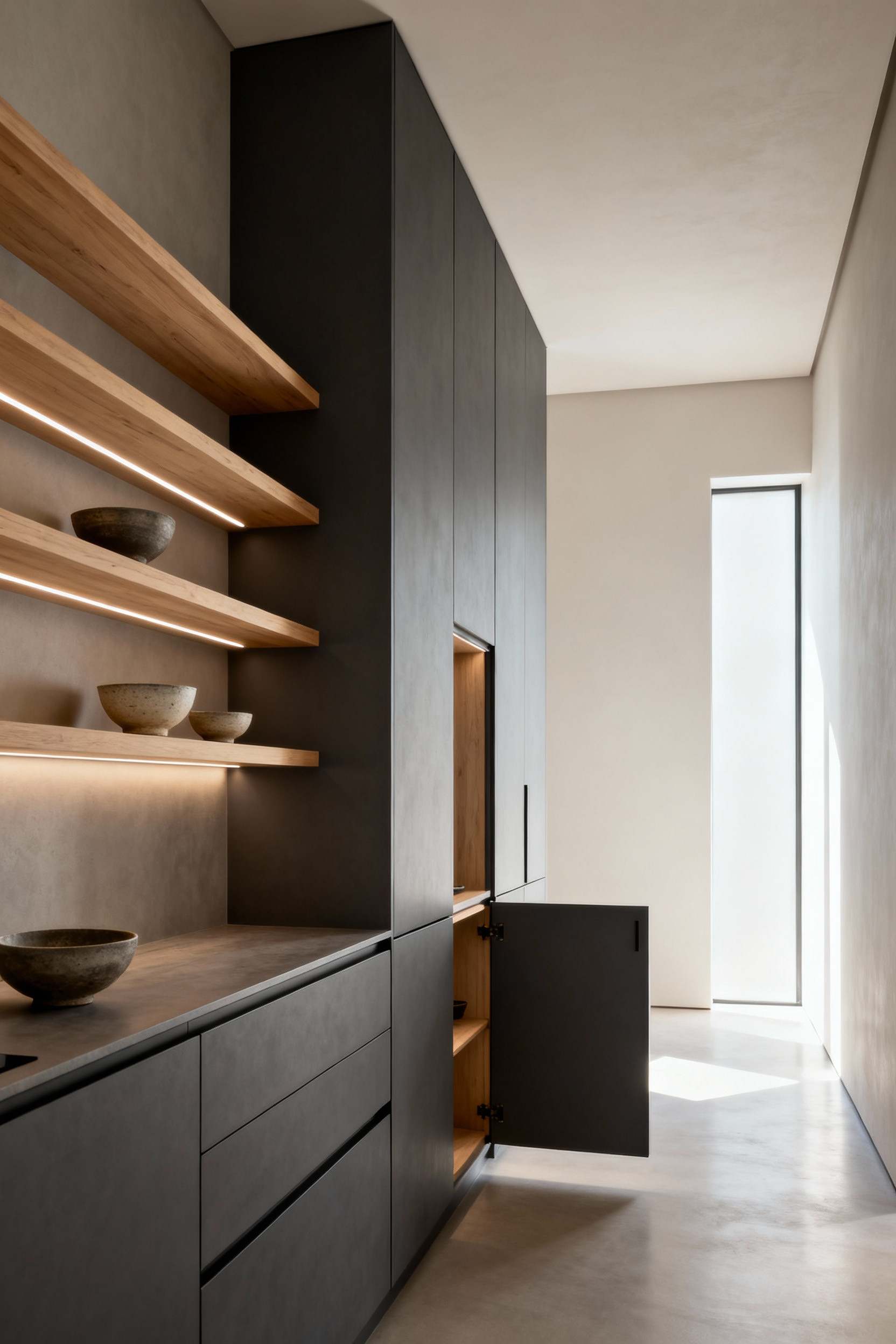
Floor-to-ceiling cabinetry, for instance, provides massive storage while creating a strong, clean vertical line that makes the ceiling feel higher. In contrast, a few artfully designed floating shelves break up the mass, providing visual lightness and a curated space for beautiful, functional objects. This interplay between the solid and the void, the concealed and the displayed, creates a dynamic and sophisticated vertical landscape.
15. Calibrated Reflection: The Illusion of Depth
Mirrors and reflective surfaces are powerful tools for manipulating the perception of space, but they must be used with precision. A thoughtlessly placed mirror reflects chaos. A strategically placed one reflects light and beauty, creating an illusion of depth and dissolving architectural boundaries.
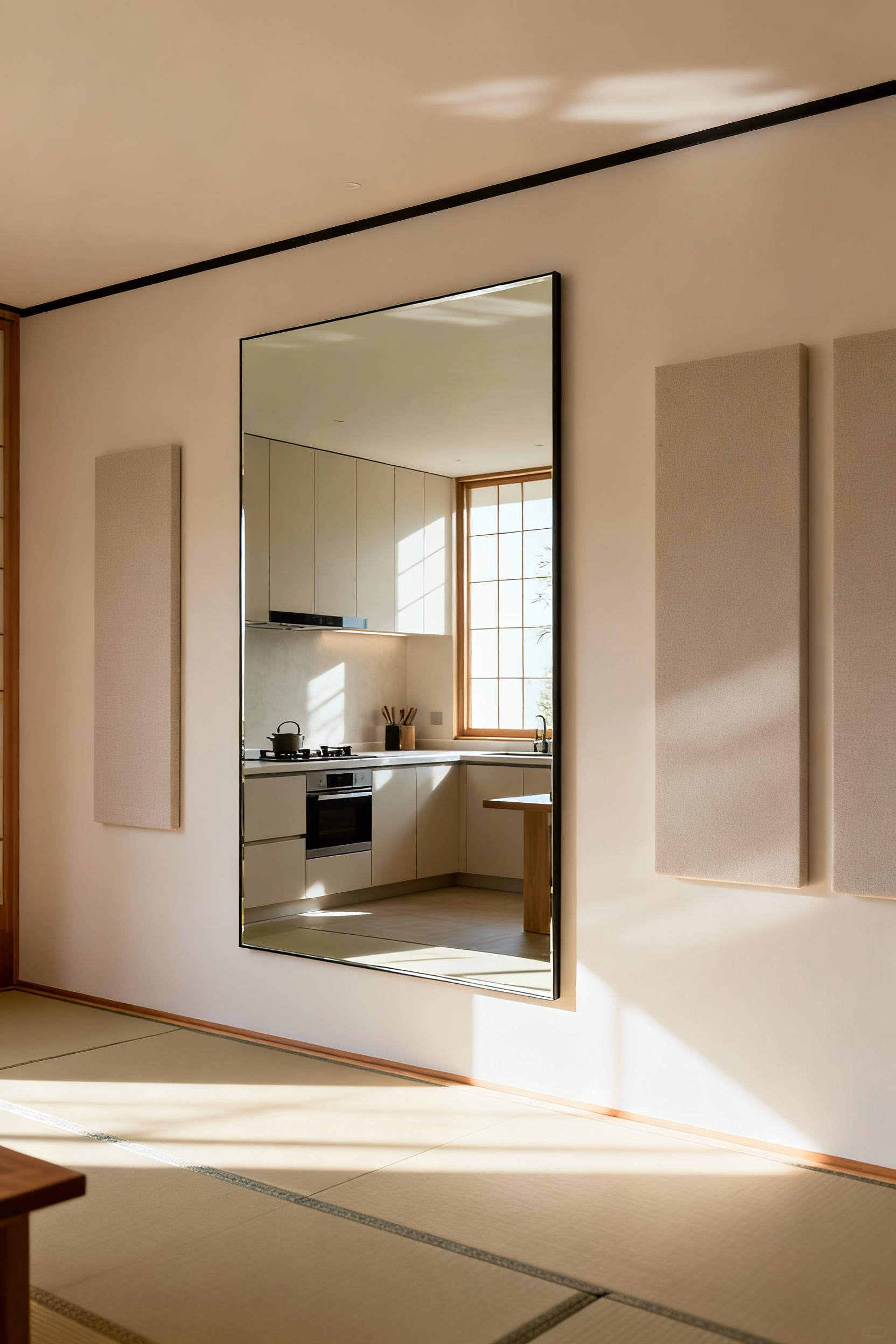
Consider using a panel of smoked or antiqued mirror as a backsplash behind a range—it adds a touch of glamour while bouncing light around the room. Polished chrome or stainless steel can serve a similar purpose. What really gets me is the contrast with absorptive surfaces. Acoustic panels made of felt or wood can be integrated into ceilings or walls to dampen sound, making an open-plan kitchen feel more intimate and serene. This calibration of reflection and absorption is key to mastering the sensory experience of the space.
Part IV: Ritualizing the Everyday (Principles 16-20)
Finally, we breathe life into the space. A modern kitchen should enhance our daily rituals through the thoughtful integration of technology and personal touches. It is a space that should function with seamless ease, reflect our values, and support a conscious, sustainable lifestyle.
16. Intuitive Technology: The Invisible Assistant
The best technology doesn’t demand your attention; it anticipates your needs. Smart appliances should function as invisible assistants, streamlining workflows so you can remain present. The goal is efficiency that fosters mindfulness, not distraction.
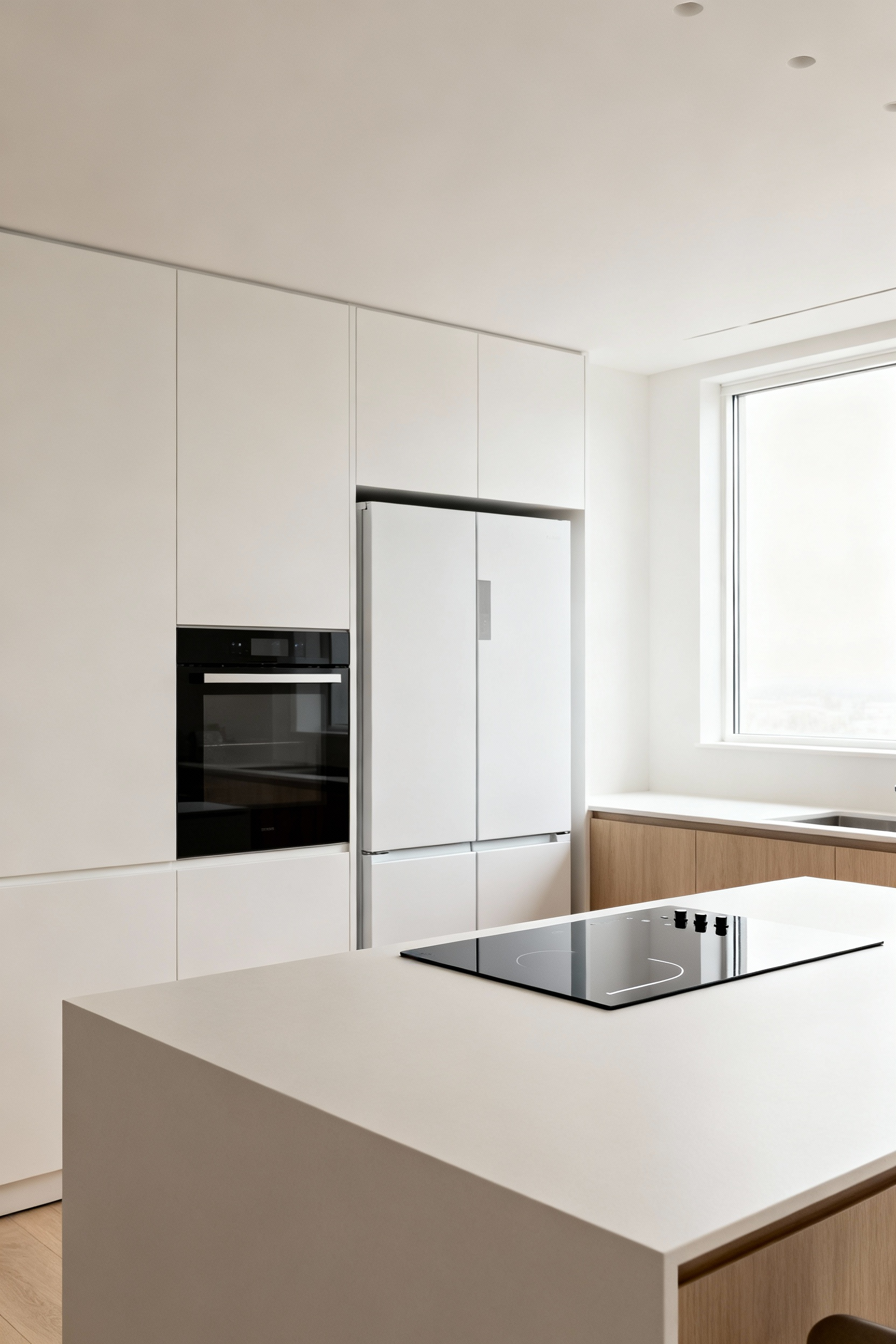
Imagine an induction cooktop that communicates with the ventilation hood, automatically adjusting its power. Or an oven you can preheat on your way home. These tools should be integrated seamlessly, often with panel-ready designs and handleless interfaces, so their advanced capabilities are hidden within a serene aesthetic. This is technology in service of tranquility, designed to remove friction from daily tasks.
17. Curated Narratives: Objects with Soul
A minimalist space should not be a sterile one. It should be a gallery for a few thoughtfully curated objects that tell your personal story. This is about choosing pieces that resonate with intent—a handmade ceramic bowl from your travels, a wooden board passed down from a grandparent, a single piece of art that brings you joy.
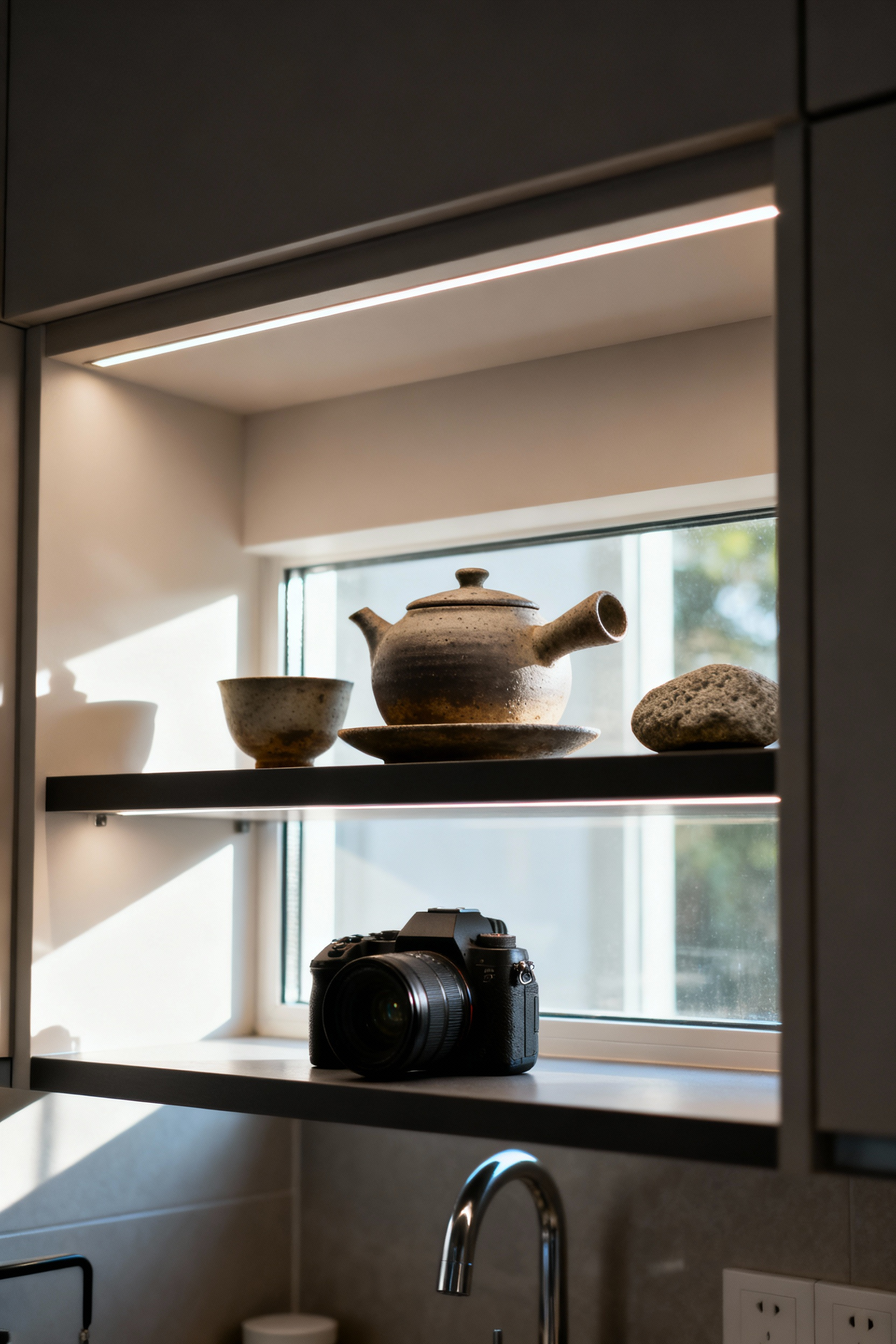
These objects are not clutter. They are touchstones of memory and meaning. Displayed with intention on an open shelf or a clear counter, they imbue the space with personality and warmth. This practice connects the kitchen to your life’s narrative, transforming it from a mere workspace into the true heart of your home.
18. Integrated Waste Streams: The Grace of Stewardship
Environmental stewardship should be an effortless, integrated part of our daily routine. A well-designed kitchen makes this possible by incorporating discreet systems for separating recycling, compost, and general waste. These systems are not an afterthought; they are designed into the cabinetry from the beginning.
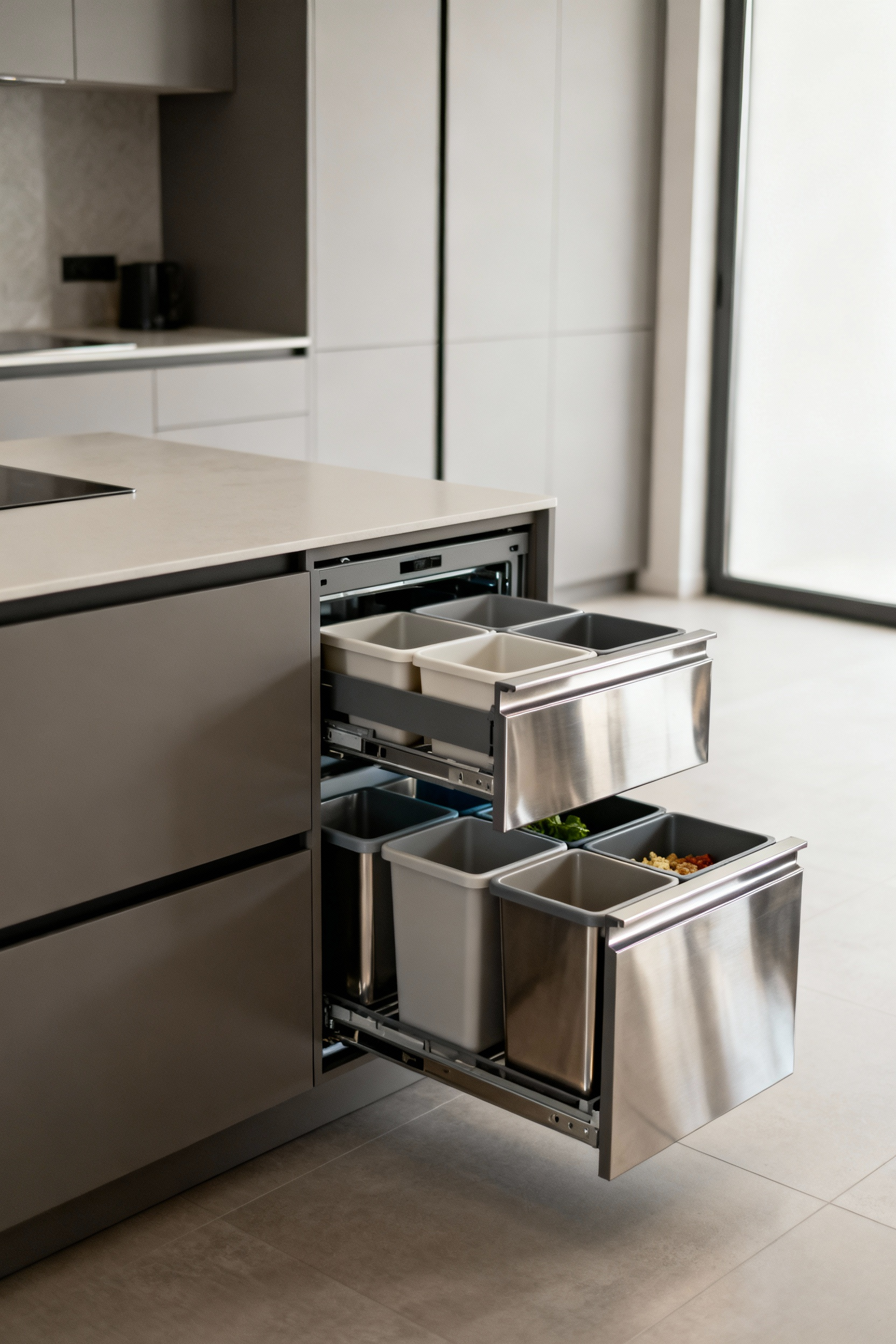
Think of a pull-out drawer with multiple, clearly labeled bins located right where you do your food prep. It is a simple design choice that transforms a chore into an unconscious act of grace. When sustainable practices are this easy, they become second nature, aligning our daily actions with our deeper values.
19. Hydronic Heating: Unseen Comfort
The most luxurious comfort is often the one you can’t see. Hydronic radiant heating, installed beneath the flooring, provides a gentle, consistent warmth that is profoundly comforting. It operates silently, without drafts or dust from forced air, creating an exceptionally peaceful and healthy thermal environment.
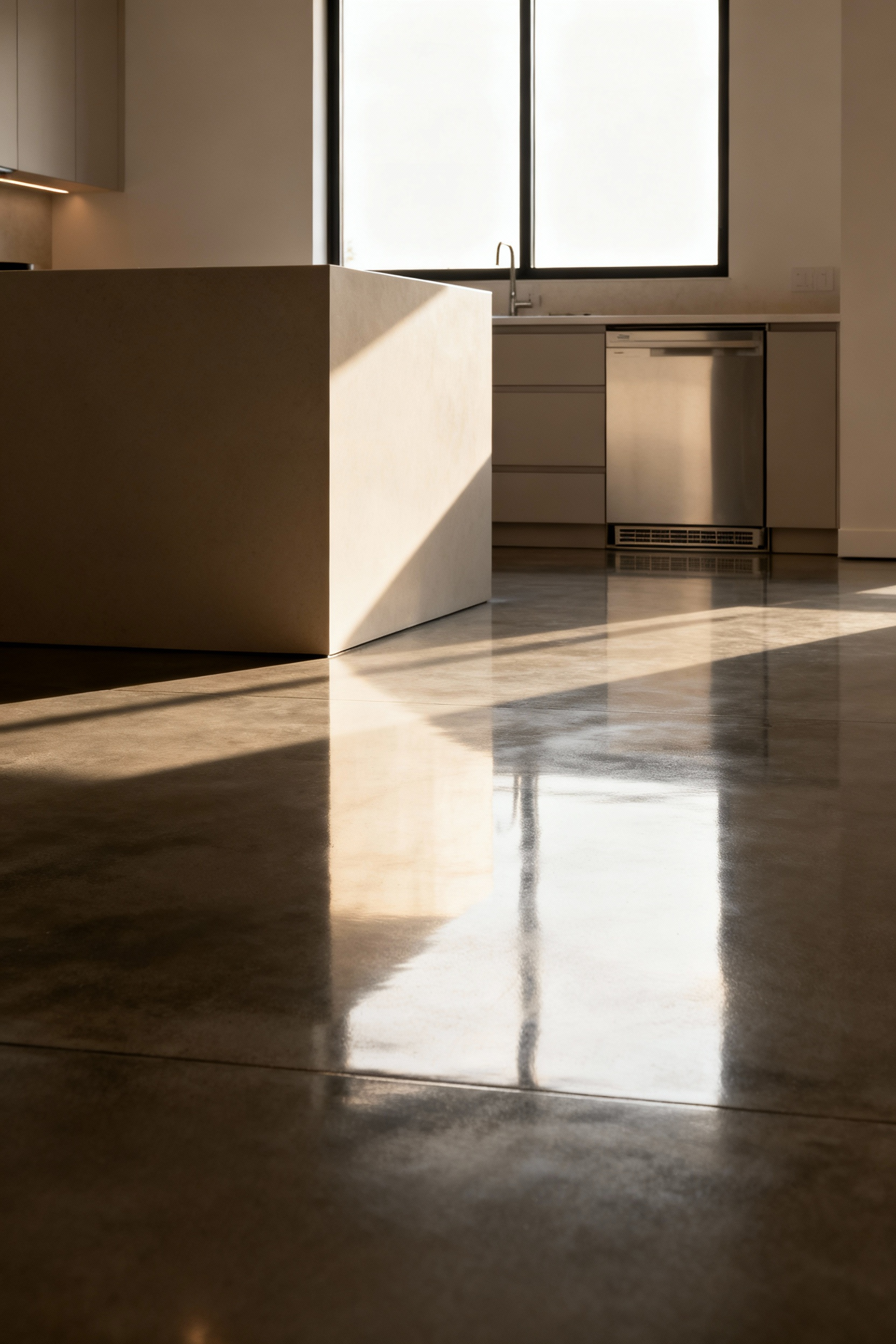
Stepping onto a warm floor on a cool morning is a small but significant daily pleasure. Because the system is entirely hidden, it allows for complete design freedom—no vents or radiators to compromise the clean lines of the space. It is an investment in the fundamental sensory experience of the home.
20. Dynamic Water Filtration: The Ritual of Purity
Water is the source of all life and nourishment. Honoring it means ensuring its purity and conserving its use. An integrated, multi-stage water filtration system becomes an essential element, providing pristine water for drinking and cooking directly from the tap.
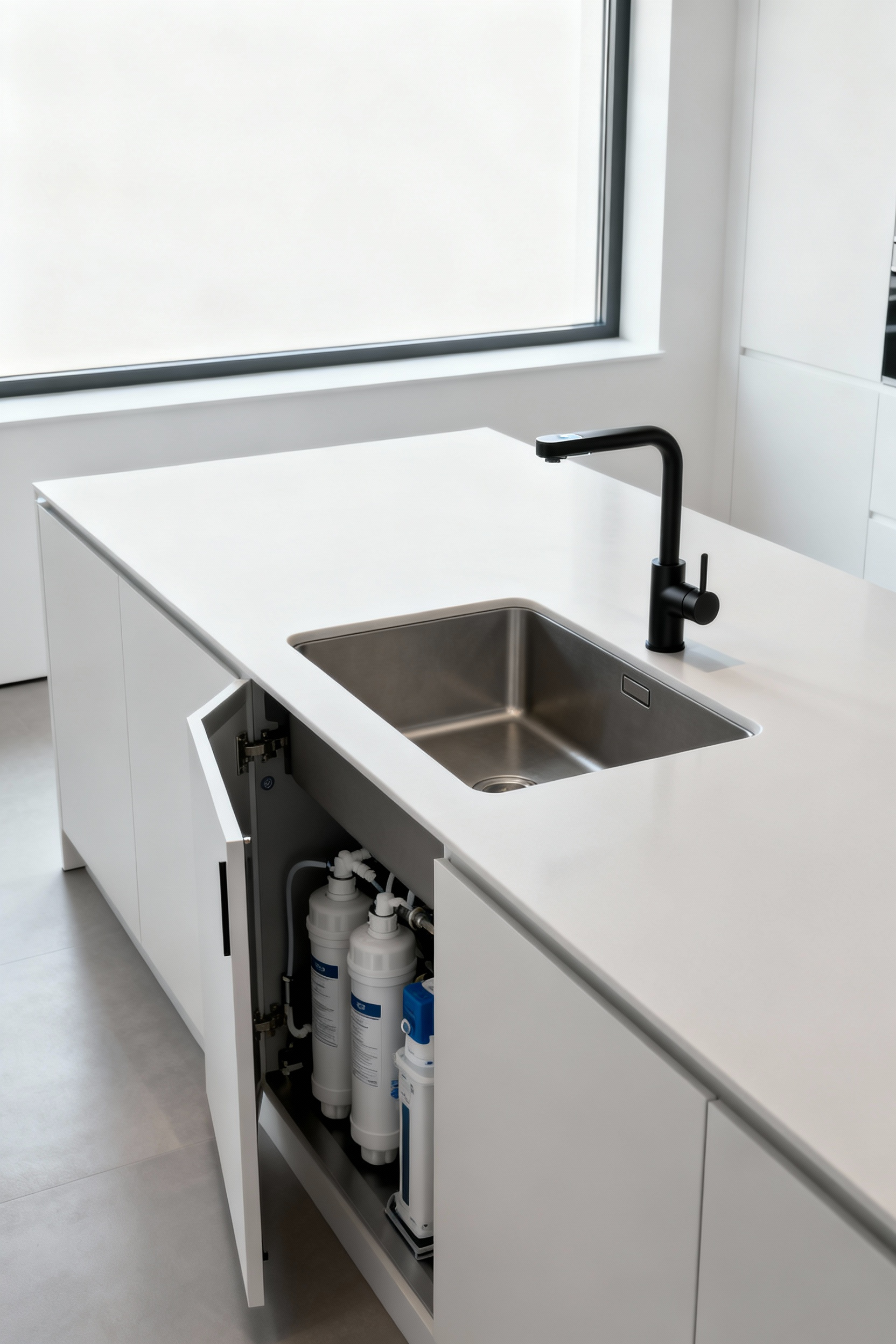
Pair this with smart faucets that conserve water and you elevate a simple utility into a system that supports both personal wellness and environmental responsibility. This mindful approach transforms the act of pouring a glass of water into a small ritual, a moment of gratitude for this essential, life-giving resource.
Conclusion
The journey through these twenty principles reveals that creating a transcendent kitchen has little to do with following trends. It is an exercise in mindfulness. It is about crafting a space that is a direct reflection of a considered life—one that values calm over chaos, intention over impulse, and timelessness over novelty. The ideal modern kitchen decor quiets the mind, delights the senses, and makes space for the simple, profound joy of preparing and sharing a meal. Let your kitchen be more than just beautiful. Let it be a sanctuary.