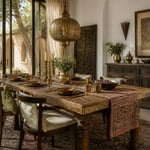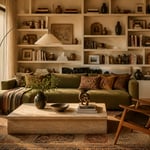
Designing a kitchen is fundamentally an act of authoring a philosophy—every choice reflects not just aesthetic preference, but deeper values about our relationship with the natural world. The most compelling kitchens aren’t merely assembled; they are cultivated ecosystems, born from a dialogue between material, climate, and human ritual. These twenty principles separate a space with a truly integrated, living heart from one that simply follows a trend.
To speak of an organic kitchen cabinet is to look past the surface and into the soul of the materials. It’s an idea rooted in my cross-cultural design work, blending the stark honesty of Scandinavian minimalism with the climate-wisdom of Middle Eastern architecture. Both traditions, though worlds apart, share a deep reverence for materials that breathe, that tell a story of their origin, and that function in harmony with their environment.
This guide moves through four distinct phases. We will begin by grounding ourselves in the ethos of organic design itself, then explore the tangible world of materials and true craftsmanship. From there, we’ll apply these principles to the architectural space, finally arriving at a deeper understanding of how to steward these environments for a lifetime. This isn’t about rules; it’s about shifting perception—seeing the kitchen not as a room, but as a responsive, living part of your home.
Deconstructing the Organic Ethos in Kitchen Cabinetry (Part 1)
The idea of an organic kitchen cabinet is not about a style, but a philosophy. It’s an approach that mirrors the logic of nature to create spaces of enduring value and well-being. This first section deconstructs that ethos, laying the foundational principles that guide every decision that follows.
1. Defining Biomimicry: Reimagining Cabinetry with Nature’s Blueprint
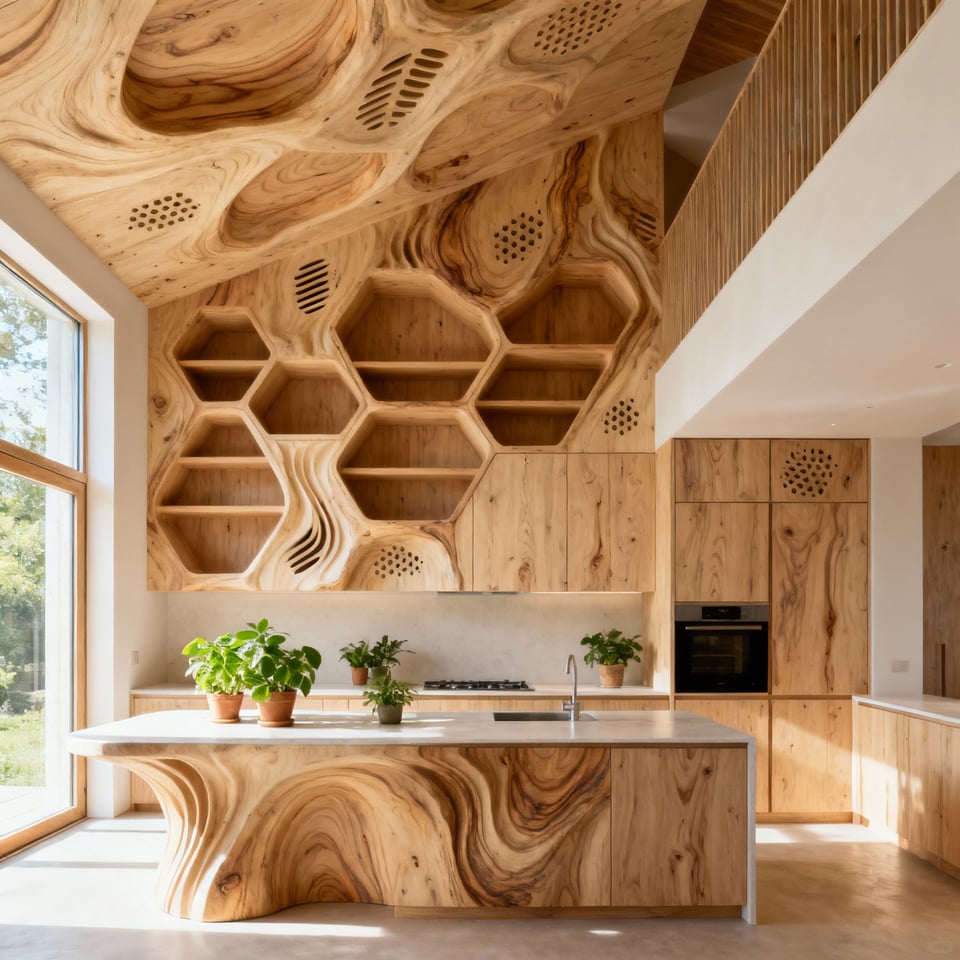
Biomimicry is the quiet practice of listening to nature’s three-billion-year history of research and development. In my practice, I find this is where the most profound innovations emerge. For an organic kitchen cabinet, this isn’t about simply copying the look of a leaf; it’s about understanding the logic of a forest. How does a beehive achieve maximum strength with minimal material? How does a lotus leaf stay clean? These are design briefs from the natural world.
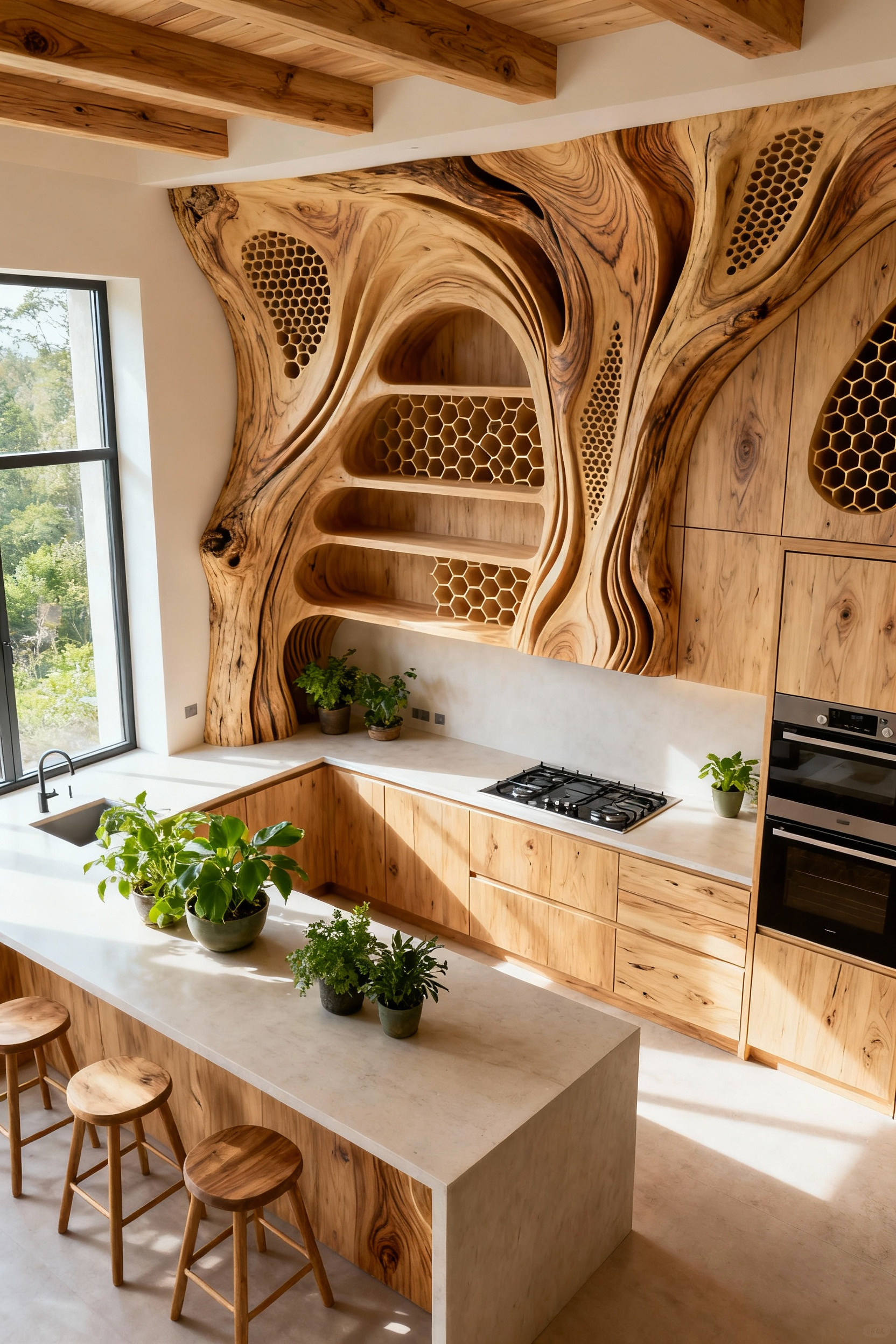
This thinking leads us to cabinetry built with structural integrity that requires fewer synthetic adhesives, or modular systems that can adapt and grow like a living organism. It encourages us to design for disassembly and reuse, seeing the end of a cabinet’s life not as waste, but as the beginning of a new cycle. It’s a move away from the rigid, monolithic kitchen and toward a resilient, adaptive micro-ecosystem within the home.
2. The Embodiment of ‘Terroir’ in Wood: Sourcing for Authenticity and Origin
The term ‘terroir’ is most often used for wine, but I believe it applies just as profoundly to timber. It speaks to the story embedded within the material—the soil, the climate, the very history of the place from which it came. To choose wood for an organic kitchen cabinet with a sense of its terroir is to reject the anonymity of mass-produced materials.

It means asking questions. Was this timber harvested from a responsibly managed forest, where its lifecycle contributes to the local ecosystem? Is it a native species, adapted to this climate? Or is it reclaimed, carrying the patina of a former life? Embracing the wood’s ‘terroir’ means valuing its origin story, its traceability, and even its imperfections. A knot or a subtle color variation isn’t a flaw; it’s a mark of authenticity that enriches the kitchen with a sense of place.
3. Transcendence from Trend: Cultivating Enduring Value in Organic Design
Fashion is fleeting, but true style possesses a quiet permanence. This principle is at the heart of both Scandinavian and Middle Eastern design. An organic kitchen cabinet is, by its very nature, an antidote to trend-driven consumption and the cycle of planned obsolescence it creates. Its value is measured not in its contemporary appeal, but in its ability to remain relevant for generations.
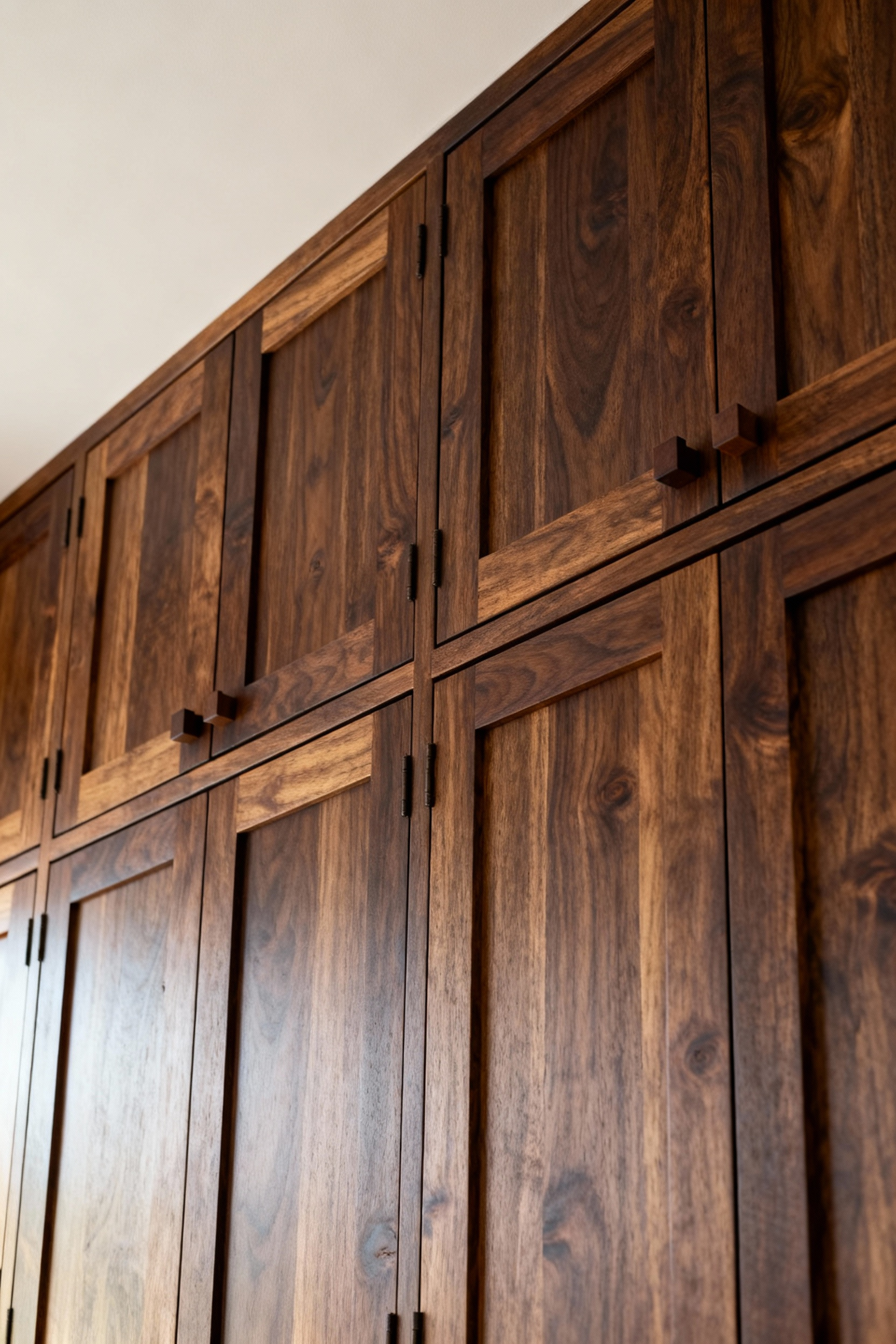
This is achieved through timeless forms, honest materials that age with grace, and craftsmanship that speaks of longevity. It means favoring clean, elemental lines over ornate details that will quickly feel dated. The aim is to create a space that feels deeply rooted, yet perpetually current. This isn’t about playing it safe; it’s about an investment in quality that delivers both environmental integrity and a sophisticated beauty that will only deepen over time.
4. The Precautionary Principle: Mitigating Volatile Organic Compounds (VOCs) for Indoor Air Quality
Beyond beauty and longevity, the organic ethos holds an unwavering commitment to health. The Precautionary Principle is simple: if there is a potential for harm, we act to prevent it, even without absolute scientific proof. For an organic kitchen cabinet, this translates directly to the elimination of Volatile Organic Compounds (VOCs).
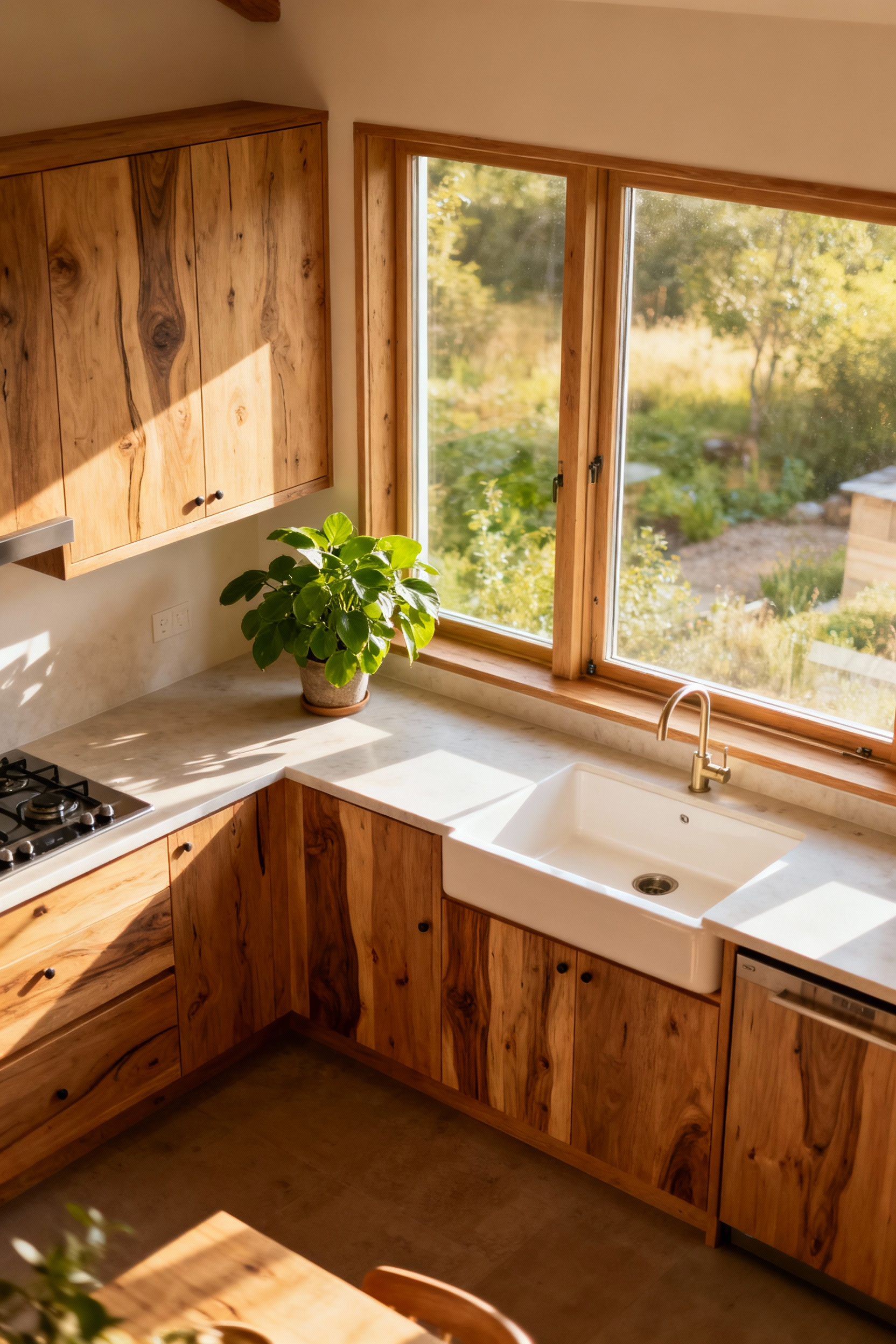
VOCs are off-gassed from the formaldehyde in common engineered woods, adhesives, and conventional finishes, polluting our indoor air for years. What I often tell my clients is that a healthy home must first be a home that breathes clean air. This means rigorously specifying formaldehyde-free substrates, water-based or natural oil finishes, and non-toxic adhesives. It’s a non-negotiable standard that transforms the kitchen from a potential source of pollutants into a sanctuary that truly nurtures our well-being.
Deconstructing the Organic Ethos in Kitchen Cabinetry (Part 2)
Now we move from abstract principles into the physical reality of the home. Here, the organic kitchen cabinet is no longer just an object, but a key component in a larger architectural dialogue, one that can actively improve the climate and comfort of a home.
5. Architectural Integration: Synthesizing Cabinetry with Climate-Adaptive Design
In my desert modern design specialist practice, a cabinet is never just a cabinet; it’s part of the home’s metabolism. The philosophy of an organic kitchen cabinet demands we see it as an active element in a climate-adaptive strategy, rather than as inert furniture placed within a static box. It is about designing kitchens that breathe with their environment, leveraging natural forces instead of fighting them with brute mechanical force.
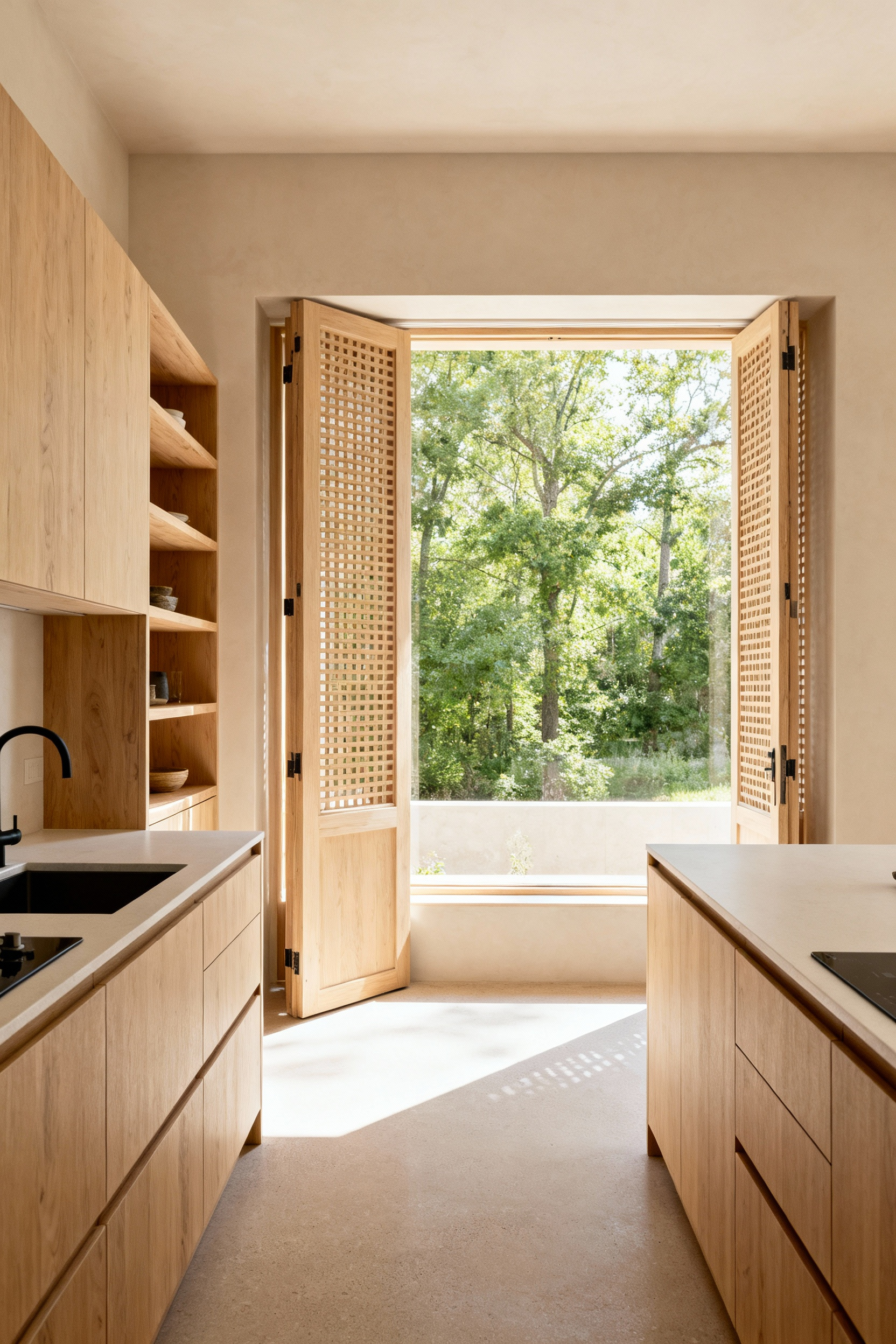
This requires a deep understanding of the site—sun paths, prevailing breezes, humidity. Material choices become strategic. Wood’s natural ability to regulate moisture (its hygroscopic properties) can help buffer humidity. Dense hardwoods can add thermal mass, absorbing heat during the day and releasing it slowly at night, a core principle of vernacular desert architecture. Finishes must allow the wood to breathe, contributing to a healthy indoor microclimate. The design might incorporate vented toe-kicks to encourage passive airflow or use louvred doors that modulate light and air, much like traditional mashrabiya screens. Ultimately, this integration allows the cabinetry to become a quiet, elegant partner in the home’s energy performance, fostering a lifestyle of comfort and mindful stewardship.
Cultivating Authenticity: A Deep Dive into Sustainable Materials & Craftsmanship (Part 1)
Authenticity in design is born from the integrity of its parts. An organic kitchen cabinet cannot exist without a profound respect for its materials and the hands that shaped them. This section is a deep dive into the foundational choices that create kitchens with soul and substance.
6. Reverence for Regenerative Timbers: Prioritizing Certified Sustainably Harvested Wood Species
The foundation of any authentic organic kitchen cabinet is the timber itself. The choice is a philosophical one: do we see wood as a mere commodity, or as a gift from a living system that we have a responsibility to steward? My work insists on the latter. This reverence leads directly to prioritizing woods certified by organizations like the Forest Stewardship Council (FSC), which guarantees responsible management of forests and their communities.
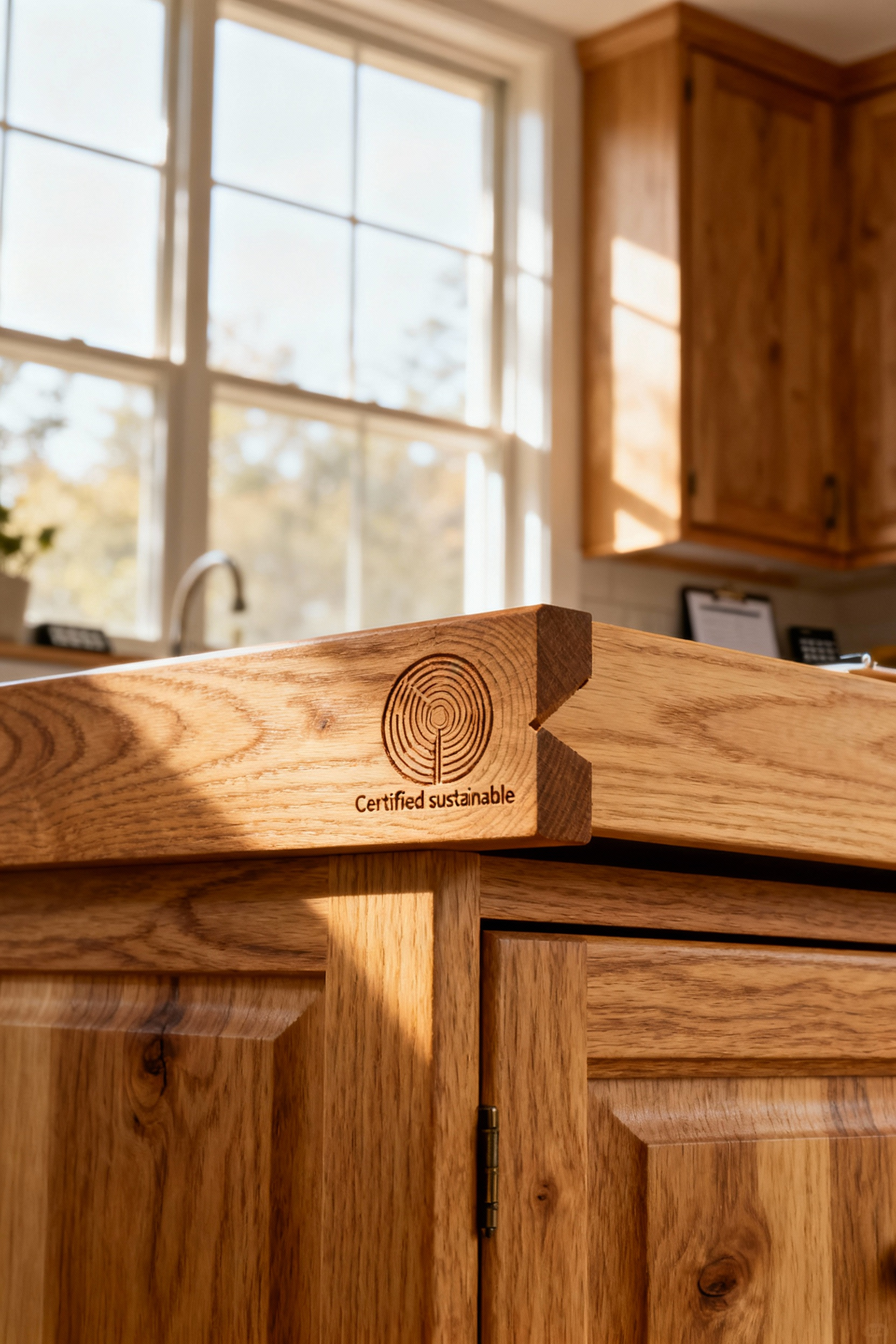
We look to durable, beautiful hardwoods like white oak, hard maple, or walnut, whose grains tell a story of slow, strong growth. Even better are reclaimed timbers, salvaged from old structures and imbued with a history and character that new wood cannot replicate. For internal structures where solid wood may not be practical, FSC-certified plywood with formaldehyde-free glues offers a responsible alternative. This is about more than just “being green”—it’s about choosing materials that support a cycle of regeneration, making your kitchen a quiet participant in the health of our planet’s forests.
7. Navigating Non-Toxic Finishes: Selecting Oils, Waxes, and Low-VOC Coatings for Longevity
A finish should protect and enhance, but it must not create a toxic barrier between you and the natural material. So much of the modern world is sealed in plastic, and I believe our homes should be a refuge from that. For an organic kitchen cabinet, this means moving away from conventional solvent-based lacquers and toward finishes that nourish the wood.
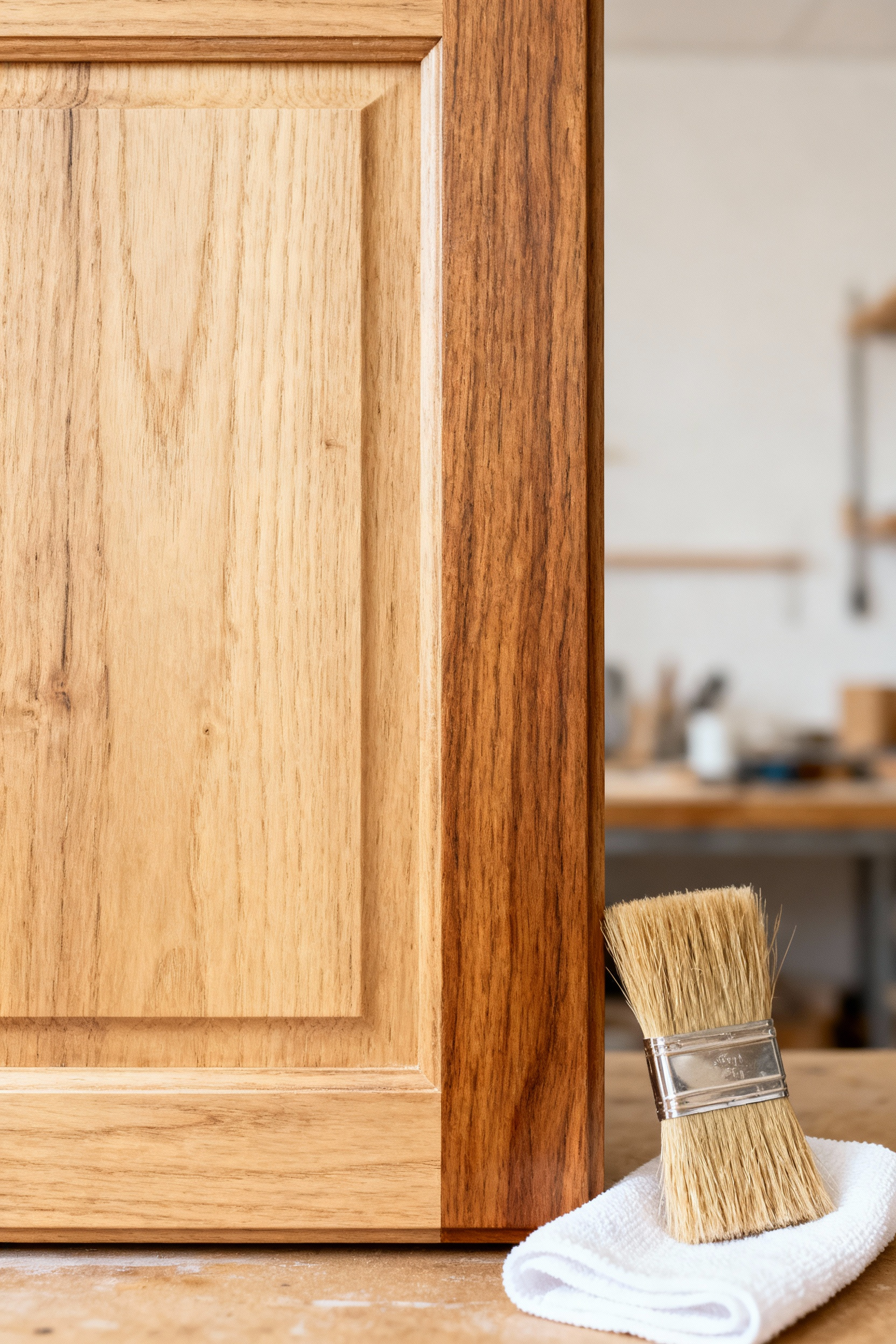
Natural penetrating oils, like tung or linseed, and hardwax finishes feed the wood fibers, creating a durable, repairable surface that feels warm and alive to the touch. Unlike a plastic-like film that can chip and yellow, these finishes allow the wood to breathe and develop a natural patina. For areas needing more protection, water-based, zero-VOC coatings offer a resilient shield without compromising air quality. It’s a choice that cultivates a healthier home and allows your cabinetry to age gracefully, where marks of life become character, not flaws.
8. The Art of Dovetail Joinery: Employing Traditional Craftsmanship for Structural Integrity
In an age of staples and glue, choosing traditional joinery is a quiet act of rebellion. The dovetail joint is more than a construction method; it’s a testament to permanence and skill. Its interlocking pins and tails create an incredibly strong mechanical bond that makes it the gold standard for drawer construction in any high-quality organic kitchen cabinet.
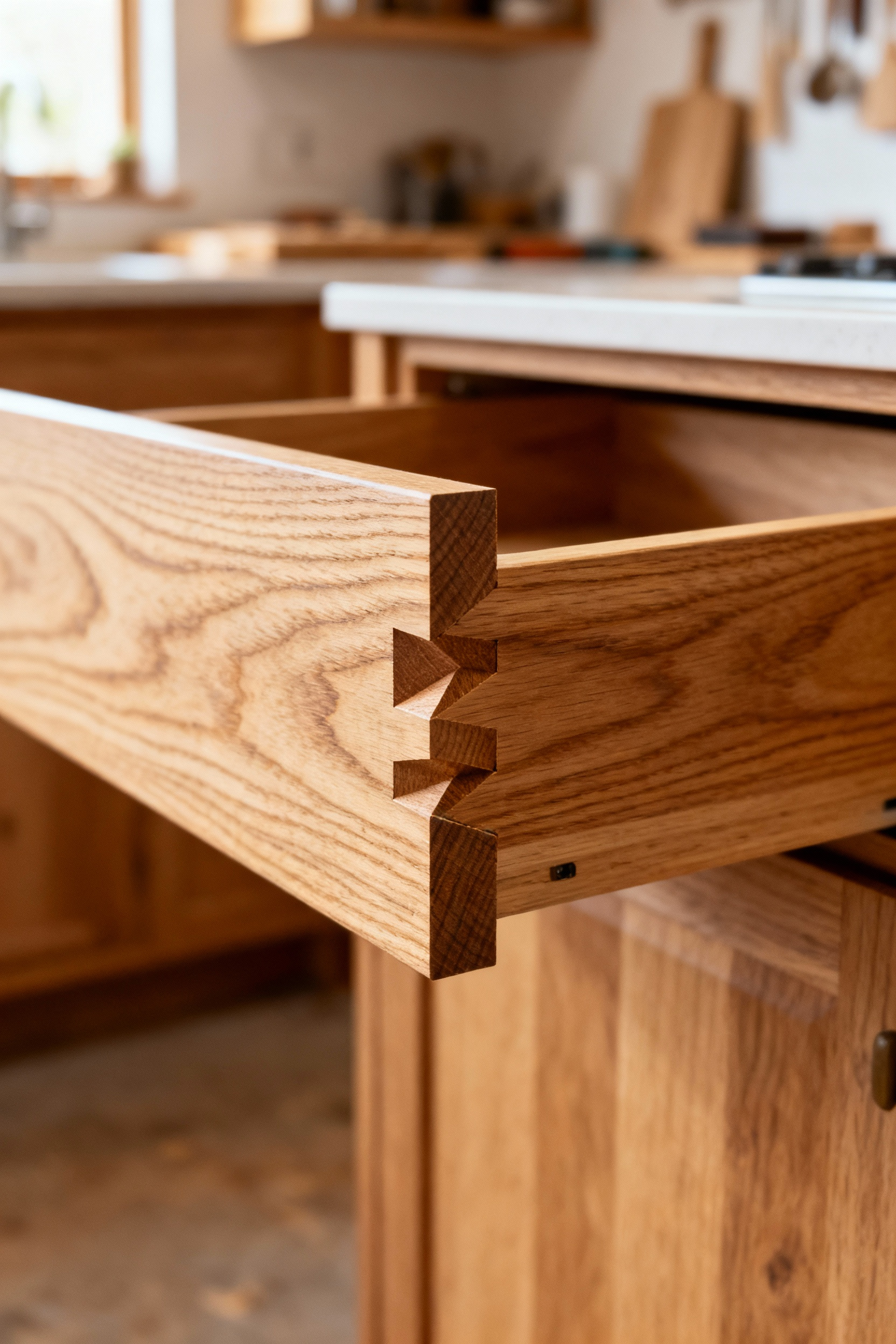
Drawer boxes endure immense stress. A dovetailed drawer will not separate at the corners; it is built to function flawlessly for generations. Seeing the elegant joint line is a visible mark of quality, a promise that this piece was made with care and intention. By investing in this level of craftsmanship, you are not just buying a durable product—you are supporting the artisans who keep these traditions alive and choosing a philosophy of longevity over disposability. It’s a difference you can feel every time you open a drawer.
9. Hardware as Heritage: Specifying Durable, Recyclable, and Ethically Sourced Components
Hardware provides the daily touchpoints of your kitchen. These small elements—pulls, hinges, slides—should be chosen with the same philosophy of permanence as the cabinetry itself. In my work, I see hardware not as decoration, but as functional heritage pieces designed to last as long as the wood they’re affixed to.
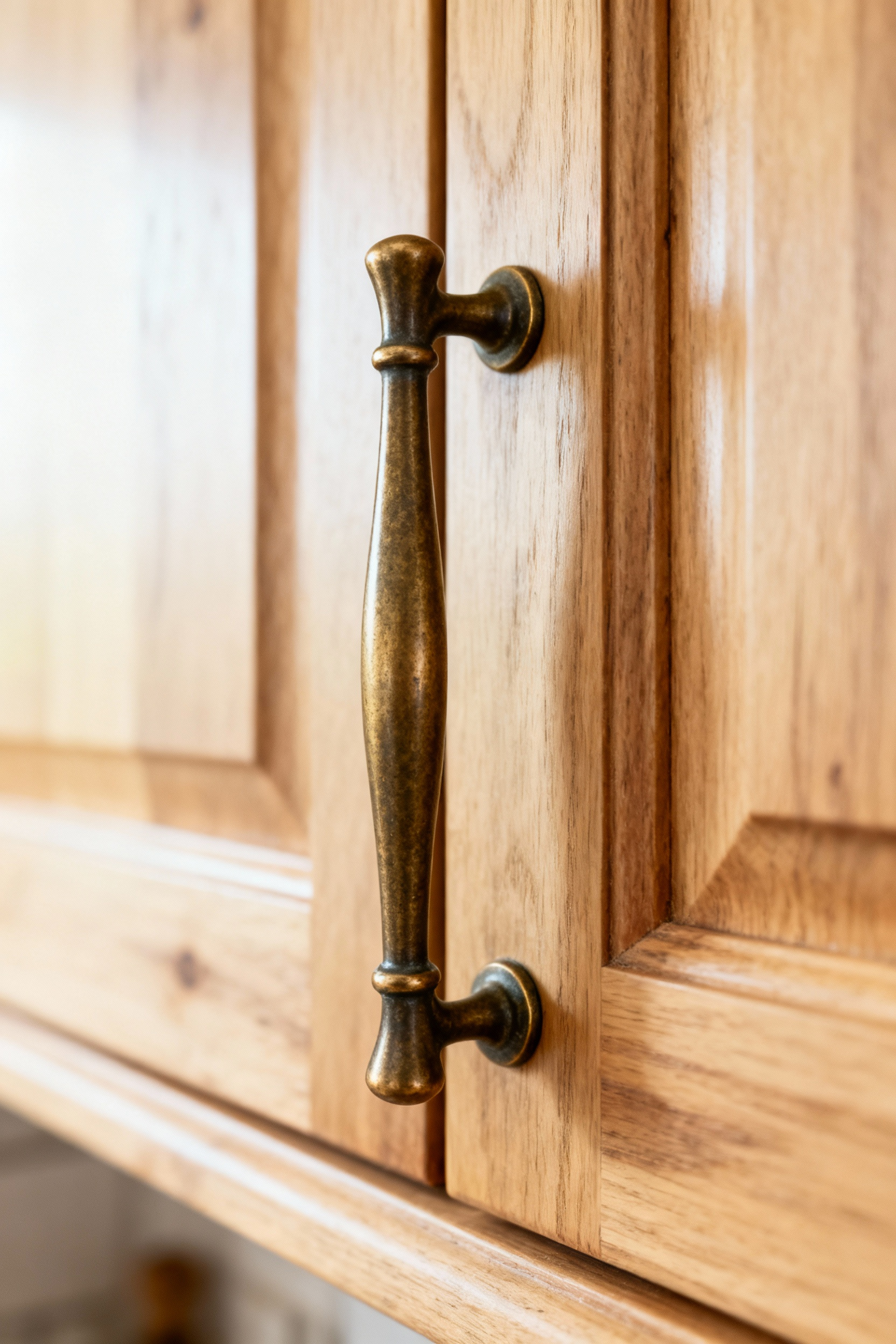
This means specifying solid metals like brass, bronze, or stainless steel. These materials are incredibly durable, fully recyclable, and develop a beautiful patina over time, unlike cheap plated alternatives that quickly wear and tarnish. High-quality hinges ensure doors hang true for decades, and robust drawer slides provide a smooth, satisfying glide. This choice transforms a simple daily interaction into a moment of tactile pleasure and quiet reassurance. It’s an investment in quality that you will appreciate every single day.
Cultivating Authenticity: A Deep Dive into Sustainable Materials & Craftsmanship (Part 2)
We continue our material exploration by challenging common assumptions. Here, we move beyond surface-level choices to interrogate the very core of our cabinetry, ensuring that its inner structure aligns with the philosophy of organic design.
10. Beyond Plywood: The Case for Solid Wood and FSC-Certified Alternatives in Panel Construction
The structural heart of a cabinet is just as important as its visible face. While plywood is ubiquitous, many conventional versions rely on formaldehyde-based glues that compromise indoor air quality. I learned this when working on a project where air quality was paramount for the client’s health; it forced me to scrutinize every single material layer. A truly organic kitchen cabinet demands a more considered approach.
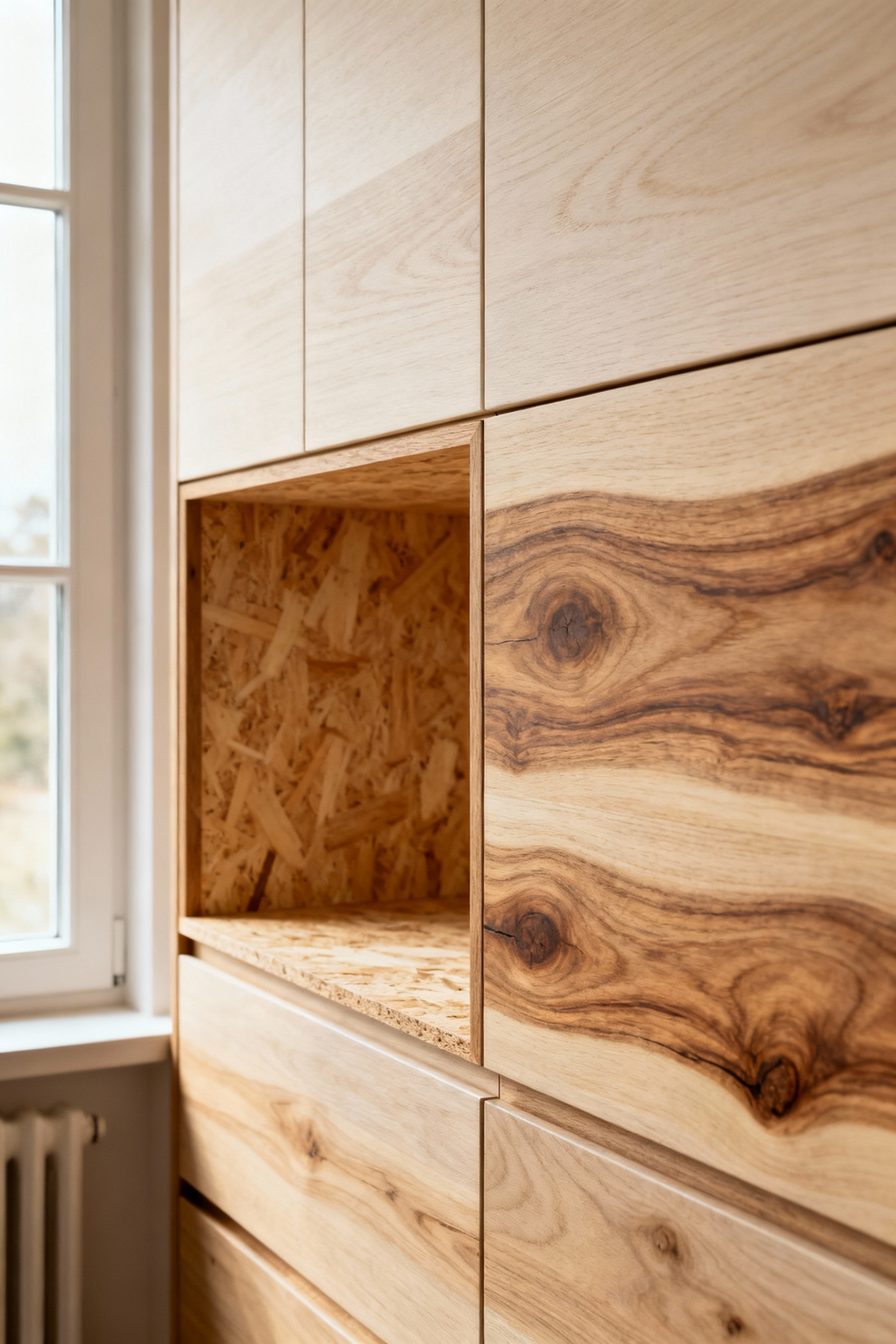
Solid wood is the ultimate expression of this ethos—its strength, repairability, and honesty are unmatched. When budgets or technical requirements call for panel products, the standard must be FSC-certified plywood made with soy-based or other formaldehyde-free adhesives. These superior alternatives provide the stability of engineered panels without the toxic off-gassing. It’s a choice that reflects a commitment to health and integrity that extends to the parts of the cabinet you don’t even see. This ensures the entire system, inside and out, contributes to a pure and healthy home environment.
Curating Conscious Spaces: Strategic Implementation in Kitchen Architecture (Part 1)
With our materials chosen, we now turn to their placement in space. This is where an organic kitchen becomes more than a collection of well-made boxes; it becomes architecture. It’s about orchestrating a relationship between form, function, light, and human movement.
11. Optimizing Passive Solar Gain: Integrating Cabinetry with Fenestration for Thermal Performance
The desert teaches you to think of sunlight as both a gift and a challenge. Integrating cabinetry with windows is not just about views; it’s about thermal performance. An organic kitchen cabinet system can be a passive tool for climate control, working with natural light and heat rather than against them.
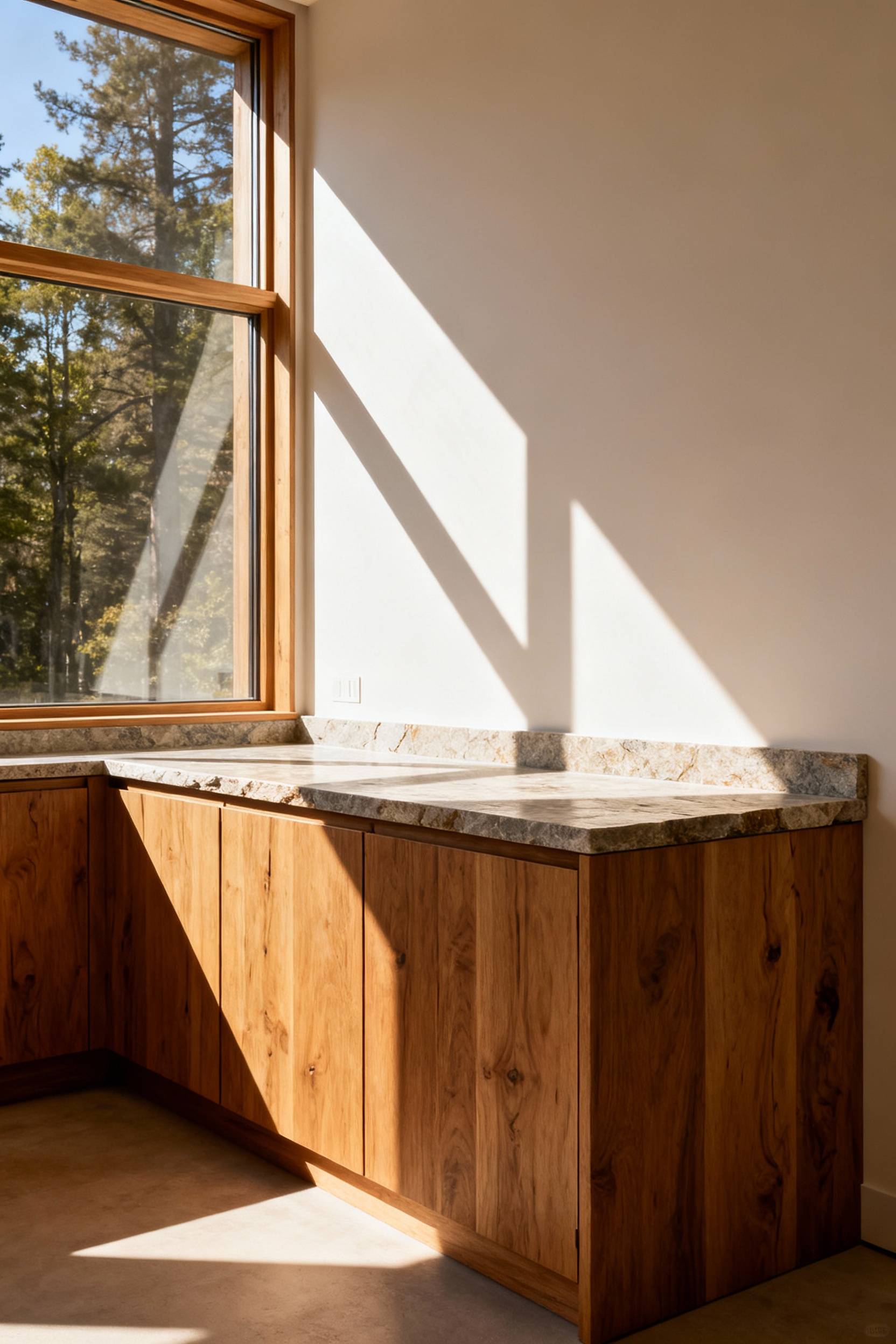
On a south-facing wall in a cool climate, dark-hued cabinetry made of a dense hardwood can act as a thermal mass, absorbing the winter sun’s warmth and slowly releasing it in the evening. In a hot climate, lighter finishes can reflect heat, while strategically placed tall cabinets can provide shade during the hottest parts of the day. It’s a subtle architectural dance, where cabinetry becomes an active participant in the home’s energy efficiency, reducing reliance on mechanical systems and fostering a deeper connection to the daily and seasonal rhythms of the sun.
12. Harmonizing Form and Function: Crafting Ergonomic Flow through Intentional Layout
A beautiful kitchen that functions poorly is a design failure. The choreography of daily life—the path from refrigerator to sink to prep surface to cooktop—must feel effortless and intuitive. An organic kitchen cabinet layout is designed around this human movement, creating zones for specific tasks.
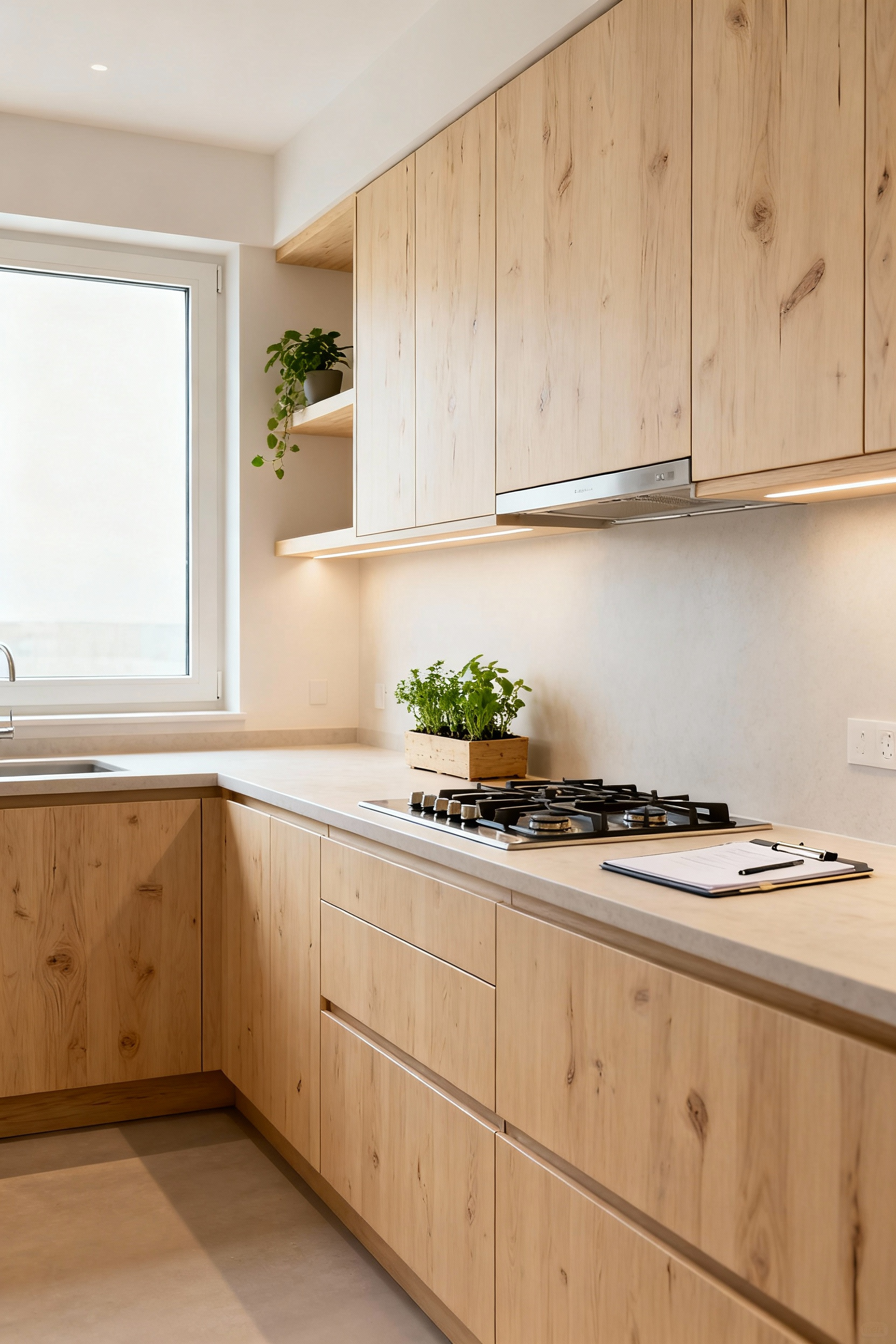
We think beyond the simple “work triangle” to craft dedicated areas for prep, cooking, cleaning, and storage. Everything has a logical place. Knives and cutting boards are near the prep counter; pots and pans are beneath the cooktop. This intentionality minimizes wasted steps and creates a calm, efficient flow. The result is a kitchen that not only looks harmonious but feels profoundly supportive of the daily rituals of cooking and gathering.
13. Bespoke Solutions: Tailoring Storage Systems for Durability and Adaptability
Off-the-shelf solutions rarely fit our lives perfectly. A bespoke organic kitchen cabinet system is an investment in durability and long-term adaptability. It’s designed for your life, not an imagined average. This means creating storage that is precisely tailored to your needs—deep drawers for pots, slender pull-outs for spices, integrated systems for waste and recycling.
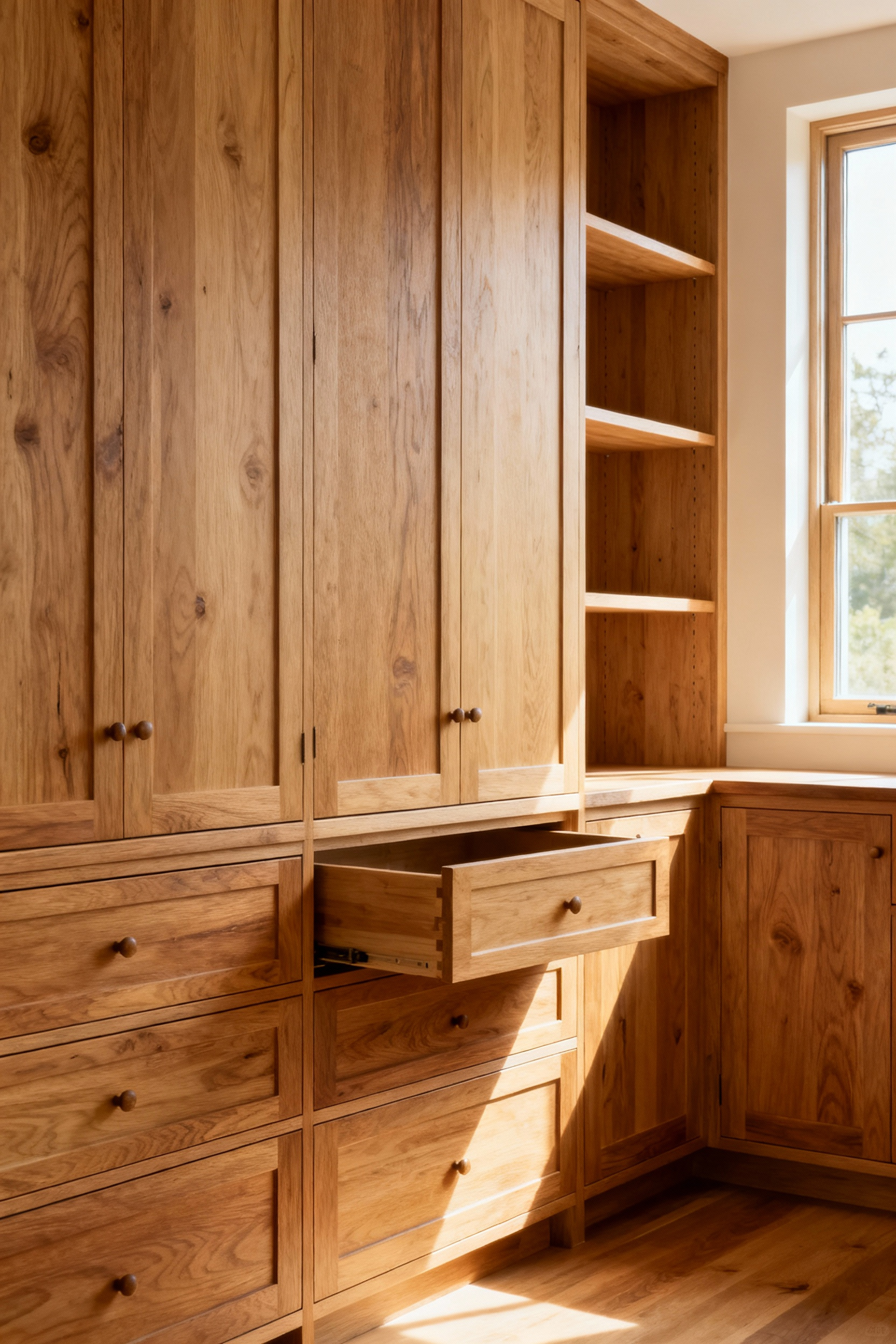
But true adaptability goes further. It means designing with modular, adjustable shelving and using construction methods that allow for future modifications. A family’s needs change over time, and a well-designed kitchen should be able to evolve with them. This thoughtful approach resists obsolescence, ensuring that your investment serves you beautifully for decades, not just for a few years.
14. Light Refraction and Cabinetry: Utilizing Natural Illumination to Enhance Material Textures
Light is a material in itself, and its interaction with surfaces can transform a space. When designing an organic kitchen cabinet system, I consider how natural light will fall across it throughout the day, revealing the depth and texture of the materials.
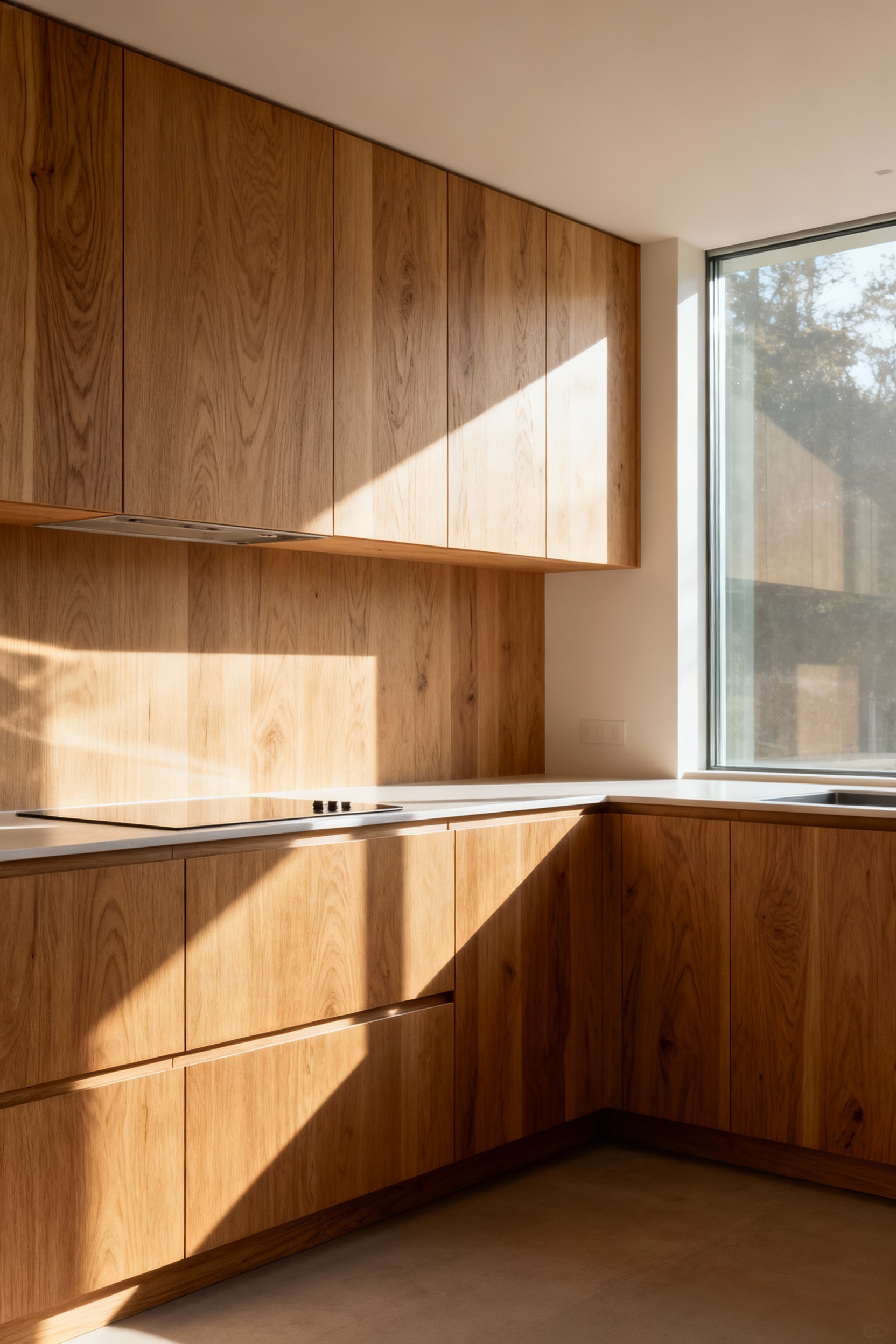
A matte, oil-finished walnut will absorb light, creating a soft, velvety effect that invites touch. A quarter-sawn oak with a slight sheen will catch the morning sun, highlighting the beauty of its linear grain. The placement of cabinetry in relation to windows and the choice of finish are crucial. This conscious interplay with light animates the kitchen, turning static surfaces into a dynamic canvas that shifts and changes, deepening your appreciation for the inherent beauty of the natural materials you’ve chosen.
Curating Conscious Spaces: Strategic Implementation in Kitchen Architecture (Part 2)
Resilience is a core tenet of organic design. A kitchen must not only be beautiful but also robust, capable of withstanding the rigors of its environment. This section addresses how to build for durability, particularly in challenging conditions like high humidity.
15. Mitigating Moisture Ingress: Designing for Ventilation and Durability in Humid Zones
Wood and water have a complex relationship. In humid climates or high-moisture areas of the kitchen, designing a resilient organic kitchen cabinet system requires a proactive strategy. It’s not enough to choose a durable wood; you must create an environment where that wood can thrive.
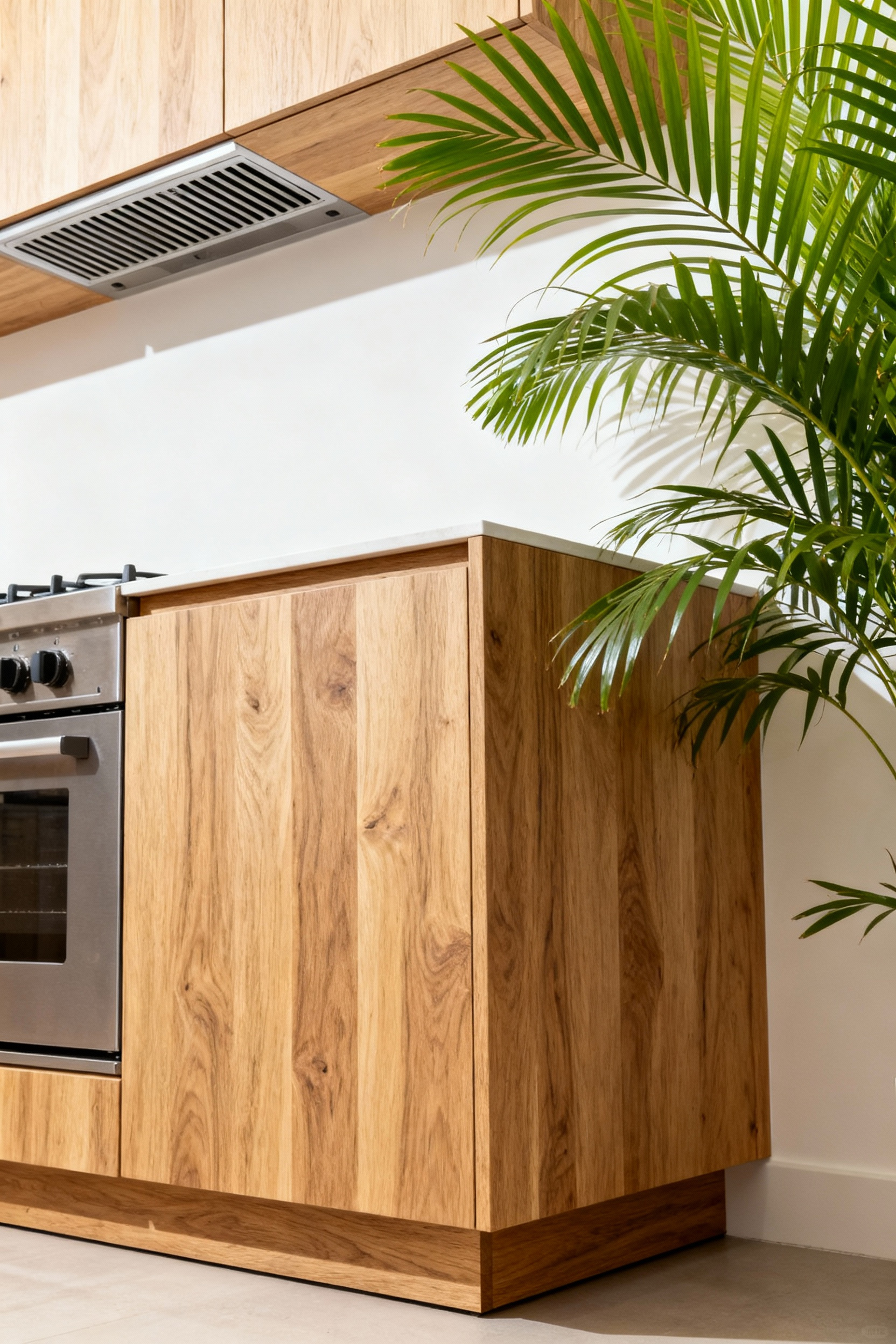
This starts with smart ventilation. Cabinets should not be sealed tight against walls; allowing for subtle air circulation behind them is key. Elevating cabinets off the floor on a plinth or legs prevents moisture wicking from the ground. Around sinks and dishwashers, interior surfaces need a robust but non-toxic seal, and vapor barriers should be thoughtfully placed. It’s a technical, behind-the-scenes aspect of design, but it is absolutely essential for ensuring the longevity and health of your cabinetry, preventing mold and decay before they can begin.
Fostering Longevity: Stewardship and Evolution of the Organic Kitchen Environment (Part 1)
A truly organic space is never finished. It is a living environment that evolves over time. This final section explores the philosophy of stewardship—how we care for, adapt, and deepen our relationship with our kitchens over a lifetime.
16. Embracing Patina: Acknowledging and Valuing the Inevitable Evolution of Natural Surfaces
Our culture is obsessed with an artificial state of perpetual newness. I propose a more graceful alternative: embracing patina. An organic kitchen cabinet is designed to age well, and the marks of its life—the deepening color of cherrywood exposed to sunlight, the soft burnish on a brass handle from years of use—are not flaws. They are a story.
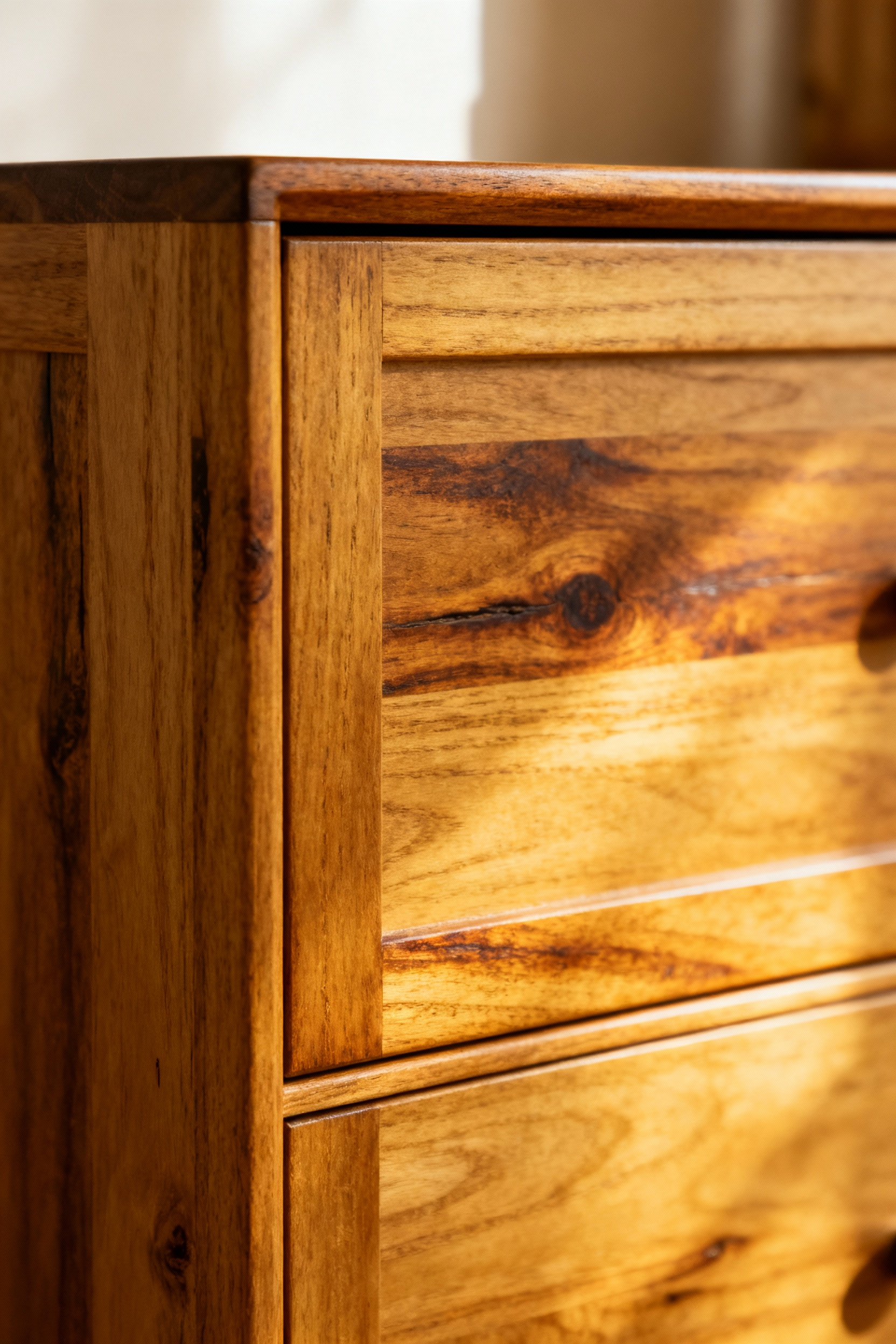
This perspective shifts our relationship with our homes. We move from being mere consumers to being caretakers. By choosing materials like soapstone, which darkens with oiling, or solid wood, which gains depth and character, we invite this evolution. We create a space that reflects the life lived within it, gaining authenticity and warmth with every passing year.
17. Lifecycle Analysis in Maintenance: Adopting Regenerative Cleaning and Repair Protocols
Stewardship requires a gentle hand. The maintenance of an organic kitchen cabinet should be regenerative, not aggressive. This means avoiding harsh chemical cleaners that strip natural finishes and pollute your air. Instead, we adopt simple, time-tested methods.
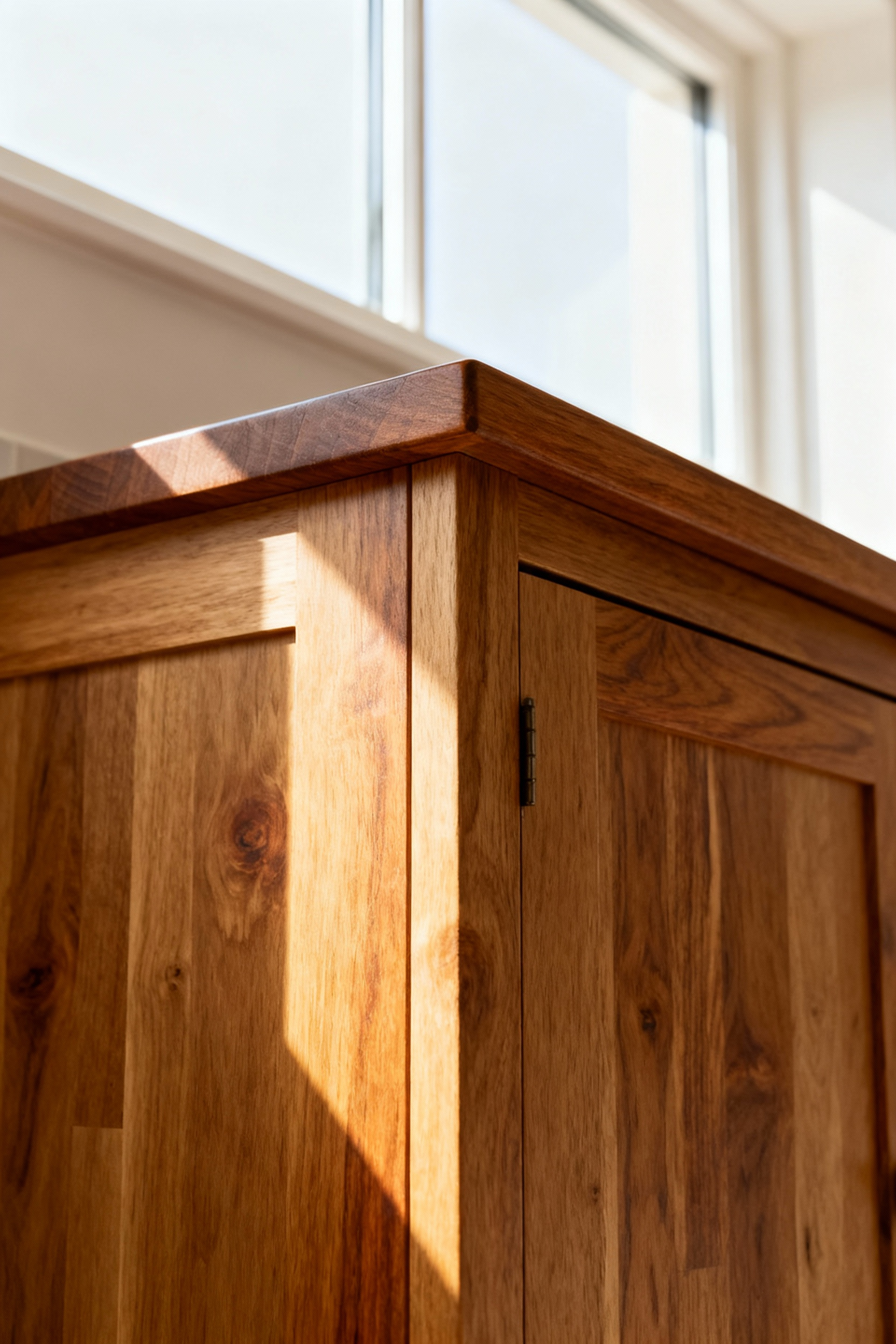
Wood surfaces are nourished with natural oils and waxes. Stone is cleaned with pH-neutral solutions. A scratch on an oiled door is not a catastrophe requiring a full refinish; it can be spot-repaired, blending back into the surrounding patina. This approach honors the material’s lifecycle, extends its beauty, and transforms maintenance from a chore into a ritual of care.
18. Circular Economy Principles: Designing for Disassembly, Repair, and Future Repurposing
A design’s true intelligence is revealed at the end of its life. An organic kitchen cabinet is designed with circularity in mind. It is built for disassembly, repair, and eventual repurposing. This means using mechanical fasteners or traditional joinery instead of permanent adhesives.
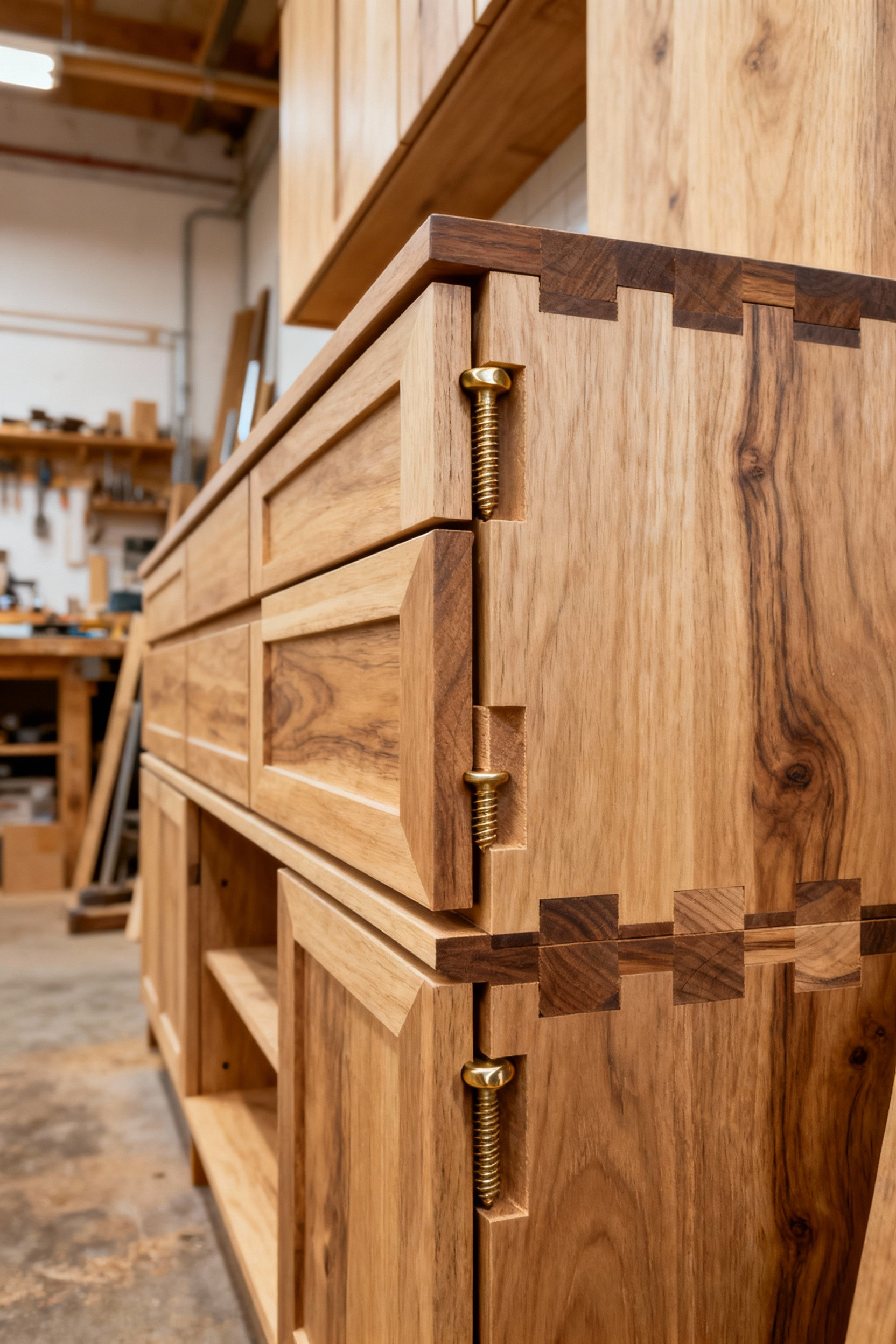
This approach makes targeted repairs possible—a single damaged door can be replaced without sacrificing the entire cabinet. At the end of its life in your kitchen, a modular system can be reconfigured for a new use, or the solid wood can be reclaimed for another project. This foresight drastically reduces waste and transforms the cabinet from a disposable good into a durable asset—a true embodiment of regenerative design.
19. Cultivating Sensory Engagement: The Olfactory and Tactile Experience of Living Materials
Our homes should engage all our senses. The experience of an organic kitchen cabinet goes beyond the visual. It’s the subtle, clean scent of natural wood when you open a door. It’s the cool, solid feel of a stone countertop or the satisfying weight of a bronze pull in your hand.
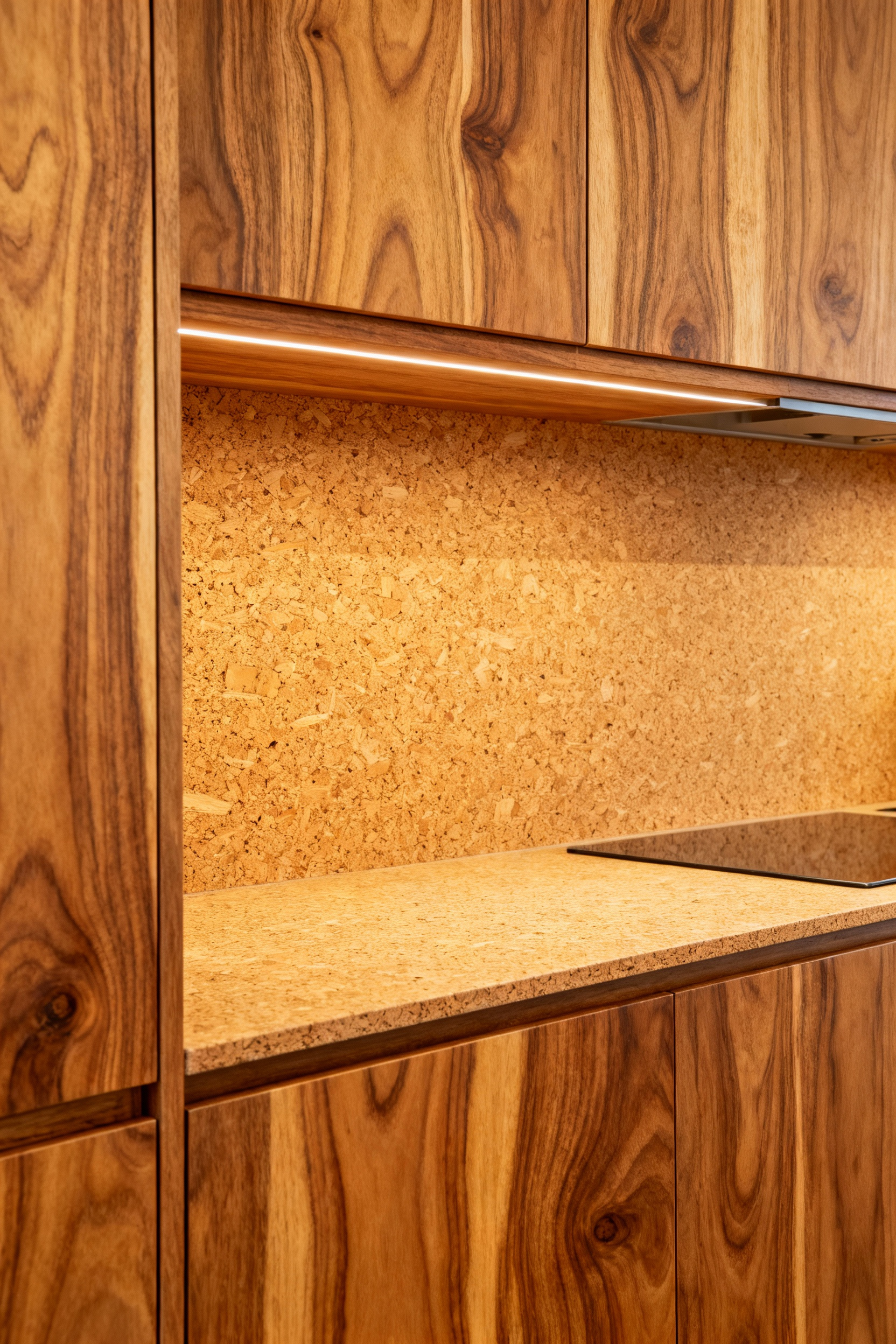
These sensory details ground us in the physical world and foster a profound sense of well-being. By choosing living materials, we create an environment that feels authentic, warm, and nurturing. In a world saturated with synthetic imitations, this tactile and olfactory connection to nature within our own homes is a quiet but powerful luxury.
Fostering Longevity: Stewardship and Evolution of the Organic Kitchen Environment (Part 2)
Finally, we arrive at the ultimate legacy of our choices. An organic kitchen does more than serve our needs; it shapes our worldview, contributing to a home that is in deep and respectful dialogue with the natural world.
20. Legacy of Materiality: How Organic Cabinetry Contributes to a Biocentric Home
A biocentric home is one that sees itself as part of a larger ecosystem, not separate from it. Choosing an organic kitchen cabinet is a powerful expression of this philosophy. Years of professional experience have taught me that these choices ripple outward, shaping not only our immediate health but also our connection to the planet. It’s a declaration that we value the provenance of our materials and the health of the systems from which they came.
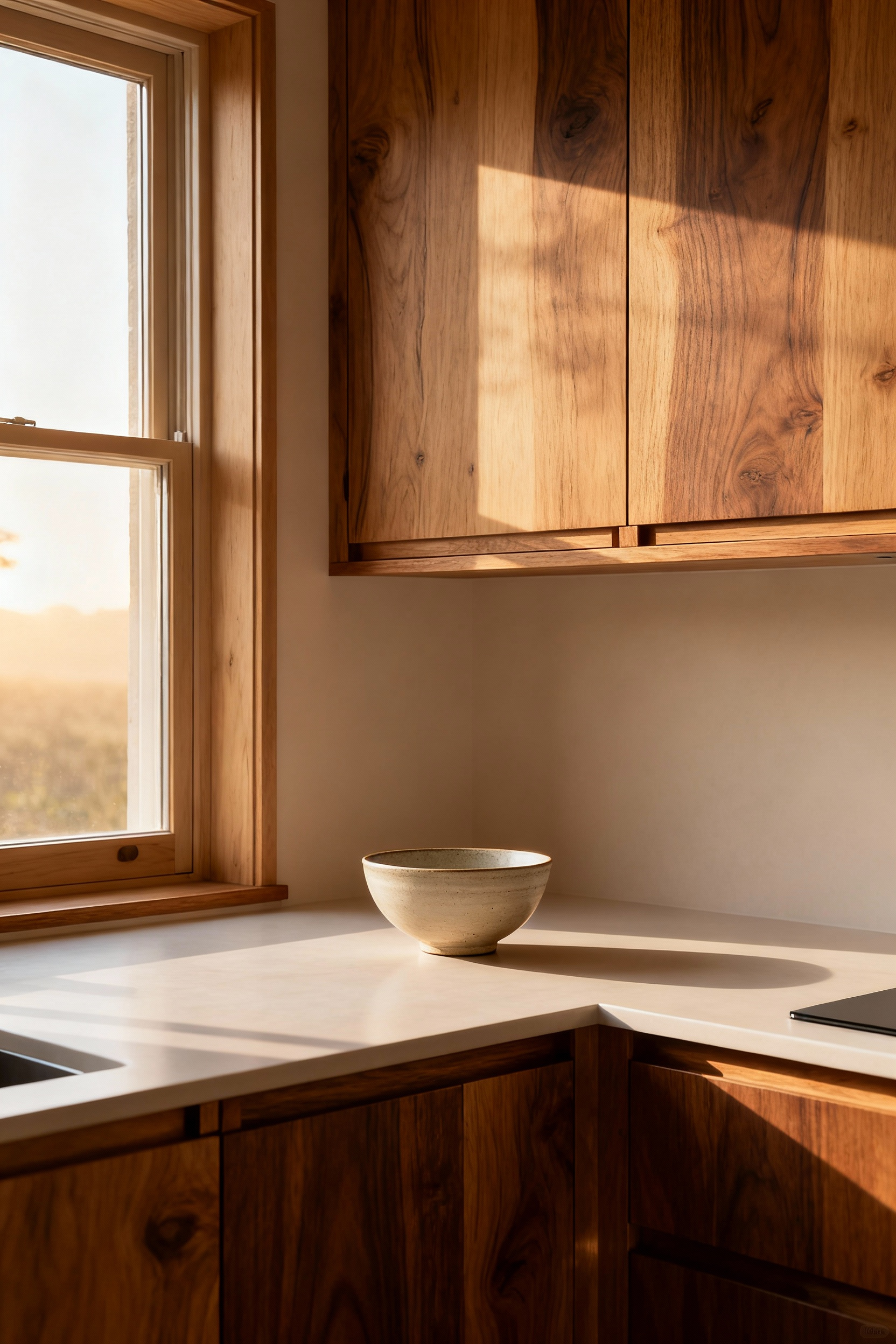
When we prioritize reclaimed timber, FSC-certified woods, and non-toxic finishes, we are casting a vote for a healthier world. We are creating a home that nurtures us with clean air and a tangible connection to nature. This kitchen becomes more than a place to cook; it becomes the heart of a home that is built on a foundation of respect, integrity, and a deep appreciation for the living world. This is the enduring legacy of truly conscientious design.
Conclusion
The path through these twenty principles reveals that creating an organic kitchen cabinet ecosystem is an act of deep intentionality. It is about more than aesthetics; it is about architecting a space that aligns with a philosophy of health, permanence, and reverence for the natural world. We have journeyed from the abstract ethos of design to the tangible reality of materials, craftsmanship, and spatial harmony.
To choose this path is to become a steward of your home’s heart. It is a commitment to creating a legacy of quality and conscientious living. As you consider your own kitchen, I encourage you to use these principles not as a rigid checklist, but as a guide for cultivating a space that is authentic to you and respectful of its origins. By doing so, you will craft a kitchen of profound beauty and function—one that proves true, lasting luxury is found in integrity.